

Learning to read the Quran, improve your Tajweed, or memorize your favorite surahs is a meaningful step in your Islamic journey, and choosing the right teacher matters just as much as choosing what to learn. If you prefer learning from a woman teacher, an online female Quran teacher lets you study from home with more comfort and an approach suited to your needs.
Online classes are available for women, teenage girls, children, beginners, and new Muslims. In this guide, you will learn what an online female Quran teacher can teach you, how lessons work, and how to choose the right teacher.
Table of Contents
- Who Can Learn with a Female Quran Teacher Online?
- What Can You Learn with an Online Female Quran Teacher?
- Female Quran Teacher Online for Kids
- Benefits of One-on-One Quran Classes with a Female Teacher
- How to Choose the Best Female Quran Teacher Online
- How Do Online Quran Classes with a Female Teacher Work?
Who Can Learn with a Female Quran Teacher Online?
Online Quran lessons with a female teacher can suit learners at different ages and stages. Whether you are starting from the basics or looking to improve your recitation, lessons can be adapted to your current level and learning goals.
- For women, beginners, and new Muslims, classes can start with Arabic letters and basic Quran reading or focus on improving Tajweed, memorizing surahs, and understanding Quranic meanings. You do not need previous Arabic knowledge to begin; you can build your skills step by step.
- For children and teenage girls, lessons can focus on developing correct pronunciation, learning through Noorani Qaida, memorizing short surahs, and improving recitation. The teacher can adjust explanations and activities to suit the learner’s age, attention span, and experience.
Mothers and daughters can also pursue their Quran learning goals at the same time, even when their needs differ. For example, a mother may want to improve her Tajweed while her daughter is just learning Arabic letters. With individual lessons, each learner can follow a plan that suits her own level.
What Can You Learn with an Online Female Quran Teacher?
Reading from Scratch with Noorani Qaida
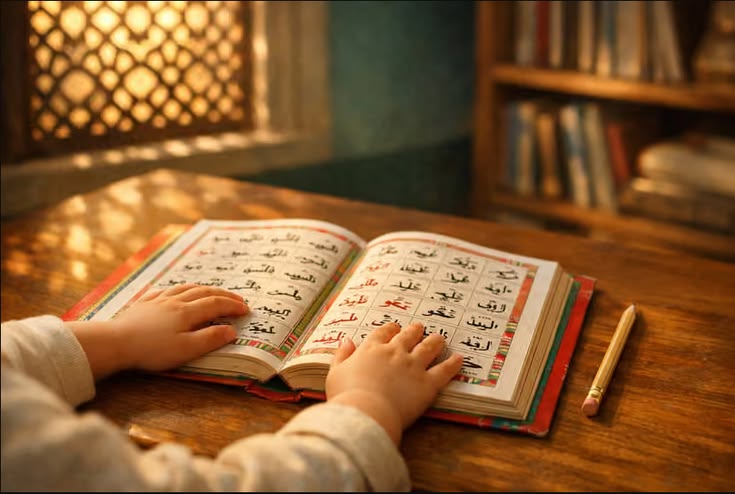
If you have never read the Quran before, your teacher starts with the Arabic alphabet, introducing a few letters per lesson and helping you recognize their sounds. You then move on to:
- Recognizing letters in different positions, since they change shape when joined.
- Reading short and long vowels (fathah, kasrah, dammah).
- Combining letters into simple words.
- Pronouncing letters from their correct articulation points (Makharij).
Noorani Qaida is a beginner-friendly method that covers all of this step by step, which makes it especially useful for children, adult beginners, and new Muslims. Once you have the basics, you start reading short Quranic verses at a comfortable pace, focusing on reading each word carefully rather than rushing through a page. The goal isn’t to finish a book but to read the Quran with growing confidence and less assistance.
Learning to read the Quran is also an opportunity to appreciate the importance of seeking knowledge from an early age. The word “Iqra” (اقرأ) means “Read” and is associated with the first Quranic revelation. To explore its meaning and significance, read our guide on Iqra Meaning: Understanding the First Quranic Revelation.
Tajweed: Reciting Correctly
Tajweed is the set of rules that guides how Quranic letters and words are pronounced. It isn’t only about memorizing rules; you need to hear them applied and practice them while reciting.
A teacher helps you learn gradually, one skill at a time, starting with Makharij. For example, the letters س and ص may sound similar to a beginner, but they are pronounced differently, and your teacher can demonstrate the difference and listen as you repeat it. Depending on your level, lessons may then cover:
- Noon Sakinah and Tanween: how they’re pronounced in different contexts.
- Madd: when vowel sounds are extended, and for how long.
- Ghunnah: the nasal sound required in specific cases.
- Qalqalah: the echoing sound of certain letters carrying a sukoon.
Knowing a rule and applying it while reading are different skills. In a live lesson, your teacher listens, points out mistakes, and helps you spot patterns, so you know what to practice between classes instead of trying to fix everything at once.
Quran Memorization (Hifz)

A structured Hifz plan considers the surahs you already know, how much new material you can comfortably memorize, and the time you can practice between lessons. If you’re new to memorization, you can start with short surahs and work one ayah at a time: listen, repeat with correct Tajweed, recite from memory, then connect it to the previous ayah.
Memorizing new verses is only half of Hifz. Regular revision, known as Muraja’ah, keeps what you’ve learned fresh. A balanced weekly routine usually includes:
- New memorization: a manageable portion of a surah.
- Recent revision: verses from the last few lessons.
- Older revision: previously memorized surahs, to strengthen recall.
Your teacher can help you identify forgotten words, correct recurring mistakes, and adjust the balance if an older passage needs more attention. Realistic goals and steady revision matter more than rushing toward a large target. If you’re helping your child memorize the Quran at home, explore our guide on How to Help Kids Memorize Quran: Easy Steps Parents Must Know for practical tips to make memorization more manageable and consistent.
Understanding the Meanings
Depending on the course, lessons can also introduce Quranic vocabulary, translations, and basic Tafseer, helping you understand the message of what you recite and connect it to your daily life. For parents who want their children to explore the meanings of the Quran beyond memorization, discover 6 Benefits of Online Tafseer Lessons for Kids and learn how Tafseer can support their child’s Quran learning journey.
Female Quran Teacher Online for Kids
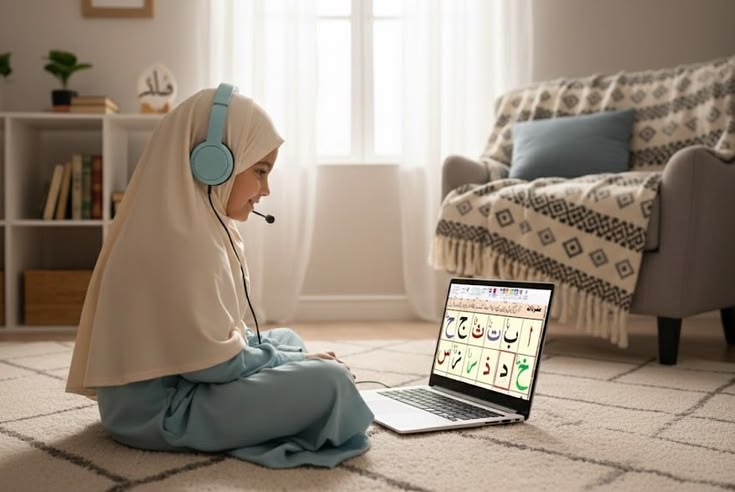
Young learners need clear explanations, regular practice, and encouragement. A good teacher breaks each lesson into small steps. A beginner might learn a few letters and review them through repetition, while a child who can already read might practice short surahs and basic Tajweed. If a particular letter or rule is difficult, the teacher can spend extra time on it before moving on.
Children can also learn short surahs they’ll use in daily prayers, along with everyday duas, such as before eating or sleeping. To keep memorization engaging, a teacher may divide a surah into small sections, have the child repeat each verse, and review earlier verses before adding new ones.
Parents can support progress by:
- Choosing a lesson time when the child is usually alert.
- Encouraging a short review between lessons.
- Celebrating effort instead of expecting perfection.
- Asking the teacher what to practice before the next class.
Children develop at different rates, so patience and consistency matter more than speed.
Benefits of One-on-One Quran Classes with a Female Teacher

One-on-one lessons put your recitation at the center of the session. Here is what that means in practice.
Individual Attention and Immediate Feedback
When you learn one-on-one, your teacher can focus on your recitation, listen carefully to each verse, and identify areas that need improvement. You do not have to wait for other students to finish their turns before receiving feedback.
For example, if you repeatedly struggle with a particular Arabic letter or Tajweed rule, your teacher can pause the lesson, explain the correction, and give you time to practice it again.
This individual attention is useful for learners at different stages, including those who are:
- Learning Arabic letters and basic Quran reading.
- Improving pronunciation and applying Tajweed rules.
- Memorizing new verses and revising previously learned surahs.
- Working toward more fluent and accurate recitation.
Lessons Adapted to Your Learning Speed
Not everyone learns at the same pace. A concept that feels simple to one student may require more explanation and practice for another. Personalized lessons allow your teacher to adjust the pace according to your progress.
If you need extra practice with a lesson, you can spend more time on it before moving forward. If you understand a topic quickly, you can continue to the next step without unnecessary repetition.
This flexibility can be especially helpful for adult beginners, new Muslims, and students returning to Quran study after a long break. You can build your skills gradually without feeling pressured to keep up with someone else’s progress.
A Comfortable Space to Ask Questions
Learning something new often comes with questions, and Quran study is no exception. You may be unsure how to pronounce a letter, confused about a Tajweed rule, or hesitant to admit that you have forgotten a verse.
A private lesson gives you the opportunity to ask for clarification without worrying about speaking in front of a group. Learning with a female teacher may also feel more comfortable for women and girls who prefer this arrangement for personal or religious reasons.
You can ask your teacher to repeat an explanation, demonstrate a sound again, or help you understand where you went wrong. These small moments of clarification can make lessons easier to follow and help you approach future challenges with greater confidence.
Consistent Progress with a Dedicated Teacher
Building strong Quran reading or memorization skills takes time. Having a regular teacher who understands your current level can help you follow a clear learning plan and recognize which areas need continued practice.
For example, your teacher may help you set goals for the next few lessons, revisit recurring pronunciation mistakes, or balance new memorization with revision. As your skills develop, your learning plan can be adjusted to reflect your progress.
Consistency also depends on choosing a realistic schedule and practicing between lessons. With regular attendance, individual guidance, and manageable goals, you can work steadily toward improving your recitation or memorization.
How to Choose the Best Female Quran Teacher Online
1. Check Quran and Tajweed qualifications. Match the teacher’s background to your goal. For recitation, look for someone who understands Tajweed and can demonstrate it. For memorization, ask about Hifz and revision experience. An Ijazah can be important if you want an authorized chain of transmission, but qualifications alone don’t show how well someone teaches.
2. Look for experience with your level. An adult beginner needs a different approach from a young girl learning the alphabet. If you’re choosing for your daughter, ask how lessons are adapted to her age and reading ability.
3. Consider communication and teaching style. A good teacher pronounces clearly, explains mistakes in a way you understand, lets you do most of the reciting, corrects respectfully, and speaks a language you understand if you’re not an Arabic speaker.
4. Be clear about your goals. Whether you want to read from scratch, improve Tajweed, memorize, or understand meanings, share this upfront and ask how lessons would be organized around it. Discuss lesson length, weekly schedule, and how much you can practice between classes.
5. Book a trial lesson. A trial isn’t about mastering anything in one session. It shows you whether the teacher explains clearly, focuses on your level, identifies mistakes, makes you comfortable asking questions, and can outline next steps.
How Do Online Quran Classes with a Female Teacher Work?
All you need is a computer, tablet, or smartphone and a stable internet connection. The process usually looks like this:
- Book a trial class. Tell the academy whether the lessons are for you or your child, your current level, and your goals.
- Take a reading assessment. A beginner may be asked to identify letters and sounds; an experienced reader may recite a passage so the teacher can listen to pronunciation, fluency, and Tajweed.
- Receive a personalized plan. Beginners start with letters, vowels, and basic reading. More experienced students may focus on correcting recitation, learning Tajweed, or following a Hifz and revision plan.
- Choose your schedule. Agree on days, times, and lesson length. If you’re in a different time zone from your teacher, confirm times in your local time, and check the academy’s attendance and rescheduling policies.
- Begin regular lessons. Over video call, you review the previous lesson, practice new material, read aloud with corrections, revise memorized surahs, and agree on what to practice before the next class.
Final Thoughts: Begin Your Quran Learning Journey with the Right Teacher
The right female Quran teacher can make your learning more organized and rewarding, whether you’re starting from the Arabic alphabet, refining your Tajweed, or building a Hifz routine.
Ready to start your Quran learning journey? At Areeb Academy, we offer personalized, one-on-one online Quran lessons designed around each student’s level, goals, and learning pace. Here’s what you can expect:
- Native Arabic-Speaking Teachers: Learn with teachers who are native Arabic speakers and communicate fluently in English, making lessons easier to follow for non-Arabic speakers.
- Qualified Teachers: Learn from teachers with relevant qualifications and Quran teaching experience. Selected teachers hold Ijazah qualifications.
- Child-Friendly Teaching: Our teachers adapt their approach to suit children’s ages, attention spans, and learning needs.
- Personalized One-on-One Lessons: Receive individual attention, immediate feedback, and a learning plan tailored to your strengths and areas for improvement.
- Flexible Learning Pace: Take the time you need to build your reading skills, improve your Tajweed, or memorize Quranic verses without being rushed to match another student’s progress.
Frequently Asked Questions
1. Can I learn the Quran online with a female teacher as a complete beginner?
Yes. You don’t need to know Arabic. You start with the alphabet, letter sounds, and vowel marks before moving to words and verses.
2. Are online classes with female teachers suitable for children?
Yes. Children can learn Arabic letters, Quran reading, short surahs, memorization, and age-appropriate Tajweed. Choose a teacher whose style suits your child’s age and needs.
3. Can I learn Tajweed online with a female teacher?
Yes. Lessons can cover letter pronunciation, Makharij, and rules such as Madd, Ghunnah, and Noon Sakinah and Tanween, with regular recitation practice and feedback.
4. Can a female teacher help me memorize the Quran?
Yes. You can follow a structured plan with repetition and regular Muraja’ah, balancing new memorization with revision of earlier portions.
5. How often should I take lessons?
You can choose how many days per week you’d like to take lessons, with session lengths of 30, 45, or 60 minutes. We recommend 30-minute sessions for children under 7, as their attention spans may be shorter. The ideal schedule depends on your goals, age, and availability, so you can choose a routine that works best for you or your child.
6. Can I schedule lessons around work or family commitments?
Often, yes, depending on the teacher’s availability and the academy’s policies. Discuss preferred days, times, time zone, and cancellation rules before enrolling.