

How to help kids memorize Quran is a question many parents ask when they begin their child’s Hifz journey. While memorizing the Quran is a deeply spiritual goal, it also requires the right approach, patience, and understanding of how children learn.
Every child is capable of memorizing the Quran, but the method makes all the difference. A supportive environment, consistent routine, and engaging learning style can turn memorization from a challenge into a meaningful and enjoyable experience. When kids feel encouraged and connected to what they are learning, their memorization becomes stronger, faster, and more lasting.
Why Quran Memorization Is Important for Children
Memorizing the Quran (Hifz) from a young age plays a major role in shaping a child’s spiritual identity, mindset, and overall development. It is not only about memorization, but about building a lifelong connection with the words of Allah, while also developing discipline, focus, and strong cognitive abilities.
Building a Strong Connection with the Quran
Quran memorization helps children develop a deep and lasting bond with the Quran. When started early, this connection becomes part of their daily life and personality.
- Builds love and familiarity with the Quran from childhood
- Strengthens the child’s relationship with Allah’s words
- Instills core values like honesty, patience, and humility
- Makes Quran recitation a natural habit in daily routine
This connection goes beyond memorization; it shapes how children think, behave, and understand their purpose in life.
Developing Good Islamic Habits Early
One of the strongest benefits of Hifz is the discipline it builds over time. Children naturally learn structure and consistency through daily practice.
- Encourages consistency through small daily memorization goals
- Builds discipline and self-control
- Improves time management between study, play, and rest
- Teaches patience through gradual progress
With time, these habits don’t stay limited to Quran learning—they reflect in school performance, behavior, and overall responsibility.
Spiritual and Educational Benefits of Hifz
Quran memorization combines both spiritual reward and intellectual development, making it a balanced form of learning for children.
From a spiritual side, it:
- Strengthens faith and connection with Allah
- Brings immense reward and blessings in Islam
- Elevates the status of those who memorize and act upon the Quran
- Can serve as intercession on the Day of Judgment
From an educational side, it:
- Enhances memory and recall ability
- Improves focus and attention span
- Strengthens Classical Arabic vocabulary and comprehension
- Supports better academic performance across subjects
- Develops cognitive and critical thinking skills
How to Help Kids Memorize Quran: Choosing the Right Age to Start
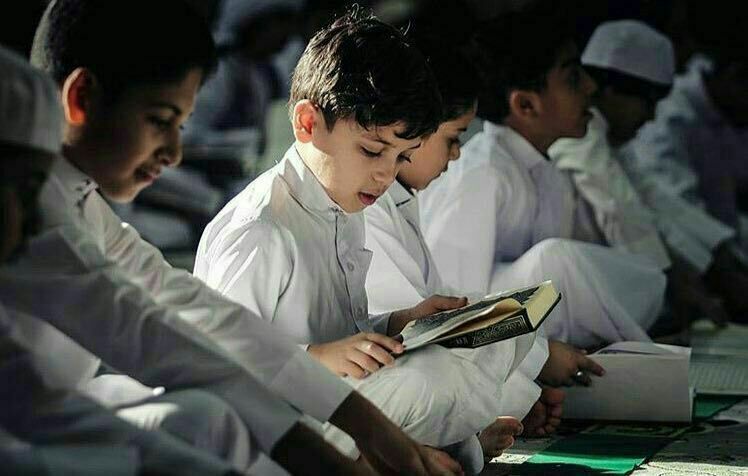
There is no single fixed age for starting Quran memorization, but early childhood is widely considered the most effective stage for learning. Children naturally have strong memory, high imitation ability, and a flexible learning capacity, which makes Quran memorization easier and more enjoyable when introduced correctly.
Most educators agree that formal memorization can begin around ages 5–7, while exposure to listening and repetition can start even earlier.
Starting Young Without Pressure
Early Quran exposure should always focus on love, familiarity, and gentle repetition—not pressure or strict expectations.
- Children can start listening to short Surahs as early as age 3–4
- Keep sessions very short (15–20 minutes) and engaging
- Use repetition through listening and simple recitation
- Introduce basic Duas and daily Islamic phrases naturally
At this stage, the goal is not memorization perfection, but building comfort and love for the Quran.
How Different Learning Speeds Affect How to Help Kids Memorize Quran
Children learn in phases, and each stage has a different focus that matches their mental and emotional development:
Ages 3–4: Early Exposure
- Listening to short Surahs like Al-Fatihah and Al-Ikhlas
- Repeating simple words and verses
- Learning through play, sound, and repetition
- Starting basic Arabic letters (Noorani Qaida introduction)
If you want a practical guide on how to help your child memorize it quickly and effectively, you can check:
👉 Surah Al-Fatihah for Kids | Learn and Memorize Easily in 5 Mins
From 5–7: Foundation Stage
- Beginning structured memorization with a teacher or program
- Developing a daily Quran routine
- Strengthening pronunciation and listening skills
- Starting Juz Amma memorization step by step
Ages 8–12: Strengthening & Progress
- Faster memorization with better understanding
- Improved focus and longer retention ability
- Ability to maintain consistent Hifz schedule
- Reinforcement of previously memorized Surahs
Each stage builds naturally on the previous one, making the journey gradual and sustainable.
Encouraging Consistency Over Perfection
Success in Quran memorization is not about speed, but about consistency and long-term connection.
- Short daily sessions are more effective than long irregular ones
- Repetition helps strengthen memory over time
- Understanding meanings helps retention and emotional connection
- Encouragement is more effective than pressure
Most importantly, children should feel that memorizing the Quran is a joyful and rewarding experience, not a burden. When consistency is prioritized over perfection, children are more likely to continue their Hifz journey with love and confidence.
How to Help Kids Memorize Quran with a Daily Routine
A successful Quran memorization journey is not built on random effort, but on a consistent daily routine that balances new memorization, revision, and long-term retention. The key is to create a simple, realistic system that a child or learner can follow every day without feeling overwhelmed.
A well-structured routine helps strengthen memory, improves focus, and turns Hifz into a sustainable lifelong habit rather than a temporary effort.
Choosing the Best Time for Memorization
Timing plays a very important role in how effectively verses are memorized and retained. The mind is usually clearer and more focused at certain parts of the day.
- Early morning, especially after Fajr, is considered the most effective time for new memorization
- The brain is more relaxed, distractions are fewer, and retention is higher
- Evening time can be used for revision and reinforcement
- Short review sessions can also be added during breaks or after prayers
Choosing consistent timing every day helps the brain form a strong learning pattern, making memorization easier over time.
How to Help Kids Memorize Quran with Short and Focused Sessions
One of the most important principles in Quran memorization is quality over quantity. Long, tiring sessions often lead to burnout and weak retention, especially for children.
Instead, short and focused sessions are far more effective:
- 15 to 30 minutes of memorization is ideal for most learners
- Focus on understanding and correct recitation rather than speed
- Use repetition to strengthen memory
- Avoid distractions during the session
This approach helps the learner stay consistent and keeps the experience positive and manageable.
👉 If you are looking for professional guidance for your child’s Hifz journey, this can help:
Online Hifz Teacher for Kids – Master Quran with Expert Tutors
Balancing Memorization and Revision
A strong Quran routine is not only about learning new verses but also about regularly reviewing previously memorized portions. Without consistent revision, children may forget what they have memorized over time.
A balanced routine usually includes three key parts:
- New memorization (daily portion) helps build progress step by step.
- Recent revision strengthens what was memorized in the last few days or weeks.
- Older revision ensures long-term retention and prevents forgetting previously learned Surahs.
When these three elements work together, the memorization becomes stable, strong, and long-lasting.
How to Help Kids Memorize Quran Through Fun and Engaging Activities
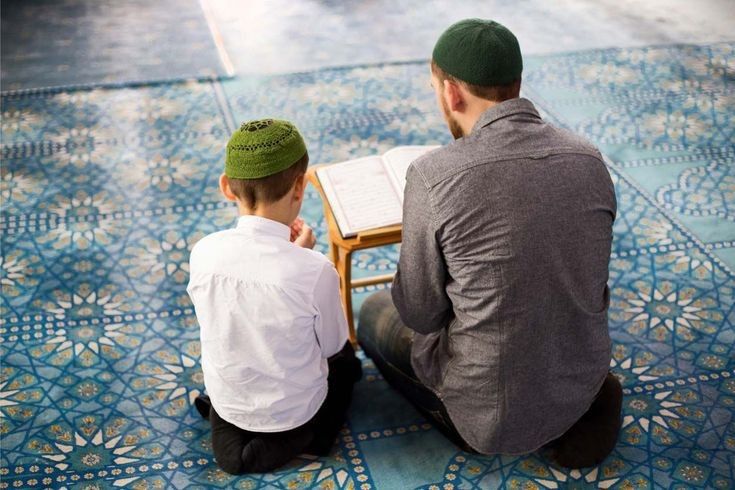
Making Quran memorization enjoyable is one of the most important factors in helping children stay consistent. When the process feels like play rather than pressure, children naturally engage more, remember better, and build a long-term love for the Quran. The goal is to create a positive emotional experience around memorization so it becomes something they look forward to every day.
Reward Systems and Motivation Charts
One of the simplest ways to keep children motivated is through visible progress and small rewards. Kids respond strongly to encouragement and recognition, especially when they can see what they have achieved.
Using a reward chart or sticker system helps them track their progress visually, which makes memorization feel like a game. Every completed Surah, page, or set of verses becomes a milestone worth celebrating. Rewards don’t have to be big; even verbal praise, stickers, or small treats can create strong motivation and consistency over time.
Quran Games and Interactive Activities
Turning memorization into interactive activities helps children stay focused and engaged, especially those who learn better through movement and play. Instead of sitting in one place for long periods, learning can be combined with fun, action-based methods.
For example, parents can turn repetition into a simple game by having their child recite while passing a ball or earning a small reward for each correctly recited verse. They can also combine memorization with movement, storytelling, or family activities to make learning more engaging. This approach helps children enjoy the process and feel that Quran memorization is a meaningful experience rather than just another lesson.
This approach strengthens memory through engagement and reduces boredom, making Quran learning feel natural and enjoyable.
How Celebrating Progress Helps Kids Memorize Quran
Recognizing small wins is essential in building confidence and long-term commitment. Instead of waiting for big milestones, every small step in memorization should be appreciated.
When a child completes a single verse, a short Surah, or even improves their recitation, it should be acknowledged. This creates a sense of accomplishment and encourages them to continue without feeling overwhelmed.
Celebration also strengthens emotional connection with the Quran, helping children associate memorization with positivity, encouragement, and pride in their progress.
Importance of Revision in Quran Memorization

Revision (Muraja’ah) is one of the most important pillars of Quran memorization (Hifz). While new memorization builds the foundation, revision is what strengthens, stabilizes, and preserves it over time. Without consistent revision, even strong memorization can gradually fade, making long-term retention difficult.
A strong Hifz journey is not measured by how quickly a child memorizes new verses, but by how consistently they review, retain, and apply what they have learned.
Preventing Forgetfulness
One of the biggest challenges in Quran memorization is forgetting previously learned verses. Human memory naturally weakens without repetition, which is why regular revision is essential.
- Revision strengthens long-term memory and retention
- It reduces confusion between similar verses and Surahs
- It improves fluency and confidence during recitation
- It helps prevent “loss of progress” after memorization
In simple terms, revision turns temporary memorization into permanent mastery.
How Revision Plans Help Kids Memorize Quran More Effectively
A structured revision plan ensures that memorization stays strong and organized. Instead of revising randomly, learners should follow a clear routine that balances new learning with review.
Daily revision usually focuses on recent memorization, especially what was learned within the last few days or weeks. This helps transfer information from short-term to long-term memory.
Weekly revision focuses on older portions of the Quran that the child has already memorized. Children review these sections in rotation to keep them strong and prevent forgetting over time.
This combination keeps both new and old memorization equally strong.
Combining Old and New Surahs
A successful Hifz routine always includes both memorization and revision working together. Focusing only on new Surahs can weaken previously memorized sections, while focusing only on revision can slow progress.
A balanced approach includes:
- Revising recent memorization daily to strengthen new learning
- Regularly revisiting older Surahs to maintain retention
- Mixing recitation from memory with looking at the Mushaf
- Increasing revision gradually as more is memorized
When both old and new Surahs are given equal importance, the memorization becomes stable, consistent, and long-lasting.
Role of Parents in Helping Kids Memorize Quran
A child’s Quran memorization journey does not begin in the classroom—it begins at home. While teachers provide guidance and instruction, parents are the ones who create the daily habits, encouragement, and support that help children stay connected to the Quran.
Encouraging with Patience and Kindness
Every child experiences ups and downs during Hifz. Some days memorization feels easy, while other days even familiar verses may be difficult to recall. During these moments, patience matters more than pressure.
Children thrive when their efforts are recognized and appreciated. A few encouraging words, celebrating a completed Surah, or acknowledging consistent revision can make a huge difference in their confidence and motivation. When memorization is associated with positivity and encouragement, children are more likely to enjoy the process and remain committed to it.
Creating a Positive Islamic Environment
The home environment plays a powerful role in shaping a child’s relationship with the Quran. A peaceful routine, a dedicated study space, and regular Quran recitation at home can all help make memorization feel like a natural part of daily life.
Consistency is often more valuable than intensity. Short daily sessions, combined with regular revision, help children build strong memorization habits without feeling overwhelmed. Parents can also strengthen their child’s connection to the Quran by discussing simple meanings and lessons from the verses they are learning.
Leading by Example at Home
Children are inspired by what they see. When parents make time for the Quran, children learn that it is something valuable and important.
Whether it is reading a few verses each day, listening to recitation, or reviewing memorized passages together, these small actions leave a lasting impact. Seeing parents engage with the Quran teaches children that learning and reflecting on Allah’s words is a lifelong journey.
By creating a supportive environment, encouraging consistent effort, and leading through example, parents can help their children develop not only strong memorization skills but also a deep and lasting love for the Quran.
👉 If you want practical parenting strategies to support your child’s Islamic education, this guide can help:
How to Teach Islam to Children: 6 Practical Tips for Muslim Parents
Mistakes to Avoid When Teaching Quran Memorization
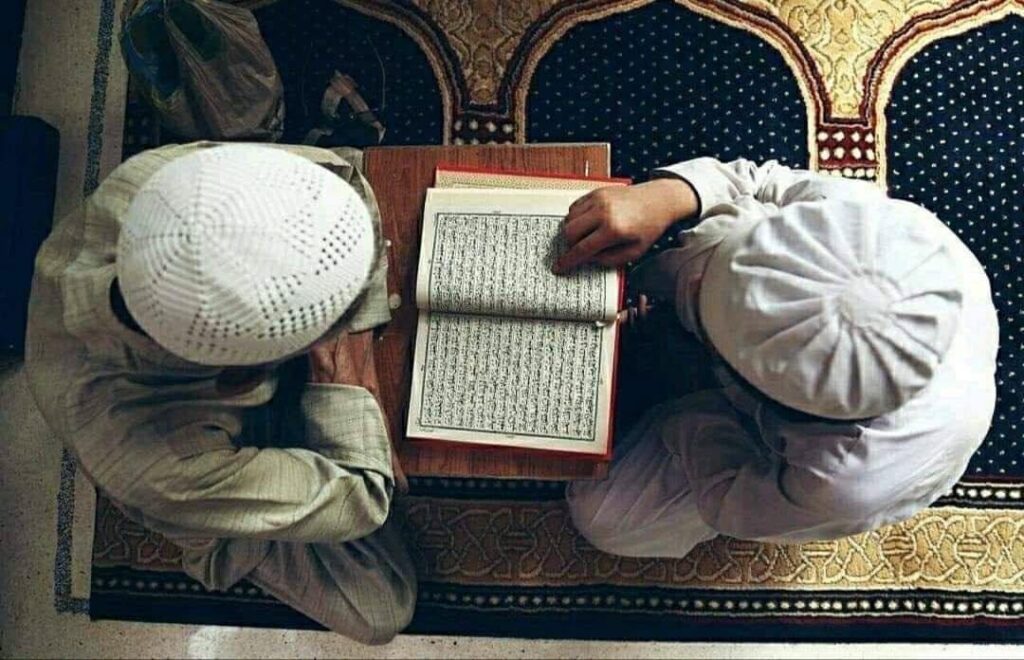
Teaching Quran memorization is a beautiful journey, but small mistakes can slow progress and affect the child’s connection with the Quran. Many difficulties happen not because of lack of ability, but because of incorrect methods used in teaching or practice.
To build strong, stable Hifz, it is important to avoid common pitfalls and focus on consistency, accuracy, and emotional connection with the Quran.
Forcing Long Memorization Sessions
Some parents or teachers think that longer sessions mean faster progress, but this often has the opposite effect. Children lose focus quickly, become tired, and may even develop dislike for memorization.
- Long sessions reduce attention and retention
- The child may memorize quickly but forget just as fast
- It creates pressure instead of love for the Quran
A better approach is to keep sessions short, consistent, and focused. Small daily portions are far more effective than occasional long study hours.
Comparing Children to Others
Every child learns at a different pace, and comparison can harm confidence and motivation. When children feel they are “behind,” they may lose interest or feel discouraged.
- It creates unnecessary pressure and stress
- It reduces self-confidence in memorization ability
- It shifts focus from learning to competition
Instead, each child should be encouraged based on their own progress. Celebrating small achievements builds motivation and long-term consistency.
H3: Ignoring the Meaning of the Verses
Memorizing without understanding the meaning makes the process mechanical and harder to retain. When children do not connect emotionally with the verses, they are more likely to forget them.
- Lack of understanding weakens long-term memory
- Memorization becomes repetitive and boring
- It reduces emotional connection with the Quran
Explaining simple meanings and stories behind the verses helps children remember better and feel more connected to what they are learning.
Final Thoughts on How to Help Kids Memorize Quran
Helping children memorize the Quran is not just about repetition — it is about building love, consistency, and confidence in their hearts from an early age. The right teacher and learning environment can make this journey much easier and more effective.
At Areeb Academy, we make your child’s Quran memorization journey easier, smoother, and full of motivation
Here’s what makes learning with us special 👇
- Highly qualified teachers who are experienced in teaching kids Hifz in a simple and engaging way
- Native Arabic speakers who speak fluent English, making communication clear and easy for non-Arabic speaking children
- Personalized learning plans tailored to each child’s level, pace, and learning style
- A supportive and encouraging environment that helps children love the Quran, not feel pressured by it
- Focus on steady progress, confidence building, and long-term retention — not just fast memorization
We believe every child can succeed when they are taught with patience, care, and the right method
Book a free trial now and start your child’s Quran journey with Areeb Academy today
❓ FAQs about How to Help Kids Memorize Quran
1. What is the best age to start Quran memorization for kids?
Most children can start gentle Quran exposure as early as 3–4 years old by listening and repetition. Formal memorization usually begins around 5–7 years old, depending on the child’s readiness and attention span.
2. How long should kids spend memorizing the Quran daily?
Short and consistent sessions are best. Ideally, 15–30 minutes per day is enough for memorization, along with a separate short time for revision to ensure strong retention.
3. How can I make Quran memorization easier for my child?
You can make it easier by using repetition, listening to skilled reciters, breaking verses into small parts, and creating a fun and encouraging environment without pressure.
4. Why is revision important in Quran memorization for kids?
Revision helps children retain what they have memorized and prevents forgetting. Without regular revision, even strong memorization can weaken over time.
5. What if my child is struggling to memorize the Quran?
Every child learns at a different pace. If your child is struggling, reduce pressure, shorten sessions, increase repetition, and consider guidance from a qualified Quran teacher for better results.