
Quranic vocabulary basics form the foundation for anyone who wants to truly understand the Quran, not just recite it. By learning the most frequently used words, exploring their roots, and seeing them in context, learners—both children and adults—can unlock the meanings of verses and connect more deeply with the divine message.
This guide provides practical methods to master Quranic vocabulary, highlights common challenges beginners face, and shares effective strategies to overcome them. Following these approaches, you will be able to:
- Recognize and memorize high-frequency Quranic words that cover up to 85% of the text.
- Understand words in context using the root system, making learning faster and more meaningful.
- Integrate vocabulary with recitation, daily reflection, and practice for better retention and spiritual growth.
- Benefit from interactive learning tools, including structured lessons, flashcards, and guided exercises suitable for all ages.
By the end of this article, you will have a clear roadmap to build strong Quranic vocabulary basics, avoid common learning mistakes, and strengthen your lifelong connection with the Quran.
What Are Quranic Vocabulary Basics?

Quranic vocabulary basics refer to the most common words that appear throughout the Quran and form the foundation for understanding its message. The Quran contains nearly 78,000 words, yet studies show that around 400–500 frequently repeated words make up a large percentage of the text. Learning these words allows students to recognize a significant portion of Quranic verses without needing a full translation.
These foundational words include different types of vocabulary such as nouns, verbs, particles, and prepositions. Many of them are connected to key Islamic concepts like faith, guidance, worship, and human actions.
For beginners, focusing on these essential words is one of the most effective ways to start understanding the Quran directly. Instead of memorizing thousands of terms, learners can begin with the most commonly used vocabulary that appears repeatedly in many verses.
Understanding the Meaning of Quranic Vocabulary

Quranic vocabulary includes all the words used in the Quran, such as nouns, verbs, and grammatical particles. While the language shares similarities with Modern Standard Arabic, Quranic Arabic has its own distinctive style and meanings.
Some words appear with specific spiritual meanings in the Quran that may not be used the same way in everyday Arabic. For example, words related to faith, guidance, and worship often carry deeper theological meanings.
Many Quranic words are also built from three-letter root systems, which is a fundamental feature of the Arabic language. By learning the root of a word, students can recognize several related words with similar meanings. For instance, words related to belief such as iman, amin, and mu’min share the same root, which helps learners connect meanings more easily.
Understanding vocabulary also involves learning the context of words within verses, because the same word may convey slightly different meanings depending on how it appears in a sentence.
Why Quranic Vocabulary Basics Matter for Beginners

Learning Quranic vocabulary basics provides a strong starting point for anyone who wants to understand the Quran without relying entirely on translations.
Since many words repeat throughout the Quran, recognizing common vocabulary helps learners identify familiar terms across multiple verses. Over time, this builds confidence and makes reading the Quran feel more accessible.
These vocabulary basics also introduce students to the core concepts of Islam, including faith, guidance, righteousness, and the relationship between humans and their Creator. Words like Rabb (Lord), Iman (faith), and Huda (guidance) appear frequently and carry central meanings in the Quran.
For beginners, mastering this small group of essential words can unlock a large portion of Quranic understanding and make further learning much easier.
How Vocabulary Improves Quran Understanding
Building Quranic vocabulary gradually improves both reading comprehension and deeper reflection on the Quran.
When learners recognize key words while reading, they begin to understand the general meaning of verses even before looking at translations. This creates a more direct connection with the text and strengthens engagement with the Quran.
Vocabulary knowledge also helps learners follow recurring themes and messages, such as belief, accountability, mercy, and guidance. Because these ideas appear repeatedly throughout the Quran, recognizing the words associated with them helps readers grasp the overall message more clearly.
Another effective strategy is studying vocabulary through themes or categories, such as words related to people, actions, worship, or the natural world. This method makes memorization easier and helps learners understand how different words relate to each other in the Quran.
Most Common Quranic Vocabulary Basics Every Learner Should Know

One of the easiest ways to begin understanding the Quran is by learning the most common Quranic vocabulary basics. Instead of trying to memorize thousands of words, beginners can focus on a smaller group of frequently repeated words that appear throughout many surahs.
Researchers and Quranic Arabic educators often explain that learning 100–500 high-frequency Quranic words can unlock a large portion of the Quran’s vocabulary. Because these words appear repeatedly, recognizing them helps learners quickly become familiar with many verses.
These vocabulary basics usually fall into several important categories. Understanding these categories helps beginners organize their learning and remember words more effectively.
Words Related to Allah and Faith
Many of the most frequent words in the Quran relate directly to Allah, faith, and the relationship between the Creator and His creation. Learning these words first allows readers to better understand the spiritual themes that appear throughout the Quran.
Some common examples include:
- Allah (الله) – The name of God in Islam
- Rabb (رب) – Lord, Sustainer, and Caretaker
- Iman (إيمان) – Faith or belief
- Taqwa (تقوى) – Consciousness and awareness of Allah
- Rahman / Raheem (الرحمن / الرحيم) – Attributes describing Allah’s mercy
- Ayah (آية) – A sign or verse from the Quran
- Haqq (حق) – Truth
These words appear frequently in Quranic verses that discuss belief, guidance, and the purpose of human life. Recognizing them helps learners connect with the Quran’s core message.
Words Related to Worship and Prayer

Another important group of Quranic vocabulary includes words connected to acts of worship and devotion. These words often appear in verses related to prayer, remembrance, and obedience to Allah.
Common examples include:
- Salat (صلاة) – The daily prayer
- Dhikr (ذكر) – Remembrance of Allah
- Hamd (حمد) – Praise and gratitude
- Dua (دعاء) – Supplication or calling upon Allah
- Sujud (سجود) – Prostration during prayer
- Ibadah (عبادة) – Worship
Understanding these words can make a major difference during recitation and prayer. When learners recognize these terms in the verses they recite daily, their focus and connection during worship naturally improve.
Words Related to Guidance and Knowledge

The Quran repeatedly emphasizes guidance, knowledge, and reflection. Because of this, many frequently repeated Quranic words relate to learning, understanding, and following the right path.
Examples include:
- Huda (هدى) – Guidance
- Ilm (عِلم) – Knowledge
- Kitab (كتاب) – Book or scripture
- Sabīl (سبيل) – Path or way
- Qalb (قلب) – Heart (the spiritual center of understanding)
- ‘Alima (علم) – To know
These words help readers recognize the Quran’s constant call toward learning, reflection, and seeking the straight path.
💡 Tip for Beginners:
Instead of memorizing long vocabulary lists, focus on small groups of words that appear repeatedly in Quranic verses. Studying them in context—while reading or listening to the Quran—makes them easier to remember and understand.
How Many Words Cover Most of the Quran?
start understanding the Quran. In reality, a relatively small number of frequently repeated words make up a large portion of the Quranic text.
Researchers and Quranic language educators often explain that high-frequency vocabulary appears again and again across many surahs. By focusing on these repeated words, learners can quickly begin recognizing familiar terms while reading or listening to the Quran.
For example:
- Around 70–80 words can help learners recognize roughly 50% of the Quran’s vocabulary.
- About 300 words can cover a large portion of commonly used vocabulary.
- Around 500 words may help learners understand approximately 75–85% of the Quranic text.
This approach makes learning Quranic Arabic much more manageable. Instead of memorizing endless vocabulary lists, beginners can focus on the words that appear most often, gaining meaningful progress in a shorter time.
Frequently Repeated Words in the Quran
Some words appear in the Quran thousands of times. These words often include particles, verbs, and essential nouns that form the structure of many verses.
Here are examples of some of the most frequently repeated Quranic words:

- Min (مِن) – From / out of
- Allah (الله) – The One True God
- Maa (ما) – What / not
- Fee (في) – In / within
- La (لا) – No / do not
- Inna (إنّ) – Indeed / truly
- Qāla (قال) – He said
- ‘Ala (على) – On / upon
- Alladhī (الذي) – The one who / those who
- Kāna (كان) – He was / to be
Even though many of these words are short, they play a major role in connecting ideas and forming the meaning of Quranic verses.
The Power of Learning the Most Common Quranic Words
Focusing on the most repeated words is one of the fastest and most effective ways to begin understanding the Quran.
This method offers several benefits:
1. Faster Learning Progress
- A small group of high-frequency words appears across many chapters.
- Learning them first gives learners quick results and visible progress.
2. Stronger Connection with the Quran
- Recognizing familiar words while reading creates a sense of direct engagement with the text.
- The Quran becomes easier to follow instead of feeling unfamiliar or complex.
3. Greater Confidence for Beginners
- Seeing words repeat builds confidence and reduces the feeling of being overwhelmed.
- Learners realize that the Quran contains patterns and repetition that support learning.
How Quranic Vocabulary Basics Improve Comprehension

Learning Quranic vocabulary basics gradually transforms the reading experience. Instead of hearing verses as unfamiliar sounds, learners start recognizing meaningful words and ideas.
This improvement happens in several ways:
- Better understanding of Quranic themes such as faith, guidance, mercy, and accountability.
- Easier memorization because the meaning of the words supports memory.
- Improved focus in prayer, since many commonly recited surahs contain these high-frequency words.
- Stronger reflection (tadabbur) on the message of the Quran.
A practical strategy for beginners is to learn 5–10 new words each day and review them regularly. Studying vocabulary inside Quranic verses—rather than as isolated words—helps learners remember them more effectively.
Over time, this steady approach allows students to move from simple recognition of words to deeper understanding of the Quran’s message and guidance.
Easy Methods to Learn Quranic Vocabulary Basics
Learning Quranic vocabulary does not require memorizing thousands of words at once. With the right methods, students can steadily build their understanding by focusing on common patterns and consistent daily practice.
Many learners find that combining several simple techniques—such as studying words in context, using flashcards, and reviewing vocabulary regularly—makes the learning process both effective and enjoyable.
Learning Words Through Quran Verses
One of the best ways to learn Quranic vocabulary is by studying words directly within the verses where they appear.
Using a word-by-word Quran translation helps learners see how each Arabic word contributes to the overall meaning of the verse. Over time, students begin to recognize familiar words across different Surahs.
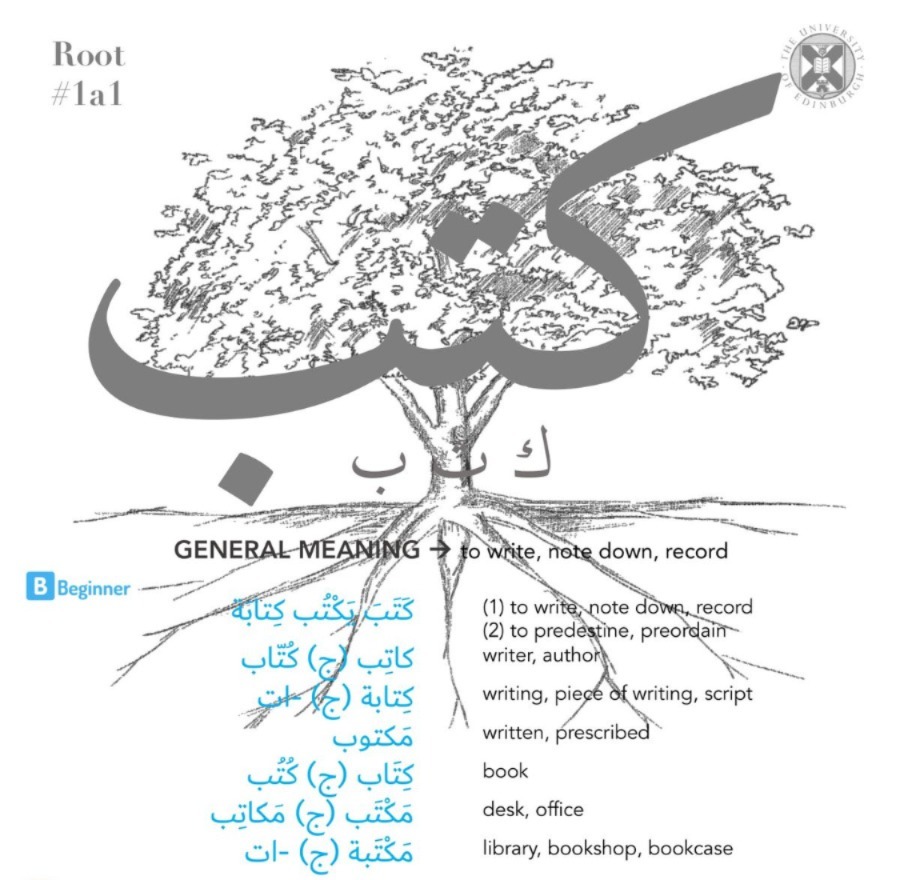
Another useful technique is analyzing Arabic root letters. Most Arabic words come from three-letter roots, which connect many related meanings. For example:
- ك ت ب (K-T-B) relates to writing
- كتاب (Kitab) – book
- كتب (Kataba) – he wrote
- مكتوب (Maktub) – written
Understanding roots allows learners to recognize multiple related words more easily.
Using Flashcards and Vocabulary Lists
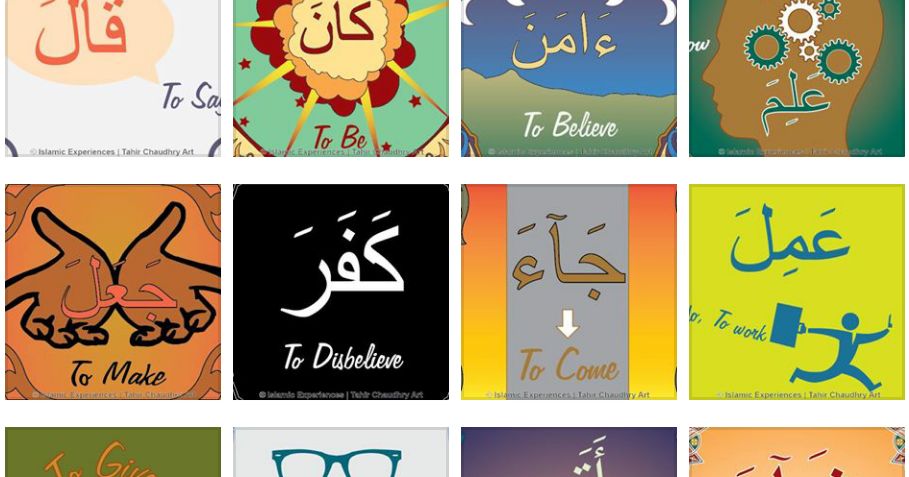
Flashcards are one of the most effective tools for memorizing Quranic vocabulary.
Students can create physical or digital flashcards that include:
- The Arabic word
- Its English meaning
- An example Quranic verse
Digital apps that use spaced repetition systems (SRS) are especially helpful. These tools review words just before you are likely to forget them, helping move vocabulary into long-term memory.
Many learners also benefit from studying curated lists of the most common Quranic words, such as the top 100 or 300 frequently used terms.
Repetition and Daily Practice

Consistency is the key to mastering Quranic vocabulary.
Instead of studying for long periods occasionally, short daily sessions often produce better results. Even learning 5–10 new words per day can lead to significant progress over time.
Some practical habits include:
- Reviewing vocabulary for 10–15 minutes daily
- Writing new words in a personal vocabulary notebook
- Highlighting familiar words while reading the Quran
- Revising previously learned words every few days
With steady practice, learners gradually build a vocabulary foundation that allows them to understand larger portions of the Quran and reflect more deeply on its meanings.
Quranic Vocabulary Basics for Kids and Beginners

Introducing Quranic vocabulary to children and beginners is an important step toward helping them build a meaningful connection with the Quran. Instead of memorizing long lists of difficult words, learners can start with simple, frequently repeated vocabulary that appears throughout the Quran.
Many studies show that a relatively small number of words appear again and again in Quranic verses. By learning these common words first, students can quickly begin recognizing familiar vocabulary while reading or listening to the Quran.
For beginners, focusing on important foundational words—such as Allah (God), Rabb (Lord), Ayah (sign or verse), and Qalb (heart)—helps them understand the central themes of the Quran, including faith, guidance, and reflection.
This approach makes Quranic learning less overwhelming and helps children gradually build confidence as they discover the meanings behind the words they recite.
Simple Words Children Can Learn First
When teaching Quranic vocabulary to kids, it is best to start with short and meaningful words that appear frequently in everyday Islamic language and in the Quran.
Some examples include:
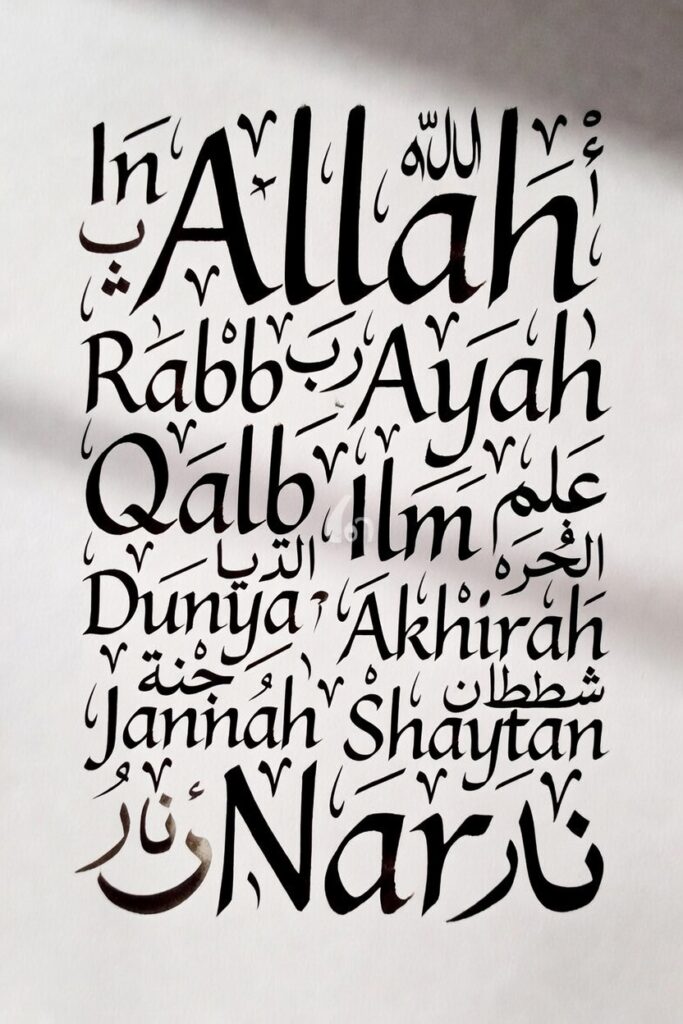
Common Quranic Words
- Allah (اللّٰه) – God
- Rabb (رَبّ) – Lord
- Ayah (آية) – Verse or sign
- Qalb (قلب) – Heart
- Ilm (علم) – Knowledge
- Dunya (الدنيا) – This world
- Akhirah (الآخرة) – The hereafter
- Jannah (جنة) – Paradise
- Shaytan (شيطان) – Devil
- Nar (نار) – Fire
Children can also learn simple everyday Arabic words that help them interact with others and understand basic expressions:
Daily Functional Words
- Na’am (نعم) – Yes
- La (لا) – No / Not
- Ma (ما) – What / Not
- Man (مَن) – Who
- Ya (يا) – O (calling someone)
- Shukran (شكراً) – Thank you
- Afwan (عفواً) – You’re welcome
Learning these words first helps children recognize them when they appear in Quranic verses and daily Islamic expressions.
Using Stories and Visual Learning

Children often learn best through visual and contextual methods rather than simple memorization. Using stories and visual materials can make Quranic vocabulary much easier to understand and remember.
For example, teachers and parents can group words into themes such as:
- Nature: Shams (sun), Qamar (moon), Bahr (sea)
- Faith: Iman (faith), Rahmah (mercy), Sabr (patience)
- Creation: Ard (earth), Jabal (mountain), Sama (sky)
Short stories based on Quranic themes can also help children see how these words are used in meaningful contexts. When vocabulary is connected to stories or real-life examples, children are more likely to remember and enjoy the learning process.
Another effective method is highlighting vocabulary in short Surahs, such as Surah Al-Fatihah or Surahs from Juz Amma, which are often the first chapters children memorize.
Making Vocabulary Learning Fun
Making Quranic vocabulary learning enjoyable encourages children to stay engaged and develop a positive relationship with Quran study.
Some effective and fun techniques include:
- Flashcards and Games: Flashcards with pictures can help children associate Arabic words with visual meanings.
- Vocabulary Puzzles and Activities: Matching games, word searches, and simple quizzes can reinforce learning in an interactive way.
- Daily Islamic Expressions: Practicing phrases such as SubhanAllah, Alhamdulillah, and Inshallah helps children naturally use Quranic words in daily life.
- Short Daily Practice: Instead of long lessons, practicing vocabulary for 10–15 minutes a day can lead to steady progress without overwhelming young learners.
By combining simple words, engaging activities, and consistent practice, children can gradually build a strong foundation in Quranic vocabulary while developing a lifelong love for the Quran.
Common Challenges When Learning Quranic Vocabulary Basics

Learning Quranic vocabulary is an important step toward understanding the words of the Quran directly. However, beginners often face several challenges because Quranic Arabic is a classical form of the language with unique vocabulary, grammar, and pronunciation.
Many learners initially feel overwhelmed by unfamiliar words, complex sentence structures, and the depth of meanings within Quranic verses. Without the right approach, these challenges can slow progress or reduce motivation.
Understanding these common difficulties can help students adopt better study strategies and build a stronger foundation in Quranic Arabic.
Similar Words With Different Meanings
One common challenge in Quranic vocabulary is that many Arabic words come from the same three-letter root but have slightly different meanings depending on their form and context.
For example, several words may share the same root letters yet convey different meanings in a verse. This can confuse beginners who rely only on direct translations without understanding the structure of Arabic word formation.
In addition, Quranic Arabic sometimes differs from Modern Standard Arabic (MSA) or everyday spoken Arabic. Although they share similar grammar and roots, the Quran contains classical expressions, rhetorical styles, and vocabulary that are rarely used in modern conversation.
How to overcome this challenge:
- Study common Arabic root words and their variations
- Use Quran-focused vocabulary resources rather than general Arabic learning apps
- Learn words within the context of Quranic verses instead of isolated lists
By understanding root systems and contextual meanings, learners can recognize patterns and connect related words more easily.
Memorizing Words Without Context
Another common mistake when learning Quranic vocabulary is memorizing words without understanding how they are used in a verse.
While flashcards and vocabulary lists can help with memorization, relying only on isolated words may lead to confusion. Many Arabic words change meaning depending on grammar, sentence structure, or the theme of the verse.
For example, a single word may carry several meanings depending on its position in a sentence or the surrounding words.
How to avoid this issue:
- Study vocabulary using word-by-word Quran translations
- Read short Surahs while identifying familiar words
- Combine vocabulary learning with Tafsir (Quranic explanation) to understand the deeper message
Learning words within their Quranic context helps students remember them more effectively and understand the intended meaning.
Staying Consistent in Learning

Consistency is one of the most important factors in learning Quranic vocabulary. Many learners begin with enthusiasm but struggle to maintain regular study habits due to busy schedules or slow progress.
When vocabulary review becomes irregular, students may quickly forget the words they previously learned. This can make the learning process feel frustrating or repetitive.
A simple daily routine can make a significant difference.
Effective consistency strategies include:
- Studying 10–15 minutes every day instead of long weekly sessions
- Reviewing previously learned vocabulary regularly
- Listening to Quran recitation to reinforce pronunciation and recognition
- Setting small goals, such as learning 5–10 new words each week
Over time, these small daily efforts build a strong vocabulary foundation and make Quranic study more manageable and rewarding.
Best Way to Learn Quranic Vocabulary Basics Online

Learning Quranic vocabulary online has become easier than ever thanks to modern digital tools, structured courses, and access to qualified teachers from around the world. Online learning allows students to study at their own pace while still receiving guidance and feedback.
For many learners, the best approach combines structured lessons, expert instruction, and interactive practice. This combination helps students understand vocabulary in context rather than simply memorizing isolated words.
Online platforms also provide resources such as word-by-word Quran translations, vocabulary exercises, and pronunciation support, which make learning Quranic Arabic more accessible for beginners.
Structured Quran Vocabulary Lessons
One of the most effective ways to learn Quranic vocabulary is through structured lessons that gradually introduce new words and concepts.
Instead of learning random vocabulary, these lessons focus on high-frequency Quranic words that appear repeatedly in different Surahs. This approach allows students to recognize familiar words more quickly while reading the Quran.
Structured courses often include:
- Lists of commonly used Quranic words
- Word-by-word explanations of verses
- Practice exercises to reinforce understanding
- Review sessions to strengthen memory
By following a clear learning path, students can steadily build their vocabulary without feeling overwhelmed.
Learning With Qualified Quran Teachers
Learning Quranic vocabulary with a qualified teacher can significantly improve understanding and pronunciation.
Experienced Quran teachers can explain the meanings of words within their Quranic context and help students recognize subtle differences in pronunciation or grammar. They can also guide learners through basic Arabic grammar, root word analysis, and proper recitation.
A teacher’s guidance helps students avoid common mistakes and ensures that vocabulary is learned correctly from the beginning.
Additionally, regular interaction with a teacher provides motivation and accountability, which helps learners stay consistent in their studies.
Interactive Exercises and Guided Practice
Practice is essential when learning Quranic vocabulary. Interactive exercises help students move beyond memorization and start actively using the words they learn.
Many online courses include activities such as:
- Vocabulary quizzes
- Matching exercises
- Word recognition activities
- Listening and pronunciation practice
These exercises help reinforce vocabulary while improving reading and listening skills. Guided practice also allows students to apply their knowledge by identifying words within Quranic verses.
Over time, repeated exposure to these words strengthens recognition and makes it easier to understand the Quran while reading or listening.
If you are looking for a structured and supportive way to learn Quranic vocabulary, Areeb Academy offers specialized online programs designed for students of all levels. Our courses focus on Quranic vocabulary, Quran memorization, Tajweed, and Islamic Studies, helping students understand the Quran while building a strong foundation in Arabic.
With qualified teachers, interactive lessons, and personalized learning plans, students can progress step by step while developing confidence in reading and understanding the Quran.
Final Thoughts on Quranic Vocabulary Basics
Mastering Quranic vocabulary is a gradual but deeply rewarding journey. By focusing on high-frequency words, understanding root letters, and practicing consistently, learners can unlock a large portion of the Quran’s meaning.
The key is combining structured learning, daily practice, and contextual understanding. Even beginners can make significant progress by learning a few words each day, connecting vocabulary to recitation, and applying words in simple sentences.
Whether your goal is better comprehension, more meaningful recitation, or building a lifelong connection with the Quran, a clear plan and consistent effort will make the process manageable and enjoyable.
Learn Quranic Vocabulary Basics With Expert Teachers
Learning under the guidance of qualified Quran teachers ensures that vocabulary is learned correctly, Tajweed is practiced properly, and meanings are understood in context.
Benefits of learning with expert teachers include:
- Personalized Quran Learning Programs – Courses tailored to your level, age, and goals.
- Structured Lessons for All Ages – From children to adults, lessons are designed to build vocabulary steadily.
- Start Learning With Areeb Academy Today – Access online classes, interactive exercises, and guided practice to make Quranic Arabic learning simple, effective, and enjoyable.
With the right support, students gain confidence, retain more vocabulary, and develop a deeper spiritual connection with the Quran.
FAQs
What are Quranic vocabulary basics?
Quranic vocabulary basics refer to the most common Arabic words that frequently appear in the Quran. Learning these foundational words helps students understand many Quranic verses without needing advanced Arabic knowledge. Many learners start with high-frequency words that make up a large portion of the Quranic text.
How many words do you need to understand most of the Quran?
Research shows that learning around 300–500 commonly used Quranic words can help learners recognize a large portion of the Quran. By focusing on high-frequency vocabulary and root words, students can understand a significant percentage of Quranic verses more easily.
What is the best way to learn Quranic vocabulary basics?
The best way to learn Quranic vocabulary basics is by combining structured lessons, daily practice, and contextual learning. Using word-by-word Quran translations, studying root words, and practicing vocabulary through recitation can significantly improve understanding.
Can beginners learn Quranic vocabulary without knowing Arabic?
Yes, beginners can start learning Quranic vocabulary even without prior knowledge of Arabic. Many courses and learning tools focus on the most common Quranic words and explain their meanings in a simple way, making it easier for non-Arabic speakers to begin understanding the Quran.
How long does it take to learn Quranic vocabulary basics?
The time required depends on the learner’s consistency and study method. With regular practice—such as learning 5 to 10 new words daily—students can build a strong vocabulary foundation within a few months and gradually understand more Quranic verses.