
Embarking on a Quran Ijazah Online journey opens the door to mastering Tajweed, perfecting your recitation, and building a deep, spiritual connection with the Quran. This path allows you to learn from qualified, ijazah-holding teachers who guide you step by step, ensuring every letter and rule is pronounced accurately. With structured programs, personalized feedback, and consistent practice, students can achieve authentic Ijazah from the comfort of their home, without compromising the highest standards of traditional Islamic learning. Whether you are a beginner or seeking to refine your skills, online Ijazah courses offer flexibility, accountability, and a transformative experience that nurtures both knowledge and devotion.
What Quran Ijazah Online means (simple explanation)
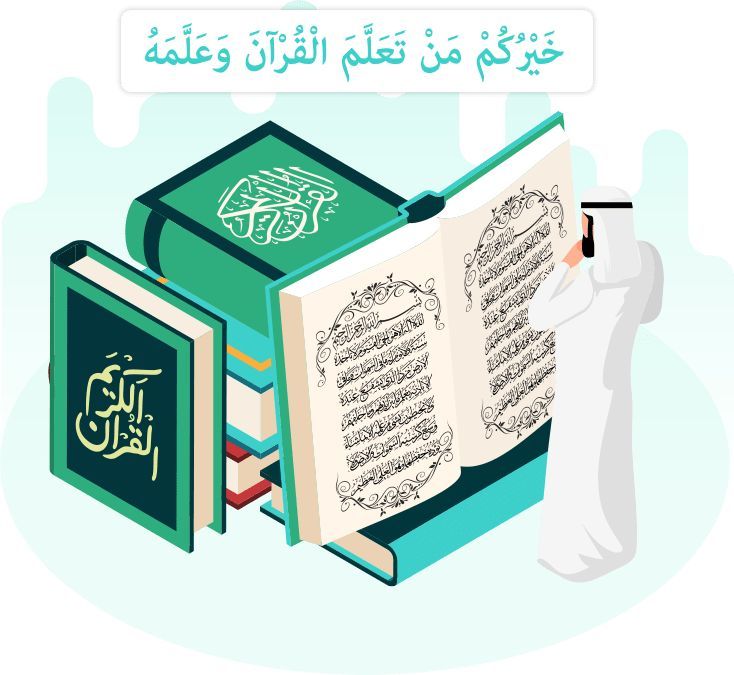
– : Mishkat al-Masabih 2109
A Quran Ijazah Online is a digital certification that confirms a student has mastered recitation, memorization, or Tajweed of the Holy Quran under a qualified teacher. It authorizes the student to teach the Quran to others, connecting them to an unbroken chain of scholars (Sanad) going back to Prophet Muhammad (PBUH).
“Online” simply means the entire learning and assessment process happens via the internet (Zoom, Skype, etc.), allowing students to learn from anywhere in the world without traveling.
What “ijazah” is and why it matters
- Literal Meaning: The word Ijazah means “permission,” “authorization,” or “license.”
- In Context: It is granted by a qualified teacher (Shaykh/Shaykhah) to a student who demonstrates perfect recitation or memorization of the Quran following all rules of Tajweed.
- Significance in Islamic Tradition:
- Preserves the authenticity and integrity of the Quran over centuries.
- Ensures that recitation today is exactly as it was recited by the Prophet’s companions.
- Makes the recipient a link in the sacred chain of transmission, responsible for maintaining the tradition.
- Who Can Grant It: Only a teacher who holds an Ijazah themselves in the specific recitation, memorization, or Tajweed discipline. This ensures the knowledge is authentic and verified.
What you actually receive at the end (and what it proves)

- The Certificate (Sanad): A formal document confirming you have passed and are qualified.
- Chain of Authority: Your name is added to an unbroken chain of teachers, guaranteeing the accuracy of your Quranic knowledge.
- Authorization to Teach: Unlike typical certificates, an Ijazah grants permission to teach and transmit the Quran, not just proof of study.
- Spiritual and Communal Benefits:
- Earns honor and spiritual reward for dedication to the Quran.
- Validates mastery and deep understanding of Quranic recitation or memorization.
- Instills confidence and trust in both the teacher and students.
- Key Distinction from Normal Certification:
- Direct, personal transmission from a qualified teacher.
- Linked to the Sanad, connecting you back to the Prophet (PBUH).
- Carries spiritual significance, not just academic recognition.
- Common Misconceptions:
- It’s not just a piece of paper; the process and chain are what give it value.
- It requires dedicated years of study, not quick completion.
- Not every Muslim needs an Ijazah to read the Quran; it is specifically for those who wish to teach with authority.
Types of Quran Ijazah Online you can pursue
Online Quran Ijazah courses are designed to accommodate different levels of mastery and learning goals. Essentially, these programs certify your ability to recite, memorize, or teach the Quran, all while connecting you to a verified sanad (chain of transmission) that traces back to Prophet Muhammad (PBUH).
Ijazah in recitation (tilawah) vs memorization (hifz)

The most common type is Ijazah in Recitation (Tilawah), where the focus is on mastering Quranic recitation with perfect Tajweed. Students are guided in proper pronunciation, rhythm, and intonation, ensuring their recitation is flawless. Subtypes of recitation Ijazah include:
- Single Narration (Riwayah): Most common, like Hafs ‘an ‘Asim.
- Seven Qira’at (ash-Shatibiyyah): Covers the seven recognized recitation styles.
- Three Qira’at (Durrat Al-Maa’nia): Focused on three additional Qira’at.
- Ten Qira’at (Tayyibat An-Nashr): Advanced certification covering all ten recitations.
On the other hand, Ijazah in Memorization (Hifz/Tahfeez) is awarded to students who have memorized the entire Quran. They must recite the Quran from memory, perfectly observing all Tajweed rules, in front of a qualified teacher. This type authorizes the student to teach Quran memorization.
Ijazah in tajweed vs qira’at (high-level overview)
Some students pursue Ijazah specifically for Tajweed, concentrating on the rules of pronunciation, such as:
- Makharij al-Huruf: Proper articulation points for every letter.
- Sifaat: Characteristics of each letter.
- Rules of elongation, stopping, and merging.
Meanwhile, Qira’at Ijazah represents advanced mastery in one or more recitation styles. Achieving this requires strong theoretical knowledge and precise practical application over an extended period under qualified scholars. It can range from single Riwayah certifications to the complete ten Qira’at, depending on the student’s dedication and study path.
Popular paths for Quran Ijazah Online: Hafs ‘an ‘Asim and beyond
For most learners, the Hafs ‘an ‘Asim Riwayah is the starting point. It is widely recognized and forms the foundation of many online Quran courses. Advanced students may pursue multiple or all ten Qira’at, or opt for specialized Ijazah programs, such as:
- Teaching Ijazah, which equips students with pedagogical skills to teach others.
- Surah-specific Ijazah, focusing on mastery of frequently recited chapters.
- Other Islamic studies Ijazah, including Hadith or Tafsir certification.
These programs ensure that students not only achieve personal mastery but are prepared to preserve and transmit the Quran faithfully.
Quran Ijazah Online requirements

Before enrolling in an online Quran Ijazah course, students need to meet certain prerequisites to ensure they can complete the program successfully.
1- Minimum reading level and tajweed basics
A solid foundation in Quran recitation is essential. Students must:
- Read the Quran fluently and confidently.
- Apply basic Tajweed rules correctly.
- Demonstrate consistent pronunciation before starting Ijazah training.
Without this foundation, teachers will not begin formal Ijazah sessions.
Developing strong Arabic reading skills can greatly accelerate your Ijazah journey. For learners who want to strengthen their foundation alongside Quran study, our article Arabic Tutor: Learn Arabic and Quran with Confidence explains how guided Arabic learning supports accurate recitation and Tajweed mastery.
2- Memorization expectations (if you want hifz ijazah): Students aiming for a Hifz Ijazah must have memorized the entire Quran (30 Juz). Recitation from memory must be flawless, under strict supervision, ensuring both accuracy and proper Tajweed.
3- Pronunciation and makharij: the non-negotiables
Regardless of the type of Ijazah pursued, students must:
- Master Makharij al-Huruf (articulation points).
- Apply Sifaat (letter characteristics) correctly.
- Consistently observe all Tajweed rules during recitation and memorization.
Teachers continuously assess students’ performance, making corrections where needed, until the student demonstrates proficiency. Only then is the official Ijazah granted, linking them to the Prophet ﷺ through a verified sanad.
How Quran Ijazah Online works step by step
Obtaining a Quran Ijazah online is a structured and personalized process that connects students with certified Sheikhs and Qaris, allowing them to master recitation, Tajweed, and/or memorization. The journey culminates in a formal Ijazah certificate with a Sanad (chain of transmission) tracing back to Prophet Muhammad (PBUH).
Placement assessment and level check in Quran Ijazah Online

The first step involves choosing a reputable academy and a qualified teacher. Most programs include:
- Initial evaluation: A one-on-one session with a Sheikh to assess your recitation, Tajweed, or memorization level.
- Goal setting: Decide whether you aim for Ijazah in Recitation (Tilawah/Tajweed) or Memorization (Hifz).
- Customized plan: The teacher develops a plan based on your proficiency, starting from Noorani Qaida for beginners or jumping straight to required portions for advanced learners.
This ensures that every student starts at the right level and receives instruction suited to their skills.
👉 At Areeb Academy, we provide personalized one-on-one Quran Online classes led by ijazah-holding teachers who are fluent in English, ensuring clear communication, accurate learning, and continuous guidance throughout your journey. Start with a professional placement assessment and begin your Ijazah path with confidence.
Building accuracy first (tajweed + correction)
Once enrolled, students enter the core training phase, focusing on perfecting their recitation. Key activities include:
- Live one-on-one sessions: Recite directly to your Sheikh via Zoom, Skype, or specialized platforms.
- Mastering Tajweed: Teachers meticulously correct every error, covering pronunciation, rhythm, and articulation.
- Memorization drills (if pursuing Hifz): Students recite portions from memory under supervision.
- Repetition: Frequent practice is essential; many students repeat pages 40+ times to eliminate mistakes.
This phase ensures accuracy and consistency, forming the foundation for earning the Ijazah.
Daily/weekly listening + live recitation sessions

Consistent engagement is critical. Students follow a structured schedule of:
- Daily listening and review: Reinforcing correct pronunciation and rhythm.
- Regular live recitation sessions: Immediate feedback helps correct mistakes in real-time.
- Quizzes and mini-assessments: Teachers evaluate progress continuously, ensuring mastery before moving forward.
This combination of guided recitation and active listening helps students internalize both the technical and melodic aspects of Quranic recitation.
Many learners find that personalized learning significantly improves pronunciation accuracy and confidence, especially during live recitation sessions. If you’re unsure which learning format suits you best, read our comparison One to One Learning vs Group Learning: Best for Quran Online to understand how each approach impacts progress.
Continuous verification (sabt) and final completion process during Quran Ijazah Online

The final stage involves verification and certification:
- Continuous assessment: Sheikh confirms flawless recitation or memorization before approving the final Ijazah.
- Final Khatm session: Students recite the entire Quran (or required sections) in front of the teacher for official evaluation.
- Awarding of Ijazah certificate: The signed certificate documents the Sanad, authorizing the student to teach or recite the Quran accurately.
Additional requirements include:
- Reliable internet connection for uninterrupted sessions.
- Commitment and patience: Programs can span 12–24 months depending on progress.
- Prior knowledge: Basic Tajweed and Arabic reading skills are recommended to succeed in the program.
A realistic Quran Ijazah Online study plan (weekly structure)

Achieving a Quran Ijazah—whether for memorization (Hifz) or recitation (Tilawah/Tajweed)—requires a structured and sustainable approach. The most effective programs emphasize consistency over speed, usually asking students to commit 1–2 hours daily over 1–2 years. Following a steady routine ensures that new material is learned properly, recent lessons are reinforced, and long-term retention is maintained.
Plan A: 2–3 sessions/week (steady and sustainable)
For learners who prefer a moderate pace, a 2–3 session weekly schedule allows for manageable progress while keeping daily practice between sessions:
- Session Focus:
- New Memorization/Recitation (30–45 mins): Learn 1–2 pages or a portion of a Juz using the 3:10 method (read 10 times, recall 3 times).
- Recent Revision/Sabaqi (20–30 mins): Review the last 7–10 days to reinforce learning.
- Old Revision/Manzil (20–30 mins): Revisit older, previously mastered Juz portions.
- Optional Activities:
- Listen to recordings of the upcoming portions.
- Self-assessment via recordings or journaling errors for the next session.
- Daily Routine Breakdown:
- After Fajr: Focus on new memorization (40% of effort).
- Midday/Afternoon: Recent revision (30%).
- Evening/Before Sleep: Long-term revision and listening.
This plan emphasizes steady retention and is suitable for busy adults or students balancing other commitments.
Plan B: 4–5 sessions/week (faster with strong discipline)
For motivated learners aiming for faster completion, a 4–5 session weekly schedule allows for more intensive progress:
- New Lessons: Cover more pages per session while ensuring mastery through repetition.
- Revision Segments: Combine recent (Sabaqi) and cumulative revision (Manzil) in shorter, focused intervals.
- Live Teacher Check-ins: Aim for 2–3 sessions per week for corrections, guidance, and verification.
This plan suits students with flexible schedules or those willing to dedicate extra time, helping them complete the Quran in about 1–1.5 years without compromising accuracy.
Homework routine: recording, repetition, and error log
A critical component of both study plans is a structured homework routine, which reinforces lessons outside live sessions:
- Recording Practice: Recite your portions daily and review them to identify errors.
- Repetition: Repeat tricky Ayat multiple times until mastery.
- Error Log: Maintain a notebook or digital log to track mistakes and corrections, helping prevent repeating them.
- Full Week Review: On the 6th day, recite all new pages to the teacher, re-memorize difficult Ayat, and optionally listen to the next week’s portion.
Many students also benefit from structured memorization techniques that improve retention and reduce mistakes. If you want practical strategies to strengthen your memorization routine, you can explore our guide on How to Memorize Surahs Fast – 7 Simple Quran Hacks That Work, which shares effective methods used by Quran students worldwide.
Key Components for Success:
- Use the Same Mushaf: Helps visual memory and reduces confusion.
- Prioritize Revision: If pressed for time, skip new memorization but never skip revision.
- Consistency: Daily effort, even in small doses, is more effective than irregular intensive sessions.
By following a realistic and structured study plan, learners not only progress steadily but also develop lasting retention, precise Tajweed, and confidence in recitation—preparing them fully for their final Ijazah certification.
How long Quran Ijazah Online takes (what affects the timeline)

Obtaining a Quran Ijazah online is a significant commitment. While some dedicated students can complete it in 12 months, others may take up to 24 months or more, depending on several key factors. The timeline varies based on your pre-existing proficiency, daily practice, the type of Ijazah, and the level of revision required.
Your starting level (beginner vs advanced)
The student’s current proficiency in Tajweed and recitation heavily influences how fast they progress:
- Beginners: May need 18–24 months to master pronunciation, articulation points (Makharij), and basic Tajweed rules.
- Intermediate/Advanced: With solid Tajweed foundations, students can complete in 12–15 months.
Time available per week (and consistency)
Consistent daily practice is more effective than sporadic long sessions:
- Recitation/Tajweed Ijazah: Typically requires 30–60 minutes per day.
- Hifz/Memorization Ijazah: More intensive, usually 2–4 hours daily for a 2-year plan, or 1–2 hours for a 5-year plan.
- Revision (Muraja’ah): Spending 50% or more of study time revising older material ensures lasting retention.
A simple weekly model might look like this:
| Days | Focus | Duration |
|---|---|---|
| Sun–Fri | New lessons + recent revision + cumulative revision | 1–2 hours/day |
| Sat | Full-week review, weak points, optional listening | 1–1.5 hours |
Teacher style, correction intensity, and revision method
Your instructor plays a critical role in the pace and quality of learning:
- Correction Quality: A teacher who identifies subtle mistakes accelerates improvement.
- Revision Method: Structured review sessions prevent errors from becoming ingrained.
- Digital Tools: Screen sharing, slow-motion articulation, and audio recordings enhance learning.
Tips to Accelerate Your Ijazah Timeline:
- Master Tajweed First: Focus on pronunciation and articulation before memorizing large portions.
- Daily Consistency Over Marathon Sessions: 30 minutes daily is more effective than occasional long sessions.
- Use the Same Mushaf: Visual familiarity aids memorization and recall.
- Choose a Qualified Teacher: Transparent Sanad and documented chain of transmission ensure authenticity and faster progress.
How to choose a trusted Quran Ijazah Online teacher/program
Choosing the right online Quran Ijazah teacher or program is crucial for mastering the Quran authentically and efficiently. The key is not just finding a teacher, but finding one with verified credentials, a proven track record, and a teaching style that matches your learning goals. A reputable program provides an unbroken chain of transmission (Sanad) and is often verified by recognized Islamic authorities.
What to ask before enrolling (chain, method, assessment, feedback)
Before committing to any program, clarify the following:
- Chain of Transmission (Sanad):
- Ask the teacher how their Ijazah chain is validated.
- Ensure it connects back to recognized scholars.
- Teaching Methodology:
- Does the program follow a structured curriculum from basic Noorani Qaida to advanced Tajweed and Ijazah?
- Are lessons personalized with one-on-one attention?
- Are trial sessions available to evaluate teaching style?
- Assessment and Readiness:
- Will the teacher assess your current level before starting?
- Is there a plan for gradual progression with milestones?
- Feedback and Progress Tracking:
- How is progress monitored and reported?
- Is there continuous correction and support for mistakes?
Signs of strong teaching (clear correction, patience, structure)
A qualified Quran Ijazah teacher or program demonstrates these qualities:
- Clear Correction: Teachers explain mistakes precisely and provide practical examples for correct pronunciation (Makharij) and Tajweed.
- Patience and Encouragement: They guide students calmly, especially beginners or children, without pressure.
- Structured Lessons: Lessons are organized with measurable progress, including new learning, revision, and cumulative review.
- Consistency: Regular scheduling, follow-up, and feedback ensure steady improvement.
- Adaptability: Teachers can communicate in the student’s language if Arabic fluency is limited.
Red flags to avoid (shortcuts, unclear standards, no tracking)
Watch out for programs or teachers that:
- Promise Shortcuts: Any course claiming to complete Ijazah unusually fast is likely unreliable.
- No Progress Tracking: Programs without regular evaluation, feedback, or correction.
- Unstructured Lessons: Random or inconsistent curriculum with no clear path from basic to advanced recitation.
- Price-Only Focus: Choosing solely based on cheap rates often sacrifices quality and authenticity.
Common mistakes in Quran Ijazah Online (and quick fixes)
Obtaining a Quran Ijazah online is a rigorous spiritual and educational journey. Many students make avoidable mistakes that slow their progress or affect the quality of their recitation. Here’s a comprehensive guide to the most common errors and practical solutions.
Rushing completion before accuracy
The Mistake:
- Trying to finish pages or memorization too quickly.
- Prioritizing quantity over precision, leading to errors in pronunciation, Tajweed, and fluency.
Quick Fix:
- Follow the “5-repeat” method: recite each verse 5 times while looking, then 5 times from memory.
- Focus on one letter or rule at a time to perfect articulation (Makharij & Sifat).
- Ensure daily consistency rather than long, irregular sessions.
Weak revision: the #1 reason students slip

The Mistake:
- Neglecting Muraja’ah (revision) for previously memorized portions.
- Forgetting earlier verses when moving to new material.
Quick Fix:
- Dedicate 50% of study time to revision.
- Always revise the previous day’s portion before learning new material.
- Stick to one Mushaf copy to enhance visual memory.
Switching teachers/methods too often

The Mistake:
- Changing instructors or programs frequently, leading to inconsistent guidance.
- Adopting multiple methods at once, which confuses pronunciation, Tajweed rules, and memorization patterns.
Quick Fix:
- Choose a qualified teacher with a verified Ijazah and structured curriculum.
- Stick with one teaching methodology and maintain regular sessions for stability.
- Use technology (Zoom/Skype recordings) to review sessions and track progress.
Technical and Environmental Challenges
Common Issues:
- Poor internet affecting real-time correction.
- Inadequate audio (no headphones) making Tajweed nuances hard to catch.
- Distracting environment for online learning.
Solutions:
- Use wired earphones or quality headphones.
- Check your internet speed before each session.
- Study in a quiet, dedicated space.
Key Takeaways
- Accuracy > Speed: Never rush memorization or recitation.
- Consistent Revision: Daily Muraja’ah prevents forgetting and strengthens retention.
- One Teacher & One Method: Avoid frequent changes to maintain steady progress.
- Proper Setup: Good internet, headphones, and quiet space are vital for effective online learning.
- Spiritual Focus: Ijazah is not just a certificate; it’s your commitment to preserve Allah’s words accurately.
Pro Tip: Even with the best intentions, having a qualified teacher providing real-time correction is the most critical factor for overcoming common mistakes in online Quran Ijazah.
Final Thought
Starting your Quran Ijazah online is more than just earning a certificate—it’s a journey of spiritual growth, mastery of Tajweed, and a lifelong connection to the Quran. The right guidance, consistent practice, and structured learning make all the difference in completing your Ijazah accurately and confidently.
We at Areeb Academy provide Quran Ijazah online through special programs and courses delivered by ijazah-holding teachers. Start your path with a clear assessment at Areeb Academy, where our qualified instructors offer personalized one-on-one lessons designed to help you succeed.
Take the first step today, and join a community committed to preserving the Quran’s beauty, precision, and spiritual essence.
FAQs About Quran Ijazah Online
❓ What is a Quran Ijazah Online?
A Quran Ijazah Online is an official certification granted by a qualified teacher confirming that a student has mastered Quran recitation or memorization with proper Tajweed. The entire learning and assessment process takes place online through live one-on-one sessions while maintaining the traditional sanad (chain of transmission).
❓ Can I really get an authentic Ijazah online?
Yes. Authenticity depends on the teacher’s qualifications, not the location. As long as the teacher holds a verified Ijazah and listens directly to your recitation, the online Ijazah remains valid and recognized within Islamic scholarship.
❓ How long does it take to complete a Quran Ijazah Online?
The timeline varies depending on your starting level and consistency. Most students complete a recitation Ijazah within 12–24 months, while memorization (Hifz) Ijazah may take longer depending on revision and daily practice commitment.
❓ How often are Quran Ijazah classes held online?
Schedules are flexible and usually range from 2–5 sessions per week, depending on the student’s availability and learning pace. Daily revision outside class is strongly recommended for steady progress.