

Reciting the Quran correctly requires mastering Noon Sakinah (نْ) and Tanween (ـًـٍـٌ) rules. These rules dictate how the letter noon or nunation is pronounced depending on the following letter, ensuring clear articulation, proper ghunnah (nasalization), and rhythmic flow.
By understanding Izhar, Idgham, Iqlab, and Ikhfa, learners avoid common mistakes and improve both accuracy and melody in recitation. Consistent practice and proper guidance transform reading the Quran into a precise, beautiful, and spiritually rewarding experience.
What Are Noon Sakinah Rules in Tajweed?

Noon Sakinah Rules in Tajweed are essential guidelines that govern the pronunciation of the Arabic letter نْ (Noon Sakinah) and Tanween (ـًـٍـٌ) when they appear in the Quran. By following these rules, the recitation remains correct, melodious, and preserves both its rhythm and meaning.
Noon Sakinah refers to a silent “n” sound found in nouns, verbs, or particles, whereas Tanween is a type of nunation, indicated by double vowel marks at the end of nouns, which behaves like a hidden Noon Sakinah in pronunciation. Importantly, these rules focus on how the “n” sound interacts with the letters that follow it, making it clear, merged, converted, or partially hidden.
Mastering Noon Sakinah Rules is crucial because incorrect pronunciation can alter the meaning of words and disrupt the flow of recitation. Specifically, the four main rules—Izhar (clarity), Idgham (merging), Iqlab (conversion), and Ikhfa (concealment)—each play a vital role in maintaining the Quran’s proper articulation.
Furthermore, these rules involve Ghunnah, a nasalized sound produced in certain cases, which adds depth and melody to the recitation. Therefore, learning and applying these rules enables readers to recite the Quran beautifully, with precise pronunciation that honors the intended meaning of every verse.
Definition of Noon Sakinah
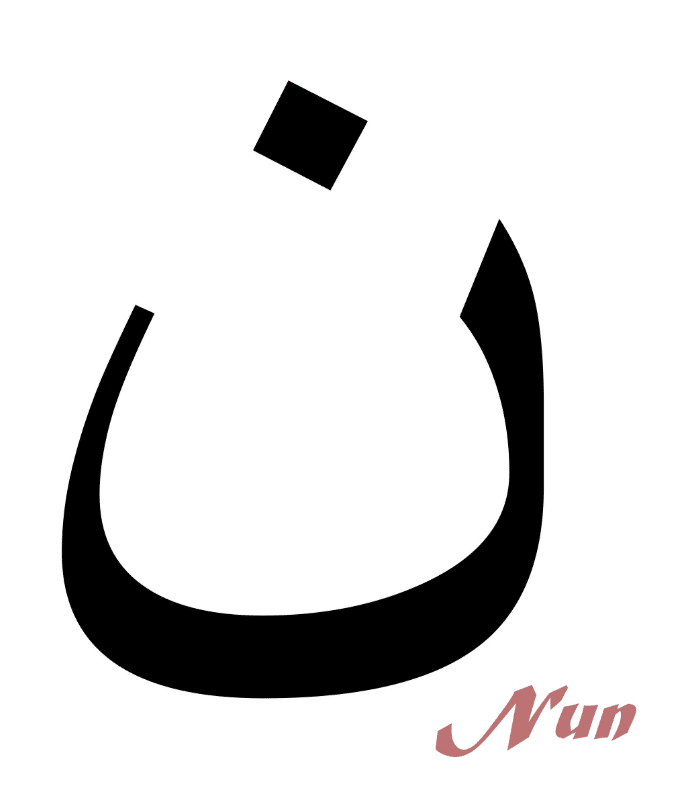
Noon Sakinah is the Arabic letter ن when it carries a sukoon (ْ), meaning it has no vowel sound. It is pronounced as a quiet “n” unless affected by the Noon Sakinah rules of Tajweed, which depend on the following letter.
For example, in the word “من” (min) meaning “from,” the pronunciation of Noon Sakinah can change depending on the letter that comes next. Correct application of these Noon Sakinah rules prevents mispronunciation and ensures a smooth, accurate recitation of the Quran.
What Is Tanween and How Is It Related?
Tanween is the addition of an “n” sound at the end of a noun or adjective, represented by double vowel marks:
- ً (Fathatan)
- ٌ (Dammatan)
- ٍ (Kasratan)
Tanween behaves like a hidden Noon Sakinah, and its pronunciation also depends on the letter that follows it. For instance, in the word “كتابٌ” (kitaabun), meaning “a book,” the Tanween at the end creates a soft “n” sound.
Both Noon Sakinah and Tanween follow the same Tajweed rules, so mastering them together helps in achieving correct and smooth recitation of the Quran.
Why Noon Sakinah Rules Matter in Quran Recitation

The rules of Noon Sakinah are not just about pronunciation—they affect the meaning, rhythm, and clarity of the Quranic text. Mispronouncing Noon Sakinah or Tanween can lead to a change in meaning, which is why these rules are central in Tajweed.
By following the four rules—Izhar (clear pronunciation), Idgham (merging with or without nasalization), Iqlab (conversion to a Meem sound), and Ikhfa (partial concealment)—reciters ensure that:
- Words are articulated correctly.
- The recitation remains melodic and smooth.
- The nasal sound (Ghunnah) is applied where required, adding depth to the recitation.
Learning these rules equips students to recite the Quran like native speakers, making the recitation accurate, beautiful, and spiritually uplifting.
The Four Main Noon Sakinah Rules
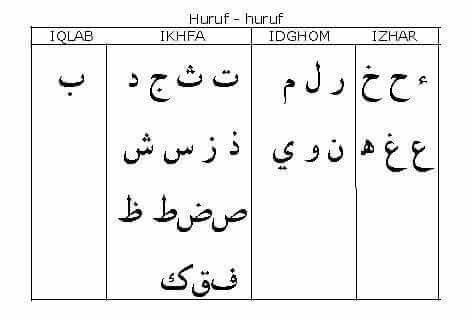
Mastering the rules of Noon Sakinah (نْ) and Tanween (ً ٍ ٌ) is the key to a smooth, melodious, and precise Quranic recitation. These subtle but powerful rules—Izhar (clarity), Idgham (merging), Iqlab (conversion), and Ikhfa (hiding)—dictate how the simple ‘n’ sound should be pronounced depending on the letter that follows it. Understanding and applying them not only ensures correct pronunciation but also transforms a disjointed reading into a flowing, connected recitation, enhancing both beauty and meaning. In the following sections, we’ll explore each rule, complete with examples and tips to avoid common mistakes.
Rule #1 – Izhar (Clarity)
What Is Izhar?
Izhar (إِظْهَار) literally means to make clear. It is the clear and distinct pronunciation of Noon Sakinah (نْ) or Tanween (ً ٍ ٌ) without any nasalization (ghunnah). This rule applies when Noon Sakinah or Tanween is followed by certain throat letters.
Even though the Noon sound is often merged or hidden in other rules, Izhar requires it to be pronounced sharply and independently, ensuring the “n” is audible and not softened or nasalized.
Letters of Izhar (حروف الإظهار)
The six throat letters, called Huroof Halqiyah, are:
ء هـ ع ح غ خ
Examples of Izhar from the Quran
- With Hamza (ء): وَيَنْأَوْنَ → yan-awna
- With ‘Ayn (ع): أَنْعَمْتَ → an-amta
- With Ghayn (غ): مِنْ غِلٍّ → minghillin
Common Mistakes to Avoid
- Merging the Noon sound accidentally with the next letter.
- Ignoring clarity and not pronouncing the ‘n’ sound fully.
📖 Want to Perfect Your Izhar in Quran Recitation?
Check out our detailed guide: “Tajweed Izhar Rule: 5 Simple Steps Every Beginner Should Know”
Rule #2 – Idgham (Merging)
What Is Idgham?
Noon Sakinah Rules: Idgham (الإدغام) means merging. The Noon Sakinah sound merges into the following letter, either with nasalization (Ghunnah) or without nasalization, depending on the specific letter. Correct application of these rules ensures smooth and accurate Quranic recitation.
Idgham with Ghunnah
- Letters: ي، ن، م، و (Mnemonic: يَنْمُو)
- Noon merges but retains nasal sound (ghunnah).
- Examples:
- وَمَن يَعْمَلْ → wamanya’mal
Idgham without Ghunnah
- Letters: ل، ر
- Noon completely assimilates; no nasal sound.
- Examples:
- مِن لَّدُنْهُ → minladunhu
Letters of Idgham (يرملون)
- Six letters grouped in mnemonic يَرْمَلُون
- Divided by Ghunnah:
- With Ghunnah: ي ن م و
- Without Ghunnah: ل ر
Examples of Idgham in Practice
- If Noon and Idgham letter are in same word, do not merge; pronounce clearly.
- Examples: الدُّنْيَا، صِنْوَانٌ، قِنْوَانٌ، بُنْيَانٌ
If you want to deepen your understanding of the Noon Sakinah Rules, especially Idgham, check out our detailed article: “Idgham Tajweed Rule: 7 Tips to Master Quran Recitation Easily.”
Rule #3 – Iqlab (Conversion)
What Is Iqlab?
Iqlab (الإقلاب) means conversion. The Noon Sakinah or Tanween sound converts to Meem (م) when followed by Baa (ب), pronounced with a light nasal sound (ghunnah).
When Does Iqlab Occur?
- Only when the letter ب follows Noon Sakinah or Tanween.
- Converts ‘n’ sound → ‘m’ sound.
Examples of Iqlab from the Quran
- مِن بَعْدِ → minba’di → ‘n’ becomes ‘m’
Still struggling with Iqlab? Read our step-by-step guide to master this Noon Sakinah rule and recite the Quran correctly: Tajweed Iqlab Rule
Rule #4 – Ikhfa (خفاء – Hiding)
What Is Ikhfa?
Ikhfa (الإخفاء) means to hide or conceal. Noon Sakinah or Tanween is pronounced softly without fully touching the tongue, with gentle nasalization held for two beats.
Letters of Ikhfa
- Remaining 15 letters of Arabic alphabet not included in Izhar or Idgham:
ص ذ ث ك ج ش ق س د ط ز ف ت ض ظ
How to Apply Ikhfa Correctly
- Light or heavy nasalization (ghunnah) depending on the letter.
- Tongue hovers near articulation point of following letter, not fully touching it.
Examples from the Quran
- أَنفُسَهُمْ → anfusahum (with ‘ف’ – light ghunnah)
Still mixing up Ikhfa with other rules? 🌙 Learn how to hide the Noon Sakinah sound correctly with our beginner-friendly guide: “Tajweed Ikhfa Rule: Easy Guide, Letters & Examples for Beginners.” Check it out now and master smooth, accurate Quran recitation!
Noon Sakinah Rules Chart (Quick Summary)
Reciting the Quran correctly requires more than just reading the letters—it requires understanding how Noon Sakinah (نْ) and Tanween (ـًـٍـٌ) interact with the letters that follow them. These interactions follow four key rules: Izhar (clear pronunciation), Idgham (merging), Iqlab (conversion), and Ikhfa (hiding/nasalization). This chart provides a concise, easy-to-follow summary of all these rules, helping you quickly identify which rule to apply as you read.
Easy Table to Memorize All Rules
| Rule | Letters | How to Apply | Example |
|---|---|---|---|
| Izhar | ء – هـ – ع – ح – غ – خ | Pronounce Noon/Tanween clearly, no nasal sound | مَنْ آمَنَ (Man ‘aamana) |
| Idgham with Ghunnah | ي – م – ن – و | Merge the Noon/Tanween into the next letter with 2-count nasal sound | مَنْ يَقُولُ (May-yaqoolu) |
| Idgham without Ghunnah | ل – ر | Merge the letters directly, no nasal sound | مِنْ رَبِّهِمْ (Mir-rabbihim) |
| Iqlab | ب | Change Noon/Tanween into a hidden Meem (م) with nasalization | مَنْ بَخِلَ (Mam-bakhila) |
| Ikhfa | ت – ث – ج – د – ذ – ز – س – ش – ص – ض – ط – ظ – ف – ق – ك | Slightly hide Noon/Tanween, producing nasal sound, tongue near next letter | مَنْ كَانَ (Man-kaana) |
Tips to Remember Each Rule Quickly
- Izhar → Think “clear and loud,” like opening the throat.
- Idgham → Imagine merging two letters smoothly; remember which ones need Ghunnah.
- Iqlab → Change Noon into Meem; look for the letter ب as the trigger.
- Ikhfa → Conceal the Noon/Tanween slightly, nasalize, don’t touch the palate.
Using this chart regularly while practicing will help you internalize the rules and recite the Quran with confidence, fluency, and proper Tajweed.
Common Mistakes When Learning Noon Sakinah Rules
Mastering Noon Sakinah (نْ) and Tanween (ـًـٍـٌ) rules takes time and careful practice. Many learners make errors that can affect the clarity and beauty of Quranic recitation. Understanding common mistakes is the first step to improving your Tajweed skills. These mistakes usually involve improper nasalization (Ghunnah), confusing similar rules, or mispronouncing letters according to the rule.
Mixing Between Ikhfa and Idgham
A frequent error in Quranic recitation is confusing Noon Sakinah rules, particularly Ikhfa (hiding) with Idgham (merging). For instance, learners may merge letters that should be partially hidden, or hide letters that should be merged. Another common slip is trying to apply Idgham within a single word instead of between words, which is incorrect and violates the Izhar Mutlaq principle.
Tips to Avoid:
- Pause and identify the next letter carefully.
- Visualize the rule: merge only when it’s Idgham; conceal slightly when it’s Ikhfa.
Skipping Ghunnah Sound
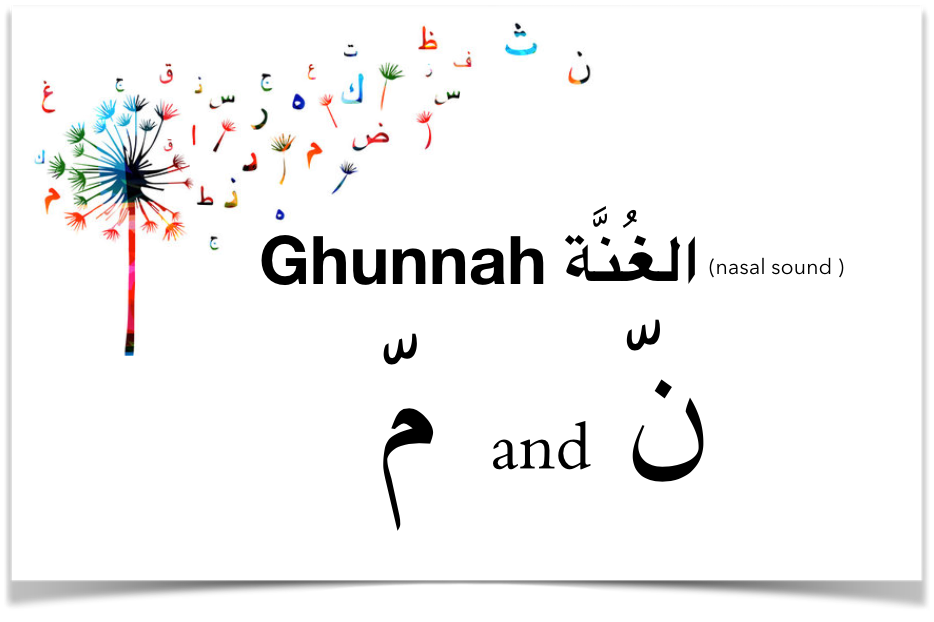
Ghunnah (nasalization) is essential for several rules, especially Idgham with Ghunnah, Iqlab, and Ikhfa. Learners often make the nasal sound too short, too long, or completely skip it. Missing the 2-count Ghunnah weakens proper Tajweed and affects fluency.
Tips to Avoid:
- Practice with a metronome or count slowly: 1-2 seconds for Ghunnah.
- Record your recitation and compare with expert readers.
Incorrect Pronunciation of Letters
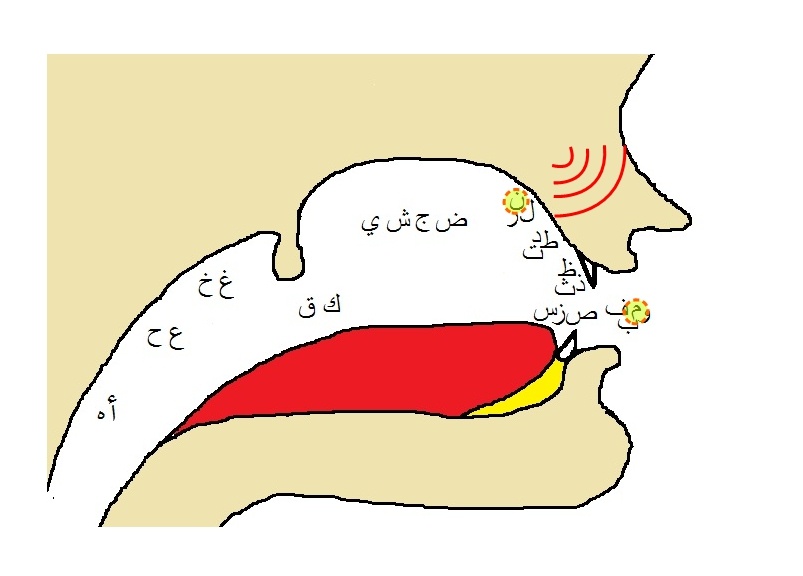
Incorrect articulation (Makharij) of letters is another common mistake:
- Izhar: Learners may nasalize the noon (ن) when it should be clear.
- Iqlab: Forgetting to convert Noon into Meem (م) before a Baa (ب).
- Ikhfa: Pressing the tongue too hard against the roof of the mouth, losing the subtle concealment.
Tips to Avoid:
- Listen carefully to proficient reciters and mimic their pronunciation.
- Practice each rule separately before combining them in full verses.
- Use a qualified teacher for corrective feedback.
Practical Tips to Master Noon Sakinah Rules Faster
Mastering Noon Sakinah and Tanween rules requires more than just reading about them—it demands consistent, focused practice. Applying these rules correctly ensures your recitation is both beautiful and accurate, and prevents common mistakes like misapplied Ghunnah, Idgham errors, or Iqlab oversight. The following practical tips help accelerate learning and strengthen recitation skills.
Practice with Short Surahs
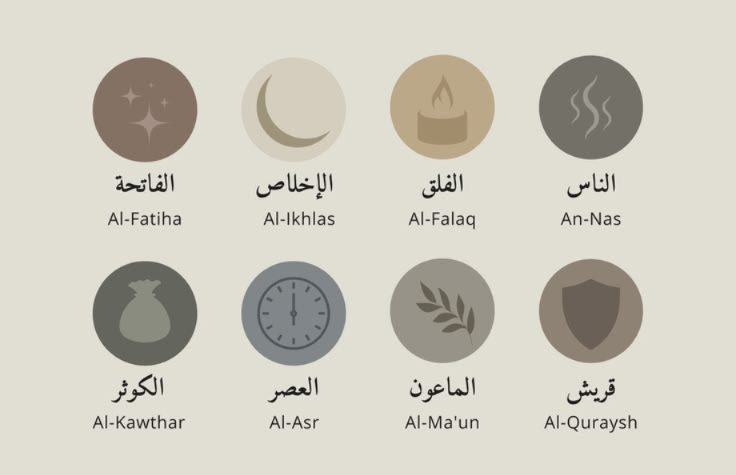
Starting with short Surahs allows learners to focus on precise articulation without feeling overwhelmed. Repetition helps internalize the rules and creates muscle memory for proper pronunciation.
Tips:
- Begin with Surah Al-Fatiha, Al-Ikhlas, Al-Falaq, and An-Nas.
- Highlight Noon Sakinah and Tanween occurrences before reading.
- Pause after each verse to ensure rules are correctly applied.
Listen and Repeat Method

Hearing professional reciters provides an auditory model for proper Ghunnah, Idgham, Iqlab, and Ikhfa. Listening and repeating improves timing, rhythm, and pronunciation.
Tips:
- Use recordings of Qaris like Sheikh Abdul Basit or Mishary Rashid.
- Repeat after them slowly, gradually matching their pace and articulation.
- Record yourself to compare and identify areas needing correction.
Learn with a Qualified Teacher

While self-study is useful, oral guidance is essential for mastering Tajweed. A teacher helps you apply the Noon Sakinah rules correctly, provides immediate feedback, corrects subtle errors, and ensures rules are applied consistently.
Tips:
- Schedule regular sessions with a certified Quran teacher.
- Focus on tricky letters and rules where mistakes often occur.
- Ask for explanations of exceptions and advanced nuances to strengthen understanding.
✨ Want to take your Tajweed to the next level?
Join our personalized classes through “Online Tajweed Lessons in English | Master Quran Recitation.”
At Areeb Academy, you’ll learn directly with native Arabic teachers who speak English fluently, hold Ijazah, and provide step-by-step guidance to help you master Noon Sakinah rules and perfect your recitation.
Final Thoughts on Noon Sakinah Rules
Mastering Noon Sakinah and Tanween rules doesn’t happen overnight. Regular practice, attentive listening, and careful recitation are essential. Consistency allows you to internalize the rules, develop natural fluency, and avoid common mistakes such as overextending Ghunnah or confusing Idgham with Ikhfa. Remember, even small daily efforts accumulate into long-term mastery.
Your Next Step in Tajweed Learning
After understanding and practicing the rules of Noon Sakinah, your next step is to apply them in your recitation of longer Surahs and in your daily Quran reading. Pairing theory with guided practice ensures your recitation remains accurate, melodious, and spiritually enriching.
Learn Noon Sakinah & Tajweed with Areeb Academy
Take your Quran recitation to the next level with Areeb Academy!
- Learn directly from native Arabic-speaking teachers who also speak fluent English.
- Benefit from instructors with Ijazah certification.
- Enjoy flexible schedules to fit your lifestyle.
- Master Noon Sakinah, Tanween, and all Tajweed rules with personalized guidance and real-time feedback.
Start your journey today and recite the Quran beautifully and confidently!
FAQs
1. What are the Noon Sakinah Rules in Tajweed?
Noon Sakinah Rules are four main rules that control how the sound of نْ is pronounced depending on the letter that follows it: Izhar, Idgham, Iqlab, and Ikhfa.
2. How many Noon Sakinah Rules are there?
There are four main rules: Izhar (clarity), Idgham (merging), Iqlab (conversion), and Ikhfa (hiding).
3. Do Noon Sakinah Rules apply to Tanween as well?
Yes, the same rules apply to both Noon Sakinah and Tanween because they produce the same “n” sound in pronunciation.
4. Why are Noon Sakinah Rules important?
They ensure correct pronunciation, preserve the meaning of Quranic words, and help achieve smooth and beautiful recitation.
5. How can beginners learn Noon Sakinah Rules easily?
Beginners should start by memorizing the letters of each rule, practicing with simple examples, listening to expert reciters, and learning with a qualified teacher for proper guidance.