

Meem Sakinah Rules are essential for anyone striving to perfect their Quranic recitation. These rules show you how to pronounce the letter Meem (مْ) in different contexts, enhancing clarity, flow, and meaning. Whether it’s Ikhfa Shafawi, Idgham Shafawi, or Izhar Shafawi, mastering each rule ensures your recitation is both correct and beautiful.
In this guide, we’ll break down each rule step-by-step, highlight common mistakes, provide practical tips, and show how you can practice effectively to internalize them. By the end, you’ll have a clear roadmap to confidently apply Meem Sakinah rules in your everyday Quran recitation.
What Are Meem Sakinah Rules in Tajweed?
The Meem Sakinah rules (Ahkam al-Meem as-Sakinah) govern the correct pronunciation of a silent Meem (م) in the Quran. These rules teach you how to articulate the Meem according to the following letter, helping you pronounce it clearly, merge it correctly, or apply subtle nasalization. Mastering these rules helps achieve precise and beautiful recitation while avoiding common pronunciation errors.
Definition of Meem Sakinah
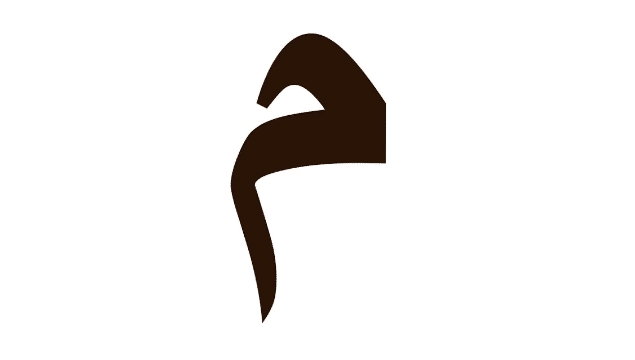
A Meem Sakinah is a letter Meem without a vowel (no Fathah, Dammah, or Kasrah). The term Shafawi refers to the lips, since you pronounce this letter by closing them. Correct pronunciation often involves producing a Ghunnah, which is a nasal sound from the nose.
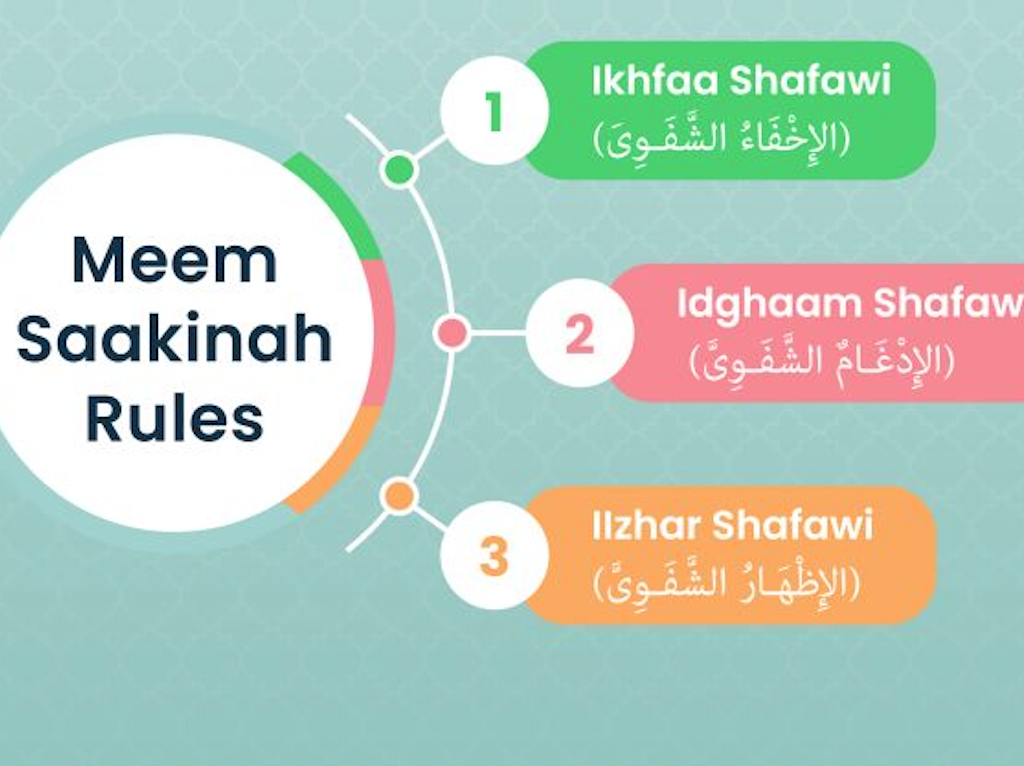
There are three primary rules for Meem Sakinah:
- Ikhfa’ Shafawi (Labial Concealment)
- You apply Ikhfa Shafawi when a Meem Sakinah is followed by the letter Baa (ب).
- You partially hide the Meem sound and produce a Ghunnah (nasalization) while lightly touching your lips.
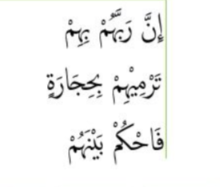
- Example: Tarmihim bihijarah
- Idgham Shafawi (Labial Merging)
- You apply Idgham Shafawi when a Meem Sakinah is followed by another voweled Meem.
- The first Meem merges into the second, creating a strengthened nasal sound (Shaddah).
- Example: Fi qulubihim maradun
- Izhar Shafawi (Clear Labial)
- Applies to all letters except Baa (ب) and Meem (م).
- The Meem is pronounced clearly without additional nasalization or merging.
- Focus carefully and prevent accidental merging when the Meem comes before Waw (و) or Faa (ف).
- Example: Am lam tundirhum
Where We Can Apply Meem Sakinah Rules in the Quran
Meem Sakinah typically appears at the end of a word. Its correct pronunciation depends on the first letter of the next word:
- If followed by Baa, Ikhfa’ Shafawi is applied.
- If followed by Meem, Idgham Shafawi is applied.
- If followed by any other letter, Izhar Shafawi is applied.
This makes Meem Sakinah a critical aspect of proper Quranic recitation, as mispronouncing it can change the flow and clarity of the recitation.
Why Meem Sakinah Rules Are Important
Following these rules ensures:
- Clear articulation: Avoids confusion between similar sounds, especially when the Meem is followed by Waw or Faa.
- Proper nasalization (Ghunnah): Maintains the musicality and rhythm of the Quranic recitation.
- Correct merging (Idgham): Prevents awkward pauses or broken sounds between Meems.
- Respect for Tajweed principles: Helps the reciter maintain accuracy, beauty, and fluency, which are essential for memorization and understanding.
Mastering Meem Sakinah rules allows learners to recite the Quran beautifully and accurately, reflecting the elegance of its pronunciation and the precision of Tajweed.
How Many Meem Sakinah Rules Are There?
Meem Sakinah (مْ) is a silent Meem in the Quran that carries a Sukoon (ـْ), meaning it has no vowel. Its pronunciation is determined by the letter that follows it. Mastering these rules is essential for correct and beautiful Quranic recitation.
Overview of the Three Meem Sakinah Rules
There are three main rules for Meem Sakinah, known in Arabic as Ahkam al-Meem as-Sakinah. These rules ensure proper articulation, smooth transitions, and correct nasalization (Ghunnah) in recitation.
- Ikhfa Shafawi (إخفاء شفوي – Oral Hiding)
- Occurs when Meem Sakinah (مْ) is followed by the letter Baa (ب).
- The sound of the Meem is partially concealed with a light nasal sound (Ghunnah).
- Pronunciation involves gently touching the lips while holding the nasal sound for about 2 harakah (roughly 2–3 seconds).
- Examples:
- تَرْمِيهِم بِحِجَارَةٍ – tarmihim bihijaratin (Al-Fil, 105:4)
- وَمَا هُم بِمُؤْمِنِينَ – wa ma hum bimu’mineen (Al-Baqarah, 2:8)
- هُم بَارِزُونَ – yawma hum bārizūn (Ghafir, 40:16)
- Idgham Shafawi (إدغام شفوي – Merging)
- Happens when Meem Sakinah (مْ) is followed by another Meem (م) with a vowel.
- The two Meems merge into a single letter, pronounced with full Ghunnah as if the Meem carries a Shaddah (مّ).
- Examples:
- إِنَّهَا عَلَيْهِم مُّؤْصَدَةٌ – innahā ‘alayhim mu’ṣadah (Al-Humazah, 104:8)
- الَّذِي أَطْعَمَهُم مِّن جُوعٍ – alladhee aṭ’amahum min jū’ (Quraysh, 106:4)
- لَهُم مَّا يَشَاءُونَ – lahum mā yashā’ūn (Az-Zumar, 39:34)
- Izhar Shafawi (إظهار شفوي – Clear Pronunciation)
- These rules apply when Meem Sakinah (مْ) is followed by any letter except Baa (ب) or Meem (م), ensuring the Meem is pronounced clearly without merging or nasalization.
- The Meem is pronounced clearly and distinctly, without adding any nasalization (Ghunnah) or merging with the following letter.
- Special care is needed with Waw (و) and Faa (ف) to avoid accidental Ikhfa.
- Examples:
- أَنْعَمْتَ عَلَيْهِمْ – an’amta ‘alayhim (Al-Fatihah, 1:7)
- لَكُمْ دِينُكُمْ وَلِيَ دِينِ – lakum deenukum waliya deen (Al-Kafirun, 109:6)
Key Terms to Remember the rules of Meem Sakinah
- Meem Sakinah (مْ): A Meem without a vowel.
- Shafawi: Refers to the lips, as the Meem is articulated by closing them.
- Ghunnah: A nasal sound produced in the nose during Ikhfa or Idgham.
- Sukoon (ـْ): Indicates the letter is silent or “saakin”.
Rule #1 in Meem Sakinah Rules – Ikhfa Shafawi (Lips Concealment)
What Is Ikhfa Shafawi?
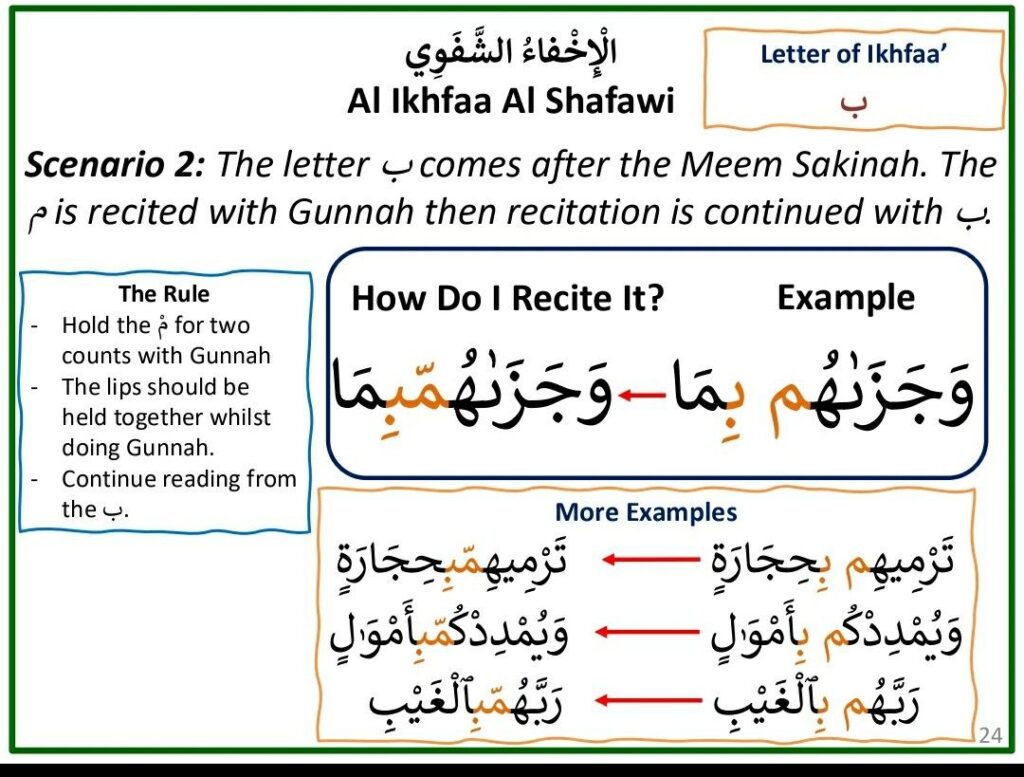
Ikhfa Shafawi (إخفاء شفوي) applies when a Meem Sakinah (مْ) comes before the letter Ba (ب).
- Ikhfa means “concealment,” signaling that you should hide the Meem sound instead of pronouncing it clearly.
- Shafawi means “related to the lips,” because both Meem and Ba use the lips for articulation.
- In Ikhfa Shafawi, you pronounce the Meem Sakinah with a nasal sound (ghunnah) without fully merging it with the following Ba, creating a smooth, hidden transition.
Key point: Conceal the Meem; do not pronounce it clearly or merge it with Ba.
When Does Ikhfa Shafawi Occur? (Before Letter ب)
Meem Sakinah Rules include Ikhfa Shafawi, which happens only when a Meem Sakinah (مْ) immediately precedes the letter Ba (ب).
Rule in short:
- مْ + ب = Ikhfa Shafawi
- It does not apply with any other letters.
Quick examples:
- هُمْ بِـ (hum bi)
- أَنْتُمْ بِـ (antum bi)
- نَحْنُ بِـ (nahnu bi)
How to Pronounce It Correctly
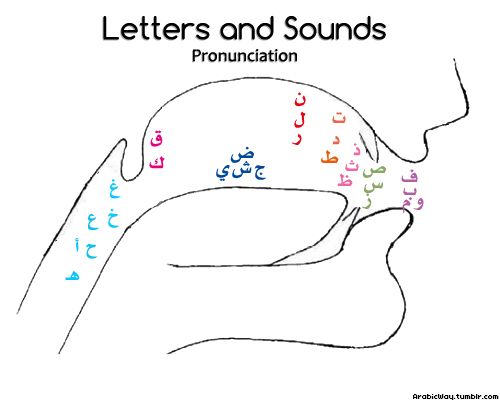
To pronounce Ikhfa Shafawi correctly according to Meem Sakinah rules:
- Prepare your lips: Position them as if to pronounce Meem.
- Produce the nasal sound (ghunnah): Make a light nasal sound without fully closing the lips.
- Transition smoothly to Ba: Move from the hidden Meem sound to Ba gently.
- Duration: Hold the ghunnah for 2 counts (harakat).
Important tips:
- Avoid pressing the lips too hard.
- Do not skip the nasal sound.
- You should conceal the Meem without merging it with the following Ba.
Examples from the Quran
وَهُمْ بِالْآخِرَةِ
- Transliteration: Wa-hum bil-ākhirah
- Focus: The Meem in “hum” is hidden with ghunnah before the Ba in “bil-ākhirah”.
تَرْمِيهِم بِحِجَارَةٍ
- Transliteration: Tarmīhim bi-hijārah
- Focus: The Meem in “him” is concealed with nasal sound before the Ba in “bi-hijārah”.
وَأَنْتُمْ بِالْوَعْدِ
- Transliteration: Wa-antum bil-wa’d
- Focus: The Meem in “antum” is hidden with ghunnah before the Ba in “bil-wa’d”.
Practice tip: Focus on feeling the nasal vibration in the Meem while smoothly transitioning to the Ba.
Rule #2 – Idgham Shafawi (Merging)
What Is Idgham Shafawi?
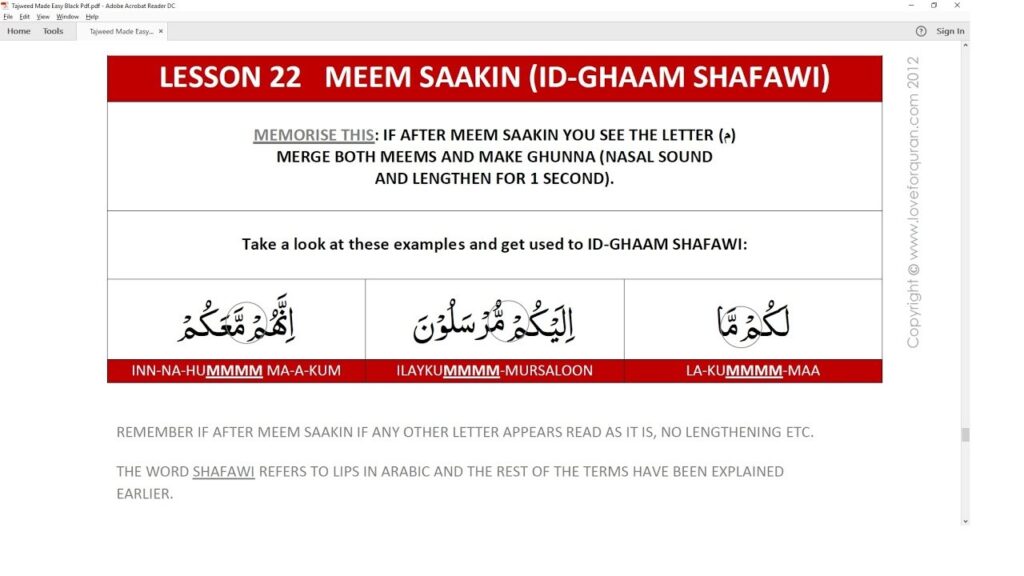
Meem Sakinah rules include Idgham Shafawi, a Tajweed rule you apply when a Meem Sakinah (مْ) comes before another voweled Meem (مَ، مِ، مُ). You merge the two Meems into one emphasized Meem instead of pronouncing them separately, creating a smooth, continuous sound with a nasal quality (Ghunnah). Many learners call this “lip merging” because you keep your lips pressed together throughout the merge.
When Meem Meets Meem
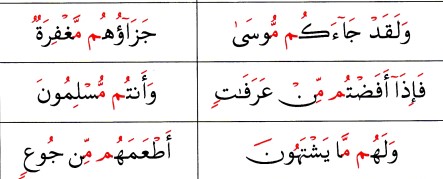
You apply Idgham Shafawi when the first Meem has sukoon (مْ) and the next Meem carries a vowel (مَ، مِ، مُ).
- The two merge completely into مّ.
- You do not pronounce the first Meem separately; it disappears into the second.
- The lips remain closed during the merge, creating a smooth, connected sound.
Example:
- Arabic: لَهُمْ مَا
- Transliteration: Lahum-mma
- The first Meem (مْ) merges into the second (مَ) with nasal hold.
The Role of Ghunnah (Nasal Sound)
Hold the Ghunnah—a nasal resonance—for 2 counts (harakat) during the merge. It gives Idgham Shafawi its distinct sound and helps you maintain clarity while connecting the Meems.
- Keep the lips closed throughout the Ghunnah.
- Hold the nasal sound steady for 2 counts before releasing into the second Meem.
- Avoid rushing or shortening the nasal hold, as this breaks the rule.
Examples in Quran Recitation
لَهُم مِّمَّا – Lahum-mma → merge Meem Sakinah into the next Meem, hold Ghunnah.
فِي قُلُوبِهِمْ مَرَضٌ – Fi qulubihim-mmaradun → the first Meem disappears into the second with Ghunnah.
✅ Tip: When practicing, focus on feeling the nasal resonance in your lips and nose, not just hearing the merge. The sound should be smooth, continuous, and natural.
Rule #3 – Izhar Shafawi (Clear Pronunciation)
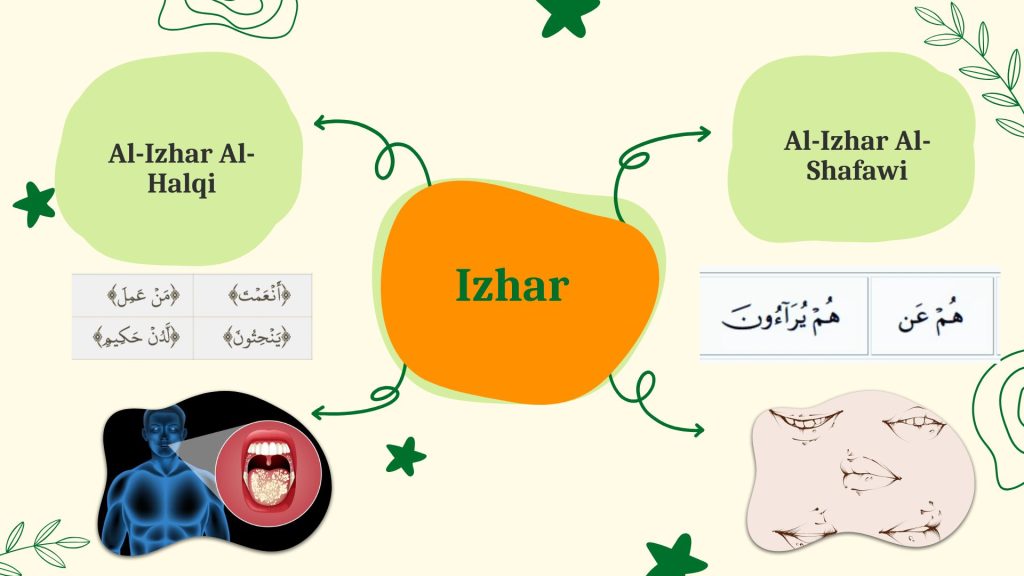
What Is Izhar Shafawi?
Izhar Shafawi (إظهار شفوي) is a Tajweed rule that applies to Meem Sakinah (مْ). “Izhar” means clarity, and “Shafawi” refers to the lips. In this rule:
- You pronounce the Meem Sakinah clearly and distinctly.
- You do not merge it (Idgham) or add nasalization (Ghunnah).
- This rule applies by default when most Arabic letters follow the Meem Sakinah.
You maintain the natural sound of Meem with normal lip closure and transition smoothly to the next letter.
Letters That Trigger Izhar Shafawi
Izhar Shafawi happens when a Meem Sakinah is followed by any letter other than Meem (م) or Ba (ب).
Letter Groups:
- Throat Letters (حروف حلقية): أ ع غ ح خ ه
- Tongue Letters (حروف لسانية): ت ث ج د ذ ر ز س ش ص ض ط ظ ل ن
- Lip Letters (حروف شفوية): ف و
- Other Letters: ق ك ي
✅ Rule summary:
مْ + (any letter except م or ب) → Izhar Shafawi
Examples from the Quran

- وَهُمْ فِي – Wa-hum fī
- Clear pronunciation of Meem in “hum” before Fa in “fī”.
- أَنْتُمْ لَا – Antum lā
- Meem in “antum” pronounced clearly before Lam in “lā”.
Practice Tips:
- Close lips fully for the Meem.
- Avoid nasalization or merging with the next letter.
- Pronounce Meem clearly and release naturally.
- Maintain standard duration without forcing the sound.
Meem Sakinah Rules Chart (Quick Summary)
Easy Table for Quick Revision
| Rule | Trigger Letter(s) | Pronunciation Tip | Example |
|---|---|---|---|
| Idgham Shafawi (Merging) | Meem (م) after Meem Sakinah (مْ) | Merge the two Meems with nasal sound (Ghunnah) | أَم مَن (Am-man) |
| Ikhfa Shafawi (Concealment) | Ba (ب) after Meem Sakinah (مْ) | Partially hide Meem, nasal sound applies | أَنْبِئْهُم (Anbi’hum) |
| Izhar Shafawi (Clear Pronunciation) | Any letter except Meem (م) or Ba (ب) | Pronounce Meem clearly with normal lip closure, no nasal sound | وَهُمْ فِي (Wa-hum fī) |
✅ Tip: This table helps you see all three rules at a glance for quick revision.
How to Memorize the Rules Easily

- Group Letters by Rule:
- Meem → Idgham
- Ba → Ikhfa
- All others → Izhar
- Use a Visual Aid:
- Draw lips and arrows to remember merging vs clear pronunciation.
- Practice Short Words:
- Start with simple examples from the Quran (e.g., أَم مَن, أَنْبِئْهُم, وَهُمْ فِي).
- Repeat Daily:
- Consistent repetition of 5–10 words per day reinforces memory.
- Record Yourself:
- Listening back helps you notice if Meem is merged, concealed, or clear.
🎯 Focus: Clarity first, then speed – mastering Meem Sakinah is about accurate articulation before fluency.
Common Mistakes in Meem Sakinah Rules

Common mistakes in Meem Sakinah rules often come from misunderstanding how to control the lips and the nasal sound (Ghunnah). Many learners either hide the Meem when they should pronounce it clearly, or fail to merge it properly when required. Others rush the Ghunnah or extend it too long, which affects the rhythm of recitation. Some also confuse between Ikhfa Shafawi and Idgham Shafawi, especially when similar lip sounds appear. By focusing on correct articulation, proper timing, and consistent practice, you can avoid these errors and improve both clarity and flow in your recitation.
Not Closing the Lips Properly
One of the most frequent errors is improper lip closure when pronouncing Meem Sakinah (مْ).
- Excessive pressure: Pressing the lips too tightly during Ikhfa creates a full Meem sound instead of a soft, hidden sound.
- Large gap: Leaving the lips too open breaks the sound, making the Meem unclear.
- Solution: Practice a gentle, precise lip touch, ensuring the Meem is pronounced according to the rule applied.
Ignoring the Ghunnah Sound
Ghunnah (nasal sound) is critical for Ikhfa and Idgham Shafawi. Common mistakes include:
- Skipping Ghunnah: Forgetting to hold the nasal sound for the required two counts.
- Overdoing Ghunnah: Extending the nasal sound too long during Ikhfa or Idgham.
- Adding Ghunnah in Izhar: Unnecessarily nasalizing Meem in Izhar Shafawi, especially before letters Faa (ف) or Waw (و).
- Solution: Focus on timing the Ghunnah correctly – 2 counts for Ikhfa and Idgham, and avoid nasal sound in Izhar.
Confusing Between Ikhfa and Idgham
Learners often mix up the rules when Meem Sakinah is followed by certain letters:
- Ikhfa Shafawi: Meem followed by Ba (ب) should be softly hidden with Ghunnah. Mistakes occur when pronounced clearly or merged.
- Idgham Shafawi: Meem followed by Meem (م) should merge with Ghunnah. Mistakes occur when merging is missed or Meems are pronounced separately.
- Solution: Memorize triggers for each rule and practice slowly, distinguishing hidden, merged, and clear Meem sounds.
Tips to Master Meem Sakinah Rules Faster

To master Meem Sakinah rules faster, focus on consistent and practical practice rather than just memorizing definitions. Read real Quran verses daily and apply each rule as you recite to build strong muscle memory. Listen carefully to expert reciters and try to imitate their pronunciation, especially the way they control the lips and Ghunnah. Record your own recitation to catch mistakes you might not notice while reading. Most importantly, learn with a qualified Tajweed teacher who can guide you, correct your errors instantly, and help you improve with confidence.
Practice with Real Quran Verses
Learning Meem Sakinah rules in isolation is useful, but applying them in real Quranic verses makes them stick. Start with short, familiar surahs and focus on each Meem Sakinah occurrence. Repeat slowly, paying attention to Ghunnah, merging, and clear pronunciation. Gradually increase speed while maintaining accuracy.
Listen to Expert Reciters
Listening to skilled reciters helps internalize correct pronunciation, rhythm, and timing. Notice how they handle Meem Sakinah in different contexts—when it’s hidden, merged, or clear. Mimicking their recitation improves muscle memory and natural flow. Use high-quality recordings and repeat phrases along with the reciter for best results.
Learn with a Qualified Tajweed Teacher
A teacher provides immediate feedback that self-study cannot. They can spot subtle mistakes, correct your Ghunnah, and guide you through tricky rules like Ikhfa or Idgham Shafawi. Even a few online sessions can accelerate learning and prevent bad habits from forming.
Additional Tips
Record and Compare Your Recitation
Recording your recitation lets you hear mistakes you might miss while reading. Compare your recording to expert recitations, note differences, and practice correction systematically.
Focus on One Rule at a Time
Trying to master all Meem Sakinah rules at once can overwhelm beginners. Focus on one rule per session, repeat until confident, then move to the next. This method builds strong, lasting habits.
Use Visual and Physical Cues
Practicing in front of a mirror or touching your lips lightly to feel proper closure reinforces correct articulation. Physical cues help your brain and muscles remember the correct positions naturally.
✨Before moving forward, make sure you fully understand similar foundational rules like Noon Sakinah, as they directly affect your pronunciation accuracy.
You can read our complete guide on Noon Sakinah rules to build a stronger base.
Final Thoughts on Meem Sakinah Rules
Mastering Meem Sakinah rules is a crucial step in achieving flawless Quranic recitation. While understanding the rules is important, consistent practice, listening to expert reciters, and applying the rules in real Quranic verses are what truly make the difference. With dedication and proper guidance, these rules become second nature, enhancing both the clarity and beauty of your recitation.
Learn Meem Sakinah with Areeb Academy
At Areeb Academy, we offer a personalized one-on-one learning experience with native Arabic speakers who are fluent in English. Our flexible scheduling ensures you can learn at your pace, while our expert instructors provide immediate feedback and correction.
✨ Book your FREE trial today and start mastering Meem Sakinah with confidence!
⁉️FAQs
1. What are Meem Sakinah rules in Tajweed?
Meem Sakinah rules explain how you pronounce a silent Meem (مْ) based on the letter that follows it. They include three main rules: Ikhfa Shafawi, Idgham Shafawi, and Izhar Shafawi.
2. How many Meem Sakinah rules are there?
There are three rules:
Ikhfa Shafawi (concealment), Idgham Shafawi (merging), and Izhar Shafawi (clear pronunciation).
3. When do you apply Ikhfa Shafawi?
You apply Ikhfa Shafawi when a Meem Sakinah (مْ) comes before the letter Ba (ب). You hide the Meem slightly and produce a nasal sound (Ghunnah).
4. What is the difference between Idgham and Izhar in Meem Sakinah?
In Idgham Shafawi, you merge the Meem into another Meem with Ghunnah.
In Izhar Shafawi, you pronounce the Meem clearly without merging or nasalization.
5. How can I practice Meem Sakinah rules effectively?
Practice with real Quran verses, listen to expert reciters, repeat slowly, and learn with a qualified Tajweed teacher to get accurate feedback.