
Inna Lillahi Wa Inna Ilayhi Raji’un is more than just a phrase—it is a profound expression of faith, patience, and submission to Allah. Recited during times of loss, calamity, or hardship, it reminds Muslims that everything in life belongs to Allah and ultimately returns to Him. Understanding this verse from the Quran not only helps believers navigate grief with spiritual strength but also brings deep comfort and peace to the heart. In this article, we will explore the meaning of the phrase, when it should be recited, and the timeless wisdom it offers to strengthen faith and emotional resilience during life’s challenges.
What Does Inna Lillahi Wa Inna Ilayhi Raji’un Mean?

Inna Lillahi Wa Inna Ilayhi Raji’un is a powerful Islamic phrase recited by Muslims in moments of loss, hardship, or distress. It reflects a deep belief that everything in existence belongs to Allah and that every soul will ultimately return to Him.
This statement is not only an expression of grief, but also an affirmation of faith, patience, and acceptance of Allah’s divine wisdom.
Muslims commonly say this phrase upon hearing news of a death, but it is equally relevant during any form of trial—whether emotional, physical, or financial. It serves as a reminder that this life is temporary and that true permanence lies in the Hereafter.
Literal Translation of Inna Lillahi Wa Inna Ilayhi Raji’un
The literal translation of Inna Lillahi Wa Inna Ilayhi Raji’un is:
“Indeed, we belong to Allah, and indeed, to Him we shall return.”
Each part of the phrase carries a profound meaning:
- Inna – Indeed, truly
- Li-llahi – We belong to Allah
- Wa inna – And indeed, we
- Ilayhi – To Him
- Raji’un – Will return
Simple Meaning Explained in Everyday Language
In simple terms, Inna Lillahi Wa Inna Ilayhi Raji’un means:
“Everything we have is from Allah, and one day we will all go back to Him.”
When Muslims say this phrase, they are reminding themselves that loss is not the end, pain is not meaningless, and hardships are part of a greater divine plan. It encourages patience (sabr), trust in Allah, and emotional strength during difficult moments.
Rather than being just words spoken out of habit, this phrase is meant to be felt and understood. It helps believers detach from the temporary nature of worldly life and refocus on what truly matters—faith, purpose, and the eternal life of the Hereafter.
Where Inna Lillahi Wa Inna Ilayhi Raji’un Comes From
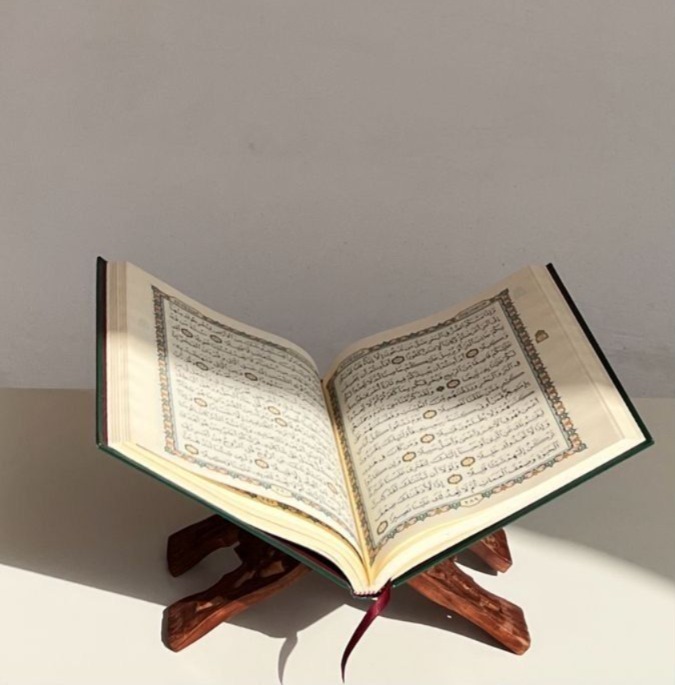
The phrase Inna Lillahi Wa Inna Ilayhi Raji’un originates directly from the Quran, making it not just a cultural expression, but a divine statement revealed by Allah. It is part of the Islamic tradition known as Istirjāʿ, which refers to returning one’s heart, words, and trust to Allah during times of hardship.
Unlike phrases that developed through common usage, this expression comes straight from revelation, giving it deep spiritual weight. When Muslims say it, they are repeating Allah’s own words, aligning their response to loss with guidance from the Quran itself.
Inna Lillahi Wa Inna Ilayhi Raji’un in the Quran
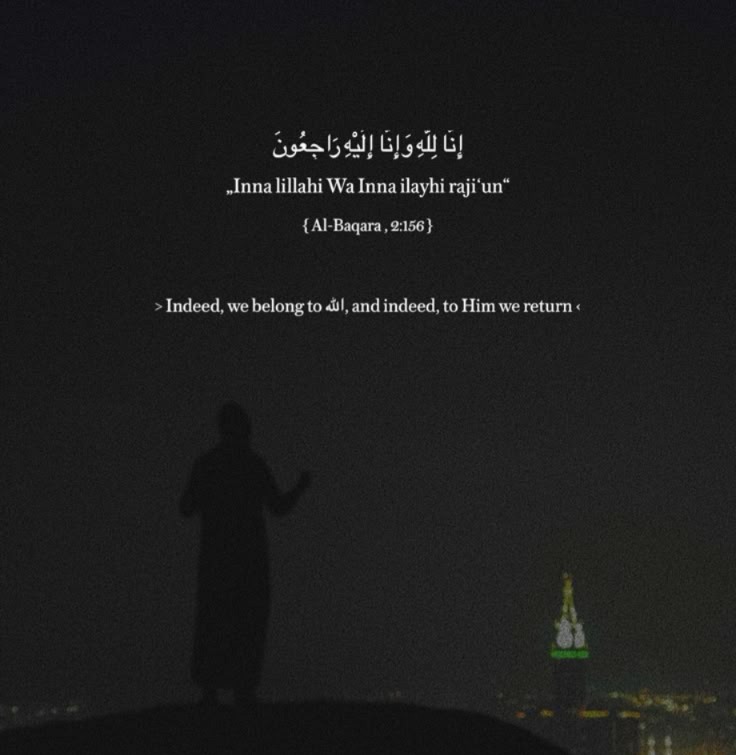
This phrase appears in Surah Al-Baqarah (2:156):
ٱلَّذِينَ إِذَآ أَصَـٰبَتْهُم مُّصِيبَةٌۭ قَالُوٓا۟ إِنَّا لِلَّهِ وَإِنَّآ إِلَيْهِ رَٰجِعُونَ ١٥٦
“Those who, when disaster strikes them, say: Indeed, we belong to Allah, and indeed, to Him we will return.”
These words come immediately after Allah describes the different trials human beings will face—fear, hunger, loss of wealth, lives, and fruits. The verse teaches believers how to respond to hardship, not by despair or anger, but through remembrance of Allah and acknowledgment of His absolute ownership.
By placing this phrase within the Quran’s discussion of patience (sabr), Allah highlights it as the correct spiritual reaction to every form of calamity, whether major or minor.
Context of the Ayah and Its Message

The context of this ayah is crucial to understanding its depth. In Surah Al-Baqarah (2:155–157), Allah explains that trials are an inevitable part of life and a test of faith. Those who respond with patience and remembrance are promised blessings, mercy, and guidance from their Lord.
The message is clear:
Life is temporary, hardship is meaningful, and nothing is ever truly lost—because everything belongs to Allah and will return to Him. Saying Inna Lillahi Wa Inna Ilayhi Raji’un is not merely acknowledging loss; it is affirming belief in divine wisdom, accountability in the Hereafter, and hope beyond worldly pain.
This is why the phrase is not limited to death alone—it is a lifelong reminder that every moment, ease or difficulty, is part of a greater journey back to Allah.
When Should You Say Inna Lillahi Wa Inna Ilayhi Raji’un?
Muslims are encouraged to say Inna Lillahi Wa Inna Ilayhi Raji’un whenever they are struck by a calamity—whether big or small. The Quran does not restrict this phrase to death alone. Rather, it teaches believers to return to Allah with patience and remembrance during any form of hardship.
The reward for saying this phrase is greatest when it is said at the first moment of shock, as an immediate response of faith instead of anger, panic, or despair. Doing so reflects true submission to Allah’s decree and trust in His wisdom.
Islamic scholars agree that this statement is recommended for losses affecting one’s life, wealth, family, health, or emotional well-being. It is a spiritual tool meant to ground the believer during trials and remind them of the temporary nature of this world.
Saying Inna Lillahi Wa Inna Ilayhi Raji’un When Someone Dies

The most common situation in which Muslims say Inna Lillahi Wa Inna Ilayhi Raji’un is upon hearing news of death. This applies when a Muslim passes away, as well as when the death of a non-Muslim becomes a personal calamity for a Muslim—such as the loss of a parent, relative, or loved one.
Scholars have clarified that the phrase is not said for the deceased, but rather for the one experiencing the calamity. Since death is a profound loss, responding with this Quranic verse reflects patience (sabr), acceptance of divine decree, and remembrance of the Hereafter.
Imam An-Nawawi رحمه الله explained that this phrase is recommended whenever a believer is afflicted by a worldly or religious hardship, including the loss of someone dear—regardless of their faith—if the loss causes genuine grief.
🕊️ Want to learn the proper Duas for the deceased and how to comfort your heart while praying for them? Read our full guide now!
Using Inna Lillahi Wa Inna Ilayhi Raji’un During Hardships and Tests
Islam teaches that trials are not limited to death. Losing a job, facing financial difficulty, suffering illness, experiencing accidents, or even smaller misfortunes all fall under the category of calamities (musibah).
For this reason, it is not only permissible but recommended to say Inna Lillahi Wa Inna Ilayhi Raji’un in situations such as:
- Losing employment or income
- Financial loss or property damage
- Illness or injury
- Emotional distress or personal setbacks
- Losing something valuable
Even minor frustrations—like dropping an item or damaging property—can be opportunities to remember Allah’s control over all affairs. Saying this phrase helps the believer restrain anger, cultivate patience, and maintain spiritual balance.
At its core, the phrase reinforces three essential beliefs:
- Everything belongs to Allah
- Nothing is permanent in this world
- Every hardship is a test with potential reward
By using Inna Lillahi Wa Inna Ilayhi Raji’un consistently—not only in moments of death—Muslims train their hearts to respond to life’s ups and downs with faith, humility, and trust in Allah.
Importance and Benefits of Inna Lillahi Wa Inna Ilayhi Raji’un

Core Meanings & Beliefs
- Ownership by Allah: Everything in existence, including life, loved ones, and possessions, belongs to Allah.
- Return to Allah: Life is temporary, and every soul will ultimately return to its Creator.
- Acceptance of Divine Will: The phrase demonstrates faith and submission, even during trials, calamities, or personal setbacks.
Spiritual and Emotional Benefits
Reciting this phrase brings multiple rewards and support for the heart and mind:
- Compensation for Loss: Allah promises to replace what is lost with something better.
- Forgiveness and Mercy: Saying it during a calamity invites Allah’s guidance and mercy.
- Perspective on Life: It shifts focus from worldly attachments to eternal rewards, helping believers cope with grief, disappointment, or personal challenges.
- Building Patience (Sabr): Internalizing its meaning strengthens perseverance, prevents despair, and nurtures reliance on Allah.
- Strengthening Trust (Tawakkul): Regular recitation encourages reflection on Allah’s control over all events, fostering acceptance, humility, and readiness for the Hereafter.
By understanding both the religious importance and the spiritual benefits of Inna Lillahi Wa Inna Ilayhi Raji’un, Muslims can approach life’s trials with faith, calm, and resilience, transforming moments of loss into opportunities for spiritual growth and closeness to Allah.
Difference Between Inna Lillahi Wa Inna Ilayhi Raji’un and Other Islamic Phrases
Inna Lillahi Wa Inna Ilayhi Raji’un (إِنَّا لِلَّٰهِ وَإِنَّا إِلَيْهِ رَاجِعُونَ)
- Meaning: “Indeed, we belong to Allah, and indeed, to Him we shall return.”
- Usage: Recited specifically upon hearing news of death, major loss, or calamity. It expresses acceptance of Allah’s decree, reminds us of life’s temporary nature, and encourages patience (sabr) and trust in God.
- Core Theme: Submission to Allah, patience, and reflection on the afterlife.
How It Differs from Other Common Phrases
- Alhamdulillah (الحمد لله)
- Meaning: “Praise be to Allah” or “All praise is due to Allah.”
- Usage: Expresses gratitude for blessings, favors, or after completing a task.
- Core Theme: Thankfulness and recognizing Allah as the source of all good.
- Difference: Alhamdulillah celebrates what we have, while Inna Lillahi acknowledges what we lose or what is taken away.
- ✨ Curious about the true meaning of Alhamdulillah and when to use it? Discover how this simple phrase transforms your gratitude and daily life. Read our full blog post here!
- SubhanAllah (سبحان الله)
- Meaning: “Glory be to Allah” or “How perfect is Allah.”
- Usage: Expresses awe, wonder, or amazement at Allah’s creation or power.
- Core Theme: Glorification and recognition of God’s perfection.
- Difference: SubhanAllah praises Allah’s perfection, whereas Inna Lillahi is about acceptance during trials.
- Masha’Allah (ما شاء الله)
- Meaning: “What Allah has willed.”
- Usage: Acknowledges that good things happen by Allah’s will, often used to ward off envy or the evil eye.
- Core Theme: Recognition of divine will in blessings.
- Difference: Masha’Allah expresses appreciation of blessings, Inna Lillahi expresses submission to loss.
- Insha’Allah (إن شاء الله)
- Meaning: “If Allah wills.”
- Usage: Used when talking about future plans or hopes, showing reliance on God for outcomes.
- Core Theme: Humility and dependence on Allah.
- Difference: Insha’Allah looks to the future, Inna Lillahi reflects on loss and acceptance.
- Astaghfirullah (أستغفر الله)
- Meaning: “I seek forgiveness from Allah.”
- Usage: Expresses repentance, acknowledgment of sin, or mistakes.
- Core Theme: Seeking mercy, purification, and spiritual correction.
- Difference: Astaghfirullah is about repentance, while Inna Lillahi is about patience and submission during adversity., while Inna Lillahi is about patience and submission during adversity.
Key Takeaway
Inna Lillahi Wa Inna Ilayhi Raji’un is unique because it is specifically tied to trials, loss, and calamities, reminding Muslims of life’s temporary nature and the ultimate return to Allah. Other Islamic phrases—like Alhamdulillah, SubhanAllah, or Insha’Allah—serve different purposes, such as praise, gratitude, glorification, or reliance on Allah, but all help strengthen a believer’s connection with God in daily life.
Common Mistakes When Saying Inna Lillahi Wa Inna Ilayhi Raji’un
While this phrase is a powerful reminder of faith, patience, and submission to Allah during hardships, Muslims sometimes make mistakes that reduce its benefit or even change its meaning.
1. Pronunciation and Transliteration Mistakes
- Omitting the “Alif” or “Wa”:
Common mistakes include saying or writing “Inna lilah wa inna allah rajiun” instead of the correct “Inna Lillahi Wa Inna Ilayhi Raji’un”. Such errors can make the phrase grammatically incomplete and alter its meaning. - Incorrect vowels or consonants:
Minor mispronunciations of Arabic letters or neglecting the long vowels (Madd) can change the sound and affect the proper recitation. For example, saying Rajiun too short or misplacing emphasis can reduce the spiritual impact. - Rushing the words:
Reciting too quickly, without proper Tajweed, may lead to mumbling or skipping sounds, diminishing clarity and reward.
📖 Want your kids to master Quran reading from the very first letters? Start with Noorani Qaida – Step-by-Step at Areeb Academy. Learn the correct pronunciation and recitation! Read more & book a free trial today!
2. Misuse and Misunderstanding of Context
- Using it only for death:
Limiting the phrase to only when someone dies ignores its broader Quranic teaching. It applies to all forms of hardship, such as illness, financial loss, accidents, or personal distress. - Saying it without reflection:
Reciting the words mechanically without contemplating their meaning—acknowledging that everything belongs to Allah and we will return to Him—reduces its spiritual benefit. - Using it in casual or humorous speech:
Because it is a sacred verse, it should never be used jokingly, sarcastically, or in trivial situations. - Supplicating for a non-Muslim’s forgiveness:
While it is permissible to say the phrase upon a non-Muslim’s death as recognition of the return of all souls to Allah, making a specific dua for their forgiveness is generally reserved for Muslims.
3. Saying It Without Understanding Its Meaning
- Failing to internalize the three core lessons of the phrase:
- We belong to Allah – everything we have is from Him.
- We will return to Allah – life is temporary, and the ultimate reward is in the Hereafter.
- All calamities are temporary – recognizing this brings patience and peace.
- Without understanding, the phrase loses its power as a tool for spiritual comfort, patience, and submission.
Tip: To maximize the reward and spiritual benefit, always recite it with understanding, reflection, and sincerity, whether facing major losses or minor difficulties.
Teaching Children the Meaning of Inna Lillahi Wa Inna Ilayhi Raji’un

Death, loss, and hardships are part of life, but as Muslims, we have beautiful ways to help children understand them with honesty, love, and faith.
1. Be Honest, But Gentle
Children want to understand the truth. Using simple words helps them know what has happened without scaring them.
How to explain death:
- “When someone dies, their heart stops beating, they stop breathing, and their brain stops working. Their body becomes like an empty shell.”
- “They cannot feel pain, hunger, or cold anymore.”
You can add: “We believe their soul returns to Allah, and one day, we will also return to Him.”
2. Introduce the Phrase: Inna Lillahi Wa Inna Ilayhi Raji’un
Explain to children:
“This is something Muslims say when we lose someone we love, or something important to us. It means: ‘We belong to Allah, and we will return to Him.’ It reminds us that Allah is in control, and everything in this world is temporary.”
Why we say it:
- To show patience (sabr) when sad or upset.
- To remember that Allah has a plan, even if we do not understand it.
- To find comfort and peace during loss.
3. Use Simple, Clear Language
Avoid confusing phrases like “gone to sleep” or “lost” because children might misunderstand. Instead:
- “They have died, which means we won’t see their body anymore, but we can pray for them.”
- “It is normal to feel sad, angry, or confused. Allah knows our hearts and sees our patience.”
4. Encourage Questions and Feelings
Children may ask:
- “Will I die?”
- “Why do people die?”
- “Where do they go?”
What to say:
- “Everyone and everything that lives will die, because this is the way Allah made life. Most people live a long time before they die.”
- “After we die, we return to Allah. What happens after that is part of Allah’s wisdom, and some people believe different things. What do you think?”
- Reassure them that it is okay to feel sad or cry.
5. Teach Patience and Hope
Use Inna Lillahi Wa Inna Ilayhi Raji’un to teach children about patience and trust in Allah:
- When a pet dies, you can say it together: “Inna Lillahi Wa Inna Ilayhi Raji’un.”
- When they lose a favorite toy or something small, you can also practice saying it. This helps them understand that everything belongs to Allah.
- Remind them: “Even when sad, we can make dua and ask Allah for patience, comfort, and strength.”
6. Include Prayers and Sunnah
Teach children simple dua’s for grief and loss:
Prophet ﷺ taught:
“O Allah! Reward me in my affliction and replace it with something better.”
Encourage children to:
- Recite Surah Al-Fatiha or Surah Al-Ikhlas for the deceased.
- Make a small dua for patience when facing sadness.
7. Lead by Example
Children learn from adults:
- Show your emotions honestly: “I feel sad too, but I know Allah is with us.”
- Recite Inna Lillahi Wa Inna Ilayhi Raji’un with them when something sad happens.
- Discuss life’s blessings and the importance of good deeds while alive.
8. Turn Loss into a Learning Moment
Every loss can teach a child:
- To value life and family.
- To practice patience and thankfulness.
- To trust Allah and understand life’s temporary nature.
💡 Tip for Parents:
Make it a gentle routine: when something sad happens, quietly recite Inna Lillahi Wa Inna Ilayhi Raji’un with your child, explain its meaning, and give them a hug. This will help children grow spiritually strong, emotionally aware, and trusting in Allah.
How Learning Islamic Duas Builds Emotional Strength
Life is full of challenges, from small setbacks to major trials. For Muslims, duas (supplications) are more than words—they are a source of emotional resilience, peace, and connection to Allah.
When you sincerely recite a dua, you are:
- Acknowledging Allah’s control over your life.
- Releasing worries and anxiety by turning to Him for guidance.
- Strengthening patience (sabr) and trust in His plan.
Over time, making dua becomes a natural way to cope with stress, grief, or uncertainty, helping you navigate life with faith and confidence.
Why Understanding Duas Matters More Than Memorizing
Memorizing duas is important, but understanding their meaning is what transforms them into a powerful spiritual and emotional tool.
When you know what you are saying:
- Your heart connects with the words, not just your tongue.
- You internalize patience, hope, and gratitude.
- Duas become a source of guidance and reflection, not just routine.
For example, when you recite:
“Inna Lillahi Wa Inna Ilayhi Raji’un” – “Indeed, we belong to Allah, and to Him we shall return” –
you are not only expressing grief, but also trusting Allah, accepting His decree, and finding comfort in His wisdom.
Learn Authentic Islamic Duas With Areeb Academy
At Areeb Academy, our teachers are native Arabic speakers and fluent in English, making the learning experience smooth, natural, and easy to follow.
We offer:
- Islamic Studies for all ages
- Quran Memorization Courses for children and adults
- Authentic Duas from the Quran and Sunnah, with meaning, context, and proper pronunciation
With us, every lesson becomes an opportunity to grow spiritually, strengthen your connection to Allah, and build emotional resilience.
FAQs
1. What’s the difference between “Inna Lillahi Wa Inna Ilayhi Raji’un” and saying “Al-Baqa’ Lillah”?
“Inna Lillahi Wa Inna Ilayhi Raji’un” is a Quranic phrase emphasizing acceptance of Allah’s will and patience during trials, while “Al-Baqa’ Lillah” is a general expression of condolences without the deep Quranic meaning.
2. Can I say “Inna Lillahi Wa Inna Ilayhi Raji’un” when a non-Muslim dies?
Yes, if the loss affects you personally, it is permissible to say it as an expression of patience and acknowledgment that everything belongs to Allah.
3. When should “Inna Lillahi Wa Inna Ilayhi Raji’un” be recited?
It should be recited upon hearing news of death or any significant loss or calamity, whether big or small, from losing a loved one to facing personal setbacks.
4. What are the spiritual benefits of reciting “Inna Lillahi Wa Inna Ilayhi Raji’un”?
It strengthens patience, enhances trust in Allah, and transforms grief into an act of worship, offering reward and divine mercy in return.
5. Can it be said for everyday minor losses?
Yes, even small inconveniences or setbacks remind believers that all worldly things are temporary and encourage reliance on Allah’s plan.