

Memorizing the Quran is a beautiful achievement, but keeping it fresh takes consistent effort. Without regular revision, even familiar Surahs can become difficult to recite confidently, and verses you once knew well may start to slip away. So, how to revise memorized Quran effectively without feeling overwhelmed?
The key is to follow a realistic plan, practise active recall, focus on weaker passages, and make Quran revision part of your daily routine. Whether you have memorized a few Surahs or the entire Quran, the right approach can strengthen your Hifz, improve your recitation, and keep you consistent, even with a busy schedule. In this guide, you will discover practical revision methods, learn how to avoid common mistakes, and find simple ways to keep your memorization strong.
Why You Should Revise Memorized Quran Regularly
Even if you memorize new verses quickly, they can become difficult to recall without regular revision (muraja’ah). That is why learning how to revise memorized Quran is just as important as learning new verses. The goal is not simply to memorize the Quran, but to preserve it in your heart and recite it accurately.
Here is why Quran revision deserves a place in your daily routine:
- It strengthens your memory: Repeatedly recalling memorized verses makes them more familiar, so you are less likely to struggle with passages you once knew well.
- It improves recitation and accuracy: Revising older portions helps you spot forgotten words, missed verses, and common mistakes before they become habits.
- It prevents confusion between similar verses: Some verses share similar wording or endings. Regular revision helps you tell them apart and recall the correct sequence.
- It builds consistency and discipline: A manageable routine keeps you connected to the Quran, even when you have little time for new memorization.
- It maintains your spiritual connection: Revision is not only a memory exercise. It is a chance to revisit the words of Allah and reflect on their meanings.
The importance of revision is also reflected in a teaching of Prophet Muhammad ﷺ:
“The example of the one who memorizes the Quran is like that of the owner of tied camels. If he keeps watching over them, he will keep them, but if he lets them go, they will run away.”
In the same way, what you have memorized stays with you only if you keep returning to it.
Ultimately, consistent revision is what turns memorization into lasting knowledge. Even a short daily session can make a difference when you approach it with patience and a clear plan.
How to Revise Memorized Quran with a Realistic Plan
Learning how to revise memorized Quran becomes much easier when you have a clear, manageable plan. Instead of trying to review everything at once, divide your memorization into smaller portions and follow a routine that fits your schedule. A plan you can maintain is more valuable than an ambitious one that leaves you exhausted.
If you are still working on memorizing the Quran, having a structured routine can make the process easier. Check out our guide on [Quran Memorization Schedule: Daily, Weekly & 30-Day Hifz Plan] to create a realistic memorization plan that works alongside your revision routine.
Daily Quran Revision: Focus on Consistency
Set aside time each day to revise a manageable portion of your memorization. If you are still memorizing new verses, review your most recent lessons first, as they need the most frequent practice. Then move on to older portions.
A simple daily routine might include:
- Recent memorization: The pages or verses you learned over the past few days.
- Older memorization: A portion of your previously memorized Surahs, to strengthen long-term retention.
- Weak areas: A few extra minutes on verses you often forget or confuse with similar passages.
If you have memorized the entire Quran, you could aim to revise one Juz per day, which completes a full cycle in about 30 days. If that feels too demanding, start with a smaller portion and increase it as your fluency improves.
Weekly and Monthly Quran Revision: Track Your Progress

At the beginning of each week, divide your memorized portions across the days you have available. For example, if you have memorized 10 Juz, you could revise two Juz per day over five days, leaving the other days for catching up or reviewing difficult passages. If you repeatedly struggle with a particular Surah, revisit it instead of moving on just to meet your target.
At the end of each month, look at the bigger picture. Have you revised all your memorized portions? Are older Surahs becoming easier to recall, or are some still difficult? Let your answers guide next month’s plan. The aim is to keep your memorization strong and accurate, not to rush through pages just to finish on time.
Best Time of Day to Revise Memorized Quran
Choose a time when you can concentrate without frequent interruptions. For many people, the time after Fajr works well because the day has not yet become busy. However, there is no need to force a routine that does not suit your circumstances. If you work early or care for children, pick another time when you can give your revision your full attention.
You can also split your revision into shorter sessions throughout the day. For example:
- After Fajr (10–15 minutes): Revise recently memorized verses while your mind is fresh.
- In the afternoon (10–15 minutes): Review an older Surah or a portion of your previous memorization.
- In the evening (5–10 minutes): Revisit difficult verses, or listen to a reliable recitation of the portion you studied.
These blocks are only examples, so adjust them to how much you have memorized and how much time you have. If your schedule is very busy, start with 10–15 minutes a day and increase gradually once it becomes a habit. The best time to revise memorized Quran is the one you can protect consistently, inshaAllah.
Proven Methods to Revise Memorized Quran
A plan is an important first step, but the way you revise also makes a difference. The most effective approach is to actively recall what you have memorized, identify mistakes, and repeat difficult passages until you can recite them confidently. You do not need to use every method at once. Start with the ones that suit your level and build from there.
Recite Memorized Portions in Salah
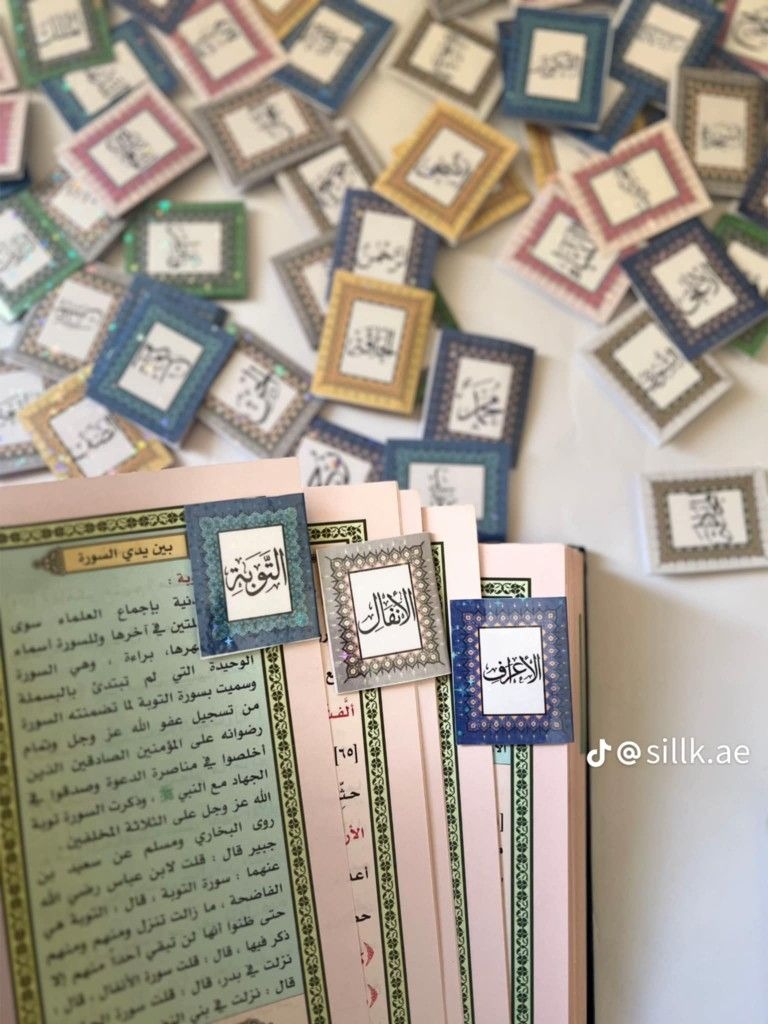
Reciting what you have learned in your daily prayers gives you regular opportunities to recall verses from memory. Start with shorter Surahs or a few verses you have recently revised, then include longer portions as your confidence grows.
- Before Salah: Briefly review the verses you intend to recite, especially if they are not yet firmly memorized.
- During Salah: Recite without looking at the Mushaf to practise independent recall.
- In voluntary prayers: When appropriate, revise longer passages at a comfortable pace.
If you hesitate or forget a verse, revisit that passage after your prayer and note where you got stuck. The goal is not to turn your prayer into a stressful test, but to use what you already know for revision and reflection.
Revise with a Partner or Teacher
Reciting alone can reveal some weaknesses, but it is hard to notice every mistake yourself. A revision partner or a qualified Quran teacher adds accountability and feedback. A partner can listen while you recite a selected page from memory, tell you where you lose your place, or test you on sections you have both memorized. A teacher can go further, especially with similar verses, verse order, and recurring Tajweed mistakes. To improve your accuracy further, learn about the [12 Common Mistakes in Quran Recitation & How to Avoid Them] and discover how to recognize and correct common recitation errors.
To make these sessions more productive:
- Choose a specific portion before the session begins.
- Recite without looking first, so your partner or teacher can assess what you recall independently.
- Correct mistakes immediately: Return to the Mushaf and repeat the passage until it is accurate.
- Keep track of recurring mistakes so you can revisit them next time.
If you are memorizing independently, consider arranging periodic recitation assessments to check your progress.
Listen to a Reciter and Follow Along
Listening helps you recall wording, follow the sequence of verses, and become more aware of pronunciation and Tajweed. For the best results, combine it with active recitation instead of relying on audio alone.
- Choose a reliable reciter and use the same one for the whole revision cycle, so the passage feels familiar.
- Listen while following the Mushaf, paying attention to verse endings and places where you tend to hesitate.
- Pause and recite from memory before the recording continues.
- Check your recitation in the Mushaf, then repeat any forgotten words correctly.
- Return to difficult sections and test yourself again.
Listening while travelling or doing daily activities is a convenient way to stay familiar with your verses, but it should complement dedicated recitation, since listening alone does not show you what you can recall independently.
If you want to develop stronger recitation skills, explore our guide on [How to Improve Quran Recitation: 9 Tips + 25-minute Daily Routine] for practical techniques and a daily practice routine.
Use One Mushaf Edition and Connect Verses Together
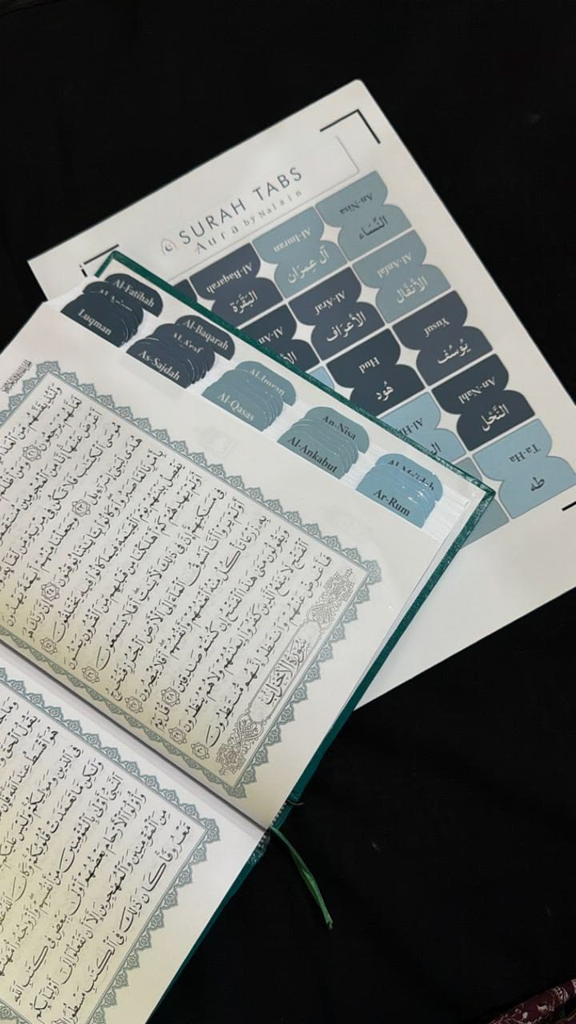
Using the same Mushaf consistently supports your visual memory. You begin to remember where a verse appears on the page and where passages begin and end. Still, practise reciting without looking at the page so you do not depend on these cues.
It also helps to connect verses instead of revising each one in isolation. Many people remember a verse clearly but struggle to continue into the next one. To fix this:
- Start with a short passage and notice how each verse ends and the next begins.
- Recite it from memory with the Mushaf closed.
- Practise the transitions: If you hesitate between two verses, review the end of the first and the beginning of the next together.
- Start from different points, such as the middle of a page, instead of always beginning at the start of the Surah.
- Compare similar verses in the Mushaf and note the exact differences in wording.
Common Mistakes When You Revise Memorized Quran
Even after memorizing the Quran, some Surahs may become hard to recall, certain verses may keep slipping, or your routine may become difficult to maintain. This is a normal part of the Hifz journey, and it does not mean you have failed. The key is to find what is making revision difficult and adjust your approach.
Dealing with Weak or Forgotten Surahs
Some Surahs stay strong while others become hesitant. This often happens when you review familiar passages more often than weaker ones, skip difficult verses, or try to revise too much in one session. Instead of always starting from the beginning of a Surah, find the exact verses where you forget the wording or lose your place and give them extra attention first.
- Identify your weak points: Keep a list of the Surahs, verses, and transitions where you often hesitate.
- Use active recall: Close the Mushaf and recite. If you forget a phrase, check the correct wording, repeat it several times, then recite again without looking.
- Repeat difficult verses separately, then connect them to the verses before and after.
- Vary your starting points, or ask someone to choose a verse for you, to check that you remember the whole Surah and not only its opening.
- Compare similar verses and practise reciting both in different orders.
- Ask a qualified teacher for feedback on forgotten words and Tajweed errors you may not notice yourself.
Weak portions need focused revision, not frustration. You do not have to perfect an entire Surah in one sitting.
Staying Consistent When You Feel Busy or Unmotivated
Work, studies, and family responsibilities can make Quran revision hard to maintain, and motivation naturally rises and falls. The solution is to make your routine sustainable instead of waiting for a free day or a burst of motivation.
- Set a realistic daily target: A small portion revised carefully is better than an ambitious target you keep missing.
- Keep a minimum routine: On very busy days, even 10 minutes of recitation keeps the habit alive.
- Prioritize revision over new memorization if older portions have become weak.
- Track your progress with a simple checklist of what you have revised and what needs attention.
- Link revision to your prayers by reciting memorized Surahs in Salah.
- Return gradually after a break: If you miss several days, do not try to make up for it all at once. Start with your most recent portions and rebuild your routine step by step.
A missed session is not a reason to abandon your plan. Consistency does not mean revising the same amount every day. It means continuing to return to the Quran and adjusting your pace when needed.
Final Thought: Make Quran Revision a Lifelong Habit
Learning how to revise memorized Quran is about more than repeating verses. It is about building a routine that protects your Hifz and keeps you connected to the Book of Allah. By setting realistic goals, giving extra attention to weaker Surahs, correcting recurring mistakes, and revising regularly, you can make steady progress without unnecessary pressure. And you do not have to make this journey alone.
At Areeb Academy, we offer personalized, one-to-one online Quran classes with qualified, native Arabic-speaking teachers who are fluent in English. Whether you want to strengthen your existing Hifz, improve your recitation, or work on your Tajweed, our teachers can help you identify your weaknesses and follow a learning plan suited to your level and goals. With affordable packages, flexible scheduling, and individual attention in every session, you can work toward your Quran goals at a pace that feels manageable.
Ready to strengthen your Quran memorization with expert guidance and personalized support? Book your FREE trial with Areeb Academy today! Take the first step toward more confident recitation and a consistent Quran revision routine, inshaAllah.
Frequently Asked Questions About Quran Revision
1. How often should I revise memorized Quran?
Ideally, every day. Daily revision reinforces what you know and helps you catch weak passages before you forget them. Divide your revision into manageable portions that include both recent and older memorization.
2. What is the best way to revise memorized Quran?
Recite from memory before checking your Mushaf. When you make a mistake, review the correct wording, repeat the verse, and try again without looking. You can also listen to a reliable reciter, recite in Salah, and recite to a qualified teacher to correct mistakes and improve your Tajweed.
3. How can I revise the Quran without forgetting what I have memorized?
Follow a structured plan that covers recent and older portions, practise active recall, and give extra attention to verses you often forget. Avoid revising only the Surahs you already know well, and test yourself by starting from different verses.
4. How many pages of the Quran should I revise daily?
It depends on how much you have memorized, how strong your Hifz is, and how much time you have. Some students manage several pages a day, while others do better with a smaller portion reviewed more carefully. Start with a realistic target and adjust as your fluency improves.
5. What should I do if I keep forgetting the same verses?
Identify the exact words that cause difficulty and practise them separately. Check the Mushaf, repeat the correct wording, recite it from memory several times, then connect it to the surrounding verses. If the mistake continues, ask a qualified teacher to listen to your recitation.