
Salah for Kids is one of the most valuable lessons parents can teach their children. More than just learning the steps of prayer, Salah helps children build a lifelong connection with Allah, develop good character, and create healthy daily habits. When children learn to pray from a young age, Salah becomes a natural part of their routine rather than a difficult obligation later in life.
In this guide, you’ll discover what Salah is, why it is so important in Islam, when children should start learning it, how to teach Salah step by step and what to say during prayer.
What Is Salah?
Salah is the daily prayer that Muslims perform to worship Allah and strengthen their relationship with Him. It is the second Pillar of Islam after the declaration of faith (Shahadah) and one of the most important acts of worship in Islam.
Muslims pray five times every day to remember Allah, thank Him for His blessings, and seek His guidance. Learning Salah from an early age helps children build a strong connection with Allah and develop a lifelong habit of worship.
What Does Salah Mean?
The Arabic word Salah (صلاة) means prayer and refers to a special act of worship that connects Muslims with Allah. During Salah, Muslims recite verses from the Quran, bow (Ruku’), prostrate (Sujud), and praise Allah with humility and sincerity.
For children, Salah is a daily opportunity to thank Allah, ask for His help, and grow closer to Him.
Why Salah Is Important in Islam
Salah is one of the foundations of Islam and was commanded by Allah to be performed five times a day. It strengthens faith, encourages good character, and reminds Muslims to remember Allah throughout the day.
The five daily prayers were made obligatory during the miraculous Night Journey (Isra and Mi’raj). At first, Allah commanded Muslims to pray fifty times a day, but out of His mercy, He reduced them to five while keeping the reward of fifty. This teaches children how special Salah is and how merciful Allah is to His servants.
Why Muslim Kids Should Learn Salah
Introducing Salah for Kids at an early age helps children build a lifelong love for worship. Before Salah becomes obligatory, children can gradually learn by watching their parents, practicing the prayer movements, and memorizing short surahs.
Learning Salah helps children:
- Strengthen their relationship with Allah.
- Build discipline through a daily routine.
- Develop patience, gratitude, and humility.
- Memorize verses from the Quran.
- Feel connected to the global Muslim Ummah.
Parents can make learning enjoyable by praying together, teaching one step at a time, and celebrating every achievement. With patience and encouragement, Salah becomes a meaningful habit that guides children throughout their lives.
When Should Kids Start Learning Salah?
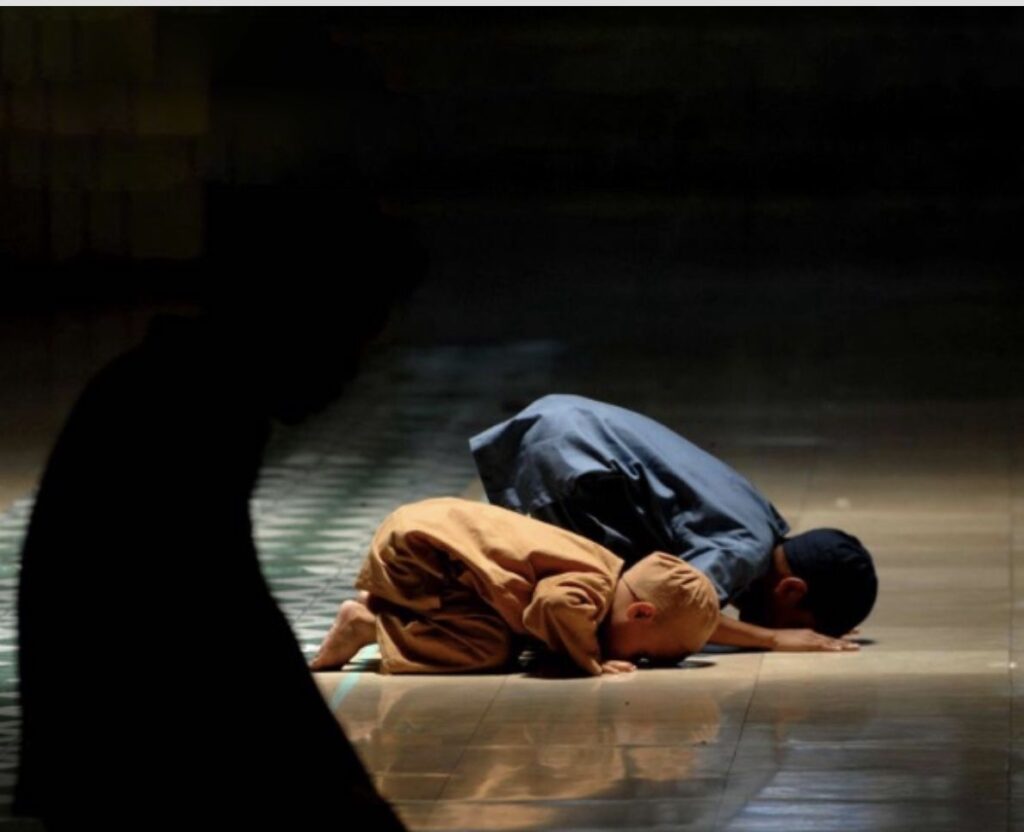
One of the most common questions parents ask is when children should start learning Salah for Kids. Islam encourages parents to introduce prayer gradually, helping children become familiar with Salah before it becomes obligatory. This gentle approach allows children to develop a love for prayer from an early age.
The Best Age to Introduce Prayer
Children begin learning Salah through observation. Even toddlers enjoy standing beside their parents, copying the prayer movements, and listening to Quran recitation.
As they grow older, parents can introduce new skills step by step:
- Ages 3–5: Let children observe and imitate the prayer movements. Encourage them to stand beside you during Salah and praise their efforts.
- Around age 7: Begin teaching Salah in a more structured way. Show them how to perform Wudu, learn the prayer positions, and memorize essential recitations such as Surah Al-Fatihah. This is also the age when parents should encourage children to pray regularly, following the guidance of Prophet Muhammad ﷺ.
- Around age 10: Help children become more consistent with the five daily prayers through gentle reminders, family routines, and positive encouragement.
Although Salah becomes obligatory after puberty, building the habit early makes the transition much easier.
Teaching Gradually with Patience
Kids learn Salah at a different pace, so focus on teaching one step at a time. Begin with the prayer movements, then Wudu, short surahs, and the words of Salah. Gently correct mistakes, praise progress, and remember that confidence grows through regular practice—not perfection.
Encouraging Without Pressure
Children are more likely to love Salah when they see it as a joyful part of family life. Pray together, encourage their efforts, and use simple tools like prayer charts or weekly goals to keep them motivated.
With patience and consistency, Salah for Kids becomes a lifelong habit and a source of peace, guidance, and a strong connection with Allah.
How to Teach Salah for Kids Step by Step
Teaching Salah for Kids is most effective when you break it into small, manageable steps. Rather than expecting children to learn everything at once, help them master one part of the prayer before moving to the next. Keep lessons short, practice regularly, and most importantly, let children see you pray every day.
Learning through observation, repetition, and encouragement helps children feel confident and excited about Salah. Celebrate their progress, answer their questions, and remind them that every effort to worship Allah is rewarded.
Learning Wudu First
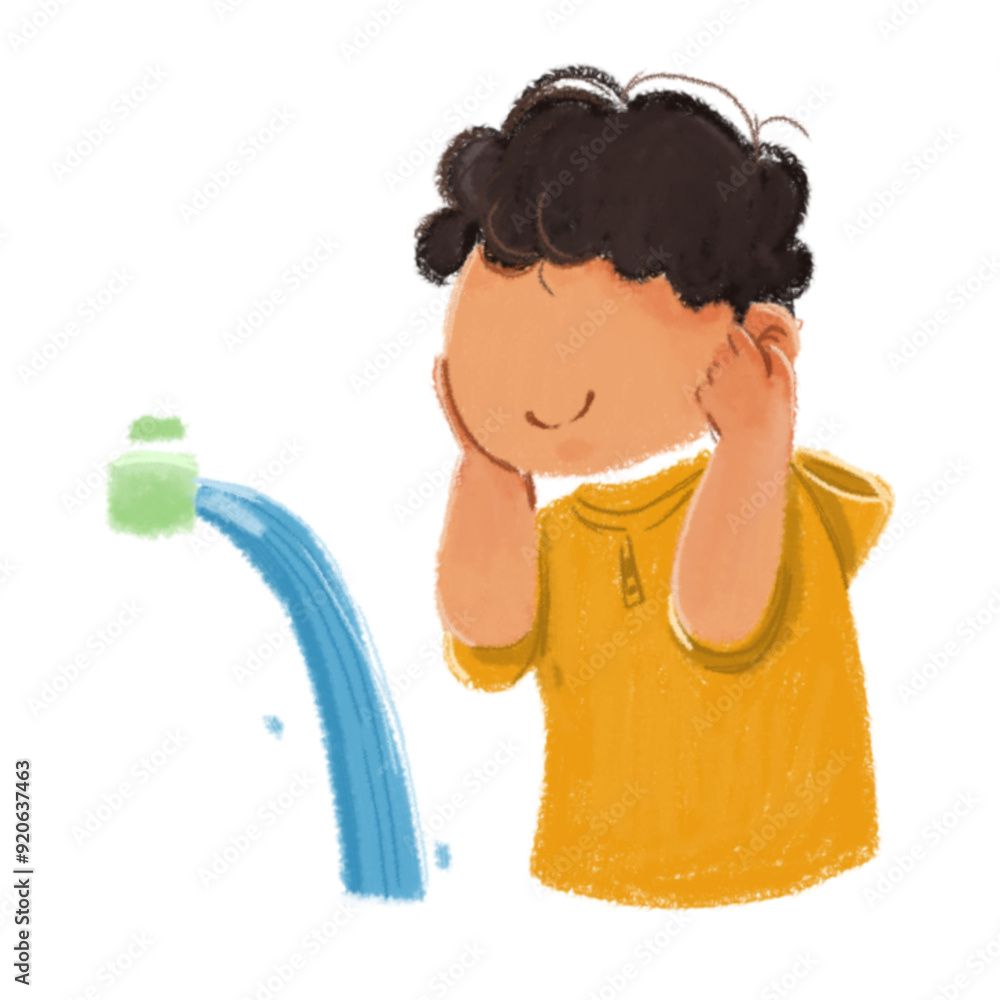
Before children learn the prayer itself, they should understand the importance of Wudu (ablution). Wudu teaches cleanliness, preparation, and respect before standing in front of Allah.
Teach Wudu by demonstrating each step slowly and allowing your child to copy you. Explain that Wudu is not simply washing—it is an act of worship that prepares both the body and the heart for Salah.
As children become comfortable with Wudu, encourage them to perform it on their own with gentle guidance until they can complete it confidently. For a complete walkthrough, read our guide on How to Make Wudu Step by Step: Dua, Order & Common Mistakes, where you’ll learn the correct sequence, recommended duas, and common mistakes to avoid.
Understanding the Prayer Movements
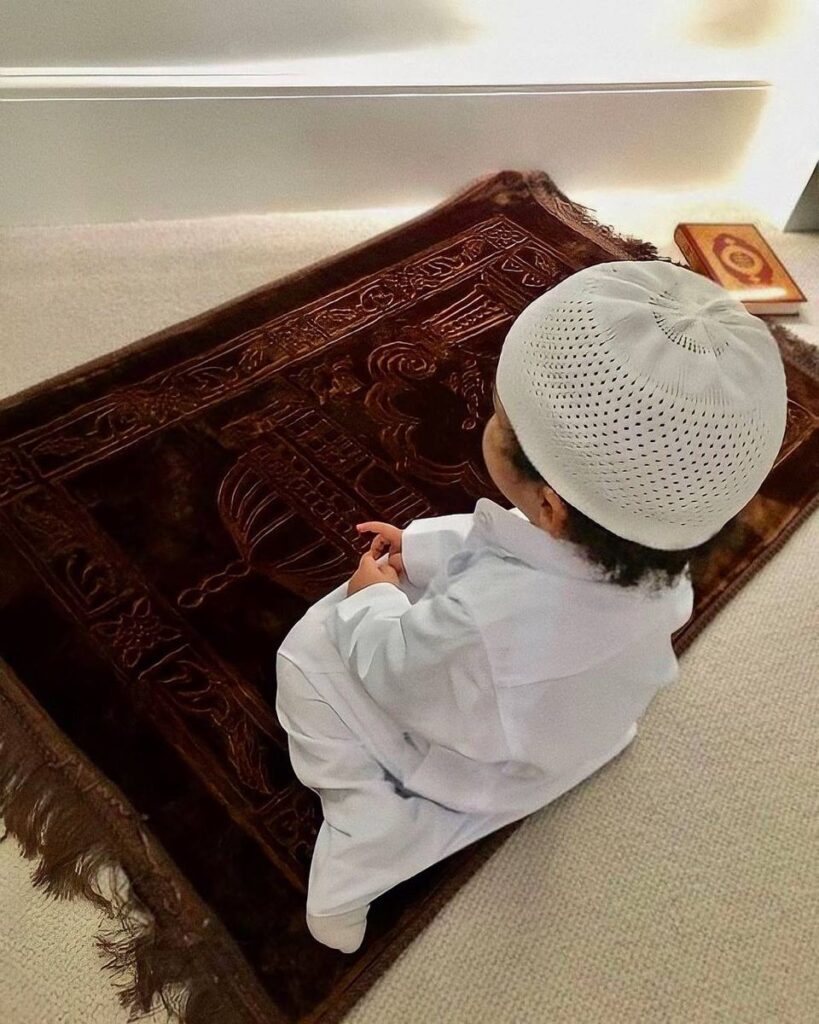
Once kids know how to make Wudu, begin teaching the physical movements of Salah one at a time. Focus on helping them understand what each position represents rather than simply memorizing actions.
The basic sequence includes:
- Make the intention (Niyyah) in your heart to perform the prayer.
- Begin with Takbir, raising the hands and saying Allahu Akbar.
- Stand (Qiyam) and recite Surah Al-Fatihah followed by another short surah.
- Bow (Ruku’), placing the hands on the knees while glorifying Allah.
- Stand upright after Ruku’.
- Prostrate (Sujud), placing the forehead, nose, palms, knees, and toes on the ground while praising Allah.
- Sit briefly, then perform a second Sujud.
- Sit for Tashahhud in the final sitting before ending the prayer with Tasleem by turning the head to the right and left.
Children do not need to perfect every movement immediately. Repeating the prayer together every day naturally builds confidence and accuracy over time.
Memorizing the Words of Salah
After children become familiar with the prayer movements, begin teaching the words of Salah little by little. Avoid overwhelming them by introducing only one recitation at a time and reviewing it regularly before moving on to the next.
A simple learning order is:
- Allahu Akbar (الله أكبر) – Allah is the Greatest.
- Surah Al-Fatihah
- One or two short surahs, such as Surah Al-Ikhlas, Surah Al-Falaq, or Surah An-Nas
- The remembrance in Ruku’:
- Subḥāna Rabbiyal-‘Aẓīm (سُبْحَانَ رَبِّيَ الْعَظِيمِ)
- Meaning: Glory be to my Lord, the Most Great.
- The remembrance in Sujud:
- Subḥāna Rabbiyal-A’la (سُبْحَانَ رَبِّيَ الْأَعْلَى)
- Meaning: Glory be to my Lord, the Most High.
- The Tashahhud, which includes the testimony of faith and greetings to Allah and His Messenger ﷺ.
- The Tasleem:
- As-salamu ‘alaykum wa rahmatullah (السَّلامُ عَلَيْكُمْ وَرَحْمَةُ اللَّهِ)
- Meaning: Peace and the mercy of Allah be upon you.
When teaching Ruku’ and Sujud, explain both the movements and the words children recite. Understanding the meaning behind these beautiful adhkar helps children pray with greater focus and sincerity. If you’d like to explore these recitations in more detail, read our guides on What to Say in Ruku: The Correct Dhikr, Meaning & Sunnah Guide and What to Say in Sujud: 2 Sunnah Duas to Recite in Every Salah.
Likewise, encourage children to learn the Tashahhud gradually by practicing a few lines at a time before memorizing the entire supplication.
Daily repetition, listening to Quran recitations, and plenty of praise will help children memorize the words of Salah naturally and perform their prayers with greater confidence and understanding.
The Five Daily Prayers for Kids

One of the first things children learn is that Muslims pray five times every day. These five daily prayers help us remember Allah from morning until night and strengthen our connection with Him.
Each prayer has its own time and number of Rak’ahs (units of prayer). Together, they create a daily routine of worship, gratitude, and remembrance. Just as our bodies need food to stay healthy, our hearts need Salah to stay connected to Allah.
Before each prayer, Muslims perform Wudu (ablution) to prepare themselves for worship.
- Fajr: Performed before sunrise and consists of 2 Rak’ahs.
- Dhuhr: The midday prayer, consisting of 4 Rak’ahs.
- Asr: The afternoon prayer with 4 Rak’ahs.
- Maghrib: Offered just after sunset and consists of 3 Rak’ahs.
- Isha: The night prayer with 4 Rak’ahs.
As children become familiar with the five daily prayers, they begin to see Salah as more than a daily routine. It becomes a special time to remember Allah, seek His guidance, and strengthen their faith every day.
Final Thoughts on Salah for Kids
Teaching Salah for Kids is a journey of patience, consistency, and love. Children are more likely to embrace prayer when they understand its purpose and see it practiced with joy at home. Every small step—whether learning Wudu, memorizing Surah Al-Fatihah, or completing their first Salah—is a meaningful achievement that brings them closer to Allah.
Remember that your example is one of the greatest teachers. By praying together, offering encouragement, and celebrating progress instead of perfection, you can help your child develop a lifelong love for Salah. With Allah’s guidance, the seeds you plant today can grow into a lifetime of faith, peace, and devotion.
Help Your Kids Learn Salah with Confidence at Areeb Academy
Looking for experienced teachers to help your child learn Salah, Quran, Tajweed, and Islamic Studies in a fun and engaging way?
At Areeb Academy, our qualified native Arabic instructors provide personalized one-on-one online classes designed especially for children. We teach Salah step by step with patience, encouragement, and age-appropriate methods, helping children understand both how to pray and why prayer is such an important part of a Muslim’s life.
✨ Book a FREE trial class today and give your child the opportunity to build a strong connection with the Quran, Salah, and Islamic values—all from the comfort of your home.
Frequently Asked Questions (FAQs)
1. At what age should children start learning Salah?
Children can begin learning Salah through observation from a very young age. Around the age of seven, parents should start encouraging regular prayer, following the guidance of Prophet Muhammad ﷺ. By introducing Salah gradually before this age, children become more comfortable and confident with prayer.
2. How can I make Salah fun for my child?
You can make Salah enjoyable by praying together as a family, praising your child’s efforts, using a prayer chart or reward system, learning one step at a time, and sharing inspiring stories from the Quran and Sunnah. The goal is to help children associate Salah with love, encouragement, and happiness.
3. Why do Muslims pray five times a day?
Muslims pray five times each day because Allah commanded the five daily prayers during the miraculous journey of Isra and Mi’raj. These prayers strengthen faith, provide regular opportunities to remember Allah, and help Muslims stay spiritually connected throughout the day.
4. Can children pray even before Salah becomes obligatory?
Yes. In fact, children are encouraged to practice Salah before it becomes obligatory after puberty. Early practice helps them develop confidence, establish a daily routine, and build a lifelong love for prayer.
5. How can online Quran classes help my child learn Salah?
Qualified online teachers can guide children step by step through Wudu, prayer movements, Quran recitation, and the meanings of Salah in a structured and engaging way. One-on-one lessons also allow children to learn at their own pace while receiving personalized encouragement and feedback.