
Learning a new language can be exciting for children, especially when it is taught in a fun and engaging way. However, many parents and teachers find that introducing Arabic grammar for kids can feel challenging at first. Arabic has unique rules and sentence structures, but when these concepts are presented through games, stories, and interactive activities, children can understand them much more easily.
Instead of focusing only on memorizing grammar rules, it is more effective to help kids discover how the language works through practice and everyday use. Simple techniques such as storytelling, songs, visual aids, and hands-on activities can turn grammar lessons into enjoyable learning experiences.
In this guide, we will explore practical and creative ways to teach Arabic grammar to children, including interactive games, online learning methods, and tips for parents to support their kids at home. These strategies can help young learners build a strong foundation in Arabic while staying motivated and confident in their language journey.
Why Arabic Grammar for Kids Is Important
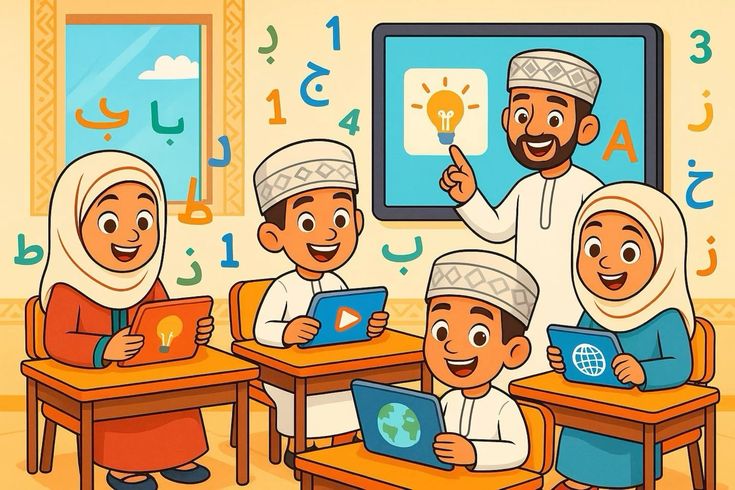
Learning Arabic grammar at an early age helps children understand how the Arabic language works. Just like building blocks, grammar provides the structure that allows kids to read, write, and speak Arabic correctly.
When children learn grammar step by step, they don’t just memorize words — they understand how sentences are formed and how meanings change. This makes learning Arabic easier and more enjoyable as they grow.
For Muslim children especially, learning Arabic grammar is even more valuable because it helps them connect more deeply with the Quran and Islamic teachings.
Building a Strong Foundation for Reading Arabic
Arabic grammar gives children the foundation they need to read Arabic correctly and confidently. When kids understand how words are formed and how sentences are structured, reading becomes much clearer and smoother.
Without basic grammar knowledge, children may struggle to understand how words change depending on their position in a sentence. Grammar helps them recognize patterns in the language, which improves their reading speed and comprehension.
A strong grammar foundation also makes it easier for children to continue learning more advanced Arabic skills later, such as writing, conversation, and understanding classical texts.
Improving Speaking and Writing Skills
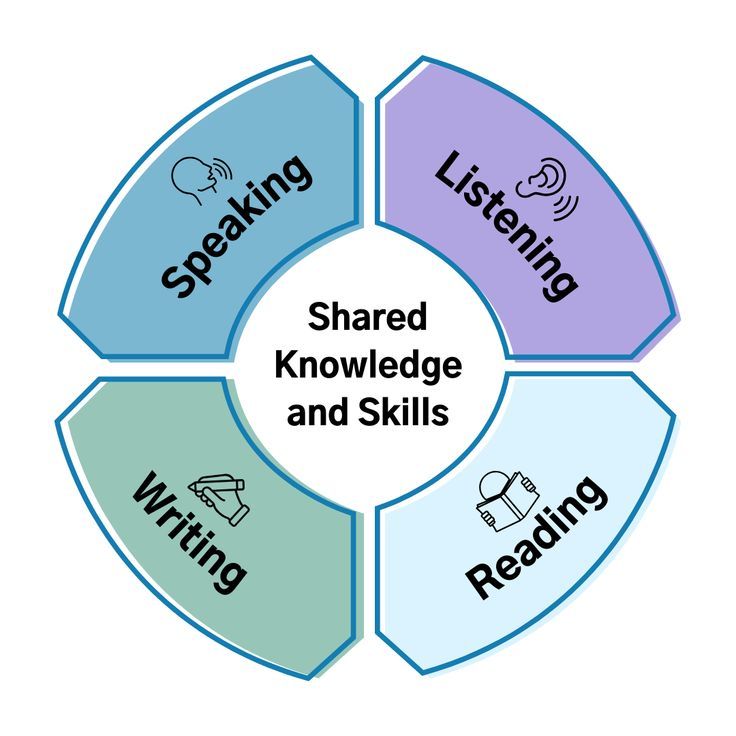
Arabic grammar plays a major role in developing strong speaking and writing skills. When children understand how sentences are built, they can express their thoughts more clearly and correctly.
Grammar helps kids choose the right word forms, use proper sentence structure, and communicate more confidently in Arabic. Over time, this improves both their written and spoken language abilities.
Starting grammar lessons early allows children to develop these skills naturally, making Arabic communication easier for them in school, religious studies, and everyday conversations.
Helping Kids Understand the Quran Better
One of the most important reasons to teach Arabic grammar to children is to help them understand the Quran more deeply. The Quran was revealed in Arabic, and its meanings become much clearer when learners understand the language’s structure.
Many children learn to recite the Quran beautifully, but grammar helps them go beyond recitation and begin to understand the meaning behind the words. This understanding strengthens their connection with the Quran and increases focus during prayer.
Learning grammar also helps children understand Islamic teachings, stories of the prophets, and the sayings of Prophet Muhammad ﷺ in a more meaningful way.
When Should Kids Start Learning Arabic Grammar?
Parents often wonder when the right time is to introduce grammar to children learning Arabic. While kids can be exposed to Arabic sounds and words from a very young age, formal grammar lessons usually come later.
Language experts generally agree that children should first develop listening, speaking, and early reading skills before focusing on grammar rules. Once these foundations are in place, learning grammar becomes easier and more meaningful.
The key is to introduce grammar gradually and in a way that feels natural and engaging rather than overwhelming.
Ideal Age to Introduce Arabic Grammar for Kids
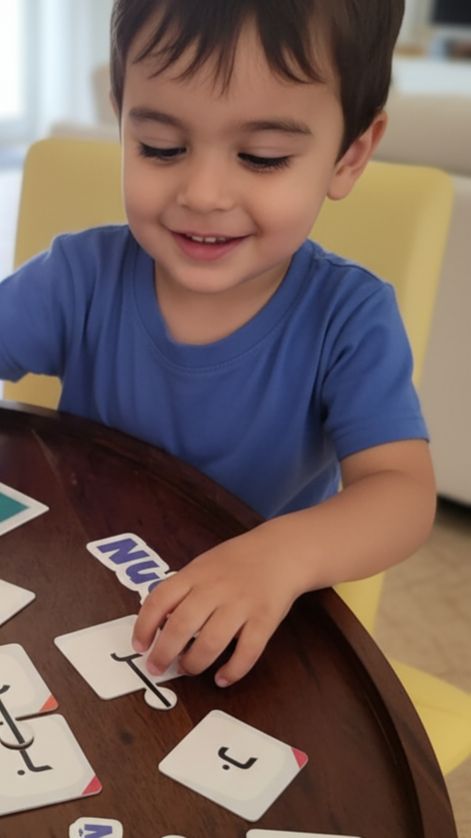
Most children are ready to start learning basic Arabic grammar between 6 and 10 years old. At this age, kids begin developing stronger reading abilities and can understand how sentences are structured.
Before this stage, early childhood learning should focus mainly on listening, speaking, and vocabulary. Activities like Arabic songs, stories, and simple conversations help children become familiar with the sounds and rhythm of the language.
Once children reach primary school age, they can begin learning simple grammar concepts such as:
- Basic sentence structure
- Verb forms and simple conjugations
- How nouns and verbs work in a sentence
Introducing grammar at this stage helps children build stronger reading and writing skills while deepening their understanding of the language.
Programs that combine reading, vocabulary, and grammar step by step—like those offered at Areeb Academy—can make the learning process smoother and more enjoyable for young learners.
Signs Your Child Is Ready for Grammar Lessons

Not every child develops at exactly the same pace, but there are several signs that indicate a child may be ready to start learning Arabic grammar.
For example, children are often ready when they can:
- Read simple Arabic words or short sentences
- Recognize common vocabulary
- Ask questions about how sentences are formed
- Show curiosity about why words change in different sentences
At this stage, grammar should still be introduced gently through stories, reading exercises, and interactive activities rather than heavy memorization of rules.
When children understand grammar through real examples, they learn faster and retain the knowledge more effectively.
Balancing Reading and Grammar in Early Learning
For young learners, grammar should always be connected to reading and real language use. Teaching grammar in isolation can feel difficult or boring for children.
Instead, grammar works best when it is taught through:
- Short reading passages
- Simple conversations
- Storytelling and games
- Writing small sentences
This approach helps children see how grammar actually works inside the language they are learning.
A balanced learning method—where reading, vocabulary, and grammar develop together—allows children to grow into confident Arabic speakers and readers over time. Structured programs like those at Areeb Academy often use this step-by-step approach to help kids understand Arabic naturally without feeling overwhelmed by complex rules.
The Basic Arabic Grammar for Kids Every Child Should Learn
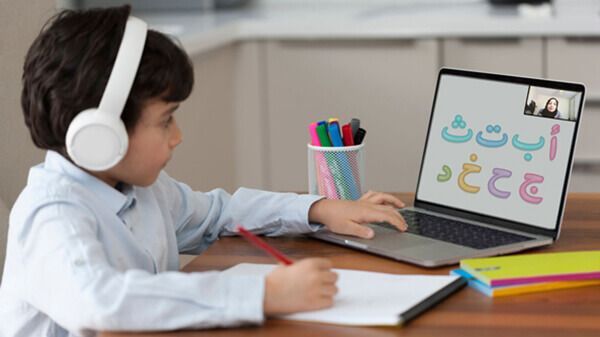
When children begin learning Arabic grammar, they don’t need complicated rules or heavy memorization. Instead, they should start with simple foundational concepts that help them build sentences and understand how the language works.
Basic Arabic grammar for kids focuses on small building blocks such as nouns, verbs, sentence structure, and common particles. When these ideas are taught through examples, games, and everyday situations, children can understand them naturally and use them with confidence.
Starting with these core grammar elements helps kids move from learning individual words to forming meaningful Arabic sentences.
Understanding Nouns (Ism) in Simple Terms
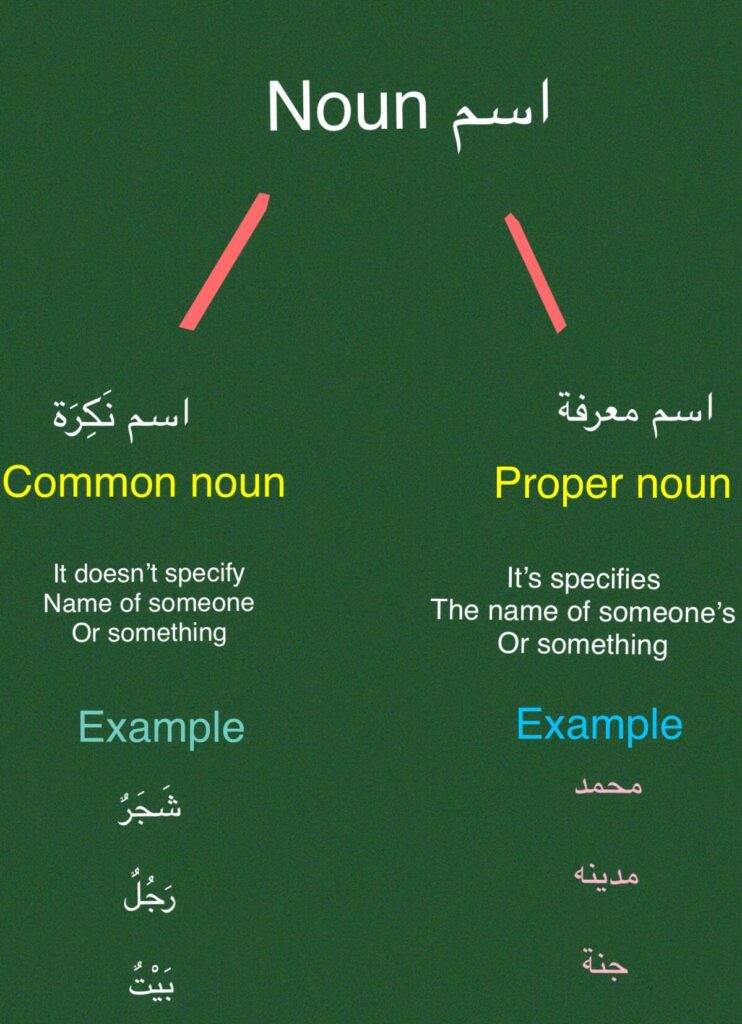
Nouns (Ism) are one of the first grammar concepts children learn in Arabic. A noun simply refers to a person, place, animal, or thing, such as a book, a house, or a teacher.
One important rule children learn early is that Arabic nouns have gender. Every noun is either masculine or feminine. In many cases, feminine nouns end with the letter Ta Marbuta (ة).
Children also learn about number in nouns, which means how many things are being described. Arabic nouns can be:
- Singular – referring to one thing
- Dual – referring to two things
- Plural – referring to three or more
Another key concept is the definite article “Al-” (ال), which works like the word “the” in English. For example:
- كتاب (kitab) – a book
- الكتاب (al-kitab) – the book
Understanding these simple rules helps children recognize patterns in Arabic and makes reading much easier.
Learning Verbs (Fi’l) Through Daily Examples
Verbs (Fi’l) describe actions, and they are essential for building sentences. For children, verbs are easiest to learn through daily activities and simple examples.
Teachers often introduce verbs by connecting them to actions children perform every day, such as:
- كتب (kataba) – he wrote
- أكل (akala) – he ate
- لعب (la‘iba) – he played
Children can also learn simple verb changes that show who is doing the action. For example:
- أكتب (aktubu) – I write
- تكتب (taktubu) – you write
- يكتب (yaktubu) – he writes
Using movement, role-playing, or storytelling helps children understand verbs in a natural way instead of memorizing complex grammar rules.
Introduction to Particles (Harf)
Particles (Harf) are small words that connect ideas in a sentence. Even though they are short, they play an important role in helping children build meaningful sentences.
Some of the first particles children usually learn include simple prepositions, such as:
- في (fi) – in
- على (‘ala) – on
- من (min) – from
For example:
- القلم على الطاولة
- The pen is on the table.
These small words help children describe locations, relationships, and simple actions.
Want to Boost Your Child’s Arabic Skills?
Check out our latest blog post: Arabic Prepositions: 15 Essential Words You’ll Use Every Day – a fun guide to help kids master the most common prepositions for everyday conversation! Perfect for building stronger sentences and boosting confidence in speaking Arabic.
Easy Arabic Grammar Rules for Kids
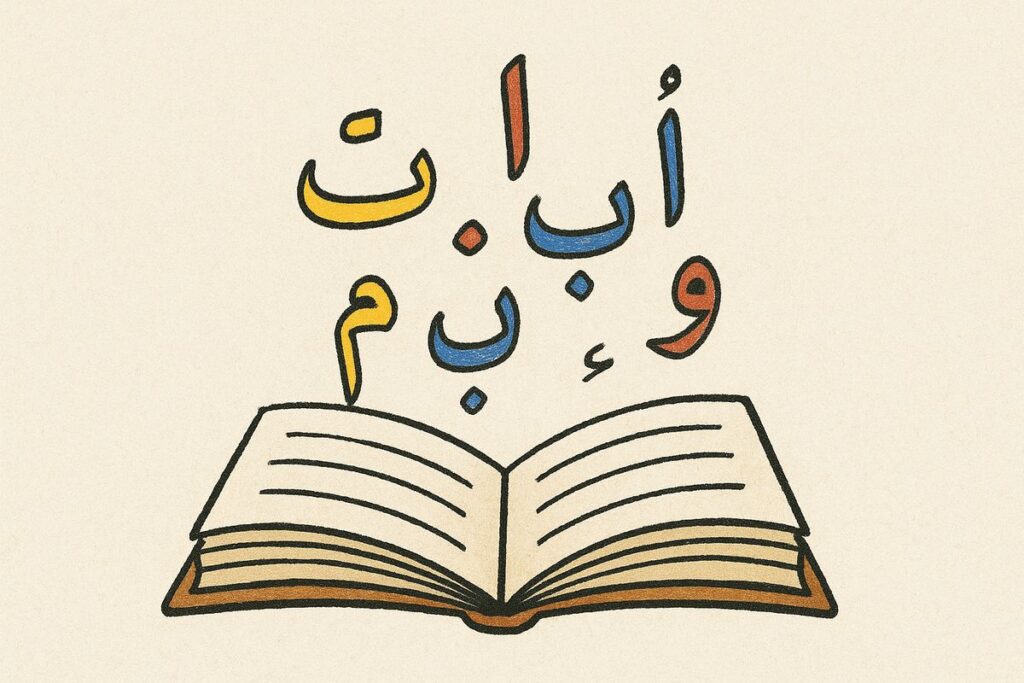
Arabic grammar can seem complicated at first, but for children it becomes much easier when it is introduced through simple and clear rules. Instead of focusing on complex terminology, kids can start with basic patterns that appear frequently in everyday Arabic.
These early grammar rules help children move from learning single words to forming simple sentences. Concepts like recognizing masculine and feminine words, understanding singular and plural forms, and learning basic sentence structure are essential first steps.
When these rules are taught through examples, stories, and daily conversations, children begin to use Arabic naturally and confidently.
Masculine and Feminine Words
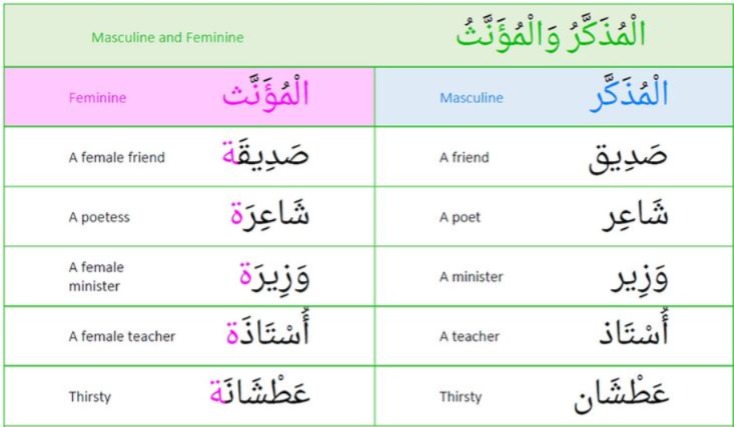
One of the first grammar concepts children learn in Arabic is that nouns have gender. Every noun is either masculine or feminine.
In many cases, feminine words end with Ta Marbuta (ة). This special ending often helps children identify feminine nouns easily.
For example:
- معلّم (Mu’allim) – male teacher
- معلّمة (Mu’allimah) – female teacher
Children also learn that adjectives must match the noun they describe. If the noun is feminine, the adjective should also be feminine.
For example:
- البيت الكبير – The big house
- البنت الذكية – The smart girl
Recognizing these patterns helps children understand how words work together inside a sentence.
Singular, Dual, and Plural Forms
Another important rule in Arabic grammar is number. Arabic words can describe one thing, two things, or many things.
Children usually start by learning the difference between:
- Singular (one)
- Dual (two)
- Plural (three or more)
For example:
- مسلم – one Muslim
- مسلمان – two Muslims
- مسلمون – many Muslims
Learning plural forms helps children describe groups of people or objects and makes their sentences more complete.
Teachers often introduce these forms through everyday examples, such as family members, animals, or classroom objects, which makes the concept easier to remember.
Simple Sentence Structure in Arabic
Understanding basic sentence structure is another key step in learning Arabic grammar. Arabic sentences are often built in a Verb–Subject–Object (VSO) order.
For example:
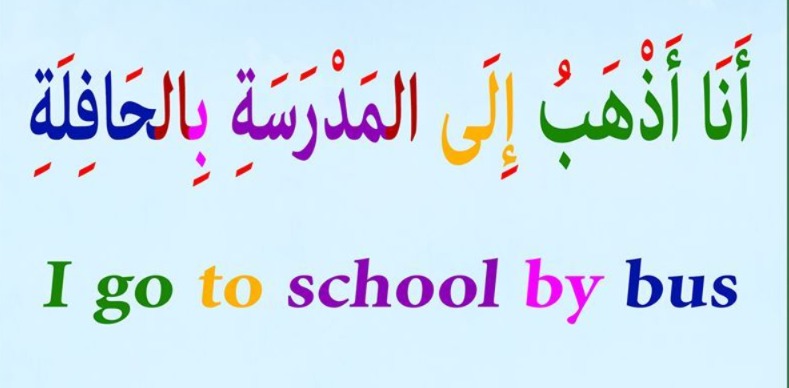
- كتب الطالب الدرس
- The student wrote the lesson.
In this sentence:
- كتب – the verb (wrote)
- الطالب – the subject (the student)
- الدرس – the object (the lesson)
Children also learn that Arabic sometimes forms descriptive sentences without using the word “is.”
For example:
- البنت ذكية
- The girl is smart.
Learning these simple patterns helps children understand how Arabic sentences are formed and gives them the confidence to start speaking and writing in Arabic.
Step-by-step learning programs—such as those used at Areeb Academy—often introduce these rules gradually through interactive lessons, making Arabic grammar easier and more enjoyable for young learners.
Fun Ways to Teach Arabic Grammar for Kids
Learn grammar much faster when it is introduced through fun, interactive activities that keep them engaged and curious.
Instead of focusing only on rules, parents and teachers can use games, stories, and hands-on activities to help children understand how Arabic works. When grammar is connected to play and real-life situations, children naturally begin to recognize patterns in the language.
Using creative teaching methods also helps children stay motivated and enjoy the learning process.
Grammar Games and Interactive Activities
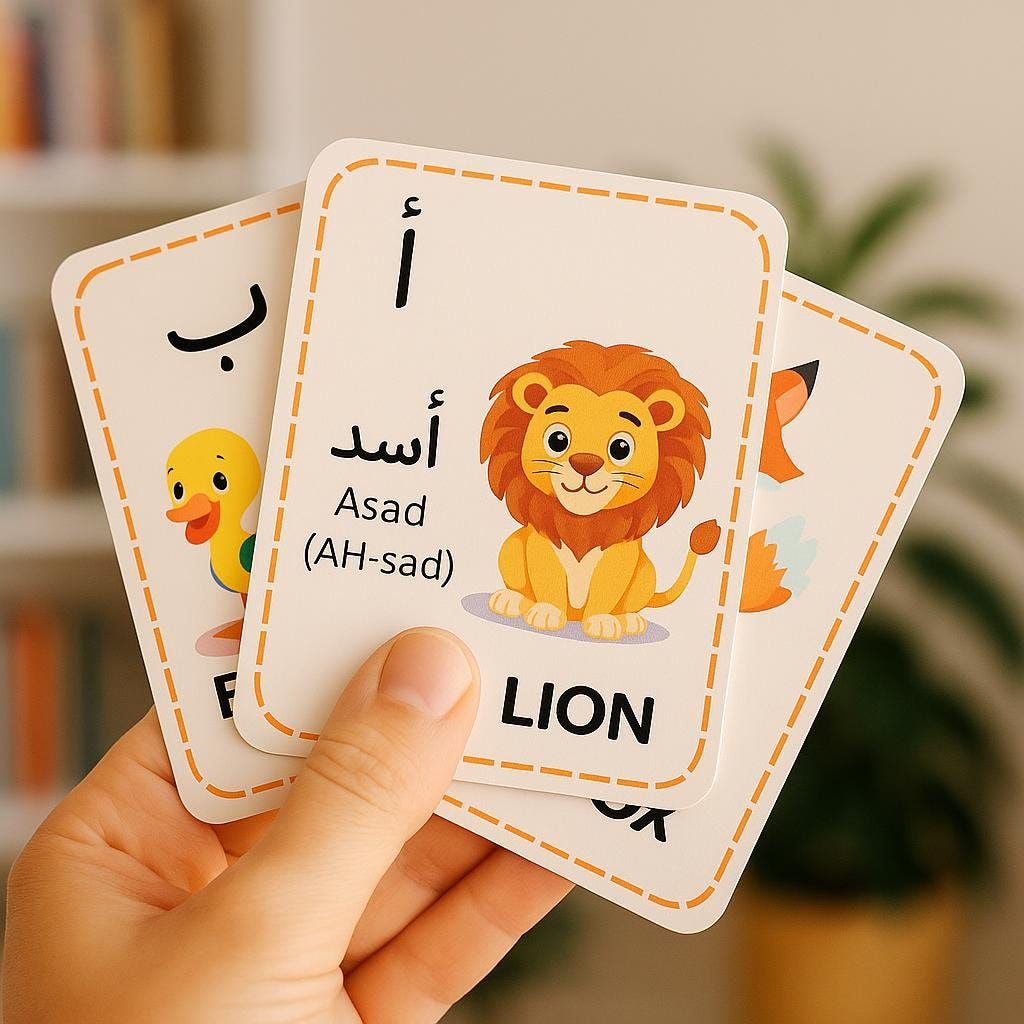
Games are one of the most effective ways to teach Arabic grammar to kids. They turn learning into an enjoyable experience while helping children remember grammar concepts more easily.
Some simple activities include:
- Flashcard games to practice vocabulary, pronouns, and verb forms
- Sorting games where children separate masculine and feminine nouns
- Sentence-building cards that allow kids to arrange verbs, nouns, and objects to create simple sentences
- Color-coded cards or magnets to identify different parts of speech
Hands-on activities can also make grammar easier to understand. For example, children can use play-dough to shape Arabic letters or form short words, which helps them connect sounds with written forms.
These playful activities help children learn grammar naturally while developing confidence in using the language.
Storytelling and Visual Learning

Stories and visuals are powerful tools for teaching Arabic grammar to young learners. Children often remember grammar rules better when they appear inside a story or a meaningful context.
Reading Arabic children’s books allows kids to see grammar patterns in real sentences. Teachers or parents can also act out parts of the story to help children understand verbs, pronouns, and sentence structure.
Songs and rhymes are another effective method. Many children remember grammar concepts—such as pronouns, prepositions, or plural forms—through repetition in music.
Visual aids like pictures, illustrations, and labeled objects around the house can also reinforce grammar learning by connecting words with real-world objects.
Using Worksheets and Practice Exercises
While games and stories are important, practice exercises also help children strengthen their grammar skills. Simple worksheets allow kids to review what they have learned and apply grammar rules step by step.
Examples of useful exercises include:
- Matching nouns with the correct adjective
- Filling in missing verbs in simple sentences
- Choosing the correct masculine or feminine form
- Completing short sentences using the definite article “Al-” (ال)
Practice activities should always remain short and age-appropriate so children do not feel overwhelmed.
💡 Want to Master Arabic Pronouns Quickly?
Check out our guide: Arabic Pronouns Explained Simply: Master Them in 10 Minutes! – a fun and easy way for kids to understand pronouns in context, perfect for reinforcing what they learn through games and stories.
Common Challenges in Arabic Grammar for Kids

Learning Arabic grammar can be challenging for children, especially for beginners or non-native speakers. Arabic has a unique structure that differs from many other languages, and some grammatical concepts require time and practice to understand.
Children may initially feel confused by grammar rules, but with the right teaching approach and consistent practice, these difficulties can gradually become easier to manage. Recognizing the common challenges helps parents and teachers support learners more effectively.
Confusing Similar Word Forms
One of the most common challenges in Arabic grammar is recognizing how words change depending on gender, number, and sentence role.
For example, Arabic nouns are either masculine or feminine, and adjectives must match the noun they describe. Children also need to understand singular, dual, and plural forms, which is different from many languages that only use singular and plural.
In addition, Arabic verbs change depending on the person, gender, and tense, which can feel overwhelming for beginners. These variations may cause children to mix up similar word forms until they gain more experience with the language.
The best way to address this challenge is to introduce grammar gradually using simple examples and everyday vocabulary, allowing children to recognize patterns naturally.
Understanding Harakat and Case Endings
Another major challenge for children is learning to read and pronounce words correctly using harakat (short vowels).
Short vowels help indicate how words should be pronounced and can change the meaning of a sentence. However, many Arabic texts—especially at more advanced levels—are written without these vowel markings. This can make reading difficult for young learners who are still developing their decoding skills.
Children may also struggle with case endings (i‘rab), which change the final vowel of a word depending on its grammatical role in the sentence.
Because these concepts can be complex, teachers usually introduce them gradually. Beginners often start with fully vowelled texts before moving on to more advanced reading materials.
💡 Want to Explore Harakat and Arabic Pronunciation More?
Check out our related guides for beginners:
These posts make mastering Arabic vowels, tanween, shaddah, and sukoon easy and fun for young learners!
Keeping Children Motivated
Motivation is another important challenge when teaching Arabic grammar to kids. Traditional grammar lessons often focus heavily on memorizing rules, which can make learning feel difficult or boring for children.
Studies on Arabic language education have shown that grammar becomes easier when it is connected to real communication and meaningful practice, rather than taught as isolated rules.

For this reason, many modern teaching approaches encourage:
- Using stories and dialogues instead of isolated examples
- Practicing grammar through speaking and reading activities
- Applying grammar concepts in daily language use
Learning programs such as those used in Areeb Academy focus on simplifying grammar and presenting it through practical examples, helping children understand how grammar works in real communication rather than memorizing rules alone.
With the right methods, children can gradually overcome these challenges and develop confidence in reading, speaking, and understanding Arabic.
Best Methods to Teach Arabic Grammar for Kids Online
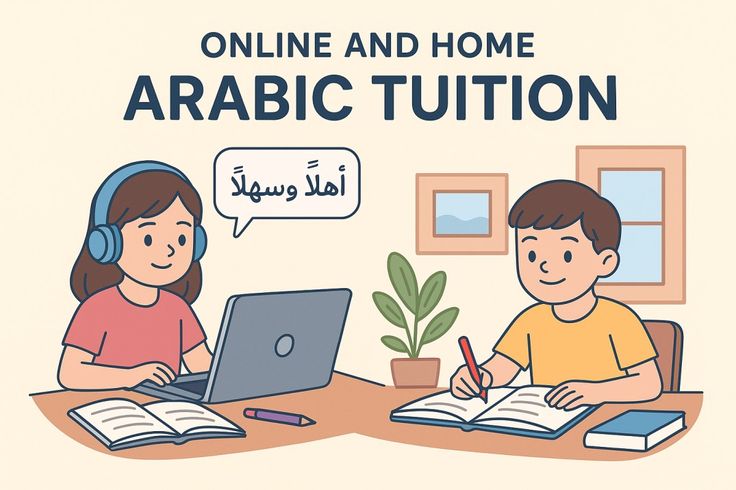
With the growth of online education, learning Arabic grammar has become more accessible and flexible for children. Online learning allows kids to study from home while using modern tools that make lessons more engaging and interactive. When designed properly, online programs can combine structured lessons, personal guidance, and digital activities to help children understand Arabic grammar step by step.
Structured Online Lessons
Structured online lessons are one of the most effective ways to teach Arabic grammar to children. A clear learning plan helps students move gradually from basic concepts to more advanced grammar rules without feeling overwhelmed.
These lessons often start with simple topics such as basic sentence structure, nouns, and verbs, then progress to more complex areas like verb conjugation and sentence agreement. Structured programs also use short lessons and regular practice to help children absorb grammar concepts at a comfortable pace.
Many online Arabic courses include interactive exercises, visual explanations, and small quizzes, which allow children to review what they have learned and strengthen their understanding.
One-on-One Learning With Qualified Teachers

One-on-one lessons with qualified Arabic teachers can make a big difference in how quickly children learn grammar. Personalized instruction allows teachers to focus on the child’s learning style, strengths, and areas that need improvement.
During private lessons, teachers can explain grammar concepts in a simple and engaging way while giving immediate feedback. This helps children correct mistakes early and develop stronger language skills.
In addition, one-on-one sessions encourage children to practice speaking and forming sentences, which helps them apply grammar rules naturally in conversation.
Final Thoughts on Arabic Grammar for Kids
Teaching Arabic grammar to kids does not have to be complicated or boring. With the right approach, children can learn grammar naturally through games, storytelling, conversations, and interactive activities. When grammar is presented in a fun and engaging way, kids are more likely to stay motivated and develop confidence in using Arabic.
Combining structured lessons with creative learning methods helps children understand grammar rules while also using the language in real-life situations. Support from both teachers and parents plays a key role in making the learning process smooth and enjoyable.
Learn Arabic Grammar for Kids With Expert Teachers
At Areeb Academy, children can learn Arabic grammar through engaging lessons designed specifically for young learners. Our teaching approach focuses on simplifying grammar concepts and helping kids practice them through interactive activities and real conversations.
- Personalized Lessons for Young Learners
Each child learns differently, which is why our lessons are tailored to match the student’s age, level, and learning style. Our experienced teachers guide children step by step, making grammar easier to understand and apply.
- Structured Arabic Programs for Kids
Our programs follow a clear learning path that gradually introduces grammar topics in a simple and organized way. Students build their skills through a mix of practice, speaking activities, and interactive learning tools.
- Start With a Free Trial Class at Areeb Academy
Parents and students can experience our teaching approach through a free trial class. This session allows children to meet their teacher, explore the learning style, and start building their confidence in Arabic.
Help your child begin their Arabic journey
With expert guidance at Areeb Academy.
FAQs About Teaching Arabic Grammar for Kids
1. What are Harakat and why are they important for kids?
Harakat are short vowel marks in Arabic that guide pronunciation and meaning. Teaching kids Harakat early helps them read accurately and prevents confusion between similar words.
2. How can children learn Arabic grammar without feeling overwhelmed?
Interactive methods like games, stories, and visual aids make grammar fun. Breaking lessons into small, age-appropriate exercises ensures children stay engaged and motivated.
3. What are case endings (i‘rab) and when should kids learn them?
Case endings are the final vowels of a word that indicate its grammatical role in a sentence (nominative, accusative, genitive). Beginners usually start with fully vowelled texts before gradually learning case endings.
4. Can parents help their kids practice Arabic grammar at home?
Yes! Daily practice, reading simple Arabic stories together, and encouraging kids to speak Arabic in real-life situations reinforce what they learn in class.
5. Are there online resources to make learning Arabic grammar easier for kids?
Absolutely. Digital platforms, interactive exercises, and one-on-one online classes with expert teachers help kids learn grammar efficiently while keeping lessons fun and engaging.