
Arabic Phonics for children is the key to helping young learners develop strong reading, writing, and pronunciation skills from an early age. By focusing on the sounds of letters, blending, and simple vocabulary, children can start their Arabic journey in a fun and engaging way. Early exposure not only makes learning easier but also boosts confidence, curiosity, and a love for the language.
With the right guidance, interactive activities, and consistent practice, your child can master Arabic phonics and build a solid foundation for fluent reading and writing, setting them up for lifelong success in the language.
What Is Arabic Phonics for Children?
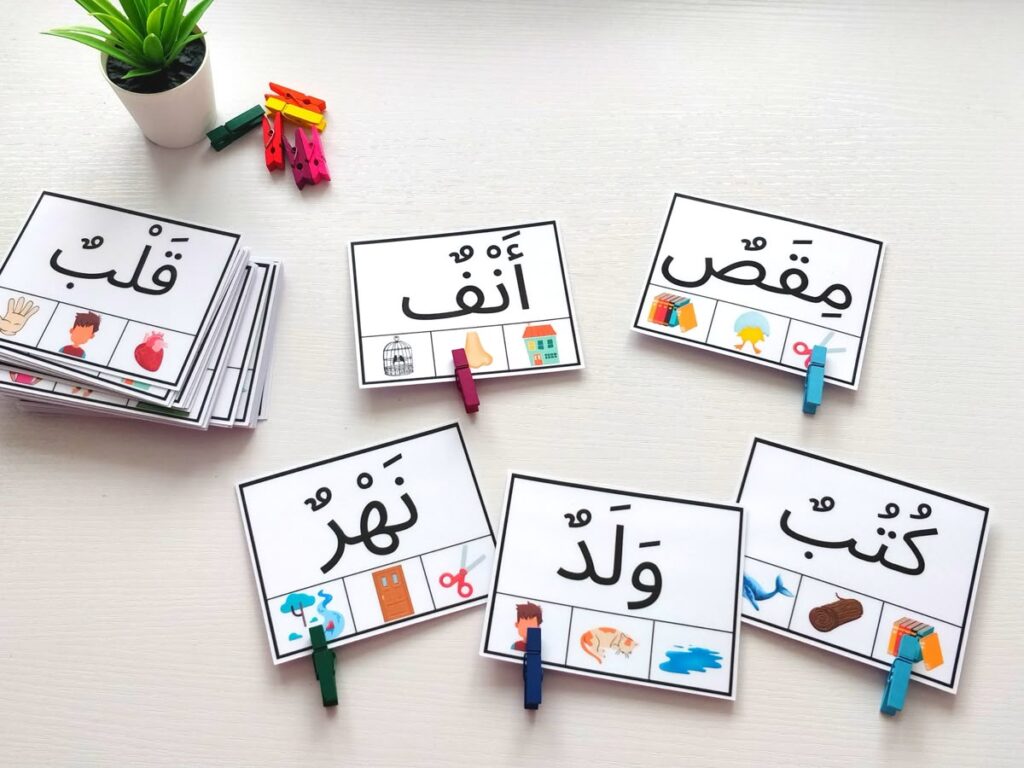
Arabic Phonics for children is a structured and child-friendly approach to teaching Arabic by connecting each letter (ḥarf) to its actual sound, not just its name. First, instead of memorizing letters in isolation, children learn how sounds blend together to form words, which helps them read, decode, and write Arabic independently.
Next, this method follows a step-by-step progression, starting with basic letter sounds, then moving on to Harakaat (short vowels), Sukoon, and Tanween. As a result, children build strong Arabic literacy skills naturally.
Moreover, Arabic phonics is widely used for teaching early reading and writing skills, ensuring that learners gain confidence and fluency in Arabic from a young age. Finally, this approach makes learning enjoyable and interactive, keeping children engaged through games, songs, and practical exercises.
It focuses on how Arabic sounds work, not just what letters look like.
Meaning of Arabic Phonics in Simple Words
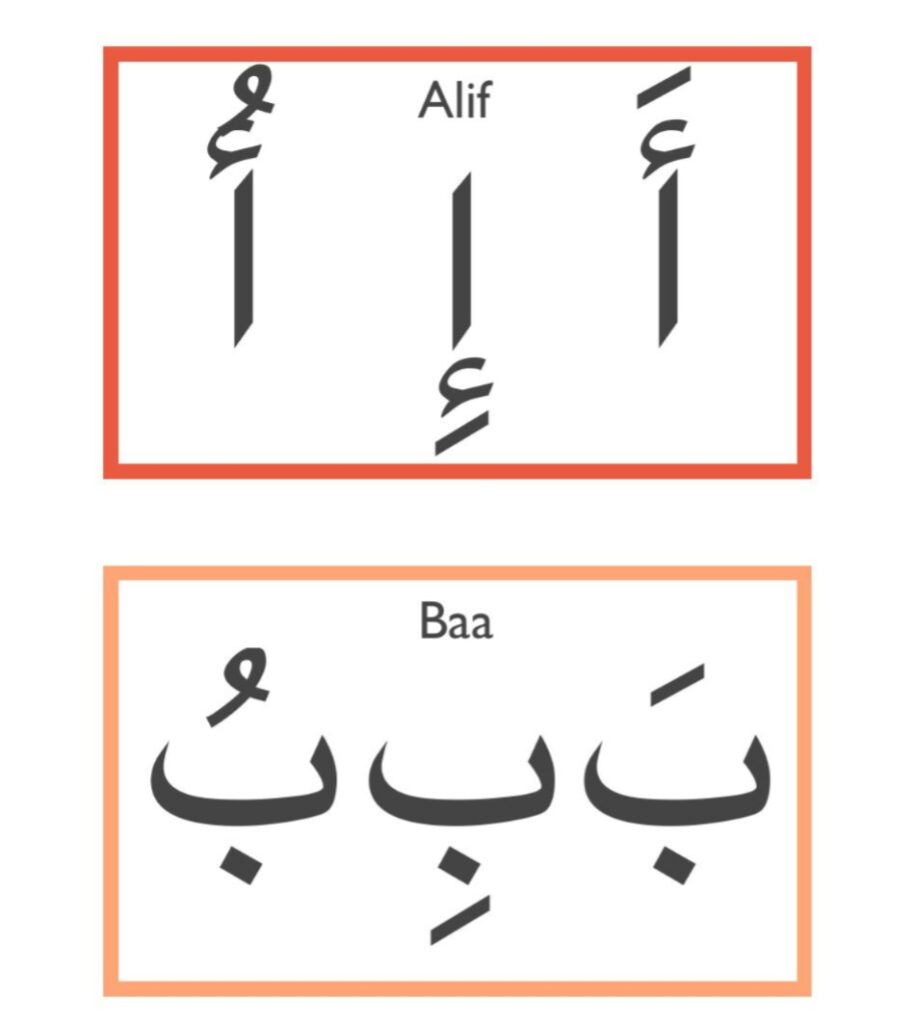
In simple terms, Arabic phonics teaches children how Arabic letters sound and how those sounds come together to make words.
For example:
- Children learn that ب sounds like “ba”
- Then they learn how ب + َ = بَ
- And how sounds blend together to read full words, not just recognize letters
Arabic phonics helps children:
- Hear sounds clearly
- Blend sounds smoothly
- Break words into smaller sound units
- Read new words without memorizing them
This makes learning Arabic feel logical, playful, and less overwhelming, especially for young learners.
Why Phonics Is the Best Way for Children to Learn Arabic

Phonics is considered the most effective way to teach Arabic because it matches how children naturally learn languages.
Here’s why Arabic phonics works so well:
- Builds real reading skills
Children learn how to decode words, not just recognize them by memory. - Follows a clear learning sequence
Letters → sounds → vowels → blending → reading sentences. - Supports independent reading
Kids don’t rely on guessing or memorization—they actually understand what they read. - Uses play-based and multi-sensory learning
Through stories, sound activities, visual aids, and hands-on practice, learning becomes fun and engaging. - Works for Quran and everyday Arabic
Phonics prepares children to read the Quran correctly while also understanding modern Arabic texts. - Ideal for different learning levels
Whether a child is a beginner or progressing gradually, phonics allows learning at their own pace.
In short, Arabic phonics gives children confidence, accuracy, and a strong foundation that stays with them as they grow.
Why Arabic Phonics Is Important for Children
Arabic phonics is the foundation of strong Arabic literacy. It helps children understand how the language works, not just memorize letters or words. By learning the relationship between sounds and letters, children gain the tools they need to read confidently and independently from an early age.
Unlike rote memorization, Arabic phonics builds long-term reading skills that support Quran reading, Modern Standard Arabic, and everyday language use—especially for young learners aged 3–6 and multilingual children.
Building Strong Reading Skills From the Start
Arabic phonics gives children a clear starting point for reading by teaching them:
- How each letter sounds
- How sounds change with vowels
- How letters blend together to form words
This step-by-step approach helps children decode new words on their own, rather than relying on guessing or memorization. Over time, this builds fluency, accuracy, and confidence in reading Arabic.
Helping Children Pronounce Arabic Letters Correctly
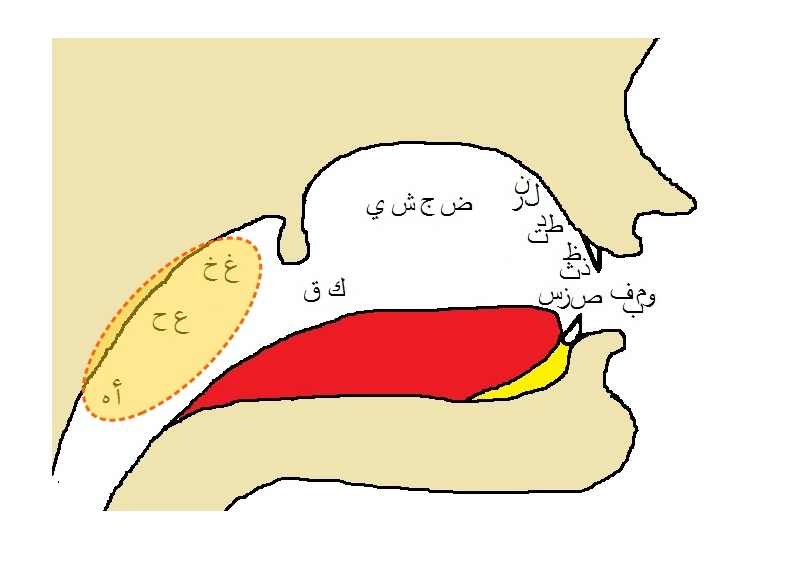
Correct pronunciation is one of the biggest challenges in Arabic learning. Many letters have similar shapes or close sounds, which can confuse young learners.
Arabic phonics focuses on:
- Proper articulation (makharij)
- Distinguishing between similar sounds (مثل ق / ك ، ع / أ)
- Hearing and producing sounds accurately
This is especially important for Quran reading and for non-native or bilingual children who may mix sound systems from other languages.
Supporting Multilingual and Non-Native Learners

In multilingual environments, children often switch between languages at home and at school. However, Arabic phonics provides a clear sound system that helps children separate Arabic from other languages and understand its unique structure.
Additionally, phonics acts as a universal tool, helping children:
- First, recognize and pronounce Arabic letters correctly.
- Next, blend sounds to form words.
- Then, develop reading fluency.
- Finally, gain confidence in writing and communication.
Moreover, children can decode unfamiliar Arabic words, improve spelling and comprehension, and gain confidence across all language skills. As a result, they can navigate multiple languages more easily while building a strong foundation in Arabic.
How Arabic Phonics Works for Children
Arabic phonics follows a systematic and structured progression that matches how children naturally learn languages. First, children learn the basic letter sounds. Next, they practice blending these sounds to form words. Then, they develop reading fluency. Finally, each stage builds on the previous one, ensuring steady and meaningful progress.
Learning Arabic Letter Sounds Step by Step

Children begin by learning the sounds of Arabic letters, not just their names. Instruction typically follows this sequence:
- Individual letter sounds
- Short vowels (Harakaat)
- Sukoon and Tanween
- Different letter forms within words
Children don’t learn Arabic sounds all at once. Instead, Arabic phonics follows a clear, step-by-step system, where each skill prepares the child for the next. Understanding these building blocks helps parents support their child’s reading journey more effectively.
To explore each stage in detail, you can start here:
- Harakat (Short Vowels) – How vowels give Arabic letters their sound
- Sukoon – How letters are read without vowels
- Shaddah – How doubling a sound changes meaning and pronunciation
- Tanween – How ending sounds improve fluency and accuracy
Each of these elements plays a key role in helping children decode words, read smoothly, and build confidence as they progress.
Blending Sounds to Read Simple Words
Once children recognize letter sounds, they learn how to blend sounds together to read full words. This is a key skill in phonics-based learning.
Through blending and segmenting, children can:
- Read new words independently
- Break words into smaller sound units
- Improve reading fluency and comprehension
This skill is what transforms children from letter recognizers into real readers.
Using Interactive and Play-Based Learning Methods
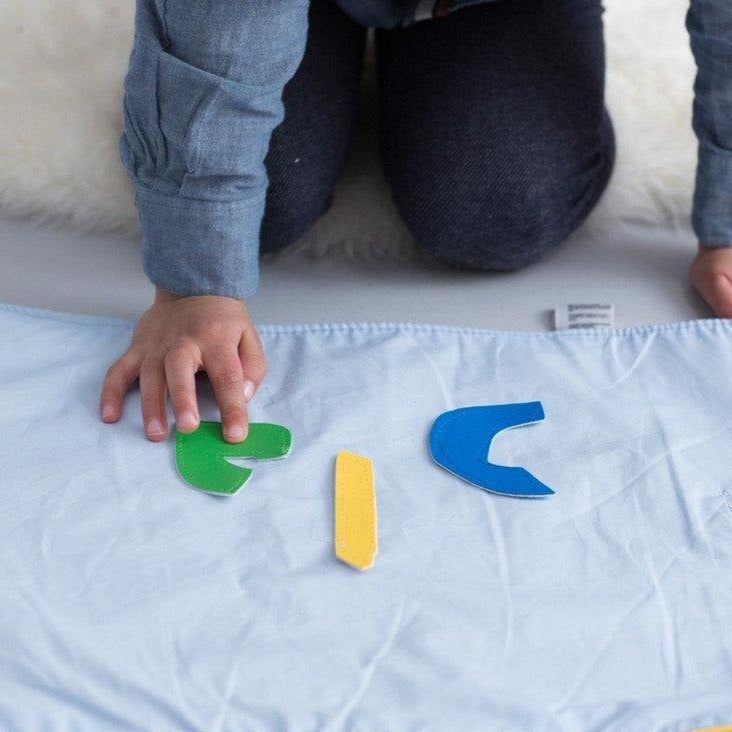
Arabic phonics is most effective when taught through engaging, multi-sensory activities, such as:
- Stories with controlled vocabulary
- Sound-based games and activities
- Visual aids, cards, and hands-on materials
These methods keep children motivated and help them connect sounds with meaning in a fun, memorable way.
Reinforcing Skills Through Practice and Guided Reading
Phonics learning is strengthened through repetition and meaningful practice. Guided reading materials allow children to:
- Apply sounds in real contexts
- Build vocabulary naturally
- Develop a love for reading in Arabic
Consistent exposure helps children move from decoding slowly to reading smoothly and confidently.
Arabic Phonics vs Memorization Methods
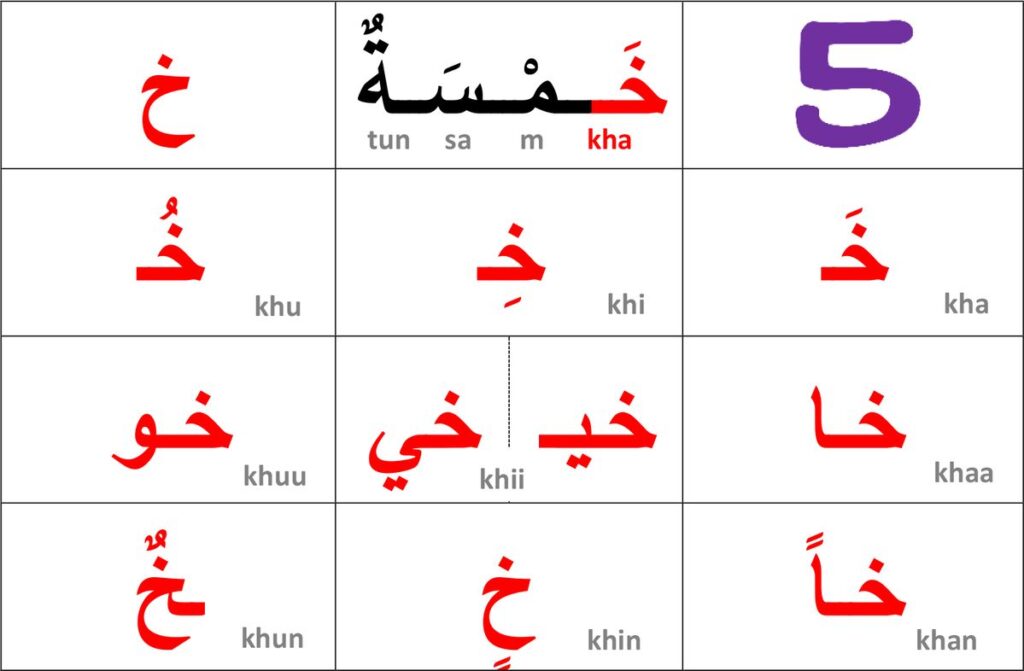
Arabic phonics and rote memorization are two different approaches to learning Arabic.
- Phonics focuses on understanding letter-sound relationships, helping children decode new words and read independently.
- Rote memorization (mimicry) focuses on recognizing word patterns and memorizing vocabulary through repetition.
The most effective approach often combines both methods: start with phonics to master sounds, then use memorization to build vocabulary and fluency.
Why Phonics Is More Effective Than Rote Learning
Phonics works bottom-up: sounds → letters → words.
It is particularly efficient for Arabic because:
- Arabic is a phonetic language with consistent rules.
- Children learn to read new, unfamiliar words without memorizing everything.
- Pronunciation improves naturally when children hear and produce sounds correctly.
Rote memorization, in contrast, can be helpful for quick vocabulary recall but doesn’t teach decoding skills and can confuse letters with similar shapes (e.g., ح / خ, ع / أ).
Helping Children Read Instead of Guess Words
Using phonics, children learn to:
- Blend sounds to form words
- Segment words into smaller sound units
- Recognize patterns rather than relying on guessing
Practical strategies include:
- Audio tools to hear correct pronunciation
- Flashcards linking images to sounds
- Learning letter families and base shapes to visually map letters
- Combining writing, speaking, and listening for better memory retention
This approach builds independence and confidence in reading Arabic from the earliest stages.
Arabic Phonics for Kids Learning the Quran
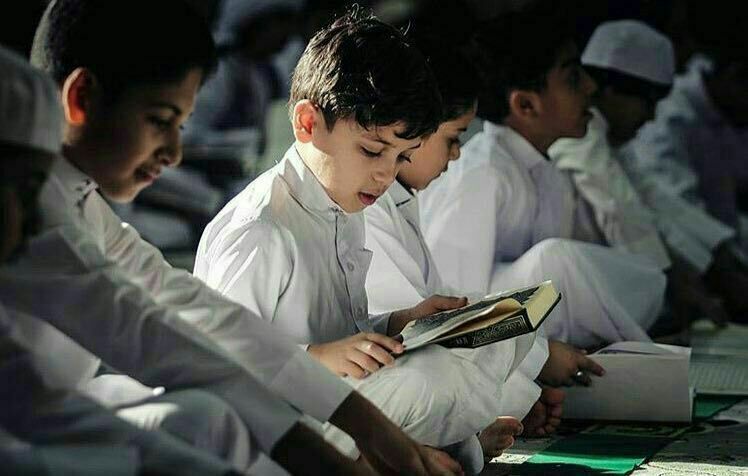
Phonics isn’t just for modern Arabic—it’s a core foundation for Quran reading as well.
Preparing Children for Quran Reading
Children who learn Arabic phonics are better prepared for Quranic recitation because they:
- Recognize letters in all four forms (isolated, initial, medial, final)
- Understand Harakaat (short vowels), Sukoon, and Tanween
- Can decode words instead of memorizing lines blindly
- Develop accurate pronunciation, including challenging throat sounds like ع (ayn) and غ (ghayn)
Linking Phonics With Tajweed Basics
Phonics learning naturally supports Tajweed rules:
- Children practice the correct articulation points (makharij)
- Familiarity with letter-sound relationships helps in observing elongations, stops, and emphases
- Early phonics training allows students to focus on meaning and rhythm, not just memorization
Reading Simple Words Early Builds Motivation
- Start decoding short words like كتاب (kitab), بيت (bayt), ماء (maa) early
- Combine listening and reading from day one
- Celebrate milestones: first word decoded, first full sentence read
- Relate practice to real life or religious context for motivation and connection
Common Challenges Children Face With Arabic Phonics

Learning Arabic phonics can be exciting, but children may face some common challenges. Understanding these helps parents and educators guide them more effectively.
Similar-Sounding Arabic Letters
Some letters in Arabic look similar but have different sounds, which can confuse beginners:
- Examples: ب / ت / ث, ع / غ, ح / خ
- Dots can completely change the letter’s sound
- Letters also change shapes depending on position (initial, medial, final, isolated)
Tips to Overcome:
- Teach letters in families (same base shape, different dots)
- Use color-coded flashcards or mnemonics for visual memory
- Focus on 3–5 letters per day to avoid overload
Short Attention Span and How to Handle It
Young children often have short attention spans, especially during writing or repetitive phonics exercises. This can lead to frustration or avoidance.
Strategies to keep children engaged:
- Use interactive games that incorporate letters and sounds
- Break sessions into short, frequent intervals (10–15 minutes)
- Combine movement, visuals, and sounds for multi-sensory learning
- Celebrate small wins, like reading a single word correctly
Writing and Pronunciation Challenges
Arabic phonics learning also involves writing letters correctly and pronouncing sounds accurately:
- Writing requires adapting to right-to-left letters and left-to-right numbers
- Children may miss dots, add extra letters, or write letters in the wrong form
- Pronunciation difficulties often arise with throat sounds like ع (ayn), خ (kha), and غ (ghayn)
Tips:
- Practice all four forms of letters while saying the sound aloud
- Use audio recordings for imitation and repetition
- Combine reading and listening to reinforce correct pronunciation
Fun Activities to Teach Arabic Phonics for Children
Making Arabic phonics fun is key to keeping children motivated and consistent in their learning.
Games, Songs, and Visual Learning Tools

- Phonics games: matching letters to sounds, letter scavenger hunts
- Songs and rhymes: repeating sounds and letters in a musical way
- Visual mnemonics: turning letters into familiar shapes or objects
- Example: ب (ba) – boat with a ball underneath
- Example: ج (jeem) – cup with a pearl inside
These activities strengthen memory and make learning multi-sensory. Children see, hear, and touch the letters while having fun.
Daily Phonics Practice at Home
Consistency is key. Even 5–10 minutes per day can build strong foundations:
- Trace letters while saying the sound aloud
- Read simple words like كتاب (kitab), بيت (bayt), ماء (maa)
- Identify letters in street signs, books, or menus
- Encourage self-correction and celebrate milestones
Combining structured practice with playful activities ensures children stay motivated, master sounds, and develop independence in reading Arabic.
Best Age to Start Arabic Phonics for Children
Introducing Arabic early can make a big difference in a child’s language journey. Although it’s possible to start at any age, young learners have natural advantages, which means learning can be smoother and more enjoyable. Moreover, early exposure helps build a strong foundation for future language skills.
Toddlers vs School-Age Learners
- 0–3 Years (Passive Exposure): Focus on listening comprehension through nursery rhymes, songs, and simple stories. Children get familiar with sounds without formal lessons.
- 3–6 Years (Active Learning/Phonics): Ideal for formal Arabic phonics. Introduce the alphabet (Noorani Qaida or similar), letter sounds, and simple blending in interactive ways.
- 7+ Years (Reading/Writing): Structured lessons emphasizing reading fluency, grammar, and writing skills. Older children can handle more complex language rules.
Why start early?
- Brains at this age are highly adaptable for language acquisition.
- Pronunciation and grammar are easier to pick up naturally.
- Children can mimic sounds and accents more accurately than older learners.
Starting Early Without Pressure
Early learning should be fun and gentle, not stressful:
- Introduce short, daily activities like counting, greetings, or naming objects in Arabic.
- Use songs, stories, and videos to make exposure natural.
- Keep sessions short and consistent (10–15 minutes daily).
This approach helps children develop confidence and curiosity, rather than fatigue or frustration.
How Parents Can Support Arabic Phonics Learning
Parents play a crucial role in fostering a positive learning environment at home.
Creating a Simple Arabic Learning Routine
- Daily exposure: Label household items in Arabic, use phrases during meals or playtime.
- Interactive tools: Flashcards, colorful books, cartoons, and apps can reinforce learning.
- Short, frequent practice: Small, regular sessions are more effective than long, infrequent lessons.
- Storytime and songs: Read books with illustrations and sing songs to reinforce sounds, words, and sentence patterns.
Encouraging Children Without Stress
- Celebrate small victories, like correctly pronouncing a letter or reading a word.
- Make learning playful and game-like, using rewards, stickers, or fun challenges.
- Avoid pressure—children learn best when they feel safe and motivated.
- Be patient: every child has a different pace; immersion and gentle repetition work best.
Tip: Combining structured lessons with play, stories, and songs helps children absorb Arabic naturally while keeping the learning journey enjoyable.
Final Thought
Learning Arabic phonics at a young age sets the foundation for fluency, confidence, and a love for the language. In addition, by introducing your child to Arabic through play, stories, songs, and interactive lessons, you help them develop pronunciation, reading, and writing skills naturally. Furthermore, this approach ensures that the learning process remains fun and stress-free, while also fostering a genuine interest in the language.
At Areeb Academy, we understand that every child is unique. Our online Arabic courses for children are designed to:
- Provide one-to-one lessons with experienced native teachers.
- Engage kids with interactive activities tailored to their age and learning style.
- Build a strong linguistic foundation for future reading, writing, and speaking.
Give your child the gift of language and culture. Book a free trial today and watch them embark on an exciting journey to learn Arabic with joy and confidence!
FAQs About Arabic Phonics for Children
1. What is Arabic phonics for children?
Arabic phonics for children is a step-by-step method that teaches kids how Arabic letters sound and how those sounds blend together to form words. Instead of memorizing letters, children learn to read and decode Arabic naturally.
2. At what age should children start learning Arabic phonics?
Most children can begin Arabic phonics between the ages of 3 and 6, when they are developmentally ready to recognize sounds and patterns. However, exposure through songs and stories can start even earlier.
3. Is Arabic phonics suitable for non-native Arabic speakers?
Yes. Arabic phonics is especially helpful for non-native speakers because it focuses on clear sound–letter relationships, making it easier for children to pronounce, read, and understand Arabic accurately.
4. What is the difference between Arabic phonics and traditional Arabic learning?
Traditional methods often rely on memorization, while Arabic phonics focuses on decoding and blending sounds. This allows children to read new words independently rather than relying on repetition.
5. How can parents support Arabic phonics learning at home?
Parents can support learning by reading Arabic stories, practicing letter sounds daily, using visual aids, and keeping sessions short and fun. Consistency and encouragement make a big difference.