
Online Quran Classes Ramadan offer a unique opportunity to maximize the blessings of this holy month while building lasting Quranic habits. Whether you are a beginner, looking to improve your Tajweed, or aiming to maintain consistency in your Quran recitation, joining structured online classes can help you stay focused, learn correctly, and make meaningful progress. This guide will walk you through how to prepare for Ramadan, stay consistent, avoid common mistakes, and create a productive and spiritually fulfilling experience for yourself or your family.
Why online Quran classes during Ramadan work so well

Online Quran classes during Ramadan are especially effective because they align perfectly with the spiritual rhythm and practical demands of the holy month. Fasting, prayers, family commitments, and varying energy levels make traditional learning difficult, while online Quran classes offer flexibility, focus, and personalized guidance.
Studying the Quran online during Ramadan allows learners to maintain consistency without exhaustion. Short, focused sessions from home reduce distractions, eliminate travel time, and help students stay mentally present. The one-on-one format common in online Quran classes also ensures that learners receive individualized attention, making every session meaningful and spiritually rewarding.
Online Quran classes during Ramadan offers Flexible timing around suhoor, work, and taraweeh
One of the biggest advantages of online Quran classes during Ramadan is flexible scheduling. Lessons can be arranged before suhoor, after Fajr, between work hours, or late at night after taraweeh—whatever suits the student’s energy and routine.
Unlike fixed mosque schedules, online Quran classes are often available 24/7, allowing students to choose times when they feel most focused. This flexibility is essential during Ramadan, when sleep patterns change and daily responsibilities increase. It helps learners stay consistent without feeling overwhelmed or guilty for missing sessions.
Faster improvement with live feedback (not just self-study)

Self-study during Ramadan can be challenging due to fatigue and lack of guidance. Online Quran classes solve this by offering live, real-time feedback from qualified tutors, often native Arabic speakers.
Immediate correction of pronunciation, tajweed rules, and recitation mistakes leads to faster and more accurate progress. One-on-one online Quran classes allow tutors to adjust the pace, repeat difficult ayahs, and focus on specific weaknesses—something that’s hard to achieve through recorded videos or group sessions.
This personalized approach helps students improve confidently and efficiently throughout Ramadan.
Motivation boost: accountability in the blessed month
Ramadan naturally increases spiritual motivation, and online Quran classes help sustain it through accountability. Having scheduled sessions and a dedicated teacher encourages learners to stay committed, even on days when energy is low.
The presence of a tutor creates gentle responsibility—students show up, revise, and prepare, which keeps Quran reading consistent throughout the month. This structure transforms good intentions into real habits, helping learners maximize the multiplied rewards of Quran recitation during Ramadan.
Online Quran classes during Ramadan don’t just teach the Quran—they help build discipline, consistency, and a deeper connection with Allah that often continues even after the month ends
Who should take online Quran classes during Ramadan

Online Quran classes during Ramadan are suitable for anyone who wants to strengthen their relationship with the Quran while balancing fasting, work, family, and daily responsibilities. Thanks to flexible scheduling, one-on-one teaching, and learning from home, these classes meet the needs of different age groups and experience levels—without physical or mental exhaustion.
From complete beginners to busy adults and families, online Quran classes during Ramadan provide a safe, focused, and spiritually uplifting environment during the month of the Quran’s revelation.
Beginners can read Quran correctly from scratch During Ramadan through Online Classes
Ramadan is an ideal time for beginners—especially new Muslims or those who never learned proper Quran reading—to start their journey with the Quran. Online Quran classes during Ramadan help beginners learn Arabic letters, basic reading, and correct pronunciation step by step.
With patient tutors and one-on-one guidance, beginners can build confidence without feeling rushed or embarrassed. The spiritual atmosphere of Ramadan also makes learning more meaningful and motivating, helping beginners stay consistent.
Adults who want tajweed correction and confidence
Many adults can read the Quran but struggle with tajweed rules, pronunciation, or confidence while reciting. Online Quran classes during Ramadan allow adults to receive live correction and personalized feedback from qualified teachers.
Short, focused sessions fit easily around work, suhoor, and taraweeh, making it possible to improve recitation without burnout. This targeted learning helps adults recite more accurately, confidently, and with deeper understanding during the most rewarding month of the year.
Kids who need a gentle routine and fun structure
For children, online Quran classes during Ramadan offer a gentle and structured way to stay connected to their faith. Learning from home creates a safe and comfortable environment, especially when energy levels are low due to fasting or late nights.
Interactive lessons, short sessions, and encouraging teachers help children enjoy Quran learning instead of feeling pressured. Parents can also monitor progress easily, ensuring their kids build a positive and lasting relationship with the Quran.
Families who want a shared Ramadan Quran habit
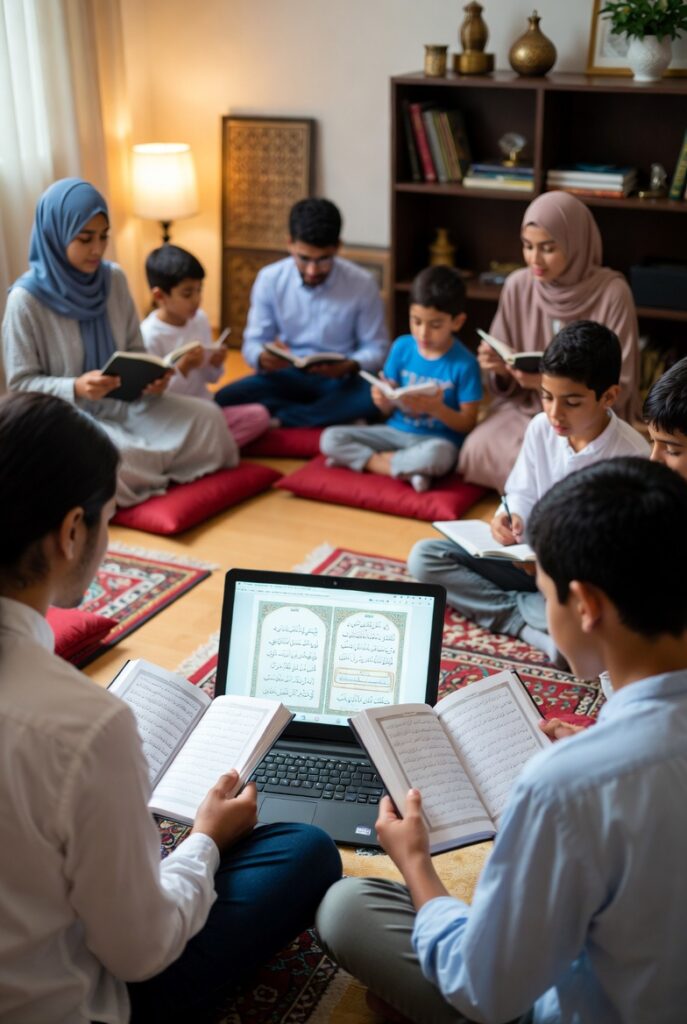
Online Quran classes during Ramadan are perfect for families who want to build a shared Quran routine together. Parents and children can schedule sessions around family time, prayers, and iftar, turning Quran learning into a collective Ramadan goal.
This shared experience strengthens family bonds, reinforces Islamic values at home, and helps everyone stay consistent. Learning the Quran together during Ramadan creates habits that often continue long after the month ends
How to choose the right online Quran classes during Ramadan

Choosing the right online Quran classes during Ramadan is essential to make the most of this blessed month. With fasting, changing sleep schedules, and varying energy levels, the ideal program should be flexible, supportive, and goal-oriented.
The right online Quran class will not only fit your Ramadan routine but also help you improve your recitation, understanding, or memorization with confidence—without pressure or burnout.
Check the teacher’s method (clear, step-by-step, patient)
During Ramadan, low energy and mental fatigue are common, which makes the teacher’s method extremely important. Look for tutors who teach in a clear, step-by-step way and are known for patience and good communication.
Qualified teachers—especially those experienced in teaching non-native Arabic speakers—should correct mistakes gently, explain rules simply, and adapt their pace to your ability. For advanced learners, teachers with an Ijazah in Quran and Tajweed are a strong indicator of authentic and accurate instruction.
Match the online Quran classes to your goal during Ramadan (reading, tajweed, hifz, tafsir)

Not all online Quran classes during Ramadan serve the same purpose. Before enrolling, be clear about your goal and choose a course that matches it:
- Beginners may need Arabic letters and basic Quran reading
- Others may focus on Tajweed correction and fluency
- Some aim to memorize specific surahs or complete Hifz
- Advanced learners may want Tafsir and deeper understanding
Areeb Academy offers specialized programs and Ramadan-focused intensives instead of a one-size-fits-all approach.
Ask about level assessment and personalized plan

Strong online Quran programs begin with understanding the student first. At Areeb Academy, we start with free trial sessions designed to assess the student’s current level in Quran reading, Tajweed, or memorization, and to understand their personal goals for Ramadan.
This level assessment allows us to create a personalized learning plan that fits the student’s ability, schedule, and energy during Ramadan. Instead of overwhelming goals, we focus on realistic progress—such as improving one Juz, correcting specific Tajweed rules, or building consistency in daily recitation.
Our one-on-one online Quran classes make this focused approach possible, helping students of all ages make meaningful and lasting improvement throughout the month.
👉 Join a FREE trial class today and let us assess your level and design a Ramadan Quran plan that truly works for you.
Online Quran classes options you can take during Ramadan (pick one main focus)
Ramadan is not the time to overload yourself with multiple commitments. The most successful approach is to pick one main focus that supports spiritual growth and fits your energy levels while fasting.
Courses centered around the Quran and self-reflection work best during this month because they align naturally with Ramadan’s purpose: reflection, discipline, and strengthening your connection with Allah. Short, focused sessions are more effective than intense, long study hours.
Quran reading course (pronunciation + fluency)
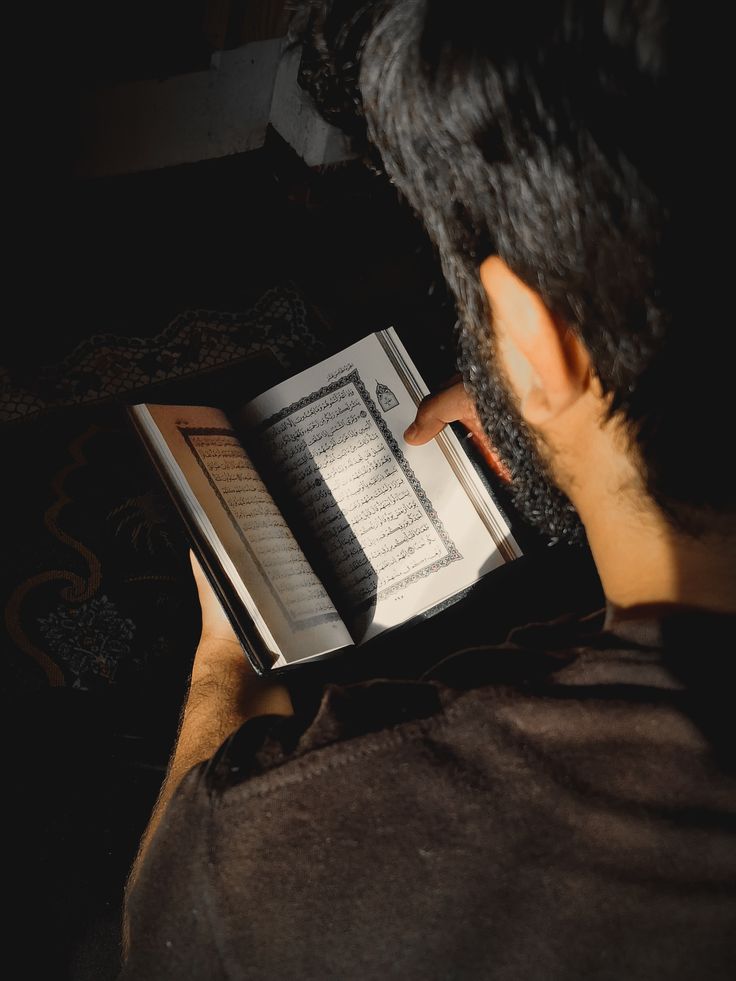
A Quran reading course is ideal if your main goal is to improve pronunciation and read more smoothly. These courses focus on correct letter articulation, joining words properly, and developing fluency without overwhelming technical details.
This option works especially well in Ramadan because it allows you to read the Quran daily with more confidence, making your personal recitation after Fajr or before iftar more meaningful and enjoyable.
Related Programs: Online Quran Recitation Classes
If you’re looking for a structured and supportive way to improve pronunciation and fluency during Ramadan, explore our specialized recitation programs:
- Online Quran Recitation Classes for Adults – Focused on confidence, fluency, and correct pronunciation at a comfortable pace.
- Online Quran Recitation Classes for Kids – Child-friendly lessons that build strong reading foundations through repetition and encouragement.
Both programs include one-on-one sessions, qualified teachers, and a free trial with level assessment to help you start at the right level.
Tajweed course (rules applied directly in recitation)
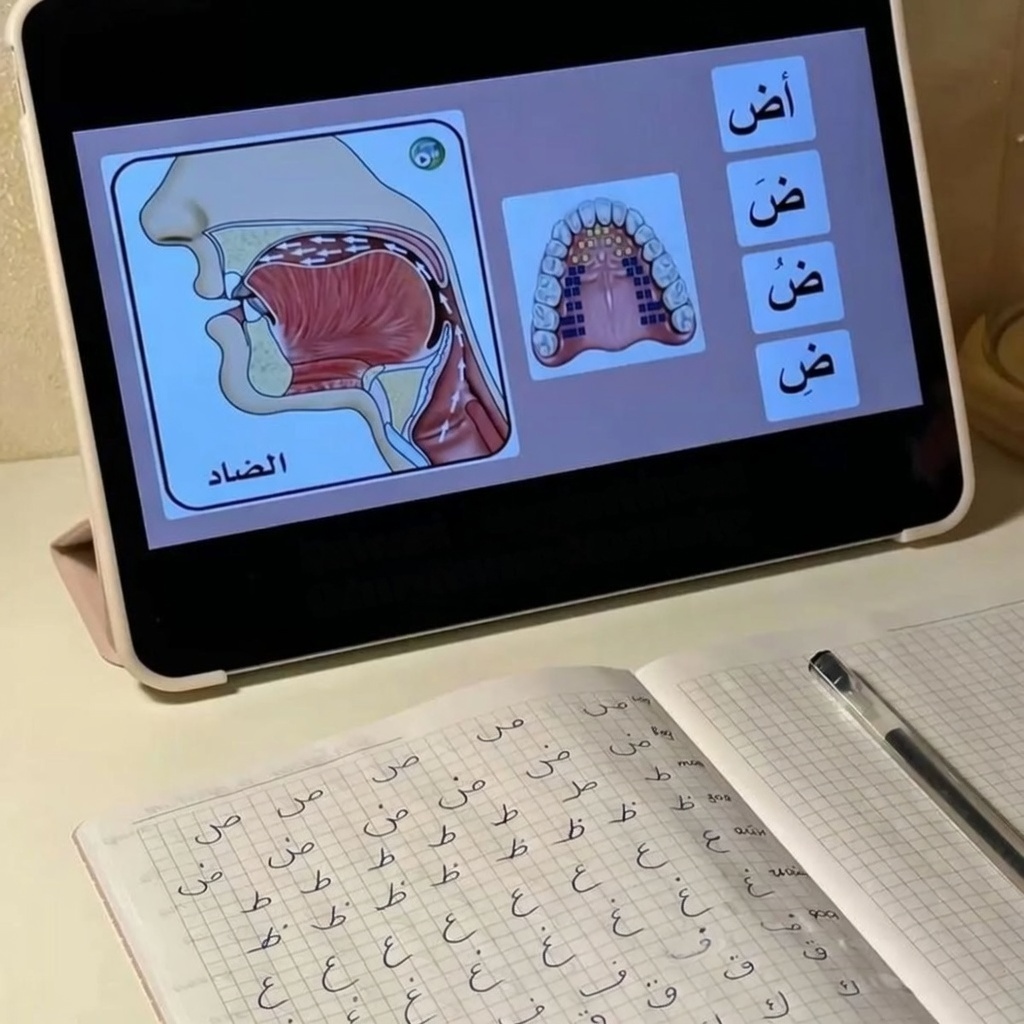
If you already read the Quran but want to recite it correctly, a Tajweed course is a powerful Ramadan choice. Instead of learning rules theoretically, good Tajweed courses apply the rules directly while reciting ayahs.
This practical approach fits Ramadan perfectly—short sessions, focused correction, and immediate improvement. Over time, your recitation becomes more accurate, calm, and spiritually fulfilling, especially during night prayers and personal worship.
✨ Explore our Tajweed Courses for Adults and Kids, designed to meet each learner at their level through one-on-one online classes, personalized correction, and a gentle pace that respects the rhythm of Ramadan.
Hifz plan (memorization + revision system)

For those aiming to memorize, Ramadan provides a strong spiritual atmosphere that supports consistency and discipline. A structured Hifz plan that balances memorization and revision is key.
Rather than rushing, effective Ramadan Hifz plans focus on small daily portions with regular revision. This prevents burnout and helps retain what you memorize, even with fasting and changing sleep schedules.
✨ Explore our Online Hifz Programs for Adults and Kids, where memorization is guided step by step through personalized plans, one-on-one sessions, and continuous revision to ensure long-term retention.
Light tafsir alongside recitation (meaning + action)
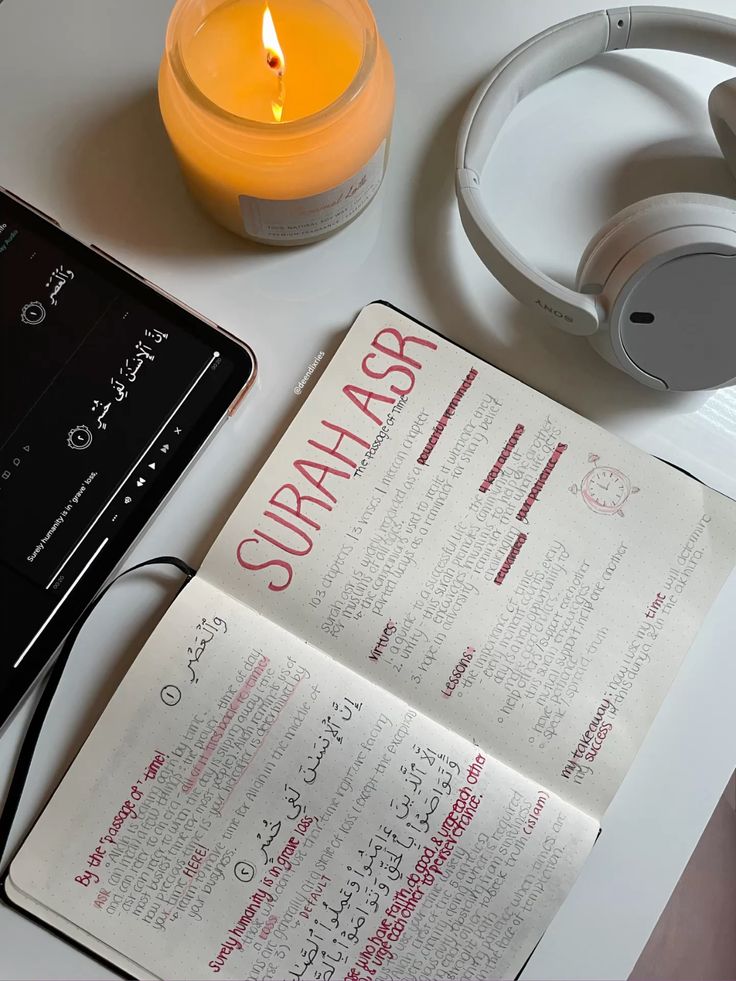
If your goal is deeper reflection, light Tafsir combined with recitation is an excellent option during Ramadan. These courses focus on understanding meanings, themes, and practical lessons from the verses you read.
This approach transforms Quran reading from a routine into a reflective act—helping you connect verses to daily life, behavior, and worship. It’s especially suitable for those seeking spiritual growth rather than academic depth during Ramadan.
🌙 Discover our Quran Tafsir Programs for Adults and Kids, designed to help you understand what you recite and apply its guidance gently and meaningfully throughout the month.
The best schedule for online Quran classes during Ramadan

A well-planned Ramadan schedule balances online Quran learning, daily prayers, personal reflection, and rest. Short, consistent sessions are more effective than long, exhausting ones, especially while fasting. Focus on quality over quantity, and remember your intention (niyyah) must be for Allah alone.
Option A: 2–3 classes/week + daily 10-minute reading
- Ideal if you have a busy schedule or low energy while fasting.
- Attend 1-to-1 online Quran classes 2–3 times per week via platforms like Zoom.
- Add 10 minutes of daily self-practice, reading previously learned portions or revising memorized verses.
- Use peak energy hours: after Suhoor/Fajr, or after Taraweeh.
Option B: Short daily classes (30–45minutes) for consistency
- For consistent progress and smoother recitation, take daily short classes (30–45mins).
- Helps maintain Tajweed accuracy and Hifz memorization goals.
- Keeps engagement high without causing fatigue during fasting.
- Can be combined with short audio revision or guided listening in afternoon “time pockets”.
Best times: after Fajr, before iftar, after taraweeh (choose one)
- Post-Fajr: Mind is fresh; best for memorization or intensive reading.
- Afternoon / Before Iftar: Ideal for short revision sessions or listening to audio lessons.
- Post-Taraweeh / Night: Quiet, reflective time to review the day’s lesson and ponder meanings.
- Choose the time that fits your energy levels and lifestyle, and stay consistent.
Weekend catch-up plan (no stress, no guilt)
- Use weekends to catch up or revise lessons missed during the week.
- Focus on reviewing memorized sections, recitation correction, or reflective tafsir.
- Maintain a positive mindset—Ramadan is about quality, reflection, and connection, not just quantity.
What to expect in your first week in Online Quran Classes During Ramadan (so you don’t feel lost)

The first week of Ramadan is all about adjustment—physically, mentally, and spiritually. Expect some initial challenges, and know that they are completely normal. By being prepared, you can make this week smoother and more fulfilling.
Placement check: letters, makharij, and common mistakes
- Focus on basic recitation skills first: Arabic letters, pronunciation (makharij), and common Tajweed errors.
- Don’t worry about finishing long portions; aim for accuracy over speed.
- Short, daily check-ins with your teacher (even 30–45 minutes) can help correct mistakes early, which prevents them from becoming habits.
Clear weekly target (pages, surahs, or rules)
- Set a realistic goal for the week:
- Number of pages to recite
- Surahs to review
- Tajweed rules to apply correctly
- Break your goal into small daily chunks—this makes it achievable while fasting.
- Celebrate progress, not perfection, especially during your first week.
Simple homework that actually fits Ramadan
- Keep homework short and doable:
- 1–2 pages of revision daily
- Apply 1–2 new Tajweed rules per day
- Optional: Listen to a recitation and follow along with translation
- Avoid overloading yourself; consistency beats intensity, especially while adjusting to fasting.
- Use downtime (like post-Fajr or pre-Iftar) for quick, focused review sessions.
Tech setup checklist for smooth online Quran classes during Ramadan

A well-planned technology setup is the backbone of a productive online learning experience. Focusing on reliability, comfort, and minimizing interruptions will make your Quran classes or any online course more effective and less stressful.
device + headphones + quiet corner
- Computer/Laptop: Choose a reliable device with a fast processor and good storage. This ensures quick access to lessons, recordings, and resources.
- Headphones with Microphone: Using a headset significantly reduces background noise, making it easier to focus and hear the teacher clearly. Avoid built-in laptop microphones if possible.
- Dedicated Study Space: Find a quiet corner where you won’t be disturbed. Make sure it’s well-lit, ideally with natural light in front of you, to avoid shadows on your face during video calls.
- Ergonomics Matter: Use a comfortable chair, keep your screen at eye level, and maintain good posture to prevent fatigue during long study sessions.
Internet tips to avoid audio lag during recitation
- High-Speed Connection: A stable internet connection is crucial.
- Prefer Wired over Wireless: If possible, connect via Ethernet cable to reduce the chance of disconnections or lag.
- Test Before Class: Run a quick speed test before your class to ensure stable connectivity.
- Backup Plans: Keep a mobile hotspot or an alternative location ready in case your primary internet fails, so your learning isn’t interrupted.
- Close Background Applications: Streaming videos or downloads can slow your connection. Close unnecessary programs for a smoother experience.
Additional Tips for a Smooth Setup
- Lighting & Background: Use a simple, clutter-free background. Virtual backgrounds are fine if your environment is messy.
- Cable Management: Keep your chargers, headphones, and USBs organized to prevent distractions.
- File Backup: Use cloud storage (Google Drive, Dropbox) to save homework, notes, and audio recordings automatically.
- Pre-Class Routine: Run a quick tech check 10–15 minutes before class, close irrelevant tabs, and have your notebook and pen ready.
- Eye Care: Follow the 20-20-20 rule—every 20 minutes, look at something 20 feet away for 20 seconds to reduce eye strain.
Online Quran classes during Ramadan for kids (parent-friendly plan)

Ramadan is the perfect time to introduce children to Quran learning and Islamic studies. With structured, age-appropriate lessons and flexible schedules, families can balance worship, fasting, and learning. Online Quran classes are particularly helpful for busy families—they save travel time, allow for individualized attention, and keep kids engaged during the holy month.
- 30–45 minute lessons with breaks:
- Short & Focused: Young children have limited attention spans, so 30–45 minute lessons are ideal.
- Scheduled Breaks: Include a 5–10 minute break for snacks, stretching, or a quick discussion about the lesson.
- Consistency Over Length: Daily short sessions are more effective than long, infrequent classes.
- Flexibility: Adjust lesson timing around Suhoor, Iftar, and prayer schedules to ensure children are alert and engaged.
- Reward system: sticker chart and small Eid goal
- Positive Reinforcement: Use a sticker chart to track daily Quran reading or recitation practice.
- Eid Goal: Set a small, achievable reward for Eid—for example, completing a surah, learning 10 new Arabic words, or reciting a specific du’a.
- Encourage Participation: Let children choose their sticker or reward to make it more fun and motivating.
- Celebrate Milestones: Even small improvements in recitation or memorization deserve recognition.
- Best approach by age (5–7, 8–12, teens)
- Ages 5–7: Focus on letters, basic pronunciation, and simple dua. Use colorful visuals and storytelling to make lessons engaging.
- Ages 8–12: Introduce short surahs, basic tajweed rules, and daily recitation practice. Incorporate interactive activities like Quran reading games and quizzes.
- Teens (13+): Focus on longer surahs, tajweed refinement, and understanding Quran meaning. Encourage them to reflect on lessons and apply them to daily life.
Additional Parent Tips
- Involve the Whole Family: Listen to Quran together or read aloud after Iftar—this builds both learning habits and spiritual connection.
- Use Technology Wisely: Record lessons or recitation so children can review at their own pace.
- Interactive Learning: Encourage drawing, storytelling, and creative projects around Quranic themes to reinforce understanding.
- Keep it Fun, Not Stressful: Avoid forcing long sessions; celebrate consistency rather than perfection.
💡 Pro Tip: Start your child’s Quran learning journey this Ramadan and turn it into a family routine. Even 30–45 minutes a day with proper guidance can develop lasting habits and love for the Quran.
How to stay consistent in Online Quran classes when Ramadan gets busy

Ramadan is a month full of opportunities, but balancing work, family, worship, and self-care can feel overwhelming. The key to success isn’t trying to do everything perfectly—it’s staying consistent with small, meaningful actions. Even when your schedule is packed, a few focused minutes of worship or reflection each day can bring immense reward and spiritual growth.
Don’t chase perfection—chase consistency
- Shift your mindset: Instead of aiming to finish the entire Quran or pray all extra prayers perfectly, focus on doing what you can consistently.
- Prioritize the essentials: Always perform the five daily prayers on time with focus (khushu’). Extra prayers, Quran reading, or dhikr can be added gradually without feeling overwhelmed.
- Halve your goals if needed: If a day is unusually hectic, read half your planned pages instead of skipping entirely. Small consistent acts are beloved to Allah (SWT).
Abu Hurayrah narrated: ” وَأَنَّ أَحَبَّ الأَعْمَالِ أَدْوَمُهَا إِلَى اللَّهِ، وَإِنْ قَلَّ ””
“The most beloved deeds to Allah are those done consistently, even if they are small.” (Sahih al-Bukhari 6464)
Habit stacking: read right after salah
- Use micro-moments: Pair worship with daily routines to make consistency easier.
- After Salah Routine: Immediately after Fajr, Dhuhr, or Maghrib, dedicate 10–15 minutes to Quran reading or dhikr. Over time, this becomes a natural habit.
- Leverage commute & chores: Listen to Quran or recite dhikr while driving, walking, or preparing meals.
- Small wins add up: Even a few minutes daily accumulates into a substantial reward by the end of Ramadan.
Missed a day? Use the “reset session” strategy
- Don’t despair: Missing a session is normal—Ramadan is about effort and intention, not perfection.
- Reset immediately: Schedule a short catch-up session the next available time. Even 30–45 focused minutes counts.
- Reflect & move forward: Assess why the session was missed and adjust your plan—maybe shift your reading to a quieter part of the day or prep in advance for the next.
- Keep momentum: The “reset session” helps you stay consistent without feeling guilty or falling behind.
Additional Tips for Busy Days
- Plan Ahead: Map out your daily schedule around prayer and mealtime, blocking short periods for worship.
- Eat Well & Stay Hydrated: Proper Suhoor (slow-digesting foods) and mindful Iftar keep energy levels steady.
- Take Power Naps: 10–20 minute naps after Dhuhr can refresh your focus for the afternoon and evening worship.
- Step Back from Distractions: Limit social media, unnecessary gatherings, or extra tasks that drain energy.
- Include Dhikr Everywhere: Short phrases like “SubhanAllah,” “Alhamdulillah,” or “Allahu Akbar” can be done anytime, anywhere.
Turn every moment into a blessing! 🌿✨
Learn how saying ‘Alhamdulillah’ and ‘SubhanAllah’ daily can transform your day.
Discover easy ways to remember Allah everywhere—at home, work, or on the go!
Read our full blog now 👇
Alhamdulillah – Meaning, Benefits, and How to Use It in Daily Life
Subhanallah Meaning & Benefits: Transform Your Heart Daily
Ibn Abbas narrated: “من لزم الاستغفار ، جعل الله له من كل ضيق مخرجاً ومن كل هم فرجاً، ورزقه من حيث لا يحتسب” رواه أبو داود.”
“If anyone constantly seeks pardon (from Allah), Allah will appoint for him a way out of every distress and a relief from every anxiety, and will provide sustenance for him from where he expects not.” (Abu Dawud)
💡 Key Takeaway: Consistency beats intensity. Even small, sincere actions—reading a few verses, performing short dhikr, or offering two rak’ahs of voluntary prayer—can multiply your rewards exponentially. Ramadan is a journey, not a sprint, and balancing work, worship, and family is achievable with planning, mindset, and small, focused steps.
Common mistakes when joining online Quran classes during Ramadan
Joining online Quran classes during Ramadan is a noble and rewarding effort, but it requires planning, discipline, and mindfulness. Many students, especially new learners or those trying to maximize Ramadan, fall into common pitfalls that reduce the benefits of their learning. Recognizing these mistakes in advance can help you have a smoother, more spiritually fulfilling experience.
Overloading the schedule in week 1
- Unrealistic goals: Some students try to memorize or recite large portions of the Quran too quickly. This often leads to burnout, frustration, and skipped classes.
- Poor timing: Scheduling classes during high-fatigue periods, like right before Iftar or late at night, can affect concentration and retention.
- Inconsistency: Skipping classes because the first week feels overwhelming is common. Instead, set shorter, manageable sessions and maintain consistency.
Tip: Start small—read a few pages daily or focus on mastering Tajweed for a short portion. Consistency is more rewarding than rushing through the Quran.
Switching teachers too quickly
- Lack of continuity: Some students change teachers too soon, thinking a different style will be faster. Frequent changes disrupt learning and reduce progress.
- Building rapport: Being consistent with a teacher allows a stronger student-teacher relationship, which improves engagement, accountability, and motivation.
- Vet teachers carefully: Check qualifications (Ijazah), experience, and teaching style before committing. Trusted institutes help avoid unqualified tutors.
Tip: Stick with a teacher for at least a few weeks to build rhythm, understanding, and confidence in Tajweed and recitation.
Focusing on speed and ignoring correctness
- Prioritizing speed over quality: Many students rush to finish the Quran in Ramadan, neglecting proper Tajweed, pronunciation, and reflection (Tadabbur).
- Neglecting understanding: Reading without understanding meaning reduces spiritual connection and may lead to mechanical recitation.
- Skipping pre-class prep: Not reviewing assigned portions before the session wastes valuable one-on-one time with the teacher.
Tip: Approach each class with focus—perform Wudu, sit in a quiet space, and prioritize correct pronunciation over fast completion. Even small, deliberate progress has immense rewards.
Other common pitfalls
- Distracted environment: Noisy rooms, multitasking, or attending while tired/hungry reduces effectiveness.
- Technical issues: Poor Wi-Fi or malfunctioning microphone/camera disrupts learning. Test equipment before class.
- Neglecting respect for the session: Treat online classes as seriously as in-person ones—proper attire, posture, and attention matter.
Remember: Quality matters more than quantity. A well-taught, focused 30-minute session with correct Tajweed is far more beneficial than rushing through a long session without understanding.
More Resources for Ramadan 2026 🌙
Make this Ramadan easy and spiritually fulfilling:
Final Thought

Ramadan is a month full of blessings, reflection, and spiritual growth. Whether you are a parent guiding your children, a new Muslim adjusting to fasting, or someone aiming to strengthen your Quranic recitation, the key is planning, consistency, and mindful participation. Avoid common pitfalls—overloading your schedule, switching teachers too quickly, or prioritizing speed over correctness—and instead focus on quality, steady progress. Remember, even small, sincere efforts bring immense reward.
Start online Quran classes during Ramadan with Areeb Academy
Make this Ramadan truly transformative by enrolling in online Quran classes with Areeb Academy. Our experienced teachers, flexible schedules, and focus on Tajweed and understanding help learners of all ages make meaningful progress.
Start today and turn your Ramadan into a month of spiritual growth, confidence, and lasting Quranic habits.
What we offer:
✅ Free trial class + level assessment
✅ Flexible class times for different time zones
✅ Programs for Quran reading, Tajweed, and Hifz (adults and kids) Enroll now and make this Ramadan your most rewarding yet!
FAQs about online Quran classes during Ramadan
1. Who can join online Quran classes during Ramadan?
Anyone interested in improving their Quran recitation, Tajweed, or memorization can join—beginners, adults, teens, and children. Flexible timing makes it easy to fit around fasting, work, and family routines.
2. How long should each online Quran class be during Ramadan?
Short, focused sessions work best—typically 30–45 minutes for children and 45–60 minutes for adults. Daily practice, even 5–10 minutes, combined with one-on-one classes, ensures consistent progress.
3. Can beginners learn Quran reading from scratch in Ramadan?
Yes! Beginners can start with Arabic letters, basic pronunciation, and short surahs. Ramadan’s spiritual atmosphere helps maintain motivation and consistency.
4. What if I miss a class during Ramadan?
Don’t worry! Our program offer rescheduling. Focus on small daily practices to stay consistent, and you can catch up without feeling stressed.
5. How do I choose the right online Quran class for Ramadan?
Look for:
- Qualified and patient teachers
- A program matching your goal (reading, Tajweed, Hifz, or Tafsir)
- Personalized learning plans with flexible schedules
- Supportive online environment for all ages