
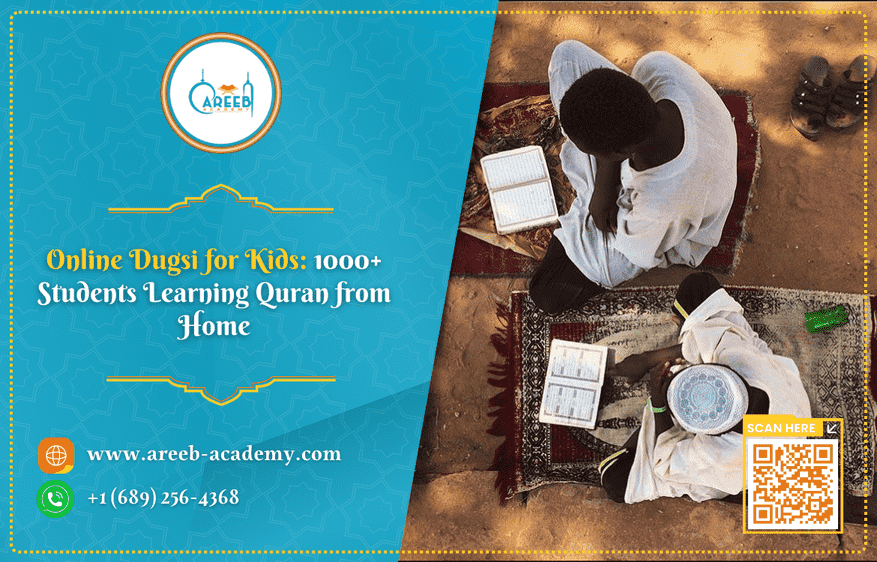
Online Dugsi for Kids is becoming an increasingly popular way for children to learn the Quran from the comfort of their home. Combining traditional Dugsi methods with modern technology, these online programs make Quran learning accessible, engaging, and flexible for young learners. From toddlers just starting with basic Arabic letters to school-age children advancing in Tajweed and memorization (Hifz), online Dugsi classes offer age-appropriate lessons designed to build confidence, fluency, and a lifelong love for the Quran.
Whether you’re a parent seeking structured lessons or a teacher looking to guide your students effectively, understanding how Online Dugsi works can help make this spiritual journey rewarding and enjoyable.
What Is an Online Dugsi for Kids?

An Online Dugsi for Kids is a structured virtual Quran and Islamic learning program designed specifically for children. It offers Quran reading, Tajweed, memorization (Hifz), and essential Islamic knowledge through live online classes, enabling children to learn from qualified teachers while staying in the comfort of their homes.
Unlike casual online lessons, an online Dugsi follows a clear curriculum and a well-defined teaching methodology—similar to a traditional Quran school (Dugsi)—but thoughtfully adapted to modern technology. As a result, children benefit from consistent learning, progress tracking, and a strong foundation in Quranic education.
Meaning of Dugsi in Islamic Education
The word Dugsi (Kuttab in Arabic) is a term of Somali origin that traditionally refers to a Quranic school where children learn how to read, recite, and memorize the Quran, along with basic Islamic manners and beliefs. For generations, Dugsis have played a central role in nurturing a child’s connection with the Quran and Islamic values.
An Online Dugsi for Kids preserves this authentic educational concept while delivering it through live virtual classrooms. Children still receive proper guidance, correction, and encouragement—just without geographical limitations.
How Online Dugsi Classes Work
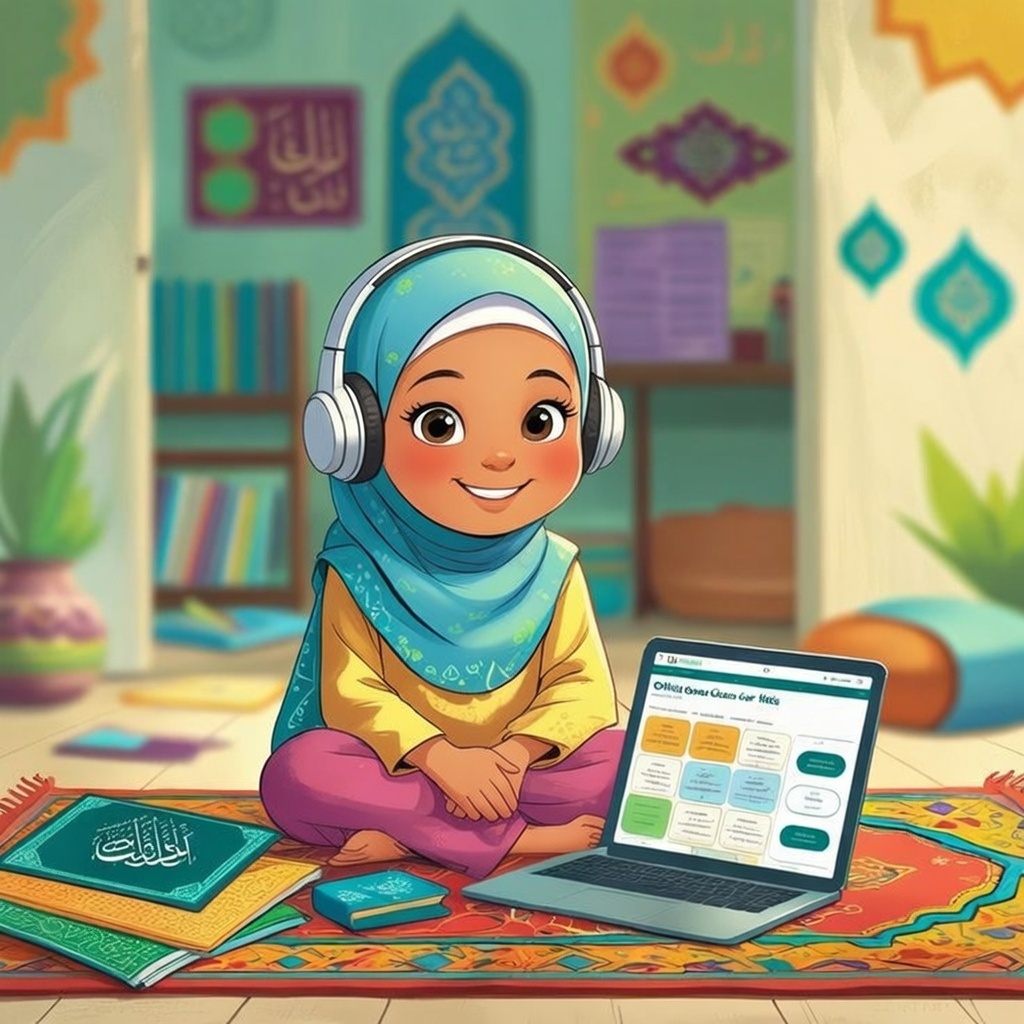
Online Dugsi classes are conducted through secure video platforms, with lessons tailored to each child’s level and learning pace. Classes are usually offered as:
- One-on-one sessions for focused attention
A typical online Dugsi program includes:
- Quran reading from the basics (Arabic letters & phonics)
- Tajweed rules with practical application
- Memorization (Hifz) with regular revision
- Daily duas and essential Islamic teachings
Teachers closely monitor progress, provide feedback, and ensure correct pronunciation and understanding—just like in a physical Dugsi.
Who Online Dugsi Is Best For
An Online Dugsi for Kids is ideal for:
- Children living in non-Muslim countries with limited access to local Quran schools
- Busy families looking for flexible and reliable Quran education
- Kids who benefit from personalized, gentle, and engaging teaching methods
- Parents who want a safe, structured Islamic learning environment at home
Whether your child is a complete beginner or already memorizing the Quran, an online Dugsi provides a supportive and effective path to building a lifelong relationship with the Quran.
Why Choose an Online Dugsi for Kids?

Choosing an Online Dugsi for Kids gives families a modern, effective way to provide their children with authentic Quranic education without compromising quality or safety. Online Dugsi programs combine traditional Quran teaching methods with flexible online learning, making it easier for children to learn Tajweed, Hifz, and Islamic studies in a supportive home environment.
This approach is especially suitable for families with busy schedules or those living in areas where access to local Quran schools is limited.
Learning the Quran From Home
An online Dugsi allows children to learn the Quran comfortably from home, eliminating the need for commuting to mosques or madrasas. This not only saves time but also reduces stress for both parents and children.
Learning from home helps kids:
- Feel more relaxed and focused during lessons
- Maintain consistent attendance without disruptions
- Balance Quran learning with school and daily routines
Through live, interactive sessions, children receive the same structured guidance they would get in a physical Dugsi—while staying in a familiar and comfortable setting.
Safe and Supervised Online Environment

Safety is a top priority in any Online Dugsi for Kids program. Classes are conducted in a controlled, supervised online environment where parents can easily monitor their child’s progress and participation.
Key safety features include:
- One-on-one classes
- Professional, trained male and female Quran teachers
- Clear lesson structures and progress tracking
This ensures that children learn in a secure, respectful, and encouraging atmosphere that supports both spiritual and personal growth.
Flexible Schedules for Families

One of the biggest advantages of an online Dugsi is scheduling flexibility. Families can choose class times that fit around school hours, extracurricular activities, and different time zones.
Flexible scheduling allows:
- Consistent learning without overwhelming the child
- Easy rescheduling when needed
- Long-term commitment to Quran memorization and revision
With an Online Dugsi for Kids, Quran education becomes a natural part of daily life rather than a logistical challenge.
What Kids Learn in an Online Dugsi
An Online Dugsi for Kids provides a well-rounded Islamic education that helps children build a strong relationship with the Quran from an early age. Through structured and age-appropriate lessons, children learn in a supportive environment focused on both knowledge and character development.
Step by step, children progress from recognizing Arabic letters to reading the Quran confidently, memorizing short surahs, and practicing daily du’as. All of this happens under the guidance of qualified Quran teachers who ensure steady progress and proper understanding.
Arabic Letters and Pronunciation
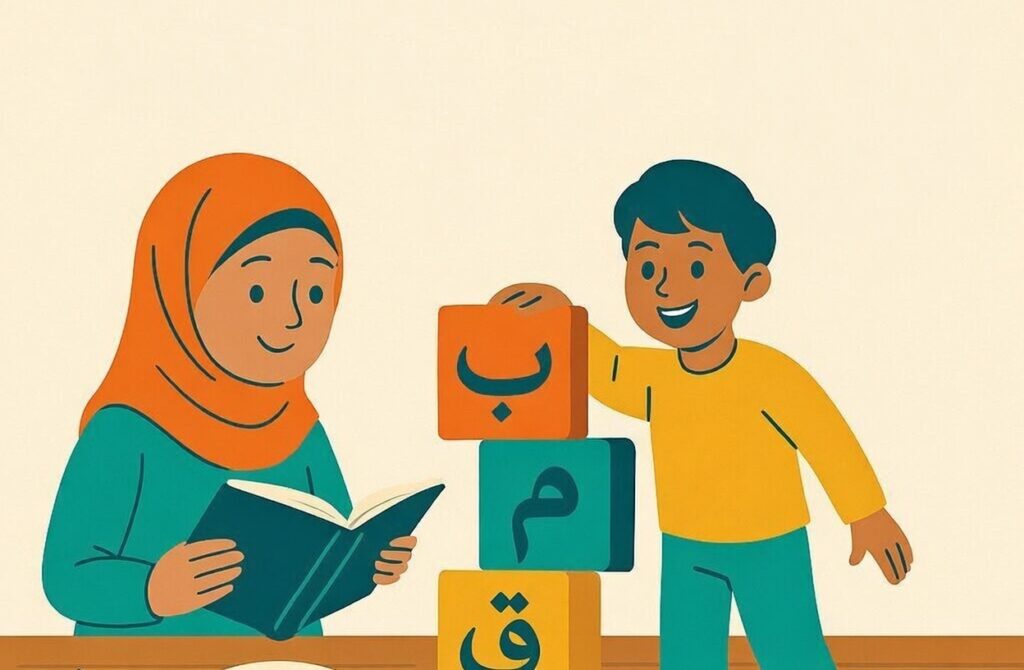
Children begin their journey in the online Dugsi by learning Arabic letters and correct pronunciation, usually through the Noorani Qaida or Higaad system. This stage focuses on:
- Recognizing Arabic letters and their shapes
- Proper articulation (Makharij) of each letter
- Introduction to basic Tajweed rules from the start
This strong foundation ensures children develop accurate pronunciation, making later Quran reading and memorization much easier. If you want to learn more about Arabic letters, check out our detailed guide on Arabic Letters
Basic Quran Reading
Once children are comfortable with Arabic letters, they move on to basic Quran reading. At this stage, they learn how to:
- Join letters to form words
- Read Quranic verses fluently and confidently
- Apply simple Tajweed rules during recitation
Teachers correct mistakes in real time and adjust the pace according to each child’s ability, helping them read the Quran correctly and with confidence.
💡 Want to take your child’s Quran learning further? Check out our Online Hifz Teacher for Kids to guide them from reading to memorization with qualified teachers.
Short Surahs and Daily Du’as

As children progress, they begin memorizing short surahs from Juz’ Amma along with essential daily du’as. This stage focuses on:
- Memorizing short surahs with proper Tajweed
- Regular revision to strengthen retention
- Learning daily supplications for everyday situations
- Understanding basic meanings to encourage mindful recitation
This approach helps children practice what they learn in their daily lives while building love for the Quran and Islamic practices.
f you want to learn more about specific du’as, check out our posts on:
Online Dugsi vs Traditional Dugsi
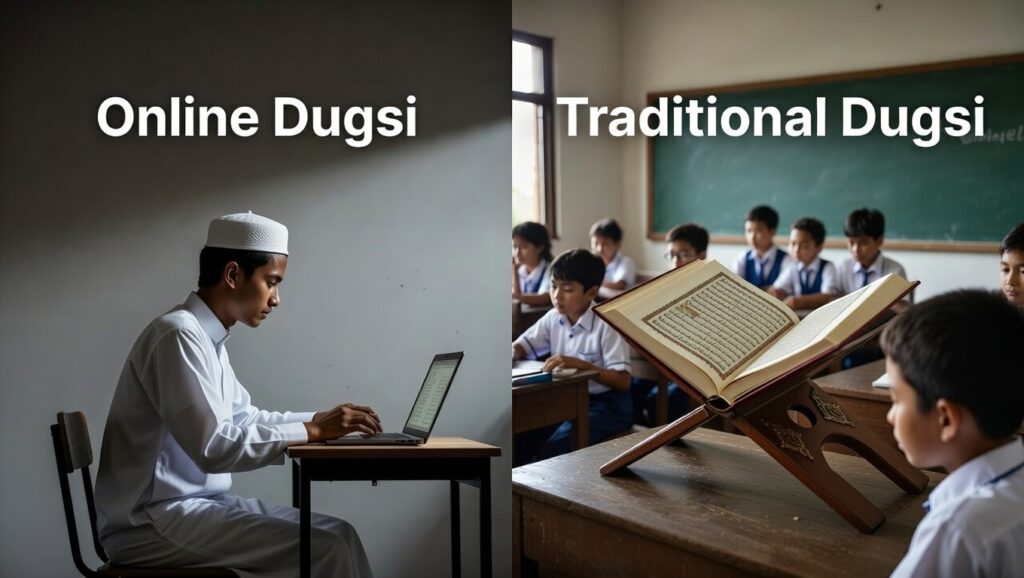
When choosing between an Online Dugsi and a traditional (in-person) Dugsi, families often weigh convenience and flexibility against community presence and traditional learning environments. While both models aim to teach the Quran and Islamic values, each serves families differently based on lifestyle, location, and individual needs.
For this reason, many modern families—especially those living in the diaspora—find online Dugsi programs to be a practical and effective alternative. At the same time, these programs preserve authentic Quranic education while adapting to the realities of modern life.
Key Differences Explained
The main difference between online and traditional Dugsi lies in delivery, accessibility, and learning structure.
Traditional Dugsi typically offers:
- A physical learning environment within a masjid or community center
- Peer interaction and a strong sense of community
- Fixed schedules and group-based learning
- Traditional tools such as the loox (wooden board)
Online Dugsi, on the other hand, provides:
- Virtual classes accessible from anywhere in the world
- One-on-one or small-group sessions
- Flexible scheduling tailored to the child’s routine
- Digital tools for lesson tracking, revision, and progress monitoring
Both approaches focus on Quran memorization, Tajweed, and Islamic manners, but the learning experience differs significantly.
Benefits of Online Learning
An Online Dugsi for Kids offers several advantages that suit modern family life:
- Flexibility: Classes can be scheduled around school, homework, and family commitments
- Personalized Attention: One-on-one sessions allow teachers to focus on each child’s strengths and areas for improvement
- Accessibility: Ideal for families living far from mosques or Islamic centers
- Comfort & Safety: Children learn from home in a familiar, supervised environment
- Consistent Progress: Structured lessons with regular revision help maintain steady Quran memorization
For many children, this individualized and comfortable setting leads to better focus and long-term consistency.
Addressing Common Parent Concerns
Some parents worry that online Dugsi may lack discipline or social interaction compared to traditional settings. These concerns are valid, but well-structured online programs address them through:
- Clear lesson routines and expectations
- Qualified, experienced teachers trained in online instruction
- Regular assessments, revision schedules, and progress reports
- Active parental involvement and supervision
While traditional Dugsi offers strong community immersion, online Dugsi provides a balanced solution for families who prioritize quality instruction, flexibility, and safety without sacrificing authentic Islamic education.
Age Groups and Learning Levels
Learning the Quran is a lifelong journey. However, age-appropriate approaches help children make steady progress while truly enjoying the process. In online Dugsi for Kids programs, lessons are structured around developmental stages. As a result, children build strong foundational skills, memorization, and understanding at their own pace.
Below is a guide to age groups and learning levels specifically for online Quran learning.
Online Dugsi for Toddlers
Approach: Gentle exposure, play-based learning, and early engagement with Quranic sounds and words.
Learning Levels:
- Listening: Play Quran recitations during playtime or bedtime to familiarize children with the sounds and rhythm of the Quran.
- Memorization: Short, simple surahs (e.g., Surah Al-Fatihah, Al-Ikhlas) through repetition and melody.
- Arabic Letters: Recognizing basic Arabic letters using colorful visuals, songs, and interactive games.
- Foundational Knowledge: Simple duas, basic Islamic etiquette, and stories of the prophets to nurture early love for Islam.
Key Tips: Keep sessions short (15–30 minutes), fun, and consistent. Focus on positive reinforcement and gentle guidance.
Online Dugsi for Preschoolers
Approach: Introduction to structured yet playful lessons, preparing children for formal Quran learning.
Learning Levels:
- Arabic Alphabet & Qaida: Learning to identify letters and sounds, connecting them to short words.
- Basic Memorization: Continuing short surahs with repetition and interactive methods.
- Early Tajweed Awareness: Teaching simple pronunciation rules (makharij) through games and demonstrations.
- Daily Practice: Encouraging recitation in short daily sessions, building habit and interest.
Key Tips: Use engaging apps or digital tools for letters and sounds. Reinforce learning through songs, storytelling, and visuals.
Online Dugsi for School-Age Kids
Approach: Structured, skill-building lessons with a focus on reading fluency, Tajweed, and Hifz (memorization).
Learning Levels:
- Qaida & Reading: Students learn to read joined Arabic letters, mastering vowels and pronunciation rules.
- Short Surahs & Hifz: Memorization of multiple surahs with daily review and structured guidance.
- Tajweed Rules: Application of rules like Nun Sakinah, Madd, and other recitation principles.
- Understanding & Tafsir: Introduction to meanings of surahs, basic translation, and contextual understanding.
Key Tips: One-on-one online sessions allow teachers to focus on each child’s pace and correct mistakes early. Combining reading, memorization, and light tafsir creates a balanced and enjoyable learning experience.
💡 Parent Insight: Starting early—between ages 3 and 7—helps children absorb Quranic language naturally, instills love for the Quran, and lays a foundation for lifelong memorization and understanding. Consistency, engagement, and positive reinforcement are more effective than focusing solely on speed.
Role of Parents in Online Dugsi Learning

In the digital era, online Dugsi offers flexible and personalized Quranic education. However, parents play a crucial role in ensuring their children succeed. By creating a structured learning environment and by supporting memorization and Tajweed practice, parents help children stay motivated and disciplined. As a result, children remain spiritually connected and make steady progress in their Quranic learning.
Creating a Learning Routine at Home
- Set a Consistent Schedule: Establish regular Quran study times that align with your child’s attention span and daily routine. Include short breaks to keep sessions effective.
- Designate a Study Space: Ensure a quiet, clutter-free area with access to devices, internet, and Quranic materials.
- Blend Learning with Daily Life: Encourage short recitations during meals, prayers, or bedtime to make Quran learning a natural part of life.
💡 Tip: Routine helps children develop discipline, focus, and a lifelong connection with the Quran.
Supporting Your Child’s Progress
- Monitor Recitation and Memorization: Listen to your child’s recitations, provide encouragement, and track progress through audio recordings or lesson reports.
- Positive Reinforcement: Celebrate small achievements, such as completing a short surah or mastering a Tajweed rule.
- Encourage Active Learning: Help children review what they learned, ask questions, and repeat verses regularly.
- Mental and Emotional Support: Watch for signs of frustration or fatigue and encourage breaks, physical activity, and hobbies to maintain balance.
💡 Tip: Consistent support from parents boosts confidence, motivation, and retention of Quranic knowledge.
Communicating With the Teacher
- Stay Involved: Regularly communicate with your child’s Sheikh or teacher to understand progress, areas of improvement, and upcoming lessons.
- Collaborate for Success: Share observations, ask for guidance on supporting Tajweed or memorization at home, and clarify doubts promptly.
- Advocate When Needed: Ensure your child has access to all necessary resources and support for effective online Dugsi learning.
💡 Tip: Strong parent-teacher communication mirrors the traditional Dugsi accountability, ensuring a structured and effective learning journey.
How Progress Is Tracked in Online Dugsi
Online Dugsi platforms, like Dugsi Cloud, use a combination of real-time technology and teacher-led input to monitor student progress. These systems provide parents and instructors with immediate feedback on Quran memorization (Hifz), Tajweed, and other Islamic studies, ensuring students stay on track and motivated.
Step-by-Step Learning Milestones
- Surah-Level Tracking: Teachers mark the starting Surah for each student. The system automatically tracks completion dates, creating clear milestones for memorization.
- Chunked Memorization: Long Surahs are broken into smaller sections, allowing students to focus on manageable portions and celebrate small wins.
- Curriculum Mapping: Each student’s progress is mapped against the curriculum, making it easy to identify completed lessons and upcoming goals.
💡 Tip: Breaking lessons into milestones helps students experience consistent achievement and prevents overwhelm.
Regular Feedback for Parents
- Rapid Attendance & Updates: Teachers can record attendance in under 15 seconds via mobile apps, instantly notifying parents of daily lessons and assignments.
- Progress Reports: Detailed reports summarize memorization, Tajweed performance, quiz scores, and participation, giving parents a clear picture of their child’s journey.
- Alerts & Recommendations: Parents are informed when a child needs extra support, allowing timely intervention at home.
💡 Tip: Regular communication strengthens the parent-teacher partnership, mirroring the accountability of traditional Dugsi.
Building Confidence and Consistency
- Motivation Through Visibility: Seeing progress tracked and reported encourages students to remain consistent and dedicated.
- Positive Reinforcement: Teachers and parents can celebrate milestones, boosting morale and confidence in Quranic learning.
- Structured Learning Habit: Clear tracking helps students internalize discipline, reinforcing daily practice and long-term retention.
💡 Tip: Consistent tracking turns memorization into a rewarding journey, blending spiritual growth with personal development.
Common Challenges in Online Dugsi for Kids

Learning the Quran online offers flexibility, safety, and convenience. However, it also brings unique challenges, especially for younger learners. For example, children’s attention spans, emotional readiness, and comfort with screens can affect how well they engage with virtual Quran classes. Therefore, understanding these challenges helps parents and teachers support children more effectively.
Keeping Children Focused Online

Challenge:
Young children naturally have shorter attention spans, and online settings can amplify distractions. Even a child who recites beautifully one day may struggle to concentrate the next.
Why It Happens:
Screens remove physical cues like teacher presence, eye contact, and movement. Lessons that feel long or monotonous make attention drift quickly.
Solution:
- Keep lessons short, 15–30 minutes for younger children, and gradually extend as they grow.
- Use interactive questions, gentle repetition, and verbal encouragement (“Good job, Ahmed”) to bring attention back.
- Break longer Surahs into smaller, manageable sections for memorization.
💡 Tip: Step-by-step milestones create small wins that keep kids motivated and engaged.
Managing Screen Time

Challenge:
Excessive screen exposure can cause fatigue, irritability, or resistance to logging in. This affects children’s willingness and capacity to learn.
Signs of Screen Fatigue:
- Eye rubbing, sighing, or fidgeting
- Withdrawal or reduced participation
- Short temper or frustration
Solution:
- Schedule shorter, well-spaced sessions rather than long marathons.
- Include offline activities like reviewing flashcards, writing Surahs, or practicing Tajweed by listening to audio recordings.
- Encourage regular breaks and physical activity between sessions.
💡 Tip: Quality matters more than length—focused 30-minute sessions are better than an unfocused 60-minute lesson.
Motivating Young Learners
Challenge:
Children may start strong but lose interest over time. Motivation can wane if lessons feel too difficult, too repetitive, or emotionally distant.
Why Encouragement Matters:
- Children learn best when they feel emotionally safe and appreciated.
- Pressure or criticism can reduce confidence and slow progress.
Solution:
- Provide gentle praise for effort, not just accuracy.
- Create a calm, positive learning environment where children feel safe to make mistakes and try again.
- Parents can participate by listening to recitation, asking simple questions, or celebrating milestones.
💡 Tip: Emotional connection and recognition often drive progress more than rigid schedules or extended study hours.
Final Thoughts
Learning the Quran online is a journey filled with opportunities for growth, patience, and connection. While children may face challenges like short attention spans, screen fatigue, or fluctuating motivation, these are natural parts of their development. With structured routines, engaging lessons, and positive encouragement, children can progress steadily and develop a lifelong love for the Quran.
Online Dugsi for Kids at Areeb Academy
At Areeb Academy, we provide specialized Online Dugsi programs for kids of all ages, focusing on:
- Personalized one-on-one Quran lessons
- Age-appropriate teaching methods for toddlers to teens
- Tajweed mastery, memorization (Hifz), and comprehension
- Regular progress updates for parents
- Flexible schedules across different time zones
💡 Give your child the gift of confident, joyful Quran learning!
FAQs About Online Dugsi for Kids
What is an online Dugsi for kids?
An online Dugsi for kids is a structured virtual Quran learning program that follows the traditional Dugsi (Quran school) system using live online classes. Children learn Quran reading, Tajweed, memorization, and Islamic basics with qualified teachers from home.
At what age can children start an online Dugsi?
Most children can start an online Dugsi as early as 4 or 5 years old, depending on their readiness. Lessons are designed to be age-appropriate, starting with Arabic letters and basic pronunciation before moving to Quran reading and memorization.
How do children learn Arabic letters in an online Dugsi?
Children usually begin with the Noorani Qaida or Higaad system, learning Arabic letters, their shapes, and correct pronunciation (Makharij). Interactive teaching methods help children stay engaged and build a strong foundation.
Does an online Dugsi include memorization and du’as?
Yes. As children progress, they memorize short surahs from Juz’ Amma and learn essential daily du’as. This helps them practice Quran recitation and Islamic supplications in their daily lives.
How is progress tracked in an online Dugsi?
Progress is tracked through attendance records, lesson completion, and memorization milestones. Parents receive regular updates, making it easy to follow their child’s Quran learning journey.
Is online Dugsi effective compared to traditional Dugsi?
Online Dugsi preserves the core teaching methods of traditional Dugsi while adding flexibility and progress tracking. With live teachers and structured lessons, many children thrive just as well—if not better—than in in-person settings.
Why choose Areeb Academy for an online Dugsi for kids?
Areeb Academy offers a structured curriculum, experienced teachers, regular feedback for parents, and child-friendly teaching methods—ensuring a strong Quranic foundation in a supportive online environment.