
Understanding Islamic phrases like Mashallah helps children and adults alike develop gratitude, humility, and awareness of Allah’s blessings. Whether it’s appreciating a beautiful moment, congratulating someone’s achievement, or protecting against envy, saying Mashaallah is a simple yet powerful practice.
In this article, we explore the meaning of the word Mashallah, explain when to use it, and show how to respond correctly, helping both children and adults understand and use this beautiful phrase with confidence in everyday life.
What Does Mashallah Mean?
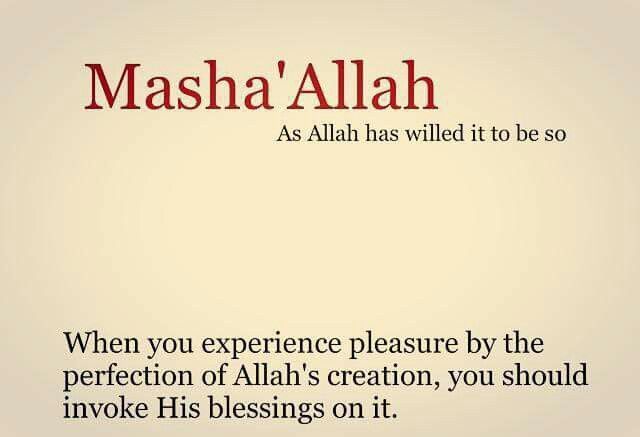
Mashallah (ما شاء الله) is a widely used Arabic phrase that expresses admiration, appreciation, or awe for something beautiful, impressive, or fortunate. At its core, it acknowledges that all blessings come from the will of God and serves as a reminder that nothing happens without divine permission.
People commonly say Mashallah when seeing something good—such as a newborn baby, a personal achievement, good news, or something visually pleasing. Beyond praise, the phrase carries spiritual meaning, expressing gratitude to God while avoiding envy or jealousy.
Literal Meaning of Mashallah
The literal translation of Mashallah is:
“What God has willed” or “God has willed it.”
The phrase is used in the past tense, indicating that something good has already happened by the will of Allah. This is an important distinction when compared to Inshallah, which refers to future hopes or plans.
- Mashallah → What has already happened by God’s will
- Inshallah → What we hope will happen if God wills
Example:
- After a baby is born: Mashallah, what a healthy and beautiful baby.
- Before birth: May the baby be healthy, Inshallah.
Linguistic Roots of the Word Mashallah
The word Mashallah comes from the Arabic root (ش-ي-ء), which relates to will or intention.
It is formed from three parts:
- Ma – “what”
- Sha’a – “has willed”
- Allah – “God”
Together, the phrase means “What Allah has willed.”
This reflects a core Islamic belief: that everything occurs according to Allah’s decree and wisdom. An authentic hadith emphasizes the importance of attributing all outcomes solely to Allah, as the Prophet ﷺ corrected someone for combining Allah’s will with human will and reminded them that only Allah’s will is absolute.
Mashallah in Arabic vs English Context

In Arabic and Islamic culture, Mashallah is used to:
- Express admiration or praise
- Show gratitude for blessings
- Congratulate someone while remaining humble
- Protect against envy or the evil eye
- Acknowledge that success comes from God, not just personal effort
In English, it is often translated as:
“God has willed it” or “As God has wished.”
However, these translations do not fully capture the spiritual, cultural, and emotional depth of the phrase. For this reason, many non-Arabic speakers prefer to use the word ما شاء اللهitself rather than translating it.
Why Do Muslims Say Mashallah?
Muslims say Mashaallah to express sincere admiration and appreciation for something good, beautiful, or impressive, while acknowledging that it exists only by the will of Allah. The phrase reminds both the speaker and the listener that all blessings—whether material, emotional, or spiritual—come from God alone.
Rather than being a simple compliment, MashaaAllah carries spiritual meaning. It reflects faith, humility, and mindfulness of Allah’s role in every success and blessing. This is why it is commonly said when hearing good news, seeing achievements, or admiring something valuable.
Mashallah as a Form of Gratitude
One of the main reasons Muslims say Mashaallah is to express gratitude. By saying it, a person acknowledges that the beauty, success, or happiness they are witnessing is not random or purely earned, but a gift from Allah.
For example, when someone says, “Mashallah, what a beautiful home,” they are not only praising the house but also recognizing Allah as the source of that blessing. In this way, Mashaallah becomes an indirect form of thanking God and showing appreciation without arrogance or entitlement.
Protection From Evil Eye (Hasad)
In many Islamic and cultural traditions, people believe that saying Mashallah helps protect against hasad (envy) or the evil eye. When people admire something without mentioning Allah, envy—whether intentional or unintentional—may cause harm.
Saying Mashaallah signals good intention and removes jealousy from the praise. It reassures that the speaker is not wishing harm or coveting the blessing, but instead recognizing it as something Allah has granted.
This is why Mashallah is often said when seeing:
- A newborn baby
- Personal achievements
- Wealth or possessions
- Physical beauty or success
Acknowledging Allah’s Will and Blessings
At its core, Mashaallah is a declaration of Allah’s sovereignty. It reminds Muslims that nothing happens without His will and that every good outcome is part of His divine plan.
By saying Mashaallah, a person practices humility—recognizing that human effort alone is never enough without Allah’s permission. This belief strengthens faith and helps maintain balance between confidence and reliance on God.
When Should You Say Mashallah?
You should say Mashaallah when you see, hear, or experience something good, beautiful, or blessed. People commonly use it to express admiration, joy, or appreciation while acknowledging that Allah has granted this goodness as a blessing. People say Mashaallah to recognize God’s will, show gratitude, and avoid envy, especially when reacting to good news, success, or positive events.
Mashallah for Success, Beauty, and Achievements

Mashallah is also used when someone achieves success or when something beautiful or impressive is admired. This includes passing exams, getting a new job, buying a new home or car, or achieving any personal milestone. By saying Mashallah, the speaker congratulates the person while acknowledging that the success happened by Allah’s will.
Examples:
“You passed the exams—Mashallah!”
“That new car is amazing—Mashallah.”
Mashallah in Daily Conversations
Mashaallah is used very often in daily conversations. People say it naturally when praising something good, reacting to good news, or expressing gratitude for blessings. It is a simple and respectful way to show happiness, appreciation, and faith, whether the situation is big or small.
Examples:
“We reached home safely—Mashallah.”
“My visa has arrived—Mashallah!”
Mashallah vs Inshallah vs Alhamdulillah
Muslims commonly use Mashallah, Inshallah, and Alhamdulillah to express faith and acknowledge Allah’s will. Although these phrases may sound similar, each one serves a different purpose and applies to a specific context related to time and intention.
Together, these phrases show how a Muslim connects everyday speech with belief—whether appreciating something good, planning for the future, or expressing gratitude.
Key Differences Explained Simply
Mashaallah (ما شاء الله)
- Meaning: “What God has willed” or “God has willed it.”
- When to use: When admiring or appreciating something good that has already happened or is happening now, such as beauty, success, or a blessing.
- Purpose: Expresses admiration and appreciation while acknowledging that the blessing comes from God. It is also commonly said to ward off envy or the evil eye.
Inshallah (إن شاء الله)
- Meaning: “If God wills” or “God willing.”
- When to use: When talking about future plans, hopes, or intentions.
- Purpose: Recognizes that future events depend entirely on God’s will, not just human plans.
Alhamdulillah (الحمد لله)
- Meaning: “All praise is for God” or “Praise be to God.”
- When to use: To express gratitude, contentment, or thanks in general situations, whether after completing a task, hearing good news, or even during difficult times.
- Purpose: A reminder to thank and praise God in all circumstances.
Want to Learn More About Saying Alhamdulillah? read our full article
here: 👉 [Alhamdulillah – Meaning, Benefits, and How to Use It in Daily Life]
Quick Comparison
- Past or present good:
- Mashallah → admiration for beauty or blessings
- Alhamdulillah → thanks and praise
- Future plans:
- Inshallah → hope or intention if God wills
- Gratitude:
- Alhamdulillah → praise and thankfulness
- Admiration:
- Mashallah → recognizing a blessing as God’s will
Correct Usage With Examples
- Mashallah:
“What a beautiful baby—Mashallah.”
“You passed the exam—Mashallah!” - Inshallah:
“I will see you tomorrow, Inshallah.”
“I hope to travel next year, Inshallah.” - Alhamdulillah:
“The project is finished, Alhamdulillah.”
“I’m feeling better today, Alhamdulillah.”
These three expressions work together to reflect a Muslim’s belief that everything—past, present, and future—happens by the will of God, and that every blessing deserves recognition, gratitude, and humility.
Mashallah vs Allahumma Barik: What’s the Difference?
Many people wonder about the difference between Mashallah and Allahumma Barik, and whether they can use them interchangeably. While both phrases show appreciation for blessings, people use them slightly differently.
Muslims say Mashallah when admiring something good that already exists—like a child, an achievement, beauty, or a joyful moment—while attributing it to Allah’s will and protecting it from envy.
Allahumma Barik is a du‘a (supplication) asking Allah to bless and increase that goodness. It is often said after Mashallah, especially when expressing a stronger prayer for protection and barakah.
Because of this, many scholars recommend saying:
“Mashallah, Allahumma Barik” when admiring something you truly care about.
👉 Want to learn more about the meaning, proper usage, and evidence behind Allahumma Barik?
Read our full guide here: [Allahumma Barik: Meaning, Usage & Difference from Masha’Allah]
Mashallah in the Quran and Sunnah
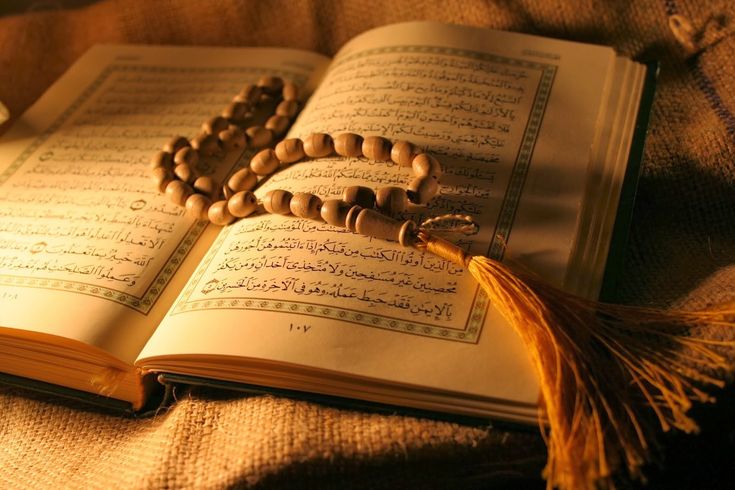
The phrase Mashallah (ما شاء الله), meaning “what Allah has willed,” appears widely in Islamic tradition to acknowledge blessings and attribute them to Allah. Although the Quran does not include this exact phrase as a single expression, both the Quran and Sunnah deeply root its meaning and purpose. The concept behind Mashallah—recognizing Allah’s will behind all blessings—is a core Islamic belief.
Quranic References to Mashallah
Although the exact word Mashaallah is not mentioned verbatim in the Quran, the idea behind it is strongly Quranic. The Quran repeatedly emphasizes that all blessings come from Allah and that believers should acknowledge and remember Him in moments of prosperity.
One of the clearest references is found in Surah Al-Kahf (18:39), where a man is advised to say:
وَلَوْلَآ إِذْ دَخَلْتَ جَنَّتَكَ قُلْتَ مَا شَآءَ ٱللَّهُ لَا قُوَّةَ إِلَّا بِٱللَّهِ ۚ إِن تَرَنِ أَنَا۠ أَقَلَّ مِنكَ مَالًۭا وَوَلَدًۭا ٣٩
“If only you had said, upon entering your property, ‘This is what Allah has willed! There is no power except with Allah!’ Even though you see me inferior to you in wealth and offspring,“
This verse highlights the importance of attributing success, wealth, and blessings to Allah’s will rather than personal effort alone. It reflects the same meaning Muslims express when saying Mashallah.
Other Quranic verses reinforce this concept, such as:
- وَمَا بِكُم مِّن نِّعْمَةٍۢ فَمِنَ ٱللَّهِ ۖ ثُمَّ إِذَا مَسَّكُمُ ٱلضُّرُّ فَإِلَيْهِ تَجْـَٔرُونَ ٥٣
“And whatever blessing you have is from Allah.” (Surah An-Nahl –16:53) - فَٱذْكُرُونِىٓ أَذْكُرْكُمْ وَٱشْكُرُوا۟ لِى وَلَا تَكْفُرُونِ ١٥٢
“So remember Me; I will remember you. And be grateful to Me and do not deny Me.” (Surah Al-Baqarah – 2:152)
These verses show that recognizing Allah’s role in all good things is a central Quranic teaching. Saying Mashallah is a practical way of living by this guidance.
Hadiths That Mention Mashallah
The use of Mashaallah and similar phrases is also supported by the Sunnah of the Prophet Muhammad ﷺ.
- Protection from the Evil Eye:
The Prophet ﷺ encouraged saying “Masha-Allah, la quwwata illa billah” (What Allah willed; there is no power except with Allah) when seeing something amazing, as a means of protection from envy or the evil eye. - Acceptance of Allah’s Decree:
In Sunan Ibn Majah (79), the Prophet ﷺ taught Muslims to say:
“Qaddara Allahu wa ma sha’a fa‘ala”
(Allah has decreed, and whatever He wills, He does)
instead of expressing regret with phrases like “if only.” - Expressing Wonder and Good Omen:
In Sahih al-Bukhari (1386), the Prophet ﷺ used “Ma sha’a Allah” when expressing wonder or speaking positively about dreams, showing that it was used as a good and meaningful expression.
These narrations confirm that the practice of saying Mashallah is firmly grounded in the Sunnah.
Scholarly Insights on Saying Mashallah
Scholars explain that Mashallah serves multiple spiritual purposes. It expresses wonder, appreciation, and contentment, while clearly attributing beauty, success, and good fortune to Allah’s will. It is also viewed as a spiritual shield against envy (hasad) and the evil eye (‘ayn), especially when praising something admirable.
From a scholarly perspective, Mashallah aligns perfectly with Islamic teachings that encourage gratitude, humility, and constant remembrance of Allah. Even though the word itself is not explicitly mentioned in the Quran, its meaning reflects Quranic principles of qadr (divine decree), thankfulness, and acknowledgment of Allah’s control over all affairs.
Final Reflection
Mashallah may not appear in the Quran as a single term, but its spirit is deeply Quranic and Prophetic. By saying it, Muslims affirm that every blessing comes from Allah, protect themselves from envy, and practice gratitude in everyday life. In this sense, Mashallah is not just a phrase—it is a living expression of Islamic belief.
Teaching Children the Meaning of Mashallah

Teaching children the meaning of Mashaallah helps them develop a strong sense of gratitude and awareness of Allah’s blessings from an early age. Instead of seeing good things as mere luck or personal achievement, children learn to recognize that everything comes from Allah’s will. When kids understand that saying Mashallah is a way to appreciate blessings without arrogance or envy, they begin to build a healthy spiritual mindset rooted in humility and thankfulness.
Parents and educators can explain that Mashallah is not just a word, but a reminder that beauty, success, and happiness are gifts from Allah. This understanding strengthens a child’s connection to faith while shaping positive character traits such as appreciation and respect for others.
How to Explain Mashallah to Kids
Explaining Mashallah to children should be simple and age-appropriate. You can tell them that Mashallah means “Allah made this happen” or “This is something Allah gave.” Using easy language helps children connect the phrase to everyday experiences.
For example, if a child draws a nice picture or gets a good grade, explain that we say Mashallah to thank Allah for helping us do well. Emphasize that saying Mashallah is a way to be happy for ourselves and others without feeling jealous. Repetition and gentle reminders will help children naturally remember when and why to use the phrase.
Practical Examples for Daily Life

Using Mashallah in daily life makes learning meaningful and practical for children. Parents can model its usage in everyday situations, such as:
- Saying Mashallah when seeing a beautiful sunset
- Saying Mashallah when a sibling achieves something
- Saying Mashallah when visiting someone’s home or seeing a new baby
When children hear adults consistently using Mashallah in real situations, they begin to imitate this behavior naturally. Over time, it becomes part of their daily vocabulary and a reflection of their faith in action.
Making Mashallah a Habit at Home
Creating a home environment where Mashallah is commonly used helps reinforce its meaning. Parents can gently encourage children to say Mashallah when talking about blessings, achievements, or things they admire. Positive reinforcement—such as praise when they remember to say it—helps turn the phrase into a habit rather than a forced rule.
Family discussions about gratitude, daily duas, and Islamic stories can further strengthen this habit. When Mashallah is used regularly at home, children grow up seeing gratitude as a natural response to Allah’s blessings, shaping a faith-centered and appreciative mindset that stays with them for life.
Final Thought

Teaching and learning phrases like Mashallah turns everyday moments into acts of faith and reflection. It encourages appreciation, gratitude, and respectful interactions. By practicing these phrases regularly, both children and adults strengthen their connection to Allah while fostering kindness and humility.
Want to learn more about Islamic phrases and how to use them correctly? Join Areeb Academy today!
- Suitable for children and adults
- Flexible scheduling based on your availability
- Excellent native Arabic teachers with teaching certificates, fluent in English for smooth learning
- Book a FREE trial and experience how enjoyable and easy learning can be
Don’t wait—reserve your spot now and start your journey of Islamic learning with Areeb Academy!
FAQs
1. What does “Mashallah” mean?
Mashallah means “What Allah has willed.” It is used to express admiration, gratitude, or appreciation for something beautiful or good.
2. When should I say “Mashallah”?
You can say it when you see something wonderful, congratulate someone’s success, or wish to protect blessings from envy.
3. Can children learn to use “Mashallah”?
Yes! With guidance and practice, children can easily understand its meaning and use it in daily life.
4. Is there a difference between “Mashallah” and “Inshallah”?
Yes. Mashallah refers to something that has already happened, while Inshallah is said for future events, meaning “if Allah wills.”
5. How can Areeb Academy help me learn Islamic phrases?
Areeb Academy offers online classes with certified native Arabic teachers fluent in English. Lessons are suitable for both children and adults, with flexible scheduling and interactive teaching methods.
6. Can I book a trial class?
Absolutely! Areeb Academy provides a FREE trial so you can experience our teaching style and learn at your own pace.