
Dua Qunoot is one of the most profound supplications in Islam, offering believers a direct line to Allah for guidance, mercy, protection, and forgiveness. Rooted in the Sunnah of the Prophet Muhammad ﷺ, it is recited in both regular prayers like Witr and special prayers during times of hardship (Qunoot Nazilah). Beyond its spiritual significance, Dua Qunoot teaches humility, reliance on Allah, and a deep sense of devotion. Whether you are a beginner seeking to memorize it or someone striving to understand its meaning fully, exploring this dua provides an opportunity to strengthen your connection with Allah and enhance your daily worship.
What Is Dua Qunoot?
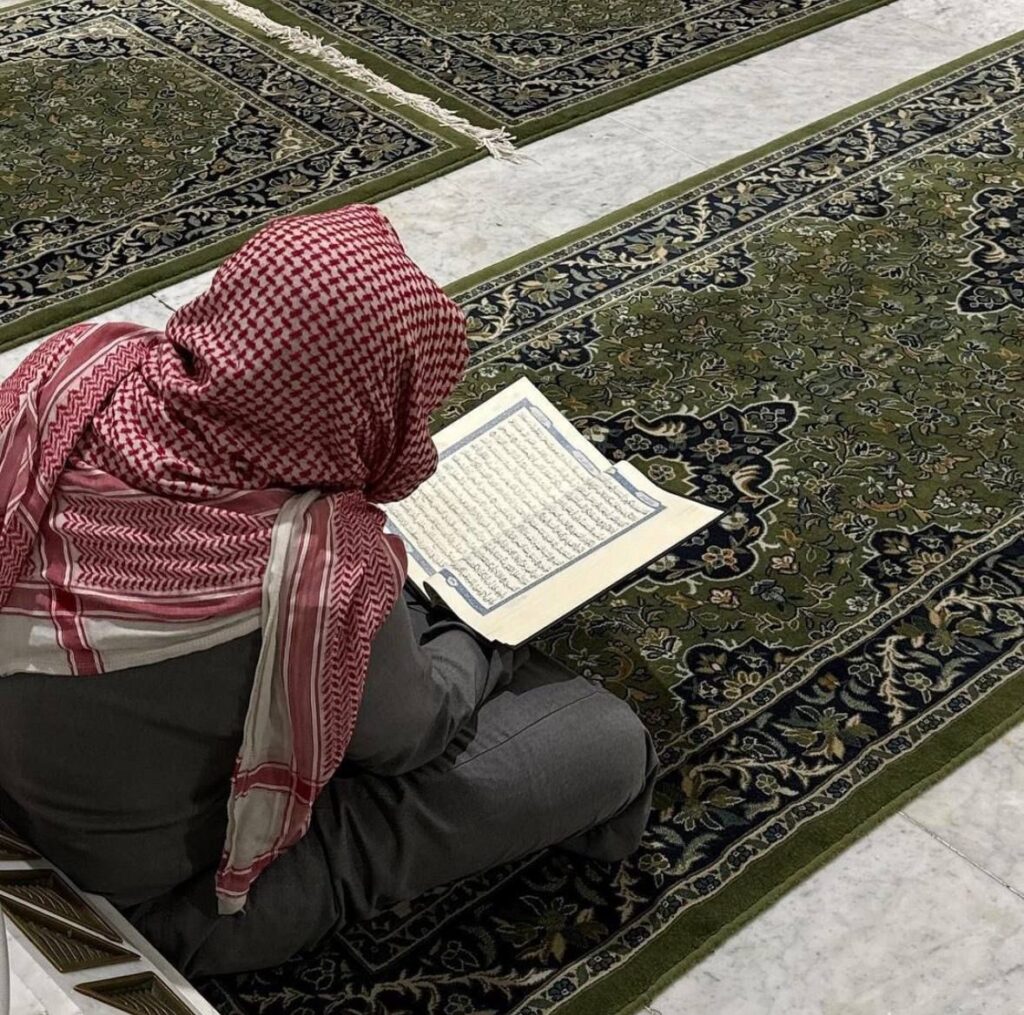
Dua Qunoot is a special prayer in Islam, a direct supplication to Allah (God) where a believer asks for guidance, mercy, protection, and forgiveness. It is not a part of the Quran but comes from the Sunnah—the teachings and practices of the Prophet Muhammad (peace be upon him).
Meaning of the Word “Qunoot”
The word Qunoot (Arabic: القنوت) comes from the root word qunu, which means “obedience,” “humility,” or “devotion.” In practical terms, it reflects a believer’s complete submission to God. When someone recites the Dua Qunoot, it is an expression of humility and dependence on God, acknowledging that ultimate guidance, protection, and blessings come only from Him.
Why It’s Called Dua Qunoot
It is called Dua Qunoot because it represents devotion and obedience. The term “dua” simply means “supplication” in Arabic. So together, it means a humble and devoted prayer asking for God’s help, mercy, and guidance.
Story Behind the Dua Qunoot
The Prophet Muhammad (peace be upon him) taught this specific prayer to his grandson, Al-Hasan ibn Ali, as a way to seek Allah’s mercy, protection, and guidance. One day, Al-Hasan asked his grandfather how to ask Allah for help in the best way, and the Prophet taught him this supplication. This story shows that Dua Qunoot is meant to be recited during difficult times or moments when a believer feels the need for divine guidance.
Is Dua Qunoot Sunnah or Mandatory?
Dua Qunoot is considered a Sunnah, meaning it is a recommended practice taught by the Prophet Muhammad (peace be upon him), but it is not mandatory (wajib) for the prayer to be valid. If a person forgets to recite it, their prayer is still complete and correct.
- Sunnah (Recommended): The majority of scholars agree that reciting Dua Qunoot is highly recommended, as it was taught by the Prophet, but it is not compulsory.
- Not Mandatory: Since it is not obligatory, missing the Qunoot does not invalidate the prayer.
- Flexibility: Historical narrations show that the Prophet did not always recite it consistently, so it is permissible to skip it on some days or alternate between reciting it and not reciting it.
- Dua Qunoot Nazila: A special form of Qunoot, called Dua Qunoot Nazila, is recited during times of hardship or calamity. This is also based on the Sunnah and is meant to seek God’s help during crises.
Dua Qunoot Arabic Text
Full Arabic Text of Dua Qunoot
اللَّهُمَّ اهْدِنِي فِيمَنْ هَدَيْتَ، وَعَافِنِي فِيمَنْ عَافَيْتَ، وَتَوَلَّنِي فِيمَنْ تَوَلَّيْتَ، وَبَارِكْ لِي فِيمَا أَعْطَيْتَ، وَقِنِي شَرَّ مَا قَضَيْتَ، فَإِنَّكَ تَقْضِي وَلَا يُقْضَى عَلَيْكَ، وَإِنَّهُ لَا يَذِلُّ مَنْ وَالَيْتَ، وَلَا يَعِزُّ مَنْ عَادَيْتَ، تَبَارَكْتَ رَبَّنَا وَتَعَالَيْتَ، فَلَكَ الْحَمْدُ عَلَى مَا قَضَيْتَ، وَأَسْتَغْفِرُكَ وَأَتُوبُ إِلَيْكَ.
Transliteration for Easy Recitation
Allahumma ihdini fiman hadayta, wa ‘afini fiman ‘afayta, wa tawallani fiman tawallayta, wa barik li fima a‘tayta, wa qini sharra ma qadayta, fa innaka taqdi wa la yuqda ‘alayk, wa innahu la yadhillu man walayta, wa la ya‘izzu man ‘adayta, tabarakta Rabbana wa ta‘alayta, falaka al-hamd ‘ala ma qadayta, wa astaghfiruka wa atubu ilayk.
English Translation (Simple & Clear)
“O Allah, guide me among those You have guided. Grant me wellbeing among those You have granted wellbeing. Take me into Your care among those You have taken into Your care. Bless me in what You have given me. Protect me from the evil of what You have decreed. For You decree and none can decree over You. Whoever You befriend will never be humiliated, and whoever You oppose will never be honored. Blessed and Exalted are You. To You belongs all praise for what You decree. I seek Your forgiveness and turn to You in repentance.”
When Do We Recite Dua Qunoot?
Muslims recite Dua Qunoot to seek Allah’s guidance, mercy, protection, and forgiveness. They most commonly recite it in the Witr prayer, but they also recite it in other prayers during times of hardship affecting the Muslim community. Reciting it follows the Sunnah (recommended practice) rather than an obligation, and it allows believers to express humility, dependence on Allah, and a desire for His help in both personal and communal matters.
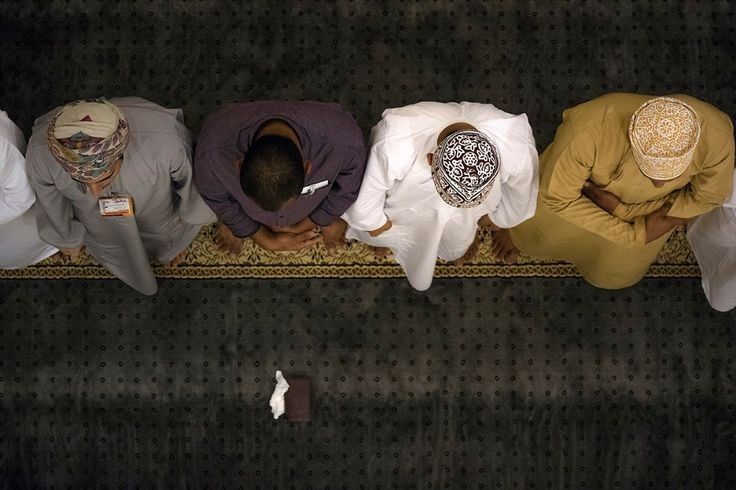
Witr Prayer (Salat al-Witr): Witr is an odd-numbered prayer performed after the ‘Isha (night) prayer. It usually consists of one, three, five, seven, or more rak‘ahs, depending on the tradition followed. The most common practice is three rak‘ahs, with the Dua Qunoot recited in the last rak‘ah after rising from the bowing (Ruku’) and before going into prostration (Sujud). Witr serves as a beautiful way to end the day with devotion, reflection, and personal supplication to Allah.
In Witr Prayer Throughout the Year
- Recited in the last rak‘ah of Witr prayer, after rising from Ruku’ (bowing) and before Sujud (prostration).
- Recommended practice, not mandatory; the prayer is valid even if the dua is omitted.
- Scholars note that it is acceptable to recite the dua from memory or from a written text if not memorized.
- Different versions exist:
- Hanafi version: Emphasizes communal supplication, starting with “Allahumma inna nasta’eenuka…”
- Shafi‘i version: Emphasizes personal guidance, starting with “Allahumma ihdini…”
During Times of Hardship (Qunoot Nazilah)
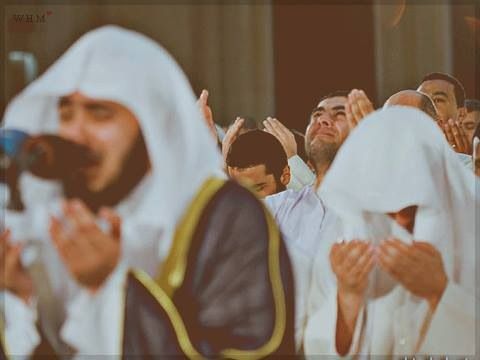
- Muslims recite this special form of Qunoot, called Qunoot Nazilah, when widespread hardship or calamities affect the community
- Muslims recite it in the last rak‘ah of any prayer, after rising from Ruku’ and before Sujud, following the same position as in Witr.
- The purpose is to seek Allah’s help, protection, and relief for the community during times of difficulty.
How to recite Dua Qunoot Nazilah:
اللَّهُمَّ انصُرِ الْمُسْتَضْعَفِينَ، وَاحفَظِ الْمُسْلِمِينَ أَينَمَا كَانُوا، وَاكشِفْ عَنَّا الْبَلاءَ وَالوباءَ وَالشِدَّةَ، وَارزُقْنَا الصَّبْرَ وَالثَّبَاتَ، وَاغفِرْ لَنَا ذُنُوبَنَا، وَارحَمْنَا بِرَحْمَتِكَ يَا أَرْحَمَ الرَّاحِمِينَ.
Transliteration:
Allahumma ansuril-mustad‘afeena, wahfazil-muslimeena aynamā kānū, wakshif ‘anna al-bala’a wal-waba’a wash-shiddah, warzuqna as-sabra wath-thabāt, waghfir lanā dhunūbanā, warhamnā birahmatika yā Arhamar-Rahimeen.
English Translation:
“O Allah, grant victory and support to the oppressed. Protect the Muslims wherever they are. Remove from us affliction, disease, and hardship. Provide us with patience and steadfastness. Forgive our sins and have mercy on us by Your mercy, O Most Merciful of the merciful.”
Difference Between Regular Qunoot and Qunoot Nazilah
| Aspect | Regular Qunoot | Qunoot Nazilah |
| When | Witr prayer throughout the year | Any prayer during times of calamity |
| Purpose | Personal guidance, mercy, and blessings | Community protection, relief from hardship |
| Frequency | Regularly in Witr | Only during extraordinary circumstances |
Both forms are authentic and rooted in the Sunnah of the Prophet (peace be upon him), serving as a means for believers to turn to Allah in humility and devotion.
💡 Want to explore more powerful supplications to seek Allah’s help?
Check out our full guide here: [ Dua to Ask Allah for Help: 7 Powerful Prayers ]
Scholarly Opinions on Dua Qunoot — Detailed Overview

All scholars confirm that the Prophet ﷺ authentically reported Dua Qunoot, but they differ on whether it is obligatory (wajib) or recommended (Sunnah), its timing, and the exact wording. These differences come from variations in the hadith, the reliability of narrators, and how each school weighs evidence.
1) Hanafi School
- Position: Most Hanafis consider Qunoot in Witr obligatory (wajib) in the last rak‘ah before bowing, though some of Abu Hanifa’s students (Abu Yusuf and Muhammad) treated it as Sunnah.
- Evidence:
- Narrations indicate the Prophet ﷺ regularly recited Qunoot in Witr.
- The Hanafi methodology gives weight to consistent community practice among the early followers in Iraq.
- Notes: Some Hanafi scholars allow flexibility; if omitted, prayer is still valid, but it’s highly recommended to recite.
2) Shafi‘i School
- Position: Mainly recited in Fajr (especially the second rak‘ah). Recommended during Witr in the second half of Ramadan.
- Evidence:
- Narrations from companions show the Prophet ﷺ sometimes recited Qunoot in Fajr.
- The Prophet did not always recite it consistently, so the Shafi‘i school emphasizes Sunnah, not obligation.
3) Maliki School
- Position: Qunoot in Witr is generally not prescribed year-round. Some recommend it in Fajr, but it’s not mandatory.
- Evidence:
- Practice of the people of Medina and narrated reports indicate it was not consistently observed.
- The Maliki methodology relies on the established practices of the community as part of legal reasoning.
4) Hanbali School
- Position: Recommended in Witr throughout the year in the last rak‘ah after rising from bowing. Qunoot for calamities (Qunoot Nazilah) is also recognized.
- Evidence:
- Narrations from companions like Ubayy ibn Ka‘b, Ibn Abbas, and Anas ibn Malik.
- Qunoot was performed during regular Witr or in times of hardship.
Key Reasons for Scholarly Differences
- Hadith Variation: Some narrate Qunoot in Fajr, others in Witr; some say before bowing, others after.
- School Methodology: Each madhhab has a different approach to weighing hadith, companion practice, and community consensus.
- Regular vs. Crisis Use: Most schools agree Qunoot Nazilah is permissible for special hardship, regardless of regular practice.
Practical takeaway:
- All scholars agree Qunoot is Sunnah; only Abu Hanifa (strict opinion) sees it as obligatory in Witr year-round.
- If you forget, your Witr prayer is still valid.
- You may follow your madhhab or recite any authentic version transmitted from the Prophet ﷺ
How to Recite Dua Qunoot Correctly
When you recite Dua Qunoot correctly, you perform the supplication with proper focus, humility, and adherence to the Sunnah of the Prophet ﷺ.
Raising Hands (Where & How)
- The dua is recited while standing after rising from Ruku’ (bowing) and before going into Sujud (prostration).
- Raise both hands in front of your chest or face, palms facing upwards, similar to a beggar asking for help.
- Keep your focus on the meaning of the words, understanding that you are humbly asking Allah for guidance, mercy, and protection.
- Hands should be raised only during the dua and returned to their normal position once finished.
Ending the Dua and Continuing the Prayer
- After completing the supplication, the worshipper says “Allahu Akbar” and proceeds into Sujud.
- Continue the prayer normally, completing the remaining units (rak‘ahs) of Witr or the respective prayer.
- If performing Qunoot during a calamity (Qunoot Nazilah), the procedure is the same—finish the dua, say “Allahu Akbar,” and continue with the prayer.
Common Mistakes People Make
- Reciting from memory without understanding: It is better to understand the meaning of the dua while reciting, even if reading from a written text.
- Raising hands at the wrong time: Hands should only be raised during the dua, not before or after.
- Skipping the dua thinking it is mandatory: Dua Qunoot is recommended (Sunnah), not obligatory. Missing it does not invalidate the prayer.
- Adding unnecessary words: Stick to authentic versions from the Prophet (peace be upon him) or those taught by scholars; avoid inserting unrelated phrases.
Virtues and Benefits of Dua Qunoot
Dua Qunoot is not only a supplication for guidance and mercy but also a source of spiritual and emotional well-being. Reciting it regularly can strengthen faith, provide emotional relief, and help the believer navigate challenges with resilience and hope.
Strengthening Your Connection with Allah

- Deepens your relationship with Allah: Reciting Dua Qunoot reminds the believer of Allah’s mercy, power, and constant presence in their life.
- Promotes humility and dependence: By asking for guidance and help, a believer acknowledges their reliance on Allah, fostering sincerity in worship.
- Provides emotional healing: Speaking to Allah through this dua can relieve stress, anxiety, and emotional burdens.
- Fosters gratitude and hope: Reflecting on one’s shortcomings while seeking mercy encourages thankfulness and trust in Allah’s wisdom.
Asking for Protection and Guidance
- Seeks divine protection: The dua asks for safety from spiritual and worldly harm, helping the believer feel secure.
- Offers peace of mind: Connecting with Allah through this supplication can bring inner calm and reassurance during difficulties.
- Builds resilience: Regular recitation strengthens courage and perseverance to face personal and communal challenges.
Building Focus in Witr Prayer
- Enhances mindfulness: Reciting Dua Qunoot in the last rak‘ah of Witr encourages concentration and presence in prayer.
- Deepens spiritual experience: The act of supplication transforms Witr from a routine prayer into a meaningful dialogue with Allah.
- Increases reward and spiritual benefit: Performing the dua with understanding and devotion maximizes the spiritual rewards of Witr and reinforces one’s faith.
Who Taught Us Dua Qunoot?

The Prophet Muhammad ﷺ taught Dua Qunoot, and his companions passed it on, giving clear guidance on how, when, and why to recite it.
1) The Prophet ﷺ Teaching Al-Hasan ibn Ali
Hadith:
Arabic:
اللَّهُمَّ اهْدِنِي فِيمَنْ هَدَيْتَ، وَعَافِنِي فِيمَنْ عَافَيْتَ، وَتَوَلَّنِي فِيمَنْ تَوَلَّيْتَ، وَبَارِكْ لِي فِيمَا أَعْطَيْتَ، وَقِنِي شَرَّ مَا قَضَيْتَ…Transliteration:
Allahumma ihdini fiman hadayta wa ‘afini fiman ‘afayta wa tawallani fiman tawallayta wa barik li fima a‘tayta wa qini sharra ma qadayta …English Translation:
“O Allah, guide me among those You have guided; grant me wellbeing among those You have granted wellbeing; take me under Your care among those You have taken under Your care; bless me in what You have given me, and protect me from the evil of what You have decreed…”
Context & Commentary:
- The Prophet ﷺ specifically taught this dua to his grandson Al-Hasan ibn Ali as a model for Witr prayer.
- Emphasizes guidance, protection, blessings, and reliance on Allah.
- Forms the basis of the Shafi‘i and Maliki practice in Witr and reflects the original Sunnah wording.
2) Qunoot Recited by Umar ibn al-Khattab — During Calamities (Qunoot al-Nazilah)
Hadith:
Narrated by al-Bayhaqi (2/210), classified as sahih by al-Albani in al-Irwa (2/170):
Arabic:
“اللَّهُمَّ إِنَّا نَسْتَعِينُكَ وَنُؤْمِنُ بِكَ وَنَتَوَكَّلُ عَلَيْكَ وَنُثْنِي عَلَيْكَ الْخَيْرَ، ونَشْكُرُكَ وَلَا نَكْفُرُكَ، ونَخْلَعُ وَنَتْرُكُ مَنْ يَفْجُرُكَ، اللَّهُمَّ إِيَّاكَ نَعْبُدُ وَلَكَ نُصَلِّي وَنَسْجُدُ، وَإِلَيْكَ نَسْعَى وَنَحْفِدُ، نَرْجُو رَحْمَتَكَ وَنَخْشَى عَذَابَكَ، إِنَّ عَذَابَكَ الْجِدَّ بِالْكُفَّارِ مُلْحَقٌ”.English Translation:
“O Allah, we seek Your help, we believe in You, we put our trust in You, and we praise You. O Allah, You alone we worship, to You alone we pray and prostrate. We hope for Your mercy and fear Your punishment. O Allah, punish the disbelievers among the People of the Book who prevent others from Your way.”
Context & Commentary:
- Used during Qunoot al-Nazilah, i.e., prayers at times of calamities or hardship.
- Emphasizes community protection, justice, and reliance on Allah.
- Demonstrates the flexibility of Dua Qunoot to fit extraordinary situations beyond personal Witr prayer.
3) Practice of Companions — Ibn Abbas, Anas ibn Malik, Ubayy ibn Ka‘b
Narrations & Observations:
- Ibn Abbas reported that the Prophet ﷺ sometimes recited Qunoot after Ruku’ in Witr and other prayers.
- Anas ibn Malik and Ubayy ibn Ka‘b taught their followers to recite Qunoot both after rising from Ruku’ and before it, depending on the prayer.
- These companions’ practices illustrate:
- The authenticity of Dua Qunoot.
- Its adaptability in both personal worship and times of communal hardship (Qunoot Nazilah).
Reference:
- Abu Dawud, 1282; al-Tirmidhi, 1727; classed as sahih by al-Albani in al-Irwa, 430.
Key Takeaways
- Rooted in Sunnah: Dua Qunoot comes directly from the Prophet ﷺ and is preserved in authentic hadith.
- Different Contexts: Recited in Witr prayer, Fajr (in some schools), or during calamities (Qunoot al-Nazilah).
- Authenticity Through Companions: The practices of Ibn Abbas, Anas ibn Malik, and Ubayy ibn Ka‘b provide evidence of its legitimacy and guidance for varying situations.
- Consistency & Flexibility: While wording may slightly vary, the core themes—guidance, mercy, reliance, protection—remain constant.
Variations of Dua Qunoot
The Prophet ﷺ and his companions narrated several authentic variations of Dua Qunoot. These variations differ slightly in wording, length, and emphasis, but all are valid and rooted in the Sunnah.
1) Dua Qunoot from Al-Hasan ibn Ali (Prophet ﷺ taught directly)
Arabic:
اللَّهُمَّ اهْدِنِي فِيمَنْ هَدَيْتَ، وَعَافِنِي فِيمَنْ عَافَيْتَ، وَتَوَلَّنِي فِيمَنْ تَوَلَّيْتَ، وَبَارِكْ لِي فِيمَا أَعْطَيْتَ، وَقِنِي شَرَّ مَا قَضَيْتَ، فَإِنَّكَ تَقْضِي وَلَا يُقْضَى عَلَيْكَ، وَإِنَّهُ لَا يَذِلُّ مَنْ وَالَيْتَ، وَلَا يَعِزُّ مَنْ عَادَيْتَ، تَبَارَكْتَ رَبَّنَا وَتَعَالَيْتَ، فَلَكَ الْحَمْدُ عَلَى مَا قَضَيْتَ، وَأَسْتَغْفِرُكَ وَأَتُوبُ إِلَيْكَ
Transliteration:
Allahumma ihdini fiman hadayta, wa ‘afini fiman ‘afayta, wa tawallani fiman tawallayta, wa barik li fima a‘tayta, wa qini sharra ma qadayta, fa innaka taqdi wa la yuqda ‘alayk, wa innahu la yadhillu man walayta, wa la ya‘izzu man ‘adayta, tabarakta Rabbana wa ta‘alayta, falaka al-hamd ‘ala ma qadayta, wa astaghfiruka wa atubu ilayk.
English Translation:
“O Allah, guide me among those You have guided; grant me well-being among those You have granted well-being; take me under Your care among those You have taken under Your care; bless me in what You have given me, and protect me from the evil of what You have decreed. For You decree and none can decree over You. Whoever You befriend will never be humiliated, and whoever You oppose will never be honored. Blessed and Exalted are You. To You belongs all praise for what You decree. I seek Your forgiveness and turn to You in repentance.”
Usage:
- Commonly recited in Witr prayer.
- Basis for the Shafi‘i and Maliki versions.
2) Dua Qunoot from Umar ibn al-Khattab (Qunoot al-Nazilah)
Arabic:
اللَّهُمَّ إِنَّا نَسْتَعِينُكَ وَنُؤْمِنُ بِكَ وَنَتَوَكَّلُ عَلَيْكَ وَنُثْنِي عَلَيْكَ الْخَيْرَ، وَلَا نَكْفُرُكَ، اللَّهُمَّ إِيَّاكَ نَعْبُدُ وَلَكَ نُصَلِّي وَنَسْجُدُ، وَإِلَيْكَ نَسْعَى وَنَحْفِدُ، نَرْجُو رَحْمَتَكَ وَنَخْشَى عَذَابَكَ، إِنَّ عَذَابَكَ الْجَدَّ بِالْكُفَّارِ مُلْحَقٌ، اللَّهُمَّ اعْذِبِ الْكُفَّارَةَ أَهْلَ الْكِتَابِ الَّذِينَ يَسُدُّونَ عَنْ سَبِيلِكَ
Transliteration:
Allahumma inna nasta‘eenuka wa nu’minu bika wa natawakkalu ‘alayka wa nuthni ‘alaykal khayr, wa la nakfuruka, Allahumma iyyaka na‘budu wa laka nusalli wa nasjudu, wa ilayka nas‘a wa nahfid. Narju rahmataka wa nakhsha ‘adhabaka, inna ‘adhabaka al-jadd bil kuffari mulhaq. Allahumma ‘adhdhib il-kuffarata ahl al-kitab alladhina yasudduna ‘an sabilik.
English Translation:
“O Allah, we seek Your help, we believe in You, we put our trust in You, and we praise You; we are not ungrateful to You. O Allah, You alone we worship, and to You we pray and prostrate; for Your sake we strive. We hope for Your mercy and fear Your punishment; indeed Your punishment will surely reach the disbelievers. O Allah, punish the disbelievers among the People of the Book who prevent others from following Your path.”
Usage:
- Recited during Qunoot al-Nazilah (times of calamity or widespread hardship).
- Emphasizes community protection and divine justice.
3) Shorter Witr Version (Common Shafi‘i wording)
Arabic:
اللَّهُمَّ اهْدِنِي فِيمَنْ هَدَيْتَ، وَعَافِنِي فِيمَنْ عَافَيْتَ، وَتَوَلَّنِي فِيمَنْ تَوَلَّيْتَ، وَبَارِكْ لِي فِيمَا أَعْطَيْتَ، وَقِنِي شَرَّ مَا قَضَيْتَ
Transliteration:
Allahumma ihdini fiman hadayta, wa ‘afini fiman ‘afayta, wa tawallani fiman tawallayta, wa barik li fima a‘tayta, wa qini sharra ma qadayta.
English Translation:
“O Allah, guide me among those You have guided; grant me well-being among those You have granted well-being; take me into Your care among those You have taken under Your care; bless me in what You have given me, and protect me from the evil of what You have decreed.”
Usage:
- Shorter, child-friendly or beginner-friendly version.
- Suitable for memorization and Witr prayers.
4) Longer Ramadan Version
Arabic:
اللَّهُمَّ اهْدِنِي فِيمَنْ هَدَيْتَ وَعَافِنِي فِيمَنْ عَافَيْتَ وَتَوَلَّنِي فِيمَنْ تَوَلَّيْتَ وَبَارِكْ لِي فِيمَا أَعْطَيْتَ وَقِنِي شَرَّ مَا قَضَيْتَ وَاجْعَلْنِي لَكَ شَكَّارًا، ذَكَّارًا، رَهَّابًا، مُطِيعًا، مُخْبِتًا وَأَوَّاهًا مُنِيبًا
Transliteration:
Allahumma ihdini fiman hadayta wa ‘afini fiman ‘afayta wa tawallani fiman tawallayta wa barik li fima a‘tayta wa qini sharra ma qadayta, waj‘alni laka shakkaran, dhakkaran, rahhaban, muti‘an, mukhbitan, awwahan muniban.
English Translation:
“O Allah, guide me among those You have guided, grant me well-being among those You have granted well-being, take me into Your care among those You have taken under Your care, bless me in what You have given me, and protect me from the evil of what You have decreed. Make me grateful to You, constantly remembering You, humble, obedient, submissive, and ever-turning to You in repentance.”
Usage:
- Often recited during the last ten nights of Ramadan Witr prayers.
- Longer version allows for extra supplication and spiritual reflection.
5) Adding Personal Supplications
- It is permissible to add your own personal duas after reciting any authentic version of Dua Qunoot.
- Key Rule: First recite the original authentic wording from the Prophet ﷺ or his companions, then add personal requests from the heart.
- This allows believers to maintain adherence to Sunnah while asking for specific personal needs.
Powerful Lessons from Dua Qunoot
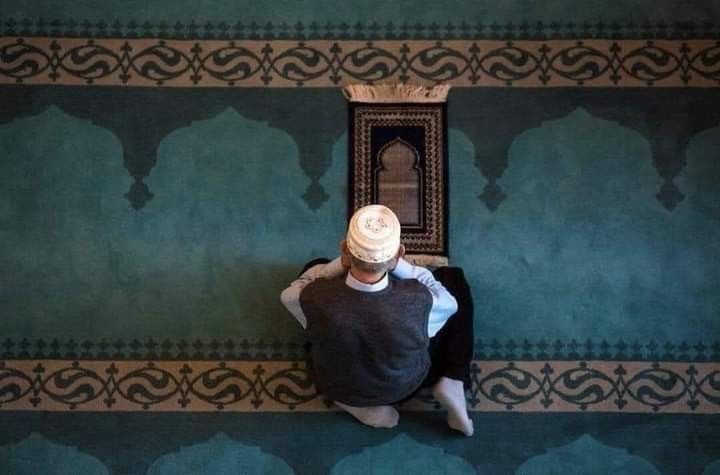
Dua Qunoot is more than a supplication; it is a lesson in faith, humility, and reliance on Allah. By understanding and reflecting on its meanings, believers can strengthen their connection with Allah and gain guidance in daily life.
Seeking Allah’s Guidance
- Acknowledging dependence on Allah (Tawakkul): The dua begins with phrases like “O Allah! We seek Your help, we ask for Your forgiveness, we believe in You, we rely on You”, teaching that humans are weak and in constant need of divine assistance.
- Trust in the Creator: By relying on Allah, believers can unburden their worries, find emotional healing, and attain peace of mind, knowing that ultimate success lies in His hands.
- Holistic well-being (Aafiyah): The dua asks for well-being among those granted it, highlighting the importance of physical, mental, spiritual, and emotional health.
Asking for Protection from Misguidance
- Humility and obedience (Qunoot): The word Qunoot means obedience and humble devotion. The supplication teaches complete submission to Allah’s will and acknowledges human vulnerability.
- Divine justice and mercy: The dua balances hope for Allah’s mercy with mindfulness of His punishment, reminding believers to strive for righteousness while trusting in His compassion.
- Protection from harm: Through sincere supplication, believers seek guidance to avoid misguidance and wrongdoing.
Ending the Day with Sincerity in Worship
- Spiritual connection and inner peace: Reciting Dua Qunoot, especially during Witr, creates a deep and emotional dialogue with Allah.
- Calms anxiety: The dua offers reassurance and hope during distressing times, reminding the worshiper they are never alone.
- Purifies the soul: Through repentance and heartfelt supplication, the heart is cleansed of arrogance, fostering sincerity, gratitude, and tranquility.
- Acceptance of divine decree: The phrase “Indeed You decree, and none can decree upon You” teaches believers to trust Allah’s ultimate wisdom and plan.
Final Thought
Dua Qunoot is more than just words; it is a pathway to spiritual resilience, inner peace, and divine guidance. By understanding its meanings, reciting it with sincerity, and reflecting on its wisdom, every believer can experience its profound impact on their life. From personal prayers to communal supplication during times of difficulty, Dua Qunoot reminds us of the power of humility, trust, and devotion to Allah.
At Areeb Academy, we make learning and understanding Islamic prayers like Dua Qunoot easy, engaging, and practical. Our live instructor-led courses guide you through every step—from correct recitation to understanding the meanings in depth.
✨ Book your free trial today and experience how our personalized lessons can strengthen your connection with Allah and elevate your spiritual journey.