
Have you ever heard someone say “Allahumma Ameen” after a prayer and wondered what it truly means? This simple phrase holds deep spiritual significance in Islam. Used to affirm and seal supplications (du’as), it expresses faith, hope, and trust in Allah. Understanding its meaning, proper usage, and the difference between similar expressions like Ameen and InshaAllah can make your prayers more sincere, mindful, and spiritually fulfilling.
In this article, we will explore what Allahumma Ameen means, when and how to use it, its benefits, and how to teach it to children, making your daily worship and Islamic learning richer and more connected.
What Does Allahumma Ameen Mean?

“Allahumma Ameen” is an Arabic phrase used by Muslims in prayers and supplications. It combines two powerful words: Allahumma, which means “O Allah,” directly addressing God, and Ameen, which means “so be it,” “may it be accepted,” or “truly.”
Muslims say “Allahumma Ameen” at the end of their personal prayers (duas) or when responding to someone else’s prayer. It signifies a heartfelt plea for Allah to hear and grant the prayer, reflecting deep faith, trust, and submission. Saying this phrase is a way of joining in a supplication, asking Allah to fulfill the request for oneself and others, and showing complete reliance on His wisdom and mercy.
It is commonly heard in daily life, in congregational prayers after the Imam recites du’as, and in informal settings when responding to good wishes or blessings.
Literal Meaning of Allahumma Ameen
Breaking the phrase down:
- Allahumma (اللَّهُمَّ): Means “O Allah.” It is a form of directly addressing God in a personal and respectful manner. Some scholars suggest that “Allahumma” may have origins in Hebrew or Qaḥṭāni language influences, possibly related to the Hebrew word Elohim. Others explain it grammatically as a way to say “O Allah, lead us to goodness” or simply as “O Allah.”
- Ameen (آمين): Comes from the Arabic root A-M-N (أ م ن), which relates to faith, truth, and security. Saying “Ameen” at the end of a prayer affirms the words that were just spoken, meaning “may it be so” or “truly.” It is also a way to echo the angels’ affirmation in prayers, as mentioned in Sahih Al-Bukhari: “Say Ameen (Amin) when the Imam says it and if the Amin of any one of you coincides with that of the angels, then all his past sins will be forgiven. –Sahih al-Bukhari 6402”
Together, Allahumma Ameen can be roughly translated as:
“O Allah, hear our prayers and grant them.”
It is a phrase that seals a dua with sincerity and devotion.
Word-by-Word Explanation in Simple English
- Allahumma – “O Allah”: A respectful and direct way to address God.
- Ameen – “So be it” / “May it be accepted”: A way of affirming and confirming the prayer, both for oneself and for others.
By saying it, a Muslim is showing:
- Faith: Trusting that Allah will respond according to His wisdom.
- Support for others: Joining in their supplication and asking Allah to bless them as well.
- Spiritual connection: Recognizing that the fulfillment of prayers comes only from Allah.
Example sentences:
- “May Allah grant me patience in all matters of life. Allahumma Ameen!”
- “May Allah take our souls when He is most pleased with us and grant us a beautiful ending. Allahumma Ameen.”
- “May your heart always remain connected to the One who created it. Allahumma Ameen!”
Difference Between Ameen and Allahumma Ameen
While Ameen and Alahumma Ameen are similar, there is a subtle difference:
- Ameen: Often said at the end of any prayer or blessing. It is a general affirmation meaning “so be it” or “may it be accepted.”
- Alahumma Ameen: Adds the direct address to Allah, making it more personal and heartfelt. It emphasizes asking Allah specifically to hear and grant the prayer.
In essence, Ameen is like saying “truly,” while Alahumma Ameen is a full, sincere plea: “O Allah, please accept this prayer.”
Why Do Muslims Say Allahumma Ameen?
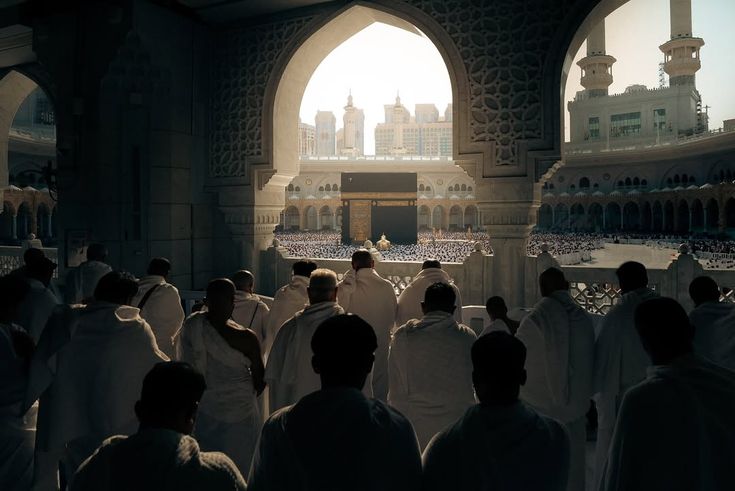
Saying “Allahumma Ameen” is a meaningful practice in Islam that goes beyond simply ending a prayer. It reflects faith, sincerity, and trust in Allah, reinforcing the connection between the worshipper and the Divine. Muslims use this phrase in various contexts—personal du’a, congregational prayer, and in response to others’ supplications—to affirm their devotion and hope that Allah accepts their prayers.
Confirming and Strengthening a Duʿa
When making a personal supplication, Muslims say “Allahumma Ameen” to confirm their words and intentions. It is a way to finalize a prayer with sincerity, showing that the person truly means what they have asked for.
By saying it, one is not just speaking words; they are internally reinforcing their faith, trusting that Allah knows what is best and will respond according to His wisdom. This strengthens the spiritual impact of the du’a and enhances mindfulness during worship.
Asking Allah to Accept Supplications
The core meaning of “Allahumma Ameen” is a plea for Allah to accept the prayer. It is a humble request acknowledging that only Allah has the power to grant what is asked for.
Whether it is asking for guidance, forgiveness, or blessings, ending a du’a with “Allahumma Ameen” expresses complete reliance on God. It also signifies hope that the prayer will bring benefit, not just to the one making it, but to others as well.
Saying Allahumma Ameen With Sincerity
Sincerity is key when saying “Allahumma Ameen.” It is not a ritualistic repetition of words, but a heartfelt affirmation of belief. Muslims are encouraged to reflect on their intentions while saying it, ensuring their prayers are genuine.
Saying it with sincerity also mirrors the Prophetic teachings, where responding “Ameen” at the right moment in prayer brings blessings and spiritual reward, as mentioned in Hadith.
Spiritual Benefits of Allahumma Ameen
- Strengthens Faith: Reminds believers of Allah’s mercy and omnipotence, reinforcing trust and reliance on Him.
- Fosters Unity: Saying it in congregation or in response to others’ prayers creates a shared spiritual connection and strengthens communal bonds.
- Encourages Mindfulness: Promotes conscious engagement in prayers and supplications, making du’a more heartfelt and sincere.
- Brings Blessings: Affirming prayers with “Allahumma Ameen” is believed to multiply the reward and divine acceptance.
- Builds Hope and Trust in Allah: Encourages optimism and patience, affirming that Allah hears all supplications and knows what is best.
- Strengthens Connection With Allah: Deepens the spiritual bond with Allah, reminding believers that only He can fulfill their needs.
- Unites in Duʿa and Collective Worship: Enhances communal prayer and shared supplication, showing support and solidarity among Muslims.
When Should You Say Allahumma Ameen?
Saying “Allahumma Ameen” is a simple yet profound way for Muslims to conclude a prayer or supplication (du’a). It signifies faith, sincerity, and trust in Allah’s acceptance of prayers, whether personal, in a congregation, or in response to someone else’s heartfelt supplication.
This phrase can be used in many situations to affirm a prayer, show agreement with others’ supplications, or seek divine blessings.
After Making Duʿa

When completing your personal du’a, whether spoken aloud or silently in your heart, saying “Alahumma Ameen” acts as a final affirmation of sincerity.
It shows that you truly mean what you asked for and are placing your trust in Allah’s wisdom to respond. Ending a prayer in this way is a way to seal your request, making it a heartfelt appeal that Allah will hear and grant.
For example, after asking for guidance, patience, or forgiveness, you can conclude with:
“May Allah grant me strength and wisdom in my decisions. Allahumma Ameen!”
During Congregational Duʿa
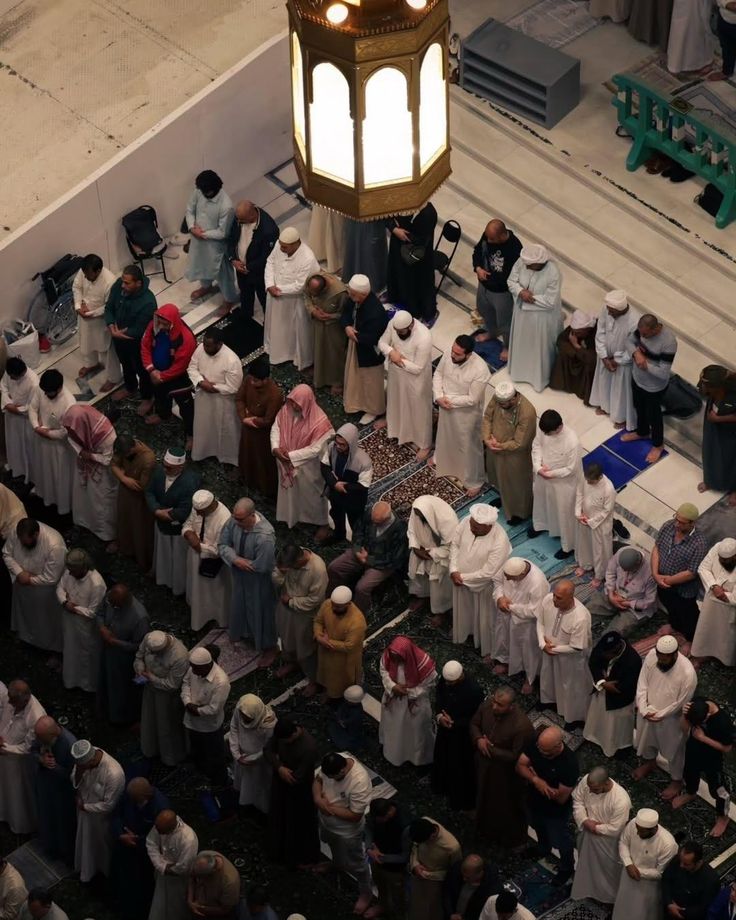
In congregational prayers (Salah), after the Imam recites Surah Al-Fatiha or other supplications, the congregation collectively says “Ameen”, or more formally, “Allahumma Ameen”.
This is a way for everyone present to affirm the prayer together, reflecting unity, shared faith, and collective hope that Allah will accept the supplications. Saying it in unison also strengthens the spiritual connection within the community.
Muslims also say “Allahumma Ameen” during religious gatherings or sermons when an Imam or speaker leads a duʿa. By responding this way, they actively show support, presence, and participation in the collective supplication.
Saying Allahumma Ameen for Others
When someone else makes a heartfelt prayer for you or others, responding with “Allahumma Ameen” is a way to express agreement and endorsement of their supplication.
It is a way of joining in the prayer, asking Allah to accept it not only for them but also for yourself. For instance, if someone prays, “May Allah grant you success,” you can respond with “Allahumma Ameen”, reinforcing the spiritual bond and shared hope for divine blessing.
This practice emphasizes the generosity of spirit in Islam—supporting one another through prayer and sharing in the hope that Allah grants what is best.
Allahumma Ameen in the Quran and Sunnah

The phrase “Allahumma Ameen” (O Allah, accept/respond) is a deeply meaningful expression in Islam, used to affirm supplications (du’as) and seek Allah’s acceptance. While the complete phrase does not appear in the Quran, its components are firmly rooted in the Sunnah (Prophetic tradition).
- Prophetic Practice: Prophet Muhammad (ﷺ) used to say “Ameen” after reciting Surah Al-Fatiha during Salah. This practice is documented in authentic Hadith, such as Sahih Al-Bukhari.
- Direct Address: Adding “Allahumma” (O Allah) before Ameen makes the supplication more direct and respectful, calling upon Allah’s attention and mercy.
- Quranic Basis for ‘Ameen’: Though the exact phrase “Allahumma Ameen” is not in the Quran, Ameen is a powerful affirmation and seal for prayers, reflecting a Muslim’s trust that Allah hears and responds to supplications.
Saying Allahumma Ameen after personal du’a, congregational prayers, or Quranic recitation emphasizes the believer’s reliance on Allah alone to fulfill their requests.
Use of Ameen in Islamic Tradition
The word Ameen itself has been used for centuries as an affirmation of du’a:
- After Making Personal Du’a: Muslims end their prayers with Ameen to confirm sincerity and trust in Allah’s response.
- During Congregational Prayer: After the Imam recites Surah Al-Fatiha, the congregation collectively says Ameen. If an individual’s Ameen coincides with the angels’, their past sins are forgiven.
- In Response to Others’ Prayers: Saying “Allahumma Ameen” after someone prays for you expresses agreement and shared hope that Allah will grant the prayer.
- During Religious Gatherings or Sermons: It is common to say Ameen to participate in communal supplications and show spiritual support.
This tradition demonstrates unity, shared faith, and affirmation of trust in Allah, reinforcing the communal and spiritual bonds among Muslims.
Hadiths Related to Saying Ameen
Several authentic hadiths emphasize the significance of saying Ameen in prayer:
- Abu Huraira (رضي الله عنه) narrated:
“Say ‘Ameen’ when the Imam says it, and if the Ameen of any one of you coincides with that of the angels, then all his past sins will be forgiven.” — Sahih Al-Bukhari 780 - Ibn Shihab also noted that the Prophet (ﷺ) regularly said Ameen during Salah, especially after Surah Al-Fatiha, reinforcing the act as an essential practice in prayer.
- The Hadiths show that Ameen is more than a word; it carries spiritual reward, forgiveness, and affirmation of faith, linking the believer to the divine mercy of Allah.
Scholarly Views on Saying Allahumma Ameen
Islamic scholars have highlighted the meaning and significance of Allahumma Ameen in various ways:
- Meaning of ‘Ameen’: Derived from the Arabic root A-M-N, meaning faith, security, and truth. Saying it confirms and strengthens the du’a.
- Direct Address with Allahumma: By saying Allahumma before Ameen, the supplication becomes a direct appeal to Allah, emphasizing humility and reliance on Him.
- Synonymous Phrases: Scholars note that similar phrases like Ameen Ya Rabbul Alameen carry the same essence, addressing Allah as the Sustainer of this world and the next.
- Spiritual Benefits: Saying Allahumma Ameen strengthens faith, nurtures hope and positivity, deepens gratitude, and reinforces unity among believers. It also keeps the heart spiritually attentive and affirms sincere supplications.
By understanding and practicing Allahumma Ameen, Muslims connect deeply with Allah, strengthen their faith, and participate actively in shared spiritual life.
Allahumma Ameen vs Ameen vs InshaAllah
Understanding the differences between Ameen, Allahumma Ameen, and InshaAllah helps Muslims use these phrases appropriately in prayer and daily life. Each has a unique meaning, context, and purpose.
Key Differences Explained Simply
- Ameen
- Meaning: “So be it,” “Amen,” or “Oh Allah, accept/answer.”
- Usage: Said at the end of a prayer (du’a) or after Quranic recitation, like Surah Al-Fatiha, to affirm and ask for acceptance.
- Purpose: A general affirmation that expresses hope and agreement with the prayer.
- Allahumma Ameen
- Meaning: “O Allah, accept our supplication” or “O Allah, hear our prayer.”
- Usage: A stronger, more direct plea than Ameen, emphasizing the request for acceptance and gratitude.
- Purpose: Directly invokes Allah and affirms a heartfelt du’a with sincerity.
- InshaAllah
- Meaning: “If Allah wills” or “God willing.”
- Usage: Used to express hope or intention for a future event, e.g., “I’ll see you tomorrow, InshaAllah.”
- When NOT to use: Avoid using InshaAllah during a du’a, because it can imply doubt or that Allah has a choice in granting the request, which is discouraged.
Common Mistakes in Usage
- Saying InshaAllah within a supplication (du’a) instead of Ameen or Allahumma Ameen.
- Using Ameen when a more direct plea with Allahumma Ameen would express greater sincerity.
- Confusing the context of InshaAllah, which is for hopes and plans, not for affirming prayers.
Examples From Daily Life
- Ameen: After hearing someone pray for your well-being: “May Allah protect you.” Response: Ameen.
- Allahumma Ameen: After completing your personal du’a: “O Allah, grant me patience and guidance. Allahumma Ameen.”
- InshaAllah: When making future plans: “I’ll meet you tomorrow, InshaAllah.”
Saying Allahumma Ameen in Daily Life
Incorporating “Allahumma Ameen” into daily worship and interactions can enhance faith, mindfulness, and spiritual connection. It’s a simple practice, but when done consistently, it strengthens your relationship with Allah and others.
In Personal Duʿa

When making personal supplications, whether after Salah or at any moment of reflection, ending with “Allahumma Ameen” shows sincerity and trust in Allah’s wisdom. It is a way to seal your du’a, affirm your hopes, and remind yourself that Allah alone can fulfill your requests.
Example:
“O Allah, grant me patience and guidance in my work. Allahumma Ameen.”
In Family and Community Settings

Saying Allahumma Ameen in response to others’ prayers fosters unity, support, and shared spiritual hope. Whether at home, in a gathering, or during congregational du’a, it shows you are joining in their supplication and seeking Allah’s blessings for everyone.
Example:
If a family member prays, “May Allah bless our parents,” responding with “Allahumma Ameen” strengthens the family’s spiritual bond.
Making It a Habit With Presence of Heart
The true benefit of Allahumma Ameen comes when you say it mindfully and with reflection. Instead of repeating it mechanically, focus on its meaning, feel hope and reliance in your heart, and visualize Allah accepting your prayers.
Tips:
- Pause for a moment before saying it to connect with the words.
- Use it consistently after daily prayers and du’as.
- Encourage family or friends to join in, making it a habit of sincerity and mindfulness.
Teaching Children the Meaning of Allahumma Ameen
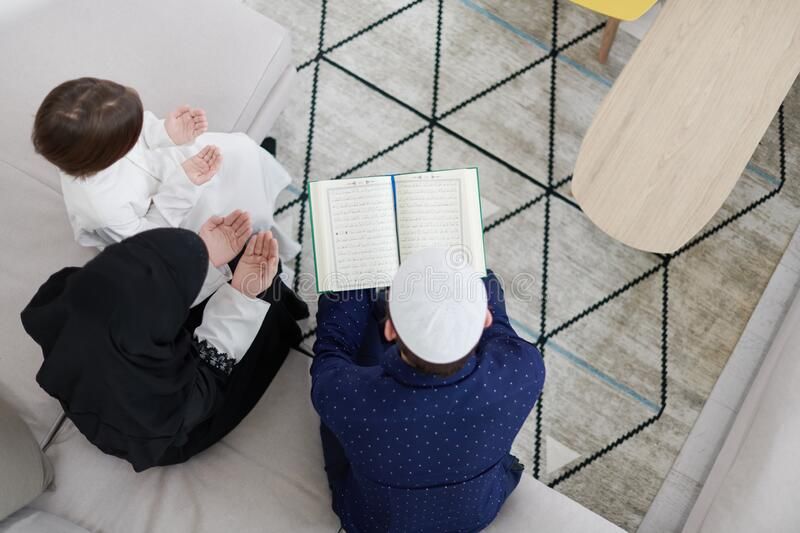
Introducing children to “Allahumma Ameen” is a wonderful way to teach them about prayer, faith, and mindfulness in Islam. By explaining it in simple words and modeling good habits, kids can understand its meaning and importance from an early age.
Explaining the Phrase in Simple Words
- Tell children that “Allahumma” means “O Allah” or “Oh God” and “Ameen” means “accept our prayer.”
- Use examples from daily life, like praying for help with schoolwork or for the family’s health, to make it relatable.
- Keep the language short and clear:“When we say Allahumma Ameen, we are asking Allah to listen and accept our prayer.”
Teaching Duʿa Etiquette to Kids
- Encourage children to raise their hands when making du’a and say Allahumma Ameen at the end.
- Teach them to face the Qibla and maintain respect and focus while praying.
- Explain that prayer is a conversation with Allah, and saying Ameen shows that we really mean it.
Encouraging Children to Say Ameen Mindfully
- Help children understand that Ameen is not just a word, but a way to show hope and trust in Allah.
- Ask them to think about what they prayed for before saying Allahumma Ameen.
- Make it a daily habit, after Salah or du’as, so they associate it with sincerity and mindfulness.
Additional Tips for Teaching
- Use Stories and Games: Turn learning into a fun activity by using stories from the Quran where prayers were answered.
- Praise and Reinforce: When kids say Allahumma Ameen correctly, praise them to encourage repetition.
- Model Behavior: Children learn best by example, so say Allahumma Ameen aloud with them and explain why you do it.
Final Thoughts on Allahumma Ameen
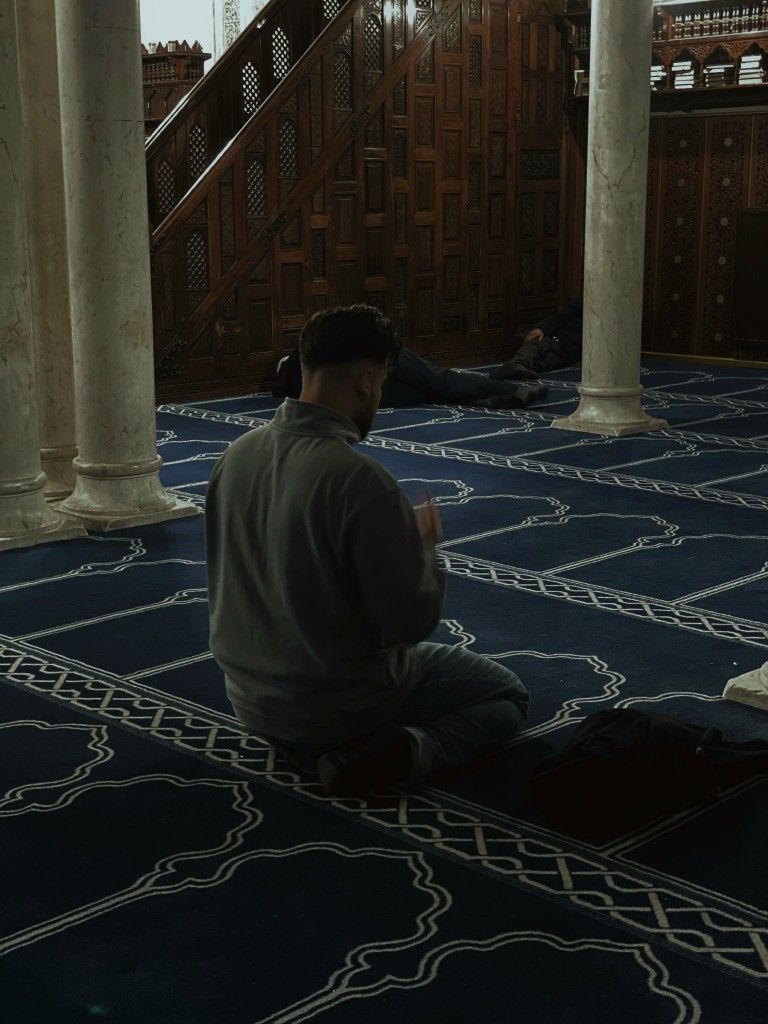
“Allahumma Ameen” is more than just a phrase—it is a heartfelt expression of faith, hope, and trust in Allah. By understanding its meaning, using it correctly in personal prayers, congregational du’as, and in response to others, we not only affirm our own supplications but also strengthen our connection with Allah and our community.
Teaching children, practicing mindfulness, and incorporating it into daily life enhances sincerity in worship and deepens spiritual awareness. Learning Quranic Arabic and Islamic expressions, especially with guidance from experienced teachers, makes this practice even more meaningful.
Whether you say Ameen, Allahumma Ameen, or understand when to use phrases like InshaAllah, the key is intentionality and understanding. Each time we say it, we are reaffirming our reliance on Allah, expressing hope, and seeking His mercy.
Truly, making Allahumma Ameen a part of your prayers is a simple act with profound spiritual rewards—connecting the heart, mind, and soul in worship.
Learning Duʿa and Islamic Expressions Properly
Learning Islamic expressions like “Allahumma Ameen” the right way starts with understanding the meaning of Arabic supplications. When you know what each phrase means, your prayers become more sincere, mindful, and spiritually impactful. Whether it’s simple daily du’as or phrases from the Quran, comprehension strengthens your connection with Allah and makes worship heartfelt.
At Areeb Academy, we make learning Arabic and Islamic expressions easy and effective for both kids and adults. Our approach focuses on:
- ✅Experienced Native Teachers: Learn from native Arabic speakers who are also fluent in English for clear and easy communication.
- ✅Flexible Scheduling: Choose lesson times that suit your lifestyle, whether you’re a child, student, or adult.
- ✅Structured Curriculum: Lessons are designed to gradually build understanding of Quranic Arabic, du’as, and Islamic phrases.
- ✅Interactive and Engaging Learning: Our teachers make learning fun and relatable while maintaining focus on comprehension and practice.
Start your journey today—✨Book your free trial now
and experience how meaningful and enjoyable learning Quranic Arabic and du’as can be!
Common Questions About Allahumma Ameen
Q1: What does Allahumma Ameen mean?
A: It means “O Allah, accept our prayer” or “O Allah, hear our supplication”. It’s a direct and heartfelt way of asking Allah to accept a prayer.
Q2: Can I say Ameen and Allahumma Ameen interchangeably?
A: Yes, but Allahumma Ameen is more emphatic and directly invokes Allah, while Ameen is a general affirmation.
Q3: Should I say InshaAllah after making a du’a?
A: No, InshaAllah is meant for expressing hope for future events. Saying it in a du’a can imply that Allah has a choice in granting your request, which is discouraged.
Q4: When should I say Allahumma Ameen?
A: You can say it:
- After your personal du’a
- In response to someone else’s du’a
- After congregational prayers (e.g., after Surah Al-Fatiha)
- Optionally, after Quranic recitation
Q5: How can I teach children to say Allahumma Ameen properly?
A: Explain the meaning in simple words, encourage them to say it mindfully, teach proper du’a etiquette like raising hands, and make it a regular habit after prayers.
Q6: Can adults also benefit from learning Quranic Arabic and du’as?
A: Absolutely! Understanding Arabic expressions like Allahumma Ameen enhances mindfulness, sincerity, and spiritual connection for both kids and adults.