

Looking for the right Arabic classes in Dubai can feel overwhelming, especially with different options for Modern Standard Arabic, spoken dialects, children, adults, and online learning. The best course depends on your goals, current level, schedule, and how you plan to use Arabic.
Whether you want to communicate more confidently in daily life, develop Arabic for work or study, or help your child build strong language skills, a structured course can give you the guidance and practice you need. In this guide, we’ll explore the main types of Arabic classes available to learners in Dubai, what beginners can expect, and how to choose a program that fits your goals.
Why Learn Arabic in Dubai?

Dubai is a multicultural city where English is widely used, but learning Arabic can help you connect more deeply with the UAE’s culture, community, and professional environment.
Arabic is the official language of the United Arab Emirates and plays an important role in government, education, media, and public communication. Even learning basic Arabic phrases can show respect for Emirati culture and make interactions with Arabic-speaking residents more comfortable — from understanding common expressions and signs to feeling more confident when dealing with local services.
Arabic can also be a valuable skill professionally and socially. Native speakers may have an advantage in fields that involve regular communication with local clients, government organizations, or Arabic-speaking colleagues, and speaking Arabic can help you build trust and stronger connections with people around you.
Living in the UAE and want to improve your Arabic?
Discover practical tips and strategies in our guide to Arabic Lessons for UAE Residents and learn how Arabic can help you communicate more confidently in everyday UAE life.
Arabic Classes in Dubai for Kids and Adults
The right Arabic classes in Dubai depend mainly on the learner’s age, current level, and reason for studying Arabic.
Arabic Classes for Children in Dubai
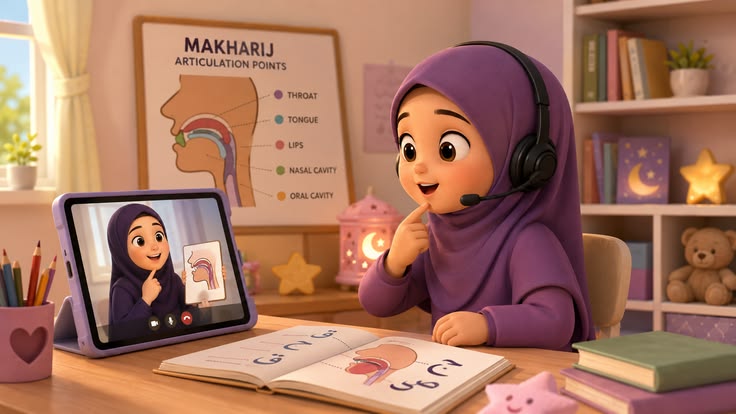
Arabic lessons for children should combine language development with activities that keep them engaged. A well-structured course can help children develop:
- Arabic reading and correct pronunciation
- Everyday vocabulary and simple sentence formation
- Listening and speaking skills
- Basic grammar and writing
- Familiarity with Arabic culture and expressions
For children attending schools in the UAE, Arabic lessons can also provide extra practice with schoolwork and help them communicate more comfortably in Arabic-speaking environments.
Arabic Classes for Adults in Dubai
Adults usually choose Arabic classes based on a specific purpose. Modern Standard Arabic (MSA) is useful for formal communication, reading, writing, education, and understanding Arabic media. Learners who mainly want to communicate in everyday situations may instead prefer spoken Arabic, focused on practical conversations and commonly used expressions.
Personalized Lessons for Different Learning Goals
A personalized approach allows learners to focus on the skills that matter most to them. For example:
- Beginners can start with the Arabic alphabet, pronunciation, basic vocabulary, and common expressions.
- Intermediate learners can work on conversation, grammar, reading, and expanding their vocabulary.
- Advanced learners can focus on fluency, professional communication, or more complex Arabic texts.
Learners can also choose their course based on whether they need Arabic for daily communication, professional purposes, academic study, travel, or cultural understanding.
Want to feel more confident speaking Modern Standard Arabic?
Learn how to use Fusha in real conversations with our guide: Conversational Fusha Arabic: How to Speak MSA Fluently.
Online Arabic Classes in Dubai
Online Arabic classes in Dubai give students a practical way to study without traveling to a language center. With live instruction, learners can practice speaking, listening, reading, and writing from a location that suits their routine.
One-on-One Classes with a Native Arabic Teacher
One-on-one Arabic classes give learners in Dubai direct interaction with a native Arabic teacher throughout the lesson, allowing the teacher to adjust the pace, correct pronunciation, and focus on areas where the student needs more practice. This format is particularly useful when a learner has a specific objective, such as improving conversation skills or becoming more comfortable with spoken Arabic.
Flexible Scheduling
Students can choose lesson times that fit around work, school, family commitments, or other activities — morning, afternoon, evening, weekday, or weekend — without the need to commute to a language center. This makes online Arabic lessons a practical option for both residents of Dubai and learners who want to study remotely.
Arabic Classes in Dubai for Beginners
Starting Arabic classes in Dubai as a beginner can feel much easier when lessons focus on situations you are likely to encounter day to day. A good beginner course should build the basics first, then help you use them in simple, practical conversations.
Learning the Arabic Alphabet
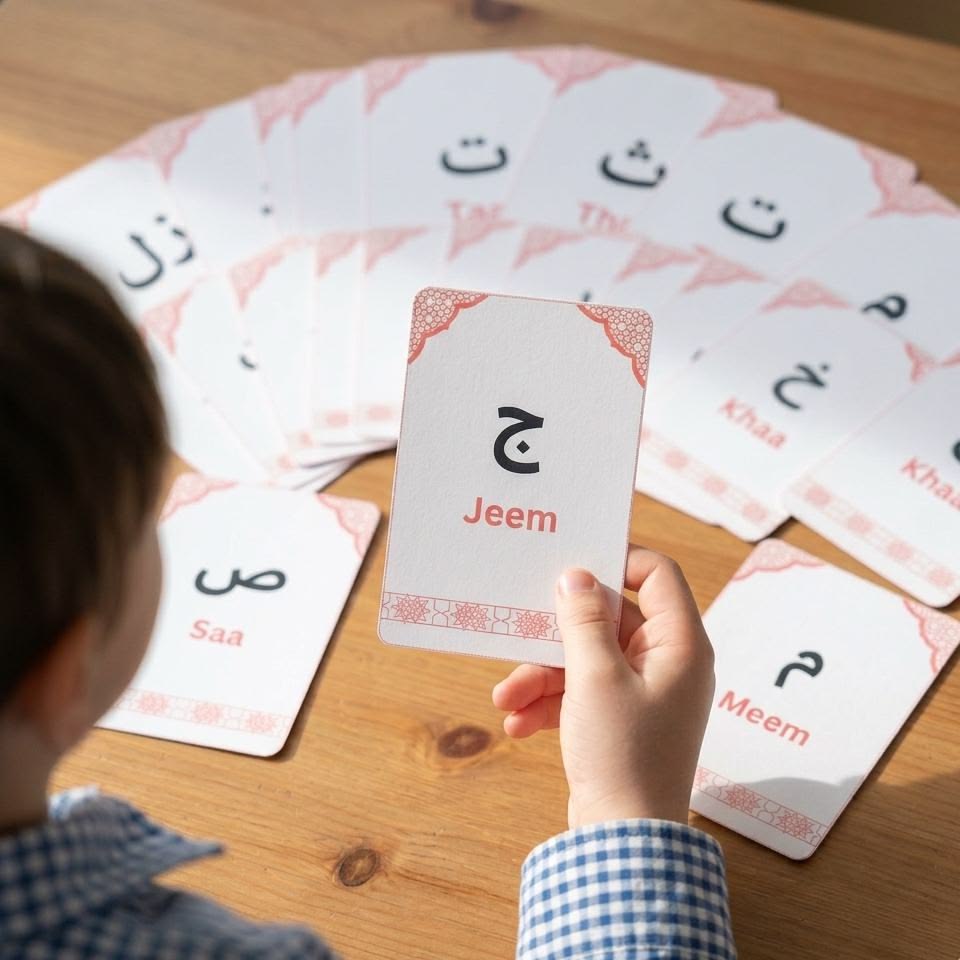
For complete beginners, learning the Arabic alphabet is the first step toward reading and pronouncing Arabic correctly. Lessons typically introduce:
- The Arabic letters and their different forms
- Correct pronunciation of Arabic sounds
- How letters connect to form words
- Reading simple words and short sentences
- Arabic numbers, dates, and basic time expressions
Building Essential Arabic Vocabulary
Once learners understand the basics, they can begin building vocabulary around common situations. Beginner Arabic classes in Dubai may cover words and expressions related to:
- Greetings and introductions
- Family, work, and daily routines
- Food, restaurants, and shopping
- Numbers, prices, and directions
- Transportation and getting around Dubai
- Appointments and basic services
Learning vocabulary in practical contexts helps beginners remember new words and use them naturally outside the classroom.
Starting Simple Arabic Conversations
The main goal at the beginner level is to move from memorizing words to actually using Arabic — introducing yourself, asking simple questions, ordering food, asking for directions, or making an appointment. As confidence grows, beginners can gradually handle longer exchanges with Arabic-speaking colleagues, neighbors, and service providers.
How Long Does It Take to Learn Arabic?

There is no fixed timeline for finishing Arabic classes in Dubai. The time needed depends on your starting level, study routine, learning goals, and whether you focus on Modern Standard Arabic (MSA) or a spoken dialect. For English speakers, Arabic is generally considered a challenging language because of its writing system, pronunciation, and grammar.
With consistent study, beginners can build a useful foundation within the first few months. At the A1–A2 stage, learners typically work on the 28 Arabic letters and their forms, basic greetings and expressions, common vocabulary and simple sentence structures, basic listening comprehension, and practical situations like introductions and asking for directions. The goal at this stage isn’t fluency — it’s being able to understand and use basic Arabic with increasing confidence.
Why Regular Practice Matters
Consistency has a greater impact on progress than occasional intensive study. Even a short daily practice session helps you:
- Retain vocabulary and grammar instead of repeatedly relearning forgotten material
- Improve pronunciation through frequent listening and repetition
- Build speaking confidence by using Arabic regularly
- Maintain learning momentum over time
Setting Realistic Goals
A practical way to set goals is to work through progressive stages:
- Beginner (A1–A2): Basic phrases, simple conversations, everyday vocabulary, essential reading skills.
- Intermediate (B1–B2): Longer conversations, broader vocabulary, more complex grammar, reading and writing on familiar topics.
- Advanced (C1–C2): Professional and academic communication, complex texts, nuanced expression, and greater understanding of natural speech.
Choosing one primary variety of Arabic at the beginning can also make progress more manageable — MSA is commonly used in formal writing, education, and news, while regional dialects are used in everyday conversation.
How to Choose the Best Arabic Classes in Dubai
Choosing the right Arabic course starts with understanding what you need from the lessons. Consider the teacher’s qualifications, the class format, your schedule, and whether the lessons give you enough opportunities to practice Arabic actively.
Look for Qualified Native Arabic Teachers
A qualified native Arabic teacher helps you develop more accurate pronunciation and understand how Arabic is naturally used in real conversations — especially important for beginners still learning Arabic sounds and sentence structures. Look for teachers who can explain clearly at your level, correct pronunciation and grammar during the lesson, provide practical examples, adjust the pace to your progress, and teach the type of Arabic (MSA or spoken) that matches your goals.
Choose One-on-One or Group Classes
The right format for your Arabic classes in Dubai depends on how much individual attention you need.
- One-on-one lessons give you the teacher’s full attention throughout the session and are particularly useful when you have specific goals or want lessons adapted to your pace.
- Group classes let learners practice with other students and participate in shared activities — a good option for those who enjoy collaborative practice.
Consider Schedule Flexibility and Lesson Quality
A convenient schedule makes it easier to stay consistent, but flexibility shouldn’t come at the expense of quality. Before choosing a course, check whether it offers class times that fit your commitments, a clear learning structure, regular speaking and listening practice, feedback on pronunciation and grammar, and lessons adapted to your level and goals. If possible, a trial lesson can help you evaluate the teacher’s approach and whether the course is a good fit before committing.
Final Thoughts
Learning Arabic in Dubai can be a practical and rewarding experience, whether you’re starting from the alphabet or developing more advanced communication skills. The key is to choose Arabic classes in Dubai that match your goals and stay consistent with your practice.
Start Learning Arabic with Areeb Academy
Ready to improve your Arabic from the comfort of your home?
At Areeb Academy, we offer one-on-one online Arabic classes in Dubai with native Arabic-speaking teachers. Our programs are designed for both kids and adults, with lessons adapted to the learner’s level, goals, and pace, and flexible scheduling that fits around school, work, and other commitments.
Book your free trial session with Areeb Academy and start your Arabic learning journey today.
FAQs
What type of Arabic should I learn in Dubai?
It depends on your goals. Modern Standard Arabic (MSA) is useful for formal communication, reading, writing, education, and media. Spoken Arabic is more practical for everyday conversations and social interactions. Your course can focus on one variety or combine both based on your needs.
Can beginners learn Arabic online?
Yes. Beginners can start Arabic online with the alphabet, pronunciation, basic vocabulary, sentence structures, and simple conversations. One-on-one lessons also allow the teacher to adjust the pace and provide individual feedback.
How long does it take to learn Arabic?
There is no fixed timeline. Progress depends on your starting level, study frequency, learning goals, and whether you study MSA or a spoken dialect. Consistent lessons and regular practice can help you make steady progress.
Are Arabic classes available for children in Dubai?
Yes. Children can learn Arabic through age-appropriate lessons that develop reading, pronunciation, vocabulary, listening, speaking, and basic grammar. Lessons can be adapted to the child’s level and learning needs.
Can I take one-on-one Arabic lessons online?
Yes. One-on-one online lessons provide direct interaction with a native Arabic-speaking teacher. This format allows lessons to focus on your specific goals, pronunciation, areas of difficulty, and preferred learning pace.
Are online Arabic classes flexible for students in Dubai?
Yes. Online lessons eliminate commuting and can be scheduled around school, work, and other commitments. Flexible class times can make it easier to maintain a consistent Arabic learning routine.