
Every time Muslims mention the names of the Prophet’s noble Companions, they often add the phrase Radiyallahu ‘Anhu (رَضِيَ ٱللَّٰهُ عَنْهُ). This beautiful Islamic honorific reflects love, respect, and gratitude for those who stood beside Prophet Muhammad ﷺ during the earliest days of Islam.
But what exactly does it mean? Who should we say it for? How does it differ from Sallallahu ‘Alayhi wa Sallam? In this guide, you’ll learn the meaning of this phrase, its different forms, when to use it, and why it remains an important part of Islamic etiquette for Muslims around the world.
What Does Radiyallahu ‘Anhu Mean?
Muslims say Radiyallahu ‘Anhu (رَضِيَ ٱللَّٰهُ عَنْهُ) after the names of the Prophet’s male Companions (Sahabah). The phrase means “May Allah be pleased with him” and expresses both a sincere supplication and deep respect.
The Quran forms the foundation of this phrase, as Allah praises the sincere believers and expresses His pleasure with the early Companions. Saying it is a way of honoring those who dedicated their lives to supporting Islam and preserving its teachings.
Literal Meaning of Radiyallahu ‘Anhu
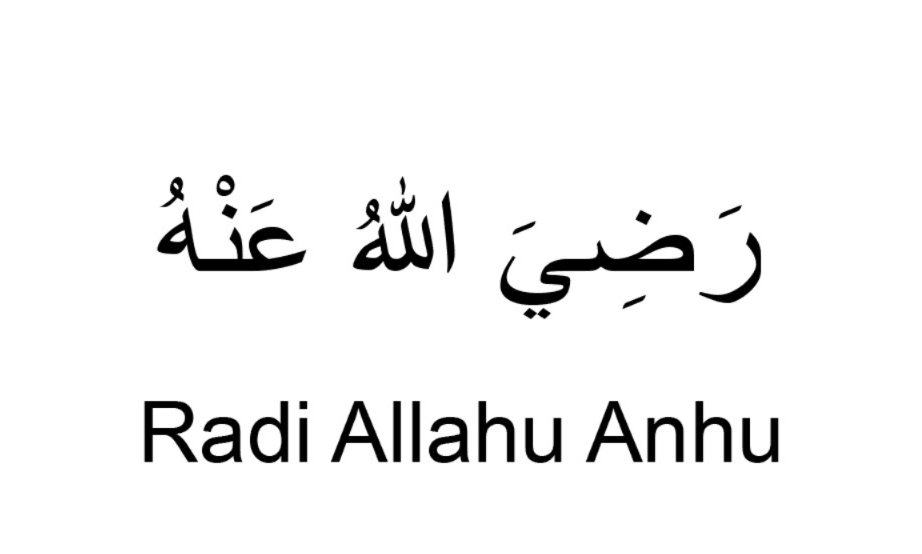
The phrase Radiyallahu ‘Anhu (رَضِيَ ٱللَّٰهُ عَنْهُ) consists of three Arabic words:
- Radiya (رَضِيَ) – “is pleased” or “may He be pleased.”
- Allahu (ٱللَّٰهُ) – “Allah.”
- ‘Anhu (عَنْهُ) – “with him.”
Together, they form the supplication:
“May Allah be pleased with him.”
Rather than being just a title, it is a sincere prayer asking Allah to grant His pleasure and acceptance to the Companion being mentioned.
Why Muslims Use This Honorific
Muslims use Radiyallahu ‘Anhu to honor the Sahabah (Companions) of Prophet Muhammad ﷺ and to ask Allah to be pleased with them. This beautiful supplication reflects gratitude for their faith, sacrifices, and dedication to preserving Islam.
The Quran praises the early believers and confirms Allah’s pleasure with them:
“And the first forerunners among the Muhajireen and the Ansar and those who followed them with excellence—Allah is pleased with them, and they are pleased with Him. And He has prepared for them gardens beneath which rivers flow, wherein they will abide forever. That is the great success.”
(Surah At-Tawbah 9:100)
For this reason, Muslims continue to honor the Prophet’s Companions whenever they mention their names.
Who Do We Say Radiyallahu ‘Anhu For?

Muslims most commonly say Radiyallahu ‘Anhu after mentioning a male Companion (Sahabi) of Prophet Muhammad ﷺ. This honorific expresses respect and serves as a sincere supplication for Allah’s pleasure.
The Companions (Sahabah) of Prophet Muhammad ﷺ
The Sahabah were the men and women who met Prophet Muhammad ﷺ, believed in him, and died as Muslims. They witnessed the revelation of the Quran and learned directly from the Prophet. They also played a vital role in preserving the Quran and Sunnah for future generations.
Allah praises the early believers and Companions in the Quran, declaring His pleasure with them because of their faith, sacrifices, and devotion. For this reason, Muslims say Radiyallahu ‘Anhu, Radiyallahu ‘Anha, or the appropriate variation whenever they mention the Prophet’s Companions.
Famous Companions Commonly Mentioned
Muslims commonly say Radiyallahu ‘Anhu after the names of many well-known Companions, including:
- Abu Bakr As-Siddiq (RadiyallahuAnhu) – the Prophet’s closest companion and the first Caliph.
- Umar ibn Al-Khattab (RadiyallahuAnhu) – the second Caliph, remembered for his justice and leadership.
- Uthman ibn Affan (RadiyallahuAnhu) – the third Caliph, known for compiling the Quran into a standard written text.
- Ali ibn Abi Talib (RadiyallahuAnhu) – the Prophet’s cousin, son-in-law, and the fourth Caliph.
- Bilal ibn Rabah (RadiyallahuAnhu) – the first Mu’adhdhin (caller to prayer) in Islam and a symbol of steadfast faith.
For female Companions, Muslims use Radiyallahu ‘Anha, such as for Aisha (Radiyallahu ‘Anha) and Khadijah (Radiyallahu ‘Anha).
Why They Hold a Special Place in Islam
The Companions hold a unique position because they were the first generation to embrace Islam and support Prophet Muhammad ﷺ during its most challenging years. They migrated for their faith, defended the Muslim community, memorized and transmitted the Quran and Hadith, and dedicated their lives to spreading Islam.
Radiyallahu ‘Anhu vs. Sallallahu ‘Alayhi wa Sallam
Although Radiyallahu ‘Anhu and Sallallahu ‘Alayhi wa Sallam are both Islamic honorifics, Muslims use them for different people and carry different meanings. Knowing when to use each phrase helps Muslims follow proper Islamic etiquette and show the appropriate level of respect.
When to Use Each Phrase
Muslims use Sallallahu ‘Alayhi wa Sallam (ﷺ) exclusively after mentioning Prophet Muhammad. It means:
“May Allah send His blessings and peace upon him.”
Radiyallahu ‘Anhu (RA), on the other hand, is most commonly used after mentioning a male Companion (Sahabi) of the Prophet. It means:
“May Allah be pleased with him.”
Key Differences in Meaning
The two honorifics express different types of supplications:
| Radiyallahu ‘Anhu | Sallallahu ‘Alayhi wa Sallam |
|---|---|
| Means “May Allah be pleased with him.” | Means “May Allah send His blessings and peace upon him.” |
| Used primarily for the Companions (Sahabah). | Used exclusively for Prophet Muhammad ﷺ. |
| Asks Allah to grant His pleasure and acceptance. | Asks Allah to bestow blessings, mercy, and peace upon the Prophet. |
| Has different forms based on gender and number (Anha, Anhuma, Anhum). | Refers specifically to the Prophet and therefore does not change in the same way. |
Although both honorifics express respect and devotion, each serves a distinct purpose in Islamic tradition, so Muslims should use them in the appropriate context.
Want to learn more about the meaning of Sallallahu ‘Alayhi wa Sallam? Read our complete guide, Why We Say Sallallahu ‘Alayhi wa Sallam, and What It Means, to discover its Quranic significance, when Muslims say it, and why it is one of the most important honorifics in Islam.
Common Mistakes to Avoid
When using these honorifics, keep these common mistakes in mind:
- Do not use Radiyallahu ‘Anhu for Prophet Muhammad ﷺ. The correct honorific is Sallallahu ‘Alayhi wa Sallam.
- Use the correct grammatical form. For example, use Radiyallahu ‘Anha for a female Companion and Radiyallahu ‘Anhum for a group.
- Don’t confuse the meanings. One honorific asks Allah to be pleased with the person being mentioned, while the other asks Allah to send blessings and peace upon Prophet Muhammad ﷺ.
Using the correct honorific not only reflects good Islamic etiquette but also demonstrates respect for the Prophet Sallallahu ‘Alayhi wa Sallam and his noble Companions according to the traditions established in Islam.
Final Thoughts on Radiyallahu ‘Anhu
Radiyallahu ‘Anhu is much more than a traditional phrase—it is a sincere supplication and a reminder of the remarkable people who helped preserve and spread Islam. Every time Muslims say “Radiyallahu ‘Anhu” they remember the Prophet’s Companions with respect
Understanding the meanings behind Islamic honorifics deepens our appreciation of Islamic history and encourages us to speak with greater respect and mindfulness. Whether you’re learning about Islam for the first time or strengthening your knowledge, these beautiful expressions connect us to the rich traditions of our faith.
Learn More with Areeb Academy
At Areeb Academy, we believe that understanding Islamic terminology helps Muslims build a stronger connection with their faith—not just by memorizing Arabic phrases, but by truly understanding their meanings.
Our qualified teachers offer one-on-one online classes for children and adults in:
- Quran Reading and Tajweed
- Quran Memorization (Hifz)
- Islamic Studies
- Quranic Arabic
- Modern Standard Arabic (Fusha)
Whether you’re a beginner or looking to deepen your Islamic knowledge, our personalized lessons make learning simple, engaging, and practical.
Book your free trial class today and start your journey with experienced native Arabic teachers from the comfort of your home.
Frequently Asked Questions
- What does Radiyallahu ‘Anhu mean?
Radiyallahu ‘Anhu (رَضِيَ ٱللَّٰهُ عَنْهُ) means “May Allah be pleased with him.” Muslims most commonly say this Islamic honorific and supplication after mentioning a male Companion of Prophet Muhammad Sallallahu ‘Alayhi wa Sallam.
2. Who do Muslims say Radiyallahu ‘Anhu for?
Muslims primarily use Radiyallahu ‘Anhu for the male Companions (Sahabah) of Prophet Muhammad Sallallahu ‘Alayhi wa Sallam. Many scholars also permit using it as a supplication for righteous Muslims and notable Islamic scholars.
3. What is the difference between Radiyallahu ‘Anhu and Sallallahu ‘Alayhi wa Sallam?
Muslims use Radiyallahu ‘Anhu to honor the Prophet’s Companions. They use Sallallahu ‘Alayhi wa Sallam exclusively for Prophet Muhammad ﷺ, and it means “May Allah send His blessings and peace upon him.”
4. Can Radiyallahu ‘Anhu be abbreviated as “RA”?
Yes. In English writing, many books and articles abbreviate it as RA. However, many scholars recommend writing the full phrase whenever possible to preserve its meaning and encourage readers to recite the complete supplication.
5. Is saying Radiyallahu ‘Anhu obligatory?
No, it is not obligatory. However, it is a recommended expression of respect and a beautiful supplication that has become part of Islamic etiquette when mentioning the Prophet’s Companions.