
Finding the right Quran Lessons Online for Teenagers can make a powerful difference in how young learners connect with the Quran during their formative years. Teenagers need more than traditional memorization methods — they benefit from structured guidance, interactive teaching styles, and lessons that relate Quranic values to their daily lives and modern challenges.
Online learning has made it easier than ever for teens to study the Quran from home with qualified teachers, flexible schedules, and personalized one-to-one sessions that match their learning pace. Whether the goal is improving recitation, mastering Tajweed, strengthening memorization, or understanding the meaning behind the verses, well-designed online Quran programs help teenagers build confidence while developing a lifelong connection with the Quran.
In this guide, we’ll explore how parents can choose the right program, how teenagers can stay motivated and consistent, and what makes online Quran learning truly effective for today’s generation.
Why Quran lessons Online need a teenager-friendly approach

Teenage years are a crucial period for identity formation, emotional growth, and spiritual direction. Traditional Quran teaching methods often feel rigid or disconnected from the realities teens face today, especially in secular societies. A teen-friendly approach ensures learning is engaging, relatable, and empowering, helping teenagers build confidence, resilience, and a personal connection with the Quran.
Teens want respect, clarity, and quick wins
- Respect and autonomy: Teens respond better when their opinions and learning pace are respected. They want to feel ownership over their Quran journey rather than being pressured.
- Clarity and relevance: Teaching should use modern examples that resonate with teen life—topics like self-worth, justice, social responsibility, and dealing with peer pressure can be tied to Quranic values.
- Quick, achievable milestones: Breaking lessons into short surahs, memorization goals, or tajweed exercises helps teens see progress and stay motivated. Celebrating these “small wins” reinforces consistency.
Practical methods:
- Multimedia content: videos, animations, and interactive apps.
- Discussions or critical thinking exercises.
- Storytelling and creative projects like journaling or visual reflections.
- Peer learning and youth-friendly competitions.
Confidence in recitation matters more than speed

- Teens often feel discouraged if recitation isn’t perfect immediately. Focusing on confidence and clarity builds lasting skills faster than emphasizing speed.
- Tajweed lessons online, tailored for youth, make recitation fun and accessible.
- One-on-one sessions allows teachers to provide personalized feedback, helping teens improve without fear of judgment.
- Encouraging repetition, praise for effort, and regular practice develops fluency gradually while keeping engagement high.
Key takeaways:
- Correct pronunciation is more important than rushing through verses.
- Flexible online learning allows teens to balance school, social life, and Quran study.
- Supportive, non-judgmental guidance nurtures a love for the Quran that lasts a lifetime.
Related Reading for Stronger Teen Quran Learning:
- Arabic Lessons Online for Teenagers: Learn Fast & Speak Today – Helps teens connect Arabic letters to real words and build fluency.
- Tajweed Quran for Beginners: Rules, Benefits, and How to Start – Perfect for teens improving pronunciation and applying Tajweed correctly.
Quran Lessons Online for Teenagers: choose the right goal first
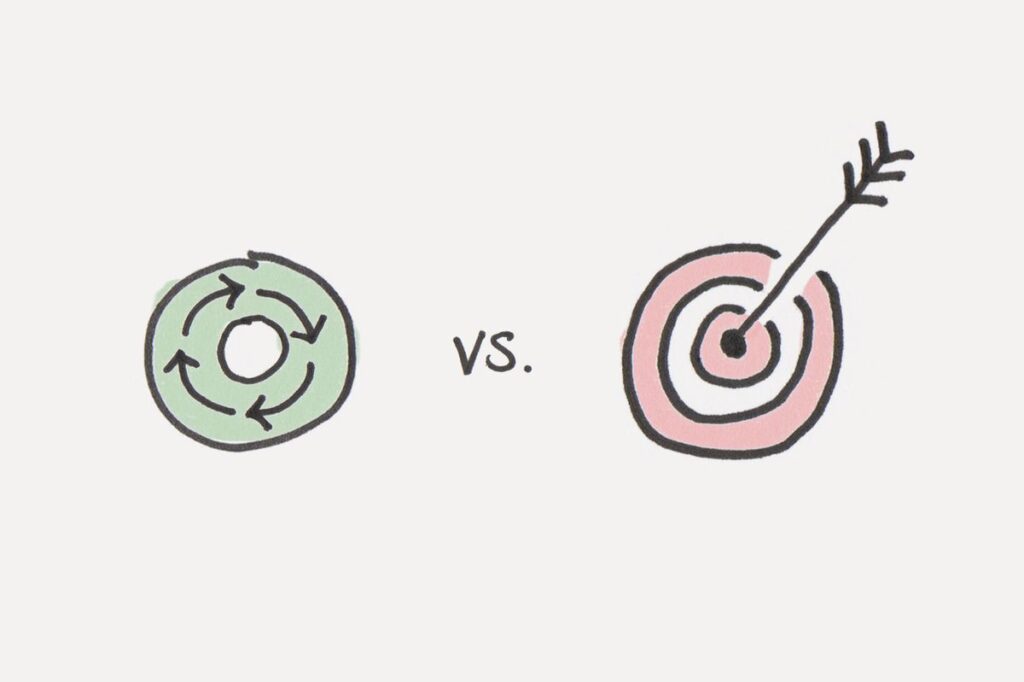
Before starting an online Quran learning journey, it’s crucial to set clear goals. Each goal requires a different approach and method, which makes learning more effective and engaging for teenagers.
Goal 1: Quran reading fluency (from mushaf)
- Correct and consistent reading: Teenagers need to build confidence in reading directly from the Mushaf, starting with learning Arabic letters and linking them to words.
- Step-by-step progression: From letters → short words → full phrases → complete verses.
- Daily practice: Short, frequent sessions help reinforce reading and improve fluency.
- Supportive tools: Digital Quran copies, instructional videos, and interactive apps enhance understanding and reading skills.
Plan 2: Tajweed correction and makharij
- Importance of Tajweed: Learning the rules of recitation ensures correct pronunciation and prevents early mistakes.
- Expert teachers: Qualified instructors provide immediate feedback and teach rules like elongation (madd), stopping (waqf), and nasal sounds (ghunnah) in a simple, clear way.
- Interactive practice: Audio programs such as Zekr or Ayat allow repetition, correction, and practice of Quranic verses in a fun, engaging way.
- Personalized sessions: One-on-one or small group lessons give direct feedback and build confidence in recitation.
Goal 3: Hifz (memorization) with strong revision
- Organized memorization plan: Break the Quran into small sections with regular revision to ensure long-term retention.
- Motivation and support: Teachers encourage teens, set short-term goals, and celebrate achievements to maintain engagement.
- Digital resources: Videos, audio recordings, and apps help review memorized sections anytime, anywhere.
- Flexibility: Teens can adjust memorization schedules around school and extracurricular activities, with teacher supervision to track progress.
Goal 4: Meaning-focused plan (simple tafsir + reflection)
- Understanding the meaning: Connect verses to real-life challenges teens face, such as honesty, justice, and social responsibility.
- Reflection and journaling: Encourage writing notes, keeping reflection journals, or participating in group discussions about Quranic lessons.
- Simplified curriculum: Use age-appropriate tafsir (explanation of the Quran) in English or the teen’s preferred language with practical examples.
- Spiritual growth: Help teenagers develop a personal connection with the Quran, turning learning into a meaningful, spiritual journey rather than just an obligation.
Explore More to Set the Right Goal:
- Learn to Read Quran Online — Fast, Easy & Rewarding – Step-by-step guide for confident reading.
- Quran Ijazah Online – Learn & Get Certified with Expert Teachers – Structured program for teens aiming for fluency and certification.
Quick Placement Check in Quran Lessons Online for Teenagers: What a Good Teacher Assesses

A quick placement check—often a diagnostic or formative assessment—is used by effective educators to immediately gauge a student’s current knowledge, skills, and learning gaps before or during instruction. A strong teacher doesn’t just measure what a student knows; they also assess how the student applies, analyzes, and engages with the material.
During a quick placement check, a good teacher focuses on core areas such as prior knowledge, fundamental skills, misconceptions, learning pace, and preferred learning style.
Letter sounds + common pronunciation issues

- Identifying letter recognition: Ensures the student can correctly identify Arabic letters and sounds.
- Checking for mispronunciations: Spotting common mistakes such as incorrect articulation (makharij) and common sound substitutions.
- Foundational correction: Early correction prevents the student from forming habits that are harder to fix later.
- Engagement methods: Use of repetition, audio support, and teacher modeling helps students hear and reproduce correct pronunciation.
Reading accuracy, rhythm, and stopping rules
- Fluency and pacing: Evaluates how smoothly students read words and verses, including appropriate pauses.
- Stopping rules (waqf): Checks understanding of when to stop or continue reading within a verse or sentence.
- Rhythm and tajweed: Assesses correct elongation (madd), nasalization (ghunnah), and proper articulation.
- Quick feedback: Teachers provide immediate corrective guidance to reinforce proper reading habits.
Memorization strength and revision habits
- Assessment of retention: Measures how much a student can recall from previous memorization efforts.
- Revision strategies: Observes how students review and reinforce memorized sections for long-term retention.
- Learning pace: Determines whether the student can handle new memorization along with proper revision.
- Support and motivation: Teachers provide techniques to improve retention, like chunking verses, audio repetition, or paired practice.
The Best Class Format in Quran Lessons Online for Teenagers: What Works in Real Life
When it comes to teenagers, the most effective Quran classes strike a careful balance between flexibility, relatability, and interactive engagement. Teens often struggle with rote memorization if the learning feels distant or overly rigid, so the ideal class format is one that connects Quranic verses to their daily lives, including topics like self-worth, resilience, social responsibility, and personal development. Practical, real-life applications help teens see the Quran not just as text to memorize, but as a source of guidance and inspiration that can shape their everyday decisions.
1:1 sessions for fast correction
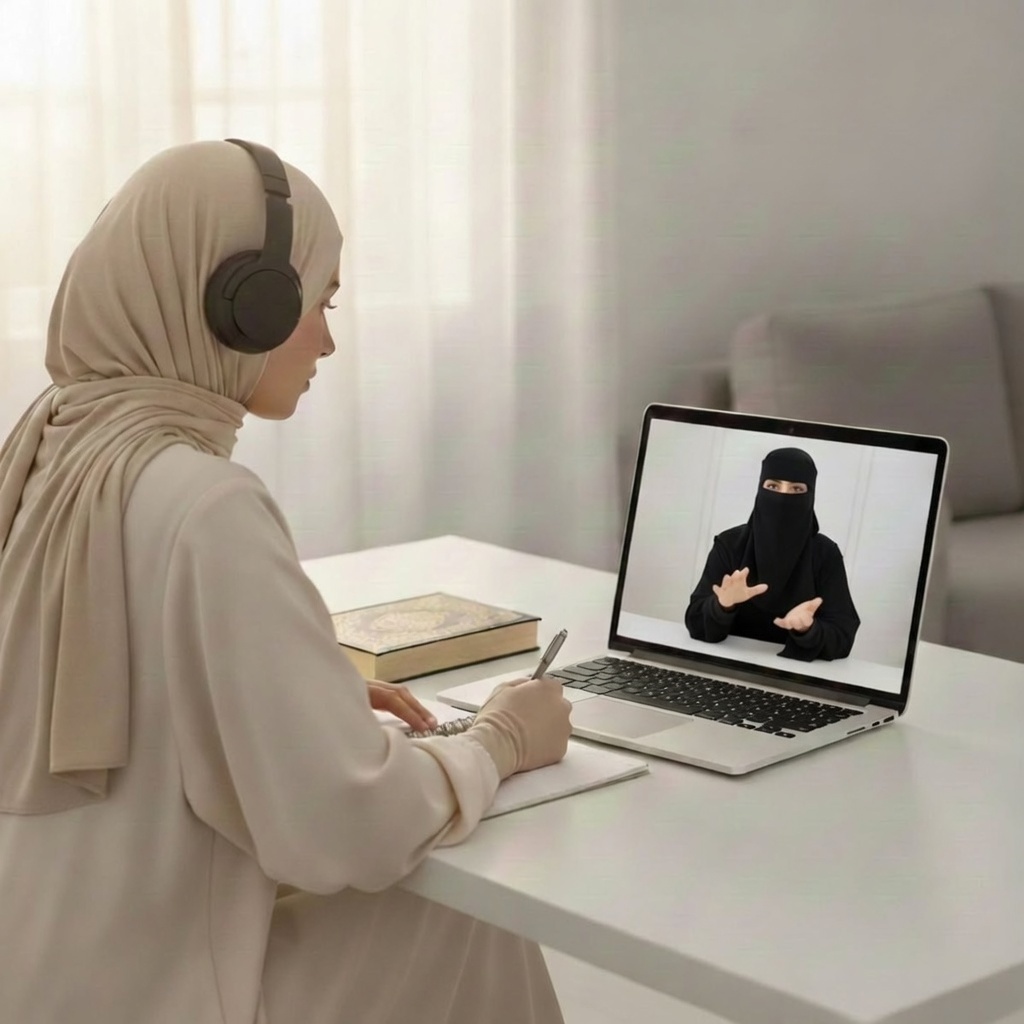
For teens who need focused guidance, particularly in Tajweed or recitation, one-on-one sessions are highly effective. These sessions are typically short—around 25 to 30 minutes—allowing the instructor to immediately correct pronunciation and rhythm while providing personalized feedback. This format also accommodates busy school schedules and avoids the intimidation that can come with larger groups. One-on-one classes give students a safe space to ask questions, experiment with recitation, and receive mentorship from instructors who understand teenage learning styles. The combination of focused attention and practical guidance makes progress faster and more consistent.
Ideal lesson length: 25–45 minutes (by age and level)
Age and skill level matter when designing Quran classes for teens. Research and practical experience suggest that lessons lasting between 30 and 60 minutes are optimal. Short, focused sessions prevent fatigue, maintain attention, and allow for interactive components, such as recitation drills, reflective discussions, or creative exercises. Beginner students may thrive with the shorter end of this range, while advanced learners working on memorization, Tajweed refinement, or Tafsir application may benefit from slightly longer sessions. Consistency, rather than duration alone, is the key: regular, manageable lessons help teens steadily build fluency, confidence, and a deeper understanding of the Quran.
By combining 1-on-1 attention and age-appropriate lesson lengths, online and in-person classes for teenagers can transform Quran learning from a routine task into a meaningful, engaging, and long-lasting experience.
A realistic weekly schedule for Quran Lessons Online for Teenagers
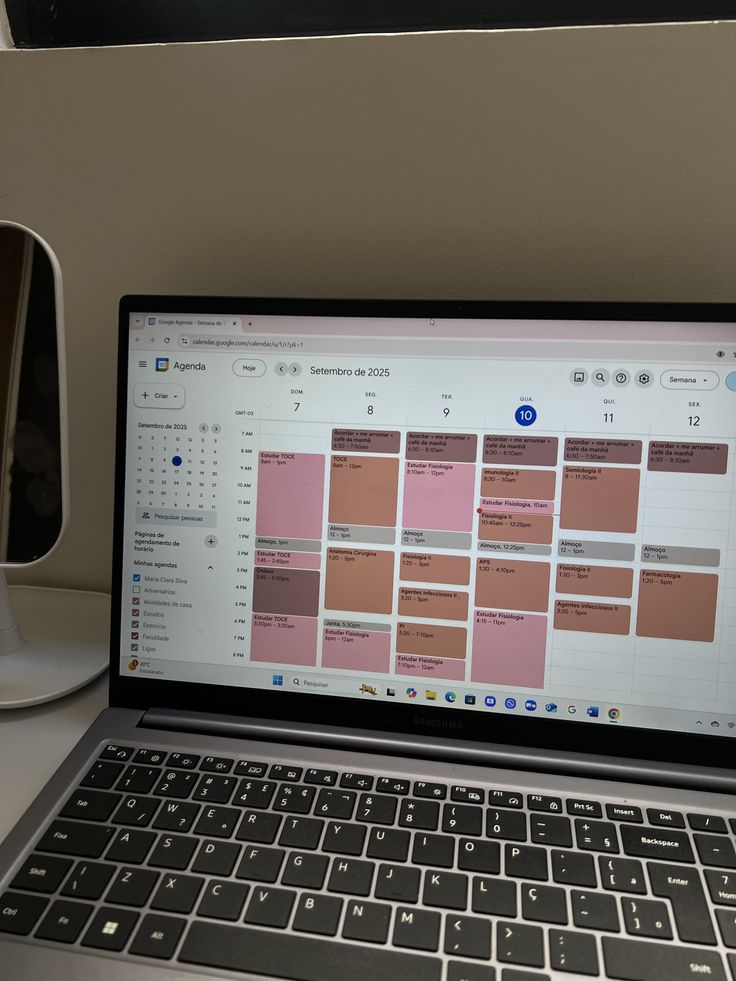
Consistency is one of the biggest factors behind successful Quran learning for teenagers. Unlike younger children or full-time Hifz students, teens must balance school, homework, social life, and extracurricular activities. That’s why a realistic schedule for Quran Lessons Online for Teenagers should focus on sustainability rather than intensity. A well-planned weekly routine helps teens build discipline without feeling overwhelmed, allowing memorization, recitation, and understanding to grow naturally over time.
The goal is not to memorize quickly, but to create a rhythm where Quran learning becomes a normal and enjoyable part of daily life. Short, consistent engagement—combined with guided online classes and regular revision—produces stronger retention and a deeper emotional connection with the Quran.
Plan A: 2 classes/week Quran Lessons Online + 10 minutes daily reading
This plan works best for beginners or busy teenagers who are just starting to build a Quran routine. Two structured online sessions each week provide professional guidance, Tajweed correction, and accountability, while short daily reading sessions reinforce consistency without adding pressure.
A simple 10-minute daily reading habit can make a significant difference. Teens review previously learned verses, practice pronunciation, or listen and repeat alongside a reciter. Because the commitment feels manageable, students are more likely to stay consistent long term. Over time, this steady exposure builds reading confidence and familiarity with Quranic rhythm, which naturally prepares them for memorization later.
This approach is especially effective for teens adjusting to online learning or rebuilding motivation after a long break from Quran study.
Plan B: 3 classes/week + weekend revision block
For teenagers aiming for faster progress—especially those working on memorization or advanced recitation—a three-class weekly structure offers stronger momentum. These sessions typically divide focus between new memorization, Tajweed refinement, and understanding meanings through brief Tafseer discussions.
The key difference in this plan is the weekend revision block. Instead of constantly adding new material, teens dedicate extra time once a week to revising everything learned during the week. This prevents forgetting, strengthens long-term retention, and helps students feel confident in their progress.
Weekend revision can include reciting to a parent, reviewing recorded lessons, or practicing verses during salah. This balance between learning and revision mirrors successful Hifz methodologies while remaining realistic for school-aged students.
Best times: after Fajr (weekends), after school, or after Isha

Choosing the right time of day often determines whether a schedule succeeds or fails. Teenagers benefit most from study times that align with their natural energy levels and daily responsibilities.
Weekend mornings after Fajr are highly effective because the mind is fresh and distractions are minimal, making memorization easier. On school days, short sessions after school help reinforce learning before fatigue sets in, while evening classes after Isha work well for reflection, revision, and calmer recitation practice.
The most important principle is consistency. When teens study at roughly the same time each day or week, Quran learning becomes a habit rather than an obligation. Over time, this routine builds discipline, strengthens memorization, and transforms Quran study into a stable source of comfort and spiritual grounding.
What to Expect in Your First Month of Quran Lessons Online for Teenagers
The first month of learning the Quran is less about speed and more about building strong foundations. Many students begin with high motivation, but real progress during this stage comes from patience, consistency, and correct guidance rather than memorizing large amounts quickly. This period focuses on learning how to read correctly, developing confidence with Arabic sounds, and establishing a sustainable routine that will support long-term success.
For most beginners, the first month becomes a turning point. Students move from feeling unfamiliar with the Arabic script to recognizing words, understanding basic recitation patterns, and developing a daily connection with the Quran. Small improvements each week gradually build momentum and confidence.
Week 1: assessment + fixing top 3 mistakes
The journey usually begins with an assessment session. A qualified teacher evaluates the student’s current level, including letter recognition, pronunciation accuracy, and familiarity with basic reading rules. Even students who already know how to read often discover a few recurring pronunciation errors.
During this week, the focus is not on learning large amounts of new material but on correcting the top three foundational mistakes—usually related to letter articulation (makharij), vowel sounds, or letter connections. Fixing these early prevents incorrect habits from becoming permanent and makes future learning much smoother.
Students may feel slow at this stage, reading letter by letter, but this is completely normal. Accuracy always comes before speed.
Week 2: stable reading routine + short surah mastery

By the second week, students begin developing a consistent reading routine. Short daily sessions—typically 15–20 minutes—help train the brain and build familiarity with Quranic text without causing fatigue.
At this stage, learners often start reading short surahs from the end of the Quran, such as Al-Fatiha or other brief chapters. These surahs are manageable in length and frequently recited in prayer, which naturally reinforces memorization and confidence.
The goal is rhythm and comfort. Students begin recognizing common letter patterns and reading becomes noticeably smoother compared to the first week.
Week 3: tajweed focus (practical, not heavy theory)
Once basic reading stabilizes, attention shifts toward practical Tajweed application. Instead of studying complex theory, students learn simple, usable rules directly through recitation practice.
Teachers may introduce concepts like elongation (madd), nasal sounds (ghunnah), or proper stopping points while reading real verses. This practical approach helps learners immediately apply what they learn rather than memorizing technical terminology.
Many students notice a major improvement during this week as their recitation starts to sound more natural and fluent.
Week 4: progress check + personalized next steps

The fourth week is typically a reflection and progress stage. Teachers review improvement in pronunciation, reading fluency, and consistency, helping students recognize how far they have come in a short time.
Based on this evaluation, a personalized learning plan is created for the next phase. Some students move toward memorization (Hifz), while others continue strengthening reading and Tajweed skills before advancing.
By the end of the first month, most learners achieve three important milestones: increased confidence, a consistent Quran routine, and the ability to read with basic accuracy. Perhaps most importantly, the Quran no longer feels intimidating—it becomes familiar, approachable, and spiritually rewarding.
How to Keep Teenagers Consistent in Quran Lessons Online (Without Nagging)

One of the biggest challenges parents face during online Quran lessons is maintaining consistency. Teenagers are naturally independent, and constant reminders or pressure can sometimes create resistance instead of motivation. The goal is not to force learning but to help teens build an internal connection with the Quran that makes them want to return to it regularly.
Consistency grows when learning feels achievable, personal, and rewarding. Small psychological shifts in how goals are set and progress is tracked can make a major difference in whether a teenager stays committed or slowly loses interest.
Micro-goals: “perfect this surah” instead of “finish a juz”
Large goals can feel overwhelming for teenagers. Telling a student to complete an entire Juz may sound inspiring at first, but over time it can create pressure and discouragement, especially when progress feels slow.
Instead, effective Quran teachers break learning into micro-goals. Focusing on perfecting one short surah — improving pronunciation, fluency, and confidence — gives teenagers a clear and achievable target. Each small success builds momentum and provides a sense of accomplishment, which naturally motivates them to continue.
When teens experience steady wins, consistency becomes a habit rather than an obligation.
Tracking progress privately (teen-friendly)
Teenagers value privacy and independence more than younger children. Public correction or constant comparison with others can reduce confidence and engagement. That’s why successful online Quran programs often use private progress tracking instead of public performance pressure.
Teachers may keep individual progress notes, share quiet feedback after sessions, or provide personal improvement goals rather than announcing results in front of others. This approach allows teens to focus on self-improvement instead of competition.
When students feel safe making mistakes, they participate more openly and develop stronger long-term learning habits.
Using recitation in salah to lock improvement

One of the most powerful ways to reinforce learning is encouraging teenagers to use newly learned surahs during their daily prayers. Reciting memorized verses in salah transforms practice into meaningful worship rather than homework.
This method strengthens memorization naturally because repetition happens throughout the day without extra study time. It also helps teenagers feel a personal spiritual connection to what they are learning, making Quran lessons relevant to their everyday lives.
Over time, students begin to see progress not only in lessons but also in their worship, which reinforces motivation and confidence.
Common mistakes in your Teenager’s Quran Lessons Online (and how to avoid them)
Learning the Quran is a lifelong journey, but many students — especially teenagers — unknowingly slow their own progress by falling into common learning habits that seem harmless at first. These mistakes often lead to frustration, inconsistent improvement, or loss of motivation over time.
The good news is that most learning obstacles are not caused by lack of ability, but by approach. When parents and students understand these patterns early, they can make simple adjustments that lead to steady and meaningful progress.
Switching Teachers Too Often Can Affect Your Teena’s Online Quran Lessons

One of the most overlooked mistakes in online Quran learning is frequently changing teachers. While parents naturally want the best experience for their child, constant switching prevents students from building learning continuity.
Every Quran teacher follows a slightly different correction style, pacing method, and memorization strategy. When teenagers move between instructors too often, they must repeatedly adjust to new expectations instead of strengthening existing skills. This interrupts confidence and slows Tajweed development.
Consistency with one qualified teacher allows the instructor to understand the student’s pronunciation habits, strengths, and recurring mistakes. Over time, lessons become more personalized and effective because the teacher can track long-term improvement rather than starting from zero each time.
If a teacher is supportive, qualified, and your teen feels comfortable, stability is usually more beneficial than constant change.
Chasing speed and ignoring accuracy

Many students feel proud when they complete large portions of memorization quickly. However, rushing through recitation is one of the biggest causes of long-term difficulty in Quran learning.
Speed without accuracy often leads to incorrect makharij (letter articulation), weak Tajweed application, and memorization errors that later become difficult to fix. Teenagers may finish more pages initially, but they eventually need to relearn sections to correct mistakes — which can feel discouraging.
Strong Quran learning focuses on quality before quantity. Reading slowly, applying Tajweed rules carefully, and mastering pronunciation ensures that memorization remains stable and confident. A short surah recited correctly is far more valuable than several pages learned with repeated errors.
Encouraging teens to aim for beautiful recitation rather than fast completion helps build pride in excellence rather than pressure to finish quickly.
Weak revision (the #1 reason teens stall)

The most common reason teenagers stop progressing is not difficulty in memorizing — it is weak revision habits.
Without regular review, memorized surahs gradually fade, pronunciation slips return, and confidence decreases. Students may feel like they are “forgetting everything,” even though the real issue is simply lack of structured revision.
Effective Quran programs treat revision as equally important as new memorization. A balanced routine often includes:
- Daily review of recently memorized verses
- Weekly revision of older surahs
- Reciting memorized portions during salah
- Listening to correct recitation to reinforce accuracy
When revision becomes part of a consistent routine, memorization strengthens naturally and students experience steady improvement instead of repeated setbacks.
Final Thought

Helping teenagers build a strong relationship with the Quran is not only about memorization or completing lessons — it’s about creating a positive, encouraging learning experience that builds confidence, consistency, and love for recitation. When teens learn in an environment that understands their pace, respects their personality, and keeps lessons engaging, Quran learning becomes something they look forward to rather than feel pressured to complete.
With the right guidance, structured goals, and supportive teachers, teenagers can develop accurate Tajweed, stronger memorization habits, and a deeper connection with the meaning of the Quran — skills that stay with them for life.
Start Quran Lessons Online for Teenagers with Areeb Academy
Give your teen the opportunity to learn the Quran in a supportive, structured, and engaging environment designed especially for young learners.
✅ Free level assessment + personalized learning plan tailored to your teen’s current ability and goals
✅ Teen-friendly teachers & flexible scheduling that fits school routines and busy family life
✅ One-to-one interactive sessions focused on confidence, accuracy, and steady progress
📘 Book a free trial lesson this week and help your teenager begin a meaningful Quran learning journey with confidence and consistency.
FAQs – Quran Lessons Online for Teenagers
1. How do I know if online Quran lessons are suitable for my teen?
Online lessons are effective if your teen responds well to one-on-one guidance, enjoys interactive sessions, and benefits from flexible scheduling. A quick placement check can also help identify their current level and needs.
2. How often should my teen attend Quran classes online?
Consistency matters more than quantity. For beginners, 2 sessions per week plus 10 minutes of daily reading is ideal. Advanced teens may do 3 sessions per week with a weekend revision block for faster progress.
3. Can online lessons improve Tajweed and pronunciation?
Absolutely! One-on-one online sessions allow teachers to give personalized feedback, correct mistakes in real time, and reinforce proper pronunciation using practical exercises and interactive tools.
4. How can I keep my teen motivated without nagging?
Break learning into micro-goals, track progress privately, and encourage using memorized verses in daily salah. Celebrating small wins builds confidence and naturally encourages consistency.
5. What should I do if my teen keeps switching teachers?
Frequent switching can slow progress. Consistency with a qualified teacher allows personalized instruction, builds confidence, and ensures long-term improvement in recitation, Tajweed, and memorization.