
Ramadan 2026 and fasting basics set the stage for a month of reflection, devotion, and spiritual growth. Knowing when Ramadan 2026 is scheduled to start allows you to prepare your mind, body, and soul for the journey ahead.
This holy month transforms daily routines into acts of worship, from the quiet pre-dawn Suhoor to the celebratory Iftar at sunset. With thoughtful planning — balancing meals, sleep, and prayers — even busy workdays or school schedules can become part of a meaningful Ramadan rhythm.
To help you make the most of this blessed month, here’s a complete checklist of fasting rules, preparation tips, daily habits, and post-Ramadan guidance, so every sunrise and sunset carries purpose, clarity, and spiritual reward.
Ramadan 2026 and fasting basics: expected dates (and why they can differ)
Ramadan 2026 is expected to begin on the evening of February 17 or 18, 2026, with the first day of fasting on February 18 or 19, and ending around March 19 or 20, 2026. The month lasts 29–30 days depending on the lunar calendar and local moon sightings.
Fasting in Ramadan is one of the five pillars of Islam and is obligatory for all able Muslims. Daily fasting lasts from dawn (Suhur) to sunset (Iftar), including abstaining from food, drink, smoking, and sinful behavior.
The simple rule: it starts with the crescent moon

The start of Ramadan depends on the sighting of the new crescent moon, which can vary by country and region:
- Lunar Calendar System: The Islamic calendar is 11 days shorter than the Gregorian calendar, so Ramadan moves earlier every year.
- Moon Sighting: The month starts when the crescent is visible, which can differ based on geography.
- Regional Differences: Some countries follow local sightings, while others follow announcements from central authorities like Saudi Arabia.
Expected window (estimate): mid-February to mid/late March 2026 (confirm locally)
Because of the lunar calendar and moon sightings:
- Start: Evening of Feb 17–18, 2026
- First fasting day: Feb 18–19, 2026
- End / Eid al-Fitr: Evening of March 19–20, 2026
During Ramadan 2026, fasting days are expected to be shorter (12–13 hours) in many regions due to the late winter/early spring timing.
What fasting really means (beyond food and drink)

Ramadan 2026 and fasting basics go beyond merely abstaining from food and drink; fasting is a holistic discipline that refines the soul, sharpens mental clarity, and deepens spiritual focus. True fasting is a voluntary abstinence from anything that distracts you from your higher purpose or your Creator.
It touches spiritual, mental, emotional, moral, and practical aspects of life.
Ramadan 2026 and Fasting Basics: The Goal of Fasting (Taqwa, Self-Control, and Spiritual Reset)
- Spiritual Surrender and Focus
- Reordering Priorities: Fasting redirects focus from worldly desires to spiritual growth.
- Deepened Prayer: It intensifies devotion, helping the individual concentrate fully on God’s will.
- Spiritual Warfare: Helps overcome temptations, self-centeredness, and strengthens spiritual authority.
- Mental and Emotional Detox
- Breaking Addictions: Fasting acts as a “reset,” reducing attachment to distractions like social media, streaming, or overindulgence in comforts.
- Confronting Emotions: Without constant consumption, one faces suppressed feelings like stress or boredom.
- Noise Fasting: Disconnecting from constant digital noise helps individuals reconnect with inner wisdom or God’s voice.
- Moral and Behavioral Renovation
- Purifying Behavior: True fasting includes abstaining from lying, gossiping, anger, or harsh speech.
- Cultivating Virtues: Promotes patience, humility, and compassion.
- Forgiveness and Kindness: Acts of charity, helping others, and practicing justice are encouraged.
- Fasting from Comforts
- Gratitude Training: Temporarily giving up luxuries like soft bedding, daily coffee, or indulgent habits builds appreciation and resilience.
- Financial Mindfulness: Avoiding unnecessary spending encourages discipline and can free resources for charity or personal goals.
What “From Dawn to Sunset” Means in Ramadan 2026 Fasting Basics
- Physical fasting: Abstaining from food, drink, and other physical needs during daylight hours.
- Intentional mindfulness: Avoiding distractions, harmful speech, negative habits, or excessive comfort.
- Alternative fasting methods: For those who cannot fast food for medical or personal reasons, fasting can include:
- Digital/social media fast – Reduce screen time, reconnect with life and family.
- Fasting from negative speech – Avoid gossip, complaining, and harsh words.
- Fasting from entertainment – Limit TV, music, or hobbies to focus on spiritual or personal growth.
- Fasting from comforts – Temporarily forgo luxuries to build resilience and gratitude.
- Fasting from unnecessary spending or rest – Cultivate financial mindfulness and purposeful daily routines.
- Spiritual benefits: Fasting strengthens self-discipline, encourages reflection, and fosters deeper connection with God or personal higher purpose.
Who must fast, and who is excused (no guilt)
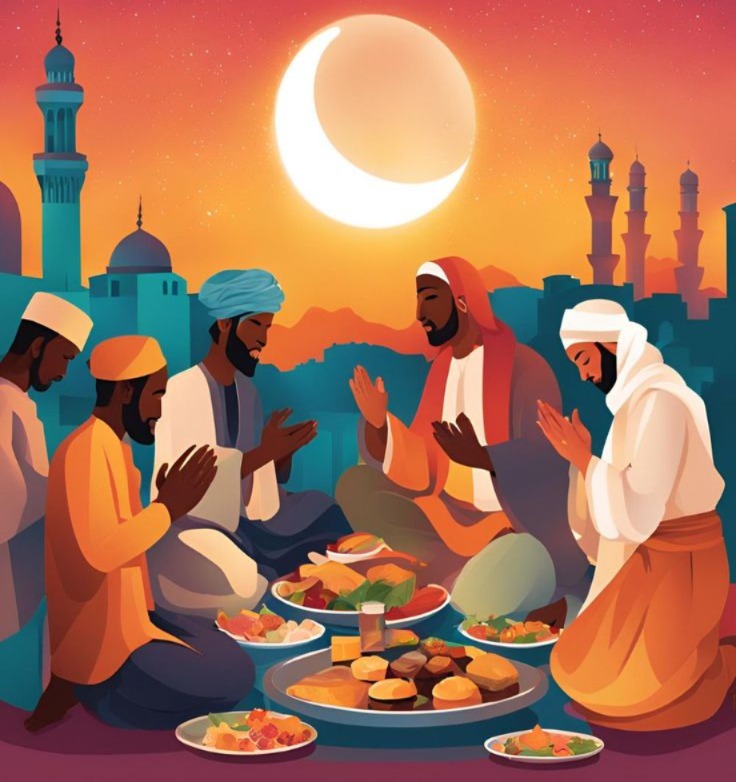
Fasting during Ramadan is obligatory for all adult Muslims who are physically and mentally capable. However, Islamic law provides exemptions for those who may be harmed or unable to fast, emphasizing mercy and balance:
شَهْرُ رَمَضَانَ ٱلَّذِىٓ أُنزِلَ فِيهِ ٱلْقُرْءَانُ هُدًۭى لِّلنَّاسِ وَبَيِّنَـٰتٍۢ مِّنَ ٱلْهُدَىٰ وَٱلْفُرْقَانِ ۚ فَمَن شَهِدَ مِنكُمُ ٱلشَّهْرَ فَلْيَصُمْهُ ۖ وَمَن كَانَ مَرِيضًا أَوْ عَلَىٰ سَفَرٍۢ فَعِدَّةٌۭ مِّنْ أَيَّامٍ أُخَرَ ۗ يُرِيدُ ٱللَّهُ بِكُمُ ٱلْيُسْرَ وَلَا يُرِيدُ بِكُمُ ٱلْعُسْرَ وَلِتُكْمِلُوا۟ ٱلْعِدَّةَ وَلِتُكَبِّرُوا۟ ٱللَّهَ عَلَىٰ مَا هَدَىٰكُمْ وَلَعَلَّكُمْ تَشْكُرُونَ ١٨٥
“Ramaḍân is the month in which the Quran was revealed as a guide for humanity with clear proofs of guidance and the decisive authority. So whoever is present this month, let them fast. But whoever is ill or on a journey, then ˹let them fast˺ an equal number of days ˹after Ramaḍân˺. Allah intends ease for you, not hardship, so that you may complete the prescribed period and proclaim the greatness of Allah for guiding you, and perhaps you will be grateful.” — Al-Baqarah[2:185]
Ramadan 2026 Fasting basics Exemptions: Children, Illness, Travel, Pregnancy, and Elderly
Who must fast (Obligatory)
- Adult: Reached puberty.
- Sane: Mentally capable.
- Physically capable: Healthy enough to endure fasting without severe risk.
- Resident: Not traveling.
Who is excused (No guilt)
Temporary exemptions (Must make up later — Qada’):
- Sick individuals: Temporary illness such as flu or infections.
- Travelers: Long-distance journeys (~50 miles / 80 km or more).
- Women during menstruation (Hayd) or post-natal bleeding (Nifas).
- Pregnant or breastfeeding women: If fasting poses a risk to their health or the child’s health.
- Severe hunger/thirst or duress that could endanger life.
Permanent exemptions (Must pay Fidyah):
- Chronically or terminally ill individuals who cannot fast.
- Elderly/frail individuals for whom fasting is physically harmful.
Children under puberty and individuals who are mentally incapacitated do not need to make up fasts or pay compensation.
Making Up Missed Fasts vs Fidyah in Ramadan 2026 (Fasting Basics Guide)
Qada’ (Making up missed fasts):
- Required for temporary exemptions.
- Fast one-for-one outside Ramadan until all missed days are completed.
Fidyah (Compensation):

- For permanent or long-term exemptions.
- Involves feeding a needy person for each missed day of fasting.
- Amount varies by country/charity; consult a trusted local organization.
Important:
- Always prioritize health and consult medical professionals.
- When in doubt about specific circumstances (e.g., medication, pregnancy, chronic conditions), ask a knowledgeable local scholar.
Fasting rules in Ramadan reflect Islam’s balance between devotion and compassion. Exemptions are not loopholes—they are divine mercy for human circumstances.
Suhoor and iftar basics that make fasting easier in Ramadan 2026
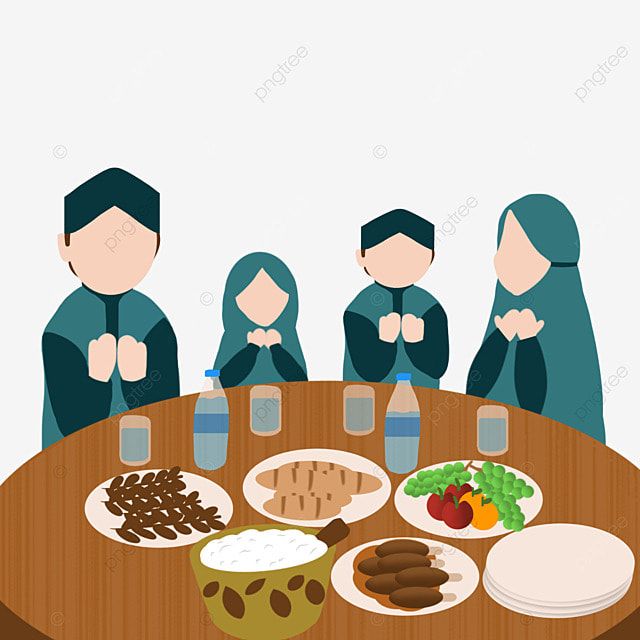
Fasting in Ramadan is not only about managing hunger — it is about preserving strength for worship. When Suhoor and Iftar are planned with intention, they support khushu‘ in prayer, focus in Quran recitation, and consistency in daily salah.
The goal of these meals is not indulgence, but hydration, steady energy, and a body that can stand in prayer without exhaustion. Small choices at Suhoor and Iftar can make a big difference in how present you feel during fasting hours and night worship.
Suhoor: timing, hydration, slow energy foods
Suhoor is a blessed meal, as the Prophet ﷺ said:
“Eat Suhoor, for in Suhoor there is blessing.” (Bukhari & Muslim)
It is your fuel for the entire fasting day — helping you stay focused in Fajr, Dhuhr, and ‘Asr prayers, and preventing fatigue that distracts from dhikr and patience.
Best practices for Suhoor:
- Eat as late as possible (close to Fajr) to sustain energy for fasting and prayer
- Hydrate gradually, making du‘a and dhikr while drinking
- Choose slow-release energy foods that prevent weakness during salah:
- Complex carbs: oats, whole-grain bread, brown rice
- Protein: eggs, yogurt, cheese, legumes, nuts
- Fiber: vegetables, fruits, whole grains
- Healthy fats: avocado, seeds, olive oil
- Avoid salty and processed foods, as excessive thirst can affect concentration in prayer
- Limit caffeine, which may cause dehydration and headaches during fasting hours
Simple Sunnah-friendly Suhoor ideas:
- Oatmeal with chia seeds and almonds
- Veggie omelet + whole-wheat toast
- Yogurt with fruit, nuts, and oats
End Suhoor calmly, make niyyah, and prepare your heart for Fajr prayer, not rushing into the day.
Iftar: how to break the fast gently (and avoid the sugar crash)
Iftar is a moment of accepted du‘a and gratitude — not just a meal. The Prophet ﷺ would break his fast gently and simply, allowing the body and soul to transition into worship smoothly.
Step-by-step Sunnah-based Iftar approach:
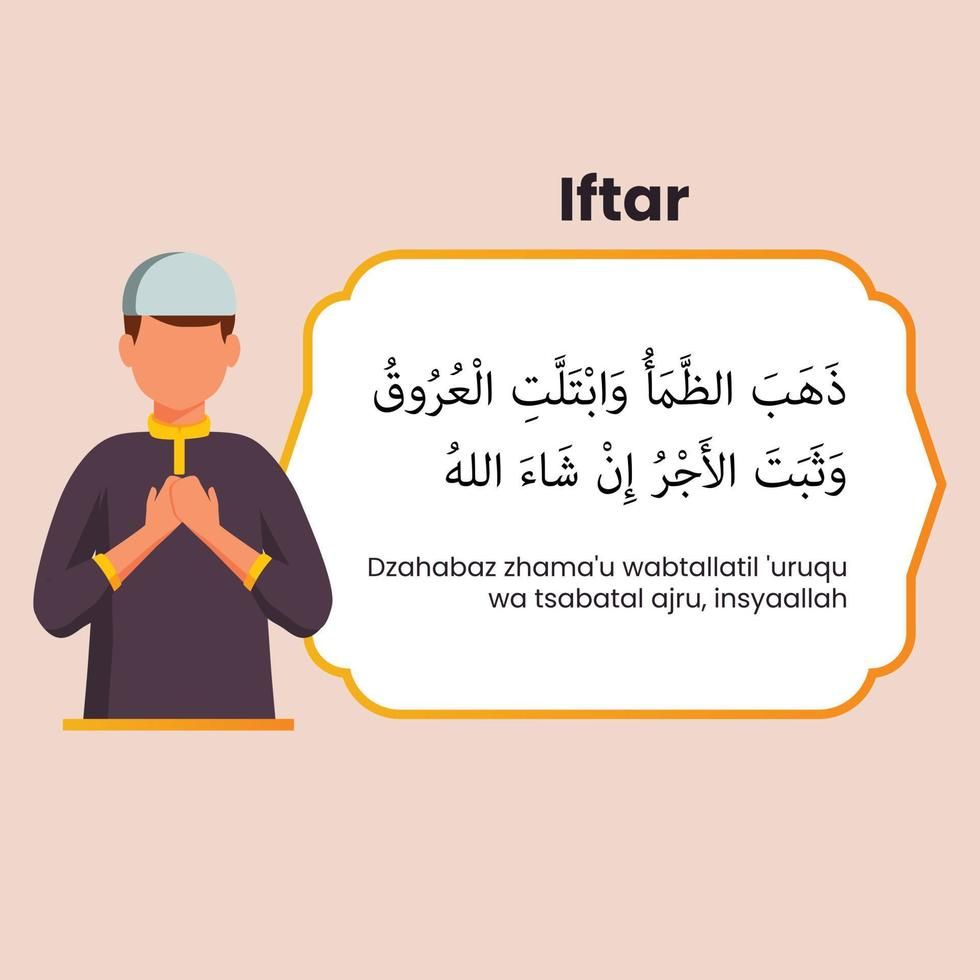
- At the moment of Iftar, pause for du‘a — this is a time when supplications are accepted.
Du‘a at Iftar (Sunnah):
Arabic: اللَّهُمَّ لَكَ صُمْتُ، وَعَلَىٰ رِزْقِكَ أَفْطَرْتُ
Transliteration: Allahumma laka sumtu, wa ‘ala rizqika aftartu
Translation: O Allah, for You I have fasted, and with Your provision I have broken my fast. - Break the fast with water and 1–3 dates
- Follows the Sunnah
- Rehydrates the body
- Provides gentle, natural energy
- Pause for Maghrib prayer
- This helps prevent overeating
- Allows the body to reset before a full meal
- Add a light soup
- Lentil, vegetable, or broth-based soups are ideal
- Eat a balanced main meal
- ¼ plate protein (chicken, fish, eggs, legumes)
- ¼ plate complex carbs (brown rice, whole wheat pasta)
- ½ plate vegetables
- Eat slowly and stop before fullness
- Overeating leads to heaviness during ‘Isha and Taraweeh
Avoid excessive fried or sugary foods, as they cause bloating and fatigue that can steal focus from night prayers.
💡 If you crave sweets, have fruit or a small dessert later — not immediately at Iftar.
A basic fasting meal template for busy days in Ramadan 2026
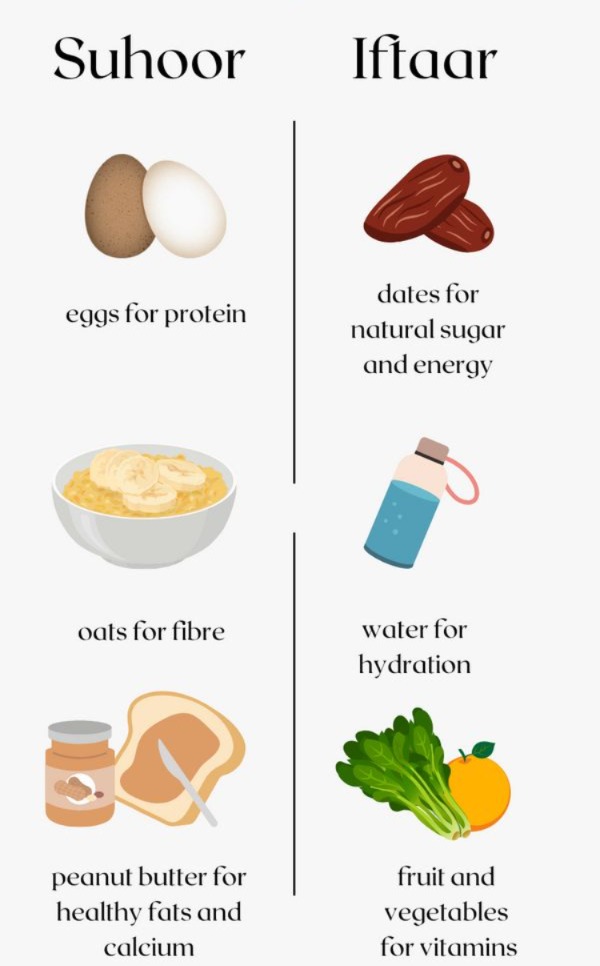
Suhoor (10–15 minutes):
- Water
- Eggs or yogurt
- Whole-grain toast or oats
- Fruit or vegetables
Iftar (balanced & light):
- Water + dates
- Soup
- Grilled protein + vegetables + whole grains
Between Iftar and Suhoor:
- Aim for 6–8 glasses of water, sipped gradually
- Light walk after Iftar to aid digestion
- Prioritize sleep to support Fajr and night worship
✨ Bottom line:
Ramadan fasting doesn’t have to feel exhausting. With a smart Suhoor, a gentle Iftar, and steady hydration, you can maintain energy, focus, and spiritual presence throughout the month.
Ramadan 2026 and fasting basics: what breaks the fast (and common confusion)

Ramadan 2026 is expected to begin around the evening of February 18, with fasting starting February 19, depending on moon sighting. During this sacred month, Muslims fast daily from Fajr (dawn) to Maghrib (sunset), abstaining from food, drink, and marital intimacy.
While the rules of fasting are well-established, many people still feel unsure about everyday actions. Understanding what clearly breaks the fast—and what does not—brings peace of mind and allows you to focus on worship rather than worry.
Clear breakers (eating/drinking intentionally, etc.)
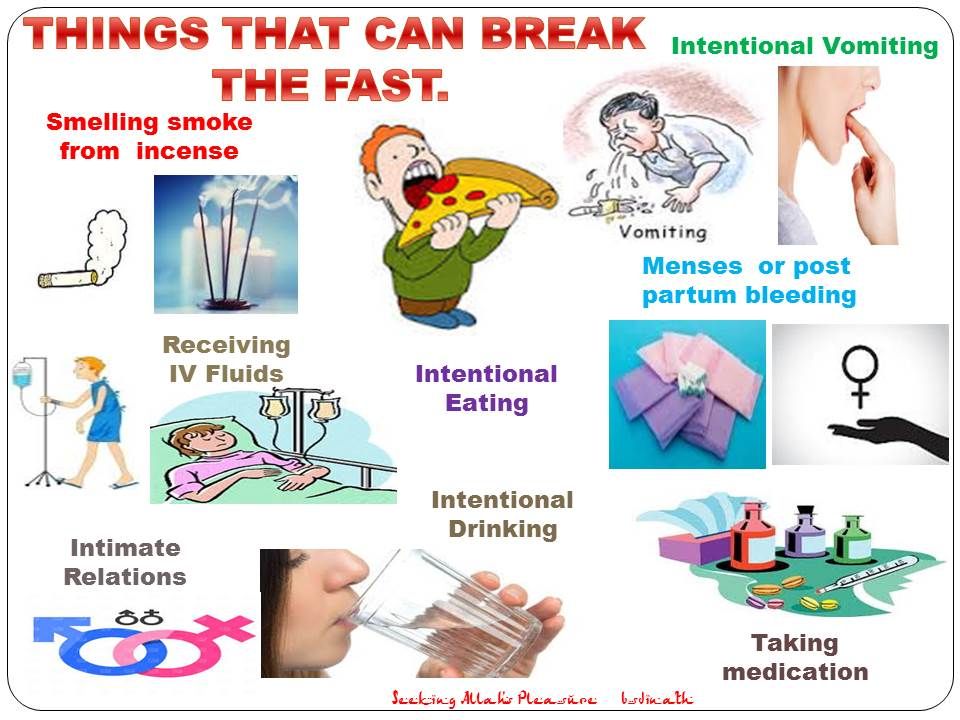
Scholars across the major schools of thought agree that the following actions invalidate the fast when done intentionally during daylight hours:
- Eating or drinking intentionally, even in small amounts
- Smoking or vaping, including anything that reaches the throat
- Marital intimacy during fasting hours
- Intentional vomiting
- Nutritional intake, such as IV fluids or injections meant to nourish the body
- Onset of menstruation (haid) or post-natal bleeding (nifas), even if it occurs shortly before sunset
Intent matters. If a person eats or drinks forgetfully, the fast remains valid as long as they stop immediately upon remembering.
Gray areas people ask about
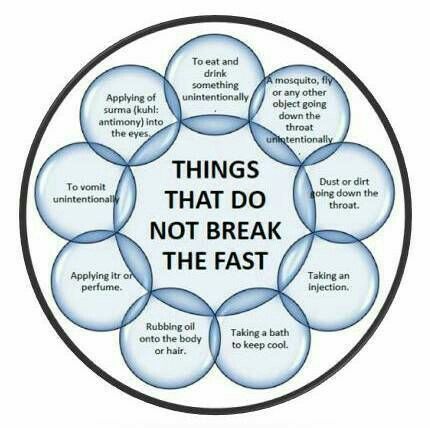
Many daily actions cause unnecessary stress, even though they do not break the fast when done correctly. Here’s some clarity on the most common questions:
- Brushing teeth or using miswak
Allowed, as long as toothpaste or water is not swallowed intentionally. - Swallowing saliva
Completely permissible and unavoidable. - Showering, swimming, or cooling off
Does not break the fast. - Smelling food or perfume
Allowed, as long as nothing is inhaled deliberately into the throat. - Injections and medical tests
Non-nutritional injections (such as insulin), blood tests, vaccinations, eye drops, and ear drops do not break the fast. - Inhalers and nasal sprays
This is a known area of scholarly difference. Some scholars permit them due to medical necessity, while others advise caution. If you rely on an inhaler or similar medication, it’s best to consult a trusted local scholar for guidance specific to your situation.
Islam places great emphasis on mercy and health. Those who are ill, traveling, pregnant, breastfeeding, elderly, or unable to fast safely are exempt and can make up the fasts later or offer fidyah where applicable.
Key Reminder
The fast is not fragile. Islam does not intend fasting to be a source of fear or constant self-doubt. Clear knowledge brings calm, and calm strengthens intention—allowing Ramadan to remain a time of devotion, reflection, and spiritual growth.
A realistic Ramadan routine for work, school, and parents
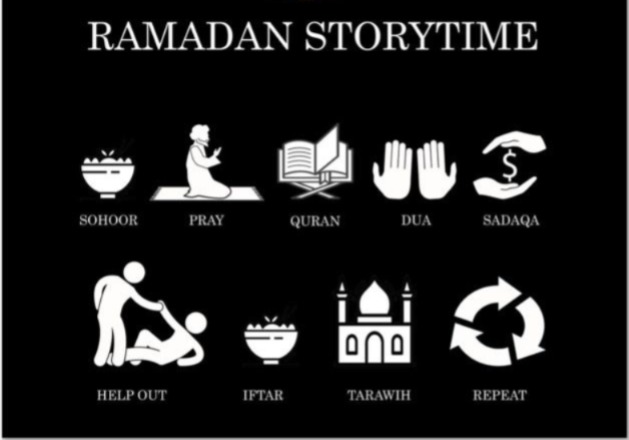
Ramadan 2026 and fasting basics come alive in real life when you’re balancing work deadlines, school schedules, children, and household responsibilities. A sustainable routine in Ramadan 2026 isn’t about doing everything — it’s about doing what you can consistently while protecting your sleep, energy, and intention.
The goal is not perfection. The goal is presence.
A “minimum bar” routine (10–20 minutes daily)
Some days will be heavy. Sleep will be short. Energy will dip. On those days, having a minimum bar keeps you spiritually connected without burnout.
This is your non-negotiable baseline:
- Suhoor + intention (niyyah)
Even a simple meal with water counts. Intention matters more than quantity. - Fard prayers on time
- 10–20 minutes of Quran or dhikr daily
One page. One short surah. A few minutes after Fajr or before sleep. - Guarding behavior
Avoiding backbiting, arguments, and unnecessary negativity is also worship.
If all you do is this — your Ramadan is still valid, meaningful, and accepted, in shaa Allah.
A “level up” routine (Quran + taraweeh + charity)
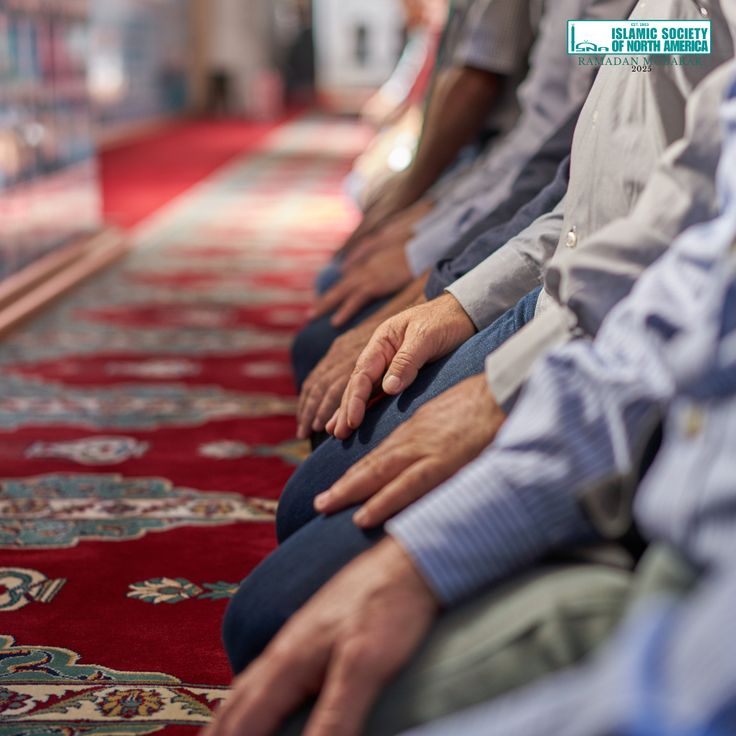
On days when energy allows, you can gently build on the minimum without overwhelming yourself.
- Quran with structure
Read a small, fixed portion daily instead of trying to “catch up.” - Taraweeh (home or mosque)
Even 2–4 rak‘ahs at home count. Consistency matters more than length. - Charity with intention
Small, regular sadaqah — even daily — adds barakah. - Use work/school breaks wisely
Short dhikr, quiet reflection, or a brief nap instead of scrolling.
This routine works best when worship is woven into daily life, not stacked on top of it.
Want to help your child build strong Quran habits from the start? → Read our blog post:
[Online Hifz Teacher for Kids – Master Quran with Expert Tutors]
Sleep strategy when nights get busy
Sleep is the backbone of a successful Ramadan. Without it, everything else becomes harder.
Practical sleep strategies:
- Split your sleep
Aim for a core sleep block + a short nap if possible. - Nap smart
20–40 minutes during lunch breaks or mid-afternoon restores energy. - Simplify Iftar
Faster meals = more rest and calmer evenings. - Lower expectations at night
You don’t need to attend everything, host everyone, or stay up late daily. - Protect the last 10 nights wisely
Increase worship without completely sacrificing rest.
A rested body supports better focus, better character, and better worship.
Final Reminder
Ramadan is not a productivity challenge.
It is a month of intention, balance, and mercy.
Some days you will soar. Some days you will barely hold on. Both are part of worship.
Worship highlights to plan for (so you don’t miss them)
Ramadan passes quickly. What helps it feel full and meaningful is not doing everything, but planning the few worship moments that matter most. When key highlights are planned in advance, worship feels intentional instead of rushed, and spiritual focus stays strong even on busy days.
Below are the most important worship anchors to plan for during Ramadan — especially for working adults, parents, and students.
Taraweeh in the masjid vs at home
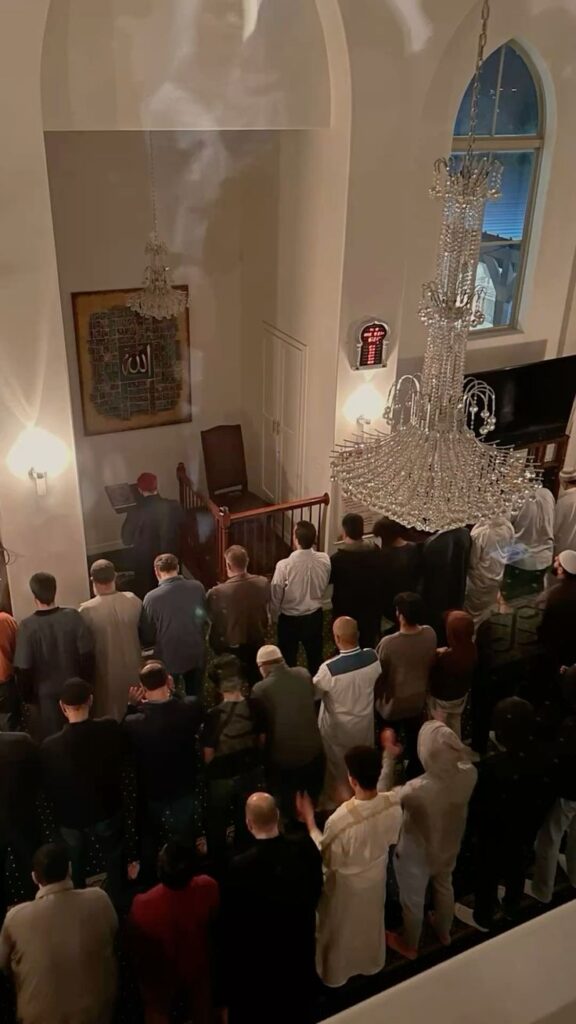
Taraweeh is one of Ramadan’s defining acts of worship, but it does not have to look the same every night.
Praying Taraweeh in the masjid
- Encourages consistency and focus
- Allows listening to longer Quran recitation
- Builds a sense of community
- Ideal when energy, childcare, and distance allow
Praying Taraweeh at home
- More flexible for parents, students, or long workdays
- Can be shorter (even 2–4 rak‘ahs)
- Still carries full reward when prayed sincerely
- Easier to maintain regularly
Balanced approach
Many people alternate:
- Masjid on weekends or lighter days
- Home prayer on heavy or low-energy nights
Consistency matters more than location or length.
Last 10 nights and Laylat al-Qadr (simple plan)
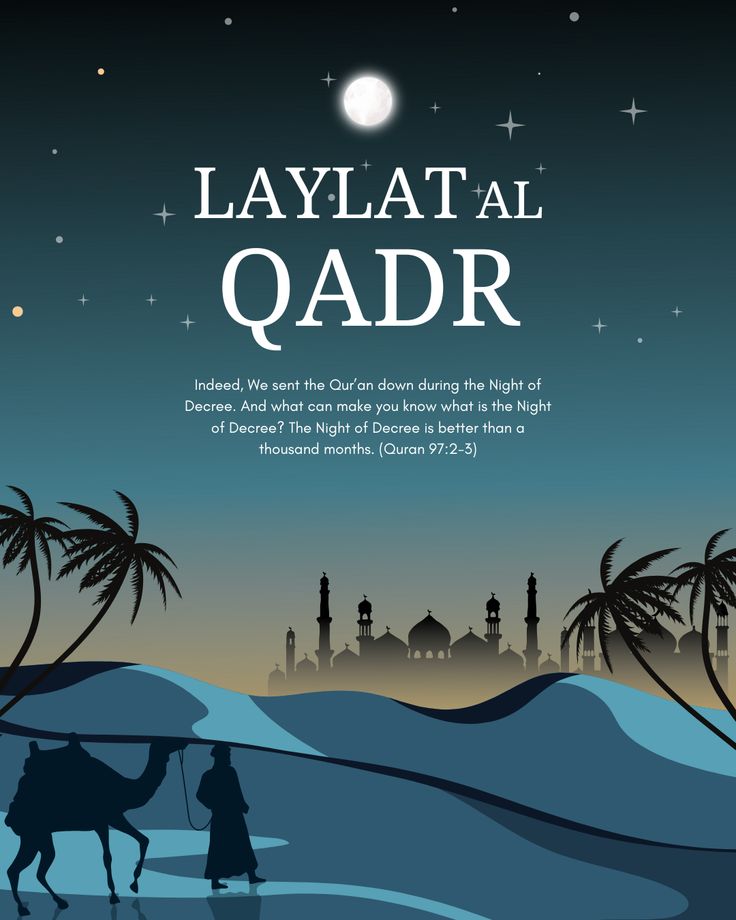
— Surah Al-Qadr [97]
The last ten nights are the spiritual peak of Ramadan. Planning them simply prevents burnout and helps maintain focus.
Before the last 10 nights
- Reduce non-essential commitments
- Prep meals early when possible
- Lower expectations for productivity
During the last 10 nights
- Increase worship gradually, not all at once
- Add:
- Extra Quran
- Night prayer (Tahajjud, even briefly)
- Longer du‘a
- Aim for consistency every night, not intensity on one night
Not sure how to structure or start your Tahajjud prayer in a simple and sustainable way?
👉Read this guide: [Tahajjud Salah]
Simple nightly structure
- Pray ‘Isha + Taraweeh
- Sleep
- Wake up for Tahajjud (even 2 rak‘ahs)
- Make du‘a before Suhoor
Laylat al-Qadr may fall on any of the odd nights. Treat every night as if it could be the one.
A small act done every night may outweigh one exhausting night of worship.
Dua list: what to ask for, and when
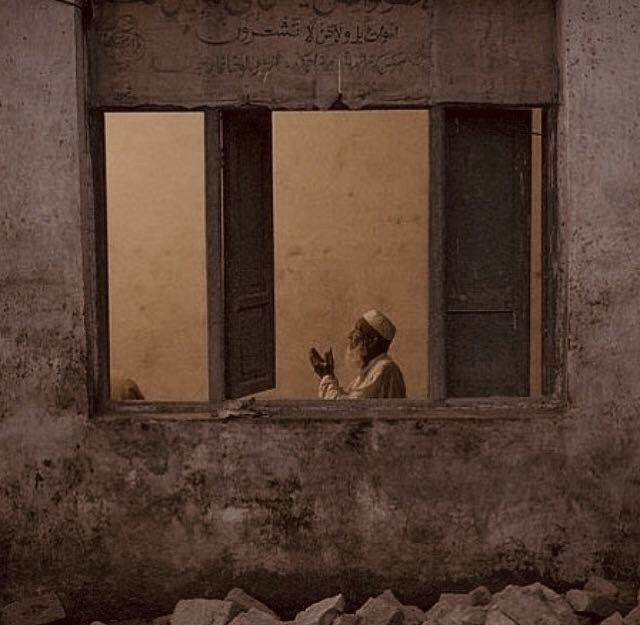
Du‘a becomes deeper when it’s intentional instead of improvised every time.
Best times for du‘a in Ramadan
- Just before Iftar
- During sujood
- Last third of the night
- After obligatory prayers
What to include in your du‘a list
- Forgiveness for past sins
- Guidance and steadfastness
- Protection for your heart, faith, and family
- Rizq (sustenance) with barakah
- Healing for yourself and others
- Relief for the Ummah
- Acceptance of all acts of worship
Tip
Write your du‘a list once. Keep it on your phone or prayer mat. Let your heart add to it naturally.
If you’d like to go deeper and really master the art of making du‘a with more concentration, feeling, and acceptance, this guide can help: [Allahumma Ameen: 5 Powerful Ways to Strengthen Your Duʿa]
Charity and good deeds that feel doable
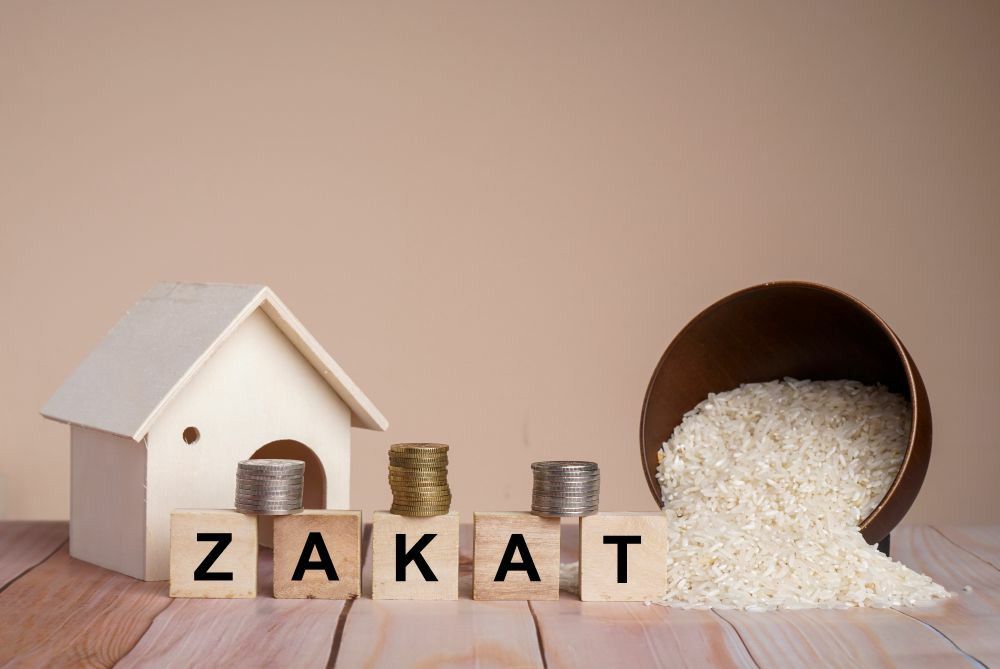
Islam encourages us to do good consistently, even if it is small and manageable. The Prophet ﷺ said:
وَأَنَّ أَحَبَّ الأَعْمَالِ أَدْوَمُهَا إِلَى اللَّهِ، وَإِنْ قَلَّ ”
“The most beloved deeds to Allah are those that are most consistent, even if they are few.” (Sahih Bukhari)
You don’t need wealth, lots of free time, or energy to earn reward. Small acts of kindness, daily sadaqah, and helping others create a ripple effect — for others, and for your own heart.
Daily sadaqah ideas (money + non-money)
Here are practical, low-effort ways to give and help every day:
1. Non-Monetary Acts (Sadaqah Jariyah & Daily Kindness)

- Smile and greet others: The Prophet ﷺ said: “Smiling in your brother’s face is charity.”
- Hold doors open or assist someone carrying items
- Offer food or water: Give dates, water, or meals to neighbors or someone in need
- Help at home or work: Carry groceries, clean, or volunteer time to assist someone
- Environmental care: Plant a tree, pick up litter, or save water/energy — even small actions are counted as charity
- Share knowledge or skills: Teach someone Quran, offer a computer lesson, or share advice that benefits others
2. Monetary Sadaqah (Even Small Amounts Count)
- Donate a few coins or small amounts daily to a trusted charity
- Contribute to local masjid projects (water wells, mosque upkeep, or Quran printing)
- Support orphans, widows, or poor families in your community
- Pay off someone’s debt anonymously
Reward is not only for large sums — giving consistently, even one dollar a day, earns Allah’s pleasure.
3. Quick Daily Actions for Busy Days
- Give water to someone passing by
- Send a helpful or kind message online
- Offer to share food or drinks with coworkers
- Pick up trash on your walk
- Read a Quranic verse to someone who may benefit from it
Small, consistent deeds are beloved because they are sustainable and done sincerely.
Zakat reminders and best timing tips
Zakat is one of the five pillars of Islam, and giving it on time is highly rewarding. As part of the Ramadan 2026 and fasting basics, planning your Zakat early helps you give with clarity, intention, and consistency. Here are some practical tips:
1. Know Your Nisab and Timing
- Zakat is due once a lunar year has passed on your wealth above the Nisab (minimum threshold).
- Track your wealth carefully — cash, savings, investments, and gold/silver count.
2. Best Timing
- Many choose Ramadan to pay Zakat: rewards are multiplied, and the poor benefit during a blessed month.
- It is also valid anytime during the year, especially when your wealth naturally reaches the Nisab.
3. Who to Give Zakat To
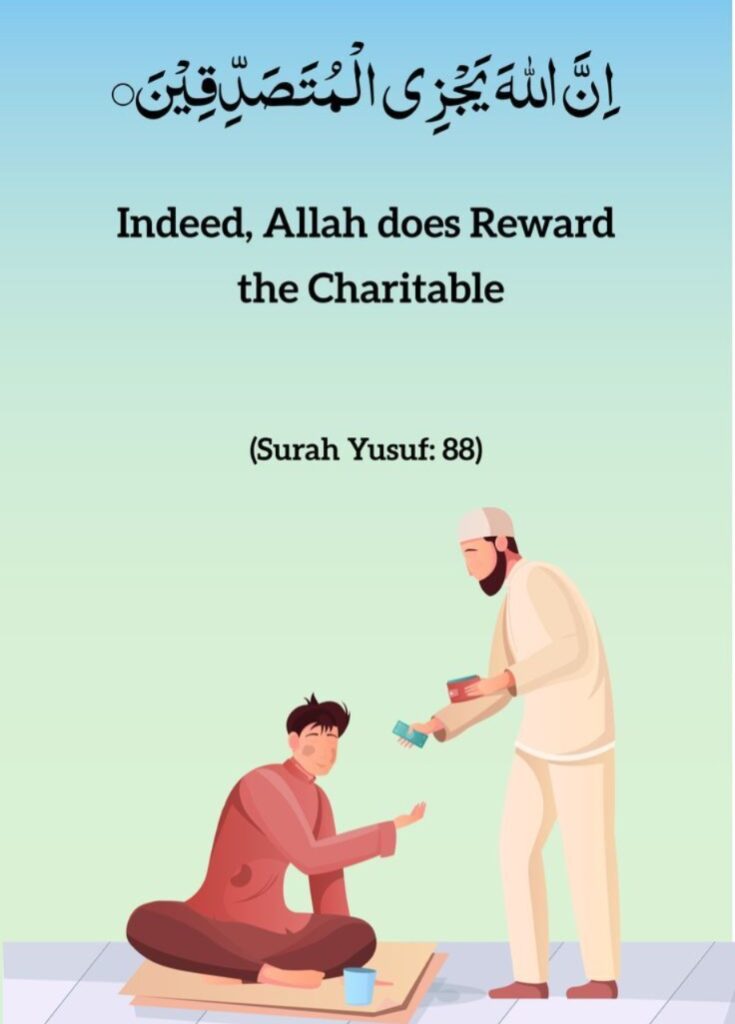
- The eight categories mentioned in the Quran (Al-Tawbah 9:60), including:
- The poor and needy
- Those in debt
- Zakat collectors
- Wayfarers (travelers in need)
- Freeing slaves (historically)
- For Allah’s cause (projects benefiting the Ummah)
- Helping the oppressed
4. Practical Tips
- Automate Zakat if possible (set aside a portion monthly)
- Give directly to trusted local organizations or individuals in need
- Combine with daily sadaqah for maximum impact
Remember: Allah multiplies the reward of every penny given sincerely and hides nothing from Him.
💡 Key Takeaway:
- Do small, consistent good deeds daily — they add up, spiritually and practically.
- Use your time, skills, and money wisely — even minimal effort earns reward in Islam.
- Combine daily sadaqah with Zakat on time, especially in Ramadan, to maximize reward.
Ramadan 2026 and fasting basics checklist

Before Ramadan (shopping, intentions, goals)
Preparing early makes a noticeable difference in how smoothly the month unfolds. Reviewing the Ramadan 2026 and fasting basics before the month begins helps you shop with intention, set realistic worship goals, and plan meals that support fasting. Take time to clarify your niyyah, outline a simple Qur’an and prayer plan, and prepare your home and schedule so Ramadan starts with calm, focus, and purpose.
1. Spiritual Preparation
- Make niyyah (intention) for Ramadan: mentally and verbally plan your fasting, Quran reading, and worship goals.
- Set personal goals for Quran completion, Du’a, Dhikr, and charity.
- Make plans for extra worship in the last ten nights (Tahajjud, Dua, Quran).
2. Health & Lifestyle Preparation
- Adjust your sleep schedule gradually to align with Fajr and Suhoor.
- Reduce caffeine and sugar intake to minimize headaches and fatigue.
- Begin mild fasting practice on Mondays/Thursdays in Sha’ban if possible.
3. Meal Planning & Shopping
- Plan nutrient-dense Suhoor (protein + fiber + water) to sustain energy.
- Prepare Iftar menu with dates, water, protein, and vegetables for balanced meals.
- Shop in advance for essentials to avoid last-minute stress.
4. Charity & Community Preparation
- Arrange Zakat and Sadaqah for the month.
- Plan to involve family in community meals or charitable acts.
During Ramadan (daily habits, meal prep, worship)
Living the Ramadan 2026 and fasting basics in daily life means building simple, repeatable habits that support both worship and well-being. During Ramadan 2026, your focus should be on consistency, not perfection — aligning your meals, prayers, and daily responsibilities around the rhythm of fasting.
From preparing easy Suhoor and Iftar meals to protecting prayer times and Qur’an recitation, applying the fasting basics of Ramadan 2026 helps you stay spiritually present while managing work, school, and family life. Small daily actions — praying on time, planning meals ahead, resting when needed, and avoiding unnecessary stress — create a balanced Ramadan routine that is sustainable and rewarding.
1. Suhoor (Pre-Dawn Meal)
- Eat a balanced meal: eggs, oats, fruits, vegetables, and plenty of water.
- Make niyyah before Fajr.
- Perform Fajr prayer and read a few pages of Quran.
2. Daily Habits
- Avoid food, drink, smoking, and marital intimacy from Fajr to Maghrib.
- Maintain all five daily prayers on time.
- Engage in Dhikr, Du’a, and reflection throughout the day.
3. Iftar (Breaking the Fast)
- Break fast with dates and water (Sunnah).
- Eat a balanced meal to sustain energy without sluggishness.
- Hydrate well between Iftar and Suhoor.
4. Evening Worship
- Perform Maghrib, Isha, and Taraweeh prayers, at home or the masjid.
- Dedicate time for Quran recitation and spiritual reflection.
- Plan extra Taraweeh/Tahajjud during the last ten nights.
5. Health & Well-being
- Take short rest breaks during the day if needed.
- Prioritize hydration and sleep to maintain focus.
- Adjust work/school schedules if possible to align with fasting energy levels.
After Ramadan (keeping the momentum)
1. Spiritual Continuation
- Reflect on your achievements and areas for growth in Quran, Du’a, and Dhikr.
- Continue habits like daily Quran reading or regular charity.
2. Health & Routine Reset
- Gradually return to normal sleep schedules while keeping beneficial fasting habits (e.g., Mondays/Thursdays).
- Maintain balanced diet and hydration post-Ramadan.
3. Community & Charity
- Continue Sadaqah and good deeds you established during Ramadan.
- Strengthen family and community connections through acts of service.
4. Personal Goal Tracking
- Write down lessons learned, rewards earned, and new intentions for the year.
- Plan for next Ramadan with improvements based on your experience.
Final Thought

Ramadan 2026 and fasting basics go far beyond abstaining from food and drink. Ramadan 2026 is a chance to reset your spiritual habits, strengthen your connection with Allah (SWT), and build fasting and worship routines that last well beyond the month.
When you understand the basics of fasting in Ramadan 2026, every fast, every prayer, and every act of charity becomes more intentional — contributing to growth, reflection, and lasting inner peace.
To make this Ramadan even more meaningful, consider enhancing your Quranic journey and Arabic skills at Areeb Academy:
- Quran Reading & Tajweed Refresh: Perfect for adults and kids wanting to read the Quran confidently and correctly.
- Arabic Reading from Zero: Learn Arabic from scratch, whether for daily life, worship, or helping your children start strong.
- Personalized Study Plan: Get guidance tailored to your goals, plus the chance to join a free trial class and experience our supportive learning environment.
Start this Ramadan with intention, structure, and the right tools — and let Areeb Academy help you make it your most productive and rewarding yet.
→ Book Your Free Trial Class Now
FAQs – Ramadan 2026 and Fasting Basics
1. When is Ramadan 2026 scheduled to start?
Ramadan 2026 is expected to begin on the evening of February 17, 2026, with fasting starting on February 18, depending on the sighting of the crescent moon in your region.
2. How long will Ramadan 2026 last?
Ramadan typically lasts 29–30 days, ending with Eid al-Fitr, which is expected around March 19, 2026, subject to moon sighting.
3. Who is exempt from fasting?
Exemptions include:
- Children who have not reached puberty
- Sick or elderly individuals
- Pregnant or breastfeeding women if fasting poses a health risk
- Travelers on long journeys
4. What breaks a fast during Ramadan?
A fast is invalidated by:
- Eating or drinking intentionally during daylight hours
- Smoking or vaping
- Sexual relations during fasting hours
- Intentional vomiting
Accidental eating or drinking does not break the fast.
5. Can I adjust my sleep and work schedule for Ramadan?
Yes. Preparing your body and mind with adjusted sleep times, short naps, and flexible work or school schedules helps maintain energy and focus for worship.
6. How can I make the most of Ramadan spiritually?
Focus on consistent Quran reading, Dhikr (remembrance of Allah), charity (Sadaqah), and Taraweeh prayers. Planning a daily routine and setting achievable goals enhances spiritual growth.
7. How can Areeb Academy help me this Ramadan?
Areeb Academy offers:
- Quran Reading & Tajweed Refresh for all ages
- Arabic Reading from Zero for kids and adults
- Personalized Study Plans with free trial classes
You can start learning now to maximize your Ramadan and beyond.