
Dua for a newborn in Islam is one of the most beautiful ways to welcome a child into the world. From the very first moments after birth, parents, family members, and loved ones can invoke Allah’s blessings for health, protection, and guidance. These supplications not only safeguard the baby from harm but also lay a spiritual foundation for their growth, character, and faith. Making dua for your newborn is an act of love, gratitude, and hope—connecting both the child and family to Allah’s mercy and divine care from the very beginning.
What Is the Dua for a Newborn in Islam?
In Islam, a dua for a newborn is a special supplication to Allah. Parents ask for the baby’s protection, blessings, and a righteous future. Every child is considered a precious gift from Allah. Muslims express their gratitude and hopes for the child through heartfelt prayers. These duas focus on seeking goodness, guidance, and safety for the baby in this world and the Hereafter.
The Authentic Dua Said for a Newborn Baby in Islam
One of the most well-known and authentic duas for a newborn comes from the Sunnah of the Prophet Muhammad ﷺ. He used to seek Allah’s protection for children with the following supplication:
Arabic:
أُعِيذُكَ بِكَلِمَاتِ اللهِ التَّامَّةِ مِنْ كُلِّ شَيْطَانٍ وَهَامَّةٍ وَمِنْ كُلِّ عَيْنٍ لَامَّةٍ
Transliteration:
Uʿīdhuka bikalimāti Llāhi t-tāmmati min kulli shayṭānin wa hāmmah, wa min kulli ʿaynin lāmmah.
Meaning:
“I seek refuge for you in the perfect words of Allah from every devil, harmful creature, and every evil eye.”
(Sahih al-Bukhari)
Another beautiful prophetic dua that is often recited to congratulate parents is:
Arabic:
بَارَكَ اللَّهُ لَكَ فِي الْمَوْهُوبِ لَكَ وَشَكَرْتَ الْوَاهِبَ وَبَلَغَ أَشُدَّهُ وَرُزِقْتَ بِرَّهُ
Transliteration:
Bārakallāhu laka fīl-mawhūbi laka wa shakarta al-wāhiba wa balagha ashuddahu wa ruziqta birrahū
Meaning:
“May Allah bless you in His gift to you, may you be thankful to the Giver, may the child reach maturity, and may you be granted their righteousness.”
These authentic duas show that Islam emphasizes a child’s spiritual, emotional, and moral well-being, not just their physical health.
When parents say these heartfelt supplications, ending them with Allahumma Ameen carries deep meaning and hope. Saying Allahumma Ameen is a way of asking Allah to accept the dua and grant what is being requested with sincerity and trust.
To learn more about the meaning and significance of saying Allahumma Ameen,
👉 Read this blog post: Allahumma Ameen – 5 Powerful Ways to Strengthen Your Duʿa
Meaning of the Newborn Dua in Simple Words
In simple terms, a newborn dua is a prayer asking Allah to take care of the baby in every possible way. When Muslims make dua for a newborn, they are asking Allah to:
- Keep the baby safe from harm, illness, and evil
- Help them grow up with strong faith and good character
- Make them kind, loving, and obedient to their parents
- Bless their life with happiness in this world and success in the Hereafter
These duas reflect a parent’s deepest hopes and dreams for their child. They are not just words, but sincere wishes for the baby’s future—filled with guidance, protection, and divine mercy.
Importance of Making Dua for a Newborn in Islam

Making dua for a newborn is one of the most meaningful acts in Islam. It allows parents and loved ones to express gratitude to Allah for the blessing of life. From the very first moments, dua becomes a spiritual shield and a source of barakah (blessings) for the child and family.
Why Dua Is Essential at the Beginning of a Newborn’s Life in Islam
The early days of a child’s life are delicate, and parents naturally wish to safeguard their little one. Making dua for a newborn in Islam at this early stage is highly recommended. It calls upon Allah’s mercy and protection. Dua for a newborn reflects a parent’s love and concern. It also lays a spiritual foundation for the child’s future. Through these prayers, parents express hope that their baby grows up with faith, good character, and guidance in all aspects of life.
Seeking Barakah and Protection for the Newborn
Parents can include specific requests in their dua, such as:
- Protection from harm, evil eyes, or negative influences
- Blessings of happiness, wisdom, and piety
- Barakah in life, health, sustenance, and character
These prayers serve as a shield of divine care, helping the child start life with blessings and protection from Allah.
Praying for Righteousness and Success
Apart from physical protection, it is highly recommended to pray for the child’s spiritual well-being. This includes asking Allah to make the baby righteous, God-fearing, and a source of joy for their parents.
Other aspects can include:
- Growing into a source of benefit to the community
- Acquiring knowledge and fulfilling their potential
- Succeeding in both this world and the Hereafter
Duas made in the quiet hours of the night hold a special place in Islam and are among the most likely to be answered.
👉 Read this blog post: Tahajjud Salah: Unlock Blessings & Transform Your Life Tonight
Sunnah Practices for a Newborn in Islam
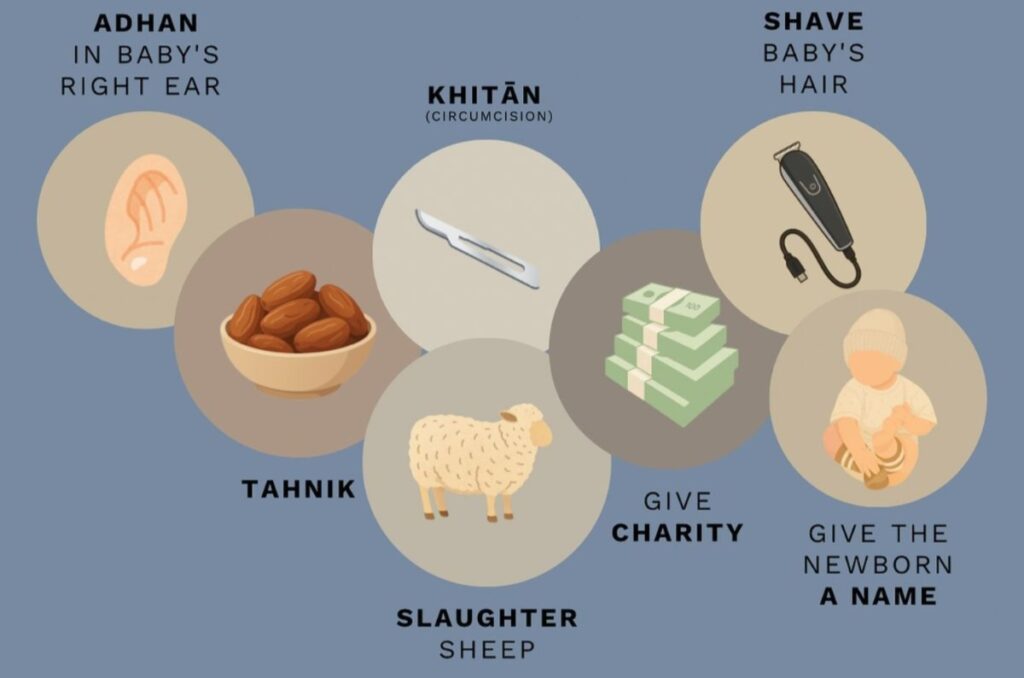
Islam provides detailed guidance on caring for a newborn, including spiritual practices that bless, protect, and welcome the child into the world. Performing Sunnah actions as part of dua for a newborn in Islam immediately after birth and in the following days helps ensure the child grows up surrounded by faith and blessings. By following these practices, parents can incorporate dua for a newborn in Islam into their daily routine, establishing a foundation of protection, gratitude, and spiritual growth.
Tahneek and Its Spiritual Meaning
Tahneek involves softening a date or something sweet and rubbing it on the baby’s palate. This practice:
- Brings blessings and sweetness to the child’s life
- Follows the example of the Prophet ﷺ
- Symbolizes the first taste of goodness and care in the baby’s early life
Saying the Adhan and Iqamah for the Newborn
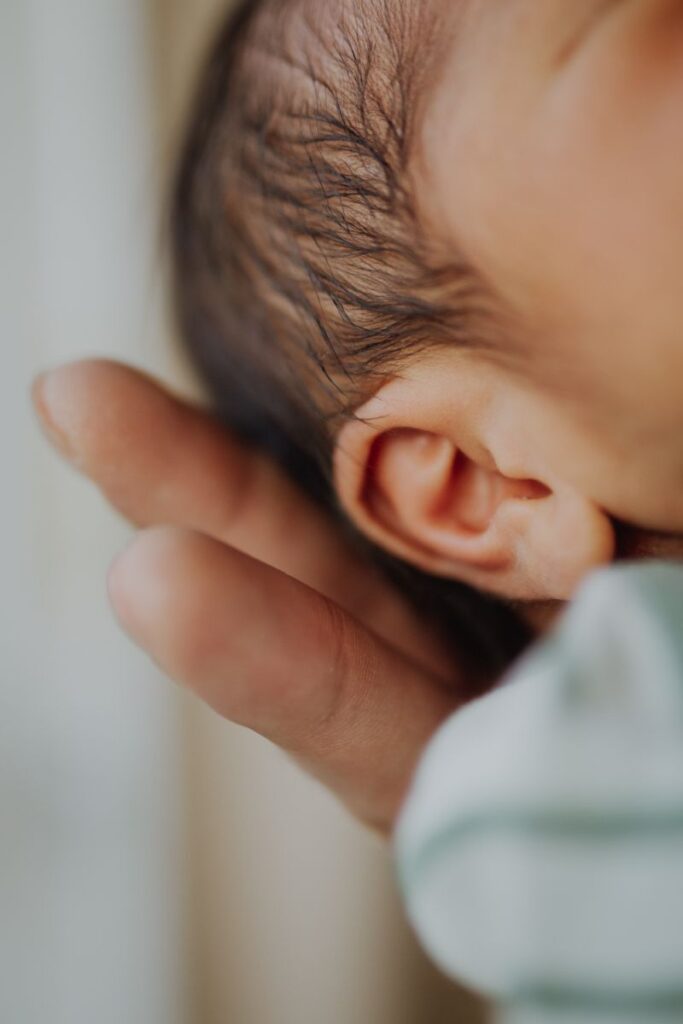
Reciting the Adhan in the baby’s right ear and the Iqamah in the left:
- Welcomes the newborn with the remembrance of Allah
- Makes these words the first sounds the baby hears
- Sets the spiritual tone for the child’s life from the very beginning
Naming the Child
Choosing a good and meaningful name, ideally on the seventh day:
- Reflects parents’ hopes and aspirations for their child
- Should carry beautiful meanings, preferably from Prophets or attributes of Allah
- Leaves a lifelong reminder of identity and faith
Aqiqah (Sacrifice for the Newborn)
Performed on the seventh day, the Aqiqah includes:
- Sacrificing an animal (two sheep for a boy, one for a girl)
- Distributing the meat to family, neighbors, and the needy
- Expressing gratitude to Allah for the blessing of the child
Shaving the Baby’s Head

- Symbolizes cleanliness and purity
- Hair is weighed and its value in silver or gold is given as charity
- Often done along with Aqiqah on the seventh day
Circumcision for Boys
- Recommended or obligatory for boys
- Symbolizes submission to Allah and follows the practice of Prophet Ibrahim (as)
- Usually performed shortly after birth or in early childhood by a qualified professional
Additional Recommended Practices
Other Sunnah practices that benefit both baby and mother include:
- Breastfeeding to nurture and strengthen the baby
- Skin-to-skin contact to build bonds
- Reciting Quran near the newborn to instill blessings and protection
Islam encourages spiritual care for a newborn, but combining it with evidence-based physical nurturing is essential. Practices like breastfeeding, skin-to-skin contact, and responsive care are proven to support healthy growth, strengthen the parent-child bond, and boost immunity. According to the World Health Organization (WHO), skin-to-skin contact immediately after birth helps regulate the baby’s temperature, heart rate, and breathing, while also promoting emotional security and successful breastfeeding. Integrating these practices with dua creates a holistic approach to a child’s early development.
Dua for a Newborn Baby Boy in Islam

Making dua for a newborn boy is a way to seek Allah’s blessings, protection, and guidance for him. These supplications, inspired by the Quran and Hadith, focus on his physical, spiritual, and moral well-being.
Recommended Dua for a Newborn Baby Boy in Islam
Some of the commonly recited duas for a newborn boy include:
- بَارَكَ اللهُ لَكَ فِي الْمَوْهُوبِ لَكَ – Bārakallāhu laka fī al-mawhūbi laka
“May Allah bless you in His gift to you, may you be grateful to the Giver, may the child reach maturity, and may you be granted his dutifulness.” - اللَّهُمَّ أَنْبِتْهُ نَبَاتًا حَسَنًا – Allāhumma anbithu nabātan ḥasanā
“O Allah, cause him to grow in a good manner, make him the comfort of his parents’ eyes, protect him, bless him for us, and make him among the righteous.” - اللَّهُمَّ اجْعَلْهُ مِنَ الصَّالِحِينَ الْمُصْلِحِينَ – Allāhumma ij‘alhu minaṣ-ṣāliḥīna al-muṣliḥīn
“O Allah, make him among the righteous, the reformers, and the dutiful to their parents.”
Other prayers include asking Allah to grant him beauty in character, strength in faith, happiness, guidance, and protection from evil influences.
Asking Allah for Righteousness and Strength
These duas focus on the child’s spiritual growth and moral strength:
- اللَّهُمَّ حَبِّبْ إِلَيْهِ الْإِيمَانَ وَزَيِّنْهُ فِي قَلْبِهِ – Allāhumma ḥabbib ilayhi al-īmān wa zayyinhu fī qalbih
“O Allah, make faith beloved to him and beautify it in his heart, make disbelief, corruption, and sin hateful to him, and make him among the rightly guided.” - اللَّهُمَّ اجْعَلْهُ مِنَ الْهُدَاةِ الْمُهْتَدِينَ – Allāhumma ij‘alhu mina al-hudāti al-muhtadīn
“O Allah, make him among the rightly guided, not among those who are astray or mislead others.” - اللَّهُمَّ احْفَظْهُ بِعَيْنِكَ الَّتِي لَا تَنَامُ – Allāhumma iḥfaẓhu bi-‘aynika allatī lā tanām
“O Allah, protect him with Your Eye that never sleeps, shelter him with Your might, and guard him from the eyes of humans and jinn.”
Other supplications may ask Allah to bless the child with knowledge, wisdom, contentment, love for Allah, and a righteous and beneficial life.
Dua for a Newborn Baby Girl in Islam
Prayers for a newborn girl follow the same spirit, seeking Allah’s mercy, protection, and guidance, while emphasizing piety, health, and happiness.
Recommended Supplications for a Baby Girl
Some duas for a baby girl include:
- Asking Allah to bless her life, grant her happiness, and make her dutiful to her parents.
- Praying that she grows up healthy, righteous, and a source of joy and comfort for her family.
- Seeking Allah’s protection from harm, evil eyes, and negative influences.
Asking Allah for Protection and Piety
Supplications focus on her spiritual and moral growth:
- Praying that Allah makes her pious, God-fearing, and among those who spread goodness.
- Asking for guidance in her life, strength in faith, and protection from misguidance.
- Seeking Allah’s blessings in her knowledge, manners, and all aspects of her life.
Dua for Protection of a Newborn From Evil Eye

Protecting a newborn from the evil eye is an important practice in Islam. One of the ways parents can do this is by incorporating dua for a newborn in Islam into their daily routine. The evil eye can occur when someone looks at a child with envy or ill-intent, but Islam teaches us to seek Allah’s protection through supplications (duas) and prophetic guidance, ensuring the child is safe, blessed, and spiritually protected.
Quranic Duas for Protection
Reciting certain verses from the Quran offers spiritual protection for a child:
- Surah Al-Falaq – To seek protection from envy, evil, and harmful creatures.
- Surah An-Nas – To seek refuge in Allah from the whisperings of Shaitan.
- Surah Al-Ikhlas – To affirm Allah’s Oneness and seek His protection.
Additional Practice: Lightly blow air over the baby after recitation while saying “MashAllah” to ward off envy.
Prophetic Duas Parents Can Say Daily
The Prophet Muhammad ﷺ taught authentic supplications to protect newborns:
- Primary Protective Dua:
أعوذ بِكَلِمَاتِ اللهِ التَّامَّةِ مِنْ كُلِّ شَيْطَانٍ وَهَامَّةٍ وَمِنْ كُلِّ عَيْنٍ لامَّةٍ
“U’idhukuma bi-kalimatillahit-tammah, min kulli shaytanin wa hammah, wa min kulli ‘aynin lammah”
“I seek refuge in Allah’s perfect words from every devil, harmful creature, and envious eye.” - Potent Alternative Dua:
بِسْمِ اللهِ الَّذِي لا يَضُرُّ مَعَ اسْمِهِ شَيْءٌ فِي الْأَرْضِ وَلا فِي السَّمَاءِ وَهُوَ السَّمِيعُ العَلِيمُ
“Bismillahil-lazi la yadurru ma’asmihi shay’un fil-ardhi walafis-sama’i wahuwas-sami’ul-‘alim”
“In the name of Allah, with Whose Name nothing on earth or in heaven can cause harm. And He is All-Hearing, All-Knowing.”
Procedure: Recite these duas and gently blow air three times over the child’s body, preferably before sleep or when the child may be vulnerable.
Duas for Healing a Sick Child

While seeking medical treatment is essential, prayers can also provide comfort and protection:
- أسأل الله العظيم رب العرش العظيم أن يشفيك
“As’alu Allah al-‘Azim Rabbil ‘Arshil ‘Azim an yashfiyaaka” – I implore Allah to grant you recovery. - اللهم رب الناس، أذهب البأس واشفِ أنت الشافي، لا شفاء إلا شفاؤك، شفاءً لا يغادر سقماً
“Allahumma Rabban-nas adhhibil-ba’sa washfi antash-Shafi la shifa’a illa shifa’uka shifa’an la yughadiru saqaman” – O Allah! Remove the illness and send healing. - بسم الله أرقيك من كل شيء يؤذيك من شر كل نفس أو عين حاسدة
“Bismillahi arquika min kulli shay’in yu’dhika min sharri kulli nafsin aw `ayni hasidin” – In the name of Allah, I invoke protection against harm and envy.
Other Duas for Children
Teaching children to pray strengthens their connection with Allah from an early age:
- For Good Behavior: “اللهم ساعدني أن أكون مهذباً ومحترماً للآخرين”
“O Allah, help me to be polite and respectful to others.” - For Success in Exams: “اللهم وفقني في دراستي وبارك لي في العلم”
“O Allah, grant me success in my studies and bless me with knowledge.” - For Protection from Harm: “اللهم احميني من أي ضرر أو خطر”
“O Allah, protect me from any harm or danger.” - For Forgiveness: “اللهم اغفر لي ذنوبي وساعدني لأصبح شخصاً أفضل”
“O Allah, forgive me for my mistakes and help me become a better person.” - For Parents’ Guidance: “اللهم بارك لوالديّ بالحكمة والهداية ليتمكنا من تربيتي على الخير”
“O Allah, bless my parents with wisdom and guidance so they can raise me righteously.” - Before Sleeping: “بسمك ربي وضعت جنبي وبك أرفعه، فإن أمسكت نفسي فارحمها، وإن أرسلتها فاحفظها بما تحفظ به عبادك الصالحين”
“Bismika Rabbi wada’tu janbi…” – To seek Allah’s protection during sleep. - Morning Prayer: “الحمد لله الذي أحيانا بعدما أماتنا وإليه النشور”
“Alhamdulillahil-lazi ahyaana ba’da ma amaatana wa ilaihin-nushoor.” - Before Eating: “بسم الله” .Teach gratitude with “Bismillahi” before every meal.
✨ Discover Powerful Duas for a Blessed Marriage
Strengthen your relationship with Allah and your spouse by learning the authentic duas for love, harmony, and guidance in marriage. Explore our detailed guide on Dua for Marriage in Islam: Powerful Prayers for Marriage and start making heartfelt supplications today!
When Should Parents Make Dua for a Newborn?
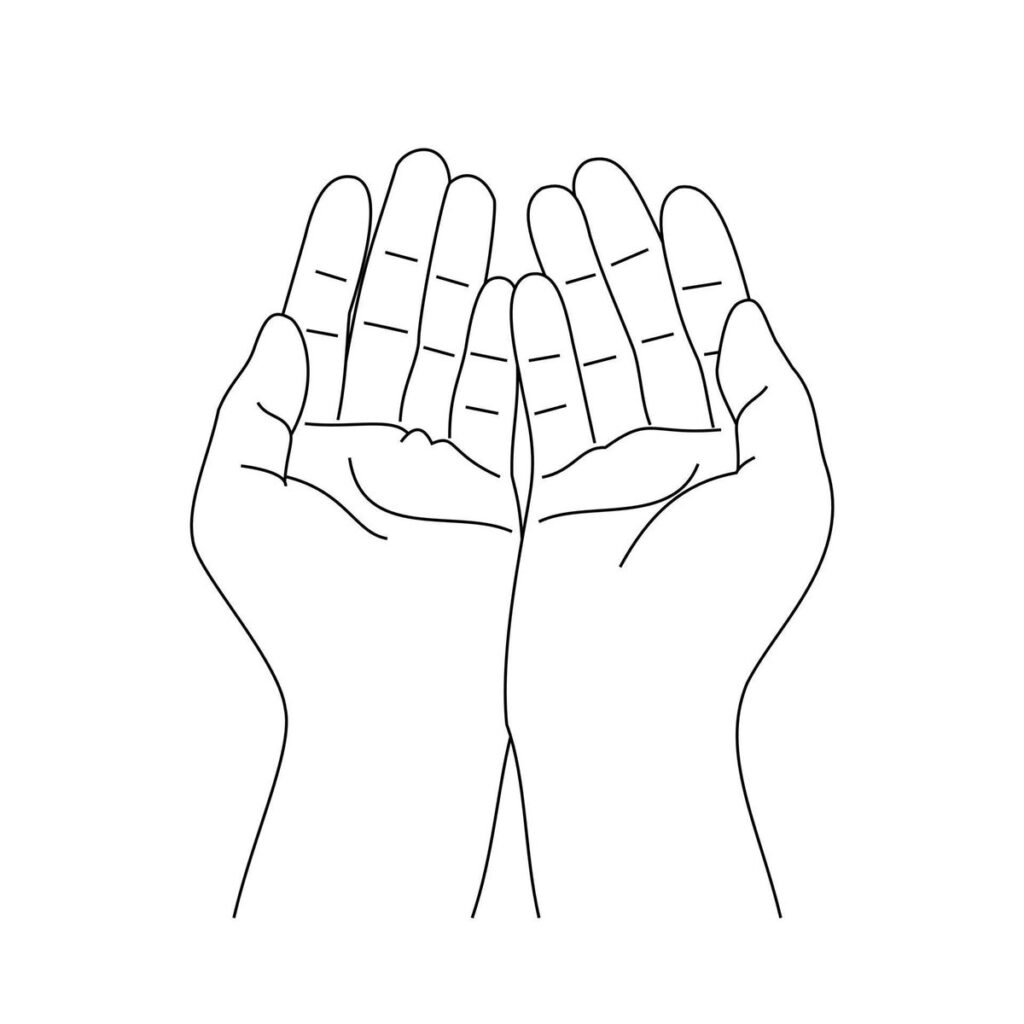
Making dua for a newborn in Islam is not only an act of love and care but also a profound spiritual responsibility. Furthermore, Islam encourages parents to pray for their child’s health, protection, guidance, and righteousness from the very first moments of life. In addition, knowing the best times to make dua for a newborn in Islam can enhance its impact. Consequently, parents are able to remain consistent in their prayers, ensuring that their child grows up surrounded by blessings and divine protection. Ultimately, this practice strengthens the spiritual bond between parent and child while laying the foundation for a righteous life.
Best Times to Make Dua for a Newborn
Some of the most rewarding moments to make dua for your baby include:
- Immediately after birth: Right after the baby is born, parents can make dua for protection, blessings, and guidance.
- During Tahneek and Adhan: When performing Sunnah practices like Tahneek or reciting the Adhan in the baby’s ears.
- After performing obligatory prayers (Salah): Prayers made at this time are considered special and are more likely to be accepted.
- In the last third of the night (Tahajjud): This is a time when Allah’s mercy is abundant, and duas are highly encouraged.
Making Dua During Sleep, Feeding, and Prayer
Parents can also incorporate dua into daily routines:
- During feeding: While breastfeeding or bottle-feeding, quietly make dua for the child’s health and spiritual growth.
- While the baby is sleeping: This is a peaceful moment where the parent’s prayers can be made sincerely and calmly.
- During salah (prayer): After completing salah, make a heartfelt dua for your child, asking Allah for guidance, protection, and barakah in their life.
Tip: Consistency matters. Even small, frequent duas throughout the day add up and become a continuous source of spiritual protection and blessings for the newborn.
Teaching Children the Power of Dua From Birth
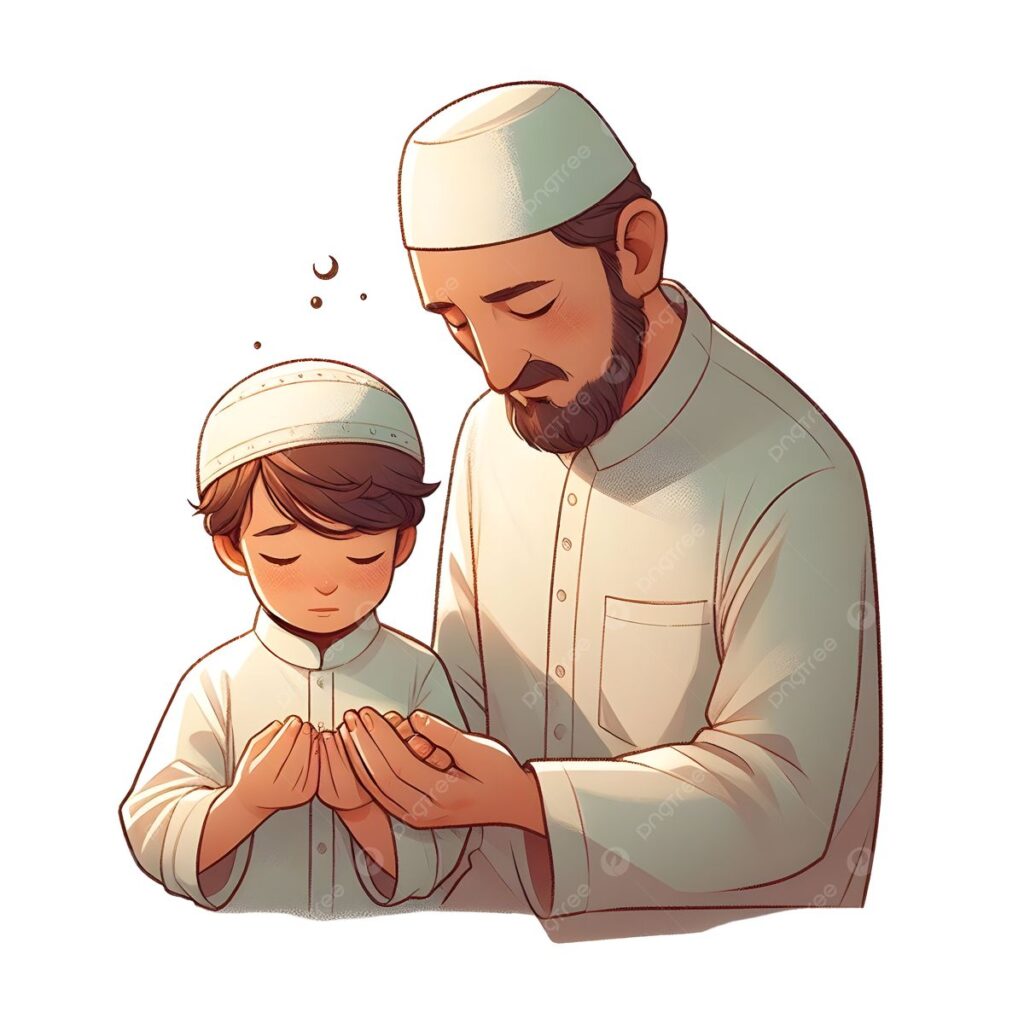
Instilling the habit of making dua in children from birth not only sets a spiritual foundation but also helps them develop a strong connection with Allah. Moreover, it turns supplication into a natural and consistent family practice that grows with the child. As a result, children gradually learn to rely on Allah in every situation. Additionally, by modeling this habit daily, parents encourage mindfulness, gratitude, and resilience. Over time, this practice becomes an integral part of the child’s life, shaping both their character and faith.
How Parents Set a Spiritual Foundation Early
Foundational Steps (Infancy & Toddlerhood):
- Speak to Allah Out Loud: Narrate your own duas to your baby, e.g., before eating, going out, or doing any daily action, showing that every moment can connect us to Allah.
- Use Simple Phrases: Introduce short, meaningful duas like Bismillah and Alhamdulillah for daily actions. Songs, visuals, or repetition help babies become familiar with these words.
- Be a Role Model: Let children see parents making dua sincerely for everything, reinforcing that Allah is the primary helper.
Building Consistency (Early Childhood):
- Explain the Concept: Teach that dua is a conversation with Allah, expressing fears, hopes, and gratitude.
- Make it a Family Habit: Pray together as a family, take turns making dua, or use a “Dua Jar” for requests.
- Encourage All Duas: Teach children to ask Allah for everything, from homework help to small daily needs.
Deepening Understanding (School Age):
- Teach Meanings: Explain the significance behind the Arabic words so dua is understood, not just recited.
- Connect to Hadith: Show how the Prophet ﷺ practiced and encouraged dua.
- Foster Empathy: Encourage making dua for others, building compassion and community awareness.
Raising Children With Love for Dua and Allah
Key Principles:
- Sincerity & Belief: Emphasize that sincere duas are always heard, even if the answer comes differently than expected.
- Any Time, Any Need: Dua isn’t just for distress—it’s for every moment of life, fostering gratitude and mindfulness.
- Patience & Creativity: Use books, flashcards, and activities to make learning about dua engaging and fun.
Practical Family Strategies:
- Make dua part of the family routine; assign days or take turns for each family member to make dua.
- Encourage children to make dua for things they want instead of automatically granting requests.
- Enroll children in fun, educational classes that teach the art of making dua, like programs from DiscoverU.
- Practice what you preach—let children witness parents relying on Allah in daily life, showing them that He is always there.
Reflections and Stories:
- Children often perceive dua literally and with innocence—like a child asking Allah for a plant to grow or Legos—and seeing prayers fulfilled teaches gratitude and reliance on Allah.
- Parents can use real-life situations to explain that Allah answers duas in many ways: immediately, delayed, in a better form, or as protection from harm.
- Consistent practice and age-appropriate discussions help children internalize reliance on Allah, building both faith and resilience.
Common Mistakes Parents Make Regarding Newborn Duas
While making dua for a newborn is highly encouraged in Islam, parents sometimes unintentionally make mistakes that reduce the impact or consistency of these supplications. Recognizing these pitfalls helps ensure that the child benefits spiritually from early prayers.
Confusing Cultural Practices With Sunnah
- Mixing Traditions and Religion: Some families may follow cultural rituals that have no basis in Islamic teachings, thinking they are part of the Sunnah.
- Overlooking Authentic Guidance: Practices like specific ceremonies or superstitions can overshadow the simple, effective duas taught by the Prophet ﷺ.
- Focus on Intention: Parents should prioritize authentic duas and spiritual intentions over cultural customs, ensuring the child receives Allah’s blessings.
Neglecting Consistent Duas After Birth
- Inconsistent Supplications: Making dua only immediately after birth but neglecting it during early months misses the opportunity to build ongoing spiritual protection.
- Forgetting Daily Moments: Simple actions like feeding, sleeping, or first words are opportunities for dua; neglecting these daily moments reduces their spiritual benefit.
- Building Routine: Parents are encouraged to integrate short, meaningful duas consistently, establishing a lasting habit for both themselves and the child.
Final Thought: Nurturing Your Child Through Dua
Making dua for your newborn is more than a tradition—it’s a spiritual investment in their future. By consistently praying for their health, protection, and righteousness, parents lay a foundation of faith and resilience. Starting these practices early helps children understand the power of connection with Allah and fosters lifelong habits of gratitude, trust, and mindfulness.
Raising a child with the love for dua and the guidance of the Sunnah enriches their life both in this world and the Hereafter. Parents who actively engage in authentic duas and model faith for their children create an environment where spirituality becomes natural and joyful.
Learning Islamic Duas and Sunnah With Areeb Academy
- Islamic Studies Courses for Parents and Families
Learn authentic duas, the wisdom behind Sunnah practices, and how to guide your child step by step. - One-to-One Guidance With Qualified Teachers
Get personalized sessions tailored to your family’s schedule, making learning flexible, interactive, and convenient. - Free Trial Class
Experience the teaching style and curriculum firsthand. Choose a time that fits your availability, and test the learning yourself before committing. - Flexible Schedules
All sessions are designed around your convenience—morning, evening, or weekends—so you can learn without disrupting your routine.
FAQs – Dua for a Newborn in Islam
1. What is the best dua for a newborn in Islam?
The most authentic dua is:
أُعِيذُكَ بِكَلِمَاتِ اللهِ التَّامَّةِ مِنْ كُلِّ شَيْطَانٍ وَهَامَّةٍ وَمِنْ كُلِّ عَيْنٍ لَامَّةٍ
(Uʿīdhuka bikalimāti Llāhi t-tāmmati min kulli shayṭānin wa hāmmah, wa min kulli ʿaynin lāmmah) – “I seek refuge for you in the perfect words of Allah from every devil, harmful creature, and every evil eye.”
2. When should parents make dua for their newborn?
Dua can be made immediately after birth and throughout the early days. Ideal times include after prayers, during feeding, before sleep, and any moment parents feel the child needs protection or blessings.
3. Can I teach my newborn to say dua?
Yes! Start with simple phrases like Bismillah and Alhamdulillah. Over time, introduce short, meaningful duas for daily activities like eating, sleeping, or waking up.
4. Does making dua really protect a newborn from harm?
Yes. While dua does not replace medical care or safety measures, it is a spiritual means to seek Allah’s protection and blessings, complementing physical care.
5. Are there different duas for baby boys and girls?
The general duas for protection, guidance, and blessings apply to all newborns. Some parents recite specific supplications asking Allah to make the child righteous, dutiful, and a source of comfort for their family.
6. How can Areeb Academy help parents and children learn Islamic duas?
Areeb Academy offers online Islamic studies courses for children and families. Parents can get one-to-one guidance from qualified teachers, try a free trial, and set class schedules according to their availability. The programs make learning duas interactive, engaging, and easy to follow.