
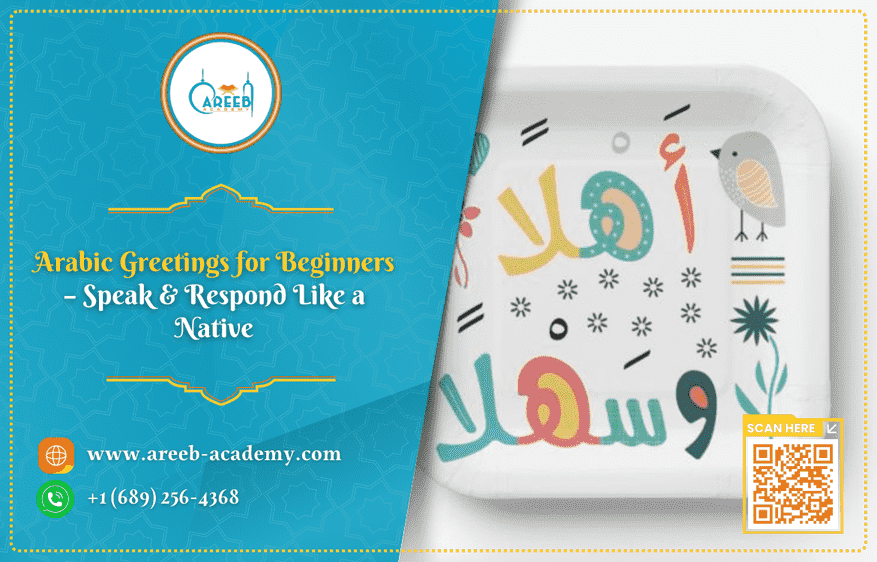
Learning a new language always begins with the simplest words, and in Arabic, that means greetings. First, whether you are meeting someone for the first time or saying hello to a friend, knowing the right Arabic greetings for beginners is essential. Moreover, these phrases are useful when starting a conversation in a professional setting. In this guide, we will explore the most common greetings, show you how to respond politely, and share cultural tips that make each interaction meaningful. By doing so, you’ll gain confidence, connect with Arabic speakers more naturally, and set a strong foundation for further learning. Ultimately, mastering these basic phrases opens the door to smoother communication and a deeper understanding of Arabic culture.
Why Learning Arabic Greetings Matters

Learning Arabic greetings is more than memorizing words—in fact, it’s a gateway to meaningful connections. In addition, greetings are essential in Arabic-speaking cultures because they demonstrate respect, show politeness, and set a positive tone for interactions. Whether you’re traveling, working, or making new friends, knowing basic greetings helps you feel confident and welcomed. For example, starting with phrases like “As-salamu alaykum” (Peace be upon you) or “Marhaban” (Hello) allows beginners to immediately engage in conversation while showing cultural awareness. Furthermore, beyond words, greetings reflect the warmth, hospitality, and values embedded in Arab society, thus giving learners a window into local traditions and etiquette.
FIRST IMPRESSIONS IN ARABIC CULTURE
In Arabic-speaking communities, first impressions rely heavily on greetings. For instance, a friendly “Ahlan” (Hi) or a respectful “As-salamu alaykum” can immediately signal sincerity and politeness. Moreover, unlike some Western cultures where a greeting might be brief, Arab interactions often involve inquiries about wellbeing, family, and health. Consequently, these initial exchanges are not only social formalities—they also establish trust and set the stage for stronger personal and professional relationships. Additionally, using correct greetings, tone, and body language—such as a warm smile or gentle handshake—can make a positive impression that lasts long after the first meeting.
GREETINGS AS A SIGN OF RESPECT

Greetings in Arabic are a direct reflection of respect and cultural understanding. Phrases like “As-salamu alaykum” carry more than just the meaning of “hello”; they convey peace, goodwill, and recognition of the other person’s presence. Failing to greet someone properly can be seen as rude or distant. Similarly, responding with “Wa alaykum as-salam” (And peace be upon you) is a polite acknowledgment. Mastering greetings shows that you value local norms and are willing to engage sincerely, which is crucial in both social and professional settings.
If you’d like to learn more about the meaning, etiquette, and variations of As-salamu alaykum, you can read our full blog post here
How Arabic Greetings for Beginners Open Conversations
Once you greet someone appropriately, immediately, doors open for meaningful dialogue. In fact, in Arabic culture, greetings often lead to questions about health, family, or day-to-day life, thereby creating a natural bridge into conversation. Simple exchanges like:
You: مرحبا! كيف حالك؟ (Hi! How are you?)
Response: أهلاً وسهلاً! أنا بخير، شكراً. وأنت؟ (Welcome! I’m fine, thank you. And you?)
…can easily transform a casual encounter into a friendly or even professional relationship. Furthermore, learning different greetings for various dialects—like إزيك؟ ezayyak in Egypt or شلونك؟ Shlonak in the Gulf—helps beginners feel more connected to local speakers, making interactions smoother and more engaging.
Basic Arabic Greetings for Beginners

Learning Arabic greetings is the perfect first step for anyone starting to explore the language. Greetings in Arabic are more than just words—they carry meaning, warmth, and cultural significance. Using the right greeting shows respect, builds trust, and opens the door to meaningful conversations. Here’s a beginner-friendly guide to the most common Arabic greetings.
Hello in Arabic – Common Ways to Say It
Learning how to say “hello” in Arabic is the first step for any beginner. Some of the most common greetings include:
- السلام عليكم (As-salamu alaikum) – Peace be upon you
Response: وعليكم السلام (Wa alaikum as-salam) – And upon you be peace - مرحبا (Marhaban) – Hello / Welcome
- أهلاً (Ahlan) – Hi / Hello (informal)
- أهلاً وسهلاً (Ahlan wa sahlan) – Warm welcome, used in formal or friendly hosting situations
- سلام (Salam) – Short and informal version of As-salamu alaikum
- مراحب / مرحبتين (Marahib / Marhabtayn) – Used to greet groups or as friendly responses in Levantine Arabic
Other useful phrases include:
- صباح الخير (Sabah al-khayr) – Good morning (Response: صباح النور – Sabah an-nur)
- مساء الخير (Masa’ al-khayr) – Good evening (Response: مساء النور – Masa’ an-nur)
Starting with these basics will give beginners confidence to greet anyone in both formal and casual situations.
Formal vs Informal Arabic Greetings For Beginners
In Arabic, greetings vary depending on the level of formality and context. Here’s a quick guide:
| Greeting | Meaning | Formality | When to Use |
|---|---|---|---|
| السلام عليكم | Peace be upon you | Very formal | Business, first meetings, elders |
| مرحبا | Hello | Neutral | Everyday conversations |
| أهلاً | Hi | Informal | Friends, peers |
| أهلاً وسهلاً | Warm welcome | Formal | Hosting, customer service |
| هاي (Hi) | Casual | Very informal | Youth, modern slang |
Using the correct greeting shows respect and cultural awareness. For example, As-salamu alaikum is universally understood and polite, while Hi / هاي is only suitable among friends or young people.
Greetings Used With Everyone
Some greetings can be used with anyone, regardless of age, gender, or social status:
- Shukran (شكراً) – Thank you, Response: Afwan (عفواً) – You’re welcome
- Ma’a as-salama (مع السلامة) – Goodbye
- Ila al-liqa’ (إلى اللقاء) – Until next time
- Allah ma’ak (الله معك) – May God be with you
- Yalla Bay (يلّا باي) – Casual “bye”
When asking “How are you?”, remember to adjust for gender:
- كيف حالك؟ (Kayfa halak?) – Male
- كيف حالكِ؟ (Kayfa halik?) – Female
Casual dialect alternatives include:
- إزيك؟ (Ezzayyak/Ezzayyek?) – Egyptian
- كيفك؟ (Keefak/Keefik?) – Levantine
- شلونك؟ (Shlonak/Shlonik?) – Gulf/Iraq
By combining these greetings and responses in real conversations, you can immediately sound more natural and respectful. Moreover, even as a beginner, practicing them helps you build confidence and make positive impressions in Arabic-speaking settings.
Islamic Greetings in Arabic
Meaning of As-Salamu Alaikum
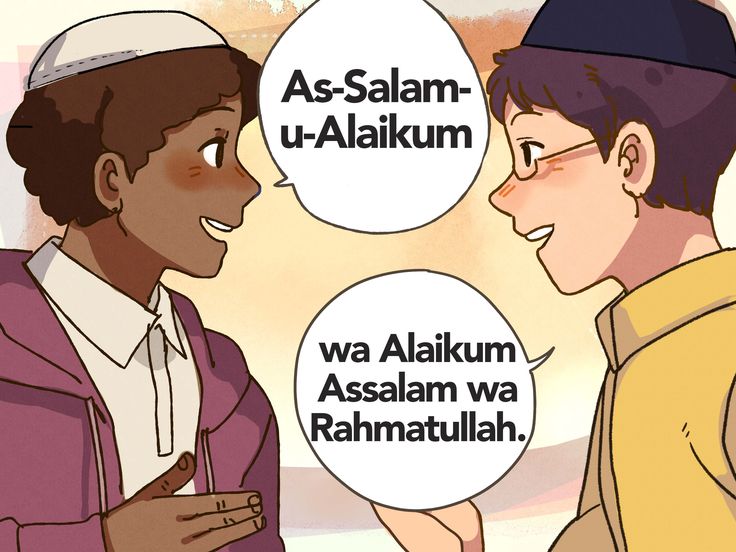
Arabic Greetings for Beginners: السلام عليكم (As-salamu alaikum) literally means “Peace be upon you.” Indeed, it is the most common Islamic greeting worldwide, reflecting goodwill, respect, and a prayer for peace, mercy, and blessings. Moreover, for Muslims, saying As-salamu alaikum is not just a casual hello—rather, it is a spiritual act that conveys sincerity and care.
Other greetings complement this core phrase:
- سلام (Salam) – Short, informal “Hi” means “Peace”
- مرحبا (Marhaban) – Hello / Welcome
- أهلاً وسهلاً (Ahlan wa sahlan) – Warm welcome, often used when hosting someone
Time-specific greetings include:
- صباح الخير (Sabah al-khair) – Good morning (Response: صباح النور – Sabah al-noor, “Morning of light”)
- مساء الخير (Masa’ al-khair) – Good evening (Response: مساء النور – Masa’ al-noor, “Evening of light”)
These phrases carry cultural and spiritual significance, blending etiquette, blessings, and warmth in everyday interactions.
How to Reply Correctly
The standard response to As-salamu alaikum is:
- وعليكم السلام (Wa alaykum as-salam) – “And peace be upon you too”
For formal or religious occasions, you may use the full reply:
- وعليكم السلام ورحمة الله وبركاته (Wa alaykum as-salam wa rahmatullahi wa barakatuh) – “And peace, God’s mercy, and His blessings be upon you”
Other polite responses include:
- مرحبا بك (Marhaban bik) – Responding to Marhaban
- أهلاً بك (Ahlan bik) – Responding to Ahlan wa sahlan
- صباح النور (Sabah an-nur) – Reply to Sabah al-khair
- مساء النور (Masa’ an-nur) – Reply to Masa’ al-khair
Responding properly is not just etiquette; it is considered a religious duty in Islam, showing respect, sincerity, and adherence to social and spiritual norms.
When to Use Islamic Greetings
Islamic greetings are versatile and can be used in almost any context:
- Everyday interactions: Greeting friends, family, or neighbors
- Religious or formal settings: Mosques, Islamic events, or meetings
- Traveling in Muslim-majority countries: Markets, offices, schools, or universities
- Across age and gender: Greetings like As-salamu alaikum are universally appropriate
Key etiquette tips include:
- Initiate the greeting whenever you meet someone—it is Sunnah (a practice of the Prophet ﷺ).
- Always reply to a greeting; neglecting it is considered impolite.
- Greet with sincerity and a smile to convey warmth.
- Use the full version when appropriate to show respect and spiritual intention.
Time-specific greetings like Sabah al-khair or Masa’ al-khair, and informal expressions like Ya Hala in Gulf countries, help adapt the greeting to the context while maintaining politeness and cultural awareness.
Time-Based Arabic Greetings
Good Morning in Arabic
Starting the day in Arabic-speaking cultures often begins with:

- Greeting: صباح الخير (Sabah al-khayr) – Good morning
- Response: صباح النور (Sabah al-noor) – Morning of light
- Informal version: صباحو (Sabaho) – Morning!
Using Sabah al-khayr is polite and demonstrates respect. Meanwhile, even a casual Sabaho is friendly and appropriate among peers or family. Furthermore, this greeting sets a positive tone for the day and is commonly used in schools, workplaces, as well as social settings.
Good Evening in Arabic
As the day winds down, people use evening greetings:
- Greeting: مساء الخير (Masa’ al-khayr) – Good afternoon/evening
- Response: مساء النور (Masa’ al-noor) – Evening of light
This greeting is suitable for both formal and informal situations. It’s a polite way to acknowledge someone in the late afternoon or evening, whether in a social gathering, workplace, or casual encounter.
Greetings Used at Night
When saying goodbye at night, Arabic has a special phrase:
- Greeting (male): تصبح على خير (Tusbih ala khayr) – Good night
- Greeting (female): تصبحين على خير (Tusbiheen ala khayr) – Good night
- Meaning: Literally, “May you wake up to goodness” or “May you wake up well”
This farewell is used when parting ways before bedtime and carries a warm, caring sentiment. Unlike morning or evening greetings, it is specifically tied to ending the day, therefore signaling closure and well-wishing for a restful night.
General Greetings (Any Time)
Some greetings can be used at any time of the day:
- السلام عليكم (As-salamu alaykum) – Peace be upon you (universal, formal/religious)
- مرحبا (Marhaba) – Hello / Welcome (informal or formal)
These greetings are versatile and appropriate in almost any context, making them perfect for beginners to start conversations confidently.
Arabic Greetings for Beginners for Different Situations

Greeting Friends and Family
When greeting friends and family, Arabic speakers often use casual and warm phrases:
- أهلاً (Ahlan) – Hi / Hey
- مرحبا (Marhaba) – Hello / Welcome
- إزيك؟ (Izzayyak? / Izzayyek?) – How are you? (Egyptian dialect)
- كيفك؟ (Keefak? / Keefik?) – How are you? (Levantine dialect)
Informal greetings, for instance, often include smiles, light touches on the shoulder (among close friends), and playful gestures. In addition, the tone is friendly, relaxed, and personal, reflecting closeness and affection.
Greetings in Professional Settings
In workplaces, offices, or business meetings, it’s important to use formal and polite greetings:
- السلام عليكم (As-salamu alaikum) – Peace be upon you
- أهلاً وسهلاً (Ahlan wa sahlan) – Welcome
- كيف حالك؟ (Kayfa halak / halik?) – How are you? (formal)
Professional greetings are polite, respectful, and are often accompanied by a handshake. Moreover, using proper titles (like Mr., Ms., or Dr.) is common. As a result, these greetings set a respectful tone for meetings, negotiations, and professional interactions.
Greeting Elders Respectfully
Showing respect to elders is essential in Arabic culture. Formal greetings and gestures convey deference:
- السلام عليكم ورحمة الله وبركاته (As-salamu alaikum wa rahmatullahi wa barakatuh) – Peace, God’s mercy, and blessings be upon you
- كيف حالك؟ (Kayfa halak / halik?) – How are you? (formal)
Additional etiquette tips include:
- Stand when greeting an elder.
- Use a gentle tone and avoid slang.
- Offer a smile and wait for the elder to initiate handshakes or hugs, if culturally appropriate.
Respectful greetings strengthen bonds, honor social norms, and reflect good upbringing and cultural awareness.
Egyptian Arabic Greetings for Beginners

Everyday Greetings Used in Egypt
In Egypt, greetings are often casual, friendly, and lively. Some common expressions include:
- أهلاً / أهلاً وسهلاً (Ahlan / Ahlan wa sahlan) – Hi / Welcome
- إزيك؟ (Izzayyak? / Izzayyek?) – How are you? (male / female)
- صباح الخير (Sabah al-khair) – Good morning (Response: صباح النور – Sabah al-noor)
- مساء الخير (Masa’ al-khair) – Good evening (Response: مساء النور – Masa’ al-noor)
- سلام (Salam) – Hi / Peace (informal)
- نهارك سعيد (Naharak sa’eed) – Have a good day
These greetings are widely used in casual conversations with friends, family, and neighbors, and they reflect the warmth and friendliness typical of Egyptian culture.
Casual vs Polite Expressions
- Casual greetings: أهلاً، إزيك؟، سلام – Perfect for friends, peers, or younger people.
- Polite/formal greetings: السلام عليكم، أهلاً وسهلاً – Used in workplaces, when meeting elders, or in professional settings.
Key tip: Egyptians appreciate effort in speaking Arabic, even in casual settings, but showing respect with formal greetings when appropriate is always valued.
Common Mistakes Beginners Make while learning Arabic Greetings
Beginners often make a few predictable errors when learning Egyptian greetings:
- Mixing dialects and MSA: Saying Modern Standard phrases like كيف حالك (Kayfa halak) in casual settings can sound overly formal.
- Incorrect gender forms: Not matching endings for male/female in إزيك؟ (Izzayyak / Izzayyek) or كيفك؟ (Keefak / Keefik).
- Skipping responses: Egyptians usually expect a reply, like صباح النور to صباح الخير. Forgetting to respond may seem rude.
- Pronunciation mistakes: Sounds like ع (‘Ayn) or ح (ḥ) are tricky but important for natural-sounding greetings.
Learning these small details helps beginners speak more naturally, connect better with locals, and avoid awkward social situations.
If you enjoyed learning these Egyptian greetings, check out our previous post Egyptian Colloquial Vocabulary: Must-Know Words with Examples for more essential words and practical examples to boost your Egyptian Arabic skills.
How to Respond to Arabic Greetings
Common Responses for Beginners learning Arabic Greetings
When learning Arabic Greetings for Beginners, knowing how to respond to greetings is just as important as knowing how to say them. Most responses simply mirror the greeting with a kind and positive phrase.
Here are some easy, beginner-friendly responses:
- As-salamu alaykum (السلام عليكم) → Wa alaykum as-salam (وعليكم السلام)
Peace be upon you → And peace be upon you too - Sabah al-khayr (صباح الخير) → Sabah an-nur (صباح النور)
Good morning → Morning of light - Masa’ al-khayr (مساء الخير) → Masa’ an-nur (مساء النور)
Good evening → Evening of light - Marhaban (مرحباً) → Marhaban / Ahlan (مرحباً / أهلاً)
Hello → Hello - Ahlan wa sahlan (أهلاً وسهلاً) → Ahlan bik (male) / Ahlan biki (female)
Welcome → Welcome to you
Moreover, these simple replies show politeness, warmth, and cultural awareness—three key elements in Arabic communication.
Polite and Friendly Replies
Arabic responses often go beyond simple acknowledgment. They reflect kindness, respect, and good manners.
For example:
- A religious greeting is usually met with an equally respectful response.
- Morning and evening greetings often include words like نور (light), symbolizing positivity and goodwill.
- When someone asks how you are, a common polite response is:
- Alhamdulillah, ana bikhayr, shukran (الحمد لله، أنا بخير، شكراً)
Praise be to God, I’m fine, thank you.
- Alhamdulillah, ana bikhayr, shukran (الحمد لله، أنا بخير، شكراً)
Politeness also includes using the correct gender endings, such as:
- Ahlan bik (to a male)
- Ahlan biki (to a female)
Even simple responses can feel warm and meaningful when spoken with a smile and sincere tone.
Keeping the Conversation Going
In Arabic culture, greetings often lead naturally into conversation. A short reply is fine, but adding a small follow-up makes the interaction feel more natural.
For example:
- Sabah al-khayr! → Sabah an-nur! Kayf halak?
Good morning! → Good morning! How are you? - As-salamu alaykum → Wa alaykum as-salam. Ahlan wa sahlan!
Peace be upon you → And peace be upon you too. Welcome!
You can also use simple phrases like:
- Shukran – Thank you
- Tasharrafna – Nice to meet you
- Inshallah – God willing
These small additions make your Arabic sound more natural and friendly, helping you connect better with native speakers.
Arabic Greetings With Pronunciation Tips
Simple Pronunciation Guide

Although pronouncing Arabic greetings correctly may feel challenging at first, with practice, it becomes much easier. Since Arabic is a phonetic language, most words are pronounced exactly as they are written.
Here are some beginner-friendly tips:
- Break words into syllables:
As-sa-la-mu a-lay-kum - Speak slowly at first, then build speed naturally.
- Listen carefully to native speakers and repeat aloud.
- Don’t worry about perfection—clarity matters more than accent.
For example:
- Marhaba → mar-ha-ba
- Sabah al-khayr → sa-bah al-khayr
- Masa’ al-khayr → ma-sa al-khayr
Practicing regularly will make these greetings feel natural in no time.
Sounds That Beginners Find Difficult
Arabic has a few unique sounds that don’t exist in English. At first, these sounds can feel strange, but with consistent practice, they become completely learnable.
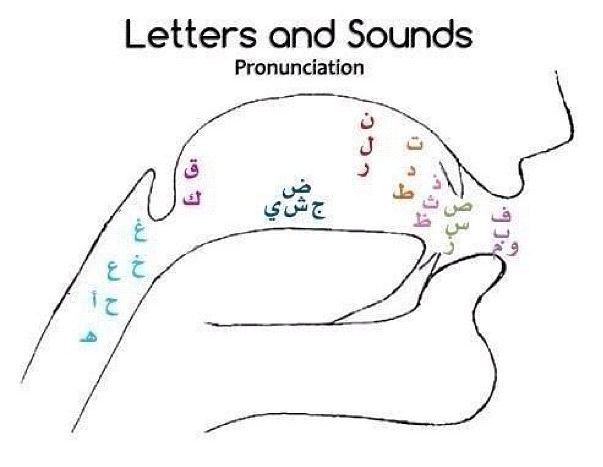
For example, some common tricky sounds include:
- Kh (خ) – A throaty sound, like gently clearing your throat
Example: khayr in Sabah al-khayr - ‘Ayn (ع) – A deep, throaty sound produced from the middle of the throat.
Example: علي (‘Ali) – A common Arabic name. - Qaf (ق) – A deep “k” sound made from the back of the throat
Example: Qur’an
Don’t worry if these sounds feel difficult initially. After all, even native speakers of other languages need time to master them. The key is to focus on being understood rather than sounding perfect.
Practice Tips for Clear Speech
The best way to improve your pronunciation is through consistent and active practice.

Here are some effective tips:
- 🎧 Listen daily: Watch short Arabic videos or listen to greeting dialogues.
- 🔁 Repeat out loud: Mimic the rhythm, tone, and pauses.
- 🪞 Use a mirror: Watch your mouth movements as you speak.
- 🗣️ Practice with real people: Even simple greetings build confidence.
- 📱 Record yourself: Compare your pronunciation with native audio.
Start small. Mastering greetings like As-salamu alaykum, Marhaba, and Sabah al-khayr will already make you sound polite, friendly, and culturally aware.
Teaching Arabic Greetings to Kids
Fun Ways to Teach Greetings

Children learn best when lessons feel like play. Teaching Arabic greetings should be fun, colorful, and interactive.
Some fun ideas include:
- Singing greeting songs
- Watching short Arabic cartoons
- Using flashcards with pictures
- Acting out simple greetings
When kids associate greetings with fun, they remember them faster.
Games and Role-Play
Role-play is one of the best ways to teach greetings naturally.
Try activities like:
- Pretending to visit a friend
- Acting like students in class
- Playing “shop” or “school”
For example:
One child says: As-salamu alaykum!
The other replies: Wa alaykum as-salam!
This helps children use greetings in context, not just memorize them.
Building Confidence in Speaking
Many kids feel shy when speaking a new language. The key is encouragement, not correction.
Tips for building confidence:
- Praise every attempt
- Avoid over-correcting
- Let kids speak freely
- Celebrate small progress
The more confident a child feels, the more they will speak—and speaking is how language truly grows.
Final Thought
Learning Arabic greetings is the first step to connecting with Arabic-speaking people, understanding their culture, and feeling confident in conversations. Moreover, mastering these basic phrases opens the door to smoother interactions, whether you’re traveling, working, or making new friends. Additionally, using the correct greetings shows respect, politeness, and cultural awareness, which can instantly create positive impressions. Furthermore, once you become comfortable with greetings like As-salamu alaikum, Marhaban, or Sabah al-khair, you’ll notice that conversations flow more naturally, and you’ll feel more confident engaging with people in both social and professional settings. Finally, consistent practice, even for a few minutes daily, helps solidify your skills, making Arabic greetings second nature over time.
Learn Arabic Smoothly with Areeb Academy
At Areeb Academy, we make learning Arabic easy, fun, and effective for everyone:
- Native Arabic Teachers: Learn from experts who speak Arabic as their first language.
- Fluent in English: Lessons are clear and easy to follow for beginners of all ages.
- Flexible Schedule: Classes are tailored to your busy routine—morning, evening, or weekends.
- Suitable for All Ages: Lessons are perfect for kids and adults alike.
- Interactive & Engaging: Fun activities, role-play, and practical examples make learning enjoyable.
Book a FREE trial now and experience our teaching firsthand! Start speaking Arabic with confidence today.