
Surah Al-Fajr (89th chapter of the Quran) is a powerful Meccan Surah that teaches life’s true lessons. It reminds us that wealth, status, and hardships are all tests from Allah, and that arrogance, greed, and neglecting the needy lead to destruction. Through stories of past nations like ‘Ād, Thamūd, and Pharaoh, it emphasizes justice, humility, and moral responsibility.
The Surah also highlights the concept of the tranquil soul (nafs al-mutma’innah)—the heart that finds peace with Allah through faith, gratitude, and righteous deeds. Its timeless lessons guide believers toward spiritual growth, compassion, and preparation for the Hereafter.
Introduction to Surah Al-Fajr

Surah Al-Fajr is one of the powerful Meccan chapters of the Quran that speaks directly to the human heart. It opens with striking oaths that draw attention to Allah’s signs in the universe and invites reflection on the purpose of life, justice, and accountability. Revealed during a time of hardship and persecution for early Muslims, this surah came as both a warning to the arrogant and a source of comfort and hope for believers.
What Is Surah Al-Fajr About?
Surah Al-Fajr focuses on the reality of divine justice and the certainty of the Hereafter. It reminds people that worldly power, wealth, and status are not signs of honor, nor are poverty and hardship signs of disgrace. Through powerful examples of past nations like ‘Ad, Thamud, and Pharaoh, the surah shows how arrogance, oppression, and corruption inevitably lead to destruction. At the same time, it strongly emphasizes moral responsibility—caring for orphans, feeding the poor, and using blessings responsibly—while concluding with the promise of eternal peace and Paradise for the righteous soul.
Position of Surah Al-Fajr in the Quran
Surah Al-Fajr is the 89th chapter of the Quran and is located in Juz’ 30, the final part of the Quran. It consists of 30 verses and is a Meccan surah, revealed before the migration to Madinah. Its placement near the end of the Quran aligns with its strong focus on reflection, accountability, the Day of Judgment, and the final outcome of human deeds—common themes throughout the last Juz’.
Why Surah Al-Fajr Is So Deep and Emotional
Surah Al-Fajr is deeply emotional because it speaks honestly about human behavior, inner struggles, and ultimate destiny. It confronts the false beliefs people have about success and failure, exposing how easily humans become attached to wealth and neglect the vulnerable. The vivid imagery of the Day of Judgment creates a sense of urgency, while the final verses offer one of the most comforting messages in the Quran: the call to the tranquil soul to return to its Lord, pleased and pleasing, and to enter Paradise. This powerful contrast between regret and peace is what makes Surah Al-Fajr so moving and unforgettable.
Basic Information About Surah Al-Fajr
Surah Al-Fajr is the 89th chapter of the Quran and one of the powerful Meccan surahs that focus on faith, morality, and accountability. It highlights Allah’s justice and wisdom through strong warnings to those who become arrogant due to wealth and power, while offering reassurance and reward to those who remain righteous and humble. The surah uses historical examples and vivid imagery of the Day of Judgment to remind humanity that every action will ultimately be judged.
Is Surah Al-Fajr Makki or Madani?
Surah Al-Fajr is a Makki (Meccan) surah, revealed before the Hijrah. It was sent down during a period of intense persecution faced by early Muslims in Mecca. Like many Makki surahs, it emphasizes core beliefs such as Tawheed, the Hereafter, divine justice, and moral responsibility, while directly challenging the materialistic and oppressive mindset of the Quraysh elite.
Meaning of the Name “Al-Fajr”

The name “Al-Fajr” means “The Dawn” and is taken from the opening verse of the surah. Dawn symbolizes clarity after darkness, the arrival of truth after ignorance, and the certainty of justice after delay. By opening with the oath of dawn, the surah sets the tone for its message: just as dawn inevitably follows night, accountability and divine justice will surely come.
The Opening Oaths in Surah Al-Fajr
Surah Al-Fajr opens with four powerful oaths sworn by Allah ﷻ, drawing attention to profound signs in time and creation. These oaths are not merely poetic expressions; rather, they emphasize the seriousness of the message that follows—accountability, divine justice, and the certainty of the Hereafter. Each oath invites people of understanding to reflect deeply on the order of the universe and recognize Allah’s wisdom and absolute power.
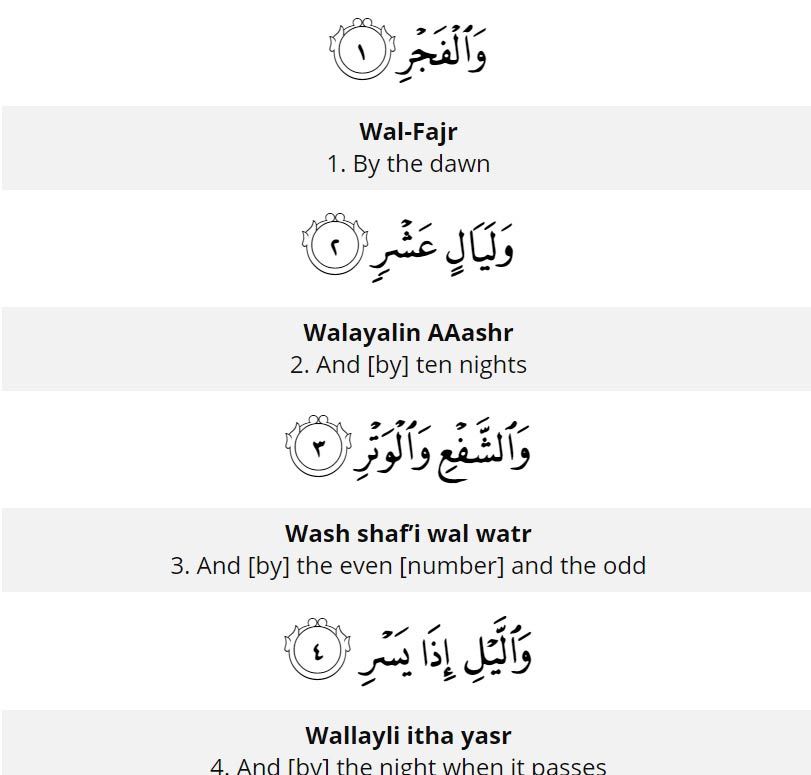
The oaths mentioned are:
وَالْفَجْرِ وَلَيَالٍ عَشْرٍ وَالشَّفْعِ وَالْوَتْرِ وَاللَّيْلِ إِذَا يَسْرِ هَلْ فِي ذَٰلِكَ قَسَمٌ لِّذِي حِجْرٍ
-Surah Al-Fajr
- The dawn
- The ten nights
- The even and the odd
- The departing night
Together, they highlight the flawless system governing time, light, darkness, and human life itself, preparing the heart to receive the warnings and promises that come later in the surah.
Allah’s Oath by the Dawn (وَالْفَجْرِ)
Allah ﷻ swears by Al-Fajr (the dawn), a moment that represents far more than the start of a new day. Dawn symbolizes the transition from darkness to light, despair to hope, and hardship to relief. Many scholars explain that Al-Fajr also signifies victory, renewal, and the rise of truth after periods of oppression.
Fajr is a deeply spiritual time. It is a moment of calm when the world is quiet and the soul is more receptive. The gradual fading of darkness into light reflects Allah’s mercy and power—nothing happens abruptly or without wisdom. Each dawn becomes a reminder that we are given another chance to return to Allah, correct our intentions, and prepare for the eternal life ahead. Especially in Ramadan, beginning the fast at Fajr places the believer in a continuous state of worship, filling the entire day with peace and purpose.
The Significance of the Ten Nights (وَلَيَالٍ عَشْرٍ)
Scholars widely understand the phrase “ten nights” as referring to the first ten days and nights of Dhul-Hijjah, among the most sacred times in Islam. During these days, Muslims perform great acts of worship such as Hajj and observe the Day of ‘Arafah, when Allah forgives sins and showers abundant mercy.
By swearing an oath by these nights, Allah ﷻ highlights the immense value of time and reminds believers that certain moments carry extraordinary spiritual weight. These blessed days encourage increased devotion, good deeds, and awareness of Allah’s presence, reinforcing the idea that success lies in how time is used, not how much wealth is accumulated.
The Meaning of the Even and the Odd (وَالشَّفْعِ وَالْوَتْرِ)
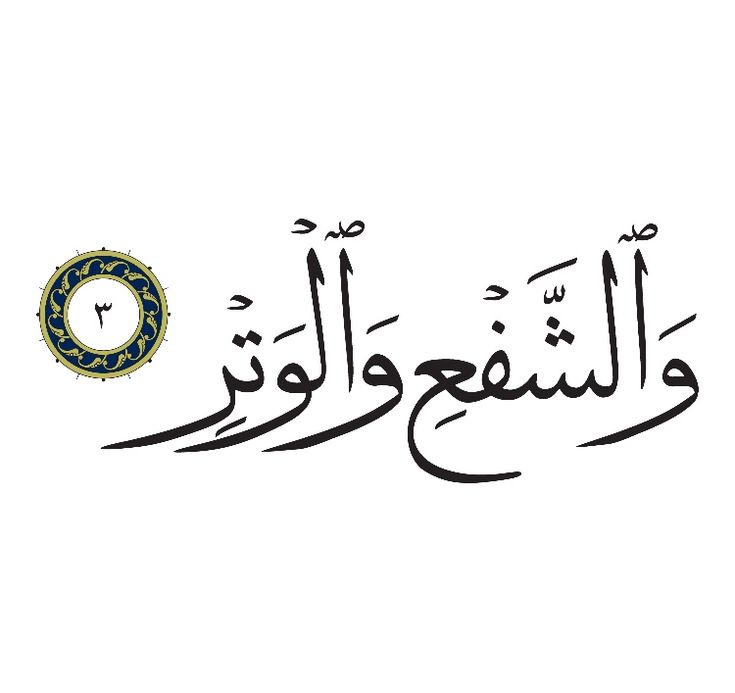
The phrase “the even and the odd” points to the balance and duality within creation. Scholars have explained it in multiple complementary ways:
- The even representing creation in pairs,
- The odd representing Allah ﷻ, the One and Unique.
It also reflects contrast—night and day, life and death, ease and hardship—reminding humanity that everything in existence follows divine order. This oath emphasizes Allah’s oneness (Tawhid) and the harmony embedded within His creation.
Allah’s Oath by the Departing Night (وَاللَّيْلِ إِذَا يَسْرِ)

Allah ﷻ swears by the night as it departs, highlighting a moment of transition. As darkness fades and makes way for light, this oath symbolizes the passing of hardship, injustice, and ignorance.
The departing night serves as a powerful reminder that no darkness lasts forever. Just as night inevitably gives way to dawn, every trial has an end, and divine justice will surely arrive. It also points to the certainty of the Hereafter—time is moving forward, and every soul is approaching its appointed meeting with Allah.
Lessons From Allah’s Oaths in the Quran
Allah’s oaths in the Quran are meant to awaken hearts and minds. When Allah swears by aspects of creation—such as dawn and night—He directs attention to signs that are constantly visible yet often ignored.
From these oaths in Surah Al-Fajr, we learn that:
- The universe operates with perfect balance and purpose.
- The alternation of night and day reflects life, death, and resurrection.
- Night serves as a reminder and a warning, while dawn brings hope and renewal.
- Just as dawn inevitably follows night, the Day of Judgment will inevitably arrive.
If night is a Nadhir (warner), then dawn is a Bashir (bearer of glad tidings). Together, they remind us that every ending is followed by a beginning, and every soul will ultimately return to Allah ﷻ to be questioned and rewarded or held accountable.
May Allah ﷻ make us among those who reflect, prepare, and receive glad tidings on the Day we meet Him—Rabb al-‘Alameen.
Stories of Past Nations in Surah Al-Fajr
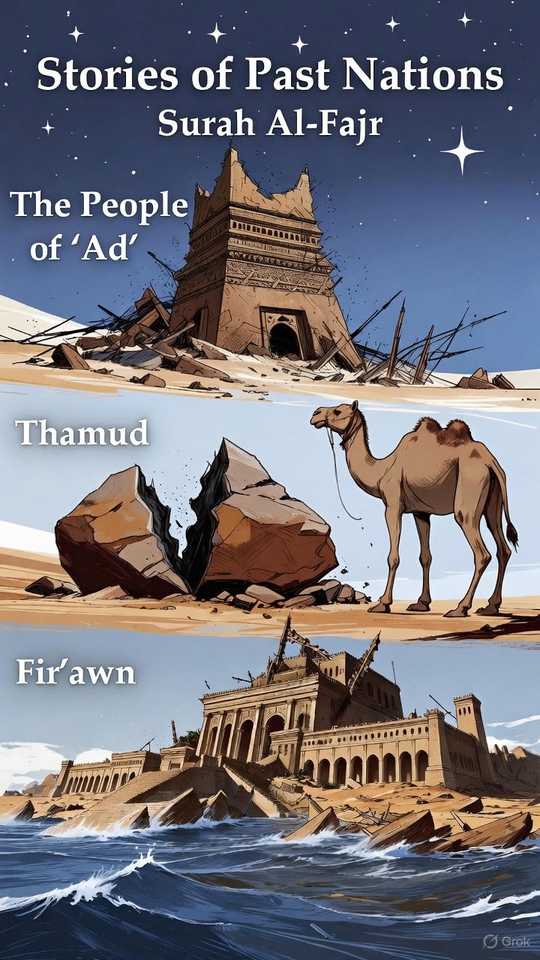
Surah Al-Fajr uses the stories of past powerful nations as living lessons for humanity. These civilizations possessed immense strength, wealth, and advanced structures, yet they were destroyed because of arrogance, corruption, and oppression. Through these examples, the surah makes it clear that worldly power is not a sign of divine favor, and that true success lies in humility, justice, and obedience to Allah.
The People of ‘Ad
أَلَمْ تَرَ كَيْفَ فَعَلَ رَبُّكَ بِعَادٍ إِرَمَ ذَاتِ الْعِمَادِ الَّتِي لَمْ يُخْلَقْ مِثْلُهَا فِي الْبِلَادِ
(Surah Al-Fajr 89:6–8)
The people of ‘Ad lived in Iram, the land of lofty pillars, and were known for their unmatched physical strength and architectural power. No nation of their time rivaled them in might or prosperity. However, this power led them to arrogance and rebellion against Allah.
They spread corruption in the land, denied the truth, and believed their strength would protect them from any consequence. Allah destroyed them completely, proving that no amount of material power or human achievement can shield a nation from divine justice when it transgresses all limits.
Thamud and Fir‘awn
وَثَمُودَ الَّذِينَ جَابُوا الصَّخْرَ بِالْوَادِ وَفِرْعَوْنَ ذِي الْأَوْتَادِ
(Surah Al-Fajr 89:9–10)
The people of Thamud were renowned for carving their homes into solid mountains, a symbol of technological advancement and security. Yet, they rejected Allah’s message and persisted in corruption and defiance. Their pride in human achievement blinded them to accountability, leading to their destruction.
Fir‘awn (Pharaoh) represents the peak of tyranny and oppression. He abused his authority, enslaved people, spread injustice, and claimed supremacy. Despite his armies and mighty structures, Allah overwhelmed him and his forces, showing that absolute power belongs to Allah alone and that tyranny always leads to downfall.
Why These Nations Were Destroyed
These nations were not destroyed because of weakness or poverty, but because of:
- Arrogance and denial of Allah
- Spreading corruption in the land
- Oppressing the weak and abusing power
- Being ungrateful during times of prosperity
Surah Al-Fajr contrasts their fate with the ultimate success of the tranquil soul (nafs al-mutma’innah)—the one who feared Allah, honored the weak, and lived with humility. The lesson is clear: wealth, strength, and status do not bring honor. True honor comes from righteousness, justice, and preparing for the Day of Judgment.
Human Nature and the Test of Wealth

Surah Al-Fajr highlights a key weakness in human nature: judging worth and success through material gain. People often assume that wealth is a sign of Allah’s pleasure and that poverty is a sign of disgrace. The surah corrects this misunderstanding by explaining that both prosperity and hardship are tests from Allah, meant to reveal a person’s true character, gratitude, patience, and moral responsibility.
How Humans React to Blessings
Allah ﷻ says:
فَأَمَّا الْإِنسَانُ إِذَا مَا ابْتَلَاهُ رَبُّهُ فَأَكْرَمَهُ وَنَعَّمَهُ فَيَقُولُ رَبِّي أَكْرَمَن
(Surah Al-Fajr 89:15)
When Allah grants ease, wealth, or status, many people respond with pride and self-satisfaction. They assume that their success is proof of honor and divine approval, forgetting that these blessings are a test. This misunderstanding often leads to:
- Arrogance and ingratitude toward Allah
- Neglecting the poor and orphans
- Hoarding wealth instead of sharing it
Allah ﷻ immediately corrects this false belief by exposing the real problem:
كَلَّا بَل لَّا تُكْرِمُونَ الْيَتِيمَ وَلَا تَحَاضُّونَ عَلَىٰ طَعَامِ الْمِسْكِينِ وَتَأْكُلُونَ التُّرَاثَ أَكْلًا لَّمًّا وَتُحِبُّونَ الْمَالَ حُبًّا جَمًّا
(Surah Al-Fajr 89:17–20)
Surah Al-Fajr teaches that blessings are opportunities for gratitude, generosity, and humility, not automatic signs of Allah’s pleasure.
How People React to Hardship
Allah ﷻ says:
وَأَمَّا إِذَا مَا ابْتَلَاهُ فَقَدَرَ عَلَيْهِ رِزْقَهُ فَيَقُولُ رَبِّي أَهَانَنِ
(Surah Al-Fajr 89:16)
In times of hardship or limited provision, people may feel humiliated or believe that Allah has abandoned them. This reaction often leads to despair or loss of hope.
Allah ﷻ responds decisively:
كَلَّا بَل لَّا تُكْرِمُونَ الْيَتِيمَ وَلَا تَحَاضُّونَ عَلَىٰ طَعَامِ الْمِسْكِينِ وَتَأْكُلُونَ التُّرَاثَ أَكْلًا لَّمًّا وَتُحِبُّونَ الْمَالَ حُبًّا جَمًّا
This firm correction makes it clear that hardship is not a sign of dishonor, but another form of divine testing. Through difficulty, Allah measures patience, trust, and perseverance. Just as ease reveals gratitude, hardship reveals sincerity of faith. Those who remain patient and rely on Allah during trials grow spiritually and move closer to the state of the tranquil soul (Nafs al-Mutmainnah).
The Quranic View of True Honor and Humiliation
According to Surah Al-Fajr, true honor does not lie in wealth, power, or social status. Honor comes from faith, righteousness, and moral conduct—especially caring for the weak and fulfilling responsibilities toward others. Humiliation, on the other hand, results from arrogance, injustice, and forgetting Allah, regardless of how wealthy or powerful a person may appear.
The surah ultimately teaches that real success belongs to those whose hearts are at peace with Allah, who pass the tests of both ease and hardship, and who prepare for the Day when all deeds will be judged.
Social Justice in Surah Al-Fajr
Surah Al-Fajr presents social justice as an essential part of true faith, not a secondary or optional virtue. The surah draws a direct connection between spiritual failure and social injustice, showing that neglecting the weak, worshiping wealth, and abusing power are signs of a corrupted heart. It teaches that one’s relationship with Allah is reflected clearly in how they treat His creation, especially the most vulnerable members of society.
Treatment of Orphans

One of the strongest social criticisms in Surah Al-Fajr is the failure to honor orphans. The surah does not merely speak about financial neglect, but about dignity and care. To “honor” the orphan means:
- Protecting their rights
- Treating them with kindness and respect
- Ensuring they are not marginalized or exploited
The neglect of orphans is presented as a clear indicator of moral decay:
كَلَّا ۖ بَل لَّا تُكْرِمُونَ ٱلْيَتِيمَ ١٧
“Absolutely not! In fact, you are not ˹even˺ gracious to the orphan,” (Surah Al-Fajr 89:17)
Caring for the Poor and Needy
Surah Al-Fajr condemns not only those who fail to feed the poor, but also those who do not encourage others to do so:
وَلَا تَحَـٰٓضُّونَ عَلَىٰ طَعَامِ ٱلْمِسْكِينِ ١٨
“nor do you urge one another to feed the poor.” (Surah Al-Fajr 89:18)
This shows that social responsibility in Islam is collective, not individual alone. A healthy society actively promotes generosity, shared responsibility, and concern for those in need. The absence of this culture reflects a heart consumed by selfishness and a lack of belief in the Hereafter, where every act—or failure to act—will be judged.
Love of Wealth and Its Dangers

The surah strongly criticizes the obsession with wealth and material success. It refutes the false belief that riches equal honor and poverty equals disgrace. Instead, Allah makes it clear that:
- Wealth is a test, not a reward
- Poverty is a test, not a punishment
- Unchecked love of wealth leads to serious social evils, such as greedily consuming inheritance, exploiting the weak, and valuing possessions over people. This materialistic mindset ultimately distances the heart from Allah and prepares it for regret on the Day of Judgment.
وَتُحِبُّونَ ٱلْمَالَ حُبًّۭا جَمًّۭا ٢٠
“and love wealth fervently.” (Surah Al-Fajr 89:20)
Awe of Allah’s Power and Justice
Through the stories of past nations, Surah Al-Fajr reminds humanity that Allah is Al-Jabbār (The Compeller) and Al-Muntaqim (The Avenger of Wrong). These nations were destroyed not because they were weak, but because they were unjust. Their downfall demonstrates that oppression and tyranny inevitably invite divine justice, no matter how powerful a civilization may appear:
- The People of ‘Ad: “Have you not considered how your Lord dealt with ‘Ad?” (Surah Al-Fajr 89:6)*
- The People of Thamud and Pharaoh: “And [with] Pharaoh and those before him” (Surah Al-Fajr 89:7–8)*
This reality brings both awe and comfort: awe at Allah’s absolute power, and comfort in knowing that injustice never goes unnoticed.
The Day of Judgment in Surah Al-Fajr

Surah Al-Fajr presents one of the most vivid and emotionally powerful descriptions of the Day of Judgment in the Quran. After reminding humanity of past nations that were destroyed for arrogance and corruption, the surah shifts to the final reckoning—when every soul will face the consequences of its deeds. The imagery is intense and deliberate, leaving no doubt about the certainty of divine justice and accountability.
The Earth Shaken and Flattened
On the Day of Judgment, the very structure of the world as we know it will collapse:
- The earth and mountains will be crushed, pounded, and completely leveled, removing all sense of security and permanence.
- This leveling creates a vast plain where all of humanity will stand equally before Allah.
- The scene emphasizes that no power, wealth, or status can offer protection on that Day.
Then Allah will come, with the angels rank upon rank, establishing the Divine Court. This moment represents absolute authority, justice, and final judgment—leaving no room for denial or escape.
Regret of the Wrongdoers
As Hell is brought forth, the reality of the Hereafter becomes undeniable:
- The wrongdoers will finally remember their neglected duties, sins, and arrogance.
- They will cry out in deep regret:
“I wish I had sent forth [good deeds] for my true life.” - However, this realization comes too late. Regret without action holds no value once judgment has begun.
Surah Al-Fajr makes it clear that remembrance after death does not benefit the soul—only deeds done in the worldly life matter.
Reality of Accountability
The Day of Judgment in Surah Al-Fajr confirms that accountability is unavoidable:
- Every test of wealth and hardship will be examined.
- Every act of injustice, neglect of the poor, and oppression of the weak will be exposed.
- The punishment for the wicked is described as severe and unmatched, reflecting the seriousness of their transgressions.
In contrast, the surah ends with one of the most comforting promises in the Quran. The tranquil soul (nafs al-mutma’innah)—the one who remained faithful, grateful, patient, and just—will be called gently:
- To return to Allah, well-pleased and pleasing
- To join the righteous
- And to enter Paradise
Final Reflection
Surah Al-Fajr reminds us that this world is temporary, and that Allah uses its tests—whether in wealth or hardship—to prepare us for the eternal life ahead. The Day of Judgment will strip away illusions, reveal truths, and establish perfect justice. Those who lived with arrogance and neglect will face regret, while those who lived with faith, compassion, and humility will find everlasting peace.
“O Tranquil Soul” – One of the Most Beautiful Verses
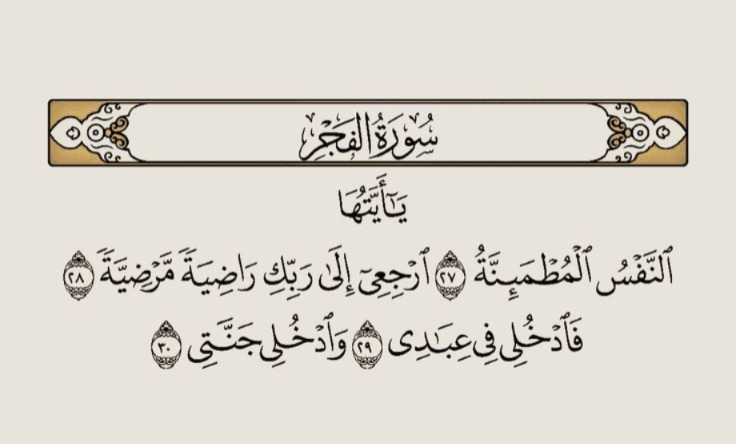
The verses “O tranquil soul” in Surah Al-Fajr (89:27–30) are among the most touching and hopeful passages in the entire Quran. After powerful warnings about arrogance, injustice, and the Day of Judgment, these verses arrive as a moment of mercy and peace. They represent the final destination of a believer who has successfully passed the tests of life and remained faithful, patient, and sincere.
Meaning of “Ya Ayyatuhan-Nafs Al-Mutma’innah”
The phrase “an-Nafs al-Mutma’innah” refers to a soul that has reached a state of deep inner peace and certainty in Allah. This tranquility does not come from worldly comfort, but from:
- Firm faith in Allah
- Trust in His decree
- Constant remembrance of Him
Such a soul is no longer shaken by fear, loss, or hardship. It finds reassurance in knowing that everything comes from Allah and returns to Him.
Who Is the Tranquil Soul?
The tranquil soul is not free from trials, but it responds to them with:
- Gratitude during times of ease
- Patience during times of hardship
- Humility instead of arrogance
- Compassion toward the weak
This soul lives in harmony with Allah’s guidance, fulfills its responsibilities toward others, and remains conscious of the Hereafter. Because of this balance, it earns both contentment with Allah and Allah’s pleasure in return.
Promise of Jannah in Surah Al-Fajr
For the tranquil soul, the final moment is not fear, but honor. Allah addresses it with words of love and acceptance:
- An invitation to return to Him
- Acceptance among His righteous servants
- Entry into His Paradise, a special and intimate form of reward
This promise represents the ultimate success in Islam—eternal peace, nearness to Allah, and freedom from all sorrow. It is the perfect conclusion to Surah Al-Fajr, reminding us that after all tests, warnings, and struggles, serenity and Paradise await those who remain true.
Main Lessons and Reflections From Surah Al-Fajr
Life Is a Test, Not a Reward
Surah Al-Fajr reminds us that life is full of tests, not merely rewards. Whether a person experiences wealth or poverty, each situation is a divine test from Allah, revealing the purity of our intentions and the strength of our character. Wealth tests our gratitude and humility, while hardship tests our patience and perseverance. The key question is: do these blessings make us thankful, or arrogant and complacent?
True Success Is in Obedience to Allah
The stories of past nations, like ‘Ād, Thamūd, and Pharaoh, clearly show that arrogance, corruption, and greed lead to destruction. Surah Al-Fajr warns us against pride and excessive attachment to material wealth, teaching that true success comes not from power or riches, but from obeying Allah, upholding justice, and caring for the vulnerable, including orphans and the poor.
Preparing the Soul for the Hereafter
Our ultimate goal is to prepare the soul for the Day of Judgment. Surah Al-Fajr emphasizes the concept of the Tranquil Soul (Nafs al-Mutmainnah), the soul that finds peace and contentment through faith, righteous deeds, and passing life’s tests. Achieving this inner peace requires patience, sincerity, and detachment from excessive worldly desires. The dawn (Fajr) symbolizes new beginnings, hope, and the light of truth overcoming darkness, inspiring spiritual renewal in our hearts and minds.
Reflection Points
- Are my blessings making me grateful or arrogant?
- Am I neglecting the poor and orphans in my pursuit of wealth?
- Am I striving for a tranquil soul or temporary worldly gains?
- Am I learning from the downfall of past civilizations to avoid their mistakes?
Benefits of Reciting Surah Al-Fajr
Spiritual Impact on the Heart
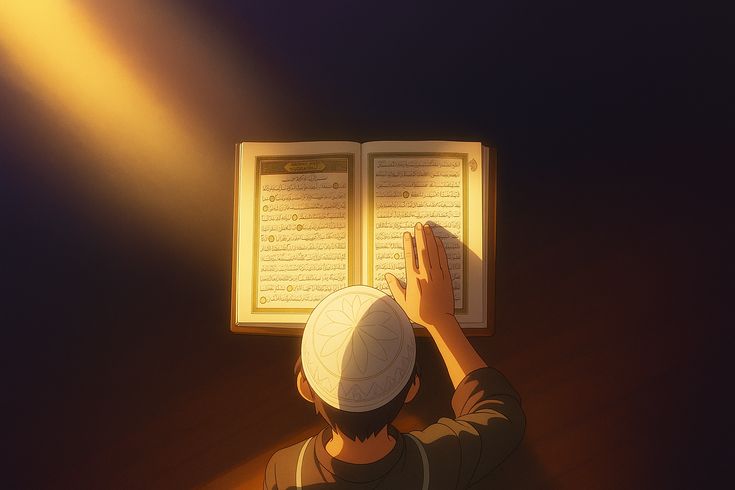
Reciting Surah Al-Fajr offers immense spiritual benefits, touching the heart, mind, and soul. It brings forgiveness of sins and acts as a source of light on the Day of Judgment, guiding believers toward inner peace. Its verses inspire hope, contentment, and detachment from worldly highs and lows, nurturing the tranquil soul (Nafs al-Mutmainnah). Reflecting on the Surah encourages mindfulness, prompting believers to act righteously and remain conscious of their responsibilities toward Allah and His creation.
Forgiveness and Illumination
Through daily recitation, believers seek Allah’s mercy and forgiveness. Each verse is a reminder to examine one’s life, repent for past mistakes, and strive for purity in thoughts and actions. Surah Al-Fajr emphasizes that both blessings and trials are divine tests, helping the reciter cultivate gratitude, patience, and trust in Allah. Its vivid reminders of the afterlife encourage believers to prepare for the Day of Judgment, with deeds that illuminate their path and earn Allah’s pleasure.
Protection and Relief
The Surah’s connection to dawn and its opening oath—“By the dawn”—symbolizes divine protection and spiritual renewal. Reciting it at Fajr strengthens faith, shields the believer from harm, and provides emotional relief in times of stress or anxiety. By reflecting on Allah’s power and justice, the reciter gains resilience, mental clarity, and peace, even amid life’s challenges.
Lessons Against Arrogance and Materialism
Surah Al-Fajr recounts the fate of past nations, including ‘Ād, Thamūd, and Pharaoh, who were destroyed due to arrogance and corruption. It warns against excessive love of wealth, oppression, and neglect of the poor and orphans. Reflecting on these stories encourages moral integrity, humility, and conscious effort to do good deeds, fostering both spiritual growth and social responsibility.
Practical Benefits for Everyday Life
- Relief from Stress and Anxiety: The Surah reminds believers that both blessings and trials are part of life’s tests, providing comfort during hardships.
- Cure and Healing: Recitation serves as spiritual ruqyah, promoting emotional and physical well-being through reliance on Allah.
- Blessings in Offspring: Acts of kindness, compassion, and care for the vulnerable attract barakah in family and home life.
- Acceptance of Duas: Reciting at dawn aligns the heart with prayer, making supplications more heartfelt and spiritually receptive.
- Enhanced Spirituality and Mindfulness: The Surah increases awareness of Allah’s presence, transforming heedlessness into mindfulness and nurturing a tranquil, obedient soul.
- Reward Multiplier and Knowledge Gain: Reflecting on its verses multiplies rewards, strengthens understanding, and elevates the believer in rank both spiritually and intellectually.
When to Recite Surah Al-Fajr
The Surah is most beneficial when recited during the Fajr prayer, aligning with its opening oath and granting spiritual protection throughout the day. Reciting it after Fajr or before sunrise strengthens the connection to Allah during moments of stillness, reflection, and devotion.
Spiritual Significance of the Ten Nights
The Surah begins with an oath “By the ten nights” (89:2), traditionally interpreted as the first ten days of Dhul-Hijjah. These sacred days culminate in Eid al-Adha and are a period of heightened worship, charity, and spiritual reflection. Surah Al-Fajr emphasizes the importance of devotion, linking dawn to renewal and the pursuit of moral and spiritual excellence.
The Prophet Muhammad (ﷺ) said: “There are no days in which righteous deeds are more beloved to Allah than these ten days.” The companions asked, “Not even jihad in the way of Allah?” He replied, “Not even jihad in the way of Allah, except a man who goes out with his life and wealth and does not return with any of it.” (at-Tirmidhi 757)
This hadith highlights the immense value of these days for good deeds, worship, and seeking closeness to Allah, perfectly complementing the Surah’s message of reflection, accountability, and moral excellence.
Teaching Surah Al-Fajr to Children
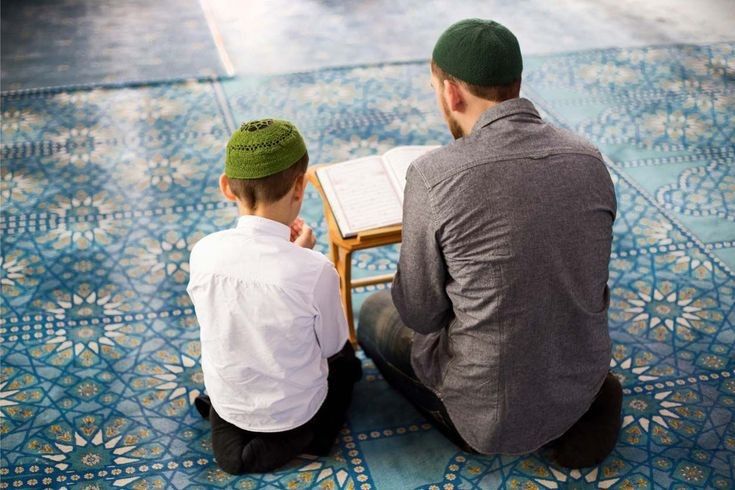
1. Explaining the Meaning in Simple Words
When teaching kids, break the Surah into easy-to-understand ideas:
- Life is a Test: Allah gives people wealth, health, and happiness, but also challenges. These tests help us learn to be thankful and patient.
- Be Kind and Fair: We should care for those who are poor, orphans, or in need, just like Allah wants us to.
- Arrogance is Wrong: People who are proud and greedy can forget Allah, and history shows this leads to trouble.
Use simple examples from daily life, like sharing toys or helping friends, to make these lessons relatable.
2. Moral Lessons Kids Can Understand
- Gratitude: Say “thank you” to Allah for blessings every day.
- Helping Others: Giving to the needy is a way to make Allah happy.
- Being Humble: No matter how much we have, we must stay kind and fair.
- Trusting Allah: Difficulties are part of life, and patience brings peace.
3. Making Quran Learning Engaging
- Stories & Visuals: Share the stories of past nations like ‘Ād, Thamūd, and Pharaoh with simple drawings or animations to explain consequences of arrogance.
- Interactive Activities: Let children act out kindness, patience, or sharing, reinforcing the Surah’s lessons.
- Songs & Rhymes: Use easy-to-memorize tunes for key verses to make recitation fun.
- Reflection Questions: Ask questions like:
- “What can we do to help someone today?”
- “How can we say thank you to Allah?”
- “What does being humble mean?”
4. Summary for Kids
Surah Al-Fajr teaches us to be good, patient, and thankful. It reminds us that life has tests, and doing the right thing makes Allah happy. By helping others, staying humble, and trusting Allah, we can have a happy heart and be close to Him.
Final Thoughts on Surah Al-Fajr
Surah Al-Fajr is a profound chapter of the Quran that teaches us about life’s tests, the importance of gratitude, caring for the needy, and preparing our hearts for the Hereafter. Its timeless lessons encourage patience, humility, and a deep connection with Allah, guiding us toward inner peace and spiritual growth. Reflecting on this Surah helps us understand that true success lies not in wealth or status, but in cultivating a tranquil soul and living a life pleasing to Allah.
Learn Quran With Understanding at Areeb Academy
- One-to-One Sessions: Learn the Quran in personalized lessons, tailored to your own pace.
- For Adults & Kids: Courses designed for all ages, from beginners to advanced learners.
- Expert Teachers: Our experienced instructors explain meanings, lessons, and proper recitation clearly.
- Affordable & Flexible: Study at a schedule that suits you without breaking the budget.
- Focus on Understanding: Go beyond memorization—connect with the meaning of every Surah.
- Moral & Spiritual Growth: Lessons are designed to help you apply Quranic teachings in everyday life.
- Comfortable Learning Environment: Learn from home, online, in a supportive and interactive setting.
🌟 Book Your Free Trial Session Today!
Experience a live lesson with our expert teachers, explore our teaching style, and start your journey with the Quran confidently.