
Ramadan is a blessed month filled with spiritual opportunities, and one of the most rewarding acts of worship is Taraweeh prayer at home. Whether you’re unable to attend the mosque, want to strengthen family bonds, or are looking for a more personal connection with the Quran, praying Taraweeh at home provides flexibility and spiritual depth. This guide will help you plan your recitation, maintain focus, and create a meaningful prayer routine, so you can experience the full blessings of Ramadan without feeling overwhelmed.
Ramadan is also a time to reset daily habits beyond prayer. If you’re preparing your full Ramadan routine, you may find our Ramadan 2026 guide with fasting basics, key dates, and practical fasting tips helpful for planning the month with clarity and balance.
What is Taraweeh Prayer?
Taraweeh prayer is a special voluntary night prayer that Muslims perform during the month of Ramadan after the obligatory Isha prayer. Muslims pray it only in Ramadan, and it remains closely connected to the Quran because Allah revealed the Quran during this blessed month.
The prayer is performed in sets of two rakahs and may continue until before Fajr. Muslims may pray Taraweeh in the mosque in congregation or perform Taraweeh prayer at home individually or with family members — both are valid and rewarded.
The word Taraweeh comes from an Arabic root meaning “rest,” referring to the short pauses traditionally taken after every four rakahs due to the length of the prayer.
Why taraweeh is special in Ramadan
Taraweeh prayer holds a unique place in Ramadan because it combines two of the greatest acts of worship: salah and Quran recitation. During these nightly prayers, Muslims stand in devotion, listening to or reciting portions of the Quran while reflecting on its meaning.
The Prophet Muhammad ﷺ encouraged night prayer in Ramadan and said that “whoever stands in prayer during Ramadan with faith and hope for reward will have their past sins forgiven” -Sahih al-Bukhari 2008
Because of this promise, many Muslims see Taraweeh as a powerful opportunity for spiritual renewal, forgiveness, and strengthening their connection with Allah.
Whether performed in a mosque or as Taraweeh prayer at home, the goal remains the same: consistency, reflection, and sincere worship.
Is taraweeh wajib or sunnah?
Taraweeh prayer is not obligatory (fard). Scholars agree that it is a highly emphasized Sunnah (Sunnah Mu’akkadah), meaning it was regularly practiced and strongly encouraged by the Prophet ﷺ but not required.
This distinction is important because Islam does not intend hardship. A Muslim who cannot pray Taraweeh every night due to work, health, or family responsibilities is not sinful. However, performing it — even in a shorter form or as Taraweeh prayer at home — brings great reward and spiritual benefit.
The flexibility in Taraweeh is intentional: Muslims can pray according to their ability while maintaining consistency throughout Ramadan.
Can You Pray Taraweeh Prayer at Home?
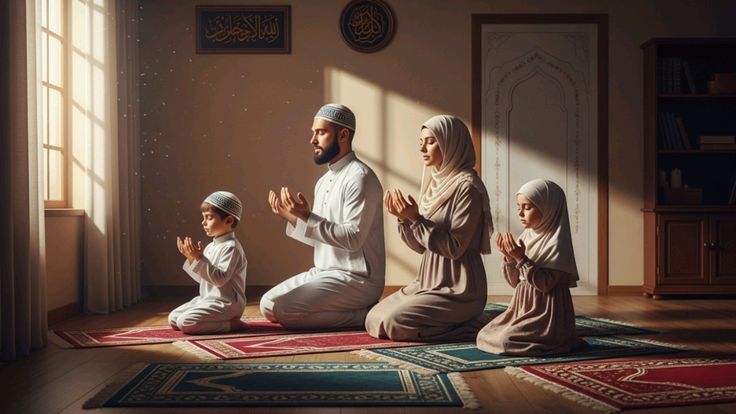
Taraweeh prayer can absolutely be performed at home, either individually or with your family. It is a Sunnah prayer that does not have to be performed in a mosque. In fact, the Prophet Muhammad ﷺ performed most of his Taraweeh prayers at home after Isha and before Witr, praying in sets of two rak‘ats.
Performing Taraweeh at home is valid, rewarding, and encouraged, especially when attending the mosque is difficult, when women have household responsibilities, or when you want a calm, focused environment.
Short answer:
Even though praying in the mosque has a higher reward for men, Taraweeh prayer at home is fully permissible and spiritually beneficial. You can pray alone or lead your family in prayer, reciting from memory or using a Quran/Mushaf/phone.
The key is sincerity and focus — Allah rewards every effort, whether it’s two rak‘ats or a full set of twenty.
When praying Taraweeh prayer at home makes the most sense
Praying Taraweeh at home is particularly helpful if:
- You want a quiet, distraction-free environment for concentration.
- You have family/work responsibilities that make attending the mosque difficult.
- You prefer flexibility in timing and length of prayer.
- You’re teaching children the practice of nightly Ramadan prayers.
Even if you sometimes attend the mosque, combining that with Taraweeh prayer at home is a valid approach, allowing consistency and spiritual benefit throughout Ramadan.
Taraweeh Prayer at Home: What You Need Before You Start
Performing Taraweeh prayer at home is a highly rewarding Sunnah, whether prayed alone or with family. Preparing properly helps maintain focus, increases the quality of recitation, and ensures the prayer is comfortable and spiritually fulfilling.
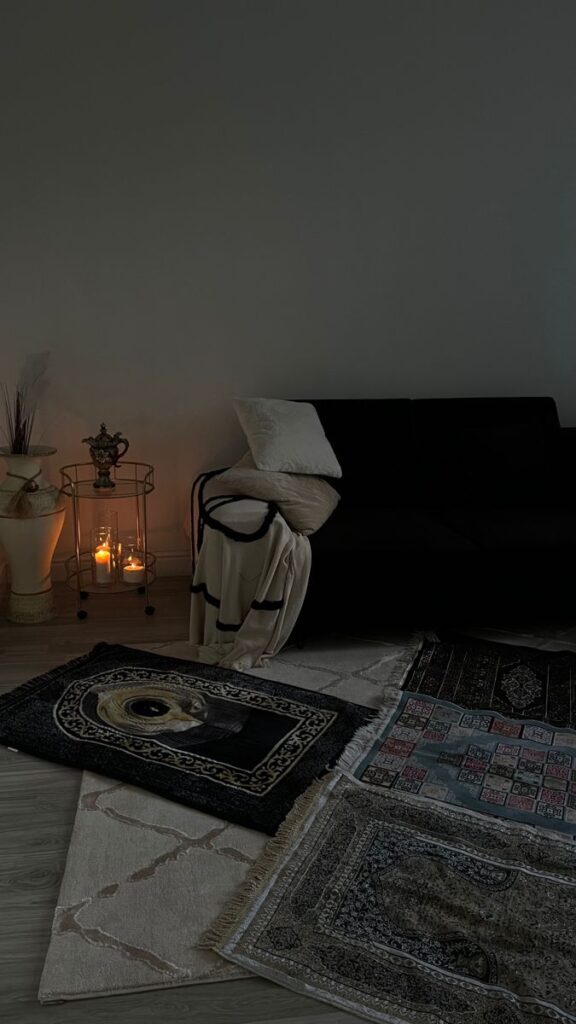
Wudu, clean space, and a calm corner is essential to pray Taraweeh prayer at home
- Wudu (Ablution): Make sure you are in a state of ritual purity before starting.
- Clean, Dedicated Space: Designate a quiet area in your home to act as a mini-mosque, away from distractions like TVs or phones.
- Modest Attire: Wear clean, comfortable clothing that covers the required awrah.
- Prayer Mat or Rug: Recommended for comfort, though not mandatory.
- Hydration: Keep water nearby if you plan to pray multiple rakahs or take short breaks.
What to do if you don’t have the Quran memorized
- Use a Mushaf or Quran App: It’s perfectly fine to hold the Quran or use a digital app for recitation.
- Recite What You Know: Even if you only know a few surahs, repeat them; consistency and focus are more important than quantity.
- Plan Your Recitation: Decide in advance whether you want to recite short surahs or aim to cover larger portions of the Quran gradually during Ramadan.
- Focus on Understanding: Take the time to reflect on the meaning, even if recitation is brief.
Choosing a realistic start time (after Isha)
- Taraweeh prayer is performed after the obligatory Isha prayer and before Witr.
- For many, it’s helpful to pray after Isha Sunnah or take a short rest after Isha before starting Taraweeh.
- Pick a consistent time each night and a duration that matches your energy and ability — quality matters more than quantity.
- Short breaks between sets of 2–4 rakahs are encouraged, allowing dhikr (remembrance of Allah) or dua (supplication).
👉 If you’re unsure what to say after prayer, you can read our simple guide to daily dhikr after salat to help you stay consistent and focused.
How Many Rakahs for Taraweeh Prayer at Home?
Taraweeh prayer at home is flexible in the number of rakahs you can perform. The prayer is voluntary, so you can choose a number that fits your ability, energy, and schedule. The key is consistency and focus on quality recitation, rather than strictly completing a set number.
Common options (and why you may see different numbers)
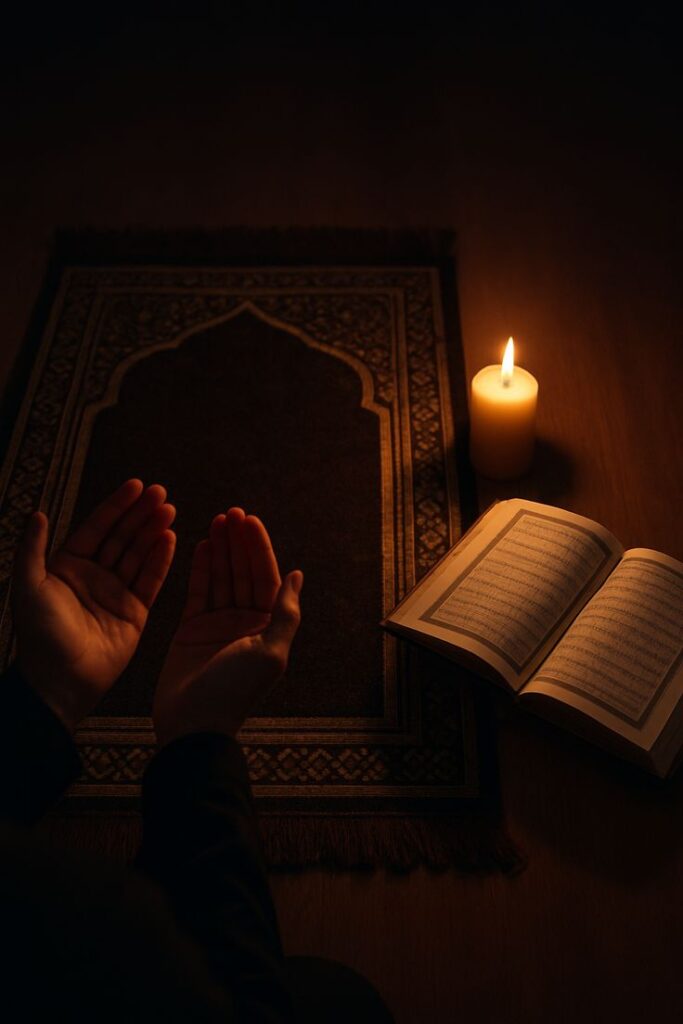
- 8 Rakahs: A simple, beginner-friendly option, often recommended if praying alone at home.
- 20 Rakahs: Common in mosques and for those who want a longer, more immersive recitation of the Quran.
- Other Numbers: You can also pray 10, 12, 14, 16, 18, or more rakahs. There is no fixed limit — flexibility is allowed and encouraged.
The variation exists because the Prophet ﷺ sometimes prayed 8 rakahs at home, while the companions and later congregations often prayed 20.
- Structure: Pray in sets of two rakahs (2 + 2 + 2…) and take short breaks after every four rakahs if needed.
- Focus: Longer recitation with attention and reflection is preferred over rushing through more rakahs.
The easiest approach for beginners: start small and stay consistent
- Begin with 8 rakahs if you’re new or praying alone.
- Pray two rakahs at a time, taking short breaks to rest or make dhikr (remembrance of Allah) and dua.
- Gradually increase the number of rakahs as you become more comfortable.
- Consistency matters more than finishing 20 rakahs — praying a small number sincerely each night is highly rewarded.
Witr after taraweeh: where it fits
- Witr prayer is prayed after completing your Taraweeh rakahs.
- It is an odd-numbered prayer, typically 1 or 3 rakahs.
- You can include Witr immediately after your final set of Taraweeh rakahs, even if you only prayed 2–8 rakahs that night.
- Witr concludes your night prayer and completes the cycle of nightly Ramadan worship.
Step-by-Step: How to Pray Taraweeh Prayer at Home
Taraweeh is a voluntary night prayer performed during Ramadan, in units called rakahs. It can be prayed alone or with family, and the number of rakahs is flexible (commonly 8 or 20). The goal is sincerity, focus, and reflection on the Quran.
Intention (niyyah) in a simple way

Before starting, make the intention in your heart to pray Taraweeh for Allah’s sake.
Alone:
أُصَلِّي سُنَّةَ التَراوِيحِ رَكعَتَينِ لِلَّهِ تَعَالَى
Usolli sunnata-taraawiihi rak’ataini lillah ta’ala
“I intend to pray the Sunnah prayer of Taraweeh two rakahs for Allah ta’ala.”
If praying in congregation:
- Imam:
أُصَلِّي سُنَّةَ التَراوِيحِ رَكعَتَينِ إِمَامًا لِلَّهِ تَعَالَى
Usolli sunnata-taraawiihi rak’ataini imaamam lillah ta’ala - Follower (Makmum):
أُصَلِّي سُنَّةَ التَراوِيحِ رَكعَتَينِ مَأمُومًا لِلَّهِ تَعَالَى
Usolli sunnata-taraawiihi rak’ataini makmumam lillah ta’ala
Pray in sets of two rakahs (a practical pattern)
- Begin with Isha:
- 4 rakahs fardh of Isha
- 2 rakahs Sunnah of Isha
- Start Taraweeh:
- Pray 2 rakahs at a time.
- After every 4 rakahs, take a short break to rest, make dhikr, or dua.
- Repeat until you reach your chosen total (e.g., 8, 12, 20).
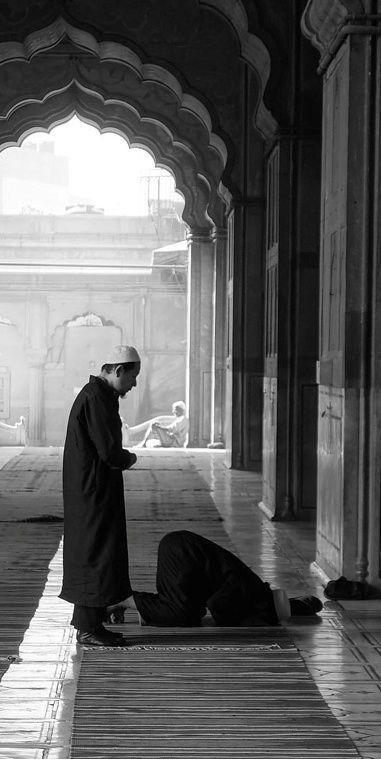
Key Actions in Each Rakah:
- Takbiratul Ihram: Raise hands and say Allahu Akbar
- Place right hand over left and recite Dua Iftitah (first rakah only)
- Recite Surah Al-Fatihah and another short surah
- Perform Ruku’, saying Subhanna Rabbiyal-‘Azim
- Return to standing (I’tidal), saying Sami’ Allahu liman hamida and Rabbana wa lakal-hamd
- First Sujud: Subhana Rabbiyal-A’la
- Sit briefly on knees: recite personal dua (Rabbighfirli…)
- Second Sujud: repeat Subhana Rabbiyal-A’la
- Return to standing for second rakah
- After 2 rakahs, sit for final Tasyahhud and conclude with salam
Repeat in sets of 2 until your target number of rakahs is completed.
What to recite in each rakah (short surahs are fine)
- Surah Al-Fatihah every rakah
- Any short memorized surah afterward (e.g., Al-Ikhlas, Al-Falaq, An-Nas, Al-Asr)
- You may repeat the same surah if needed
- Optionally, hold a Mushaf or use a Quran app to read longer chapters
Tip: Focus on reflection, not just quantity.
Ending your night with witr (simple options)
- Witr is prayed after Taraweeh, preferably in odd numbers (1, 3, or up to 11 rakahs).
- Example: 3 rakahs Witr
- First 2 rakahs: normal steps with salam
- Last rakah: conclude with salam
- If you only pray a few rakahs of Taraweeh, Witr still completes your night prayer.
💡 Extra Tips:
- Pray in a clean, quiet space, free of distractions
- Drink water lightly if needed between sets
- Use this time for personal supplications and dhikr
- Remember: Consistency and sincerity matter more than finishing all rakahs
Best Recitation Plan for Taraweeh Prayer at Home
Praying Taraweeh at home can be a beautiful and flexible way to connect with Allah during Ramadan. Whether you’re leading a family prayer, praying alone, or just starting to get familiar with the Quran, there are ways to make your recitation meaningful and manageable.
Plan A: short surahs (quick, focused, no pressure)
If you’re new to Taraweeh or want a simple, low-pressure approach, focus on short Surahs. Recite Al-Fatihah followed by any Surah you’ve memorized, such as Al-Ikhlas, Al-Falaq, or An-Nas.
- Why it works: It allows you to maintain focus (khushu’) and avoid rushing, ensuring your prayer is sincere.
- Tip: Repeat the same Surahs in each 2-rakat unit if that helps you stay consistent, and take short pauses after every 4 rak’ahs to breathe and reflect.
Plan B: read from the Mushaf (if you’re comfortable)
If you feel confident reading from a Mushaf (Quran), you can follow along while praying.
- How to do it: Hold the Quran or place it nearby, and recite as you would. Keep your pace moderate to maintain proper movements and tuma’ninah.
- Benefits: This method helps you cover more of the Quran gradually and is ideal if you want to practice reading while observing the prayer.
Plan C: follow a Quran reading schedule across Ramadan
For those aiming to complete the Quran during Ramadan, plan your recitation ahead.
- How it works: Divide the Quran into 30 parts (juz’), and recite one portion each night. If you pray 20 rak’ahs, you can read about 1 page per rakat.
- Why it’s effective: A schedule keeps you consistent and helps you engage with the Quran in a structured way, turning your nightly prayer into a spiritually enriching journey.
- Tip: Take time to understand the meaning of each verse, even if it’s just a few words, so your heart connects to what you’re reciting.
If you want a structured way to stay consistent with Quran recitation throughout Ramadan, you can follow our 30-day Quran reading plan with a simple 5-minute daily routine, designed to make completion feel achievable even on busy days.
✨ Quick Advice for Any Plan:
- Pray 2 rak’ahs at a time with short pauses if needed.
- End every night with Witr prayer.
- Focus on quality over quantity—a short, mindful Taraweeh is better than a long, distracted one.
Taraweeh Prayer at Home as a Family
Praying Taraweeh at home is a beautiful way to maintain spiritual connection, especially when attending the mosque isn’t possible. It allows the family to pray together, build bonds, and reflect on the Quran in a flexible and meaningful way.
Who leads? (dad, mom, older child)
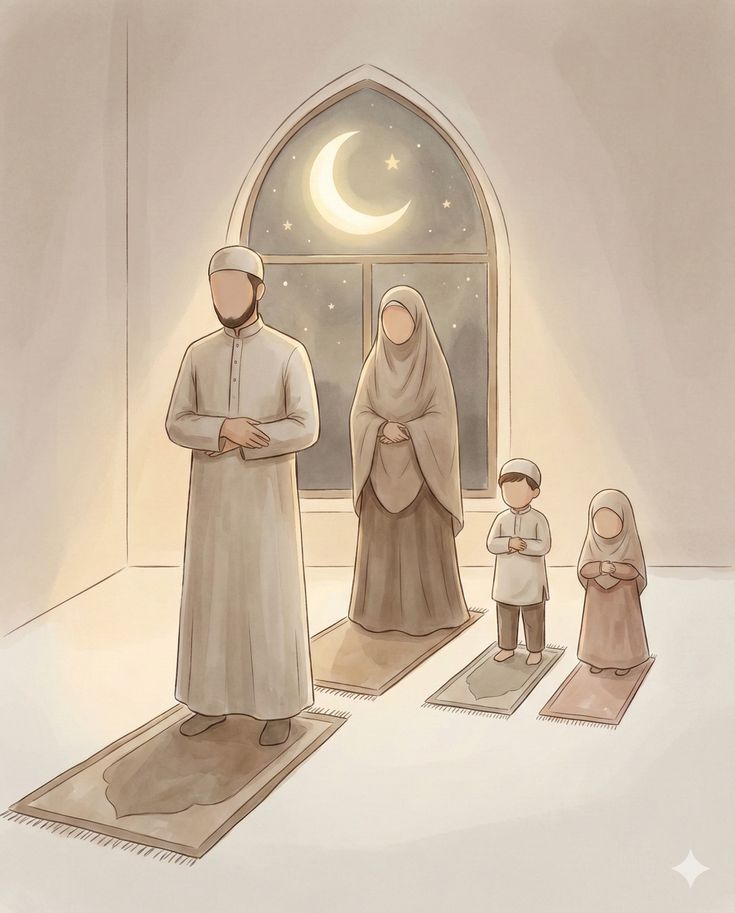
- The Imam should ideally be the most knowledgeable person in the family. If an adult male is present, he normally leads the prayer and the family follows behind him. If no qualified male is available, a mother or an older child who can recite properly may lead other women or younger children.
- The leader should intentionally make the niyyah (intention) to pray Taraweeh for the sake of Allah.
- Even if praying alone, leading yourself in congregation with angels as witnesses counts and brings reward.
- Recitation can be from memory or the Mushaf (Quran) depending on comfort.
Keeping kids engaged without forcing long standing
- Keep the Taraweeh routine short and interactive for children to encourage love for prayer.
- Let them pray fewer rak’ahs at first, with small breaks in between for dhikr, quiet reflection, or water.
- Use small rewards or praise to reinforce their focus and participation.
- Reading short Surahs and explaining their meanings helps maintain attention and understanding.
A 20–30 minute family routine that actually works
- Preparation: Clean a prayer space, remove distractions, and align everyone for prayer.
- Isha Prayer: Start with the 4 Fardh units, followed by the Sunnah prayers.
- Taraweeh: Pray 2 rak’ahs at a time, taking a short break after every 4 rak’ahs if needed. Recite from memory or Mushaf.
- Reflection: Encourage children and adults to read the translation or tafsir of a few verses to understand the meaning.
- Witr: Conclude the night with 1–3 rak’ahs of Witr.
- Consistency: Maintain this routine nightly throughout Ramadan, adjusting length based on attention spans and energy.
💡 Tips for Success
- Keep the focus on quality and sincerity, not quantity.
- Encourage women and girls to participate, whether in the main congregation or individually.
- Remove distractions like phones or TV to foster mindfulness.
- Even a small number of rak’ahs prayed consistently earns great reward.
To help children stay connected to worship throughout the day, you can also teach them simple daily supplications. Our easy Suhoor and Iftar duas for kids and families make Ramadan routines more meaningful and easy to follow together.
Taraweeh Prayer at Home for Busy Nights (The “Minimum Bar” Routine)
Even on the busiest nights or when energy is low, Taraweeh can still be performed in a meaningful and spiritually fulfilling way. The “minimum bar” routine ensures you honor the Sunnah without feeling overwhelmed. It emphasizes quality over quantity, allowing you to maintain consistency while earning the rewards of night prayer.
8 rakahs option vs shorter set + witr
8 Rakats Routine: Pray in sets of 2 rakats (2+2+2+2) after Isha, followed by 3 rakats of Witr. This is the standard “minimum bar” that fulfills the Sunnah of Taraweeh.
Shorter Set Option: If pressed for time or energy, even 4 rakats + Witr are sufficient. The key is intentionality and sincerity, not the number of rakats.
Recite whatever portion of the Quran you know from memory. If unsure, repeat short Surahs or hold a Mushaf to read.
If you’re exhausted: what to prioritize without guilt
- Focus on concentration (khushu’) rather than speed or length. Even a few rakats prayed mindfully bring immense reward.
- Witr is essential—it marks the conclusion of your night prayer and carries special significance.
- Women and children may pray at home according to their comfort; even a small, consistent effort is rewarded.
- Use technology or online guides if it helps you follow along or stay focused.
- If a night is missed, do not feel guilty—seek forgiveness and continue the next night. Consistency over the month is the ultimate goal.
The last 10 nights: how to adjust your routine
- These nights are especially blessed, so even the minimum routine can be increased slightly if possible.
- Extra focus on longer recitation, dhikr, and dua is recommended. Even 2–4 extra rakats with reflection is beneficial.
- Take short breaks as needed, especially for children or older family members, to keep everyone engaged without fatigue.
- Remember, the intent and devotion count more than the number of rakats—you can still earn immense reward through sincere effort.
💡 Pro Tips for Busy Nights
- Keep a dedicated prayer space ready to minimize preparation time.
- Combine Taraweeh with family time—even short routines foster spiritual connection.
- Reflect on the meaning of the verses you recite to make even a brief prayer spiritually deep.
- Set realistic goals: some nights may be short, others longer—both are rewarded.
Common Mistakes When Doing Taraweeh Prayer at Home
Praying Taraweeh at home is a beautiful way to connect with Allah during Ramadan, but many people unintentionally reduce the benefit of their prayers due to common mistakes. Being aware of these pitfalls helps maintain focus, sincerity, and spiritual reward.
Going too long on night 1 then quitting
Mistake: Starting Ramadan with enthusiasm, praying many rak’ahs on the first night, then becoming exhausted and skipping subsequent nights.
How to Avoid: Begin with a manageable number of rak’ahs—even 8–10 is enough for consistency. Build up gradually if you have more energy, but prioritize regularity over intensity.
Rushing recitation and losing khushu
Mistake: Performing Ruku’ (bowing) and Sujud (prostration) too quickly, or reading Quran hastily without understanding, which diminishes focus and spiritual presence.
How to Avoid:
- Pause slightly between movements to maintain tuma’ninah.
- Recite slowly and reflect on the meaning of the verses.
- Pray in a calm, quiet environment free from distractions.
Skipping witr without a plan
Mistake: Leaving out Witr prayer or performing it haphazardly, forgetting its importance as the final prayer of the night.
How to Avoid:
- Always plan to end Taraweeh with 1, 3, or more rak’ahs of Witr.
- Keep the number of rak’ahs consistent each night so Witr naturally follows.
- Treat Witr as essential, not optional—it completes the night prayer and carries special reward.
💡 Other Common Pitfalls to Watch For
- Praying in a cluttered or distracting space, reducing concentration.
- Not preparing mentally or physically (e.g., fatigue, heavy meals).
Key Advice: Taraweeh is about quality, focus, and sincerity more than quantity. Slow down, understand what you recite, maintain proper posture, and complete the prayer consistently—even short, mindful nights are rewarded immensely.
Final Thoughts

Praying Taraweeh at home is not just about completing rak’ahs; it’s about sincerity, presence of heart, and building a lasting connection with Allah and the Quran. Ramadan is a unique opportunity to slow down, reflect, and create consistent habits of worship that continue even after the month ends.
By following a simple and realistic plan, adjusting your routine according to your energy levels, and avoiding common mistakes, you can transform Taraweeh into a deeply personal spiritual experience. Whether you pray a few rak’ahs or a longer set, what truly matters is consistency, mindfulness, and sincerity in worship.
Remember: a small act of worship done consistently with sincerity is more beloved than a large act that cannot be maintained. Even short, focused prayers can bring immense reward and spiritual growth throughout Ramadan.
If you want to deepen your Quranic knowledge and Islamic studies, join Areeb Academy — where learning the Quran becomes a meaningful and personalized journey.
✨ Why choose Areeb Academy?
- Quran memorization and recitation for children and adults at all levels
- Islamic Studies programs that help you understand the meaning and teachings of Islam in a practical way
- Dedicated and supportive teachers who guide students with patience, encouragement, and care
- One-to-one live classes to ensure full attention, better progress, and high learning quality
- Flexible scheduling — choose class times that fit your routine and lifestyle
- Comfortable online learning from home, anywhere in the world
👉 Book a FREE trial class today and experience personalized Quran learning designed around your goals.
Start your journey toward mastering the Quran and strengthening your faith this Ramadan — one meaningful lesson at a time. 🌙
FAQs
1- Can I pray Taraweeh alone at home?
Yes. Taraweeh can be prayed individually or in congregation. Praying alone at home is completely valid and highly rewarding, especially if it helps you maintain focus and consistency.
2- Can women pray Taraweeh at home?
Absolutely. Women can pray Taraweeh at home individually or with family members. In many situations, praying at home may even be easier and more comfortable while still earning full reward.
3- Can I read from the Quran (Mushaf) during Taraweeh?
Yes, many scholars allow reading from a Mushaf or Quran app during voluntary prayers like Taraweeh, especially predominately outside the Hanafi school. This is helpful for those who have not memorized many surahs.
4- How many rak’ahs should I pray if I’m a beginner?
Start with what feels manageable — even 4 or 8 rak’ahs followed by Witr is a good beginning. The goal is consistency, not exhaustion.
5- Can I split Taraweeh across the night?
Yes. You may pray some rak’ahs after Isha and complete the rest later in the night before Witr, especially if that helps you maintain concentration and energy.
6- What if I sometimes pray in the mosque and sometimes at home?
That is perfectly fine. You can combine both depending on your schedule and energy. Both options are rewarded, and flexibility is part of the mercy of this prayer.
7- Do I have to finish the entire Quran in Taraweeh?
No. Completing the Quran is recommended but not required. Reciting short surahs with reflection and understanding is equally meaningful.
8- What happens if I miss Taraweeh one night?
There is no sin for missing Taraweeh since it is a Sunnah prayer. Simply continue the next night — consistency over the whole month matters more than perfection.