

Tajweed Iqlab Rule is one of the essential principles in Quranic recitation, helping learners pronounce Noon Sakinah (نْ) and
Tanween (ً ٍ ٌ) correctly when followed by the letter Baa (ب). Mastering this rule ensures smooth, clear, and beautiful recitation, maintaining the divine meaning of the Quran.
Many beginners struggle with Iqlab because it requires proper Ghunnah (nasalization), gentle lip positioning, and complete conversion of the Noon sound into a Meem (م) sound. Without these, the recitation can become unclear or incorrect, affecting both the rhythm and beauty of the Quranic verses.
In this guide, we will explore:
- The definition and importance of Tajweed Iqlab Rule
- How to identify Noon Sakinah and Tanween in the Quran
- Step-by-step techniques to master Iqlab
- Common mistakes to avoid
- Tips and exercises to integrate Iqlab seamlessly into your recitation
Whether you are a beginner or an experienced reciter, understanding the Tajweed Iqlab Rule will enhance your Quranic recitation, deepen your spiritual connection, and build confidence in reading the holy text accurately.
What Is the Tajweed Iqlab Rule?

The Tajweed Iqlab rule plays a key role in Quranic recitation and actively changes a Noon Sakinah (نْ) or Tanween (ً ٍ ٌ) into a hidden Meem (م) sound whenever the letter Baa (ب) follows. This transformation produces a nasalized sound (Ghunnah), held for two beats, which helps achieve smooth and melodious recitation.
In simple terms, Iqlab means “turning” or “changing” – it turns the original “n” sound into an “m” sound to make it easier to pronounce the letters correctly in sequence. Specifically, this rule can occur either within a single word or across two words. Moreover, the Quran visually marks it with a small Meem (م) above or beside the Noon Sakinah or Tanween.
Mastering Iqlab is essential for accurate Quran recitation, preserving the intended meaning of the verses, and enhancing the rhythm, clarity, and beauty of the recitation.
Definition of the Tajweed Iqlab Rule
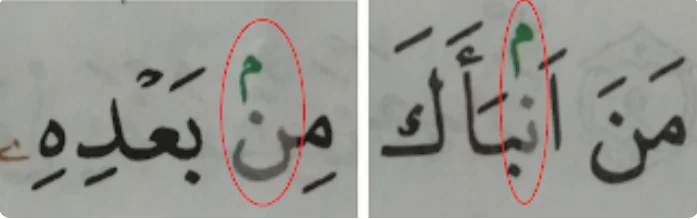
The Tajweed Iqlab rule is a specific principle in Quranic recitation, where reciters convert a Noon Sakinah (نْ) or Tanween (ً ٍ ٌ) into a hidden Meem (م) sound when the letter Baa (ب) follows. This transformation produces a nasalized sound (Ghunnah) held for two beats, creating smoother and more melodious recitation.
- Literal meaning: “Iqlab” means turning, changing, or transforming.
- Key characteristic: The original “n” sound is replaced by a light “m”, pronounced through the nose.
- Visual cue in the Quran: A small Meem (م) often appears above or beside the Noon Sakinah or Tanween to show that the reciter should apply the Iqlab rule.
Why the Tajweed Iqlab Rule Is Important
Iqlab is essential for correct Quranic recitation and helps maintain the flow and harmony of pronunciation. It is particularly important because:
- The transition from Noon Sakinah or Tanween to Baa is phonetically challenging due to different articulation points.
- Converting to Meem smooths the transition, making recitation easier and more beautiful.
- It ensures the meaning of the verses is preserved by preventing mispronunciation.
- Mastering Iqlab enhances accuracy, rhythm, and clarity in recitation.
If you found this rule helpful, you might also enjoy our article [Idgham Tajweed Rule: 7 Tips to Master Quran Recitation Easily],
which explains how to blend letters smoothly and improve your recitation step by step.
When the Tajweed Iqlab Rule Applies

The Iqlab rule is applied in the following scenarios:
- Within a single word: When a Noon Sakinah or Tanween appears directly before a Baa in the same word, reciters convert it into a nasal “M” sound with Ghunnah to ensure smooth recitation.
- Example: أَنْبِئْهُمْ → pronounced as أَمْبِئْهُمْ
- Between two words – when Noon Sakinah or Tanween appears at the end of one word and Baa starts the next word.
- Example: مِن بَعْدِ → pronounced as مِمْ بَعْدِ
- With Tanween – applied to all types of Tanween (Fathah, Kasrah, Dammah) when followed by Baa.
- Example: ذُرِّيَّةً بَعْضُها → pronounced as ذُرِّيَّةً مَبْضُها
Key Points to Remember About Iqlab
- The Meem sound is pronounced through the nose (Ghunnah) and held for two counts.
- Only applies when the letter Baa follows; other letters do not trigger Iqlab.
- The rule can appear within a word or across two words, making it essential for fluent recitation.
- Practicing Iqlab correctly helps the reciter maintain Tajweed standards, ensuring accurate and melodious Quran recitation.
The Letter of Iqlab in Tajweed

In Tajweed, the rule of Iqlab revolves around a single letter, making it simple yet essential to master. The transformation occurs only when a Noon Sakinah (نْ) or Tanween (ً ٍ ٌ) is followed by the letter Baa (ب). This triggers a shift where the “n” sound changes into a hidden Meem (م), accompanied by a nasal sound (Ghunnah) held for two beats. This adjustment ensures that recitation flows smoothly, preserving the rhythm and beauty of the Quranic text.
The Only Iqlab Letter

The letter Baa (ب) is the only letter that causes Iqlab. Whenever it comes after a Noon Sakinah or Tanween:
- The Noon or Tanween is converted into a hidden Meem (م).
- The Meem is pronounced with Ghunnah, producing a soft nasal sound held for two counts.
- In the Quran, this is indicated visually by a small Meem above the Noon Sakinah or Tanween.
This singular focus on Baa makes Iqlab predictable and easier to apply, whether the Noon/Tanween and Baa are within the same word or across two words.
Why This Letter Causes Iqlab
Baa causes Iqlab because of its phonetic compatibility with Meem. Both letters share similar articulation points, which allows the sound to flow naturally. Attempting to pronounce Noon Sakinah or Tanween directly before Baa without transformation can be awkward and disrupt the recitation.
- Converting to Meem ensures smooth transitions and prevents breaking the rhythm.
- The nasalized sound (Ghunnah) is maintained, giving the recitation its melodic quality.
- The rule applies consistently, whether the letters appear in a single word or span two words, making it an elegant solution for accurate Quranic pronunciation.
Examples of the Tajweed Iqlab Rule
The Tajweed rule of Iqlab appears clearly in the Quran when a Noon Sakinah (نْ) or Tanween (ً ٍ ٌ) comes before the letter Baa (ب). This triggers the transformation of the “n” sound into a hidden Meem (م) with a nasalization (Ghunnah) for two counts. Observing examples from the Quran helps learners understand how to apply Iqlab naturally during recitation.
Examples with Noon Sakinah
Noon Sakinah followed by Baa in the same word or across words demonstrates Iqlab beautifully:
- مِن بَعْدِ (Min Ba’di) – Pronounced as Mim Ba’di, where the Noon Sakinah changes into a Meem.
- أَنبِئْهُم (Anbi’hum) – Pronounced as Ambi’hum, with Noon Sakinah and Baa in the same word.
- لَنَسْفَعًا بِالنَّاصِيَةِ (Lanasfa’an bi-nasiyah) – Reciters pronounce it as Lanasfa’am bi-nasiyah, converting the Noon Sakinah into a Meem before the Baa.
These examples show that Iqlab can occur within one word or between two words, and the nasalization ensures smooth and melodious recitation.
Examples with Tanween
Tanween also follows the same rule when Baa comes after it, either in the same word or across words:
- إن اللهُ سَمِيعٌ بَصِيرٌ (Wallahu Sami’un Basir) – Tanween Damma pronounced as Sami’um Basir.
- ذُرِّيَّةً بَعْضُها مِنْ بَعْضٍ (Dhurriyyatan Ba’duha min Ba’din) – Tanween Fath followed by Baa across two words, showing clear Iqlab.
These cases illustrate that Iqlab is not limited to Noon Sakinah; it applies equally to Tanween whenever Baa follows. The small Meem (م) above the letter in the Mushaf serves as a visual cue to apply the rule correctly.
How to Apply the Tajweed Iqlab Rule Correctly

To recite the Quran accurately, Iqlab (إقلاب) requires converting a Noon Sakinah (نْ) or Tanween (ـًـٍـٌ) into a hidden Meem (م) sound when followed by the letter Baa (ب). This conversion is accompanied by nasalization (Ghunnah) for two counts and is often indicated in the Mushaf by a small م above the letter. Following the steps below ensures proper application of this Tajweed rule.
Change Noon Sound to Meem
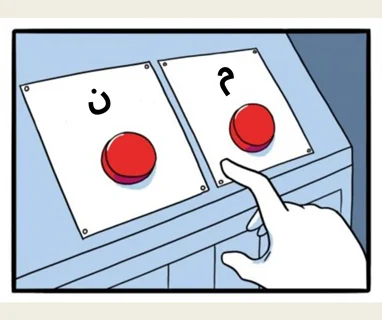
The first step in applying Iqlab is to identify the trigger letters:
- Look for a Noon Sakinah (نْ) or Tanween (ـًـٍـٌ) that is immediately followed by Baa (ب).
- Once identified, completely transform the “n” sound into an “m” sound.
- This change allows for a smoother transition into the following Baa, preventing any harsh or confusing pronunciations.
Examples from the Quran:
- مِنْ بَعْدِ → pronounced as “Mim Ba’di”
- كِتَابٌ بَحْثٌ → pronounced as “Kitaabum Bahth”
Apply Ghunnah (Nasal Sound)
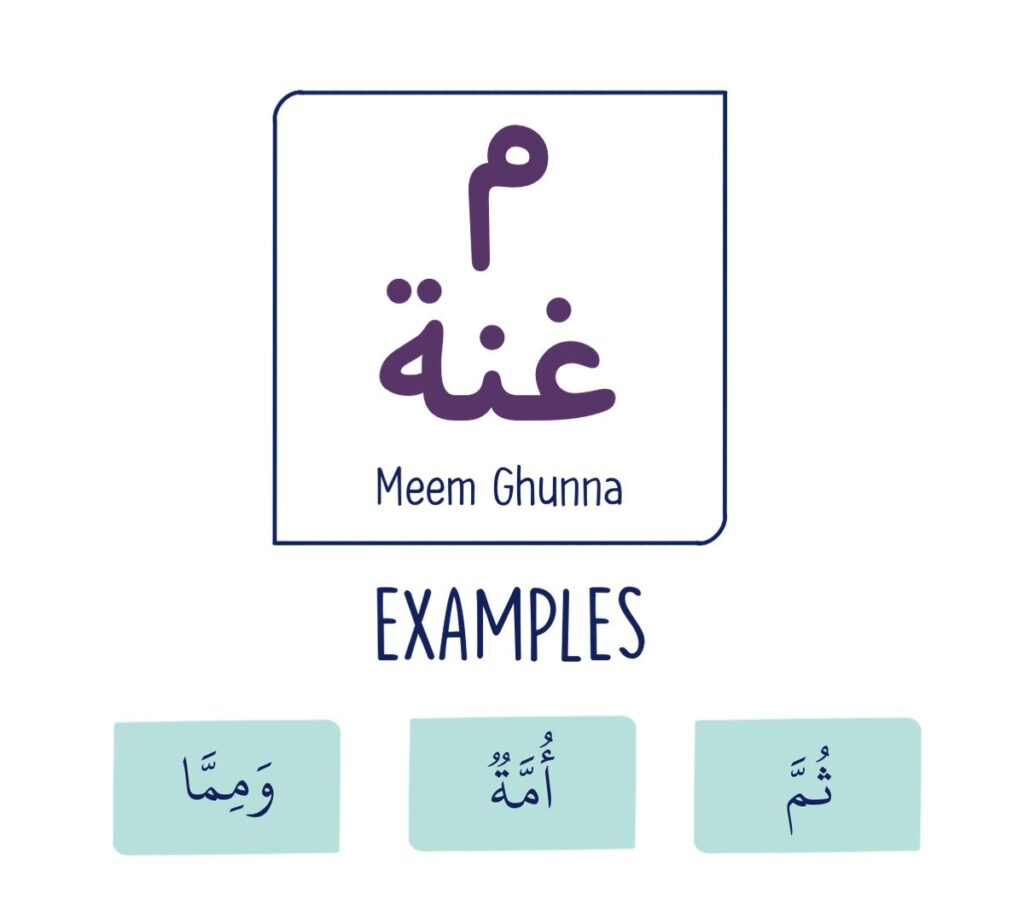
After converting the sound, it is crucial to apply Ghunnah, a nasal resonance that:
- Is held for two counts (two harakat).
- Comes from the nose, not the mouth or throat.
- Enhances the melody and clarity of recitation.
Key Points:
- Do not rush through the conversion; the nasalization must be distinct.
- Maintain a gentle, soft nasal sound rather than a harsh or overly long one.
Keep the Sound Light and Hidden
Iqlab requires a light and subtle pronunciation of the Meem:
- Lips Position: Lightly close the lips to produce the “m” sound. Some scholars suggest leaving a tiny gap, but the key is a soft, smooth connection.
- Transition: Slide naturally into the following Baa (ب) without pronouncing the original Noon.
- Avoid Common Mistakes:
- Pronouncing both “n” and “m” simultaneously.
- Overly pressing the lips.
- Extending the Ghunnah beyond two counts.
With practice and careful attention to these steps, learners can apply Iqlab correctly, ensuring a smooth, beautiful recitation.
How to Recognize Iqlab in the Mushaf
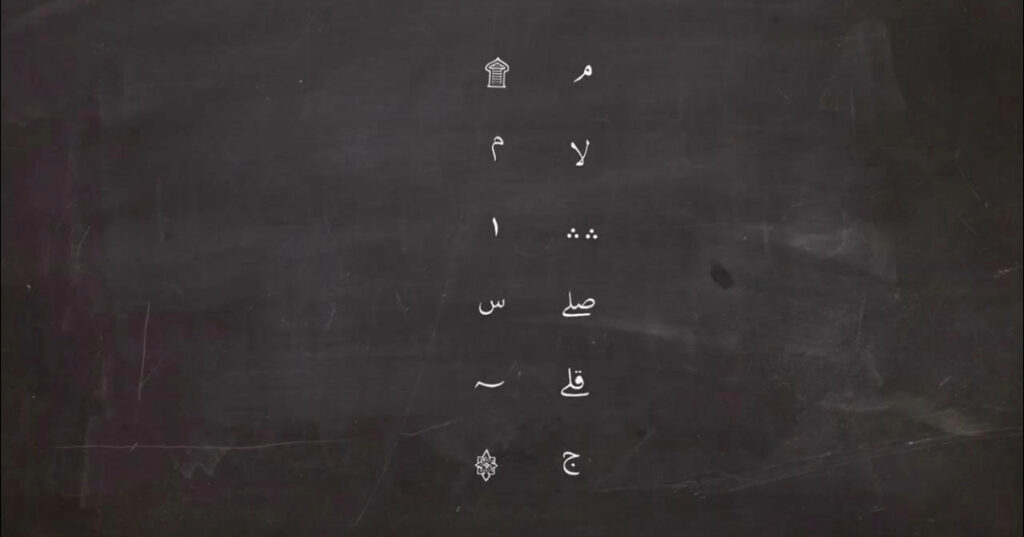
Have you ever noticed a tiny Meem (م) perched above the letter Noon (ن) in your Mushaf? This subtle sign is not decorative — it’s a call to apply the Iqlab Noon Sakinah rule, one of the most beautiful principles in Tajweed. It guides the reciter to transform a Noon Sakinah or Tanween into a Meem sound with Ghunnah when followed by the letter Baa (ب).
Recognizing Iqlab in the Mushaf relies on these visual cues:
The Small Meem Sign
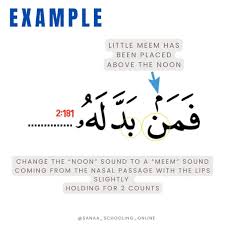
In most Mushafs, you’ll notice a very thin Meem above the Noon. With Tanween, this small Meem sometimes replaces one of the vowels. This symbol tells the reader to convert the Noon or Tanween into a nasal “M” sound before pronouncing the Baa.
For example, the phrase مِن بَعْدِ is pronounced “Mim‑ba’di”, demonstrating how the Noon transforms into a Meem with Ghunnah.
Visual Clues for Learners
Beyond the tiny Meem, learners should also pay attention to:
- Position of the Noon: Check if the Noon Sakinah or Tanween is immediately followed by Baa (ب), either within the same word or across a word boundary.
- Ghunnah Application: The nasalized Meem should be held for two counts, giving the recitation a smooth, flowing quality.
- Lip and Tongue Guidance: Gently close your lips to form the Meem, and let your tongue stay relaxed at the bottom of your mouth. Avoid pressing the lips together too hard; the sound must feel light and natural.
Thus, by observing these indicators in the Mushaf, you can see and apply Iqlab intuitively, turning the subtle visual cue of the small Meem into a harmonious, melodic part of your recitation.
Common Mistakes in the Tajweed Iqlab Rule
Mastering Iqlab Noon Sakinah requires precision, but many learners make subtle errors that affect the beauty of recitation. A proper Iqlab involves converting the Noon Sakinah or Tanween into a Meem sound while applying a gentle nasalization (Ghunnah) for two counts. Let’s explore the most common mistakes and how to fix them.
Pronouncing Noon Clearly
One frequent error is that learners let the tongue act as if pronouncing a normal Noon, touching the roof of the mouth. As a result, this keeps a trace of the original “N” sound and prevents the smooth Iqlab transformation.
To fix this, relax the tongue at the bottom of your mouth and instead allow the lips and nasal passage to do all the work. Consequently, the Noon should vanish completely and be replaced by the Meem immediately.
Skipping the Ghunnah
Another common mistake is skipping the nasalization or holding it for less than two counts, which produces a flat or incomplete sound.
To practice correctly, hold the Meem with a gentle hum through your nose for two counts, imagining the rhythm of slowly folding one finger twice. This ensures consistency and maintains the melodic flow of the Quran.
Overemphasizing the Meem
Some reciters press their lips too hard when pronouncing the Meem, producing a harsh “bumping” sound. Conversely, leaving a gap between the lips prevents the sound from forming fully. The correct approach is a gentle closure of the lips, enough to pass the “paper test” — a thin sheet should slide out effortlessly between your lips. The Meem should feel light, natural, and connected with the Ghunnah.
To avoid similar errors in other Tajweed rules, check out [Tajweed Izhar Rule: 5 Simple Steps Every Beginner Should Know]. This guide shows the correct pronunciation of letters and how to control your sound from the start.
Tips to Master the Tajweed Iqlab Rule
The Iqlab rule in Tajweed is essential for smooth and accurate Quranic recitation. It involves converting a Noon Sakinah (نْ) or Tanween (ً ٍ ٌ) into a soft Meem (م) sound when followed by the letter Baa (ب), accompanied by a two-count nasalization (Ghunnah). Mastering this rule enhances clarity, melody, and respect for the sacred text.
Practice with Real Quran Examples

Learning Iqlab is best done through direct examples from the Quran. Notice the subtle Meem sign (م) above the Noon Sakinah or in place of Tanween. Practice verses such as:
- Noon Sakinah: مِنْ بَعْدِ → مِنْ بَعْدِ
- Tanween: كِتَابٌ بَعْضُ → كِتَابٌ مَعْ
When practicing, focus on:
- Complete Conversion: Ensure the original “N” sound vanishes completely.
- Ghunnah Timing: Hold the nasalized Meem sound for two counts for smooth resonance.
- Lip Positioning: Close the lips gently, without a gap or excessive pressure.
Listen to Skilled Reciters
Audio guidance is crucial. Listen carefully to expert Qaris to learn:
- The timing of the Ghunnah
- The soft transition from Noon to Meem
- The proper intonation with Ba
Repeating after skilled reciters helps internalize the rhythm and ensures your recitation is authentic.
Repeat and Record Yourself
Practice is incomplete without self-evaluation.
- Record yourself reciting Iqlab examples.
- Compare your pronunciation and nasalization to expert recitations.
- Focus on correcting subtle errors like leaving a gap between the lips or shortening the Ghunnah.
Regular repetition and recording help develop muscle memory for smooth transitions, making Iqlab second nature in your Quranic reading.
💡 Extra Tip: Always practice under the guidance of a qualified Tajweed teacher. Their feedback ensures you avoid common mistakes such as:

- Incomplete Noon-to-Meem conversion
- Rushing the Ghunnah
- Pressing lips too hard or leaving a gap
By combining practice with real Quranic examples, careful listening, and self-recording, you’ll master the Iqlab rule and significantly enhance your recitation.
For a more comprehensive learning experience, explore [Online Tajweed Lessons in English | Master Quran Recitation], where you can have one-on-one lessons with native Arabic-speaking teachers who also speak fluent English, helping you master accurate and beautiful Quran recitation.
Final Thoughts on the Tajweed Iqlab Rule
Mastering the Iqlab rule is a vital step in perfecting your Quranic recitation. By understanding how to convert Noon Sakinah (نْ) or Tanween (ً ٍ ٌ) into a nasal Meem (م) sound before Baa (ب), maintaining the proper Ghunnah, and practicing consistently, your recitation will become smoother, more accurate, and spiritually rewarding.
Learn the Tajweed Iqlab Rule with Expert Teachers at Areeb Academy
Take your Tajweed skills to the next level with personalized guidance at Areeb Academy:
- One-on-One Tajweed Lessons: Focused attention to correct your pronunciation and rhythm.
- Step-by-Step Tajweed Learning: Gradually master all rules, including Iqlab, Idgham, Ikhfa, and Izhar.
- Native Arabic-Speaking Teachers: Fluent in English, making learning easy and clear.
- Flexible Scheduling: Learn at your own pace, anytime that fits your lifestyle.
✨ Join Areeb Academy Today and Start with a Free Trial!
Experience expert-led Tajweed lessons from the comfort of your home and enhance your Quranic recitation confidently.
⁉️FAQs About the Tajweed Iqlab Rule
1. What is the Tajweed Iqlab Rule?
The Iqlab rule converts a Noon Sakinah (نْ) or Tanween (ً ٍ ٌ) into a hidden Meem (م) sound when followed by the letter Baa (ب), with a nasal sound (Ghunnah) held for two counts. This ensures smooth, clear, and melodious Quranic recitation.
2. When does Iqlab occur?
Iqlab occurs:
- Within a single word – when Noon Sakinah or Tanween is immediately followed by Baa.
- Between two words – when Noon Sakinah or Tanween ends one word and Baa starts the next.
3. How do I recognize Iqlab in the Mushaf?
Look for a small Meem (م) above or beside the Noon Sakinah or Tanween. This symbol indicates that the Noon or Tanween should be pronounced as a nasal Meem before the Baa.
4. What are common mistakes when applying Iqlab?
- Pronouncing the original Noon along with Meem.
- Skipping or shortening the Ghunnah (nasal sound).
- Pressing the lips too hard or leaving a gap when forming Meem.
5. How can I master the Iqlab rule?
- Practice with real Quran examples like مِن بَعْدِ → Mim‑ba’di.
- Listen and repeat after skilled reciters.
- Record yourself to check pronunciation and Ghunnah.
- Seek guidance from a qualified Tajweed teacher for corrections and feedback.