

Tahajjud Salah is one of the most rewarding voluntary prayers in Islam, performed during the quiet hours of the night. It offers spiritual elevation, forgiveness of sins, and a unique opportunity to draw closer to Allah. Whether you are a beginner seeking to establish a nightly routine or a seasoned worshipper aiming for deeper devotion, Tahajjud provides a profound connection with your Creator, strengthens faith, and nurtures inner peace. This guide will walk you through the virtues, timing, steps, and practical tips to make Tahajjud a daily habit.
What Is Tahajjud Salah?
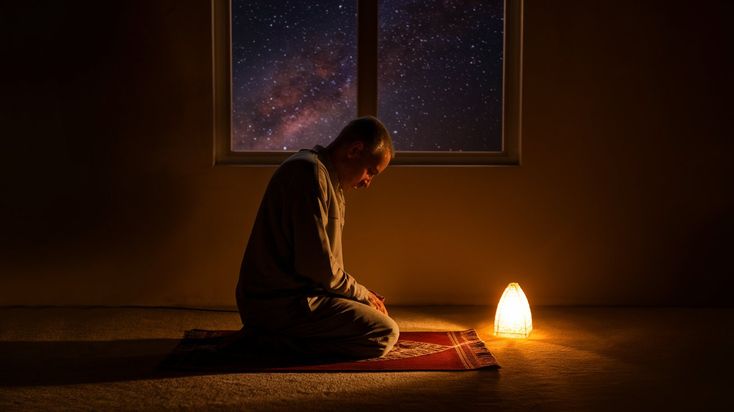
Tahajjud Salah is a voluntary night prayer performed after Isha and before Fajr, especially in the last third of the night. It is a deeply spiritual act of worship that strengthens a Muslim’s connection with Allah through devotion, reflection, and sincere supplication.
Meaning and Definition of Tahajjud Salah
Tahajjud Salah is a voluntary (Nafl) night prayer performed after the obligatory Isha prayer and before Fajr. Its name comes from the Arabic root meaning “to give up sleep”, reflecting the act of waking during the quiet hours of the night to stand before Allah in sincere devotion.
Often referred to as Qiyam-ul-Layl or the night vigil, Tahajjud is a prayer that the Prophet Muhammad (ﷺ) performed consistently and encouraged his followers to uphold. It is a powerful form of worship that brings the believer closer to Allah, strengthens patience and faith, and opens the door to forgiveness, guidance, and inner tranquility.
Though not obligatory, it carries immense spiritual weight, and the Quran praises those who rise at night seeking a “position of great glory”
Why Tahajjud Salah Is Called the Night Prayer
Tahajjud is known as “the night prayer” because it is performed specifically during the deep, peaceful hours of the night — ideally during the last third, a time when supplications are believed to be most accepted. This period of stillness allows a person to disconnect from worldly concerns and turn wholeheartedly toward Allah.
The Prophet (ﷺ) described this time as the moment when the servant is closest to their Lord, urging believers to take advantage of its blessings. Unlike other prayers tied to fixed times, Tahajjud is marked by flexibility and sincerity — prayed in pairs of two rak‘ahs, followed by heartfelt dua and reflection.
Its spiritual depth and the sacrifice of sleep make it a uniquely meaningful act of worship, earning it the special title of the night prayer, beloved by the righteous throughout Islamic history.
Importance of Tahajjud Salah in Islam
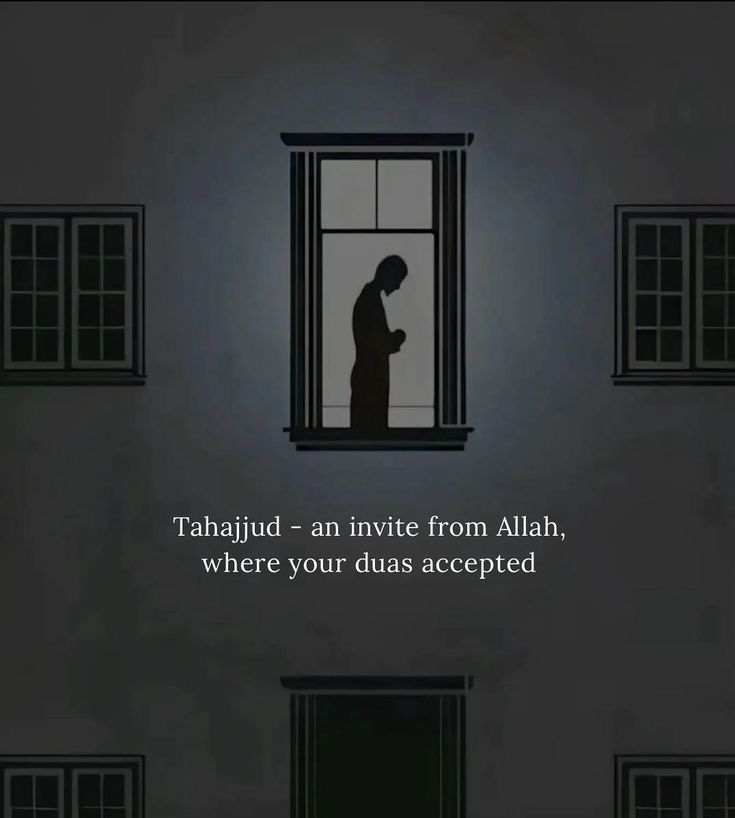
Tahajjud Salah holds a uniquely honored place in Islam because it represents devotion made purely for Allah’s sake, away from the eyes of people and the distractions of the day. It strengthens a believer’s faith, purifies the heart, and deepens spiritual awareness through sincere worship in the stillness of the night. This prayer embodies humility, discipline, and a true longing for closeness to Allah—qualities that elevate a believer’s status both in this life and the next. Through Tahajjud, Muslims seek forgiveness, guidance, inner peace, and divine support, making it one of the most powerful acts of worship for transforming character and nurturing a strong, resilient connection with Allah.
Tahajjud Salah in the Quran
The Quran highlights Tahajjud as a noble act of worship reserved for those seeking a higher spiritual rank with Allah. In Surah Al-Isra (17:79), Allah commands the Prophet ﷺ to stand in prayer during part of the night, promising that this devotion leads to an “exalted station” (Maqām Maḥmūd). The Quran repeatedly praises those who rise from their beds to call upon their Lord with fear and hope, describing them as people of deep faith, sincerity, and righteousness. These verses emphasize that night prayer is not only a voluntary act but a pathway to divine closeness, forgiveness, and spiritual elevation.
Tahajjud Salah in the Sunnah of Prophet Muhammad ﷺ
Tahajjud was a defining feature of the life of Prophet Muhammad ﷺ. He prayed it consistently, regardless of circumstances, and encouraged his companions to adopt this noble act. Authentic hadith describe him waking in the quiet hours of the night, praising Allah, reciting long portions of the Quran, and standing in deep humility. He referred to night prayer as “the best prayer after the obligatory prayers” (as the Prophet ﷺ said: “The best prayer after the obligatory prayers is the night prayer” – Sahih Muslim) and emphasized its role in wiping away sins, preventing one from wrongdoing, and strengthening one’s relationship with Allah. Through his example, Tahajjud becomes not just a practice, but a profound form of spiritual discipline and devotion.
Why the Righteous Never Missed Tahajjud Salah
The righteous predecessors considered Tahajjud a treasure of the night—an intimate meeting with Allah that they could not bear to miss. For them, it was the source of spiritual strength, clarity, and inner peace. They viewed those quiet moments before dawn as a time when hearts are most sincere and distractions fade away, allowing them to seek forgiveness, wisdom, and guidance. Many attributed their success, resilience, and deep understanding of faith to the blessings of Tahajjud. Their devotion reflects a timeless truth: those who taste the sweetness of night prayer find it irreplaceable and essential to their spiritual journey.
Benefits of Tahajjud Salah
Tahajjud Salah is a deeply rewarding voluntary prayer that offers numerous spiritual, emotional, and physical benefits. Spiritually, it brings you closer to Allah, strengthens your faith, and helps in seeking forgiveness for sins. Emotionally, it provides peace of mind, reduces stress, and nurtures patience and humility. Physically, waking up for Tahajjud encourages discipline, improves sleep patterns, and fosters overall well-being. By performing this night prayer consistently, believers experience a profound sense of inner calm, a stronger connection with their Creator, and the opportunity to reflect, make heartfelt supplications, and receive divine blessings.
Spiritual Benefits of Tahajjud Salah
Tahajjud Salah brings immense spiritual elevation by drawing the believer closer to Allah in a time of deep serenity and sincerity. This private act of worship purifies the heart, strengthens faith, and opens the doors to forgiveness, divine mercy, and guidance. It is a powerful means of removing sins, gaining Allah’s love, and elevating one’s rank in the Hereafter. The tranquility of the night enhances devotion, allowing for heartfelt dua and reflection that enriches one’s spiritual journey.
Emotional and Mental Peace Through Tahajjud Salah
Praying Tahajjud nurtures emotional balance and mental clarity. The stillness of the night provides a therapeutic moment to release stress, calm the mind, and find reassurance in Allah’s presence. Regular night prayer softens the heart, reduces anxiety, and instills inner peace by shifting one’s focus away from worldly concerns. It becomes a moment of honest self-reflection, gratitude, and healing—offering comfort, hope, and renewed strength.
How Tahajjud Salah Strengthens Your Relationship With Allah
Tahajjud is one of the most intimate ways to connect with Allah. By sacrificing sleep and rising in secrecy solely for His sake, believers demonstrate sincerity, devotion, and reliance on Him. This fosters a deeper relationship built on love, trust, and humility. During the last third of the night—when prayers are most accepted—Allah invites His servants to call upon Him, ask for forgiveness, and seek His help. These sacred moments dissolve barriers between the heart and its Creator, creating a bond that transforms one’s character, worship, and spiritual resilience.
Best Time to Pray Tahajjud Salah
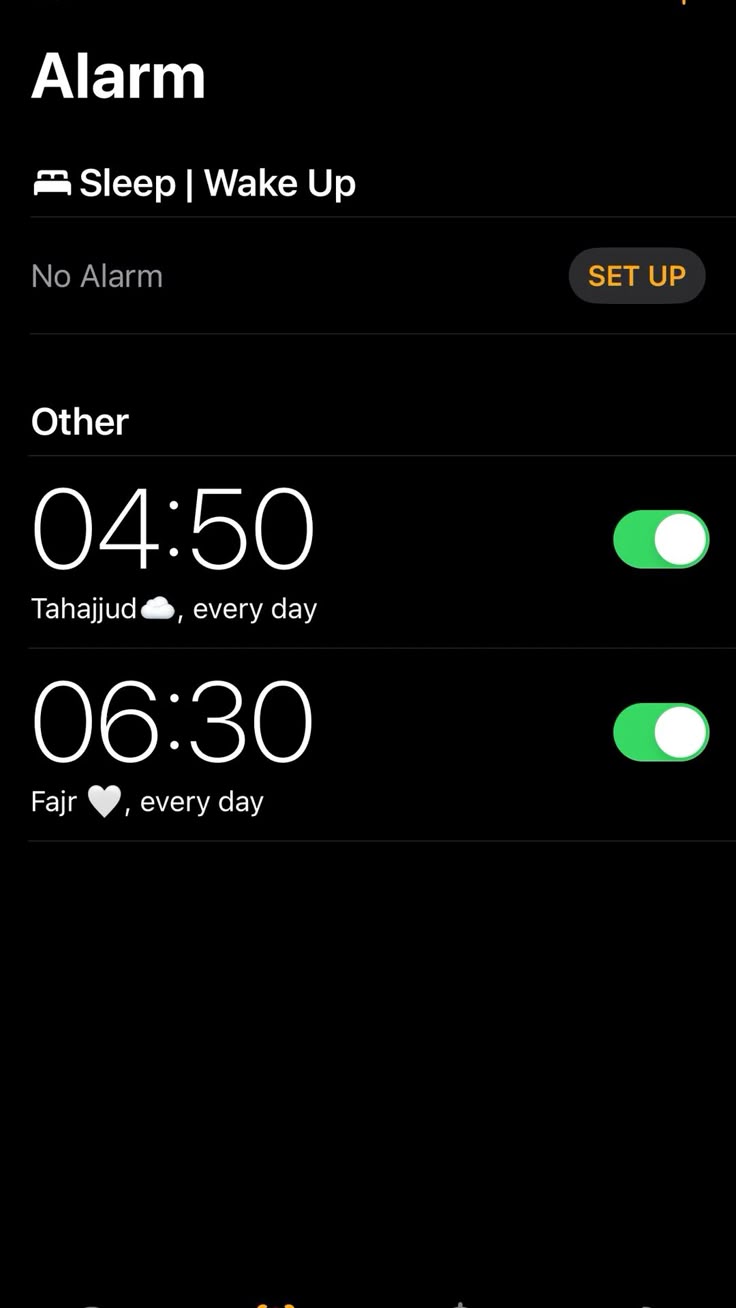
The most virtuous time to perform Tahajjud Salah is during the last third of the night, just before the Fajr (dawn) prayer. This period is considered especially blessed, as Allah descends to the lowest heaven and responds to the sincere supplications of His servants. However, Tahajjud can be prayed anytime after the obligatory Isha prayer and before Fajr, provided one has had some sleep—even a short nap. The key is sincerity and consistency, as even a few rak‘ahs offered regularly carry immense spiritual reward.
What Is the Last Third of the Night?
The last third of the night is the final portion before the Fajr (dawn) prayer, considered the most blessed time for Tahajjud Salah. During this period, Allah descends to the lowest heaven and asks: “Who will call upon Me, that I may answer him? Who will ask of Me, that I may give him? Who will seek My forgiveness, that I may forgive him?” (Sahih Muslim). This serene time allows for deep reflection, sincere supplication, and spiritual connection, making it ideal for night worship.
How to Calculate the Time for Tahajjud Salah
To determine the last third of the night for your location:
- Find the total duration of the night: Count the hours between Maghrib (sunset) and Fajr (dawn).
- Divide by three: This gives the length of each third of the night.
- Identify the final third: The last third starts two-thirds of the way through the night and lasts until Fajr.
Example: If Maghrib is at 6:00 PM and Fajr at 6:00 AM:
- First third: 6:00 PM – 10:00 PM
- Second third: 10:00 PM – 2:00 AM
- Final third: 2:00 AM – 6:00 AM (ideal time for Tahajjud)
Flexibility: If waking during the last third is challenging, praying Tahajjud earlier after Isha, even for a short duration or a few rak‘ahs, is highly valued. Consistency and sincerity matter more than length or timing, as Allah loves regular deeds, however small.
How to Pray Tahajjud Salah Step by Step
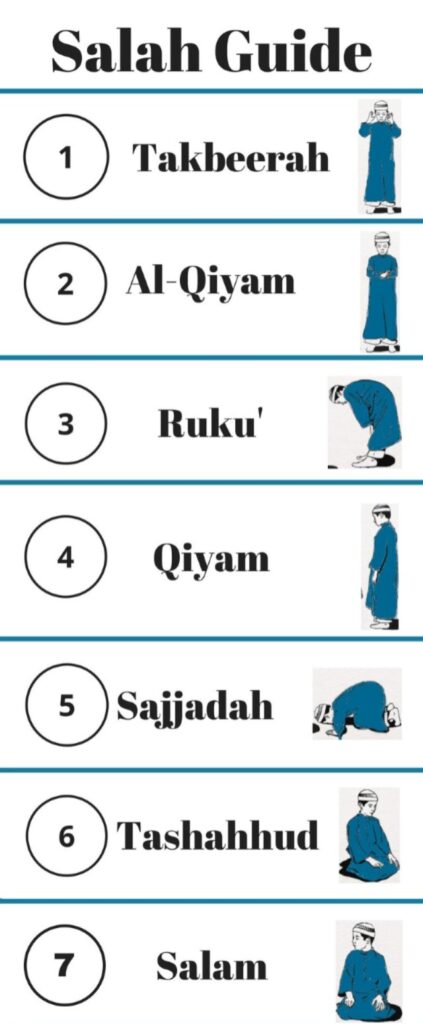
Tahajjud Salah is a voluntary night prayer that can be performed after waking from sleep following Isha. Begin by performing Wudu (ablution) and making a sincere intention (Niyyah) in your heart to pray for Allah’s sake. Stand facing the Qibla, raise your hands, and say Allahu Akbar to start. Recite the Thana, Ta’awwuz, and Tasmiyah (Bismillah), followed by Surah Al-Fatiha and another surah of your choice in each rak‘ah. Perform bowing (Ruku) and prostration (Sujud) with slow, mindful recitation. Sit for Tashahhud after the second rak‘ah, conclude with Salam, and ideally follow with Witr prayer before Fajr. Focus on sincerity, reflection, and heartfelt devotion throughout.
Want to learn the most powerful Duas to recite in Tahajjud and Witr prayer?
Discover the full Dua Qunoot, its meaning, and how to recite it step by step in our detailed guide. Here
Number of Rak‘ahs in Tahajjud Salah
Tahajjud Salah has no fixed limit for the number of rak‘ahs. The minimum is two rak‘ahs, and it is commonly prayed in pairs. Believers often perform up to 8 or 10 rak‘ahs, followed by one or three rak‘ahs of Witr prayer. Consistency and devotion are more important than the number, as Allah loves regular acts of worship, however small.
Recommended Surahs to Recite in Tahajjud Salah
After Surah Al-Fatiha, you may recite any short or long surah. Common choices include:
Other surahs from the Quran according to preference and memorization.
Select surahs that help you reflect on Allah’s mercy, power, and guidance to enhance devotion and spiritual connection.
Making Dua After Tahajjud Salah
After completing Tahajjud, engage in heartfelt supplication (Dua). Ask Allah for forgiveness, guidance, mercy, and provision. Some recommended duas include:
- Dua e Masura:
اللَّهُمَّ إِنِّي ظَلَمْتُ نَفْسِي ظُلْمًا كَثِيرًا، وَلَا يَغْفِرُ الذُّنُوبَ إِلَّا أَنْتَ، فَاغْفِرْ لِي مَغْفِرَةً مِنْ عِنْدِكَ، وَارْحَمْنِي، إِنَّكَ أَنْتَ الْغَفُورُ الرَّحِيمُ
Transliteration: Allahumma inni ẓalamtu nafsi ẓulman kathīran, wa lā yaghfiru adh-dhunūba illā anta, faghfir lī maghfiratan min ‘indika, warḥamnī, innaka anta al-Ghafūru ar-Raḥīm.
English: O Allah, I have greatly wronged myself, and no one forgives sins except You. So forgive me with a forgiveness from Yourself and have mercy on me. Indeed, You are the Most Forgiving, the Most Merciful. - Rabbij Alni:
رَبِّ ٱجْعَلْنِى مُقِيمَ ٱلصَّلَوٰةِ وَمِن ذُرِّيَّتِى ۚرَبَّنَا وَتَقَبَّلْ دُعَآءِ رَبَّنَا ٱغْفِرْ لِى وَلِوَٰلِدَىَّ وَلِلْمُؤْمِنِينَ يَوْمَ يَقُومُ ٱلْحِسَابُ
Transliteration: Rabbi ij‘alnī muqīmaṣ-ṣalāti wa min dhurriyyatī, rabbanā wa taqabbal du‘ā’. Rabbanā ighfir lī wa li-wālidayya wa lil-mu’minīna yawma yaqūmul-ḥisāb.
English: My Lord, make me an establisher of prayer, and [also] from my descendants. Our Lord, and accept my supplication. Our Lord, forgive me, my parents, and the believers on the Day when the account is established.
Pray sincerely and freely, as the last third of the night is a special time when Allah is most responsive to the calls of His servants.
Difference Between Tahajjud Salah and Qiyam-ul-Layl
Is Tahajjud Salah the Same as Qiyam-ul-Layl?
Tahajjud Salah and Qiyam-ul-Layl are related, but not exactly the same. Understanding the distinction helps Muslims perform night worship correctly and gain its full spiritual rewards.
Qiyam-ul-Layl (Night Vigil)
- Meaning: Literally “standing at night.”
- Scope: A general term for any voluntary night worship after Isha and before Fajr, including Salah (prayer), Quran recitation, dhikr (remembrance of Allah), or sending blessings on the Prophet ﷺ.
- Timing: Flexible; can be performed anytime at night, even immediately after Isha.
- Purpose: Encourages devotion, reflection, and connection with Allah during the night.
Key Point: Qiyam-ul-Layl can be a short or long portion of the night; it is not limited to prayer after sleep. As explained in Maraqi al-Falah, even one hour of night worship counts as Qiyam-ul-Layl.
Tahajjud (Night Prayer)
- Meaning: Specifically refers to voluntary prayer performed after waking from sleep at night.
- Scope: Exclusive to Salah (prayer).
- Prerequisite: Requires sleeping for part of the night before praying.
- Timing: Best performed in the last third of the night, after waking.
- Virtue: Considered more meritorious than general night worship due to the effort of waking from sleep.
Key Point: Every Tahajjud is a form of Qiyam-ul-Layl, but not all Qiyam-ul-Layl is Tahajjud. For example, praying right after Isha without sleeping is Qiyam-ul-Layl, not Tahajjud.
Simplified Explanation
- Qiyam-ul-Layl: Nighttime devotion, flexible, includes prayer and other acts.
- Tahajjud: The specific prayer after sleeping, emphasizing extra effort and spiritual reward.
Additional Notes from Scholars
- Al-Hajjaj ibn ‘Amr al-Ansari: True Tahajjud is praying after sleeping, repeated consistently.
- Al-Qurtubi: وَمِنَ ٱلَّيْلِ فَتَهَجَّدْ بِهِۦ نَافِلَةًۭ لَّكَ عَسَىٰٓ أَن يَبْعَثَكَ رَبُّكَ مَقَامًۭا مَّحْمُودًۭا ٧٩
And rise at ˹the last˺ part of the night, offering additional prayers, so your Lord may raise you to a station of praise.1
-Surah Al-Isra 17:79
encourages praying in parts of the night as additional (Tahajjud) prayer for spiritual elevation. - Ibn Baz: Taraweeh is a form of Qiyam-ul-Layl performed in Ramadan at the beginning of the night, lighter and shorter, whereas Tahajjud is typically later at night.
Summary Table
| Aspect | Qiyam-ul-Layl | Tahajjud Salah |
|---|---|---|
| Meaning | Standing in night / night worship | Prayer after waking at night |
| Scope | Any night worship (prayer, dhikr, Quran) | Only Salah |
| Timing | Anytime after Isha until Fajr | After sleeping, ideally last third of night |
| Effort | Flexible | Requires waking from sleep |
| Virtue | Rewarded for devotion | Higher virtue due to effort and timing |
Can Tahajjud Be Performed Without Sleeping?
Scholars generally agree that sleeping before Tahajjud is preferable and aligns with the Prophet’s Sunnah, but it is not strictly required for the prayer to be valid.
- Ideal: Sleep after Isha, then wake up in the last third of the night to pray.
- Permissible: If one cannot wake up later, Tahajjud can be prayed anytime after Isha and before Fajr, even without prior sleep.
Key Idea: The core essence is dedicating time to night worship (Qiyam al-Layl), with emphasis on the blessed last third of the night. Some scholars even consider “struggling against sleep” as fulfilling the definition of Tahajjud.
Key Scholarly Views
- Majority View (Permissible):
- Most scholars say Tahajjud is valid even if prayed right after Isha or if someone stays awake all night.
- The focus is on the act of night prayer and devotion during the blessed hours. (Source: IslamOnline)
- Preferred View (Sleep Recommended):
- Sleeping first and praying in the last third of the night is better and more rewarding.
- This reflects the Prophet’s routine and provides deeper spiritual benefit. (Sources: Askimam, Hadith references)
- Shafi‘i Perspective:
- Some Shafi‘i scholars suggest sleep might be a condition for Tahajjud.
- Others consider this a personal reasoning (ijtihad), not a strict requirement, meaning one’s Tahajjud is still valid without sleep.
Practical Application
- If you can’t wake later: Pray after Isha, even without sleep, to ensure you do not miss out.
- If you can: Sleep after Isha and aim to pray in the last third of the night for maximum virtue.
- General Principle: Focus on making niyyah (intention) and using the night for worship, whether early or later.
In essence: Sleep is ideal but not mandatory; the reward of night prayer is granted to anyone praying between Isha and Fajr, especially in the latter part of the night.
What Is Better for Consistency?
- Tahajjud (after sleep): Higher spiritual reward, Sunnah-aligned, but requires effort to wake up consistently.
- Qiyam-ul-Layl (anytime at night): Easier for consistency, still highly virtuous, allows for nightly devotion even if one cannot wake up for the last third.
Rule of Thumb: Consistency matters more than perfection. Regular night prayer, whether immediately after Isha or after sleep, earns Allah’s reward and strengthens your connection.
Common Mistakes People Make in Tahajjud Salah
Tahajjud is a deeply rewarding night prayer, but certain mistakes can reduce its spiritual benefit. Most errors relate to sincerity, focus, posture, and consistency.
1. Lack of Humility and Sincerity (Khushoo’)
❌Mistake: Performing Tahajjud mechanically without truly connecting with Allah (SWT).
Tip: Before starting, calm your mind, focus on your intention (niyyah), and remind yourself that you are seeking closeness to Allah.
2. Rushing Through the Prayer
❌Mistake: Moving too quickly through standing, bowing, or prostration. Each posture must be performed with calmness (tama’neenah).
Tip: Take your time in every position. Recite Quran and supplications slowly and clearly.
3. Incorrect Posture in Sujood (Prostration)
❌Mistake: Lifting one or both feet off the ground during sujood. All seven body parts—forehead and nose, both hands, both knees, and toes of both feet—must touch the ground.
Tip: Be mindful to maintain proper posture throughout.
4. Improper Recitation
❌Mistake: Mispronouncing Surahs or Du’as, or not moving lips and tongue during recitation.
Tip: Learn proper Tajweed and recite with attention, even if praying silently.
Want to perfect your Quran recitation with proper Tajweed? Explore our Online Quran Classes with Tajweed at Areeb Academy.
✅ Step-by-step guidance from qualified teachers
✅ Suitable for beginners and advanced learners
✅ Flexible online schedule
Read more about our courses and book your FREE trial now
5. Praying Without Prior Sleep
❌Mistake: Skipping sleep and praying Tahajjud immediately after Isha. While valid, it is not the Sunnah practice.
Tip: Sleep for a short period after Isha and wake up for Tahajjud to gain the full spiritual reward.
6. Showing Impatience with Du’a
❌Mistake: Being impatient when making supplications, doubting their acceptance.
Tip: Have complete reliance on Allah, trusting that He responds in the best way and at the best time.
7. Inconsistency
❌Mistake: Praying intensely for a short period and then abandoning the practice.
Tip: Start small—even two rak’ahs with sincerity—and build a consistent habit over time.
8. Overburdening Yourself With Long Rak‘ahs
❌Mistake: Attempting too many rak‘ahs at once, leading to fatigue or neglect of quality.
Tip: Pray in manageable portions, focusing on devotion rather than quantity.
Key Principle: The essence of Tahajjud is sincerity, calmness, and consistency. By avoiding these common mistakes, you can maximize the spiritual and emotional benefits of this blessed night prayer.
Tips to Make Tahajjud Salah a Daily Habit
Tahajjud is highly rewarding, but maintaining it consistently can be challenging. Here are some practical strategies to help you turn it into a daily habit:
Practical Tips to Wake Up for Tahajjud Salah
- Set a Realistic Intention (Niyyah) Before Sleeping
Remind yourself before sleeping that you intend to wake up for Tahajjud. Making this intention increases the likelihood of waking up. - Sleep Early After Isha
Shortening your post-Isha activities and sleeping early makes waking up for the last third of the night easier. - Use an Alarm Strategically
Set an alarm for the last third of the night or slightly earlier if you’re a heavy sleeper. Place it away from your bed so you must get up to turn it off. - Take a Short Nap if Needed
A brief nap after Isha helps you wake up refreshed, especially if you have a long night of work or study. - Make Dua Before Sleeping
Ask Allah to grant you the ability to wake up for Tahajjud. The Prophet ﷺ taught that sleep is a mercy, and supplicating before sleep invites divine assistance. - Stay Away from Distractions
Avoid screens or heavy meals right before bed to ensure sound sleep and make waking up easier.
Key Principle: The habit of Tahajjud grows gradually. Begin with small steps, remain patient, and focus on quality over quantity. Over time, waking up for this nightly devotion will become a natural and cherished part of your spiritual life.
Final Thought
Embracing Tahajjud Salah is not just about ritual—it’s about transforming your nights into moments of spiritual growth, reflection, and closeness to Allah. At Areeb Academy, we believe in guiding learners to strengthen their connection with the Quran and Salah in a structured, supportive, and practical way.
✨ Book a FREE trial today to experience personalized guidance from our experienced instructors, and start your journey towards consistency in Tahajjud and other acts of worship. Your spiritual journey deserves the right start!
Frequently Asked Questions (FAQs)
1. What is the best time to pray Tahajjud?
The most virtuous time is the last third of the night, just before Fajr. However, it can be prayed anytime after Isha, even if you haven’t slept.
2. How many rak‘ahs should I pray for Tahajjud?
A minimum of 2 rak‘ahs is sufficient, but you can pray as many as you wish, usually in pairs, and it is recommended to conclude with Witr.
3. Can I pray Tahajjud without sleeping first?
Yes. While sleeping is Sunnah, praying immediately after Isha is valid and still counts as Qiyam-ul-Layl. The last third of the night remains ideal if you can manage it.
4. Which Surahs are recommended during Tahajjud?
Recite Surah Al-Fatiha in every rak‘ah, followed by any other Surah you know, such as Al-Ikhlas, Al-Falaq, An-Nas, or Al-Fil.
5. How can I maintain consistency with Tahajjud?
Start small, even 2 rak‘ahs. Set intentions, maintain a sleep routine, remove distractions, and gradually increase frequency. Focus on quality and sincerity over quantity.
6. What if I miss Tahajjud one night?
Do not worry. Simply resume the next night. Even occasional Tahajjud carries immense reward. Consistency over time is more important than perfection.
7. Is Tahajjud only for adults?
No, children can also benefit from learning and practicing Tahajjud in small, age-appropriate portions.