
Learning Shaddah for beginners in Arabic is an essential step for anyone who wants to read, speak, and understand the language correctly. In fact, the Shaddah (شدة) is a small yet powerful diacritical mark that doubles consonant sounds, thereby turning a single letter into a strong, emphasized sound.
Whether you are a complete beginner, a child learning Arabic letters, or even someone aiming to recite the Quran properly, mastering Shaddah is key to pronouncing words accurately and confidently. Moreover, with clear rules, simple examples, and consistent practice, even the trickiest doubled letters become easy to read and remember.
In this guide, we will explore what Shaddah is, how it works with vowels (Harakat), and why it is so important for beginners. Additionally, you will find practical tips, examples from everyday Arabic and the Quran, and effective ways to teach or practice it. As a result, your Arabic learning journey will become smoother, clearer, and far more enjoyable.
What Is Shaddah in Arabic?
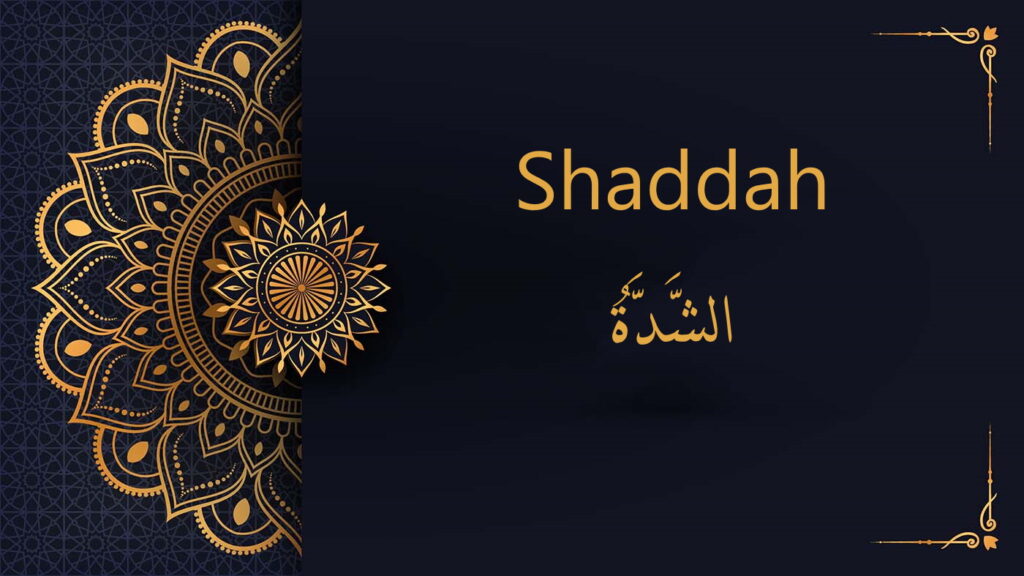
Shaddah (شَدّة) is one of the most important diacritical marks in Arabic, especially for beginners. At first glance, it looks like a small “w” (ـّ) placed above a letter; however, its role is very powerful and meaningful. Simply put, it tells you that the letter is doubled.
Instead of writing the same letter twice, Arabic uses the Shaddah to combine them into one strong, emphasized sound. In other words, when you see a Shaddah, you don’t just pronounce the letter once—rather, you pronounce it as if it appears twice.
For example:
سُكَّر (sukkar) → You don’t say sukar, you say suk-kar.
Because of this, this tiny symbol can completely change the meaning of a word. Therefore, learning it early is essential for anyone studying Arabic, whether for daily communication, proper pronunciation, or Quran reading.
Meaning of Shaddah in Simple Terms

If you’re a beginner, here’s the easiest way to understand Shaddah:
👉 Shaddah means “say this letter twice.”
That’s it.
When a letter has a Shaddah:
- The first sound is silent (it has sukoon).
- The second sound has a vowel (fatḥa, kasra, or ḍamma).
- Together, they create one strong, stretched sound.
Think of it like holding the letter slightly longer and with more strength.
Example:
- حَسَن (hasan) → normal “s” sound
- حَسَّن (hassan) → stronger, longer “ss” sound
This doubling effect is called gemination, and it’s a core feature of Arabic pronunciation.
Why Shaddah for Beginners Is Important

Many beginners underestimate the Shaddah, but it’s actually one of the most powerful symbols in Arabic. Here’s why mastering it early makes a huge difference:
1. How Shaddah Changes Meanings for Beginners
One small mark can completely change what a word means:
- دَرَسَ (darasa) = he studied
- دَرَّسَ (darrasa) = he taught
Same letters, totally different meanings.
2. It Improves Your Pronunciation
Arabic is a sound-based language. If you ignore the Shaddah, native speakers may not understand you correctly. Saying a word with or without Shaddah can feel like saying two different words.
For beginners, learning Shaddah helps you:
✔ Sound more natural
✔ Avoid confusion
✔ Speak with confidence
3. Why Shaddah for Beginners is Essential for Quran Reading (Tajweed)
In Quran recitation, Shaddah is not optional—it must be pronounced clearly. When Shaddah appears on ن (noon) or م (meem), it creates a special nasal sound called ghunnah, held for two counts.
Example:
- إِنَّ
- عَمَّ
Ignoring the Shaddah here changes the recitation completely.
4. How learning Shaddah Helps Beginners Read Faster
Once you train your eyes to recognize Shaddah, your reading speed improves. You won’t need to pause and decode every word—you’ll instantly know when a letter should be doubled.
5. It Builds a Strong Foundation
For beginners, Shaddah is not just a rule—it’s a building block. You’ll see it in:
- Verb patterns
- Nouns
- Sun letters
- Sentence connections
- Quranic words
Since Shaddah often appears with Sun Letters, learning this rule will help you read Arabic more smoothly.
👉 Read our full guide on Sun and Moon Letters here: [here]
The earlier you master it, the easier Arabic becomes.
How Shaddah Looks and Sounds

One of the easiest ways to recognize the Shaddah for beginners is by learning how it looks and how it sounds. This tiny symbol may seem simple, but it has a huge impact on pronunciation and meaning in Arabic.
The Shaddah tells you:
👉 “This letter is not normal. It is stronger, longer, and doubled.”
So instead of reading the letter once, you must pronounce it as if it appears twice—quickly and smoothly.
Understanding both the visual shape and the sound effect of Shaddah will help you avoid common beginner mistakes and improve your Arabic instantly.
Understanding the Shaddah Symbol for Beginners ( ّ )

The Shaddah symbol looks like a small, curved “w” shape: ( ّ )
It is always written above the letter it affects.
Key things to know about how Shaddah looks:
✔ Shape: A tiny “w”-like mark
✔ Position: Always on top of the consonant
✔ Function: Shows that the letter is doubled
✔ Never appears on Alif (ا)
Shaddah with vowels:
Shaddah doesn’t replace vowels—it works with them:
- Shaddah + Fatha ( َّ ) → doubled sound + “a”
- Shaddah + Kasra ( ِّ ) → doubled sound + “i”
- Shaddah + Damma ( ُّ ) → doubled sound + “u”
Example:
- رَبِّ (rabbi) → kasra + shaddah
- مُحَمَّد (Muhammad) → fatha + shaddah
- يُحِبُّ (yuhibbu) → damma + shaddah
So when you see this symbol, your brain should immediately think:
🧠 “Double this letter.”
How Shaddah Changes Pronunciation
Shaddah doesn’t just change how a word looks—it completely changes how it sounds.
When a letter has a Shaddah, you must:
- Hold the letter slightly longer
- Stress it
- Pronounce it as two sounds blended together
Linguistically, it works like this:
- First sound: silent (with sukoon)
- Second sound: with a vowel
But in real speech, you don’t pause between them—you connect them smoothly.
What does it sound like?
In English, it’s similar to:
- “zz” in sizzle
- “tt” in skittle
- “ll” in balloon
Arabic examples:
- جَنَّة (Jannah) → not jana, but jan-nah
- رَبِّ (rabbi) → not rabi, but rab-bi
- مُحَمَّد (Muhammad) → Mu-ham-mad
Important pronunciation rules
✔ No pause between the two sounds
✔ The sound must be continuous
✔ It lasts about two quick beats
✔ It must be clearly heard
Why this matters
If you ignore the Shaddah, you may change the meaning of the word completely.
Example:
- إِيَّاكَ (iyyāka) = You alone
- إِيَاكَ (iyāka) = incorrect meaning
That tiny symbol can carry a huge meaning difference.
How to Pronounce Shaddah for Beginners Correctly
Pronouncing Shaddah ( ّ ) correctly is essential for reading Arabic accurately, especially for Quranic recitation. The Shaddah doubles the consonant it sits on, creating a clear and emphatic sound that can completely change a word’s meaning.
When a letter carries Shaddah:
- The first instance acts as if it has a sukoon (no vowel)
- The second instance carries the vowel (fatha, kasra, or damma)
- Together, they form a strong, doubled consonant sound like “b-b” or “t-t” instead of a single “b” or “t”
By mastering this, beginners can read Arabic words smoothly and avoid common mistakes that can alter meaning.
Holding the Sound the Right Way
To pronounce Shaddah correctly, follow these key steps:
- Identify the Shaddah: Look for the small “w”-like symbol ( ّ ) above a letter.
- Think of Two Letters: Imagine the letter is written twice in a row.
- Apply Sukoon to the First: The first letter is silent, like a short pause.
- Add the Vowel to the Second: The second letter carries the short vowel, giving it sound.
- Hold & Release: Keep the tongue/mouth position from the first letter and release it with the vowel, creating a longer, emphatic sound.
Examples:
- أَكَّ (akkā): Pronounced “ak-ka,” hold the ‘k’ sound before the final ‘a’
- مِنَ الْيَمِّ (min al-yammi): Pronounced “yam-mi,” doubling the ‘m’ sound
- رَبِّ (rabbi): The ‘b’ is doubled, not just a single ‘b’
Tip: Don’t just repeat the sound; hold the consonant’s articulation before releasing it with the vowel for authentic pronunciation.
Tips for Listening and Repeating Shaddah for Beginners
For beginners, listening and mimicking is the fastest way to master Shaddah:

- Listen to Native Speakers: Focus on Quran recitations or clear Arabic recordings.
- Repeat Slowly: Start by pronouncing each letter with care, emphasizing the doubled consonant.
- Break Words Into Parts: Practice the first consonant (silent) and then the vowelled second consonant separately, then merge.
- Focus on Mushaddad Letters: Letters like m (م) and n (ن) with Shaddah also involve ghunna (nasal sound), so exaggerate the nasal tone slightly when practicing.
- Practice Common Words: Words like جَنَّة (Jannah), رَبِّ (Rabbi), مُحَمَّد (Muhammad) are perfect for beginners.
Pro Tip: Regular, short practice sessions (5–10 minutes daily) are better than occasional long sessions.
Shaddah for Beginners with Different Harakat
The Shaddah ( ّ ) is a powerful diacritical mark in Arabic that doubles a consonant and affects pronunciation. Its effect changes slightly depending on the Harakah (short vowel) it combines with. Understanding this helps beginners read and recite Arabic correctly, whether in everyday words or Quranic verses.
Shaddah With Fatha, Damma, and Kasra
When a Shaddah combines with a vowel, it tells you exactly how to pronounce the doubled consonant.
Example:
| Harakah | Symbol | Sound | Example | Pronunciation |
|---|---|---|---|---|
| Fatha | ـَّ | doubled + “a” | جَنَّـة | jannāh (Paradise) |
| Damma | ُّ | doubled + “u” | الصَّمَدُ | aṣṣamadu |
| Kasra | ِّ | doubled + “i” | رَبِّي | rabbi (My Lord) |
Key points:
- Double sound: The consonant is pronounced twice, quickly but clearly.
- Articulation: Hold the first part (sukoon) slightly before releasing with the vowel.
- Ghunnah: For نّ (Noon) and مّ (Meem), add a nasalized sound held for two counts.
Shaddah With Tanween
When Shaddah combines with Tanween, the doubled consonant takes the corresponding sound:
| Tanween | Symbol | Example | Pronunciation |
|---|---|---|---|
| Fathatan | ـًّ | حَقّاً | haqqan (Truly) |
| Dammatan | ـٌّ | حَقٌّ | haqqqun (Truth) |
| Kasratan | ـٍّ | حَقٍّ | haqqqin (Truth) |
This is common in Quranic recitation and formal Arabic writing.
If you want to understand Tanween more deeply and learn how it works in different words and Quranic examples, don’t miss our full guide:
👉 Arabic Tanween Rules for Beginners – Easy Examples & Tips
Shaddah With Sukoon Before It
Sometimes, the letter before the Shaddah carries a sukoon (no vowel). This affects pronunciation:
- The first consonant is silent (sukoon)
- The second consonant carries the vowel
- The sound is continuous, without pause
Example:
- أَكَّ → pronounced ak-ka, hold the ‘k’ briefly before adding the vowel
- رَبِّ → pronounced rab-bi, with the ‘b’ doubled
- مَنَّمَ → pronounced man-nam, doubling the ‘n’ sound
Tips from earlier guidance:
- Identify the Shaddah: Look for the “w”-shaped mark above the letter.
- Think of two letters: Imagine the letter is written twice.
- Hold & Release: Keep the tongue/mouth position for the first consonant, then release with the vowel.
- Practice common words: Words like جَنَّة, رَبِّي, and مُحَمَّد are perfect for beginners.
Important: Shaddah changes meaning. Missing it or mispronouncing it can completely alter the word.
Shaddah Rules for Beginners in Reading Arabic
For beginners, the Shaddah (شدة) is a diacritical mark that doubles the consonant it sits on. Think of it as a “bam-bam” sound instead of just “bam.” It consists of two parts:
- Silent letter (Sukoon): The first part is held silently.
- Vowelled letter: The second part carries a short vowel (fatha َ, kasra ِ, damma ُ).
The Shaddah symbol ( ّ ) always sits above the letter, with the vowel placed above or below it.
Key Rules:
- Double the Sound: Pronounce the letter twice in one smooth sound.
- Hidden Sukoon + Vowel: Imagine two identical letters merged—first is silent, second carries the vowel.
- Placement: The Shaddah sits directly above the consonant it affects.
- Vowel Placement: Fatha, kasra, or damma goes above or below the Shaddah.
Shaddah in Everyday Arabic Words for Beginners
Here are some practical examples of Shaddah in common Arabic words:
| Word (Arabic) | Pronunciation | Note |
|---|---|---|
| مُحَمَّد | Mu-ham-mad | ‘m’ is doubled |
| دَرَّسَ | dar-rasa | ‘r’ is doubled |
| رَبِّ | Rab-bi | ‘b’ is doubled |
| جَنَّة | jan-nah | ‘n’ is doubled |
| صَبَّاح | ṣab-bāḥ | ‘b’ is doubled |
| كَبَّر | kab-bara | ‘b’ is doubled |
Practice Tip: Focus on the silent-then-vowel sound of the doubled letter. Hold the first part briefly, then release it with the vowel.
Common Shaddah Words for Beginners Often Misread
Beginners often mispronounce Shaddah because they treat the letter as a single consonant. Avoid these mistakes:
| Common Misread | Correct Pronunciation |
|---|---|
| Mu-hamad | Mu-ham-mad |
| Dar-as | Dar-rasa |
| Rab-i | Rab-bi |
| Janah | Jan-nah |
| Sabah | Ṣab-bāḥ |
Tips to Improve:
- Listen and Repeat: Pay attention to native pronunciation.
- Echo Practice: Say the doubled consonant separately (‘mm-ma’, ‘rr-ra’), then combine.
- Slow Reading: Focus on each letter, then gradually increase speed while keeping the doubling clear.
Shaddah in Quran Reading and Tajweed
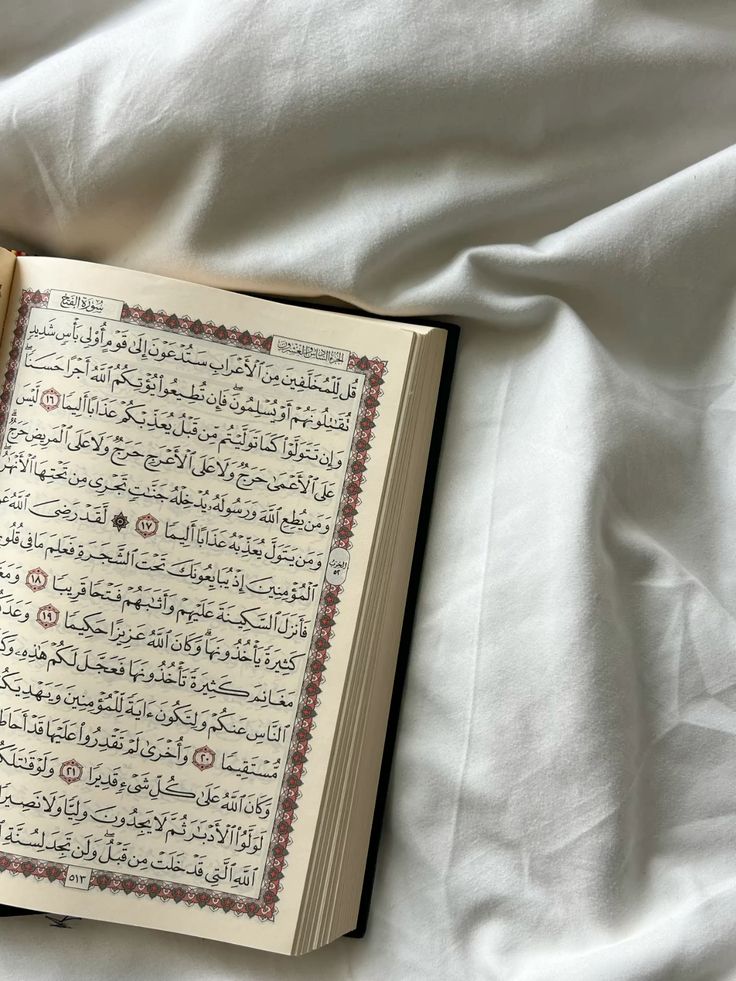
The Shaddah ( ّ ) is especially important in Quran recitation. It ensures correct pronunciation and meaning, which is crucial for proper Tajweed.
Why Shaddah Must Not Be Skipped in Quran
Skipping a Shaddah can change the meaning of a word in the Quran. Each doubled consonant carries weight and may affect the understanding of the verse.
Key Points:
- The first consonant is silent (sukoon), the second carries a vowel.
- Letters Noon (نّ) and Meem (مّ) require Ghunnah (nasalization).
- Words with Sun Letters always use Shaddah after the “Al” (ال).
Example:
| Quranic Word | Meaning | Correct Pronunciation | Incorrect (no Shaddah) |
|---|---|---|---|
| إِنَّ | Indeed | in-na | ina |
| مِنَ الْيَمِّ | From the sea | mina al-yammi | mina al-yami |
| حَقًّا | Truly | haqqan | haqan |
Examples of Shaddah in Short Surah
Short Surahs contain many words with Shaddah, perfect for beginners:
Practice Tip: Read slowly, focus on the silent + vowel structure of each Mushaddad letter.
Easy Practice for Shaddah for Beginners

Practicing Shaddah regularly helps beginners develop clarity and fluency in Arabic reading.
Simple Words to Practice Shaddah for beginners
Start with everyday words before moving to Quranic words:
دَرَّسَ → dar-rasa
رَبِّ → Rab-bi
جَنَّة → jan-nah
كَبَّر → kab-bara
صَبَّاح→ ṣab-bāḥ
Tip: Repeat each word slowly, emphasizing the doubled consonant, then gradually speed up.
Short Sentences for Daily Practice
Once comfortable with words, practice short sentences to improve flow:
| Arabic Sentence | Transliteration | Meaning |
|---|---|---|
| رَبِّ زِدْنِي عِلْمًا | Rab-bi zidnī ʿilmā | My Lord, increase me in knowledge |
| دَرَّسَ المُعَلِّمُ الطُّلّابَ | Dar-rasa al-muʿallimu al-ṭullāb | The teacher taught the students |
| جَنَّةُ النَّعِيمِ | Jan-natu al-naʿīm | Paradise of bliss |
Tip: Focus on holding the first consonant (sukoon) and releasing with the vowel. Repeat daily.
Common Mistakes Beginners Make With Shaddah for Beginners
Learning Shaddah can be tricky for beginners. Without careful attention, it’s easy to mispronounce words, which may change the meaning or make the reading unclear. Here are the most common mistakes to watch out for.
Ignoring the Double Sound
One of the biggest mistakes is not emphasizing the doubled consonant. The Shaddah indicates that the consonant should be pronounced twice in quick succession, not just once.
💡Tip: Practice by holding the first consonant (sukoon) and releasing it with the vowel. Repeat slowly until the doubled sound feels natural.
Confusing Shaddah With Long Vowels
Beginners sometimes mistake Shaddah for long vowels (Madd letters). Remember:
- Shaddah doubles a consonant: one silent + one with a vowel.
- Long vowels stretch a vowel sound: they do not double the consonant.
Example Differences:
| Word | Mistaken as | Correct Understanding |
|---|---|---|
| رَبِّ | رَبّي (thinking “bb” is a long vowel) | rab-bi (double ‘b’) |
| جَنَّة | جانّة (thinking ‘nn’ is a long vowel) | jan-nah (double ‘n’) |
💡Tip: Focus on the “stop-then-vowel” pattern of Shaddah rather than simply stretching the vowel.
Final Thought
Mastering the Shaddah (شدة) is more than just learning a small symbol—it’s a key to reading, speaking, and understanding Arabic correctly. Whether in the Quran, everyday conversation, or formal writing, recognizing and pronouncing the doubled letters properly adds clarity, fluency, and confidence to your Arabic skills.
Arabic is a rich and beautiful language, full of nuances, sounds, and rhythms. By focusing on Shaddah, beginners and children alike can build a strong foundation, improving both pronunciation and comprehension. Regular practice, listening, and repeating are essential steps to make the doubled sounds natural, smooth, and enjoyable to say.
Remember: Every letter counts. Paying attention to small details like Shaddah opens the door to mastering the language and appreciating its depth and beauty.
Ready to Improve Your Arabic?
At Areeb Academy, our expert teachers are native Arabic speakers, fluent in English, and trained to make learning easy and enjoyable. With flexible schedules tailored to your lifestyle, you can learn at your own pace without stress.
✨ Book your Free Trial Class today
Start your journey to mastering Arabic pronunciation, reading, and understanding!
FAQs About Shaddah in Arabic
1. What is Shaddah and why is it important?
Shaddah (شدة) is a diacritical mark in Arabic that doubles the consonant sound, making it stronger and more precise. Without Shaddah, pronunciation can be unclear, and sometimes, the meaning of a word can change completely.
2. How do I know which letters need a Shaddah?
Usually, when two identical consonants appear consecutively, they are combined with a Shaddah instead of writing the letter twice. Also, Shaddah appears on certain words in the Quran and with Sun letters after “Al” (ال)
3. Can Shaddah appear with different vowels?
Yes! Shaddah can appear with Fatha (ـَّ), Kasra (ـِّ), or Damma (ـُّ). Each combination changes the pronunciation slightly:
- Shaddah + Fatha → doubled consonant + “a” sound
- Shaddah + Kasra → doubled consonant + “i” sound
- Shaddah + Damma → doubled consonant + “u” sound
4. What are common mistakes when pronouncing Shaddah?
Beginners often ignore the doubling or confuse it with long vowels. To avoid mistakes, remember the rule: first consonant is silent (sukoon), second carries the vowel, and practice listening and repeating slowly.
5. How can I learn Shaddah more effectively?
The best way is guided practice with an experienced teacher, regular repetition, and starting with simple words and short sentences. Visual and auditory techniques also help reinforce the correct pronunciation.
6. Can I get help learning Shaddah with native Arabic teachers?
Absolutely! At Areeb Academy, our teachers are native Arabic speakers, fluent in English, and trained to make learning Shaddah and Arabic easy and enjoyable. With flexible schedules and personalized guidance, you can practice confidently and master pronunciation quickly.
✨ Book a Free Trial Class today and start your journey to reading and speaking Arabic like a pro!