
Creating a Ramadan Schedule for Kids is a wonderful way to make the holy month meaningful, fun, and educational. With so many special moments in Ramadan, from fasting and Iftar to prayers and acts of charity, having a structured yet flexible schedule helps children stay engaged while learning the values of kindness, gratitude, and devotion.
A well-planned Ramadan Schedule for Kids can include daily crafts, simple dua practice, family storytime, and age-appropriate participation in Suhoor and Iftar preparations. Whether your child is a toddler just discovering Ramadan or a teen learning Quran and Tajweed, a thoughtfully designed schedule ensures they enjoy the blessings of this holy month while building lifelong spiritual habits.
💡 New to fasting or looking for key dates and tips for Ramadan 2026? Check out our guide: Ramadan 2026 and Fasting Basics: 10 Fasting Tips & Key Dates for a quick overview.
Why a Ramadan schedule for kids matters (and makes the whole house calmer)
A structured Ramadan schedule for kids is key to keeping the household calm and helping children adapt to shifting sleep, meal times, and daily routines. It provides stability, reduces fatigue, and allows kids to enjoy the spiritual, educational, and social aspects of the month without stress.
- Manages Fatigue: Proper sleep and rest prevent crankiness from overtired or hungry children.
- Structured Meals: Setting consistent times for Suhoor (pre-dawn meal) and Iftar (breaking the fast) reduces last-minute stress and makes family meals more enjoyable.
- Purposeful Activities: Planning activities such as Quran study, good deeds charts, or post-Iftar games keeps children meaningfully engaged instead of letting boredom cause behavioral issues.
Kids love predictability schedule, especially in Ramadan
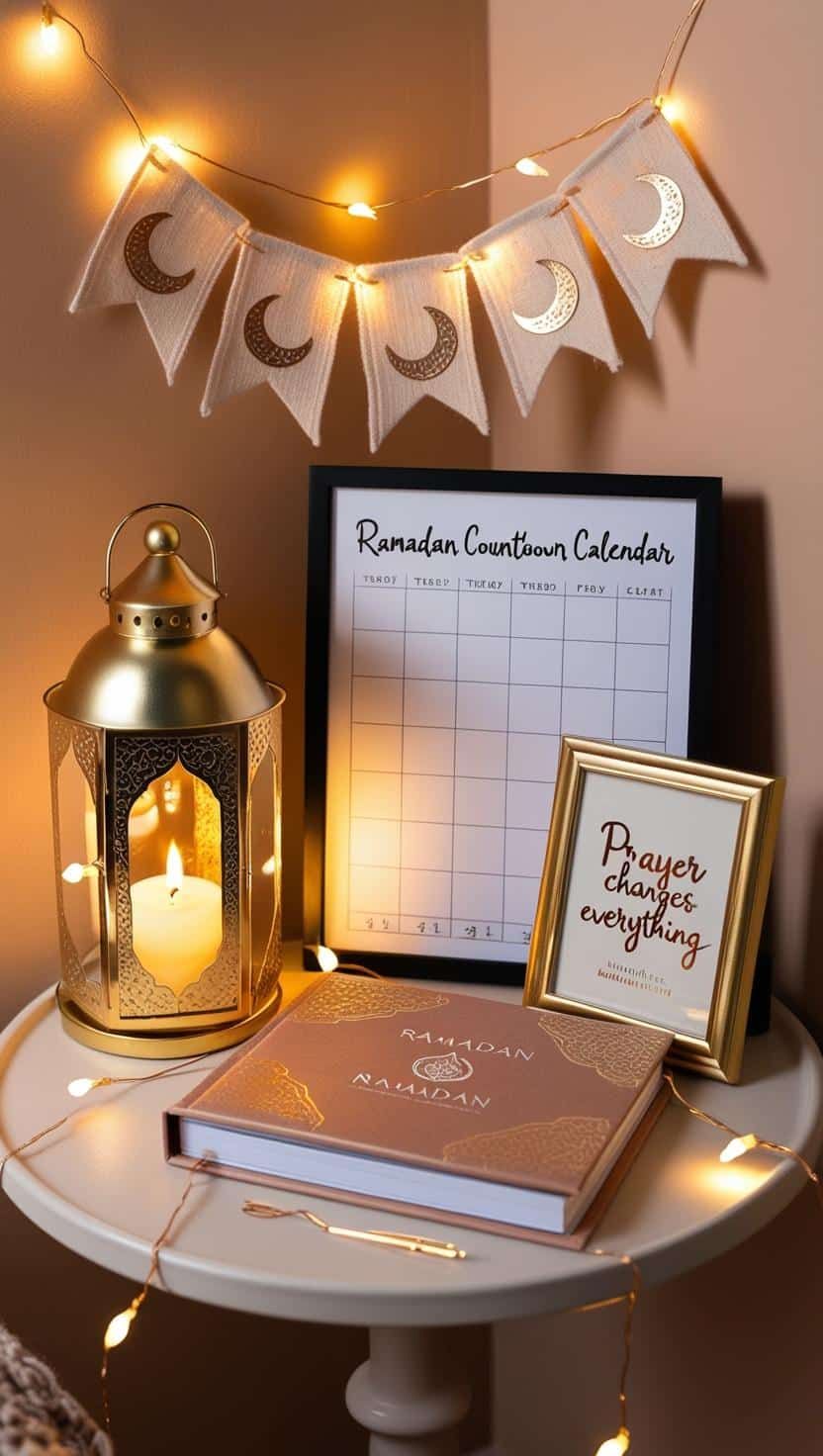
Children thrive on knowing what comes next. A visual Ramadan calendar or daily routine helps them understand the rhythm of the month, making the experience reassuring and enjoyable. Predictable routines:
- Provide emotional security and a sense of stability.
- Reduce irritability and behavioral challenges caused by uncertainty.
- Allow children to gradually understand and connect with the values of Ramadan without feeling pressured.
The goal: connection, not pressure
A Ramadan schedule should prioritize connection, learning, and spiritual growth over strict adherence:
- Introduce values gently: Routines create natural opportunities to teach patience, self-control, compassion, and charity.
- Encourage participation: Involving kids in planning meals, preparing for Iftar, or simple acts of kindness makes the month interactive and memorable.
- Balance worship and fun: Incorporate rest, play, and prayer so Ramadan becomes a peaceful, fulfilling month for the entire family.
Before you start: set 3 family goals for your Ramadan schedule for kids

Before Ramadan begins, it’s helpful to set a few family goals to give your children a sense of purpose and direction. Clear goals make the month meaningful and help kids focus on spiritual growth, good habits, and community involvement.
- Start with 3 key family goals: Pick simple, achievable objectives for the month that everyone can follow.
- Focus on quality, not quantity: Choose goals that build lasting habits instead of overwhelming your children.
- Discuss goals as a family: Encourage children to participate in setting goals so they feel ownership and excitement.
Goal ideas: manners, salah habit, Quran habit, helping others
Here are some practical goal ideas for children to focus on during Ramadan:
- Manners: Practicing patience, saying “please” and “thank you,” helping around the house, and showing kindness to family members.
- Salah habit: Establishing regular prayer times, practicing wudu, or creating a small dedicated prayer space.
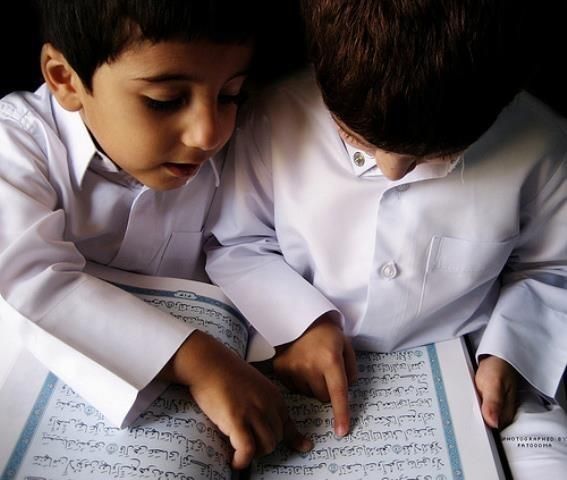
- Quran habit: Reading short surahs daily, memorizing a few verses, or learning one Islamic fact per day.
- Helping others: Participating in charity, making donation boxes, helping prepare meals for neighbors, or volunteering in community iftars.
These goals help children connect spiritually, socially, and emotionally to the essence of Ramadan.
🌙 Make Wudu Fun for Kids!
Help your little ones learn the proper steps of Wudu while making it a joyful part of their Ramadan routine. 🕌✨
📖 Read our latest blog post for easy tips, step-by-step guidance, and creative ideas to teach Wudu to children here
Keep it small: one main habit per week
To prevent children from feeling overwhelmed, introduce one main habit each week:
- Week 1: Focus on salah habit (prayer times, proper etiquette)
- Week 2: Introduce Quran reading or dua practice
- Week 3: Encourage acts of charity or helping others
- Week 4: Combine habits and reflect on progress
This gradual approach allows children to master one habit at a time, making the process enjoyable and achievable. It also reinforces consistency, patience, and a sense of accomplishment, which are key lessons of Ramadan.
📖 Looking for extra support to keep kids consistent with Quran during Ramadan? Our Online Quran Classes During Ramadan: The Simple Schedule to Stay Consistent can help your children stay motivated and engaged.
Ramadan schedule for kids by age (pick the right routine)
Structuring your child’s day in Ramadan helps them feel the spirit of the month, build good habits, and enjoy a balance of worship, play, and rest. Choosing the right routine depends on their age and developmental stage.
Ages 3–5: short, playful, story-based routine
- Focus on short, engaging activities with plenty of play.
- Use storybooks about Ramadan to introduce fasting, charity, and prayer concepts.
- Include hands-on crafts like paper lanterns, crescent and star decorations, or Ramadan countdown chains.
- Introduce short prayers (duas) and basic Islamic phrases in a fun way.
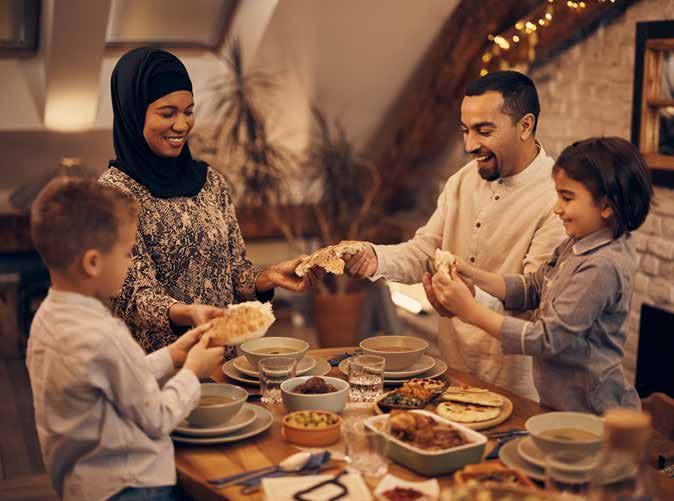
- Encourage gentle participation in Suhoor and Iftar preparation, such as washing fruits or arranging dates.
- Keep routines flexible and playful, avoiding strict schedules that might frustrate them.
From 6–9: simple structure + rewards
- Introduce a light structure with specific times for prayer, Quran reading, and learning.
- Encourage memorizing short surahs or practicing simple Tajweed rules.
- Use good deeds jars, reward charts, or Bingo cards to gamify learning and fasting.
- Involve children in charity activities, like packing Iftar care packages or contributing to a Ramadan Penny Bank.
- Include educational activities about the 99 Names of Allah, Islamic manners (Adab), or stories of the Prophets.
- Maintain short, interactive sessions to prevent overwhelm and keep engagement high.
Ages 10–13: responsibility + gentle independence
- Foster personal responsibility in daily worship, Quran reading, and helping at home.
- Encourage goal setting, like tracking good deeds, fasting full days, or memorizing surahs.
- Include community involvement, such as attending mosque events, Taraweeh prayers, or volunteering in charity work.
- Introduce creative Islamic projects, like scrapbooks, Eid card making, or building a mosque model.
- Support time management by setting schedules for study, rest, play, and prayer.
- Reward consistency and effort, emphasizing spiritual growth over perfection.
Teens: realistic worship plan + sleep protection
- Focus on independent worship and reflection, while balancing school and extracurricular activities.
- Encourage personal goal setting, including fasting targets, Quran reading, and Sunnah practices.
- Discuss healthy sleep schedules to prevent fatigue and maintain focus during Ramadan.
- Include community service and family involvement for spiritual and social growth.
- Encourage journaling or creating a Ramadan reflection diary to track personal growth and gratitude.
- Support self-discipline and accountability, with occasional guidance and encouragement.
✨ Curious to learn more about practical ways teens can follow the Sunnah daily? Read our full blog post on What is Sunnah and start applying it today!
The ideal weekday Ramadan schedule for kids (school days)
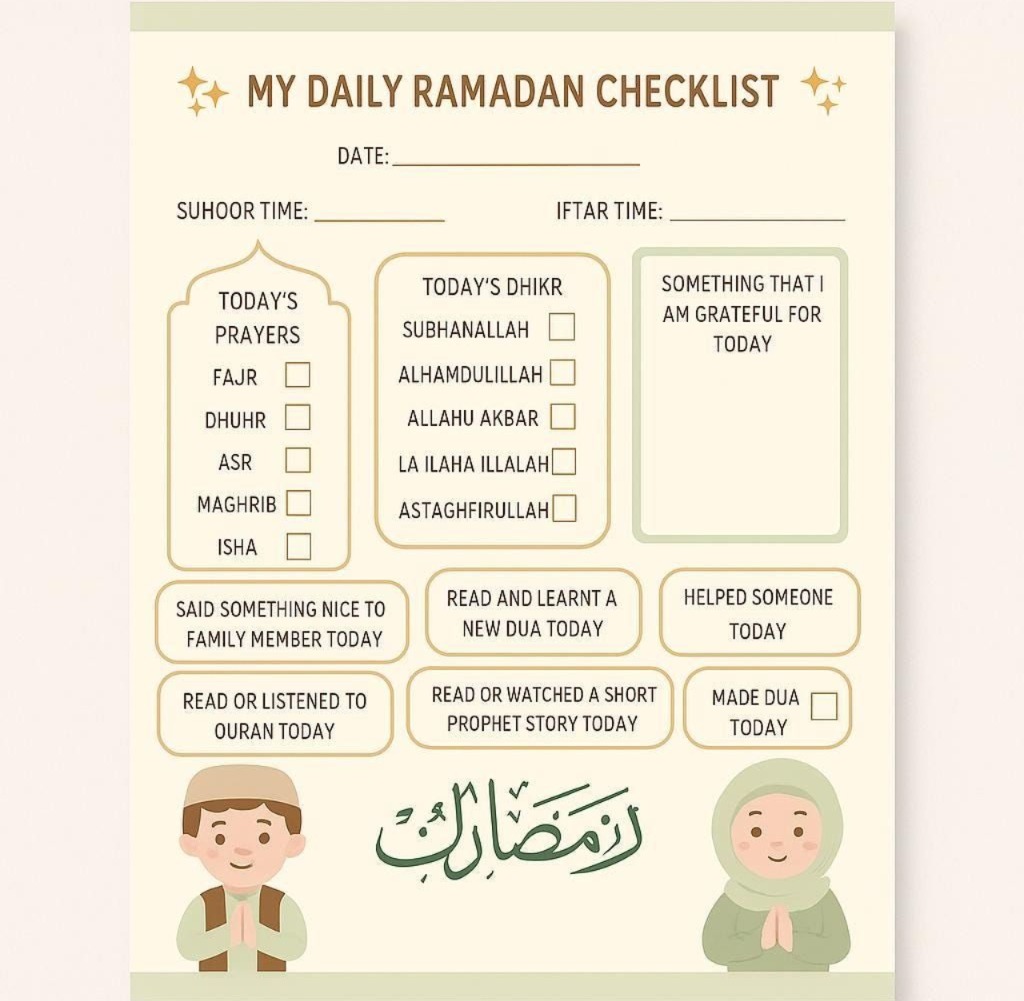
An ideal weekday Ramadan schedule for school-going children balances adequate sleep, nutrition, academics, and spiritual activities. It ensures children have energy for fasting while maintaining a healthy routine that includes Quran reading, Taraweeh, charity, and family time.
Morning Routine in a Ramadan Schedule for Kids (Before School)
- Pre-Dawn (Suhoor): Wake up for a nutritious, hydration-focused meal. Include foods like fruits, yogurt, eggs, and dates.
- Fajr prayer: Encourage children to pray with the family to instill spiritual discipline early.
- Quick preparation for school: Dress, brush teeth, and get ready for school efficiently.
- Short motivational activity: A small dua or reading a short surah can set a positive tone for the day.
After-School Reset in a Ramadan Schedule for Kids
- Post-school nap or quiet time: 30–60 minutes to recharge energy while fasting.
- Homework completion: Finish assignments immediately to free up evening time.
- Low-energy activities: Crafts, reading, or Quran sessions suitable for children.
- Hydration and snack alternatives: Provide water or fruits if the child is not fasting yet or has special needs.
Pre-iftar calm time (Quran, dua, helping in the kitchen)
- Spiritual engagement: Short Quran recitation, dua, or storytime about the Prophets.
- Helping in the kitchen: Age-appropriate tasks like setting the table, washing fruits, or arranging dates.
- Interactive learning: Use Ramadan-themed crafts, good deed jars, or advent calendars to keep children engaged.
- Gentle activity planning: Avoid high-energy activities that can drain their fasting energy.
After iftar routine (family time, short worship, bedtime plan)
- Iftar & Maghrib prayer: Break fast together as a family and pray Maghrib.
- Taraweeh / evening worship: Short Taraweeh at home or mosque if feasible.
- Family bonding: Storytelling, reflections, or light discussion about the day’s good deeds.
- Early bedtime: Ensure enough rest to prepare for the next day of fasting.
- Optional rewards: Small recognition for completed good deeds or fasting practice to encourage consistent spiritual engagement.
The weekend Ramadan schedule for kids (more worship, more fun)
Weekends in Ramadan allow more flexibility for both worship and fun activities. Children can engage in longer spiritual sessions, interactive Islamic learning, and meaningful family experiences. Here’s an ideal framework:
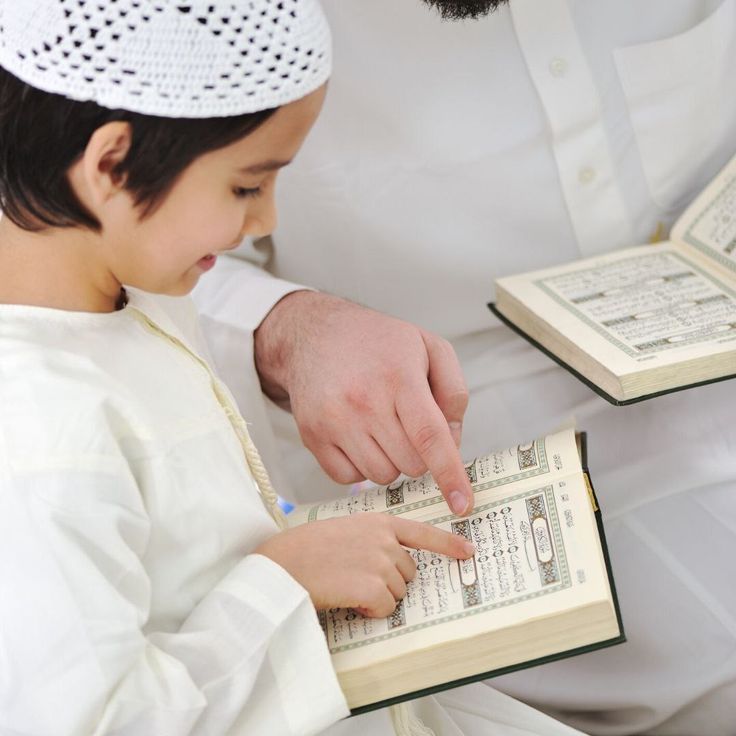
Family Quran circle (10–20 minutes)
- Quran recitation: Choose short surahs or favorite verses to read together.
- Discussion time: Talk about the meanings in age-appropriate language.
- Storytelling: Share stories from the Prophets or Hadith that illustrate kindness, patience, or gratitude.
- Interactive engagement: Older children can lead a short recitation or explain a verse in their own words, boosting confidence and memorization.
Islamic activity block (crafts, stories, quizzes)
- Creative crafts: Lanterns, crescent moons, stars, or Eid decorations.
- Educational games: Ramadan-themed bingo, word searches, or quizzes about the month’s practices.
- Storytime: Read books or narrate tales about Ramadan, encouraging children to retell the story or act it out.
- Language development: Narrating, describing, and asking questions during activities strengthens vocabulary and comprehension.
Charity and kindness outing (simple and local)
- Sadaqah jars: Take children to donate their collected money or goods to a local charity.
- Helping neighbors: Deliver small treats, cards, or care packages to neighbors in need.
- Community service: Participate in mosque clean-ups, food drives, or local volunteering events.
- Reflection: Encourage children to talk about how helping others makes them feel, reinforcing empathy and gratitude.
Sleep and energy: the secret to a successful Ramadan schedule for kids

Maintaining consistent sleep and energy levels is key to helping children enjoy Ramadan while staying healthy and alert. Adjusting routines thoughtfully ensures they get adequate rest despite late nights, early Suhoor, and Taraweeh prayers.
Bedtime anchors (even when nights are busy)
- Consistent pre-bedtime routine: Start winding down 1 hour before bedtime with dim lights, quiet activities, and bedtime stories.
- Relaxing rituals 30 minutes before sleep: Brush teeth, change into pajamas, soft Quran recitation, and cuddle time.
- Tip: Even if bedtime shifts later for Ramadan, anchor the routine with familiar cues to signal sleep time.
Nap strategy by age
- Babies: Follow usual nap patterns; consider short naps before family outings to prevent overtiredness.
- Toddlers (1–3 years): Offer a 20–30 minute nap after school or early afternoon to compensate for later nights.
- Older children (4–12 years): Optional short naps can help maintain alertness during late-night gatherings or Taraweeh nights.
- Tip: Keep naps brief to avoid interfering with nighttime sleep, and gradually adjust nap timing as Ramadan progresses.
What to do if kids stay up for taraweeh
- Pre-plan meals and bedtime routines: Prepare children with a light snack before Taraweeh; follow with brushing teeth and wind-down activities afterward.
- Gentle wake-ups for Suhoor: Use soft lights, Quran recitations, or gentle calls to avoid startling children.
- Balance social outings: Limit consecutive late-night events to prevent fatigue; alternate busy nights with calm evenings at home.
- Reflection & calm: Encourage children to express how they feel about late nights, teaching awareness of body cues and self-care.
Suhoor and iftar routines kids enjoy

Suhoor and Iftar are central to the fasting experience, but mealtimes can sometimes turn into a struggle with kids. Establishing enjoyable routines helps children participate willingly, learn gratitude, and build healthy eating habits—all while making Ramadan fun and stress-free.
Suhoor ideas by age (quick, filling, gentle)
- Toddlers (2–4 years): Soft porridge, yogurt with fruit, or a small smoothie bowl for easy digestion.
- Young Children (5–9 years): Oatmeal with honey, boiled eggs, dates, or wholegrain toast for sustained energy.
- Older Kids (10–12 years): Nut butter on toast, milkshakes, or small portions of protein and complex carbs to keep them full longer.
- Tip: Make Suhoor visually appealing—fun shapes, colorful fruit, or small portions to encourage eating without overwhelming them.
Iftar starter habits (dua, dates, water, gratitude)
- Begin every Iftar with the dua for breaking the fast.
اللَّهُمَّ لَكَ صُمْتُ، وَعَلَى رِزْقِكَ أَفْطَرْتُ. ذَهَبَ الظَّمَأُ، وَابْتَلَّتِ العُرُوقُ، وَثَبَتَ الأَجْرُ إِنْ شَاءَ اللَّهُ.
English Translation: O Allah, for You I have fasted, and with Your provision I have broken my fast. The thirst has gone, the veins are moistened, and the reward is assured, if Allah wills.
Transliteration: Allāhumma laka ṣumtu, wa ʿalā rizqika aftartu. Dhahaba al-ẓama’u, wabtallati al-ʿurūq, wa thabata al-ajr, in shā’ Allāh. - Encourage dates and water as the first items to eat, following the Sunnah of the Prophet ﷺ.
- Teach kids to pause and reflect for a moment of gratitude before the meal.
- Older children can help serve or set the table, promoting responsibility and family bonding.
Hydration plan and “no-sugar-crash” tips
- Include plenty of water and hydrating foods like cucumbers, melons, and soups to prevent dehydration.
- Avoid sugary drinks or snacks right after Iftar to reduce energy spikes and crashes.
- Introduce balanced meals combining protein, complex carbs, and healthy fats to maintain steady energy levels for Taraweeh and evening routines.
- Tip: Make hydration fun by offering flavored water with fruit slices or encouraging small, frequent sips rather than chugging large amounts.
Worship in a Ramadan schedule for kids (easy, daily, doable)
Ramadan is not only about fasting; it’s a perfect opportunity to teach kids small, consistent acts of worship. By breaking down tasks into simple daily habits, children can participate meaningfully without feeling overwhelmed.
Salah plan: one prayer at a time
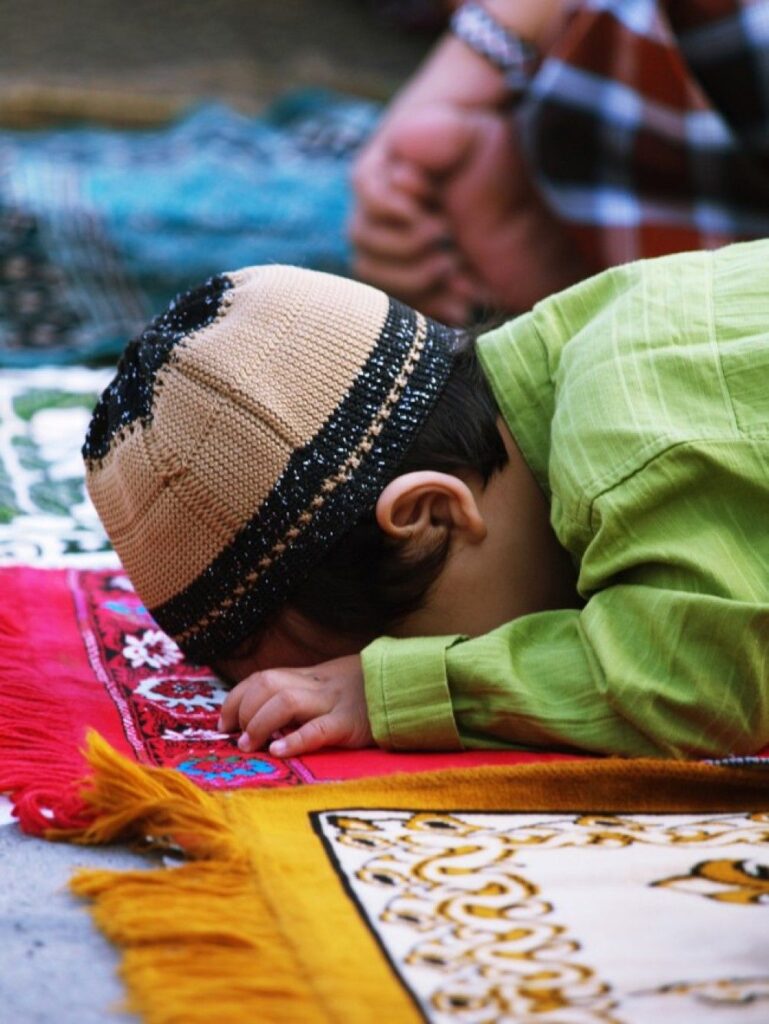
- Focus on teaching one prayer at a time, allowing children to feel confident and successful before adding another. Starting small helps prevent overwhelm and builds a positive connection with salah rather than turning it into a stressful obligation.
- Use a visual timetable or sticker chart to track which prayers they’ve completed. Seeing their progress makes a big difference, especially for younger kids, and turns prayer into something tangible and rewarding.
- Pray together whenever possible. Children learn best by watching and copying, so even standing next to you or joining part of the prayer counts as progress. For very young kids, simply being present during salah is a meaningful step.
- Celebrate milestones with small rewards, praise, or special family moments, like choosing a dessert for iftar or picking the bedtime story. Gentle encouragement and consistency will help salah slowly become a natural and loved part of their daily routine.
Quran plan: 5 minutes daily (and it counts)
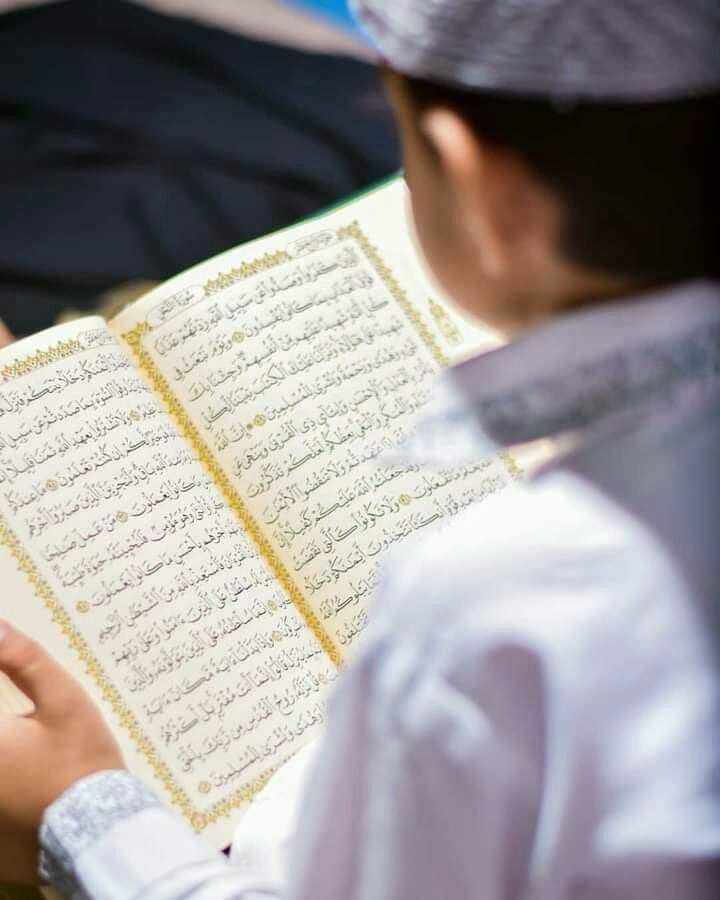
- Encourage 5–10 minutes of Quran reading or listening daily. Even short sessions build consistency and help children develop a lifelong relationship with the Quran. The goal is to make Quran time feel peaceful and achievable rather than overwhelming.
- Younger children can listen to recitation while playing quietly, coloring, or getting ready for bed. Exposure to the sound and rhythm of the Quran helps them build familiarity and love for it naturally. Older children can follow along in the Mushaf, practice reading aloud, or revise short surahs they already know.
- You can also combine Quran time with copywork or journaling. Let kids write down a short verse, draw something that reflects its meaning, or talk about one lesson they learned from it. This helps strengthen comprehension and reflection, not just memorization.
🕌 Want a full 30-day Quran reading plan for Ramadan? See our detailed schedule here: Quran Reading in Ramadan Plan: 30-Day Schedule + 5-Min Daily Routine.
Dua jar: kids pick a dua each day
- Create a dua jar filled with simple duas suitable for children.
- Each day, let your child draw a dua and say it together as a family.
- Encourage reflection on the meaning and context of the dua, reinforcing its importance in daily life.
Dhikr for kids: short phrases with big meaning
- Teach children short dhikr phrases like:
- SubhanAllah, Alhamdulillah, Allahu Akbar
- La ilaha illallah
- Astaghfirullah
- Repeat them in fun ways, like songs, hand motions, or during small chores.
- Keep sessions short but consistent to build habit and understanding.
💡 For more ways to integrate dhikr into your daily life, check out our full guide on Dhikr After Salat
Fun Ramadan activities for kids to add to the schedule
Ramadan is the perfect time to engage kids in activities that are meaningful, fun, and easy to prepare. From crafts to cooking to interactive games, these low-prep activities spark creativity, build excitement, and help children connect with the spiritual side of Ramadan.
Ramadan countdown chain / calendar
Make the days of Ramadan visible and exciting! Create a DIY countdown chain or calendar that children can interact with each day.
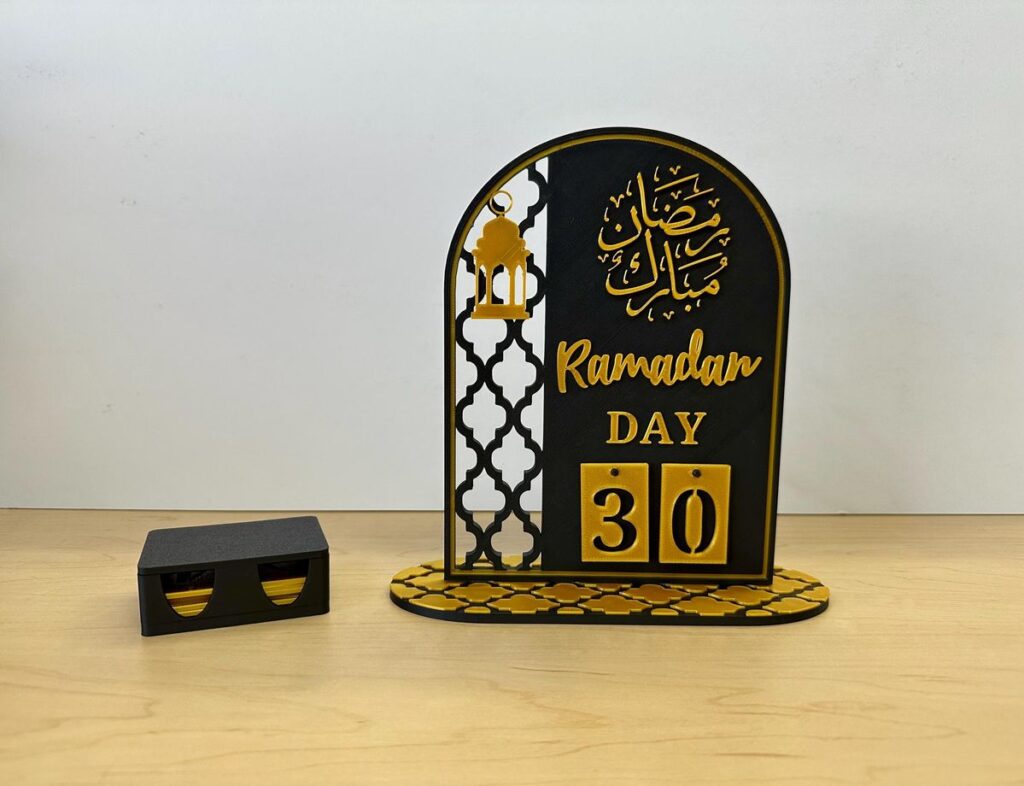
Ideas:
- Countdown Chain: Cut strips of colorful paper, write numbers 1–30 on them, and link them in a chain. Each day, your child removes a link to mark the passing of Ramadan.
- Calendar with Pockets: Use a cardboard base with small envelopes for each day. Hide treats, small activities, or inspiring messages inside.
This visual countdown builds anticipation for Eid and allows kids to actively participate in the month-long journey of Ramadan.
Good deed bingo
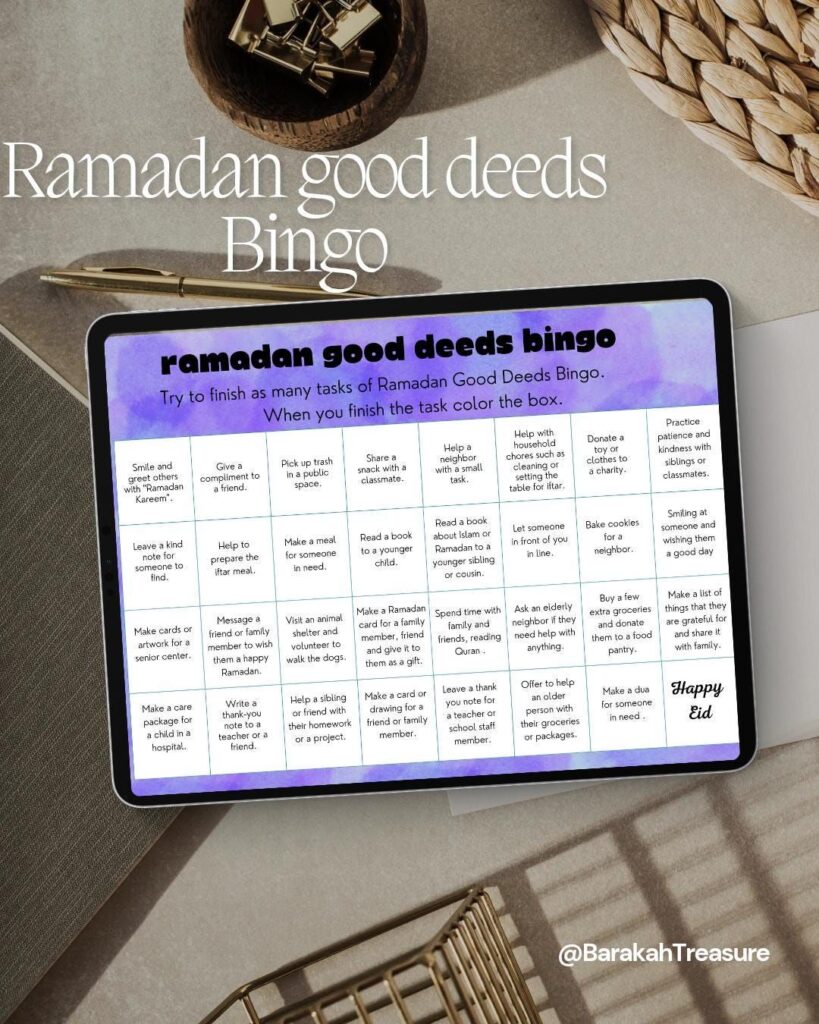
Encourage children to practice kindness and charity with a simple “Good Deed Bingo.”
How it works:
- Create a bingo grid with actions like “helped set the table,” “gave a smile to someone,” or “donated a toy.”
- Each time your child completes a deed, they mark it on their bingo card.
- Celebrate completing a row or the full card with a small reward or family recognition.
This activity turns good deeds into a fun challenge while teaching empathy, gratitude, and community spirit.
Story night: prophets and sahabah
Bring the stories of the prophets and sahabah to life during Ramadan evenings.
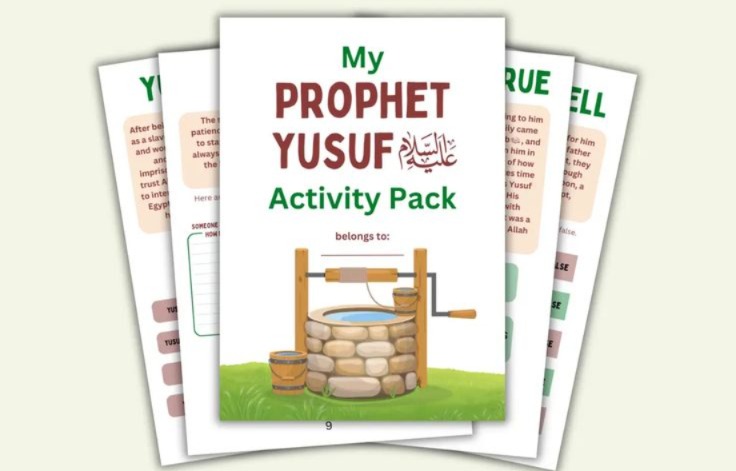
Ideas:
- Choose a short, age-appropriate story about a prophet or a companion of the Prophet ﷺ.
- Let children illustrate the story with drawings or coloring pages as you read.
- Discuss the lessons and how they can apply them in daily life.
Story nights help children understand Islamic values, build moral character, and foster a love for learning in a fun, interactive way.
The last 10 nights: a special Ramadan schedule for kids
The last ten nights of Ramadan are the most precious, filled with spiritual opportunity, extra prayers, and acts of kindness. While adults focus on worship during Laylatul Qadr, children can also join in meaningful ways through age-appropriate activities, dua, and family traditions. Keeping routines short and engaging helps maintain excitement without overwhelming little ones.
A lighter schedule routine for sleepy kids in Ramadan
Not all children can stay up late, so tailor the last ten nights to their energy and attention levels:
Sample Daily Activities:
- Before Iftar: Crafting a Ramadan banner or coloring crescent moons. Teach one new short dua each day.
- Iftar Time: Encourage kids to help set the table or pack a small donation for neighbors or a local food bank.
- After Isha/Taraweeh: Short Quran story readings or a family gratitude circle.
- Optional Late Night: Light dua or reflection, if the child is awake and willing.
This approach keeps kids engaged without overtiring them, helping them feel part of the spiritual atmosphere.
Laylat al-Qadr moments kids can join (dua + quiet time)
Even if children are too young to perform long prayers, they can participate in special Laylatul Qadr moments:
Kid-Friendly Ideas:
- Recite the Laylatul Qadr Dua together:اللَّهُمَّ إِنَّكَ عَفُوٌّ تُحِبُّ الْعَفْوَ فَاعْفُ عَنِّي
Allaahumma innaka ‘afuwwun, tuhibb al-‘afwa, fa’fu ‘anni
“O Allah, You are the Most Forgiving, and You love to forgive, so forgive me.” - Encourage children to make short, heartfelt duas for themselves, family, friends, and even the wider community.
- Teach them other simple duas for health, guidance, parents, and knowledge (see examples below):
- Dua for Parents: Rabbi irhamhuma kama rabbayani sagheera – “My Lord, have mercy upon my parents as they raised me when I was small.”
- Dua for Guidance: Allaahummah-dinee wa sadd-dadnee – “O Allah, guide me and keep me on the straight path.”
- Create quiet moments with soft lighting, gentle recitation, or a “moon gazing” pause to reflect on the significance of Laylatul Qadr.
Family “special night” tradition
Turn the last ten nights into memorable family events with meaningful activities:
- Good Deed Tracker or Ramadan Moon Banner: Kids decorate and mark each night with acts of kindness or dua completed.
- Family Story Time: Share stories of prophets and sahabah, highlighting lessons about charity, patience, and gratitude.
- Interactive Worship: Children can join brief segments of Taraweeh, help prepare Suhoor/Iftar, or perform small acts of charity at home.
- Eid Prep Activities: Involve kids in making decorations, gratitude notes, or packing small gifts as part of nightly fun.
By creating family traditions around these nights, children learn the joy of worship, giving, and togetherness—while building lifelong memories tied to the spirit of Ramadan.
Final Thoughts
Ramadan is a magical time for children to learn, grow, and connect with their faith. By incorporating engaging activities, crafts, daily duas, and family routines, you’re not just keeping kids entertained—you’re helping them build a lasting love for the Quran and the spirit of Ramadan.
For parents looking to take their child’s Quran journey further, Areeb Academy offers:
- Online Quran reading for kids – beginner-friendly and tailored to young learners
- Tajweed correction for kids and teens – making learning proper pronunciation easy and fun
- Free trial class – experience the Areeb Academy difference today!
📌 Book your free trial class now through our [website] or reach out directly on [WhatsApp]. Give your child the gift of Quran learning this Ramadan with expert guidance in a fun and interactive environment!
FAQs – Ramadan Activities & Learning for Kids
1. Can young children participate in fasting during Ramadan?
Fasting is not obligatory for young children. You can start letting them fast for part of the day as soon as they show interest, gradually increasing their fasting duration as they grow. Focus on the experience, not perfection—kids learn from observing and participating. Encourage suhoor, short fasts, and Iftar participation to make it a positive and educational experience.
2. How can I teach my child about Laylatul Qadr?
Explain that Laylatul Qadr is the “Night of Power,” better than 1,000 months. Encourage kids to join in small acts of worship, like making dua, giving charity, or spending quiet time reading Quran stories. You can also use a “Good Deed Tracker” or special banner to mark the last 10 nights.
3. What are some low-prep Ramadan activities for kids?
- Crafting crescent moons and stars from paper plates
- Making DIY paper lanterns (fanous)
- Creating a kindness or sadaqah jar
- Decorating dates or making simple treats
- Reading stories about Ramadan and the prophets
4. Are there special schedules for kids during the last 10 nights of Ramadan?
Yes! You can create a simple daily schedule including:
- Crafting or learning a new dua before Iftar
- Sharing food or giving charity
- Short Quran reading or family gratitude sessions after Taraweeh
- Light nighttime worship if manageable
5. Where can I find guided Quran classes for kids this Ramadan?
Areeb Academy offers online Quran reading and Tajweed correction classes for kids and teens, with a free trial class to get started.