
Ramadan Activities for Kids are a wonderful way to make the holy month full of learning, reflection, and meaningful family moments. Even if your children are not yet observing the fast, these activities help them connect with their faith, understand the values of generosity and gratitude, and experience the joy of Ramadan and Eid al-Fitr. From decorating the home with lanterns and stars to performing small acts of kindness and sharing meals, every activity becomes an opportunity for growth and connection.
This guide shares creative, age-appropriate ideas — including crafts, storytelling, games, and charitable acts — so your kids can fully enjoy the spiritual richness of Ramadan while building skills, confidence, and memories that last far beyond the month.
How to choose the best Ramadan activities for kids (without overwhelm)
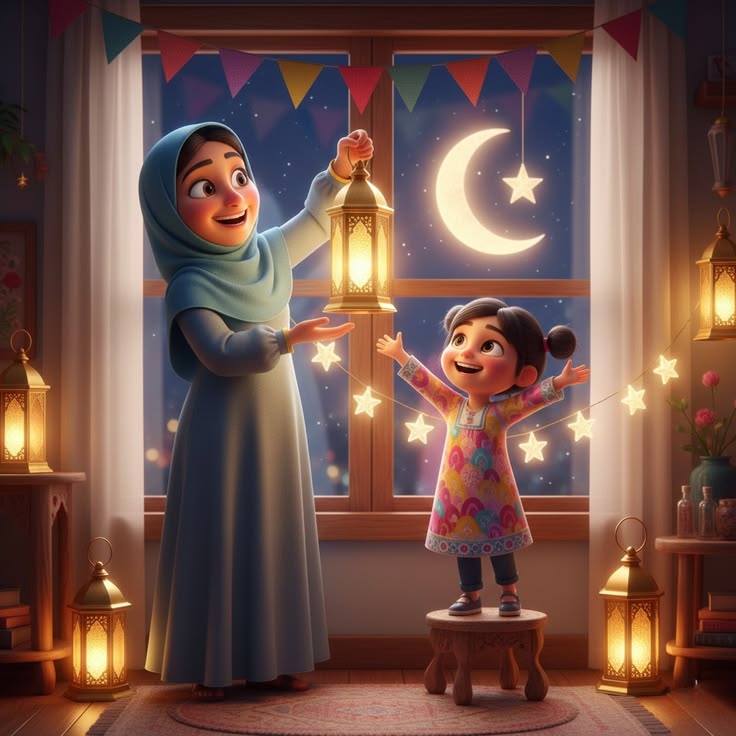
Choosing the right activities for your children during Ramadan can feel daunting. With so many crafts, recipes, and spiritual lessons out there, it’s easy for parents to feel overwhelmed. But the truth is, it’s not about filling every moment with activities—it’s about creating experiences that leave a lasting impression. The best Ramadan activities for kids are those that foster curiosity, kindness, and a sense of accomplishment, all while keeping the focus on connection rather than perfection. Whether it’s observing the moon together, decorating a Ramadan corner in your home, or reading a short story about the month’s significance, the goal is to make learning meaningful and joyful.
Keep the activities simple during Ramadan: connection over perfection for kids
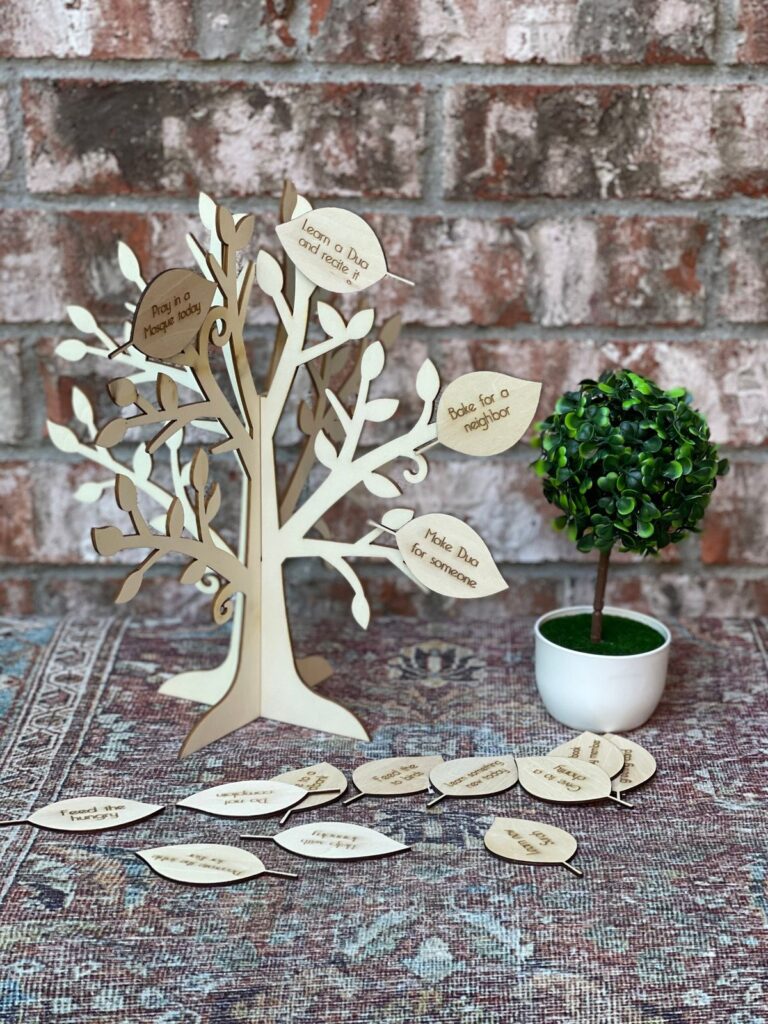
Perfection isn’t the goal. Young children especially are more engaged when activities are short, colorful, and interactive. A simple craft, like making a paper lantern or decorating a small “Good Deeds Tree,” can spark pride and joy in their accomplishments without requiring hours of work. Likewise, kitchen experiments, such as filling dates with nuts or frosting moon-shaped cookies, allow children to explore textures and flavors while learning a bit about science and tradition. Even a short storytime about the phases of the moon or the importance of helping others can become a cherished family ritual, proving that meaningful connection matters far more than perfectly executed projects.
Summary points:
- Focus on short, interactive activities
- Encourage pride in accomplishment, not perfection
- Use simple crafts and kitchen tasks to combine learning and fun
Match Ramadan activities to age and attention span according to the kids
Children vary widely in their attention spans and abilities, and Ramadan activities should reflect that. Toddlers benefit most from sensory experiences, like scooping colored rice to represent the night sky or arranging crescent moons and stars. Preschoolers enjoy slightly more complex crafts, such as creating lanterns, decorating a “Good Deeds Tree,” or participating in kitchen activities like rolling cookie dough. Older children can handle longer, more focused tasks, such as memorizing short surahs, practicing Tajweed, learning Arabic phrases. Matching the activity to the child’s developmental stage ensures engagement and prevents frustration, keeping the experience positive for everyone.
Rotate: worship, learning, kindness, and fun
A well-rounded Ramadan schedule balances spiritual growth, educational moments, acts of kindness, and just plain fun. Some days, the focus could be on worship: practicing Wudu, learning the Adhan, or reciting short Surahs. Other days could highlight learning, like exploring lunar phases with cookies, reading stories about the Prophets, or trying out small science experiments in the kitchen. Kindness and giving can take center stage with Sadaqah jars, creating Iftar care packages, or painting “kindness rocks” for neighbors. And of course, fun is essential: trivia games, Ramadan-themed Bingo, and decorating for Eid can make the month feel celebratory while reinforcing the values being taught. Rotating these types of activities keeps children engaged, provides variety, and allows families to enjoy both learning and bonding throughout the month.
Summary points:
- Worship: Wudu, Adhan, Surah practice
- Learning: lunar science, Prophet stories
- Kindness: Sadaqah, care packages, kindness rocks
- Fun: trivia, Bingo, crafts, decorating for Eid
Ramadan activities for kids by age group

Ramadan can be a magical time for children when we involve them in simple, meaningful activities. From little hands crafting lanterns to older kids taking part in community projects, every activity can help them learn about generosity, gratitude, and spirituality in a fun way. Here’s how to make it age-appropriate:
Ages 3–5: short, sensory, story-based ideas
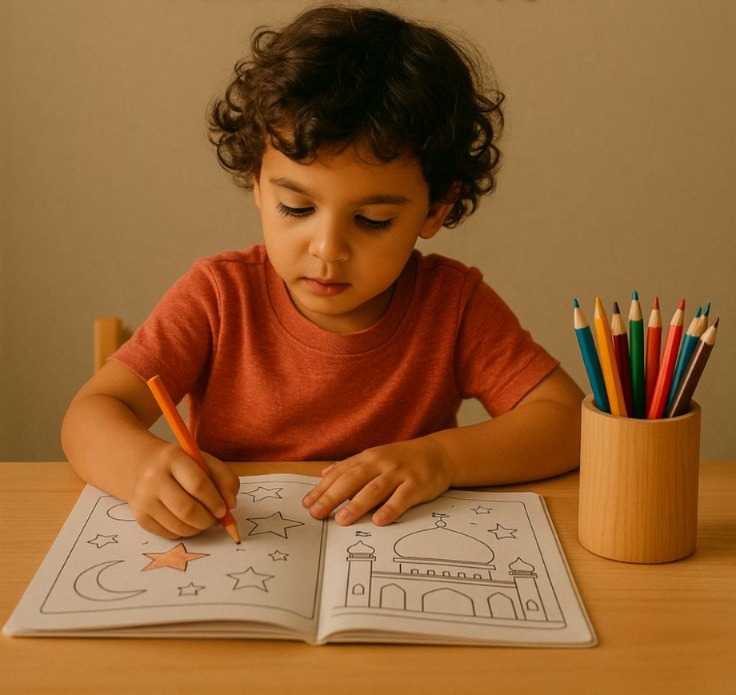
Little ones enjoy activities that are short, colorful, and hands-on. Simple crafts and storytelling help them feel part of the celebration while learning basic concepts of kindness and sharing.
Ideas:
- Craft paper crescent moons, stars, and small lanterns (Fanoos)
- Daily “Good Deeds” sticker chart for simple kind actions
- Sensory play with playdough shaped like mosques or moons
- Read storybooks about Ramadan (My First Ramadan, Ramadan Moon)
Ages 6–9: crafts + reward charts + simple habits
Children in this age range can handle more structure. Reward charts, small responsibilities, and creative projects make learning about Ramadan engaging and fun.
Ideas:
- Ramadan countdown calendar with daily tasks or treats
- Kindness or Sadaqah jar for charity coins or notes
- Help in preparing simple Suhoor/Iftar dishes
- Make stained-glass style mosque sun catchers
For children ages 6–9, you can also introduce simple daily prayers like the Suhoor and Iftar du’as. Check out our blog post on Suhoor and Iftar duas to guide them in saying these duas during Ramadan.
Ages 10–13: responsibility, projects, and goal setting
Tweens can take on projects that require planning, reflection, and responsibility. Journaling, community service, and creative DIY activities deepen their understanding of Ramadan values.
Ideas:
- Keep a Ramadan journal for reflections, gratitude, and goals
- Organize small donation drives for clothing or food
- Create intricate DIY lanterns from recycled materials
- Study and discuss Quranic verses or Hadith stories
Teens: meaningful challenges and leadership roles
Teenagers benefit from meaningful challenges that develop leadership, empathy, and independence. They can mentor younger siblings or lead family and community activities.
Ideas:
- Guide younger siblings in crafts or good deed challenges
- Plan and lead community initiatives or Iftar care packages
- Advanced journaling and goal-setting for Ramadan
- Lead discussions on spiritual or charitable projects
Daily Ramadan activities for kids (10–20 minutes a day)
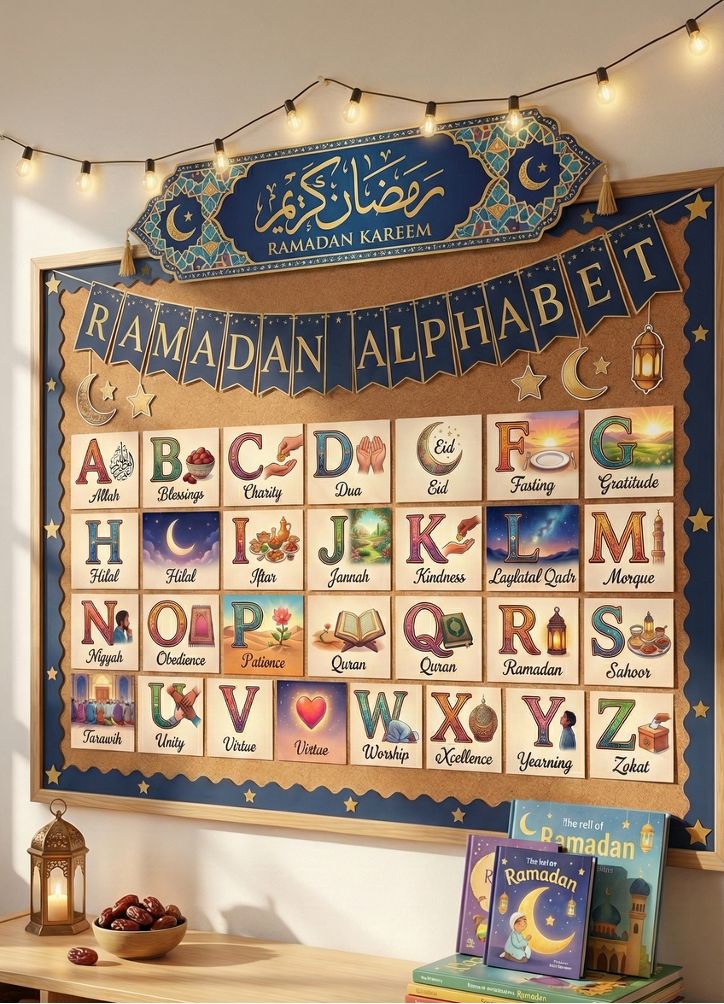
Ramadan routines don’t have to be long or complicated to be meaningful. In fact, children connect more deeply with small, consistent moments than with occasional big activities. A simple 10–20 minute daily routine can help kids feel spiritually involved without overwhelming them — especially during school days or busy family schedules.
The goal isn’t perfection or long lessons; it’s building gentle habits that grow naturally over time. When children repeat small acts of worship and kindness every day, Ramadan becomes something they experience, not just observe. These short daily practices help create rhythm, calm, and a sense of belonging throughout the month.
“One ayah a day” reflection (kid-friendly)
Instead of long study sessions, introduce one short ayah each day and talk about its meaning in simple language. Children don’t need deep explanations — just relatable connections. For example, an ayah about kindness can lead to a conversation about helping siblings or being patient at school. Over time, these tiny reflections build familiarity with the Quran in a natural and loving way.
Simple ways to do it:
- Read one short ayah after Maghrib or before bed
- Explain the message using everyday examples
- Ask one simple question: “How can we practice this today?”
- Keep the discussion under 5 minutes
Instead of long study sessions, introduce one short ayah each day and talk about its meaning in simple language. For a more structured approach, check out our blog post on Online Quran Classes During Ramadan: The Simple Schedule to Stay Consistent for tips on keeping kids consistent and engaged throughout the month.
Dua of the day (repeat after parent)
Young children learn best through repetition. Choosing one short dua each day allows them to memorize naturally without pressure. Repeating together creates a warm family ritual and helps children associate Ramadan with comfort and connection rather than obligation.
How to keep it easy:
- Pick short, practical duas (before eating, sleeping, or leaving home)
- Say it together out loud 2–3 times
- Use gestures or actions to help memorization
- Celebrate effort, not perfect pronunciation
Good deed of the day (tiny but real)
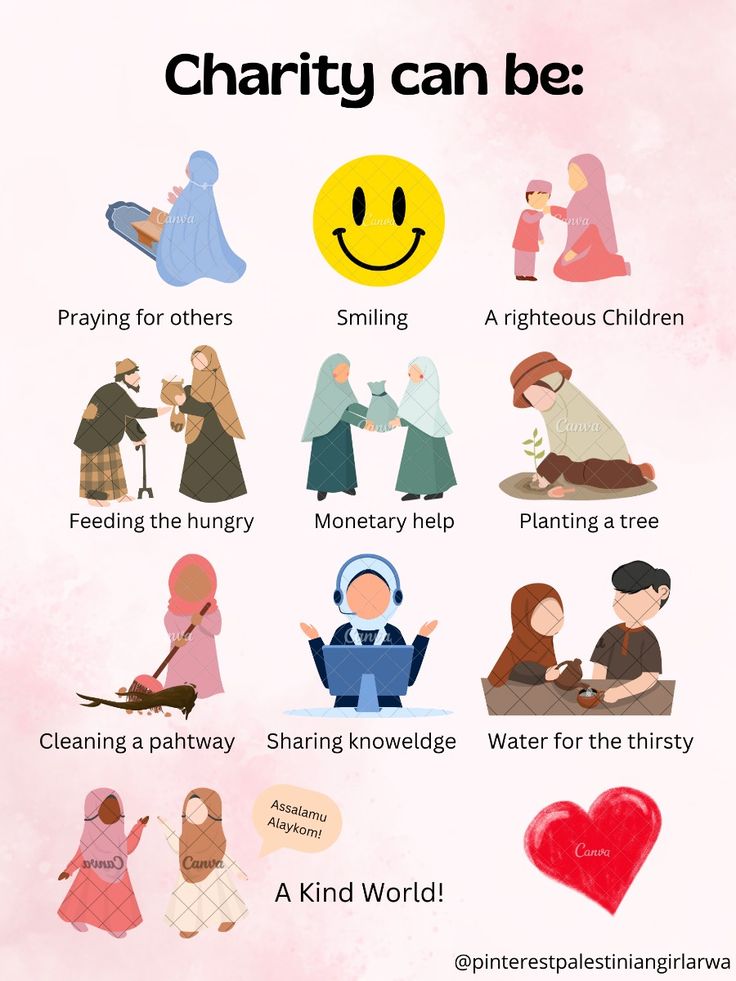
Ramadan is the perfect time to show children that worship also includes kindness. A daily good deed teaches empathy through action, especially when the task feels achievable. Small acts done consistently help children understand that being helpful and compassionate is part of faith.
Daily good deed ideas:
- Help set the Iftar table
- Share toys or snacks with siblings
- Say something kind to a family member
- Help clean a small space at home
- Call or message a relative to check on them
Family Quran circle (short and consistent)
A short family Quran moment — even just a few minutes — can become one of the most memorable parts of Ramadan. Sitting together, listening to recitation, or reading a few lines creates a peaceful pause in the day. Children feel included simply by being present, even if they are not yet reading fluently.
Keep it realistic:
- 5–10 minutes only (consistency matters more than length)
- One person reads while others listen
- Younger kids can follow along or hold their own mushaf
- End with a short dua together
Fun crafts: Ramadan activities for kids at home

Ramadan crafts are more than just decorations around the house — they help children feel the spirit of the month in a hands-on way. When kids create something with their own hands, Ramadan becomes a lived experience instead of just something they hear adults talk about. Simple crafting time can turn into meaningful conversations about kindness, prayer, family traditions, and celebration.
The goal isn’t perfection or complicated projects. Even small, low-prep activities can create excitement and help children build emotional connection with Ramadan while developing creativity and fine motor skills at the same time.
Here are some easy craft ideas you can try at home:
- Ramadan moon & stars garland
Cut out crescent moons and stars using colored or glitter paper, then string them together to decorate windows or walls. Kids love seeing their artwork become part of the home décor. - DIY Ramadan lantern (Fanous) craft
Create colorful paper lanterns inspired by traditional Ramadan fanous decorations. This craft introduces children to cultural symbols while allowing them to experiment with colors and patterns. - Crescent moon suncatcher / window art
Use tissue paper or transparent sheets to design moon-shaped window decorations that glow beautifully in sunlight, helping kids connect visually with the lunar theme of Ramadan. - Eid cards for relatives and neighbors
Encourage children to design handmade Eid or Ramadan Mubarak cards. This activity naturally teaches generosity, connection, and the joy of sharing happiness with others.
Games and challenges kids love as activities during Ramadan
Not every Ramadan activity needs crafts, planning, or special materials. Sometimes, the best moments happen through simple games that bring laughter, movement, and connection into the home. Low-prep games are especially helpful during Ramadan when energy levels change and parents don’t always have time to prepare complex activities.
These quick challenges keep children engaged without screens while encouraging teamwork, creativity, and positive habits. Many of them can even be adapted to include Ramadan values like kindness, prayer, and helping others.
Here are some easy games and challenges kids instantly enjoy:
Good Deed Bingo as a Ramadan Activities for Kids (printable-style section)
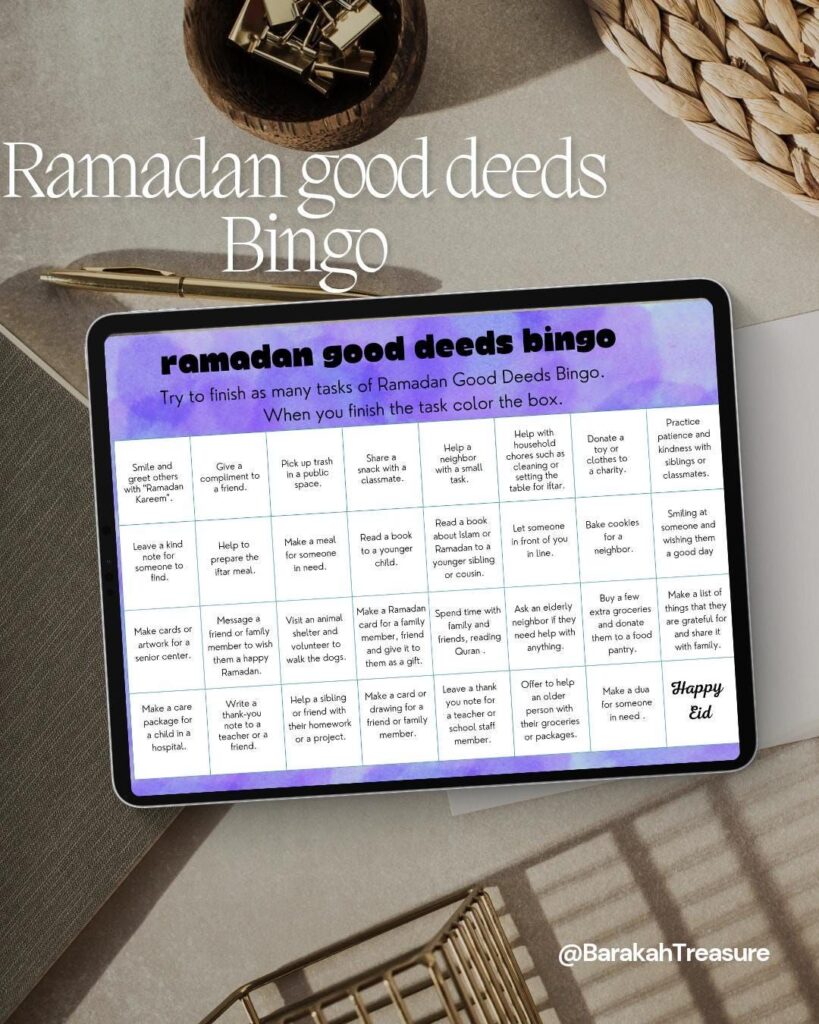
Turn daily kindness into a fun challenge by creating a simple bingo board filled with small good deeds. Children mark a square each time they complete one, helping them see how small actions add up throughout the month.
- Help set the Iftar table
- Share toys with a sibling
- Say a kind word to someone
- Make du’a for a family member
- Clean up without being asked
This activity builds motivation while gently teaching that worship also includes good character and everyday kindness.
Ramadan scavenger hunt (Islamic items + meanings)
A scavenger hunt adds excitement while helping children learn Islamic symbols in a playful way. Hide items around the house and give clues connected to their meanings.
- Prayer mat → where we connect with Allah
- Dates → how we break our fast
- Quran → guidance for Muslims
- Lantern (fanous) → Ramadan celebration
- Charity box → helping those in need
You can adjust difficulty based on age, making it perfect for mixed-age siblings.
Salah challenge: “Pray one on time” tracker
Instead of overwhelming children with big expectations, focus on one achievable goal: praying at least one salah on time each day. Create a simple tracker where kids add stickers or stars.
- Choose one daily prayer together
- Track consistency with stickers
- Celebrate effort, not perfection
This helps children build routine gradually and associate prayer with encouragement rather than pressure.
Charity jar challenge as a Ramadan Activities for Kids
Transform charity into a daily family habit using a decorated jar. Each good action or small donation becomes part of a shared Ramadan goal.
- Add coins throughout the week
- Write kind actions on small notes
- Donate the jar together before Eid
Children learn that charity isn’t only about money — it’s about intention, empathy, and caring for others.
Story and learning time (faith-building Ramadan activities for kids)
One of the most meaningful ways children connect with Ramadan is through stories and gentle learning moments. Kids naturally understand values through storytelling more than explanations or long lessons. A few calm minutes each day — especially before bedtime or after iftar — can slowly build their understanding of faith in a way that feels warm, safe, and memorable.
Instead of formal teaching, think of this time as shared discovery. When learning feels relaxed and consistent, children begin to associate Ramadan with comfort, curiosity, and connection rather than rules or pressure.
Here are simple ways to turn story and learning time into a meaningful Ramadan routine:
Prophet stories: 5-minute nightly story routine
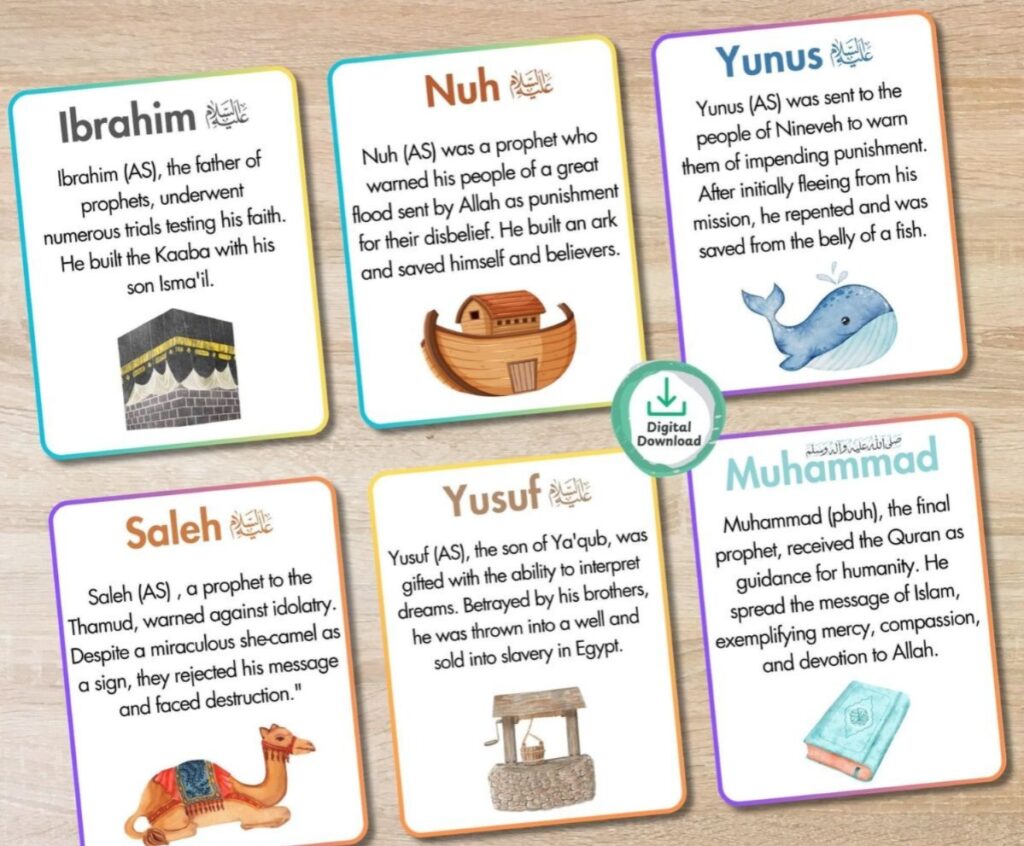
Short stories from the lives of the Prophets help children understand Islamic values through real examples they can relate to. Keeping stories brief makes them easier to absorb and look forward to every night.
- Choose one short story each evening focusing on a single value like kindness, patience, or honesty
- Use expressive storytelling or puppets to keep younger children engaged
- Ask simple reflection questions like: “What would you do in this situation?”
- Repeat favourite stories — repetition helps values stick naturally
Ramadan basics mini-lessons (fasting, intention, gratitude)
Children are naturally curious about why Ramadan feels different. Small conversations throughout the month help answer their questions without overwhelming them.
- Explain fasting in simple terms: learning patience and caring for others
- Introduce the idea of niyyah (intention) through everyday examples
- Talk about gratitude during iftar moments
- Connect lessons to real actions, like sharing food or helping family members
Surah-of-the-week: short surahs with meaning
Memorisation becomes more meaningful when children understand what they are reciting. Focusing on one short surah each week creates consistency without pressure.
- Choose short surahs such as Al-Ikhlas, Al-Falaq, or An-Nas
- Share the main message in child-friendly language
- Listen together and repeat slowly rather than rushing memorization
- Celebrate effort and participation, not perfection
When story time becomes part of the Ramadan rhythm, children begin to experience faith as something lived and felt daily. These small, consistent moments often become the memories they carry long after Ramadan ends — moments of closeness, learning, and calm connection with family and faith.
Acts of kindness: Ramadan activities for kids that build character
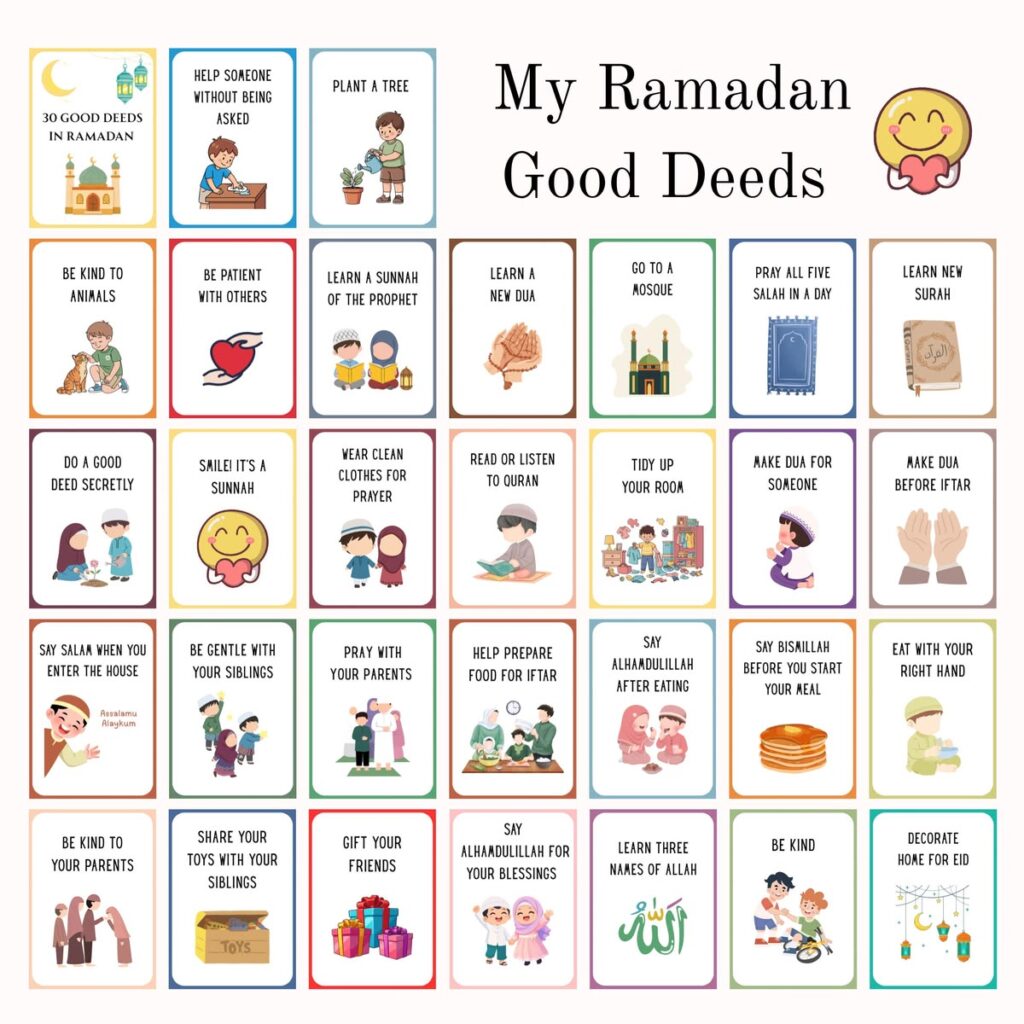
Ramadan is often remembered through small acts of kindness more than big moments. For children especially, the meaning of the month becomes clearer when they can do something good with their own hands. Simple daily actions help kids understand that kindness is not just a concept — it’s something they practice, notice, and feel.
When kindness becomes part of a child’s daily routine during Ramadan, it quietly shapes empathy, gratitude, and responsibility. These activities don’t need to be complicated; in fact, the simplest gestures are often the most meaningful because children can repeat them consistently throughout the month.
Here are gentle, practical ways to turn kindness into a daily Ramadan habit:
Write gratitude notes to parents/teachers
Helping children express appreciation teaches them to notice the people who care for them every day. Gratitude becomes more meaningful when it’s spoken or written.
- Encourage kids to draw or write short thank-you notes
- Focus on specific appreciation like “Thank you for helping me learn” or “Thank you for taking care of me”
- Younger children can decorate cards with stickers or drawings
- Deliver the notes as a surprise to make the moment memorable
Make a care bag for someone in need
Acts of giving help children understand generosity in a tangible way. Preparing something for others makes charity feel personal rather than abstract.
- Fill small bags with dates, snacks, water bottles, or simple essentials
- Let children help choose or pack the items
- Talk about helping others with kindness and respect
- Deliver donations together so children see the impact of giving
Help-a-sibling week (one helpful task daily)
Ramadan is a perfect time to encourage kindness inside the home first. Small daily responsibilities help children practice patience and cooperation.
- Assign one helpful task each day, like sharing toys or helping clean up
- Celebrate effort rather than perfection
- Rotate roles so every child experiences helping and being helped
- Connect actions to intention: helping family is also an act of worship
When children practice kindness consistently throughout Ramadan, they begin to associate the month with compassion and generosity rather than restriction. These small acts gradually build character, helping kids carry the spirit of Ramadan into everyday life long after the month ends.
“Practice fasting” ideas that are safe and encouraging

Fasting is not meant to feel overwhelming or harsh — especially for beginners, children, or those who are still building their spiritual habits. At its heart, fasting is simply about learning to pause, slow down, and become more aware of Allah (or God) throughout the day. It teaches patience, gratitude, and self-control, but most importantly, it helps the heart detach from constant comfort and reconnect with worship and reflection.
Practicing fasting gradually allows the experience to feel encouraging rather than stressful. Instead of focusing only on hunger, the goal becomes intention: choosing small acts of discipline that gently guide the soul toward mindfulness, prayer, and gratitude. When approached with balance and kindness, fasting becomes a source of peace and spiritual growth — not pressure.
If you’d like a clearer understanding of fasting rules, preparation tips, and important Ramadan dates, you can also read our guide Ramadan 2026 and Fasting Basics: 10 Fasting Tips & Key Dates, which explains fasting in a simple and family-friendly way.
Here are some safe and encouraging ways to practice fasting, especially for beginners or younger learners:
Half-day fast or “until Dhuhr/Asr” fast
A full fast can feel long at first, so starting with a half-day fast is a gentle introduction. Children or beginners can fast until Dhuhr or Asr prayer, helping them experience the meaning of fasting while still feeling successful and motivated. This builds confidence and prepares them gradually for full fasting days.
Quiet time alternatives for younger kids
For younger children who are not yet ready to fast from food, fasting can be practiced in other meaningful ways. They might choose a “quiet time” where they step away from screens or play and spend a few minutes reading Quran stories, making du‘a, drawing something they are grateful for, or simply sitting calmly. This teaches the spiritual purpose behind fasting without physical strain.
How to talk about fasting without pressure
The way fasting is introduced matters greatly. Instead of presenting it as an obligation children must endure, it can be framed as a special act of love and worship. Encouraging phrases like “We fast to thank Allah” or “Fasting helps our hearts grow stronger” help create positive emotional connections. Praise effort rather than perfection, and remind learners that sincerity matters more than completing everything perfectly.
Weekend Ramadan activities for kids (family traditions)
Weekends during Ramadan carry a different kind of calm. As the pace of school and daily routines slows down, families suddenly find more space to reconnect and be present with one another. During these quieter moments, simple activities can gently turn into meaningful traditions. Whether it’s sharing a relaxed family iftar, going for an evening walk, or spending time in reflection together, these experiences strengthen both faith and family bonds. Over time, these shared moments become the memories children carry long after Ramadan ends — memories filled with warmth, faith, and togetherness.
Instead of planning something complicated, focus on small traditions that help children feel the spirit of Ramadan through connection, reflection, and joy. Here are a few gentle ways to make Ramadan weekends special as a family:
Masjid visit + reflection questions
A weekend visit to the masjid can be a powerful experience for children. Let them observe the atmosphere, the prayers, and the sense of community. After returning home, ask simple reflection questions like:
“What did you notice today?”
“How did you feel during prayer?”
“What is one good thing you want to do this week?”
These conversations help children connect emotionally and spiritually rather than just attending passively.
And when visiting the masjid isn’t always possible, families can still create meaningful worship moments at home. Our guide Taraweeh Prayer at Home: A Simple Step-by-Step Ramadan Guide shares simple ways to help children experience Taraweeh in a calm and family-friendly environment.
Family iftar hosting (kid roles list)
Hosting an iftar — even a small one — makes children feel involved and responsible. Give each child a simple role based on their age, such as setting dates on plates, arranging napkins, welcoming guests, or helping serve water. When children participate, they begin to understand that Ramadan is about generosity and serving others, not just waiting for food.
Ramadan night walk + sky talk (moon, gratitude)
After iftar or Taraweeh, take a short family walk outside. The quiet Ramadan nights create the perfect moment for reflection. Look at the moon together and talk about how Muslims around the world share this same sky. Encourage children to name three things they feel grateful for that day. These calm conversations naturally nurture mindfulness and gratitude.
Final Thought
Ramadan is more than fasting — it’s a season of love, reflection, and family connection. By involving children in fun and meaningful activities, we teach them the values of compassion, generosity, and mindfulness in ways they can see, feel, and practice. Whether it’s creating a lantern, giving to charity, or sharing a meal together, these small moments become lifelong memories and lessons.
As the crescent moon signals the end of Ramadan and the joy of Eid approaches, we are reminded that every act of kindness, every prayer, and every shared smile strengthens both hearts and families. May this Ramadan be a time of growth, learning, and cherished traditions that bring your family closer together and inspire your children to carry the spirit of this holy month throughout the year.
✨ Empower Your Child’s Quran Journey! ✨
Give your child the gift of confidence and love for the Quran with Areeb Academy’s online Quran classes for kids. Our beginner-friendly program includes:
- Tajweed correction for proper pronunciation
- Short surah memorization plan tailored to young learners
- Interactive, engaging lessons in the comfort of your home
Start your child’s spiritual journey today with a free trial class and experience how fun and meaningful learning the Quran can be!
➡ Sign up now with Areeb Academy and book your free trial class!