

Hifz in Ramadan plan is essential for anyone aiming to make consistent progress in Quran memorization during the holy month. Ramadan offers a unique spiritual environment, but without a clear plan, many students struggle to stay on track, forget previously memorized verses, or feel overwhelmed. This guide will help you organize your daily lessons, revision, and prayers so you can maximize your memorization while maintaining focus and consistency throughout Ramadan.
Why a Hifz in Ramadan plan works so well

Ramadan creates a unique environment that naturally supports Quran memorization. Unlike other times of the year, the entire daily routine becomes centered around worship, reflection, and connection with the Quran. This spiritual atmosphere strengthens motivation, improves focus, and helps learners stay consistent with both memorization and revision.
A well-structured Hifz in Ramadan plan succeeds because it combines spiritual motivation with practical structure. Fasting builds discipline, nightly prayers increase Quran exposure, and the promise of multiplied rewards encourages learners to push beyond their usual limits. Together, these factors make memorization feel more meaningful and achievable.
Additionally, Ramadan introduces a rhythm that supports learning: specific times for worship, quieter evenings, and intentional use of time. When memorization sessions are attached to this natural routine, consistency becomes easier to maintain — which is one of the most important factors in successful Hifz.
Barakah, focus, and fewer distractions
Ramadan is often called the month of the Quran, and this spiritual connection plays a powerful role in memory retention. With reduced worldly distractions and increased acts of worship, many students experience deeper concentration and emotional engagement with the verses they memorize. This heightened spiritual focus brings barakah (blessing) to learning. Memorization is no longer just a study task; it becomes an act of worship. As a result, learners often find that verses stay longer in memory and recitation flows more naturally.
Daily exposure to the Quran also increases significantly during Ramadan. Listening to recitation in Taraweeh prayers reinforces memorized passages, strengthens pronunciation, and helps learners internalize rhythm and structure. Repeated listening acts as passive revision, making memorization stronger without additional effort.
Moreover, the motivation connected to immense rewards — especially during the last ten nights and Laylatul Qadr — encourages consistency. Even small daily portions become meaningful when done regularly, proving that steady progress is more effective than rushing through large sections.
If you’re new to Ramadan or want a refresher on basics, you might find our Ramadan 2026 and Fasting Basics: 10 Fasting Tips & Key Dates useful.
Accountability makes memorization easier

One of the hidden strengths of a Ramadan Hifz plan is accountability. The structured nature of fasting, prayer times, and nightly worship creates a built-in schedule that encourages discipline and commitment.
Having clear goals — such as daily memorization portions and dedicated revision time — prevents the common “start-and-stop” cycle many students experience during Hifz. Consistent revision, especially reviewing material over multiple days, helps transfer memorization from short-term recall into long-term retention.
Many successful memorisers emphasize the importance of continuous repetition and regular revision rather than focusing only on new memorization. Reciting previously memorized portions daily strengthens weak areas and prevents forgetting, which is one of the biggest challenges in Hifz.
Accountability can also come from teachers, study partners, or community groups. Sharing progress, following a structured plan, or memorizing alongside others provides encouragement and helps learners stay motivated throughout the month.
Ultimately, Ramadan transforms Hifz from an individual struggle into a supported spiritual journey — making consistency easier and progress more sustainable.
Many learners find it helpful to follow a structured online schedule. Check out Online Quran Classes During Ramadan: The Simple Schedule to Stay Consistent for practical guidance on daily sessions.
Before you start: set your Hifz in Ramadan plan goal in 5 minutes
Before Ramadan begins, taking just a few minutes to set a clear Hifz goal can make the difference between random effort and real progress. Many learners struggle not because they lack motivation, but because their goals are unclear or unrealistic.
A successful Hifz in Ramadan plan starts with clarity: knowing exactly what you want to achieve, how much time you can commit, and how you will maintain consistency throughout the month. Ramadan is not about rushing through memorization — it is about building a sustainable connection with the Quran that lasts beyond the 30 days.
Spending five focused minutes planning your approach helps you enter Ramadan with intention, structure, and confidence.
Choose one main goal: new memorization or strong revision

One of the most common mistakes in Hifz is trying to do everything at once — memorizing large new portions while also attempting to revise extensive previous sections. This often leads to burnout and weak retention.
Instead, choose one primary focus for Ramadan:
- New memorization (Sabaq): Ideal if your revision is already stable and you want to make forward progress.
- Strengthening revision (Muraja’ah/Dor): Best if previously memorized portions feel weak or frequently forgotten.
Both goals are valuable. For many students, Ramadan becomes more successful when the focus shifts from quantity to strengthening what already exists. Strong revision builds confidence and prevents the frustrating cycle of memorizing and forgetting.
Pick your starting point and your end point (be realistic)
Clear, measurable goals create accountability and consistency. Rather than saying “I want to memorize more Quran,” define exactly what success looks like.
Examples of realistic Ramadan goals include:
- Beginners: memorizing 3–5 lines daily
- Intermediate learners: half a page to one page per day
- Advanced students: 2–3 pages daily with structured revision
Start by identifying where you are now, then decide where you want to be by the end of Ramadan — whether that means completing a specific surah, finishing Juz’ 30, or strengthening selected pages.
Realistic goals prevent discouragement. Small, consistent daily portions often lead to stronger long-term memorization than ambitious plans that cannot be sustained.
The golden rule in your Ramadan Hifz plan: quality over speed

Fast memorization is appealing, but lasting memorization is the real objective of Hifz. Memorizing quickly without understanding, repetition, or revision often results in weak recall later.
Effective memorization focuses on depth rather than speed:
- Listen to the verses before memorizing to build audio familiarity.
- Break pages into smaller sections to improve retention.
- Recite aloud to engage multiple senses — sight, sound, and speech.
- Test yourself regularly instead of relying on recognition while reading.
Even short sessions — five focused minutes — can be powerful when used intentionally. The goal is not to finish pages quickly, but to memorize in a way that allows confident recitation in salah and long-term retention.
When quality becomes the priority, progress naturally becomes steady and sustainable — which is exactly what Ramadan is meant to cultivate.
For tips on memorizing Surahs efficiently without losing retention, see our article on How to Memorize Surahs Fast.
Choose your level: 3 types of Hifz in Ramadan plan
Ramadan is the ideal time to structure your Quran memorization, but the key is to pick a level that fits your daily schedule, capacity, and current proficiency. Choosing the right level ensures you stay consistent, avoid burnout, and make meaningful progress.
Beginner plan: short surahs and confidence first
Goal: Build confidence and maintain consistency.
- Memorize light portions like Surah Al-Kahf, Surah Yasin, or the last 10 Surahs (Juz’ Amma).
- Plan: 3–5 verses daily, or one short Surah every 2–3 days.
- Ideal for: Busy schedules, new learners, or those prioritizing correct Tajweed.
Tips:
- Focus on quality over quantity.
- Use small, consistent steps to build a habit of daily memorization.
- Incorporate the 3×3 or 3-10 method for better retention.
Intermediate plan: steady daily memorization with revision
Goal: Make consistent progress while balancing revision.
- Memorize about 10–15 pages (~half a Juz’) over Ramadan.
- Plan: ½–1 page daily, reviewing the previous day’s lesson first before moving forward.
- Ideal for: Learners looking for a balanced routine without feeling overwhelmed.
Techniques:
- Spaced repetition: review new verses immediately, later in the day, then after 3 days.
- Keep the same Mushaf throughout to strengthen visual memory.
- Use Fajr hours for new memorization and post-Taraweeh for revision.
Advanced plan: stronger daily targets with tight review
Goal: Memorize 1–2 full Juz’ during Ramadan with strong retention.
- Plan: 2–3 pages daily, with dedicated Sabaq (new lesson) and Manzil (revision) sessions.
- Ideal for: Experienced Huffādh with 1–2 hours per day, often using early mornings for intensive study.
Techniques & Tips:
- Apply 3-10 method: read a verse 10 times, recite 3 times by heart.
- Recite aloud, engage multiple senses, and test yourself in Salah.
- Maintain no days off — even small, consistent daily portions outperform irregular long sessions.
- Reflect on your progress diary to adjust timings and techniques based on energy levels and distractions.
The 30-day Hifz in Ramadan plan (simple daily schedule)
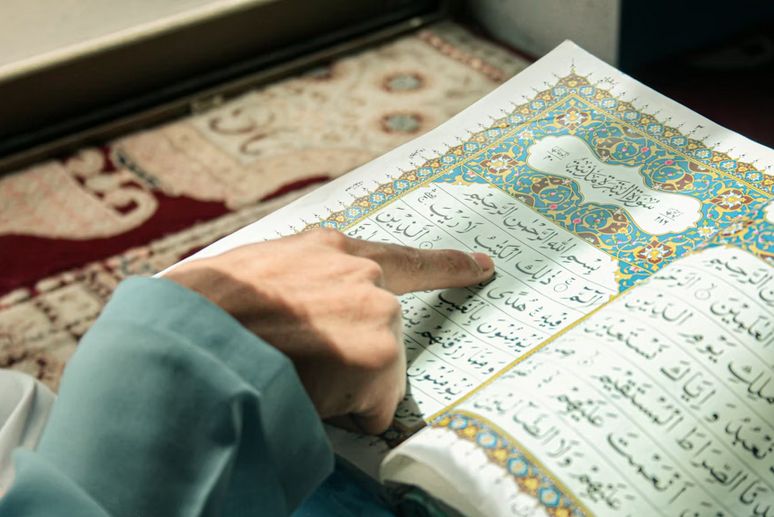
Memorizing the Quran in Ramadan requires a structured, consistent approach. Whether your goal is a full Juz or a few pages, breaking it down into manageable daily portions ensures progress without burnout.
Plan A: 5–10 Hifz lines daily in your Ramadan Plan (most sustainable)
- Goal: Build steady habit and maintain quality.
- Daily: 5–10 lines per day.
- Ideal for: Beginners or those with busy schedules.
- Tips: Focus on proper Tajweed, recite aloud, and review previous lines before starting new material.
Program B: Half page daily (steady progress)
- Goal: Achieve measurable progress with balanced revision.
- Daily: ½ page new memorization (Sabaq).
- Revision: Review previous day’s work (Sabqi) and weekly recap.
- Ideal for: Learners with some experience who can dedicate 30–45 minutes daily.
- Tips: Use a single Mushaf to strengthen visual memory, and recite during Salah when possible.
Plan C: 1 page daily (only if your revision is strong)
- Goal: Intensive memorization for experienced memorizers.
- Daily: 1 full page, plus all required Sabaq, Sabqi, and Manzil revisions.
- Ideal for: Advanced learners with 1–2 hours daily to dedicate.
- Tips: Split the page across prayers if needed (Fajr, Dhuhr, Asr, Maghrib, Isha) and maintain quality over speed.
Weekly reset days (days 7, 14, 21, 28)
- Purpose: Consolidate memorization and review weak areas.
- Activities:
- Review all Sabaq learned during the week.
- Identify sections that are hard to recall and focus on them.
- Adjust schedule for the upcoming week based on progress.
Note: Missing a day is not failure. Simply catch up during reset days or adjust the following week. Consistency and review are key to long-term retention.
The revision system that protects your Hifz Ramadan Plan
Effective Quran memorization isn’t just about learning new verses—it’s about protecting and solidifying what you’ve already memorized. Using structured revision systems like Spaced Repetition, Active Recall, and the Five Fortresses Method (Al-Husoon al-Khamsa) ensures your Hifz remains strong long-term.
Daily revision: yesterday’s portion before new memorization
- Sabaq (New Lesson): Memorize new verses first thing in the day (e.g., after Fajr).
- Sabqi (Recent Revision): Before starting new material, review the verses you learned yesterday.
- Techniques:
- 3×3 Method: Read 3 verses 3 times, then recite from memory 3 times.
- 6446 Method: Read a verse 6x while looking, 4x from memory, then 4x looking, 6x from memory.
- Tip: Recite these portions during Salah to strengthen memory naturally.
Weekly revision: consolidate what you memorized this week
- Dedicate one day a week to review all new material learned during the week.
- Purpose: Catch mistakes, reinforce weak areas, and ensure verses are “locked in.”
- Method:
- Break pages into smaller chunks for easier recall.
- Recite from memory before checking with Mushaf.
Monthly-style revision inside Ramadan: keep older surahs alive
- Goal: Prevent long-term forgetting by reviewing older sections.
- Structure:
- Review 2–3 Juz’ per day, rotating through previously memorized portions.
- Use the “continuous reading” approach—read 2 Juz daily to cycle through the entire Quran every 15 days.
- Key Principle: Dedicate 70% of your review time to old memorization, 30% to new learning.
- Benefits: Reinforces long-term retention, strengthens neural pathways, and protects your Hifz against the “forgetting curve.”
Best times to schedule your Hifz Plan in Ramadan (choose what fits your life)

Ramadan offers unique spiritual focus, reduced distractions, and blessed energy cycles—making it ideal for memorizing the Quran. Choosing the right times maximizes retention and prevents burnout.
After Fajr: strongest memory window
- Why: The mind is fresh, the environment is quiet, and spiritual focus is high.
- How:
- Dedicate 1–2 hours to new memorization (Sabaq).
- Use repetition and recitation techniques (e.g., 3×3 Method, 6446 Method).
- Recite new portions during Fajr prayer to strengthen retention naturally.
Before Dhuhr: quick reinforcement session
- Short, focused revision session to consolidate what was memorized after Fajr.
- Keep it light (10–20 minutes) using:
- Flashcards or visual aids.
- Listening to a Qari to reinforce pronunciation and Tajweed.
- Avoid adding heavy new material; focus on review.
Before Iftar: light review, not heavy new memorization
- Ideal for revisiting previously memorized verses rather than tackling fresh Hifz.
- Use this window for:
- Gentle recitation of morning lessons.
- Revising older portions (Sabqi / Manzil).
- Short sessions (15–25 minutes) to avoid fatigue before breaking the fast.
After Taraweeh: gentle repetition and listening
- Spiritual and relaxed time for reinforcing memorization.
- Activities:
- Listen to a Qari while following along in the Mushaf.
- Recite portions from memory to test recall.
- Apply spaced repetition principles for older memorized sections.
- Keep sessions light to prevent late-night fatigue.
💡 Tips for Success:
- Use short, frequent sessions rather than infrequent, long ones.
- Apply the “Sandwich Method”: alternate 25–30 minutes of memorization with 5–10 minutes of light, faith-based activity.
- Take short naps strategically to stay fresh for evening revision.
- Tailor your schedule to your lifestyle: early birds focus on Fajr, night owls prioritize post-Taraweeh sessions.
A step-by-step memorization method (that actually works)
Memorizing Quran effectively requires more than just reading repeatedly. Combining Active Recall, Spaced Repetition, and Elaborative Encoding ensures long-term retention. This method builds strong memory connections, just like learning to “drive your Ferrari memory.”
Listen first, then read, then repeat (3-layer method)

Preparation:
- Choose a specific Mushaf to create a visual memory of the pages.
- Listen to a skilled Qari to ensure correct pronunciation and Tajweed.
The 10-3 Repetition Method:
- Read a verse 10 times while looking at the Mushaf.
- Close the Mushaf and recite it 3 times from memory.
- If a mistake occurs, repeat the process.
Daily Active Recall:
- Recite previously memorized verses multiple times throughout the day, such as during prayers or short breaks.
keep Line-by-line repetition with linking in your Ramadan Hifz Plan
- Once the second verse is memorized, recite verses 1 & 2 together 5–10 times.
- Continue this process for each new verse, constantly linking new material to previously memorized sections.
- After completing a small portion (half a page or 5 lines), recite the full section 10–20 times from memory to consolidate it.
Daily recitation in salah to lock it in
- Review the new portion 3 times on the same day.
- Follow the 1-3-7 Review Pattern:
- Review 1 day later, 3 days later, and 7 days later.
- For long-term retention, dedicate daily time to review 1/5th of your total Hifz.
Key Principles for Success

- Consistency: Small, daily sessions are more effective than long, irregular ones.
- Active Recall: Always recite without looking to strengthen memory pathways.
- Teacher: Correct mistakes early to ensure long-term accuracy.
- Listen Regularly: Hear the Surah multiple times a day to reinforce correct pronunciation.
- Visual Encoding: Create mental images of pages and sections to improve recall.
💡 Tip: Integrate this method with the best memorization times in Ramadan for maximum effectiveness:
- After Fajr for new memorization
- Post-Iftar/Taraweeh for revision
- Short, frequent sessions are better than long, exhausting ones
Hifz in Ramadan plan for busy adults

Implementing Quran memorization in Ramadan doesn’t have to be overwhelming, even for adults with packed schedules. The key is consistency and short, focused sessions rather than long, exhausting hours. By using 5-minute “micro-sessions” after each of the five daily prayers (salah), you can steadily revise and memorize Quranic portions while maintaining your daily responsibilities. These mini-sessions leverage habit-stacking—attaching a new spiritual activity to an existing routine—to ensure memorization becomes a natural part of your day. The plan includes short Quranic review, daily adhkar (remembrance), and moments of spiritual reflection (muhasabah), making progress manageable and spiritually rewarding.
Micro-sessions: 5 minutes after each salah
These micro-sessions transform daily prayers into a foundation for consistent memorization and review. Spend 5–10 minutes after each prayer reciting recently memorized verses, focusing on Tartil (slow, measured reading) and correct Tajweed. Break the daily portion of the Quran into small segments, reciting one segment after each salah. This approach keeps your momentum going without fatigue and ensures that even short, intentional practices accumulate into significant progress over the month.
Commute or chores: listening plan that counts
Busy adults can utilize otherwise unproductive moments like commuting or household chores for auditory Quranic learning. Listen to recitations of your chosen rukū’ while driving, walking, or doing chores. Gradually memorize one verse at a time from what you listen to, then integrate these verses into your daily prayers. By turning passive time into productive memorization time, you maintain consistent engagement with the Quran without adding extra hours to your already busy schedule.
The catch-up strategy (without doubling your target)
When life interrupts your memorization schedule, a catch-up strategy helps you recover lost time without overwhelming yourself. If you miss a session, revisit the last memorized portion before moving forward. This non-doubling approach ensures you steadily make progress while maintaining accuracy, rather than trying to rush and risking mistakes. Even small, regular review sessions keep your memorization intact and prevent gaps from becoming permanent.
Hifz in Ramadan plan for kids and families
Introducing Quran memorization (Hifz) to children during Ramadan can be both fun and spiritually enriching. The key is structuring lessons according to age and energy levels, keeping sessions short, and making the process interactive. By combining daily Hifz practice with family involvement, children not only memorize Quranic verses but also develop a love for the Quran and an understanding of its significance. Incorporating Hifz into daily routines—alongside prayer, storytelling, and Ramadan activities—ensures that children engage consistently without feeling overwhelmed.
Age-based targets (5–7, 8–12, teens)
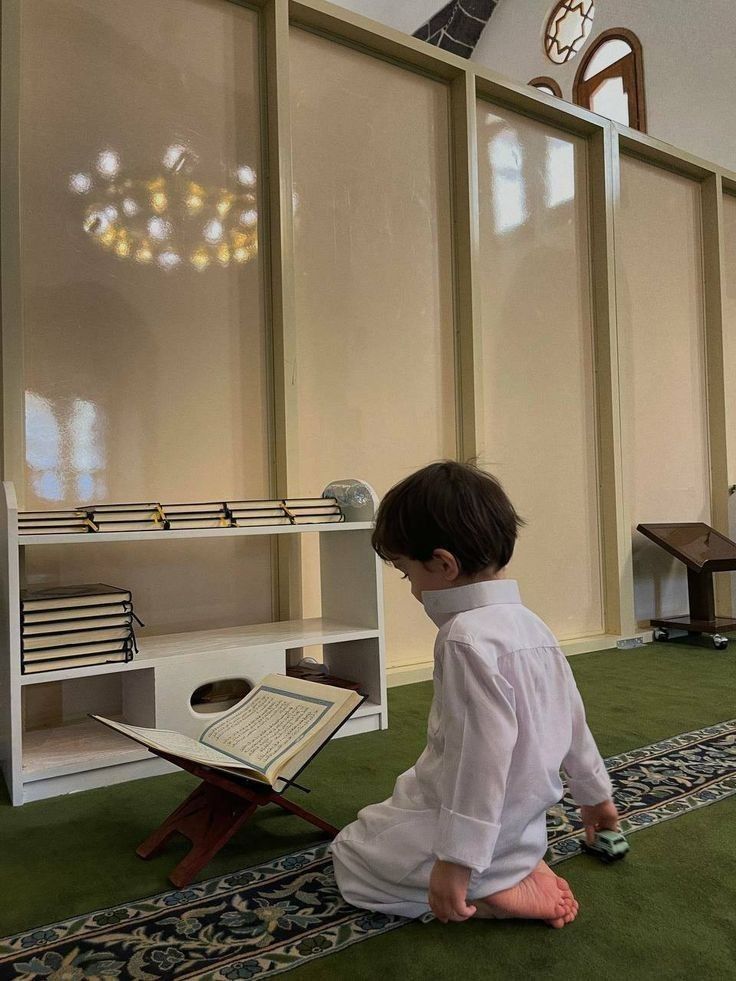
Setting realistic goals according to your child’s age helps maintain motivation and ensures successful memorization:
- Ages 5–7: Focus on simple, short surahs (e.g., Al-Fatiha, Al-Ikhlas) and single verses. Encourage listening and repeating after a parent or teacher.
- Ages 8–12: Introduce slightly longer surahs and combine short sections, such as 2–3 verses at a time. Include daily review to strengthen retention.
- Teens: Work on longer sections, like a rukū’ or a juz’, while encouraging independent recitation, Tajweed practice, and reflection on meaning.
By tailoring expectations to age, children experience early success and develop confidence in their Hifz journey.
To make sure your daily targets are balanced, our guide on Quran Reading in Ramadan Plan: 30-Day Schedule + 5-Min Daily Routine offers a step-by-step approach for manageable daily progress.
Short lessons, frequent wins, gentle rewards
Children respond best to short, engaging lessons paired with positive reinforcement:
- Keep sessions 30–45 minutes long to match their attention span.
- Celebrate small milestones, like memorizing a single verse or completing a surah.
- Use visual aids such as charts, stickers, or a daily deeds tracker to make learning interactive.
- Offer gentle rewards, like praise or choosing the next activity, to encourage consistent effort.
Frequent wins build confidence and transform memorization into a fun and motivating experience rather than a chore.
Family hifz circle: 10 minutes daily
A daily family Hifz circle is a powerful way to integrate Quran memorization into Ramadan routines:
- Set aside 10 minutes each day, ideally after salah or before Iftar.
- Each family member can recite their assigned verses, followed by gentle correction and encouragement.
- Combine memorization with reflection on meanings or stories from the Quran to deepen understanding.
- Older children and teens can mentor younger siblings, promoting family bonding and accountability.
This simple daily practice strengthens memorization, nurtures spiritual growth, and makes Quran learning a shared, joyful family experience.
The last 10 nights: adjust your Hifz in Ramadan plan smartly

The last 10 nights of Ramadan are the most spiritually rewarding period of the month, with the possibility of Laylat al-Qadr, a night better than a thousand months. To maximize the rewards, Hifz plans should shift from new memorization toward high-quality revision, reflection, and integration into nightly worship. By focusing on consistency, intention, and strategic practice, you can make these nights spiritually transformative without burning out.
Reduce new memorization, increase revision in your Ramadan Hifz Plan
During the last 10 nights, prioritize strengthening what you already know:
- Pause or reduce new Hifz: If you were memorizing a page a day, scale down to 3–5 lines or focus solely on reviewing weak sections.
- Intense Muraja’ah: Use methods like 3:10 (look 10 times, recite 3 times from memory) for difficult verses. Aim to revise 1–3 Juz daily depending on your capacity.
- Auditory reinforcement: Listen to the Juz you’re revising while doing daily tasks or preparing meals.
- Focus on weak spots: Identify surahs or verses that tend to slip and give them extra attention rather than trying to review everything equally.
The goal is perfection and retention, not quantity. Even 20 minutes of focused revision can be more beneficial than hours of distracted memorization.
Keep your daily minimum so you don’t break the chain
Consistency is key:
- Set achievable daily targets: Recite at least a few verses or a page each day to maintain momentum.
- Integrate into prayers: Use your daily Salah and Tahajjud to recite portions from memory. This “praying it in” reinforces memorization.
- Use short, frequent sessions: 5–10 minutes multiple times a day is better than a long, exhausting session.
- Track progress: Charts, journals, or apps can help you see what’s done and maintain motivation.
Even small, consistent efforts ensure your Hifz remains strong and your spiritual routine stays intact through the last 10 nights.
Laylat al-Qadr routine: Quran, dua, and calm focus
The focus during the last nights should be spiritual depth rather than volume:
- Night prayer (Qiyam/Tahajjud): Dedicate time to recite memorized portions with reflection. Even 2 rakats with sincere intention are immensely rewarding.
- Dua: Make heartfelt supplications, including the Prophet’s recommended prayer:
اللهم إنك عفو تحب العفو فاعف عني – O Allah, You are Forgiving and love to forgive, so forgive me. - Istighfar and Dhikr: Seek forgiveness and engage in remembrance of Allah between Hifz sessions.
- Family and environment: Dim lights, play soft Quran recitation, and encourage children to join in quietly if possible.
- Calm focus: Avoid multitasking and distractions; quality of worship outweighs quantity.
By combining revision, prayer, dua, and calm reflection, the last 10 nights become a spiritually rich period that strengthens both your Hifz and your heart’s connection to Allah.
Final Thought:
A well-structured Hifz in Ramadan plan is the key to transforming your Quran memorization journey into a consistent, focused, and spiritually rewarding experience. By prioritizing revision, setting small daily goals, and practicing mindful recitation, you can make real progress, avoid burnout, and feel a deeper connection with the Quran throughout Ramadan.
Consistency is what turns memorization into mastery. Every small effort counts, and with the right guidance, you can achieve more than you ever imagined.
Take your Hifz to the next level with Areeb Academy:
- ✅ One-to-one sessions tailored to your pace
- ✅ Native Arabic-speaking teachers fluent in English
- ✅ Ijazah holders ensuring authentic and accurate guidance
- ✅ Free trial session to experience our teaching style firsthand
Start your journey today and see how personalized support, motivation, and effective strategies can make Quran memorization easier, more enjoyable, and truly rewarding.
FAQs – Hifz in Ramadan Plan
1. Can I memorize the entire Quran in Ramadan?
- Depends on your current level and daily time. Beginners should focus on small daily portions with consistent review. Advanced students can aim for 1–2 pages per day with structured revision.
2. How often should I review my memorization?
- Short review sessions after each prayer (5–10 min) and a larger daily review of the previous day’s portion are ideal. Weekly revision helps reinforce retention.
3. What’s the best time to memorize and review?
- After Fajr: new memorization
- Before Dhuhr/Asr: light review
- Before Iftar: gentle revision
- After Taraweeh: calm listening and repetition
4. What if I miss a session?
- Use a “catch-up” strategy: review the last memorized portion before moving on. Avoid doubling up; small consistent reviews maintain retention.
5. How can I balance memorization with prayer and daily life?
- Use 5–10 minute micro-sessions after each salah. Listen to Quran during commuting or chores. Focus on quality and consistency, not speed.