

Astaghfirullah is one of the most powerful phrases a Muslim can say. It’s a simple word with a deep meaning: seeking Allah’s forgiveness, mercy, and guidance in every moment of life. Whether you’re trying to purify your heart, calm your mind, or strengthen your connection with Allah, making Istighfar a daily habit can bring both spiritual and worldly blessings. From increasing rizq and removing stress to softening the heart and bringing barakah into your life, the impact of Astaghfirullah goes far beyond words. This guide explains how, when, and why to recite it—and how to make it an essential part of your daily routine.
What Does Astaghfirullah Really Mean?

Astaghfirullah is more than a simple phrase—it is a powerful spiritual action that reflects a believer’s humility, sincerity, and desire to return to Allah. When a Muslim says Astaghfirullah, they are acknowledging their human weaknesses and turning to the One who forgives all sins. It represents a moment of pause where the heart reconnects with Allah, seeking purity, relief, and a fresh start.
Whether whispered after a mistake, repeated during prayer, or used when witnessing something inappropriate, the phrase expresses a deep commitment to self-improvement and spiritual growth. In essence, Astaghfirullah is a doorway to mercy, healing, and inner peace.
Linguistic Meaning of Astaghfirullah in Arabic
The beauty of the phrase lies in its linguistic depth. Astaghfirullah (أستغفر الله) comes from the Arabic root غ-ف-ر (gha-fa-ra), which means “to cover,” “to shield,” or “to protect.” From this root comes maghfirah, meaning divine forgiveness that not only erases sins but also covers them with Allah’s mercy.
Thus, when someone says Astaghfirullah, they are literally saying: “I seek the covering and forgiveness of Allah.”
This implies asking Allah to:
- Wipe away sins,
- Protect the person from their consequences,
- And allow them to move forward spiritually cleansed.
The linguistic richness shows that forgiveness in Islam isn’t just about removing a mistake — it is also about protection, mercy, and renewal.
Difference Between Saying Astaghfirullah and Simple “Sorry”
Although both express regret, Astaghfirullah and “sorry” belong to two completely different frameworks:
Astaghfirullah

- Recipient: Allah (God)
- Purpose: Spiritual repentance, asking for divine mercy
- Context: Recited after sins, mistakes, during dhikr, or when witnessing something immoral
- Depth: Part of Tawbah (true repentance) — includes regret, stopping the sin, and intending not to return
- Nature: A form of worship and devotion
It acknowledges one’s shortcomings before the Creator and invites His forgiveness and protection. Even Prophet Muhammad (ﷺ) said it more than 70–100 times a day, teaching believers its importance.
✨ Curious to strengthen your connection with Allah after prayers?
Discover the power of dhikr after Salat and learn practical ways to make remembrance a daily habit. Read our full blog post now and elevate your spiritual routine! Here
“Sorry”

- Recipient: Another person
- Purpose: A social apology for inconvenience, harm, or disrespect
- Context: Everyday interactions (“Sorry I’m late”, “Sorry for the mistake”)
- Nature: Secular and interpersonal
“Sorry” addresses relationships between people, while Astaghfirullah mends the relationship between an individual and Allah.
Astaghfirullah in Quran and Sunnah
The command to seek forgiveness appears repeatedly in the Quran and Sunnah, showing its central role in a believer’s life.
In the Quran
Allah repeatedly encourages believers to seek forgiveness, promising mercy, hope, and relief:
- وَٱسْتَغْفِرِ ٱللَّهَ ۖ إِنَّ ٱللَّهَ كَانَ غَفُورًۭا رَّحِيمًۭا ١٠٦
“And seek forgiveness of Allah. Indeed, Allah is ever Forgiving and Merciful.” (Surah An-Nisa 4:106) - ۞ قُلْ يَـٰعِبَادِىَ ٱلَّذِينَ أَسْرَفُوا۟ عَلَىٰٓ أَنفُسِهِمْ لَا تَقْنَطُوا۟ مِن رَّحْمَةِ ٱللَّهِ ۚ إِنَّ ٱللَّهَ يَغْفِرُ ٱلذُّنُوبَ جَمِيعًا ۚ إِنَّهُۥ هُوَ ٱلْغَفُورُ ٱلرَّحِيمُ ٥٣
“Do not despair of the mercy of Allah… Indeed, Allah forgives all sins.” (Surah Az-Zumar 39:53)
The stories of prophets—from Adam to Musa to Dawud—highlight that even the most righteous turned to Allah in repentance, teaching the believer to never give up hope.
In the Sunnah
- The Prophet’s Habit: He recited Astaghfirullah more than 70 or 100 times daily.
- Rewards: “Whoever seeks forgiveness often, Allah will grant him relief from every worry and a way out of every difficulty.”
- Status of the Repentant: “The best of those who sin are those who repent.”
Seeking forgiveness is therefore a constant act of renewal — a daily opportunity to cleanse the heart and strengthen one’s connection with Allah.
Why Do Muslims Say Astaghfirullah So Often?

Muslims repeat Astaghfirullah frequently because it opens the door to Allah’s mercy, softens the heart, and keeps a person spiritually grounded. Whether in moments of gratitude, distress, or self-reflection, this simple phrase carries deep meaning and powerful benefits.
Astaghfirullah as a Door to Allah’s Mercy
People say Astaghfirullah because it is the most direct way to ask Allah for forgiveness. Everyone makes mistakes—major or minor—and this phrase becomes an immediate path back to Allah. It reflects humility, acknowledging that humans are imperfect but always in need of God’s mercy.
It is also a way of giving thanks with humility. Even when things go well, a believer says Astaghfirullah to remind themselves that success comes only by Allah’s grace and that His mercy is far greater than their shortcomings. Through it, Muslims express hope, trust, and a desire for a clean spiritual slate.
Astaghfirullah for Past Sins and Daily Mistakes
Another reason Muslims say Astaghfirullah is to repent and return to Allah. It is a core part of Tawbah—true repentance—which includes regret, seeking forgiveness, and intending not to repeat the sin.
Frequent recitation helps to cleanse the heart from guilt, negative thoughts, and spiritual heaviness. Just as the body needs regular washing, the soul needs continuous purification. Saying Astaghfirullah keeps the heart soft, humble, and connected to the Creator.
Muslims also say it during painful moments or times of hardship. It brings inner peace, relieves anxiety, and reconnects a person with Allah for comfort and protection. Many find that repeating Astaghfirullah calms their mind and lifts emotional burdens.
The Prophet’s Habit of Saying Astaghfirullah 70–100 Times a Day
Prophet Muhammad (ﷺ), despite being free from sin, would seek Allah’s forgiveness more than 70 to 100 times a day. This powerful Sunnah shows the importance of maintaining a constant relationship with Allah through repentance.
He said:
“والله إني لأستغفر الله وأتوب إليه في اليوم أكثر من سبعين مرة”
“I seek forgiveness from Allah and turn to Him in repentance more than seventy times a day.”
—Sahih Bukhari
If the Prophet—who was the most perfect of mankind—made constant istighfar a daily habit, then believers are even more in need of it. His practice teaches Muslims that frequent repentance brings spiritual elevation, humility, and closeness to Allah.
Types of Istighfar and Different Ways of Saying Astaghfirullah
Seeking forgiveness (Istighfar) in Islam can be expressed in many ways, from short daily phrases to comprehensive supplications. Here are the key types and forms:
Short Forms: Astaghfirullah, Astaghfirullah wa Atoubu Ilayh
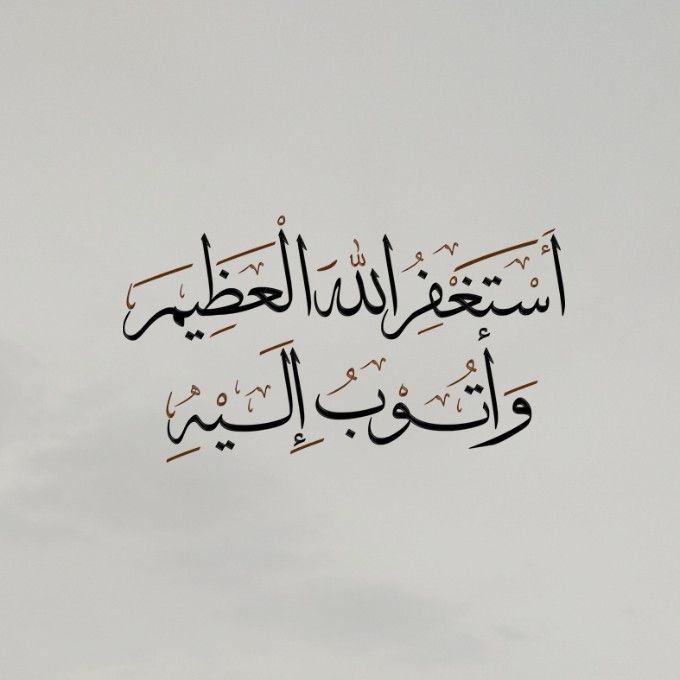
- أَسْتَغْفِرُ الله– Astaghfirullah
Meaning: “I seek forgiveness from Allah.”
Source: Sahih Muslim- The most common and simplest form, perfect for frequent recitation throughout the day.
- أَسْتَغْفِرُ اللهَ وَأَتُوبُ إِلَيْهِ – Astaghfirullaha wa atubu ilayh
Meaning: “I seek forgiveness from Allah and turn to Him in repentance.”
Source: Sahih Muslim- Combines forgiveness and sincere repentance (Tawbah), often used after prayers.
- رَبِّ اغْفِرْ لِي – Rabbighfirlee
Meaning: “My Lord, forgive me.”- A short, direct, and heartfelt plea suitable for daily dhikr.
Sayyidul Istighfar – The Best Form of Astaghfirullah
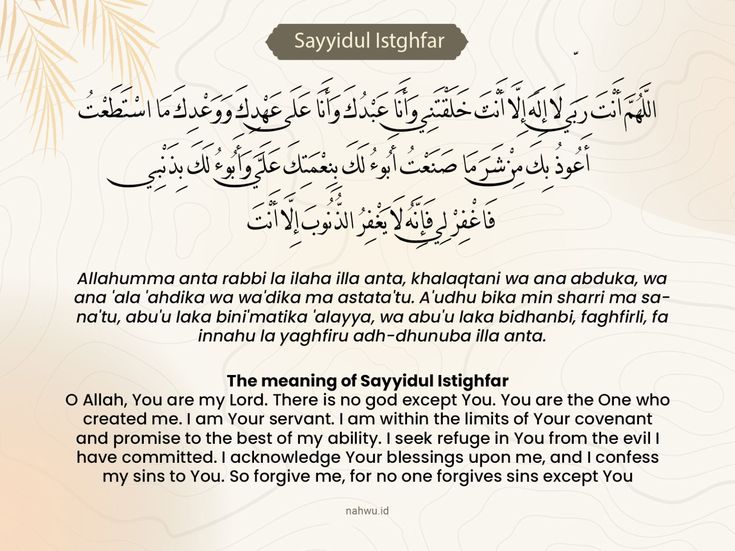
Sayyidul Istighfar (سيد الاستغفار) is considered the most complete and powerful form of seeking forgiveness in Islam. Unlike short phrases, this dua acknowledges Allah as Lord and Creator, confesses one’s sins, and asks for comprehensive protection and mercy.
Arabic:
اللَّهُمَّ أَنْتَ رَبِّي لَا إِلَهَ إِلَّا أَنْتَ، خَلَقْتَنِي وَأَنَا عَبْدُكَ، وَأَنَا عَلَى عَهْدِكَ وَوَعْدِكَ مَا اسْتَطَعْتُ، أَعُوذُ بِكَ مِنْ شَرِّ مَا صَنَعْتُ، أَبُوءُ لَكَ بِنِعْمَتِكَ عَلَيَّ وَأَبُوءُ بِذَنْبِي، فَاغْفِرْ لِي فَإِنَّهُ لَا يَغْفِرُ الذُّنُوبَ إِلَّا أَنْتَ.
Transliteration:
Allahumma anta Rabbi la ilaha illa anta, khalaqtani wa ana ‘abduka, wa ana ‘ala ‘ahdika wa wa‘dika mastata‘tu, a‘udhu bika min sharri ma sana‘tu, abuu’u laka bini‘matika ‘alayya wa abuu’u bidhanbi, faghfir li fa innahu la yaghfiru-dhunuba illa anta.
Meaning:
“O Allah, You are my Lord, there is none worthy of worship except You. You created me, and I am Your servant, and I abide by Your covenant and promise as much as I can. I seek refuge in You from the evil of what I have done. I acknowledge Your blessings upon me and confess my sins. Forgive me, for none forgives sins except You.”
Key Benefits:
- The Prophet ﷺ said: من قالها من النهار موقنا بها، فمات من يومه قبل أن يمسي، فهو من أهل الجنة، ومن قالها من الليل وهو موقن بها فمات قبل أن يصبح، فهو من أهل الجنة
“Whoever recites Sayyidul Istighfar with firm belief during the day and dies before evening, will be among the people of Paradise.”
—Sahih Bukhari - It covers all sins, major and minor, and is a comprehensive plea for mercy and guidance.
- Reciting it regularly strengthens the heart, increases closeness to Allah, and serves as spiritual protection from evil and wrongdoing.
This dua exemplifies the highest level of istighfar, combining sincerity, humility, and recognition of Allah’s absolute power and mercy, making it the ultimate model for all believers to follow.
Silent vs. Spoken Istighfar – Which Is Better?
- Silent Istighfar: Reciting in the heart or mind, suitable during work, travel, or private reflection.
- Spoken Istighfar: Vocalized with lips, perfect for dhikr sessions, after prayers, or in gatherings.
- Both are valid; sincerity is the key, not the volume.
Key Points to Remember
- Action vs. Word: Istighfar is the act of seeking forgiveness; Astaghfirullah is the verbal expression.
- Sincerity is Essential: It must come from regret, turning back to Allah, and acknowledging one’s shortcomings.
- For All Sins: Can be used for known sins, unintentional errors, or even neglecting blessings.
- Benefits: Attracts Allah’s mercy, brings relief from distress, opens doors to sustenance (rizq), strengthens the heart, and paves a path to Paradise.
The Prophet ﷺ said: “ مَنْ لَزِمَ الاِسْتِغْفَارَ جَعَلَ اللَّهُ لَهُ مِنْ كُلِّ ضِيقٍ مَخْرَجًا وَمِنْ كُلِّ هَمٍّ فَرَجًا وَرَزَقَهُ مِنْ حَيْثُ لاَ يَحْتَسِبُ ” .”
“Whoever constantly seeks pardon from Allah, Allah will appoint for him a way out of every distress and a relief from every anxiety, and will provide sustenance from where he expects not.” – Sunan Abi Dawud 1518
When Should You Say Astaghfirullah? Practical Daily Situations
Astaghfirullah (أَسْتَغْفِرُ اللّٰهَ) means “I seek forgiveness from Allah” and is a fundamental phrase in Islam that can be said anytime. It is not limited to major sins but is a continuous practice for spiritual purification, relief from anxiety, and remembrance of God. Here are practical situations to incorporate it into daily life:
1️⃣After Sins, Mistakes, and Slip-Ups
Whenever you realize you’ve done something wrong—like telling a lie, losing your temper, backbiting, or any mistake—saying Astaghfirullah is an immediate way to repent. It expresses regret and the intention to turn back to Allah.
2️⃣As Part of Daily Remembrance (Dhikr)
The Prophet ﷺ would seek forgiveness more than 70–100 times a day, despite being sinless. Reciting Astaghfirullah regularly—while walking, working, or doing chores—helps keep the heart spiritually clean and connected to Allah.
3️⃣During and After Salah (Formal Prayer)
It is recommended to say Astaghfirullah three times immediately after completing each of the five daily prayers. This helps atone for any shortcomings in worship and maintains humility before Allah.
4️⃣When Feeling Anxious, Stressed, or Overwhelmed
Turning to Astaghfirullah during difficult times brings peace to the heart, relieves worries, and provides clarity and calmness. It’s a spiritual tool for coping with stress and fear.
5️⃣When Hearing or Witnessing Wrongdoing
If you see or hear something sinful, unethical, or shocking, saying Astaghfirullah is both an expression of disapproval and a prayer for mercy for those involved. It also serves as a reminder of one’s own human limitations.
6️⃣ Before Sleeping or Starting Important Tasks
Seeking forgiveness before bed clears the heart and mind, while invoking Allah’s mercy before important tasks brings blessings (barakah) and guidance in actions.
Essence: The power of Astaghfirullah lies in sincerity and heartfelt intention—acknowledging human imperfection, expressing regret, and turning to Allah for His boundless mercy and guidance.
What Happens After Saying Astaghfirullah
When you say Astaghfirullah (I seek forgiveness from Allah), the effects can be felt almost immediately, both spiritually and emotionally. Spiritually, it purifies the heart, wipes away minor sins, and strengthens your connection with Allah. Emotionally, it brings a sense of relief, calm, and inner peace, helping to reduce guilt, anxiety, or stress. Reciting it regularly reminds you of your human imperfections, encourages humility, and fosters a mindset of self-improvement. Over time, even saying it once can help you feel lighter, more hopeful, and spiritually refreshed, giving a sense that Allah’s mercy and forgiveness are close at hand.
Benefits of Saying Astaghfirullah Daily
The phrase Astaghfirullah al-Azeem means “I seek the great forgiveness of Allah.” Adding al-Azeem (the Great) makes the request more powerful. Reciting it has all the benefits of the shorter phrase, and more:
- Erases Great Sins: By asking for “the Great Forgiveness,” you acknowledge that only Allah’s immense mercy can forgive all mistakes, no matter how big.
- Offers Protection: It protects from the punishment of Hell and helps guide towards Paradise.
- Brings Relief from Great Stress: Invoking Allah’s “Great” mercy provides deep peace and trust during overwhelming situations.
- Raises Your Spiritual Status: Constantly seeking the “Great Forgiveness” demonstrates humility and brings the believer closer to Allah, raising their rank in His sight.
Astaghfirullah and Rizq – Provision, Jobs, and Opportunities
Regular istighfar can open doors to sustenance (rizq), career opportunities, and financial provision, reflecting how spiritual devotion impacts worldly life.
Astaghfirullah for Barakah in Family, Health, and Time
Reciting istighfar attracts blessings (barakah) in family life, health, and time management, making daily life smoother and more fulfilling.
Common Mistakes When Saying Astaghfirullah
Saying Astaghfirullah Only with the Tongue, Not the Heart
One of the most common mistakes is turning Astaghfirullah into a habit of the tongue rather than a feeling of the heart. Real istighfar means your heart is present — you acknowledge the mistake, feel regret, and genuinely want Allah’s forgiveness. When the tongue moves but the heart is absent, the impact is limited. True forgiveness comes when your words match your intentions.
Repeating Astaghfirullah While Continuing the Same Sin
Another mistake is saying Astaghfirullah while knowingly returning to the same sin without any attempt to change. While Allah’s mercy is vast, sincere repentance requires effort — stopping the sin, regretting it, and trying not to repeat it. Even if you fall again, your sincerity keeps you raising yourself back up. But repeating a sin while planning to continue it empties istighfar of its meaning.
Losing Hope in Allah’s Mercy Despite Astaghfirullah
Some people say Astaghfirullah but still believe that Allah will not forgive them. This is a major mistake, because despair itself is a sin. Allah forgives all sins for the one who sincerely turns to Him. No matter how many times you slip, His door never closes. Istighfar should fill your heart with hope, not fear — you are speaking to the Most Merciful, not a judge waiting to punish.
How to Turn Astaghfirullah into a Daily Habit
Turning Astaghfirullah into a regular part of your life begins with consistency, sincerity, and attaching the dhikr to existing habits. The Prophet ﷺ himself sought forgiveness more than 70–100 times a day, showing us that istighfar is not only for sinners — it is a pathway to peace, blessings, and a purified heart.
Simple Dhikr Routines: 100 Times Morning and Evening

One of the easiest ways to stay consistent is to set a simple daily routine — for example:
- 100 times after Fajr
- 100 times before Maghrib or before sleep
This anchors your remembrance in two fixed times of the day when your mind is calm and present. You don’t have to rush; you can say it slowly, with reflection, and allow the meaning to settle in your heart. This routine helps build spiritual discipline and keeps your heart connected to Allah throughout the day.
Using Apps, Tasbih, and Habit Trackers for Istighfar

Modern tools make dhikr easier than ever.
- Tasbih or Misbahah: Helps you keep count without losing focus.
- Digital counters: Small, portable, and useful during commutes or chores.
- Dhikr apps or habit trackers: Send daily reminders, track progress, and help you stay accountable.
These tools aren’t a requirement, but they support consistency — especially for people with busy schedules who want to make istighfar a stable part of their lifestyle.
Teaching Children to Say Astaghfirullah with Love, Not Fear

When teaching children istighfar, the goal is to make it something comforting, not frightening.
- Explain that Astaghfirullah means: “I’m asking Allah to forgive me because He loves to forgive.”
- When a child makes a mistake, encourage them gently:
“Say Astaghfirullah, habibi. Allah loves when we come back to Him.” - Avoid using it as a punishment or a threat. Instead, link it to kindness, mercy, and Allah’s love.
When kids grow up associating istighfar with safety and closeness to Allah, it becomes a lifelong habit they turn to naturally, just like breathing.
Difference Between Istighfar and Tawbah
Although istighfar and tawbah both relate to seeking Allah’s forgiveness, they are not the same. Each has its own meaning, depth, and purpose.
What Is Istighfar?
Istighfar means asking Allah for forgiveness.
It can be said with the tongue at any time — while walking, sitting, working, or even silently in the heart.
- It removes sins, softens the heart, and brings blessings.
- It is continuous — something you can repeat throughout the day.
- It doesn’t always require a full repentance process; even prophets did it regularly for spiritual purification.
What Is Tawbah?
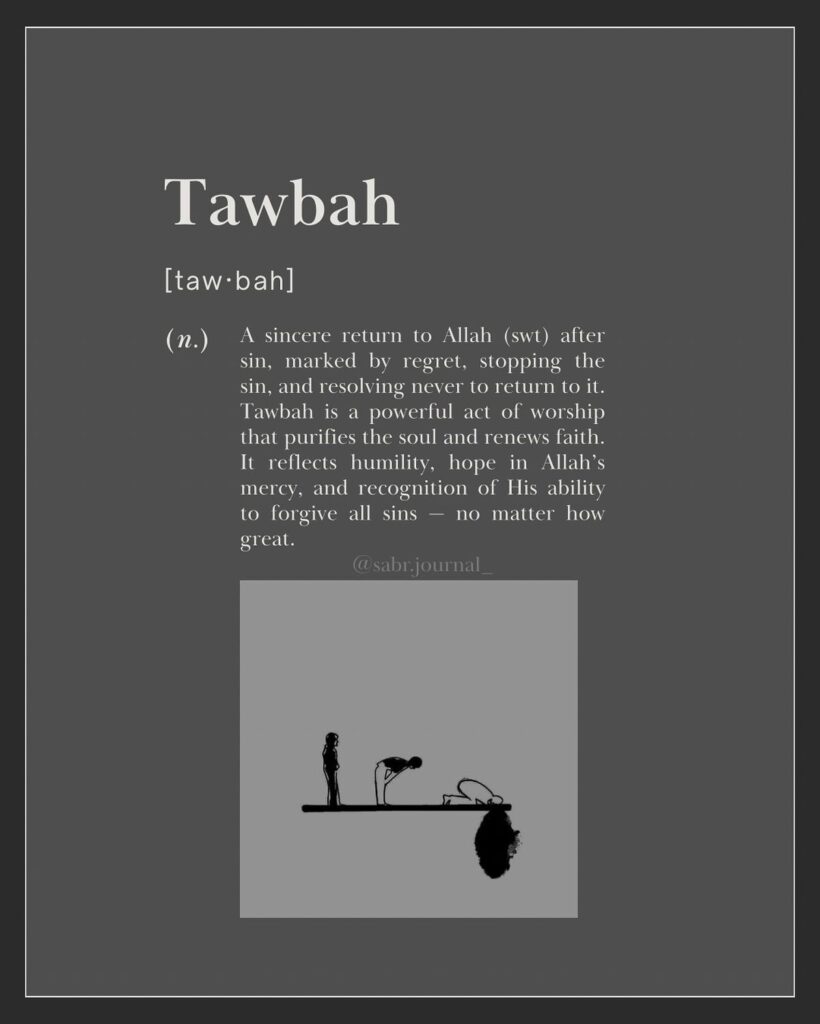
Tawbah is deeper — it means repentance, and it has specific conditions:
- Stopping the sin immediately
- Feeling sincere regret
- Intending never to return to the sin
- If it involved someone’s rights, you must return them or seek their forgiveness
Tawbah is a complete turning back to Allah. It’s not something you do casually; it’s a heartfelt commitment to change.
When to Use Each One
- Istighfar: Anytime — even if you haven’t committed a major sin. It keeps the heart alive.
- Tawbah: When you commit a sin knowingly and want to fully return to Allah with sincerity and change.
How They Work Together
- Istighfar can lead you towards tawbah.
- Tawbah includes istighfar, but adds regret, intention, and action.
- Someone may say Astaghfirullah 1000 times, but without real intention to stop the sin, it is not complete tawbah.
In short:
🔹 Istighfar = asking for forgiveness
🔹 Tawbah = transforming your behavior and returning to Allah completely
Both are essential — one keeps your heart clean daily, and the other helps you rise after falling.
Final Thoughts

Reciting Astaghfirullah is one of the easiest yet most powerful acts a believer can do. It softens the heart, opens doors of rizq, strengthens faith, and brings peace into your life—one sincere repetition at a time. No matter your past, your struggles, or your mistakes, Allah’s mercy is always greater. Start small, stay consistent, and let Istighfar transform your heart and your day.
Would you like to learn more about Istighfar, Islamic teachings, and how to grow spiritually with proper guidance?
Join Areeb Academy today!
We offer:
- Islamic Studies and Quran memorization courses for non-Arabic speakers, including children, taught by native Arab teachers fluent in English for easy understanding.
- Flexible schedules to suit busy learners
- A supportive environment for beginners and advanced students
- A FREE trial session so you can meet your teacher and experience the class yourself
✨ Start your journey today — book your free trial session now!
FAQs
1. What does Astaghfirullah really mean?
It means “I seek forgiveness from Allah.” It expresses humility, repentance, and a desire for purity and closeness to God.
2. How many times should I say Astaghfirullah daily?
The Prophet (PBUH) used to say it more than 70–100 times a day. You can start with 50 or 100 and increase gradually.
3. Can Astaghfirullah increase my rizq (provision)?
Yes. Islamic texts mention that consistent Istighfar brings blessings in wealth, opportunities, and ease in life.
4. Is Astaghfirullah only for when I commit a sin?
No. You can say it anytime: during stress, after prayers, before sleeping, or simply as daily dhikr.
5. What is the difference between Astaghfirullah and Tawbah?
Astaghfirullah is verbally seeking forgiveness.
Tawbah is a full repentance involving regret, stopping the sin, and intending not to return to it.
6. Can children be taught to say Astaghfirullah?
Absolutely. It helps them build a positive relationship with Allah—without fear or punishment—through love and gentle reminders.
7. Do I need wudu to say Astaghfirullah?
No, you can say it anytime and in any state, though being in wudu brings extra reward.
8. Does Astaghfirullah remove anxiety?
Yes, many people find that sincere Istighfar brings calm, ease, and spiritual comfort during stressful moments.