
Learning a new language at a young age can shape a child’s future, and when it comes to Arabic, starting early offers a unique opportunity to build fluency, confidence, and cultural awareness. An Arabic Conversation Course for Kids is designed specifically for non-native speakers, combining fun, interactive lessons with real-life conversation practice. From mastering greetings and daily expressions to understanding Arabic sounds, letters, and basic sentence structures, these courses help children develop a natural command of the language while enjoying the learning process.
Whether your child is learning Modern Standard Arabic or a regional dialect, structured guidance, engaging activities, and consistent practice make all the difference. In this guide, we’ll explore the best age to start learning Arabic, common challenges kids face, strategies parents can use at home, and why live online classes are the most effective way for children to thrive in Arabic conversation.
What Is an Arabic Conversation Course for Kids?
An Arabic conversation course for kids is a child-friendly language program designed to help children speak Arabic naturally and confidently through interaction rather than memorization. Instead of focusing on long grammar rules, these courses emphasize real-life communication, using games, stories, songs, role-play, and visual activities to keep young learners engaged.
The goal is to help children use Arabic in everyday situations—introducing themselves, greeting others, expressing needs, and responding comfortably—while learning correct pronunciation and cultural context in a fun, pressure-free environment.
Most Arabic conversation courses for kids are structured by age and level, ensuring that lessons are simple, interactive, and age-appropriate, whether the child is a complete beginner or already familiar with basic Arabic words.
Explore Arabic Greetings for Beginners – Speak & Respond Like a Native
Focus on Speaking and Listening Skills

A strong Arabic conversation course for kids prioritizes speaking and listening as the foundation of language learning. Children learn Arabic best when they hear it often and are encouraged to respond without fear of making mistakes.
Through live conversations, guided repetition, and interactive dialogues, kids develop:
- Clear pronunciation and natural Arabic rhythm
- Confidence in responding to questions
- The ability to understand spoken Arabic in real contexts
By practicing greetings, polite expressions, and simple questions regularly, children begin to think in Arabic, not just translate from their native language. This listening-first, speaking-focused approach helps Arabic feel familiar and enjoyable rather than difficult.
How Arabic Conversation Course Builds Real Arabic Fluency For Kids
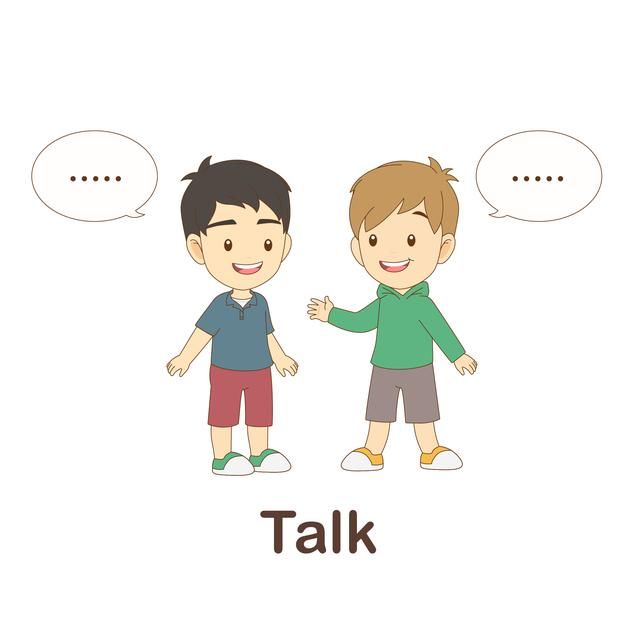
Conversation is what transforms vocabulary into real fluency. When kids actively use Arabic in meaningful exchanges, they move from knowing words to communicating ideas.
An effective Arabic conversation course for kids allows children to:
- Practice everyday scenarios like introducing themselves or talking about family
- Build confidence through repetition and role-play
- Learn grammar naturally through usage, not memorization
- Understand cultural expressions and social cues
Over time, consistent conversation practice helps children speak Arabic spontaneously and comfortably, laying a strong foundation for future reading, writing, and advanced language skills.
Why Kids Learn Arabic Faster Through Conversation
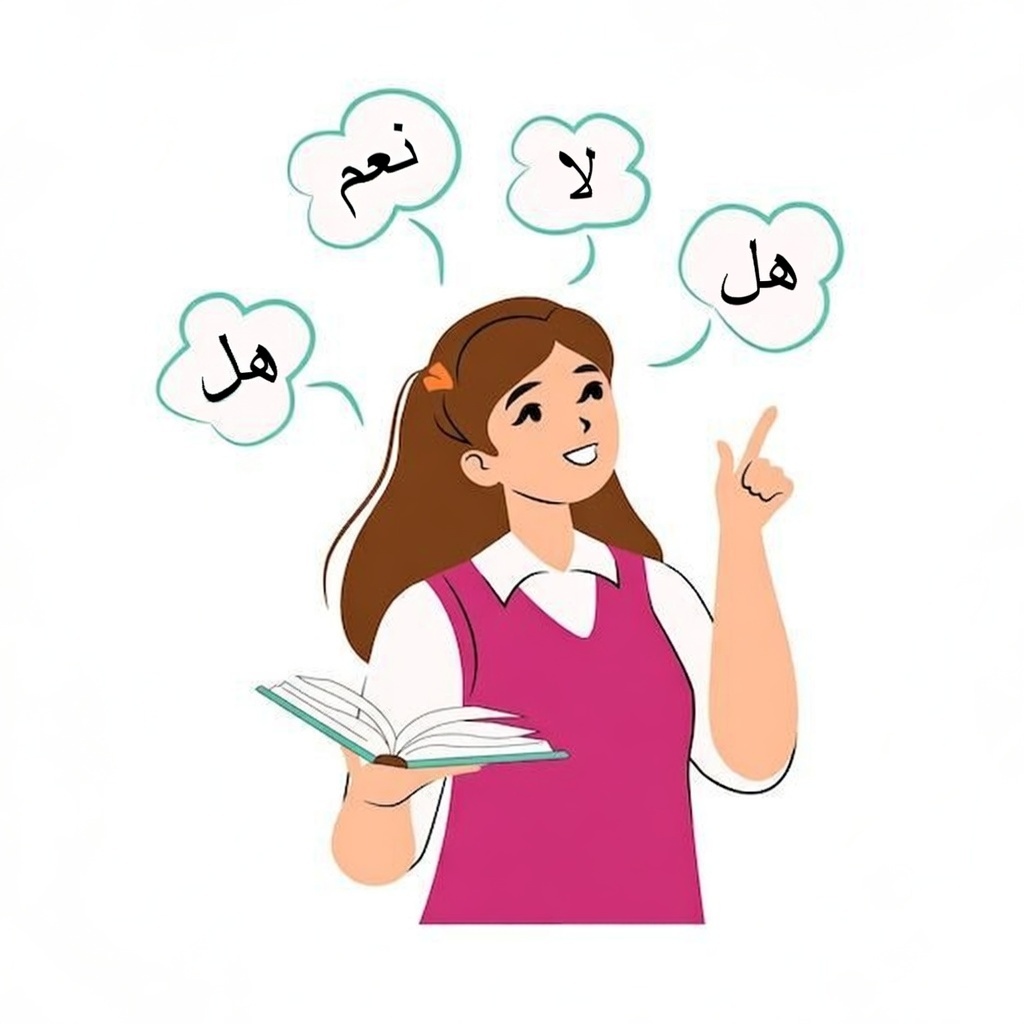
Kids learn Arabic faster through conversation because it mirrors the natural way languages are acquired, not memorized. Instead of drilling vocabulary lists or isolated grammar rules, conversational learning immerses children in real, meaningful language use—just like how they learned their first language.
Through daily interaction, children absorb vocabulary, pronunciation, and sentence structure in context, which makes understanding easier and retention stronger. This immersive approach taps into a child’s natural ability to “soak up” language, helping them build fluency, correct pronunciation, and confidence without pressure or fear of mistakes.
Conversation-based Arabic learning also keeps kids engaged. When learning feels like play—through speaking, listening, role-playing, and games—children stay motivated and excited to use Arabic in real-life situations.
Learning Arabic Naturally Like a First Language
Conversation allows children to learn Arabic the same way they learned their mother tongue: by listening first, then speaking naturally. When kids hear Arabic used in everyday scenarios, they don’t just learn what words mean—they learn how and when to use them.
This natural acquisition helps children:
- Understand vocabulary through context, not translation
- Pick up correct pronunciation and rhythm effortlessly
- Absorb sentence structures without explicit grammar lessons
- Learn cultural expressions and polite language naturally
Through songs, games, and guided conversations, children begin forming complete sentences intuitively. Over time, Arabic stops feeling like a “subject” and becomes a living language they can use comfortably.
Boosting Confidence For Kids Through Daily Arabic Conversation Practice
One of the biggest advantages of conversational Arabic learning is confidence building. Regular, low-pressure speaking practice—such as role-playing everyday situations like greeting others or ordering food—encourages kids to speak freely without fear of mistakes.
Daily conversation helps children:
- Become active listeners and engaged speakers
- Retain vocabulary more effectively than passive learning
- Develop the courage to express themselves in Arabic
- Turn Arabic into a daily habit rather than occasional study
Consistent speaking practice transforms Arabic from something kids “learn” into something they use, making fluency a natural outcome over time. When children feel supported and encouraged, speaking Arabic becomes both fun and empowering.
What Children Learn in an Arabic Conversation Course for Kids
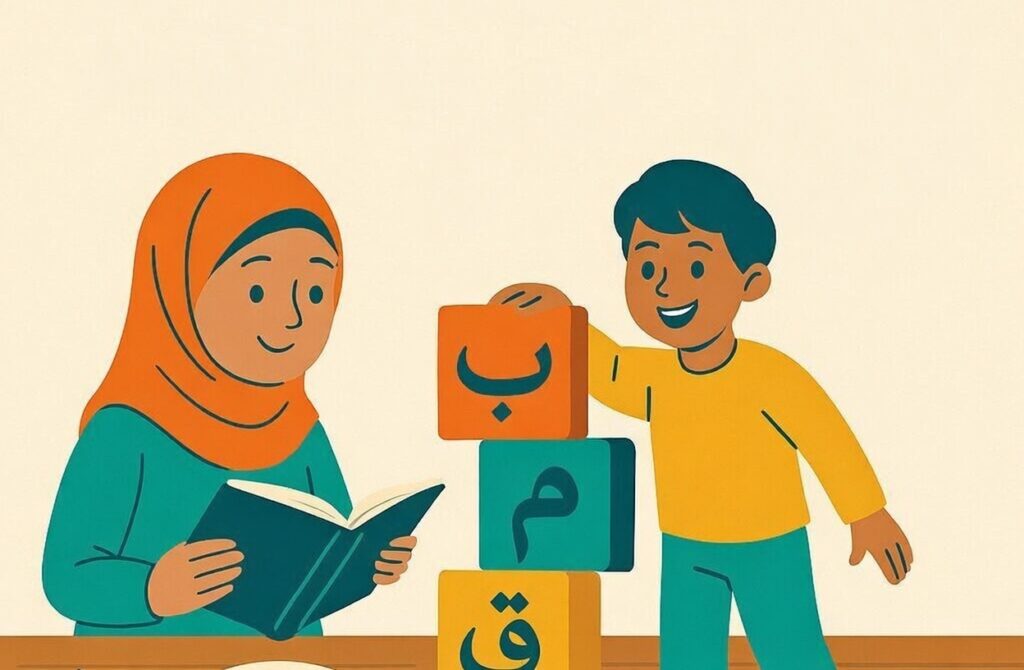
An Arabic conversation course for kids is designed to build strong language foundations by focusing on how children actually use Arabic in daily life. Instead of isolated memorization, children learn through interactive, play-based activities that develop speaking, listening, and understanding simultaneously.
These courses introduce Arabic in a supportive environment where children gradually become comfortable hearing, speaking, and responding in Arabic. Lessons are usually structured around familiar themes—family, daily routines, colors, animals, food, and basic etiquette—helping children connect new words to real experiences.
In addition to language skills, many programs incorporate cultural awareness, such as polite expressions, simple traditions, and sometimes age-appropriate religious elements like short Athkar, allowing children to understand Arabic within its natural cultural context.
Everyday Arabic Words and Simple Sentences
Children begin by learning essential Arabic vocabulary that they can use immediately in conversation. This includes greetings, numbers, colors, family members, days of the week, and common everyday expressions.
Through repetition, stories, and visuals, kids naturally start forming simple sentences rather than memorizing individual words. For example, they learn how to introduce themselves, talk about their family, or describe objects around them.
This stage also focuses on:
- Developing correct pronunciation through listening and imitation
- Training the ear to recognize Arabic sounds and rhythm
- Building confidence by using familiar words in meaningful contexts
By consistently practicing simple sentences, children gain a solid base that prepares them for more complex conversations later on.
Asking Questions and Expressing Ideas in Arabic

As children progress, Arabic conversation courses help them move beyond repetition into active communication. Kids learn how to ask and answer simple questions, express preferences, and share basic personal information in Arabic.
Through role-playing and guided dialogue, children practice:
- Asking questions like names, preferences, and locations
- Responding naturally instead of with single-word answers
- Expressing needs, likes, and simple opinions
- Participating in short, real-life conversations
This interactive practice strengthens both listening comprehension and speaking confidence, making Arabic feel usable and familiar. Over time, children become more comfortable initiating conversations and expressing themselves clearly in Arabic.
Arabic Conversation Course for Kids vs Traditional Arabic Classes
When choosing between an Arabic conversation course for kids and traditional Arabic classes, the difference lies mainly in how children learn and use the language. Conversation-based courses focus on helping children speak and understand Arabic quickly in real-life situations, while traditional classes emphasize reading, writing, and grammatical structure.
Arabic conversation courses are designed to build immediate speaking confidence through interaction, play, and repetition. Traditional Arabic classes, on the other hand, are more structured and academic, making them better suited for long-term goals such as literacy, formal studies, or Quranic learning.
Both approaches are valuable, but they serve different learning goals, especially for young children.
Speaking-Based Learning vs Memorization

Conversation-based Arabic learning prioritizes spoken language over memorization. Children learn vocabulary, pronunciation, and simple sentence patterns by using Arabic actively—through games, songs, role-playing, and guided dialogue.
This approach helps children:
- Speak without fear of making mistakes
- Use Arabic naturally in everyday situations
- Retain words better through context and repetition
Traditional Arabic classes rely more on memorization of rules, vocabulary lists, and written exercises. While this builds accuracy and literacy over time, it can feel abstract or challenging for younger learners who benefit more from movement, interaction, and play.
For kids, especially beginners, learning by speaking first often feels easier and more enjoyable than starting with grammar rules.
Why Conversation Comes Before Grammar for Kids

Children naturally acquire language through listening and speaking before reading and writing. That’s why conversation-based Arabic courses introduce grammar implicitly, through usage, rather than formal explanations.
By hearing and using Arabic regularly, children begin to:
- Recognize correct sentence patterns instinctively
- Develop accurate pronunciation and rhythm
- Build confidence in expressing ideas verbally
Formal grammar becomes more meaningful later, once children already feel comfortable with the language. For young learners, starting with conversation makes Arabic feel accessible and alive, rather than rigid or overwhelming.
Many educators agree that the most effective approach for children is a balanced progression—conversation first to build comfort and fluency, followed by structured grammar and literacy when the child is ready.
Arabic Conversation Course for Kids for Non-Arabic Speakers
An Arabic conversation course for kids for non-Arabic speakers is specifically designed for children who are starting Arabic from zero and have little to no exposure to the language at home. These courses focus on functional, spoken Arabic, helping children understand and use the language naturally through conversation rather than memorization.
Because non-Arabic speaking children are not surrounded by Arabic daily, these courses aim to recreate a language-rich environment online, allowing children to hear, practice, and use Arabic consistently in meaningful contexts.
Starting From Zero With Simple Arabic

Arabic conversation courses for non-Arabic speakers are built to assume no prior knowledge. Children start with very simple, high-frequency words and phrases that they can immediately use in conversation.
At this stage, children typically learn:
- Basic greetings and polite expressions
- Simple vocabulary related to family, colors, animals, and everyday objects
- Short, repeated sentence patterns instead of isolated words
- Listening skills through stories, songs, and short dialogues
The focus is on comprehension and speaking first. Grammar and reading are introduced gradually and naturally, ensuring children are not overwhelmed and remain confident and motivated.
This step-by-step progression allows non-Arabic speaking children to feel successful early on, which is critical for long-term language learning.
Clear Pronunciation and Accent Development

One of the biggest challenges for non-Arabic speakers is pronunciation. Arabic conversation courses place strong emphasis on listening and sound recognition to help children develop what educators often call an “Arabic ear.”
Through constant exposure to spoken Arabic, children learn to:
- Recognize and reproduce Arabic sounds accurately
- Distinguish between similar letters and pronunciations
- Develop natural rhythm and intonation
- Speak clearly without relying on transliteration
Interactive stories, rhymes, repetition, and guided speaking practice help children imitate correct pronunciation in a stress-free way. Early focus on pronunciation ensures that children build strong speaking habits from the beginning, making future fluency much easier.
Best Age to Join an Arabic Conversation Course for Kids
Choosing the right age to start learning Arabic can make a significant difference in a child’s fluency and confidence. Arabic is considered a complex language for native English speakers, and research shows that younger children have brains that are more adaptable for language acquisition. Starting early gives children the best opportunity to learn naturally and build a solid foundation toward fluency over time.
Although younger ages are ideal, it is important to note that children can start learning Arabic at any age, and the key is a structured, engaging course that matches their developmental level.
Preschool vs School-Age Children
Preschool Children (Ages 3–5):

- Highly adaptable brains make it easier to acquire sounds and pronunciation.
- Early exposure to Arabic through games, songs, and stories encourages natural learning.
- Focus is on listening and speaking, with repetition and interactive play helping children absorb new words effortlessly.
- Benefits include early development of cognitive skills like memory, pattern recognition, and sound imitation.
School-Age Children (Ages 6–12):
- Can handle slightly more structured lessons, including short reading and writing activities.
- Interactive conversation remains central, with role-playing and practical dialogues boosting confidence.
- Exposure to everyday Arabic phrases and simple sentences helps children apply what they learn in real-life situations.
- Still capable of mastering pronunciation with consistent practice and guidance.
In general, starting before age eight allows children to acquire the language more naturally, though older children can also succeed with the right approach.
Adjusting the Course to the Child’s Level
To maximize learning outcomes, courses should be tailored to the child’s age, skill level, and learning pace:
- Beginner Level: Focus on greetings, numbers, colors, animals, and simple sentences. Emphasis is on listening, repetition, and speaking.
- Intermediate Level: Introduce short dialogues, questions and answers, and daily routines. Activities like storytelling and role-playing reinforce conversational skills.
- Advanced Level: Build confidence in extended conversations, proper pronunciation, and understanding context. May include cultural knowledge, Quranic phrases, and basic reading.
Other strategies that support effective learning:
- Interactive tools: Games, flashcards, songs, and videos keep children engaged.
- Immersive environment: Using Arabic in daily interactions, labeling objects, or watching Arabic cartoons improves retention.
- Positive reinforcement: Encouraging children and celebrating progress boosts motivation and confidence.
With a flexible, age-appropriate course, children of any level can progress steadily toward conversational fluency, while enjoying the learning experience.
Common Challenges Kids Face When Learning Arabic Conversation

Learning Arabic conversation can be both exciting and challenging for children, especially if they are non-native speakers. While Arabic is expressive, rich, and deeply cultural, kids often encounter hurdles that can affect their confidence, motivation, and progress. Understanding these challenges is the first step in helping them succeed.
Shyness and Fear of Making Mistakes
Many children hesitate to speak Arabic because they worry about mispronouncing words or forgetting vocabulary. This fear can slow their progress and make them prefer using English or their native language.
How to Overcome It:
- Create a supportive environment: Praise attempts, not perfection.
- Avoid harsh corrections: Gentle guidance works better than constant correction.
- Practice in playful ways: Games, role-playing, or singing encourage risk-free speaking.
- Model curiosity: Show enthusiasm for learning alongside your child.
Confidence grows when children feel safe to try, make mistakes, and be celebrated for their effort.
Mixing Arabic With English and How to Fix It
Children often mix Arabic with English because they are more comfortable with their first language. This can slow language acquisition and create confusion in conversations.
How to Overcome It:
- Focus on one dialect first: Choose either Modern Standard Arabic (MSA) or a spoken dialect like Egyptian to avoid confusion.
- Use immersive techniques: Short daily interactions, labeling household objects in Arabic, and introducing new words in context.
- Make Arabic relevant: Connect it to family stories, culture, or real-life experiences.
- Positive reinforcement: Celebrate correct usage and effort, rather than perfection.
By creating consistent, meaningful exposure and making Arabic enjoyable, children naturally reduce their reliance on English and gain fluency.
Want to learn more about the Egyptian Ammeya Grammer and how to help your child use it confidently?
👉 Read this blog post for tips, examples, and fun ways to practice everyday Egyptian Arabic at home: Click Here
How Parents Can Support Arabic Conversation at Home
Parents play a crucial role in helping children succeed in learning Arabic. By creating a supportive, language-rich environment, kids can practice naturally, reinforce lessons from online courses, and develop confidence in speaking. Even if parents aren’t fluent, small daily actions can make a big difference.
Simple Arabic Practice Outside the Classroom
- Create a daily routine: Integrate Arabic into morning greetings, meal prep, and bedtime. For example, say “صباح الخير” (Good morning) or read a short Arabic story before sleep.
- Label household items: Place sticky notes on everyday objects like كرسي (chair), باب (door), and طاولة (table). This constant visual exposure reinforces vocabulary.
- Narrate actions in Arabic: Describe activities during daily life, like “أنا أطّبخ” (I am cooking), to connect words to real experiences.
- Use interactive media: Play Arabic songs, switch cartoons to Arabic, or watch educational YouTube videos to strengthen listening and pronunciation skills.
Encouraging Children Without Pressure
- Praise effort over perfection: Celebrate attempts at speaking, new words learned, or correctly repeated phrases.
- Make learning playful: Use games, puzzles, storytelling, or role-playing to teach new words and sentences.
- Focus on one dialect first: Start with either MSA or a spoken dialect like Egyptian to avoid confusion.
- Daily short exposure: Even 10–15 minutes per day helps more than long, infrequent sessions.
Involving Non-Arabic Speaking Parents
- Learn alongside your child: Use flashcards, educational videos, or apps together.
- Use visual aids: Picture books and colorful posters make vocabulary easy to understand.
- Combine learning with interests: Connect Arabic words to hobbies your child enjoys, like drawing, cooking, or music.
- Celebrate Arabic use: Show excitement when your child uses Arabic phrases correctly—it motivates them to keep practicing.
Make Arabic Fun and Visible
- Decorate with Arabic posters: Display the Arabic alphabet, numbers, animals, colors, and shapes around the house.
- Storytime in Arabic: Read bilingual or Arabic-only books regularly.
- Songs and chants: Encourage children to sing along to simple Arabic songs to improve pronunciation and retention.
- Interactive play: Scavenger hunts, matching games, or acting out Arabic words make learning memorable.
Why Live Online Classes Work Best for Arabic Conversation

Live online Arabic classes are highly effective because they combine real-time interaction, native instruction, and structured guidance, giving learners the best opportunity to develop conversational fluency. Unlike self-paced apps, live classes provide immediate feedback, cultural context, and interactive experiences that help learners gain confidence and speak naturally.
One-to-One Speaking Time for Each Child
- Real-time interaction with native speakers: Each child gets a chance to speak and be heard, which is essential for mastering difficult Arabic sounds like ع (Ayn) or ق (Qaf).
- Personalized feedback: Tutors can immediately correct pronunciation, grammar, and sentence structure before mistakes become habits.
- Confidence-building: Frequent speaking opportunities encourage children to try new words and phrases without fear of making mistakes.
Interactive Lessons That Keep Kids Engaged
- Conversational focus: Lessons prioritize daily conversations, greetings, and practical vocabulary over rote grammar memorization.
- Cultural integration: Teachers incorporate stories, expressions, and cultural context, helping children understand not just words but how they’re used naturally.
- Fun and variety: Games, role-playing, and multimedia keep children motivated and actively participating.
- Flexible learning environment: Online platforms allow children to learn from home while maintaining a structured schedule, ensuring consistent practice.
Key Takeaway:
Live online Arabic classes offer a balanced mix of structure, interaction, and cultural exposure. Combining these sessions with short daily practice at home ensures children develop authentic pronunciation, conversational fluency, and confidence—making live classes the most effective method for learning Arabic conversation.
Want to make learning Arabic even more fun for your kids? Explore our article: Arabic Phonics for Children – Easy & Interactive From Home! to help them master letters, sounds, and reading with playful, engaging activities.
Final Thought
Learning Arabic conversation can be a rewarding journey for children, especially when guided by qualified teachers in a structured, interactive, and culturally rich environment. Consistent practice, engaging lessons, and parental support at home all contribute to building confidence, fluency, and a love for the language.
Arabic Conversation Course for Kids at Areeb Academy
- Qualified Teachers Experienced With Children: Native Arabic-speaking instructors skilled in teaching non-Arabic speaking kids.
- Structured, Fun, and Goal-Oriented Arabic Lessons: Interactive lessons tailored to each child’s age and level, incorporating games, songs, and real-life conversations.
- Book Free Trial: Parents can schedule a trial session to see how their child engages with the lessons and assess the teaching style.
Frequently Asked Questions (FAQs)
Q1: At what age should children start learning Arabic conversation?
A: The earlier, the better! Children’s brains are highly adaptable before age 8, making it easier to learn pronunciation, grammar, and conversational fluency. But kids can start at any age.
Q2: Can children mix Arabic with English while learning?
A: Yes, mixing languages is normal. To reduce it, focus on one dialect at a time, use immersive daily practice, and reinforce effort and correct usage with positive feedback.
Q3: What is the difference between Modern Standard Arabic (MSA) and dialects?
A: MSA is used for reading, writing, and formal communication, while dialects (like Egyptian or Levantine) are used in daily conversations. Starting with one dialect helps avoid confusion for beginners.
Q4: How can parents support Arabic learning at home if they don’t speak Arabic?
A: Parents can use visual aids, labels, songs, storybooks, and interactive apps to create exposure. Learning alongside the child or practicing simple phrases daily also helps.
Q5: Are live online Arabic classes better than self-paced lessons for kids?
A: Yes. Live classes provide real-time interaction, immediate feedback, and structured lessons, which help children build confidence, authentic pronunciation, and conversational skills faster.