
Salat Al Asr is the third of the five daily prayers and an important prayer that Muslims should guard throughout the afternoon. Understanding the Salat Al Asr rakat count is a good place to start. When work, errands, and family responsibilities fill the afternoon, planning ahead can help you pray Asr on time with calmness and focus.
In this guide, we’ll cover the Fard and Sunnah rakats of Asr, what to recite in each rakat, when to pray, and how to perform the prayer step by step. We’ll also discuss common mistakes and explain why the Quran and Sunnah place special emphasis on Asr.
Salat Al Asr Rakat: How Many Are There?
At its core, Salat Al Asr consists of 4 obligatory (Fard) rakats, required of every adult Muslim. Muslims recite Asr quietly, just as they do during Dhuhr.
People sometimes get confused about the extra rakats they can pray before Asr. Here’s the full picture:
- 4 Fard rakats — obligatory, the only part required for the prayer to be valid
- 4 Sunnah rakats before Asr — voluntary and recommended, but not required
- After Asr — no regular Sunnah rakats; voluntary prayer is generally discouraged until sunset
So if you count the optional Sunnah, Salat Al Asr can add up to 8 rakats total — but don’t let that number worry you. Only the 4 Fard rakats are actually required.
Sunnah before Asr:
The Prophet ﷺ said, “May Allah have mercy on one who prays four rakats before Asr” (Abu Dawud).
Scholars generally consider these recommended, with the Hanafi school giving them stronger emphasis — but even without them, the Fard prayer is complete.
Travelers: Someone who qualifies for Qasr (the travel concession) may shorten the 4 Fard rakats to 2.
How to Pray the 4 Fard Rakats of Asr
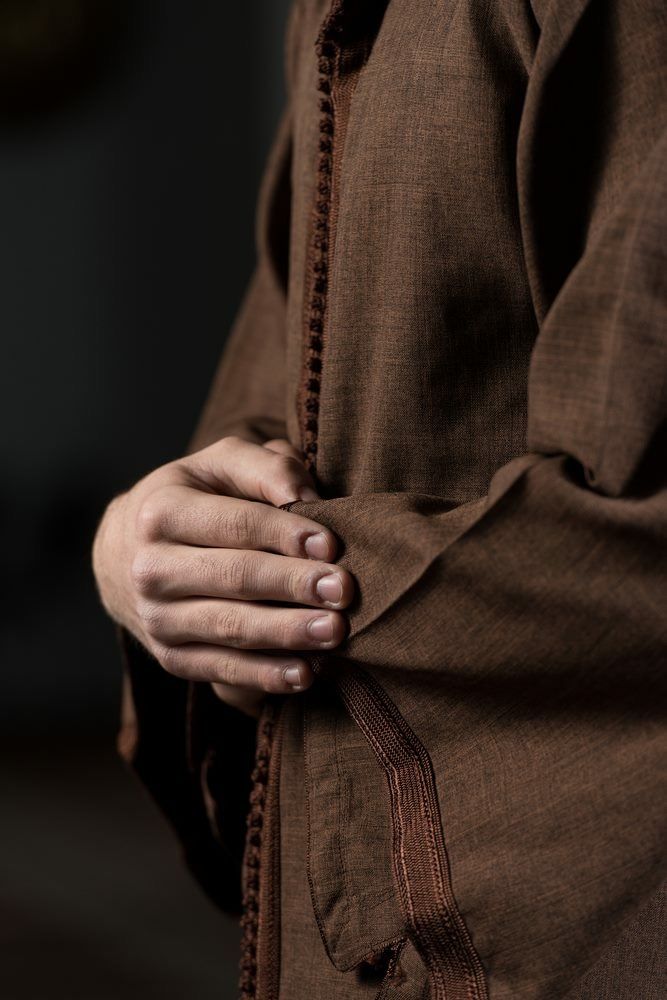
Before you begin, make sure you have Wudu, wear clothing that covers your awrah, face the Qiblah, and intend to pray Asr for the sake of Allah.
- Make the intention (Niyyah) — silently in your heart, to pray the 4 Fard rakat of Salat Al Asr.
- Open with Takbir — say “Allahu Akbar,” raise your hands, then place your right hand over your left. You may follow this with Sana, Ta’awwudh, and Bismillah.
- First two rakats: Recite Surah Al-Fatihah quietly, followed by another surah or a few verses. Then:
- Perform Ruku, saying “Subhana Rabbiyal-‘Adheem”
- Rise, saying “Sami’Allahu liman hamidah,” then “Rabbana lakal hamd”
- Perform two Sujoods, saying “Subhana Rabbiyal-A’la” in each
- After the second rakat: Sit and recite the first Tashahhud:
At-tahiyyatu lillahi was-salawatu wat-tayyibat. As-salamu ‘alayka ayyuhan-nabiyyu wa rahmatullahi wa barakatuh. As-salamu ‘alayna wa ‘ala ‘ibadillahis-salihin. Ashhadu alla ilaha illallah, wa ashhadu anna Muhammadan ‘abduhu wa rasuluh.
Then stand for the third rakat while saying “Allahu Akbar.” - Third and fourth rakats: Recite Surah Al-Fatihah quietly only — no additional surah — then complete Ruku and the two Sujoods as before.
- Final sitting: Recite the Tashahhud and Salawat upon the Prophet ﷺ, then make any supplications you wish.
- End with Tasleem: Turn your head right, then left, saying “Assalamu alaikum wa rahmatullah.”
All recitation throughout Salat Al Asr — in every rakat — is done silently.
Related Salah Guides
- Need a Quick Wudu Refresher? Read: How to Make Wudu Step by Step
- Want to Learn What to Say in Ruku? Read: What to Say in Ruku
- What Should You Say in Sujud? Read: What to Say in Sujud
What to Recite in Each Rakat in Salat Al Asr
| Rakat | What to recite |
|---|---|
| 1st and 2nd | Surah Al-Fatihah + another surah or a few verses (recited quietly) |
| 3rd and 4th | Surah Al-Fatihah only (recited quietly) |
Unlike Fajr and the first two rakats of Maghrib and Isha, Asr is never recited aloud — whether you’re praying alone or behind an imam.
When Is Salat Al Asr Prayed?
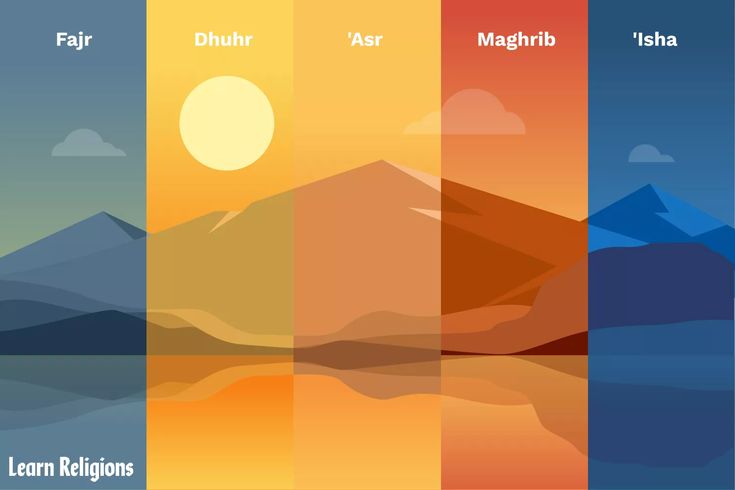
Asr falls between Dhuhr and sunset, but its exact time shifts with location and season.
- Start of Asr: The Maliki, Shafi’i, and Hanbali schools hold that Asr begins once an object’s shadow equals its height (plus the midday shadow). The Hanafi school generally places the start later, when the shadow reaches twice the object’s height.
- End of Asr: Sunset. The Prophet ﷺ said that whoever catches even one rakat before sunset has caught the prayer — but this is a concession, not a target to aim for.
Avoid delaying it unnecessarily. The Prophet ﷺ warned that whoever misses Asr is like someone who has lost his family and wealth. Treat Asr as a priority in your afternoon rather than something to fit in around work, school, or errands — checking the prayer time in advance and planning around it helps.
Why Is Asr Prayer Important?
Asr is the middle of the five daily prayers, and many scholars identify it as the “middle prayer” Allah highlights in the Qur’an:
حَـٰفِظُوا۟ عَلَى ٱلصَّلَوَٰتِ وَٱلصَّلَوٰةِ ٱلْوُسْطَىٰ وَقُومُوا۟ لِلَّهِ قَـٰنِتِينَ ٢٣٨
“Guard strictly the prayers, especially the middle prayer, and stand before Allah with devotion.” (Surah Al-Baqarah – 2:238)
The Prophet ﷺ also singled out Fajr and Asr together — known as Al-Bardayn — saying that whoever observes both will enter Paradise. During the Battle of the Trench, the intense fighting prevented the Muslims from praying Asr on time. The Prophet ﷺ referred to it as the “middle prayer,” highlighting the special importance of guarding Salat Al Asr.
Common Mistakes to Avoid
- Getting the Salat Al Asr Rakat count wrong — remember it’s 4 Fard (2 rakats for travelers using Qasr), not more or fewer.
- Delaying Asr without reason — plan around its time rather than pushing it to the last moment before sunset.
- Rushing Ruku and Sujud — take time in each position; Salah is about calmness (khushu’), not speed.
- Mixing up Sunnah and Fard — the 4 Sunnah rakats before Asr are optional; praying only the 4 Fard rakats still fulfills the obligation.
- Reciting aloud — Asr is always silent, in all four rakats.
- Rushing the recitation — slow down on Al-Fatihah and the Quranic verses so the words stay clear.
- Losing focus — keep your gaze toward the place of prostration and prepare mentally beforehand, since Salat Al Asr often falls in the middle of a busy day.
Final Thoughts on Salat Al Asr Rakat
Salat Al Asr is a simple prayer on paper — four rakats, prayed silently, between Dhuhr and sunset — but it carries real weight. Knowing which parts of Asr are Fard and which are Sunnah can help you pray with greater confidence. Praying on time and avoiding common mistakes can also turn Asr from something you squeeze in to something you genuinely look forward to.
Keep Learning with Areeb Academy
Want to build a stronger foundation in Salah and Islamic learning? Areeb Academy offers personalized one-on-one online lessons for kids and adults.
✨ Learn the Five Daily Prayers Step by Step
📚 Study Quran, Tajweed, and Islamic Studies
👩🏫 One-on-One Lessons with Experienced Teachers
🌱 Learn at Your Own Pace in a Supportive Environment
Whether you’re helping your child learn Salah or strengthening your own Islamic knowledge, Areeb Academy is here to support your learning journey.
👉 Start your Islamic learning journey with a FREE TRIAL at Areeb Academy today!
Frequently Asked Questions
How Many Rakat Does Salat Al Asr Have?
Asr has 4 Fard rakats. Muslims can also pray 4 voluntary Sunnah rakats before Asr. The Prophet ﷺ encouraged these four rakats.
Is Asr Prayer Fard or Sunnah?
The 4 Fard rakat of Salat Al Asr are obligatory. The 4 Sunnah rakats before Asr are voluntary, so you do not need them to complete the obligatory Asr prayer.
Do You Pray Asr Silently?
Yes. Muslims recite the Quran quietly during all four Fard rakats of Asr. This applies whether you pray alone or follow an imam.
Can I Pray Sunnah For Asr?
Yes. You can pray 4 voluntary rakats before the Fard prayer of Asr. The Prophet ﷺ said, “May Allah have mercy on whoever offers four Rak‘ahs before the ‘Asr prayer.”
Can I Shorten Asr While Traveling?
Yes. A traveler who meets the conditions for Qasr can pray 2 Fard rakats instead of 4 for Asr.
Why Does Asr Have Special Importance?
The Quran commands Muslims to guard their prayers and gives special mention to the middle prayer in Surah Al-Baqarah 2:238. Many scholars identify this prayer as Asr. The Prophet ﷺ also highlighted Asr in several hadiths, which shows its special importance.