
Islamic etiquettes for kids are an essential part of raising children with strong faith, good character, and respect for others. Teaching these beautiful manners from an early age helps children build lifelong habits that strengthen their relationship with Allah and positively shape the way they treat people around them. From home and school to the masjid and beyond, Islamic etiquette provides practical guidance for everyday life. In this guide, you’ll discover the most important Islamic manners every Muslim child should learn and how parents can teach them with confidence.
What Are Islamic Etiquettes?
Islamic etiquettes, also known as Adab, are the moral principles and proper manners that guide a Muslim’s behavior in everyday life. They are derived from the Quran and the Sunnah of Prophet Muhammad ﷺ and cover every aspect of a person’s interactions—with Allah, family, friends, neighbors, and society.
For kids, learning Islamic etiquettes means developing habits that reflect kindness, honesty, humility, gratitude, and respect. Rather than being a list of rules, Adab helps children understand how to live according to Islamic values in every situation.
The Prophet Muhammad ﷺ was sent to perfect noble character, making good manners an essential part of a Muslim’s faith. By practicing these etiquettes consistently, children grow into responsible, compassionate, and confident Muslims.
Teaching Islamic etiquette becomes much easier when children learn through daily practice and positive examples. If you’re looking for practical parenting tips, read our guide on How to Teach Islam to Children.
Why Good Manners Are Important in Islam
Good manners hold a very special place in Islam. The Prophet Muhammad ﷺ taught that one of the greatest signs of a believer is excellent character.
Islam encourages Muslims to be:
- Honest in their words.
- Gentle in their speech.
- Patient during difficult moments.
- Humble instead of arrogant.
- Respectful toward everyone.
- Generous and helpful to others.
These manners strengthen families, build trust among friends, and create peaceful communities.
Teaching Islamic etiquettes for kids also helps children understand that every good deed matters. Whether they share their toys, thank someone for a favor, or apologize after making a mistake, they are following the beautiful example of the Prophet ﷺ.
Good manners are not just about making a good impression—they are a reflection of strong faith and sincere love for Allah.
Essential Islamic Etiquettes Every Muslim Kid Should Learn
Islamic Etiquettes for Kids at Home
- Respecting Parents: Teach children to obey their parents, speak politely, listen carefully, and show gratitude for everything they do.
۞ وَقَضَىٰ رَبُّكَ أَلَّا تَعْبُدُوٓا۟ إِلَّآ إِيَّاهُ وَبِٱلْوَٰلِدَيْنِ إِحْسَـٰنًا ۚ
“For your Lord has decreed that you worship none but Him. And honour your parents. ” (Surah Al-Isra 17:23) - Being Kind to Brothers and Sisters: Encourage children to share, forgive one another, avoid arguments, and treat their siblings with patience and kindness. A peaceful home begins with caring relationships.
- Helping with Household Responsibilities: Give children simple age-appropriate chores, such as tidying their room, setting the table, or putting away their toys.
- Greeting Family Members with Salam: Encourage children to say “Assalamu Alaikum” when entering the home or meeting family members. This beautiful greeting spreads peace, love, and blessings.
The Prophet ﷺ said:
“By Him in Whose Hand my soul is! You will not enter Jannah until you believe, and you shall not believe until you love one another. May I inform you of something, if you do, you love each other. Promote greeting amongst you (by saying As-salamu ‘alaikum to one another)”.
(Sahih Muslim) - Asking Permission Before Entering Rooms: Remind children to knock and ask permission before entering someone else’s room. This teaches respect for privacy and follows the manners encouraged in Islam.
يَـٰٓأَيُّهَا ٱلَّذِينَ ءَامَنُوا۟ لَا تَدْخُلُوا۟ بُيُوتًا غَيْرَ بُيُوتِكُمْ حَتَّىٰ تَسْتَأْنِسُوا۟ وَتُسَلِّمُوا۟ عَلَىٰٓ أَهْلِهَا ۚ ذَٰلِكُمْ خَيْرٌۭ لَّكُمْ لَعَلَّكُمْ تَذَكَّرُونَ ٢٧
O believers! Do not enter any house other than your own until you have asked for permission and greeted its occupants. This is best for you, so perhaps you will be mindful. (Surah An-Nur 24:27)
Want to help your child understand the meaning and importance of this beautiful greeting? Read our complete guide on Assalamualaikum: Meaning, Proper Reply & Beautiful Ways to Use.
Etiquettes for Kids When Eating
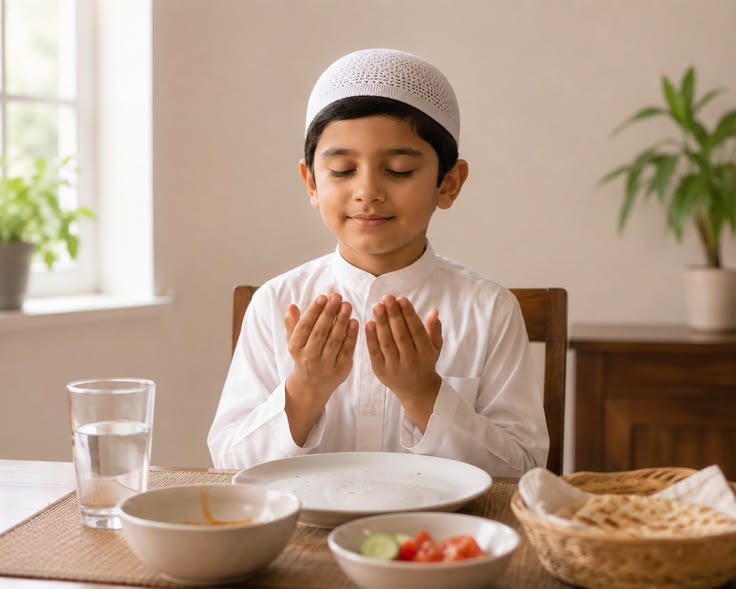
- Saying “Bismillah” Before Eating: Begin every meal by saying “Bismillah” as a reminder that every blessing comes from Allah.
- Eating with the Right Hand: Eat and drink with their right hand, following the Sunnah of Prophet Muhammad ﷺ. This simple habit helps them practice Islamic manners in their daily routine.
- Eating What Is Closest to Them: Remind children to take food from the portion nearest to them instead of reaching across the table. This teaches patience, consideration, and respect for others during meals.
The Prophet ﷺ said:
“Mention Allah’s Name (i.e., say Bismillah before starting eating), eat with your right hand, and eat from what is near you.”
(Sahih al-Bukhari & Sahih Muslim) - Avoiding Food Waste: Teach children to take only what they can finish and appreciate the blessings Allah has provided. Wasting food goes against the values of gratitude and responsibility encouraged in Islam.
- Showing Good Table Manners: Encourage children to eat calmly, avoid criticizing food, and behave politely at the table.
- Thanking Allah After Meals: After finishing their meal, teach children to say “Alhamdulillah” to express gratitude to Allah for providing food and countless other blessings.
Saying Alhamdulillah after eating is one of the beautiful Sunnahs. Learn more about its meaning, virtues, and how to use it in everyday life in our guide to Alhamdulillah – Meaning, Benefits, and How to Use It in Daily Life.
Islamic Etiquettes for Kids in Speech
- Speaking Kindly and Honestly: Encourage children to use gentle words, speak with respect, and always tell the truth. Honest and kind speech reflects good character and strengthens trust with others.
- Avoiding Gossip and Hurtful Words: Teach children to avoid teasing, backbiting, name-calling, or saying anything that may hurt someone’s feelings. If they have nothing good to say, it is better to remain silent.
“يَـٰٓأَيُّهَا ٱلَّذِينَ ءَامَنُوا۟ ٱجْتَنِبُوا۟ كَثِيرًۭا مِّنَ ٱلظَّنِّ إِنَّ بَعْضَ ٱلظَّنِّ إِثْمٌۭ ۖ وَلَا تَجَسَّسُوا۟ وَلَا يَغْتَب بَّعْضُكُم بَعْضًا ۚ أَيُحِبُّ أَحَدُكُمْ أَن يَأْكُلَ لَحْمَ أَخِيهِ مَيْتًۭا فَكَرِهْتُمُوهُ ۚ وَٱتَّقُوا۟ ٱللَّهَ ۚ إِنَّ ٱللَّهَ تَوَّابٌۭ رَّحِيمٌۭ ١٢”
O believers! Avoid many suspicions, ˹for˺ indeed, some suspicions are sinful. And do not spy, nor backbite one another. Would any of you like to eat the flesh of their dead brother? You would despise that!1 And fear Allah. Surely Allah is ˹the˺ Accepter of Repentance, Most Merciful. (Surah Al-Hujurat 49:12) - Greeting Others with Salam: Help children develop the habit of saying “Assalamu Alaikum“ when meeting others. This beautiful Islamic greeting spreads peace, love, and brotherhood among Muslims.
- Using Respectful Words: Encourage children to say “please,” “thank you,” and “JazakAllahu Khairan” to show appreciation and respect in their daily conversations.
- Listening Before Speaking: Remind children to listen carefully when others are talking, avoid interrupting, and wait patiently for their turn to speak. Good listening is an important part of good manners.
- Remembering Allah in Everyday Speech: Teach children to naturally use phrases such as “Alhamdulillah,” “Insha’Allah,” and “Masha’Allah” in appropriate situations. These expressions help them remember Allah throughout the day and make faith a natural part of their conversations.
Encourage children to express gratitude with meaningful Islamic phrases. Learn when and how to say Jazak Allah Khair and discover the rewards behind this beautiful supplication.
Manners for Kids at School
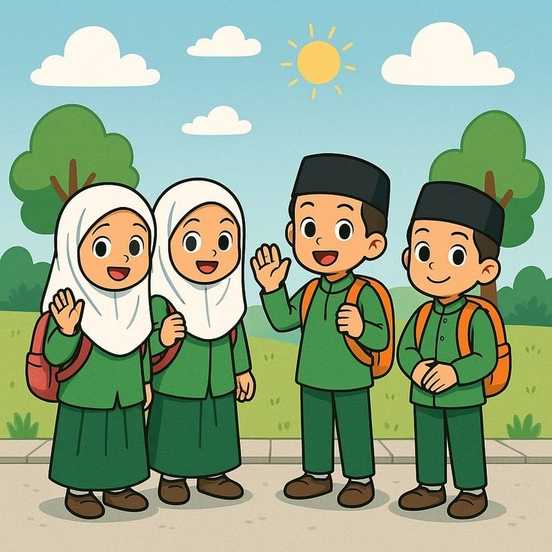
- Respecting Teachers: Teach children to listen attentively, follow instructions, and speak politely with their teachers. Showing respect for teachers reflects good manners and a love for learning.
- Being Honest in Schoolwork: Encourage children to complete their work truthfully, avoid cheating, and take responsibility for their efforts. Honesty is one of the most important values in Islam.
- Being a Good Friend to Everyone: Remind children to be kind, welcoming, and helpful to their classmates. Sharing, including others, and treating everyone with respect helps build strong friendships.
- Using Good Classroom Manners: Teach children to raise their hands before speaking, listen without interrupting, and use a calm, respectful voice during class.
- Keeping the School Clean: Encourage children to take care of their classroom, clean up after themselves, and avoid littering. Cleanliness is an important part of Islamic etiquette.
- Showing Respect to Everyone: Remind children to treat classmates, school staff, and visitors with kindness and courtesy, regardless of their background or differences. Islam teaches Muslims to respect and care for all people.
Islamic Etiquettes for Kids in the Masjid
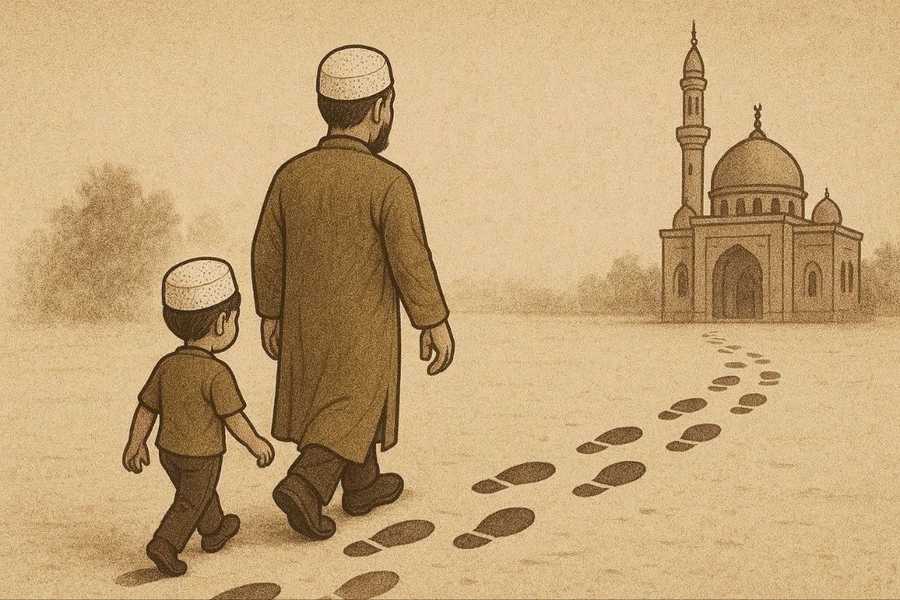
- Entering with Respect: Teach children to enter the masjid with humility and reverence. They should wear clean, modest clothing, enter calmly, and understand that the masjid is a special place dedicated to the worship of Allah.
- Keeping the Masjid Clean and Quiet: Encourage children to speak softly, avoid running or playing, and help keep the masjid clean. Respecting the peaceful atmosphere allows everyone to worship without distractions.
- Listening During Lessons and Prayer: Remind children to sit quietly during prayers, khutbahs, and Islamic lessons. Listening attentively shows respect for the imam, teachers, and fellow worshippers.
- Showing Respect to Other Worshippers: Teach children to be mindful of others by avoiding actions that may disturb people who are praying, reading the Quran, or making dua. The masjid is a place where everyone deserves peace and concentration.
- Following Masjid Manners: Encourage children to place their shoes neatly in the designated area, care for the masjid’s cleanliness, and treat its facilities with respect. These simple habits reflect good Islamic character and responsibility.
- Developing Love for the Masjid: Help children view the masjid as a welcoming place where they can pray, learn, remember Allah, and connect with their Muslim community. Regular visits can strengthen both their faith and their sense of belonging.
the Prophet (ﷺ) said:
“The dearest parts on the face of the earth near Allah are its mosques, and the most hated parts near Allah are its markets.”
(Sahih Muslim)
Islamic Etiquettes for Kids with Family and Friends
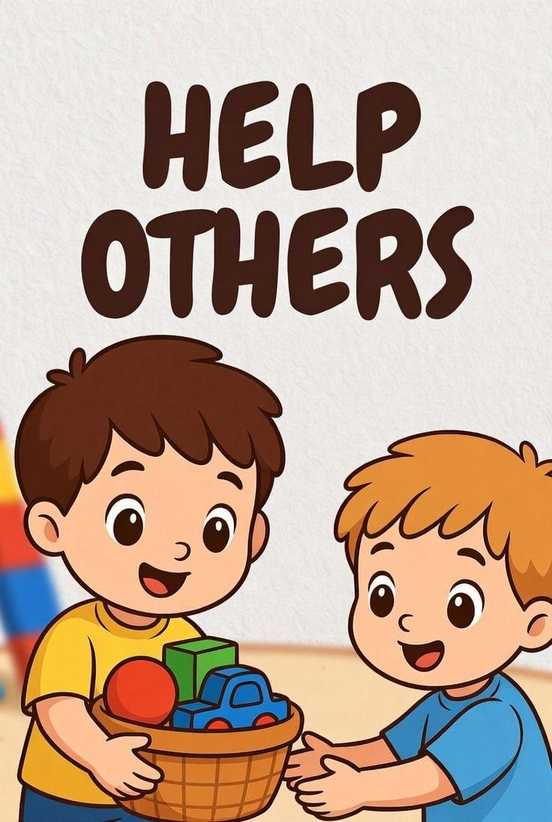
- Sharing and Being Generous: Guide children to share their toys, food, time, and belongings with others. Generosity is a beloved quality in Islam that strengthens friendships, spreads happiness, and teaches children to care for those around them.
- Keeping Promises: Teach children to keep their promises, no matter how small. Whether they promise to help a friend or complete a task, fulfilling promises builds trust and reflects the honesty that Islam encourages.
- Helping Family and Friends: Encourage children to offer help whenever they can, whether by assisting with chores, supporting a classmate, or comforting someone who is upset. Even small acts of kindness are rewarded by Allah.
- Respecting Guests: Teach children to greet guests politely, speak respectfully, and make them feel welcome. Hospitality is a beautiful part of Islamic character and helps children develop generosity and good manners.
- Visiting the Sick: Explain to children the importance of checking on sick relatives, friends, or neighbors whenever possible. Visiting the sick is a Sunnah that teaches compassion, empathy, and care for others.
- Being Forgiving: Help children learn to forgive when someone makes a mistake and to apologize sincerely when they are wrong. Forgiveness strengthens relationships and reflects the mercy that Allah loves.
Final Thoughts
Teaching Islamic etiquettes for kids is about much more than helping children develop good manners—it is about nurturing faith, kindness, responsibility, and a love for living according to the teachings of Islam. Every small habit, from greeting others with Assalamu Alaikum to showing respect for parents and teachers, helps children grow into confident Muslims with excellent character.
The best way to teach these etiquettes is through consistency, patience, and leading by example. When children regularly see Islamic manners practiced at home and in their community, they naturally begin to adopt these values as part of their everyday lives.
Along with learning good manners, teaching children daily duas helps strengthen their connection with Allah. Explore our collection of Daily Duas for Kids that every Muslim child should know.
Learn Islamic Etiquettes for Kids with Areeb Academy
At Areeb Academy, we help children build strong Islamic character through engaging one-on-one online Quran, Arabic, and Islamic Studies classes.
Our experienced teachers make learning authentic Islamic manners simple, enjoyable, and easy to apply in everyday life.
Ready to help your child grow in faith and good character? Join Areeb Academy today and start with a free trial class from the comfort of your home.