

The Idgham Tajweed Rule is one of the essential principles in mastering Quran recitation. It guides learners on how to merge the Noon Saakinah (نْ) or Tanween (ً ٍ ٌ) into the following letters from the set ي، ر، م، ل، و، ن (Yarmaloon) to create a smooth and fluent sound. Understanding this rule not only improves your pronunciation but also enhances the flow and beauty of your recitation.
For non-native speakers and beginners, applying Idgham correctly can seem challenging at first. From knowing when to use Ghunnah (nasalization) to avoiding common mistakes like merging letters within the same word, every detail counts. With the right guidance, practice, and examples from the Quran, learners can confidently apply the Idgham Tajweed Rule and recite with clarity and precision.
In this article, we will explore the Idgham letters, the types of Idgham, common mistakes, and practical examples to help you master this important Tajweed rule. Whether you’re starting your journey or refining your skills, these insights will make your recitation smoother, more accurate, and more beautiful.
What Is the Idgham Tajweed Rule?
Idgham in Tajweed is the art of merging one letter into another to create a smooth, flowing sound. By understanding this rule, learners can recite the Quran more beautifully and naturally.
Definition of Idgham in Tajweed
Reciters merge the Saakinah (نْ) or Tanween (ـً, ـٍ, ـٌ) into the next letter from the set يَرْمَلُون (Ya, Ra, Meem, Lam, Waw, Noon), creating a smooth, continuous sound.
- With Ghunnah (nasal sound): Letters ي (Ya), ن (Noon), م (Meem), و (Waw). The Noon or Tanween is pronounced with a nasal sound for two counts.
Example:
مَن يَقُولُ → “Mayyaqoolu” - Without Ghunnah (no nasal sound): Letters ر (Ra), ل (Lam). The Noon or Tanween is merged clearly without nasalization.
Example:
مِن رَّبِّهِمْ → “Mirrabbihim” - Types by completeness:
- Complete Idgham (Kamil): Noon disappears entirely (letters ل, ر, ن, م).
- Incomplete Idgham (Naqis): Ghunnah remains (letters ي, و), indicating partial Noon sound.
Why the Idgham Tajweed Rule Is Important
- Enhances fluency: Idgham creates a smooth, continuous recitation that reflects the natural rhythm of the Qur’an.
- Preserves accuracy: Correct application ensures that the words of Allah are pronounced precisely as revealed.
- Beautifies recitation: Proper merging and nasalization elevate the recitation’s aesthetic and spiritual quality.
When the Idgham Tajweed Rule Applies
- Between different words: Idgham occurs only when the Noon Saakinah or Tanween and the following letter are in separate words.
- Exception: When they appear in the same word, Idgham does not apply.
Example: الدُّنْيَا → pronounced clearly (Izhar)
👉 If you want to understand how clear pronunciation works in detail, check out our full guide on the Tajweed Izhar Rule and learn the step-by-step method beginners can follow.
- Exception: When they appear in the same word, Idgham does not apply.
- Specific letters: Only the letters of يَرْمَلُون trigger Idgham.
- Practical examples:
Idgham Letters in Tajweed
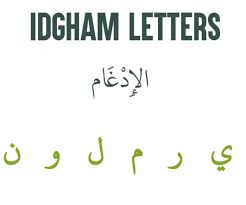
Certain letters in Arabic trigger the Idgham rule when they follow a Noon Saakinah or Tanween. Recognizing these letters is the first step toward accurate recitation.
The Six Letters of Idgham (يرملون)
You apply Idgham when a Noon Sakinah (نْ) or Tanween (ـً, ـٍ, ـٌ) comes before one of these six letters, collectively called يَرْمَلُون (Yarmaloon):
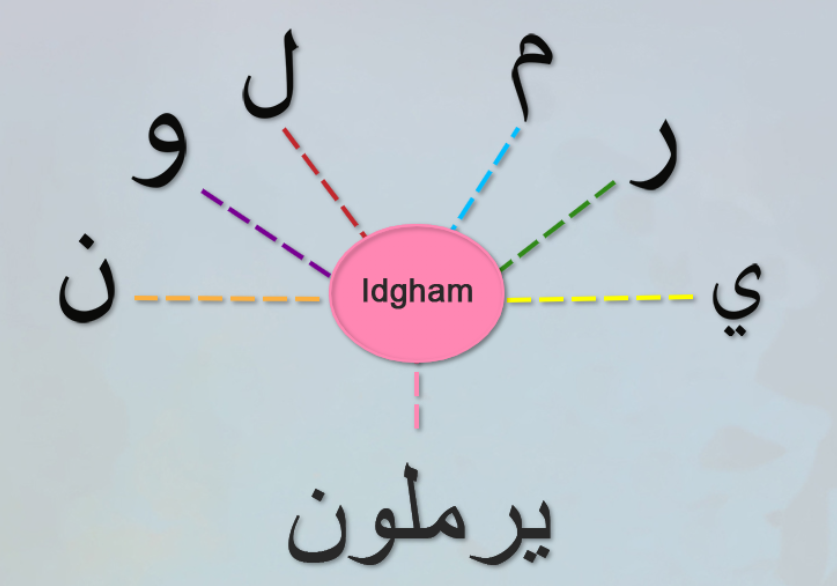
- ي (Ya)
- ر (Ra)
- م (Meem)
- ل (Laam)
- و (Waw)
- ن (Noon)
Note: Idgham occurs only between two separate words. If the Noon or Tanween and the following letter appear within the same word, they are read clearly using Izhar Mutlaq.
Exceptions (read with Izhar even in one word): صِنْوَانٌ، قِنْوَانٌ، الدُّنْيَا، بُنْيَانٌ
Types of Idgham in Tajweed
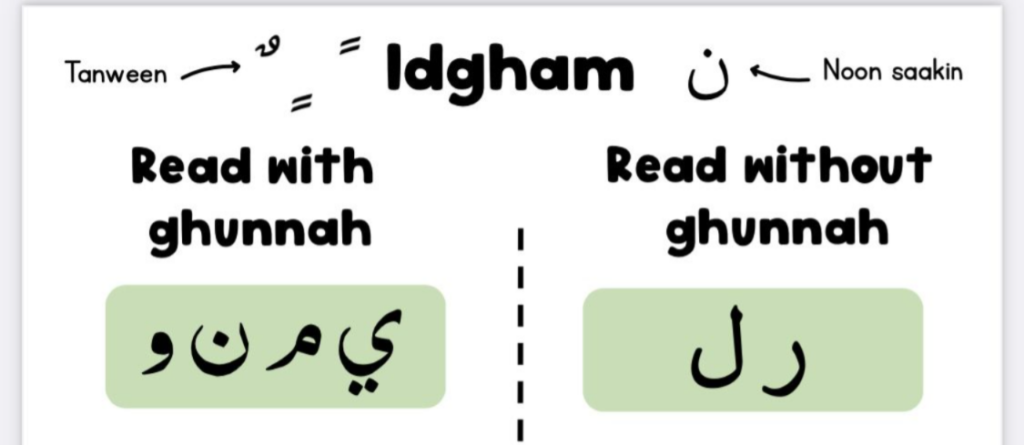
Not all Idgham is the same. Some letters require a nasal sound (Ghunnah), while others are merged without it. Knowing the difference ensures proper pronunciation.
Idgham with Ghunnah (Nasal Sound)
- Letters: ي (Ya), ن (Noon), م (Meem), و (Waw) → يَنْمُو (Yanmu)
- Rule: When Noon Sakinah (نْ) or Tanween (ـً, ـٍ, ـٌ) precedes any of these letters, merge the sounds with a nasal vibration (Ghunnah) held for two counts.
- Examples:
- Noon Sakinah: فَمَن يَّعْمَلْ → “Famay-ya’mal”
- Tanween: مِن وَالِدِهِ → “Miw-walidu”
- Complete vs Incomplete Idgham:
- Incomplete (Naqis): The nasal sound remains (common with Yaa and Waw)
- Special Note: In rare cases where the letters appear within a single word (e.g., صِنْوَانٌ، قِنْوَانٌ، الدُّنْيَا، بُنْيَانٌ), read with Izhar, not Idgham.
Idgham without Ghunnah
- Letters: ل (Laam), ر (Ra)
- Rule: When Noon Sakinah or Tanween is followed by Laam or Ra, merge the letters smoothly without any nasal sound.
- Examples:
- Noon Sakinah: مِن رَبِّهِمْ → “Mir-rabbihim”
- Tanween: كَعَصْفٍ لَمْ يُؤْكَلْ → “Ka’asfin lam yu’kal”
- Complete vs Incomplete Idgham:
- Complete (Kamil): Noon disappears entirely.
- Example: مِن رَبِّهِمْ → Noon merges completely into Raa.
Additional Notes for Mastery:
- Idgham only occurs between two separate words. If the Noon/Tanween and the letter appear in the same word, read clearly with Izhar.
- Benefits:
- Makes recitation smoother and more flowing
- Enhances clarity, rhythm, and fluency
- Trains tongue and ear to detect subtle pronunciation differences
Examples of the Idgham Tajweed Rule
Seeing Idgham in action helps learners apply the rule correctly. Practical examples from the Quran make it easier to master this important Tajweed principle.
Examples with Noon Sakinah

Idgham in Tajweed is most noticeable when a Noon Sakinah (نْ) occurs before one of the six special letters (ي، ن، م، و، ل، ر). This situation creates a smooth merging of sounds in the recitation, allowing the reciter to pronounce the letters fluidly rather than stopping abruptly between them.
For instance, when Noon Sakinah meets letters of Idgham with Ghunnah—specifically ي (Ya), ن (Noon), م (Meem), or و (Waw)—the Noon sound merges into the following letter while producing a nasal vibration known as Ghunnah, usually held for two counts. This nasalization gives the recitation a melodious and flowing tone.
Some classical examples from the Quran include:
- Ya (ي): In the verse مَن يَقُولُ (May-yaqūlu), the Noon Sakinah of مَن merges into the following ي with a gentle nasal sound, producing a clear shaddah on the ي.
- Noon (ن): In مِن نَّفْسٍ (Min-nafsin), the Noon Sakinah at the end of مِن merges with the following Noon, giving it a slightly prolonged nasal emphasis.
- Meem (م): For example, مِن مَّالٍ (Mim-mālin), the Noon Sakinah in مِن merges with the Meem, and the nasal Ghunnah remains clearly audible.
- Waw (و): In مِن وَالٍ (Miw-wālin), the Noon Sakinah is merged into Waw, resulting in a smooth transition between the two letters.
These examples highlight the importance of Ghunnah in Idgham with Noon Sakinah. Without it, the recitation would sound choppy and lose the natural rhythm intended in the Quranic verses.
Examples with Tanween
Tanween (ً ٍ ٌ) behaves similarly to Noon Sakinah when followed by Idgham letters. The nasal sound of Tanween merges into the next letter according to the same rules.
For instance:

- وُجُوهٌ يَوْمَئِذٍ (Wujūhuy-yawma’idhin): The Tanween on وُجُوهٌ merges smoothly into the following ي of يَوْمَئِذٍ, producing a clear nasal sound and a seamless transition.
- فَمَن يَسْتَعْمِلُ (Famay-yasta‘mil): Here, the Tanween at the end of فَمَن blends into the ي, emphasizing the shaddah on the Ya with a gentle nasal vibration.
Similarly, for Idgham without Ghunnah, the Noon Sakinah or Tanween merges with ل (Laam) or ر (Raa) without any nasal sound. The resulting recitation is smooth but does not carry the nasal tone.
- Lam (ل): In مِن لَّدُنْهُ (Mil-ladunhu), the Noon Sakinah disappears entirely as it merges into the following Lam, forming a strong and continuous sound.
- Raa (ر): In مِن رَّبِّهِمْ (Mir-rabbihim), the Noon Sakinah merges into Raa without Ghunnah, producing a clean, flowing pronunciation.
- Tanween Example: In عِيشَةٍ رَّاضِيَةٍ (ʿĪshatir-rāḍiyah), the Tanween at the end of عِيشَةٍ merges into the Raa of رَّاضِيَةٍ, resulting in an Idgham without nasalization.
Key Conditions and Rules to Remember

- You apply Idgham only when the Noon Sakinah or Tanween and the next letter appear in two separate words. If they appear in the same word, you use the Izhar rule (clear pronunciation). For example, read دُنْيَا (Dunya) clearly without merging.
- Complete vs. Incomplete Idgham:
- Complete Idgham (Kamil): The first letter completely disappears. For instance, in مِن رَبِّهِمْ, the Noon is fully absorbed into Raa.
- Incomplete Idgham (Naqis): The first letter merges but retains a nasal sound, as in مِن مَّالٍ, where the nasal Ghunnah remains noticeable.
- Shaddah as an Indicator: The presence of Shaddah on the second letter indicates that the first letter has merged into it. This emphasizes the continuity and strength of the sound in recitation.
- Fluency and Rhythm: Mastering Idgham ensures that recitation is smooth, flowing, and melodious, avoiding abrupt stops or unnatural separation between letters. It also trains the tongue and ear to distinguish subtle differences in pronunciation, which is vital for Quranic accuracy.
How to Apply the Idgham Tajweed Rule Correctly

Idgham is the merging of a Noon Saakinah (نْ) or Tanween (ً ٍ ٌ) into the following letter from the set “ي ر م ل و ن” (Yarmaloon). This merging creates a smoother, more fluent sound during Quranic recitation. To apply Idgham correctly, it’s important to understand when it occurs, which letters are involved, and whether a nasal sound (Ghunnah) is required.
Merge the Noon Sound Smoothly
The first step in applying Idgham is to merge the Noon or Tanween sound into the following letter. Always check that the Noon Saakinah or Tanween is at the end of a word and that the next letter is one of the six Idgham letters (ي، ن، م، و، ل، ر).
- Example with Ghunnah: مِنْ مَالِ ٱللَّهِ → pronounced as مِمَّالِ ٱللَّهِ, where the Noon merges into Meem with a nasal sound.
- Example without Ghunnah: مِنْ رَبِّهِمْ → pronounced as مِرَّبِّهِمْ, where the Noon merges into Ra smoothly without nasalization.
Remember, Idgham should be applied across two separate words, not within the same word. If the Noon Saakinah is followed by an Idgham letter in the same word (e.g., الدُّنْيَا), pronounce the Noon clearly (Izhar Mutlaq).
Apply Ghunnah When Required
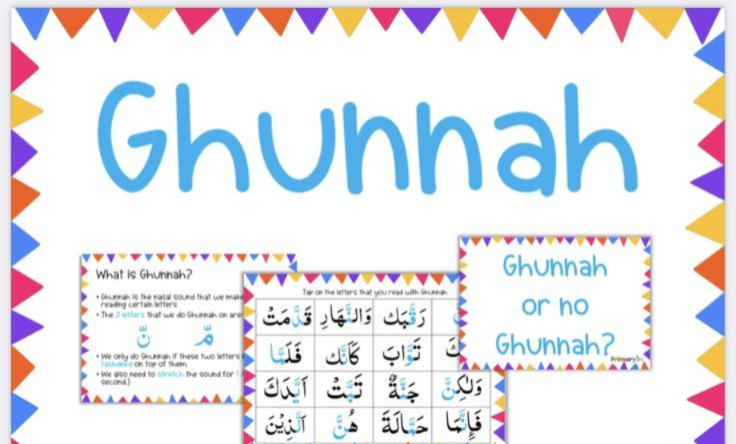
Idgham has two types:
- Idgham with Ghunnah (nasal sound): Occurs when the following letter is one of these: ي (Ya), ن (Noon), م (Meem), و (Waw). The Noon merges with the letter while producing a nasalized sound for approximately two counts.
- Idgham without Ghunnah (no nasal sound): Happens when the following letter is ر (Ra) or ل (Lam). The Noon merges directly without any nasalization.
- Ghunnah Example: مَن يَقُولُ → Mayyaqoolu (merge Noon into Ya with nasalization).
- No Ghunnah Example: مِن رَبِّهِمْ → Mirrabbihim (merge Noon into Ra cleanly, no nasalization).
Using a color-coded Quran or listening to authentic recitations from expert Qaris can help reinforce the correct application of Ghunnah.
Focus on Fluency
Fluency in recitation comes from practice and repetition. Start with short phrases or verses, focusing on applying Idgham correctly. Record yourself or practice in front of a mirror to ensure your pronunciation is accurate. Gradually move to longer verses as you gain confidence.
- Break long verses into small segments to master the Idgham rules step by step.
- Repeat practice daily, even for 10–15 minutes, to internalize the rules.
- Seek feedback from a qualified teacher to correct any mistakes in merging or nasalization.
Consistent practice will make the application of Idgham natural, smooth, and fluent, enhancing both the beauty and accuracy of your Quranic recitation.
Common Mistakes in the Idgham Tajweed Rule
Even experienced learners can make mistakes when applying the Idgham rule. These errors often affect the fluency, clarity, and beauty of Quranic recitation. Understanding common mistakes helps you avoid them and recite with precision.
Pronouncing Noon Clearly Instead of Merging

A frequent mistake is not merging the Noon Saakinah (نْ) or Tanween into the following Idgham letter. Instead, learners pronounce the Noon clearly as if Idgham doesn’t exist.
- Example of error: Pronouncing مِنْ مَالِ ٱللَّهِ as “min malil-lah” instead of merging the Noon into Meem (مِمَّالِ ٱللَّهِ).
- Other errors: Failing to stress the second letter correctly during the merge.
- Avoidance tip: Always check if the Noon/Tanween is followed by one of the Idgham letters (ي، ن، م، و، ل، ر) in a separate word and merge accordingly.
Applying Idgham within a single word, such as الدُّنْيَا or بُنْيَان, is incorrect. In these cases, the Noon must be pronounced clearly (Izhar).
Forgetting Ghunnah Where Required
Another common mistake is omitting the nasal sound (Ghunnah) when it’s required.
- Idgham with Ghunnah: Letters ي (Ya), ن (Noon), م (Meem), و (Waw) require a nasalized sound for roughly two counts.
- Example of error: Saying “min yaqool” without the nasal sound, instead of the correct “Mayyaqool.”
Overlooking Ghunnah disrupts the natural rhythm of the verse and reduces the beauty of recitation. To correct this, practice slowly, focusing on holding the nasal sound for the correct duration.
Adding Ghunnah Where It Is Not Needed
Conversely, some learners apply Ghunnah where it’s not allowed.
- Idgham without Ghunnah: Letters ل (Lam) and ر (Ra) merge without any nasal sound.
- Example of error: Pronouncing مِنْ رَبِّهِمْ with nasalization, instead of the correct “Mirrabbihim.”
Over-nasalizing can sound unnatural and distort the meaning. Focus on distinguishing between the two types of Idgham: with Ghunnah and without Ghunnah, and practice reciting examples from the Quran to internalize the difference.
Additional Tips to Avoid Common Idgham Mistakes
- Listen and Compare: Use professional recordings to hear the correct Idgham application. Apps like Quran Companion or recitations from Sheikh Sudais and Sheikh Shuraim are helpful.
- Slow Down: Practice with a slow tempo to ensure accurate merging and nasalization.
- Consistent Practice: Apply Idgham in all similar words; avoid skipping it due to hesitation or fast recitation.
- Guided Feedback: Learn with a qualified teacher to correct subtle errors in merging, Ghunnah timing, and flow.
With awareness of these common mistakes and consistent practice, learners can recite Idgham correctly, smoothly, and beautifully.
Tips to Master the Idgham Tajweed Rule
Mastering Idgham requires practice, attention to detail, and listening to proper recitation. The key is to merge a Noon Sakinah (نْ) or Tanween (ً ٍ ٌ) into the following Idgham letter (ي، ر، م، ل، و، ن) correctly, while distinguishing between Idgham with Ghunnah and Idgham without Ghunnah.
Practice with Short Quran Verses
Start by practicing with short, manageable verses to focus on merging Noon Sakinah or Tanween correctly.

- Memorize the Idgham Letters (Yarmaloon): ي (Ya), ر (Ra), م (Meem), ل (Laam), و (Waw), ن (Noon).
- Distinguish Between Types:
- Idgham with Ghunnah (Yanmoo: ي، ن، م، و): Merge with a nasal sound held for 2 counts. Example: مَنْ يَقُولُ → May-yaqool.
- Idgham without Ghunnah (ل، ر): Merge without nasalization. Example: مِنْ رَبِّهِمْ → Mir-rabbihim.
- Identify Idgham Kamil vs. Naqis:
- Kamil (Complete): Noon/Tanween fully converted into the next letter.
- Naqis (Incomplete): Noon/Tanween merges, but Ghunnah remains subtle in the nose.
Practicing short verses helps internalize proper merging and nasalization before moving to longer ayahs.
Listen and Repeat After Skilled Reciters

Listening carefully is essential for mastering Idgham.
- Use recordings from expert qaris, such as Mahmoud Khalil Al-Hussary, to hear precise merging and Ghunnah timing.
- Mimic the recitation closely, paying attention to nasalization and the length of Ghunnah.
- Gradually increase your recitation speed while maintaining accuracy to ensure fluidity.
Active listening trains your ear and helps connect the theory with real recitation practice.
Learn with a Qualified Tajweed Teacher
Guidance from a qualified teacher accelerates mastery of Idgham.
- Teachers provide personalized feedback, correcting subtle mistakes in merging, Ghunnah timing, and fluency.
- Structured lessons focus on all types of Idgham, including exceptions and common pitfalls.
- Practice exercises with teacher supervision ensure consistency and confidence in applying the rules.
With consistent practice, careful listening, and expert guidance, learners can confidently recite Idgham accurately and beautifully.
Final Thought
Mastering the Idgham Tajweed rule is more than just memorizing letters—it’s about developing a deep understanding, building confidence, and bringing beauty and fluency to your Quran recitation. With consistent practice, attentive listening, and focused guidance, even complex rules like Idgham with Ghunnah or without Ghunnah become natural. The journey may take patience, but each step forward strengthens your recitation and deepens your connection with the Quran.
📖 Want to learn from anywhere? Explore our Online Tajweed Lessons in English | Master Quran Recitation and get step-by-step guidance, personalized feedback, and the confidence to recite beautifully.
Ready to Perfect Your Tajweed? Join Areeb Academy Today!

At Areeb Academy, we offer:
- One-on-one Tajweed lessons with a structured curriculum designed for all levels—whether you’re a complete beginner or looking to refine your recitation.
- Programs for both kids and adults, making it easy for every learner to progress at their own pace in a comfortable and supportive environment.
- Specialized courses for non-Arabic speakers, focusing on clear pronunciation, step-by-step guidance, and building confidence in recitation.
- Learn from native Arab instructors who provide accurate pronunciation, authentic teaching, and personalized feedback tailored to your needs.
Start your journey with a FREE trial today and experience the difference that guided, focused practice can make.
FAQs About the Idgham Tajweed Rule
Q1: What letters trigger the Idgham Tajweed Rule?
A: Idgham applies when a Noon Saakinah (نْ) or Tanween (ـً, ـٍ, ـٌ) is followed by one of the six letters of يَرْمَلُون (Yarmaloon): Ya (ي), Ra (ر), Meem (م), Laam (ل), Waw (و), and Noon (ن).
Q2: What is the difference between Idgham with Ghunnah and without Ghunnah?
A:
- With Ghunnah: Letters ي، ن، م، و (Yanmu) → merge with a nasal sound held for 2 counts.
- Without Ghunnah: Letters ل، ر → merge without any nasalization.
Q3: Does Idgham apply within the same word?
A: No. If the Noon or Tanween and the following letter appear in the same word, Izhar (clear pronunciation) is applied instead. Examples: الدُّنْيَا, بُنْيَانٌ.
Q4: How can beginners practice Idgham effectively?
A: Start with short Quranic phrases, listen and repeat after skilled reciters, record yourself, and seek feedback from a qualified Tajweed teacher. Consistent practice is key.
Q5: Can non-Arabic speakers learn Idgham Tajweed properly?
A: Absolutely. With structured lessons, native Arab instructors, and one-on-one guidance, even non-Arabic speakers can master Idgham Tajweed rules confidently.