

The Tajweed Izhar Rule is one of the foundational principles of Quranic recitation, ensuring that the Noon Sakinah (نْ) and Tanween (ً ٍ ٌ) are pronounced clearly and correctly. This rule focuses on clarity, helping the reciter maintain the distinct sound of each letter without blending or nasalization (ghunnah). Mastering Izhar is essential for anyone aiming to recite the Quran beautifully, accurately, and with confidence.
Whether you are a beginner or an advanced student, understanding Izhar allows you to preserve the original pronunciation of the Quran, avoid common recitation mistakes, and build a strong foundation for other Tajweed rules like Idgham and Ikhfa. Throughout this article, we will explore the definition, application, common mistakes, and practical tips to master the Tajweed Izhar Rule, guiding you step by step toward clear and melodious recitation.
If you’re just starting your journey, exploring structured courses like Online Tajweed Lessons in English can help you build a strong foundation step by step. These lessons are designed to guide learners through essential rules like Izhar with clarity and expert support.
What Is the Tajweed Izhar Rule?
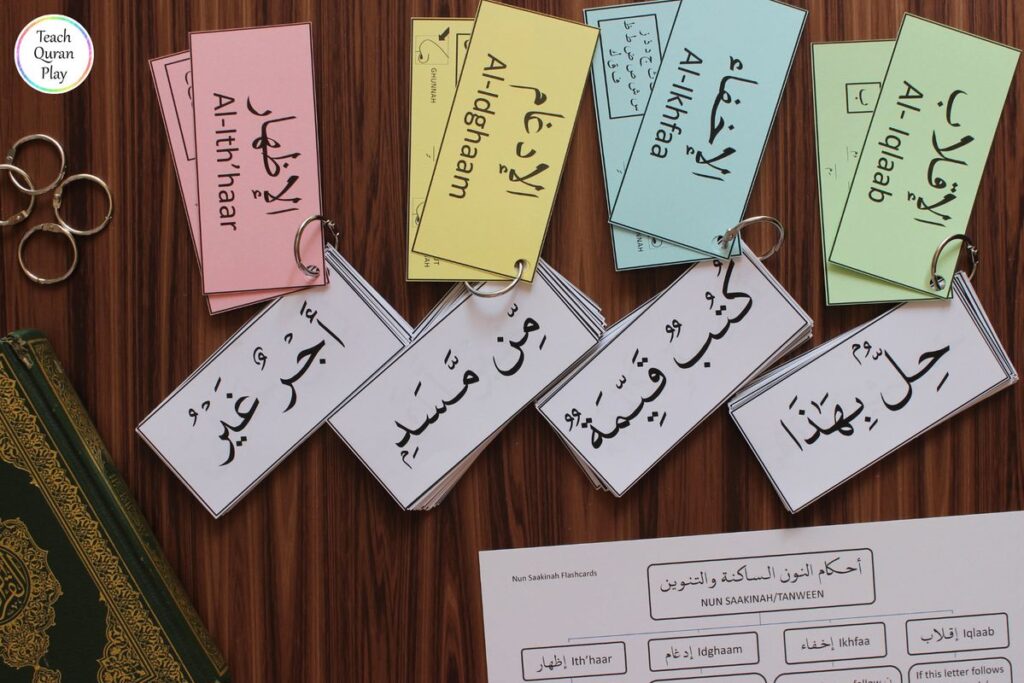
The Tajweed Izhar rule forms a key part of Quranic recitation, ensuring that every Noon Sakinah (نْ) and Tanween (ً ٍ ٌ) is pronounced clearly and distinctly. By mastering this rule, you preserve the accuracy of the Quranic words while enhancing the beauty and fluency of your recitation. In the following sections, we first define Izhar, then explain why it matters, and finally show when and how to apply it. These steps give learners a clear roadmap to recognize, practice, and perfect Izhar in daily recitation.
Definition of the Tajweed Izhar Rule
The Tajweed Izhar rule is one of the fundamental rules in Quran recitation that focuses on clarity of pronunciation. The word Izhar in Arabic literally means “to make something clear or apparent.”
In Tajweed, Izhar refers to pronouncing the sound of Noon Sakinah (نْ) or Tanween (ً ٍ ٌ) clearly and fully, without any merging or nasalization (ghunnah), when followed by specific letters known as Izhar letters.
This means that when you recite, the “n” sound should come out crisp, natural, and separate, without blending into the next letter. The articulation should be smooth but clearly distinguished, allowing each letter to maintain its proper identity.
Why the Tajweed Izhar Rule Is Important
Understanding and applying the Tajweed Izhar rule is essential for anyone who wants to recite the Quran correctly and beautifully. It is not just a technical rule, but a key part of preserving the accuracy and integrity of Quranic pronunciation.
Here’s why Izhar matters so much:

- Preserves the original pronunciation of the Quran
The Quran was revealed with precise articulation. Izhar ensures that every letter is pronounced exactly as intended. - Prevents common recitation mistakes
Many learners tend to add a slight nasal sound (ghunnah) out of habit. Izhar trains the tongue and throat to avoid this. - Builds a strong Tajweed foundation
Izhar is often one of the first rules students learn, making it a building block for mastering more advanced rules like Idgham and Ikhfa. - Enhances clarity and fluency
Clear pronunciation makes recitation more understandable and more beautiful to listen to. - Helps distinguish between similar rules
Without understanding Izhar, it becomes difficult to differentiate when to merge (Idgham), hide (Ikhfa), or clarify (Izhar).
In short, mastering Izhar gives you control, confidence, and precision in your recitation.
Where the Tajweed Izhar Rule Is Applied
The Tajweed Izhar rule is applied in very specific situations, making it easy to recognize once you understand the pattern.
It occurs when:
- A Noon Sakinah (نْ) is followed by one of the Izhar letters
- A Tanween (ً ٍ ٌ) is followed by one of the Izhar letters
In these cases, the noon or tanween must be pronounced clearly and distinctly, without:
- Any nasalization (ghunnah)
- Any merging with the next letter
- Any delay or hesitation
Izhar Letters in Tajweed
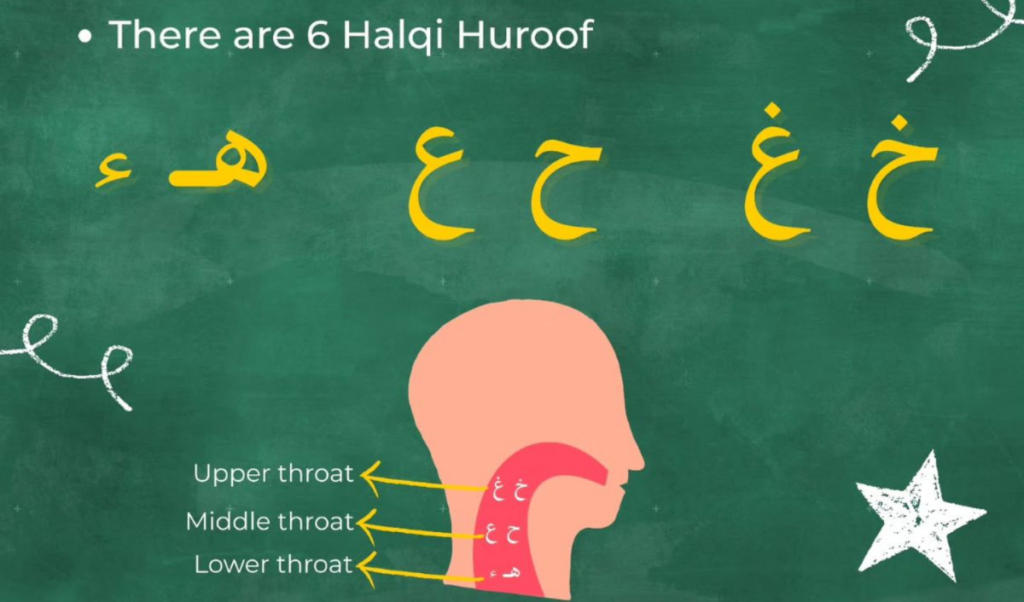
Izhar forms one of the fundamental rules of Tajweed, guiding you to pronounce the Noon Saakin (نْ) or Tanween (ً ٍ ٌ) clearly and without any nasal sound (ghunnah) whenever specific letters follow. Learning which letters trigger Izhar is essential for reciting the Quran correctly.
The Six Izhar Letters
There are six letters in Arabic that require the application of Izhar, all of which are throat letters (حروف حلقيّة). These letters are:
- ء (Hamzah) – pronounced from the very back of the throat.
- ه (Ha) – a soft breathy sound from the middle of the throat.
- ع (‘Ayn) – a constricted, deep throat sound.
- ح (Haa) – a stronger, deeper h-sound from the throat.
- غ (Ghayn) – a voiced, throaty “gh” sound.
- خ (Kha) – a rough, breathy sound from the upper throat.
Whenever a Noon Saakin or Tanween is immediately followed by one of these letters, the Tajweed Izhar rule requires that the Noon be pronounced fully and clearly, without merging or adding any nasal sound. This ensures precise and beautiful Quranic recitation.
Examples from the Quran:
- مَنْ أَعْطَى (Man a’taa) – Noon Saakin followed by Hamzah (ء)
- مِنْ هَادٍ (Min haadin) – Noon Saakin followed by Ha (هـ)
- عَذَابٌ عَظِيمٌ (‘Adhaabun ‘Azeem) – Tanween followed by ‘Ayn (ع)
- شَيْءٌ خَبِيرٌ (Shay’un Khabeer) – Tanween followed by Khaa (خ)
These examples highlight how each throat letter requires clarity of pronunciation to maintain the beauty and accuracy of the Quranic recitation.
Why These Letters Trigger Izhar
The six letters trigger Izhar because their articulation points (makharij) sit deep in the throat, far from the tongue position used for Noon. This distance naturally keeps the Noon Saakin or Tanween separate, preventing them from merging with the following letter.
Key points:
- Clear separation: The Noon sound must be distinct before the throat letters.
- Avoid nasalization (ghunnah): Unlike Ikhfa, Izhar is pronounced fully, without nasal sound.
- Consistency: Izhar can occur within a word or across two words, maintaining clarity in all cases.
- Enhances recitation: Applying Izhar correctly makes the Quran easier to understand and more melodic.
Practical tip: Whenever you see a Noon Saakin or Tanween followed by any of these six letters, stop for a moment and pronounce the Noon clearly before moving to the throat letter. This simple practice will greatly improve your Tajweed and recitation.
Examples of the Tajweed Izhar Rule
To truly understand the Tajweed Izhar rule, seeing it in action is essential. In this section, we will explore practical examples from the Quran where Izhar is applied with both Noon Sakinah and Tanween. By studying these examples, you’ll learn how to pronounce each letter clearly, avoid nasalization (ghunnah), and distinguish the throat letters properly. These illustrations serve as a guide to help you recognize Izhar in real recitation, making it easier to apply the rule in your own practice.
Examples with Noon Sakinah
Izhar with Noon Sakinah occurs when the nun sakinah (نْ) is followed by one of the six throat letters (ء Hamza, ه Haa, ع ‘Ain, ح Haa, غ Ghayn, خ Khaa). The Noon is pronounced clearly without nasalization (Ghunnah).
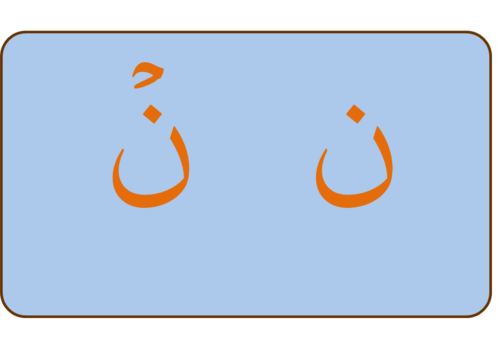
Quranic examples:
- ء (Hamza) – مَنْ أَمَنَ (Surah Al-Baqarah, 2:62) – “Those who believe”
- ه (Haa) – مِنْهَا (Surah Al-A’raf, 7:157) – “From it”
- ع (‘Ain) – أَنْعَمْتَ (Surah An-Naba’, 78:40) – “You have blessed”
- ح (Haa) – فَوْزٌ عَظِيمٌ (Surah At-Tawbah, 9:2) – “A great success”
- غ (Ghayn) – قَوْلًا غَيْرَ (Surah An-Naba’, 78:40) – “A word other”
- خ (Khaa) – مَنْ خَافَ (Surah Al-Ghashiyah, 88:8) – “Whoever fears”
Examples with Tanween
Izhar also applies when Tanween (ً ٍ ٌ) is followed by one of the six throat letters. The Tanween is pronounced clearly without nasalization.
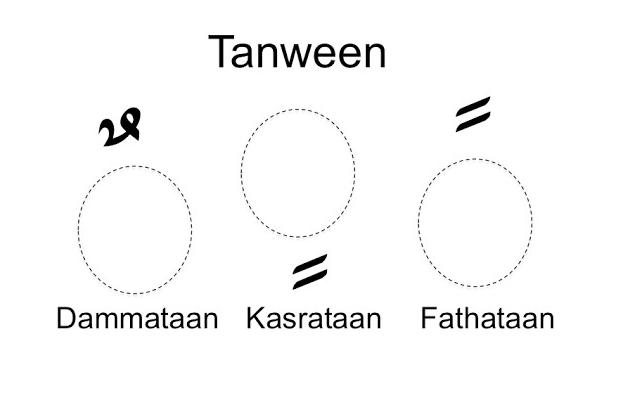
Quranic examples:
- وَيَنْأَوْنَ عَنْهُ – “They prevent [others] and shy away”
- خَيْرٌ مِّنْ هَـذَا – “Better than this”
- وَانْحَرْ – “And sacrifice”
- مِنْ خَيْرٍ مِّن رَّبِّكُمْ – “From any good from your Lord”
- سَلَامٌ هِيَ – “It is peace”
Special Case: Izhar Mutlaq
When Noon Sakinah is followed by Yaa (ي) or Waw (و) within the same word, the Noon is pronounced clearly without nasalization.
Examples:
- بُنْيَانٌ
- قِنْوَانٌ
Examples from the Quran to practice Tajweed Izhar Rule
| Izhar Letter | Throat Position | Example | Pronunciation | Explanation |
|---|---|---|---|---|
| ء (Hamzah) | Deepest part of throat | مِنْ آمَنَ (Surah Al-Baqarah 2:62) | Min-A-man-a | Noon is pronounced clearly before Hamzah. |
| هـ (Ha) | Deepest part of throat | مِنْهَا (Surah Taha 20:123) | Mim-n-Haa | Noon is distinct, no nasalization. |
| ع (Ayn) | Middle of the throat | مِنْ عِلْمٍ (Surah Al-Baqarah 2:145) | Min-‘Il-min | Clear Noon before Ayn with slight pause. |
| ح (Ha’) | Middle of the throat | مِنْ حَسَدٍ (Surah Al-Falaq 113:5) | Min-Ha-sa-din | Noon pronounced clearly, transition to breathy Haa. |
| غ (Ghayn) | Upper part of the throat | مِنْ غَيْرِ (Surah Al-Kahf 18:38) | Min-Ghay-ri | Noon distinct, Ghayn articulated with vibration. |
| خ (Kha) | Upper part of the throat | مِنْ خَوْفٍ (Surah Quraysh 106:4) | Min-Khaw-fin | Noon clearly articulated before rough Kha sound. |
Tip: Read each example slowly and repeat after a Qari to perfect your Izhar.
Types of Izhar
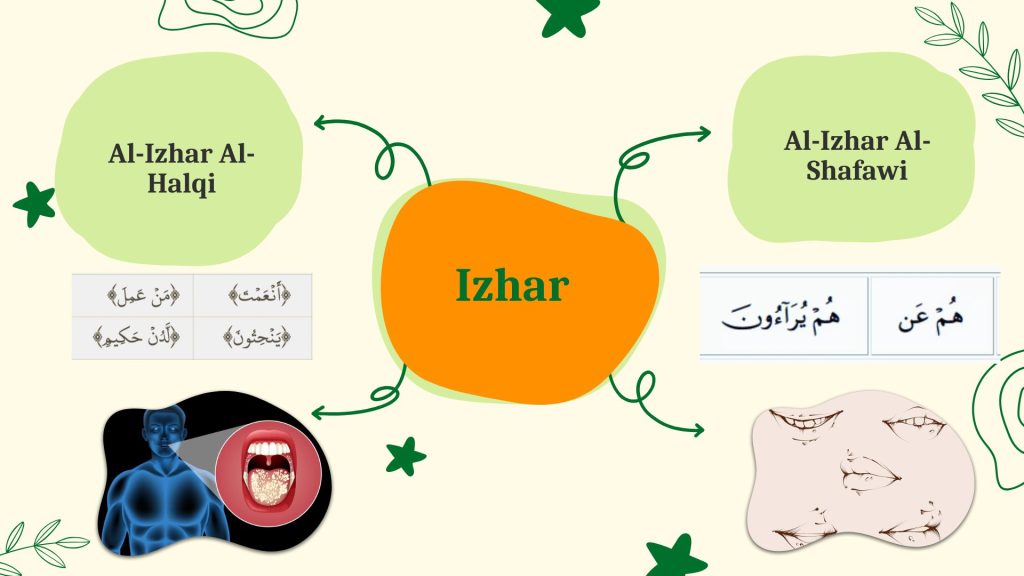
- Izhar Halqi (إظهار حلقي) – Throat-Based Izhar
- Occurs when Noon Sakinah or Tanween is followed by one of the six throat letters.
- Purpose: Clear pronunciation without merging (Idgham) or nasalization (Ghunnah).
- Example: مِنْ عِلْمٍ – Noon before ‘Ayn pronounced clearly.
- Izhar Mutlaq (إظهار مطلق) – Absolute Izhar
- Rare case: Noon Sakinah at the end of one word followed by a letter of the next word.
- Noon is pronounced clearly despite being followed by a letter that normally triggers Idgham.
- Example: يس والقرآن (Surah Yasin 36:1-2) – Noon at the end of يس is pronounced distinctly.
Key Tips for Mastery
- Slow Down: Train your tongue and breath.
- Listen & Repeat: Follow certified Qaris for accurate pronunciation.
- Memorize Throat Letters: Recognize Izhar letters instantly while reading.
- Avoid Merging: Keep each letter distinct; slight pause helps clarity.
How to Apply the Tajweed Izhar Rule Correctly

Applying the Tajweed Izhar rule correctly becomes easy once you understand the key steps and practice them consistently. By focusing on clear pronunciation, avoiding nasalization, and separating each sound properly, you can improve both the accuracy and beauty of your recitation. In the following sections, we’ll break down simple techniques to help you apply Izhar with confidence.
Pronounce the Noon Clearly
To apply the Tajweed rule of Izhar (Clear Pronunciation) correctly, pronounce the Noon Sakinah (نْ) or Tanween (ً ٍ ٌ) distinctly without any nasal sound (ghunnah) or pausing when followed by one of the six throat letters:
ء (Hamzah), هـ (Ha), ع (Ayn), ح (Haa), غ (Ghayn), خ (Khaa).
Avoid Ghunnah (Nasal Sound)
- Do not hold the Noon sound or produce a nasal tone.
- Keep the recitation quick, clear, and precise.
- Ensure that the Noon or Tanween is pronounced fully and separately from the following throat letter.
Focus on Letter Separation
- Identify the Izhar letters (Huruf al-Halqiyah) in the Quran.
- Practice slowing down to separate the Noon/Tanween from the throat letter.
- Listen to certified Qaris and repeat after them to train proper articulation.
Common Mistakes in the Tajweed Izhar Rule
Even though the Tajweed Izhar rule is simple to understand, many learners make small mistakes that affect the clarity of their recitation. These errors often happen due to rushing, lack of practice, or confusion with other Tajweed rules. In the following sections, we’ll highlight the most common mistakes and show you how to avoid them.
Adding Unnecessary Ghunnah
One of the most common mistakes in Izhar is adding an unintended nasal sound (ghunnah) to the Noon Sakinah or Tanween. This usually happens unconsciously, especially when learners confuse Izhar with Ikhfa or Idgham.
Adding ghunnah changes the clear pronunciation that Izhar requires, making the recitation less precise and disrupting the natural flow of the Quranic words. To avoid this mistake, pronounce the Noon or Tanween quickly and clearly, without holding or nasalizing the sound. Practicing slowly and paying attention to each letter can help in removing this habit.
Merging Letters Incorrectly
Another frequent mistake is merging the Noon Sakinah or Tanween with the following throat letter instead of pronouncing them separately. This creates a blending of sounds that is incorrect according to the Tajweed Izhar rule and can make the recitation sound like Idgham.
To correct this, focus on intentionally separating the Noon or Tanween from the following letter. Pause very slightly if needed, and make sure each sound maintains its identity. Consistent practice, preferably with a teacher or listening to recordings of professional Qaris, can train your tongue and mouth to make the separation natural.
Weak Pronunciation of Throat Letters
Many learners also fail to articulate the six throat letters (ء Hamzah, هـ Ha, ع Ayn, ح Haa, غ Ghayn, خ Khaa) correctly. Weak or imprecise pronunciation can make the Izhar unclear, muffled, or less melodic.
This mistake usually occurs when learners do not reach the correct articulation point (makhraj) or fail to give the sound enough focus. To improve, practice each throat letter individually, noting whether it comes from the upper, middle, or deep part of the throat. Listen carefully to professional reciters and repeat after them, as this method is highly effective. Regular drills will gradually strengthen both clarity and accuracy in your recitation.
Tips to Master the Tajweed Izhar Rule

Mastering the Tajweed Izhar rule takes consistent practice, focused listening, and attention to detail. With the right techniques and guidance, you can train your tongue and ear to pronounce each sound clearly and correctly. In the following sections, we’ll share practical tips to help you apply Izhar with confidence and improve your overall Quran recitation.
Practice with Short Quran Verses
Start practicing Izhar with short and simple verses from the Quran. Short verses allow you to focus on clear pronunciation, separation of the Noon Sakinah or Tanween from the following throat letter, and correct articulation without feeling rushed. Gradually increase the length of the verses as your confidence grows.
💡Tip: Repeat the verse multiple times slowly, paying close attention to the transition between Noon/Tanween and the throat letter. Recording yourself can help identify small errors and track progress.
Listen to Skilled Reciters

Listening to experienced Qaris is one of the most effective ways to improve Izhar. Focus on how they pronounce the Noon Sakinah or Tanween before the six throat letters (ء, هـ, ع, ح, غ, خ) and notice the slight pauses and clear articulation.
💡Tip: Choose recitations that are slow and clear, and repeat after them. Try to imitate not just the sound but also the rhythm and flow of their recitation.
Learn with a Qualified Teacher
A professional Tajweed teacher can identify subtle mistakes that are hard to detect on your own. Guidance from a qualified instructor ensures that your articulation, separation, and timing follow the Tajweed Izhar rule correctly from the start.
💡Tip: Schedule regular sessions where your teacher listens to your recitation and gives feedback on common mistakes like adding ghunnah, merging sounds, or over-stressing throat letters, helping you master the Tajweed Izhar rule efficiently.
Memorize the Six Throat Letters (Huruf al-Halqiyah)
Mastering Izhar begins with memorizing the six throat letters: Hamzah (ء), Haa (هـ), Ayn (ع), Haa (ح), Ghayn (غ), and Khaa (خ). Recognizing these letters immediately helps you apply Izhar correctly and prevents accidental blending with Idgham or Ikhfa. By identifying them quickly, you maintain the clarity and precision of each Quranic word during recitation.
💡Tip: Create flashcards or charts with the letters, their articulation points, and examples from the Quran to practice daily.
Focus on Pronunciation and Makharij
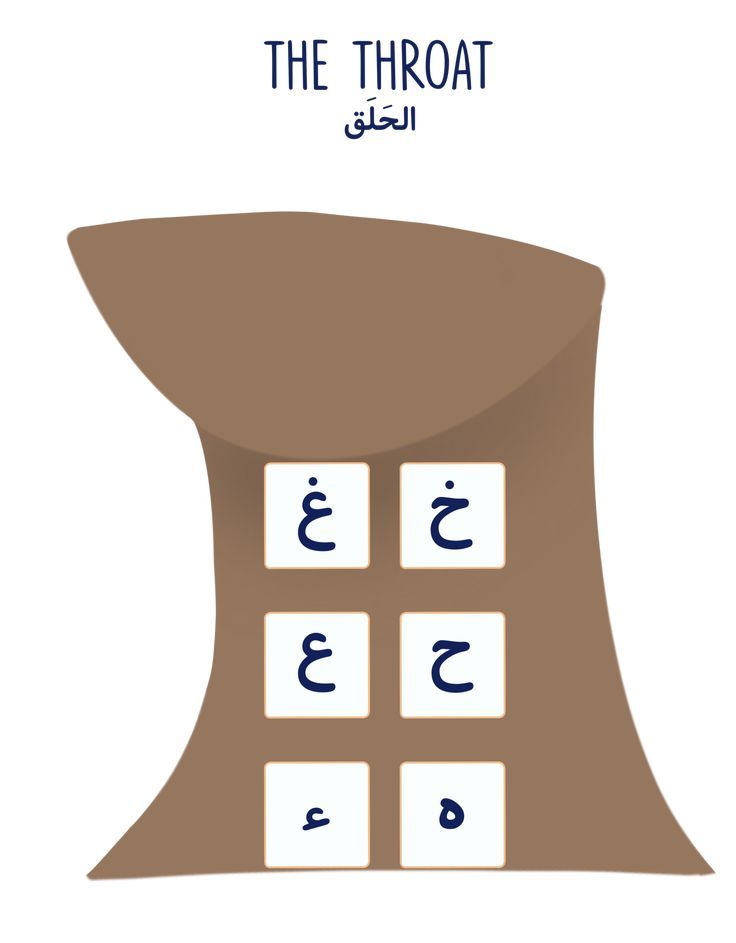
Clear pronunciation is crucial. Each throat letter has a specific articulation point in the throat:
- Deep Throat: Hamzah (ء) and Haa (هـ)
- Middle Throat: Ayn (ع) and Haa (ح)
- Upper Throat: Ghayn (غ) and Khaa (خ)
Practice reaching the correct point of articulation each time you recite, ensuring that the Noon/Tanween sound does not merge with the throat letter.
Practice Daily with Real Examples
Use practical examples from the Quran that include Izhar cases, such as:
- مَنْ أَمَنَ (Man ‘Aamana) – Noon followed by Hamzah
- مِنْ حَكِيمٍ (Min Hakeem) – Noon followed by Haa
- عَذَابٌ عَظِيمٌ (Adhabun ‘Adheem) – Tanween followed by Ayn
Daily practice with real examples reinforces correct articulation and helps you internalize the sound of Izhar naturally.
Record and Evaluate Yourself

Recording your own recitation is a powerful way to improve accuracy and ensure compliance with the Tajweed Izhar rule. It allows you to detect subtle mistakes, such as unwanted nasalization, merging of sounds, or hesitation, which can compromise clear Izhar pronunciation.
💡Tip: Compare your recording with a professional Qari and note the differences. Focus on one Izhar-related mistake at a time, and practice consistently until correct pronunciation becomes natural.
For younger learners or families, specialized programs like Tajweed in English for Kids – Tajweed in English for Ladies make learning easier and more engaging, with simplified explanations and interactive teaching methods.
Final Thoughts on the Tajweed Izhar Rule
Mastering the Tajweed Izhar rule is essential for any student who wishes to recite the Quran clearly, beautifully, and accurately. Proper Izhar pronunciation allows you to articulate the Noon Sakinah (نْ) and Tanween (ً ٍ ٌ) clearly, without any nasalization. This ensures that each word preserves its original clarity, meaning, and rhythm, making your Quranic recitation both accurate and beautiful.
While learning Izhar might seem challenging at first, with consistent practice, attention to throat letter articulation, and guidance from experienced teachers, anyone can achieve mastery. Slow, deliberate recitation, listening to skilled Qaris, and regular correction are key steps to avoid common mistakes like unintended nasalization, merging sounds, or incorrect pronunciation of throat letters.
Ultimately, mastering Izhar is not just about following a rule—it is about developing precision, confidence, and beauty in your Quranic recitation. By focusing on clarity and correct articulation, you are honoring the linguistic and spiritual perfection of the Quran.
Learn the Tajweed Izhar Rule with Expert Teachers at Areeb Academy
Mastering Izhar is easier and more effective under the guidance of an experienced Tajweed teacher. Expert instructors can immediately identify subtle mistakes in your pronunciation, provide corrections, and offer personalized guidance tailored to your pace and level.
- One-on-One Tajweed Lessons
Personalized lessons allow you to focus entirely on your strengths and weaknesses. In one-on-one sessions, teachers can ensure that you pronounce the Noon Sakinah (نْ) and Tanween (ً ٍ ٌ) correctly every time, and give you immediate feedback on throat letters and articulation. - Step-by-Step Tajweed Learning
Learning Izhar should be gradual and systematic. Start with simple examples and short verses, then move to longer passages. Step-by-step learning ensures you build a strong foundation before tackling advanced Tajweed rules like Idgham, Ikhfa, or Qalqalah. - Join Areeb Academy Today
Enroll in a professional Tajweed course at Areeb Academy to access structured lessons, experienced teachers, and a supportive learning environment. With dedicated guidance and regular practice, mastering Izhar becomes achievable and your Quranic recitation will become more beautiful, clear, and confident.
FAQs About the Tajweed Izhar Rule
1- What is the Tajweed Izhar rule in simple terms?
The Tajweed Izhar rule means pronouncing the Noon Sakinah (نْ) or Tanween (ً ٍ ٌ) clearly and distinctly without any nasal sound (ghunnah). This happens when they are followed by one of the six throat letters (ء، هـ، ع، ح، غ، خ).
2- What are the letters of Izhar in Tajweed?
The Izhar letters are six throat letters:
ء (Hamzah), هـ (Ha), ع (‘Ayn), ح (Haa), غ (Ghayn), and خ (Khaa).
Whenever a Noon Sakinah or Tanween comes before any of these letters, the Tajweed Izhar rule is applied.
3- What is the difference between Izhar and Idgham?
The main difference is in pronunciation.
In Izhar, you pronounce the Noon Sakinah or Tanween clearly and separately without merging.
In Idgham, you intentionally merge the sound into the following letter, sometimes with ghunnah (nasalization).
4- Does Izhar have ghunnah (nasal sound)?
No, Izhar does not include ghunnah.
One of the key features of the Tajweed Izhar rule is clear pronunciation without any nasalization or holding of the sound.
5- How can I practice the Tajweed Izhar rule effectively?
You can practice Izhar by:
- Reciting slowly and focusing on clear pronunciation
- Listening to skilled Qaris and repeating after them
- Practicing with Quranic examples daily
- Learning with a qualified Tajweed teacher for proper guidance
Consistent practice and feedback are essential to mastering the Tajweed Izhar rule.