
Tajweed in English for kids is an essential foundation for building correct Quranic recitation skills from an early age. Learning Tajweed in a language children understand makes the rules accessible, engaging, and easier to apply. With the right approach, young learners can master letter articulation (Makharij), vowels (Harakat), and basic recitation rules like Madd and Qalqalah while enjoying the learning process. From interactive games and color-coded letters to storytelling and short daily practice, teaching Tajweed in English equips children with a lifelong love for the Quran and confidence in their recitation.
What Is Tajweed in English for Kids?
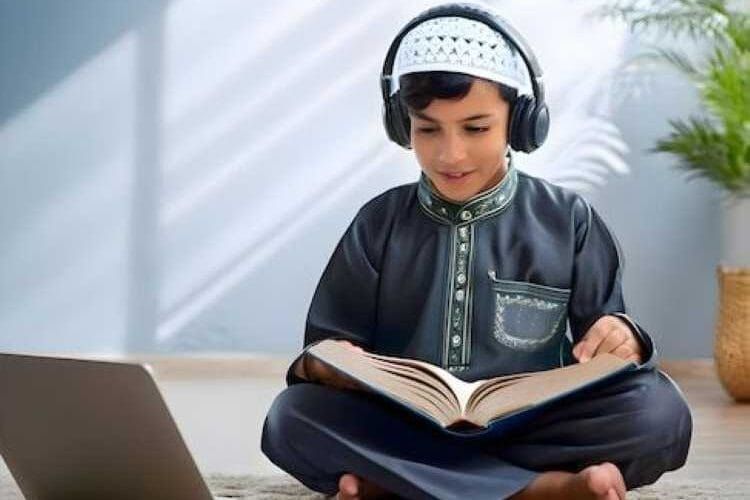
Tajweed in English for kids helps children learn to recite the Quran correctly while understanding the rules in a language they can grasp. It teaches proper pronunciation of Arabic letters, key recitation rules, and clear, beautiful reading. Using English makes the concepts easier to understand, boosting confidence and fostering a love for the Quran from an early age.
Understanding Tajweed in a Child-Friendly Way
Tajweed for kids is the art of reciting the Quran correctly and beautifully. The word Tajweed means “to improve” or “to make better,” which means helping children recite the Quran in the best way possible.
In a simple way, Tajweed teaches kids:
- How to pronounce Arabic letters correctly (Makhaarij)
- The special characteristics of each letter (Sifaat)
- Important rules like Ghunnah (nasal sound), Madd (stretching), and Qalqalah (echo sound)
It helps children give every letter its right, so they don’t change the meaning of the Quran unintentionally. With Tajweed, kids learn to recite clearly, accurately, and beautifully—just like the Prophet Muhammad (peace be upon him) taught.
Why Teaching Tajweed in English for Kids Is Effective
Teaching Tajweed in English makes learning much easier for children who are not native Arabic speakers. Instead of struggling to understand explanations in Arabic, kids can focus on learning step by step in a language they already understand.
This approach helps children:
- Understand Tajweed rules more clearly
- Feel more confident while learning
- Connect meanings with pronunciation
- Learn faster and with less confusion
When kids understand why they are applying a rule—not just memorizing it—they become more engaged and motivated. This builds a stronger connection with the Quran and makes learning more meaningful.
To help children connect even more with what they recite, you can also explore Quranic Vocabulary Basics: Unlock the Meaning of the Quran for simple ways to understand Quran meanings.
Making Quran Learning Easy for Young Learners
Making Tajweed fun and simple is the key to helping kids stay interested and consistent. Children learn best when lessons are interactive, engaging, and adapted to their age.
Some effective ways to make learning easier include:
- Interactive activities like games, coloring pages, and competitions
- Audio and visual tools such as videos and color-coded Qurans
- Stories and examples from the Quran to build connection
- Repetition and practice to strengthen pronunciation skills
- Positive encouragement to build confidence
Starting at an early age (around 4–7 years old) helps children naturally absorb sounds by listening and repeating. With patience, consistency, and the right teaching methods, Tajweed becomes an enjoyable journey rather than a difficult task.
Why Tajweed in English for Kids Is Important
Learning Tajweed in English is important for kids because it helps them understand how to recite the Quran correctly in a language they already know. This makes learning easier and less confusing, especially for children who are not native Arabic speakers.
When kids learn Tajweed early, they can pronounce letters properly, avoid mistakes, and build confidence in their recitation. It also helps them enjoy learning and feel more connected to the Quran, making the whole experience more meaningful and enjoyable.
Correct Pronunciation from an Early Age
Learning Tajweed in English helps children develop correct pronunciation from the very beginning. Since young learners—especially between the ages of 4 and 7—have a strong ability to recognize and imitate sounds, this is the perfect time to teach them the proper articulation of Arabic letters (Makharij).
By understanding Tajweed rules in English, kids can:
- Avoid mispronouncing letters that may change the meaning
- Learn how each letter is produced correctly
- Build a strong foundation before developing bad habits
This early training ensures that children recite the Quran accurately, preserving its original meaning and beauty.
Building Confidence in Quran Recitation
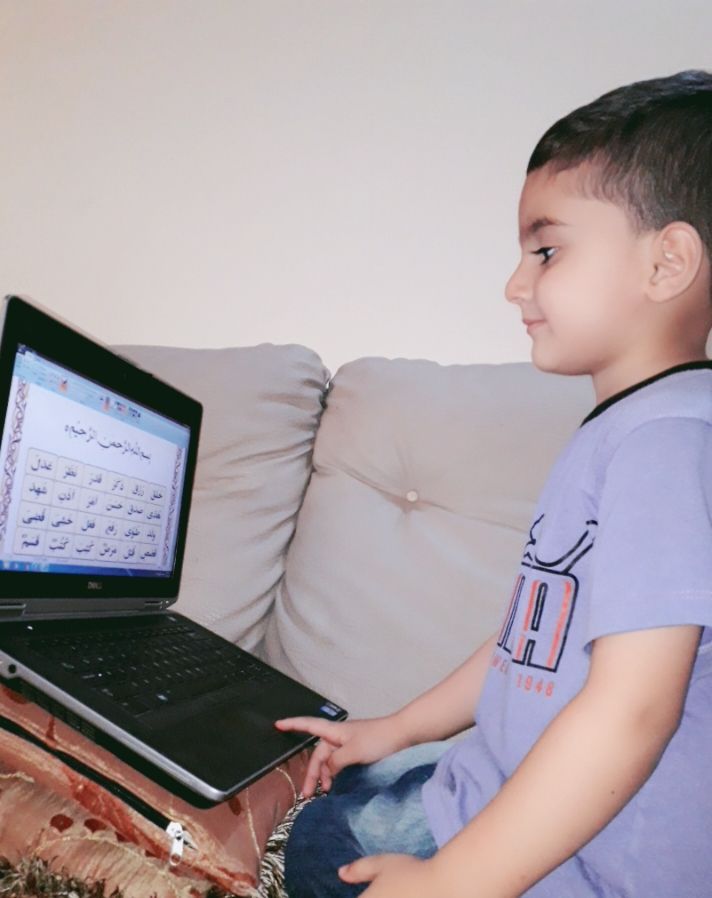
When Tajweed is taught in English, children feel more comfortable and less overwhelmed. Instead of memorizing rules they don’t understand, they learn step by step in a clear and simple way.
This helps them:
- Recite the Quran with confidence
- Participate in recitation without fear of mistakes
- Improve gradually through practice and guidance
As their skills improve, children become more confident reading aloud, whether at home, in class, or during Salah. Positive reinforcement and interactive learning methods also play a big role in boosting their self-esteem.
Developing Love for the Quran
One of the most important benefits of learning Tajweed is building a deep love and connection with the Quran. When children understand what they are learning and enjoy the process, they naturally develop a stronger emotional and spiritual bond.
Tajweed in English helps kids:
- Appreciate the beauty and rhythm of Quran recitation
- Understand the importance of reciting correctly
- Feel spiritually connected while reading
It also encourages discipline, consistency, and a sense of achievement. Over time, this creates a lifelong relationship with the Quran—one that is based on love, understanding, and confidence.
When Should Kids Start Learning Tajweed in English?

Many parents wonder when is the right time to introduce Tajweed to their children. The truth is that starting early can make a big difference, especially when learning is simple and age-appropriate. By introducing Tajweed in English, kids can begin their journey with better understanding, confidence, and a positive attitude toward learning the Quran.
Ideal Age to Introduce Tajweed
The best age for kids to start learning Tajweed is usually between 4 and 7 years old. At this stage, children can easily hear, recognize, and repeat new sounds, especially Arabic letters.
Some kids can start earlier (around 3–4 years old) by simply listening and repeating, while more structured learning often begins around age 5. The most important thing is to keep learning fun, simple, and suitable for their age.
Signs Your Child Is Ready

Every child is different, so it’s important to look for signs that show they are ready to start learning Tajweed.
Your child may be ready if they:
- Can recognize or are learning Arabic letters
- Enjoy listening to Quran recitation
- Try to repeat words or sounds
- Can focus for short periods (20–30 minutes)
- Show interest or curiosity about the Quran
If you notice these signs, it’s a good time to gently introduce Tajweed.
Combining Reading and Tajweed Learning
Tajweed learning works best when combined with learning how to read Arabic. Children can start by recognizing letters, then gradually learn how to pronounce them correctly with Tajweed rules.
To make learning easier:
- Start with basic letter sounds (Makharij)
- Teach one rule at a time
- Keep lessons short and consistent
- Use games, apps, and repetition
This step-by-step approach helps kids build strong reading and recitation skills together, without feeling overwhelmed.
Basic Tajweed Rules in English for Kids
Learning the basic Tajweed rules in English helps children understand how to recite the Quran correctly step by step. Instead of feeling overwhelmed, kids can start with simple concepts like letter sounds, short vowels, and easy rules, building their skills gradually. This makes Tajweed learning easier, clearer, and more enjoyable for young learners.
Learning Arabic Letters and Their Sounds
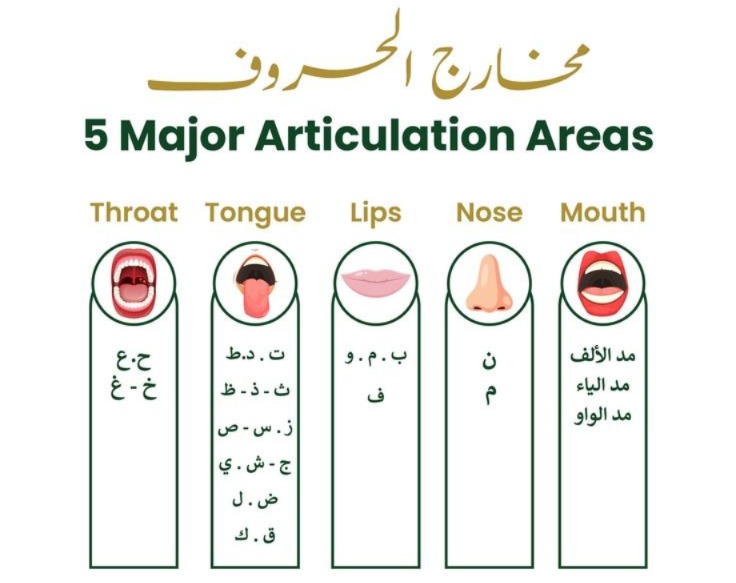
The first step in Tajweed is learning how to pronounce Arabic letters correctly. This is called Makharij (articulation points), which means knowing where each letter sound comes from, like the lips, tongue, or throat.
When kids learn the correct sounds from the beginning, they can:
- Avoid mistakes in pronunciation
- Recite the Quran clearly
- Build a strong foundation for Tajweed
Practicing letter sounds regularly helps children become more confident and accurate in recitation.
Understanding Short Vowels (Harakat)
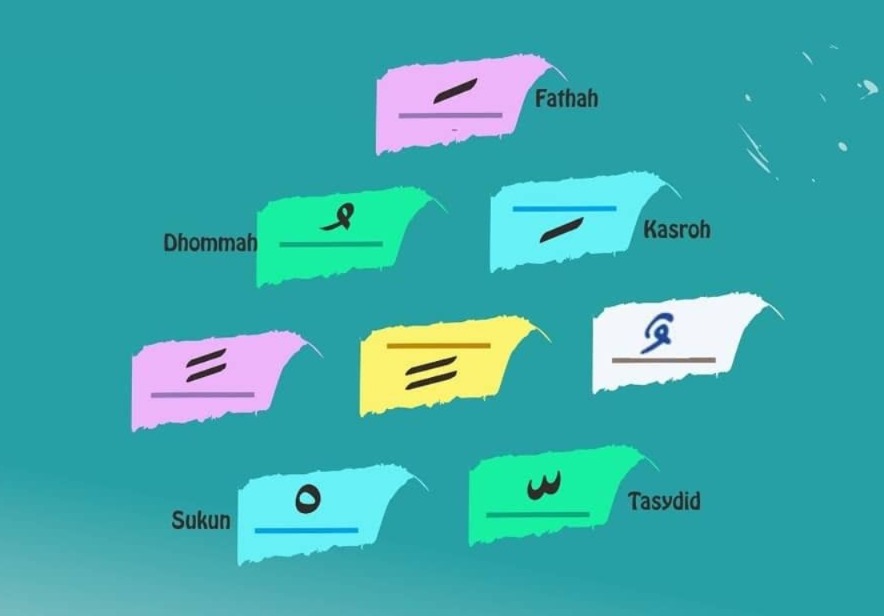
After learning the letters, kids learn short vowels, known as Harakat (Fatha, Kasra, and Damma). These small marks change how a letter is pronounced.
For example:
- Fatha (َ) makes a short “a” sound
- Kasra (ِ) makes a short “i” sound
- Damma (ُ) makes a short “u” sound
Understanding Harakat helps children read words correctly and smoothly.
Introduction to Madd (Stretching Sounds)
Madd means stretching certain sounds while reciting. Kids learn to extend letters like Alif (ا), Waw (و), and Yaa (ي) for a few counts.
This rule helps:
- Make recitation more beautiful and smooth
- Keep the correct rhythm of the Quran
- Avoid cutting or rushing words
Children usually start with simple Madd (2 counts) before learning longer types.
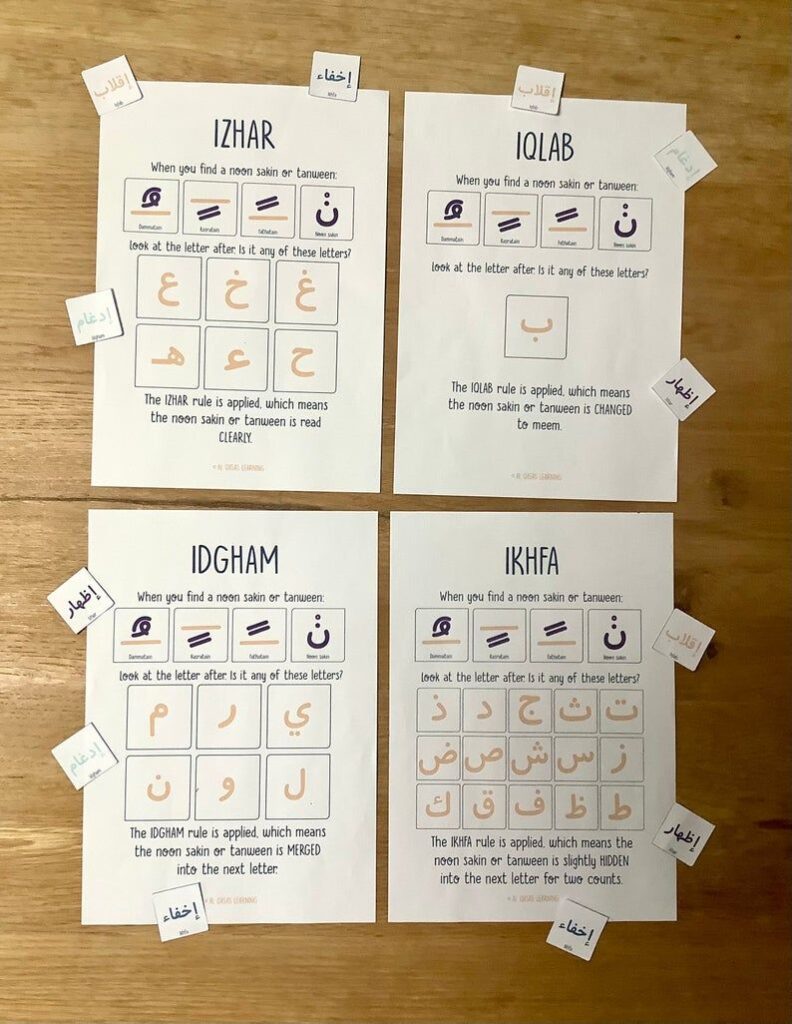
Simple Rules of Noon and Meem
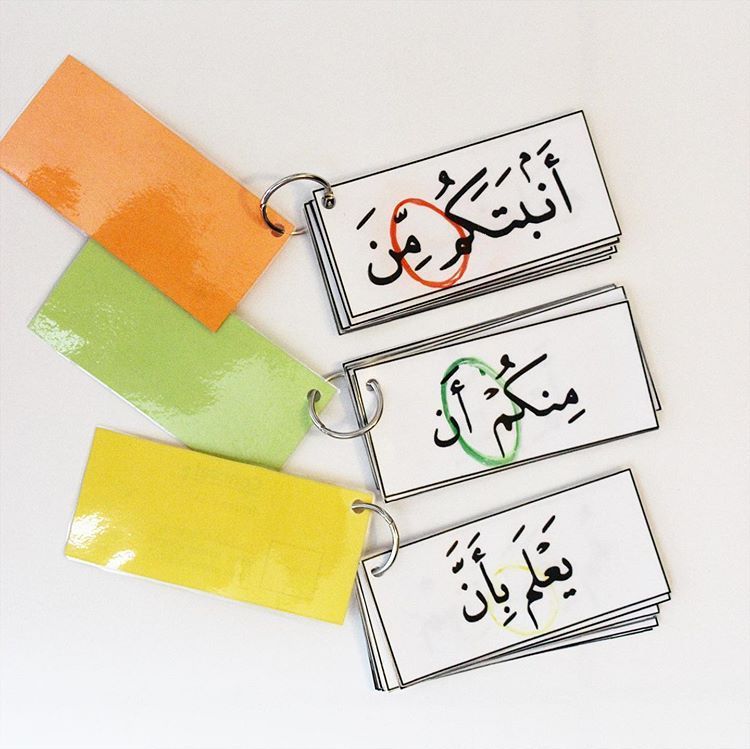
One of the most important basic Tajweed rules is learning how to pronounce Noon (ن) and Meem (م) when they have a sukoon (no vowel).
There are simple rules kids learn step by step:
- Clear sound (Izhar) → pronounce the letter clearly
- Merging (Idgham) → blend it with the next letter
- Hidden sound (Ikhfaa) → soften the sound
- Changing sound (Iqlab) → change it to a Meem sound
For Meem, kids also learn:
- Clear Meem
- Hidden Meem
- Merged Meem with nasal sound (Ghunnah)
These rules may seem tricky at first, but with practice and repetition, children can apply them naturally while reciting.
Common Challenges in Teaching Tajweed to Kids
Teaching Tajweed in English to Kids can be rewarding, but it also comes with its own set of challenges. Understanding these difficulties helps parents and teachers create a supportive and effective learning environment.
Difficulty in Pronunciation
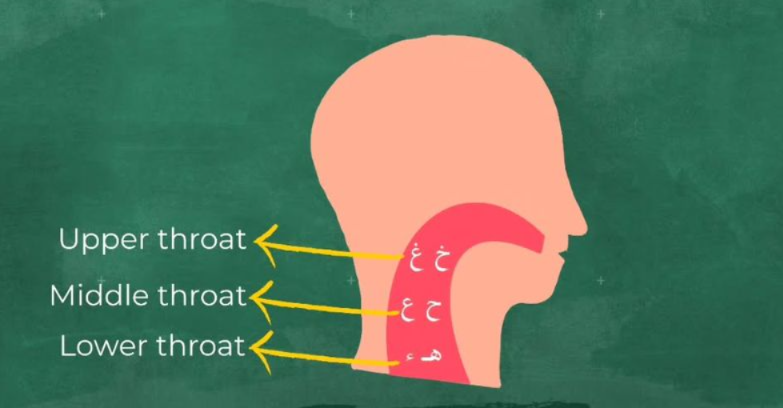
One of the main challenges is producing correct Arabic sounds (Makharij). Many letters, such as ع (‘Ayn), غ (Ghayn), ق (Qaaf), ض (Dhaad), and ط (Taa), do not exist in other languages, making them tricky for beginners. Kids may also confuse similar letters, like ت and ط, or د and ض, which can affect the meaning of words.
Tips to Help:
- Practice letters individually with a qualified tutor.
- Use mirrors or recordings to check articulation.
- Repeat drills regularly, focusing on the correct mouth and tongue placement.
Short Attention Span
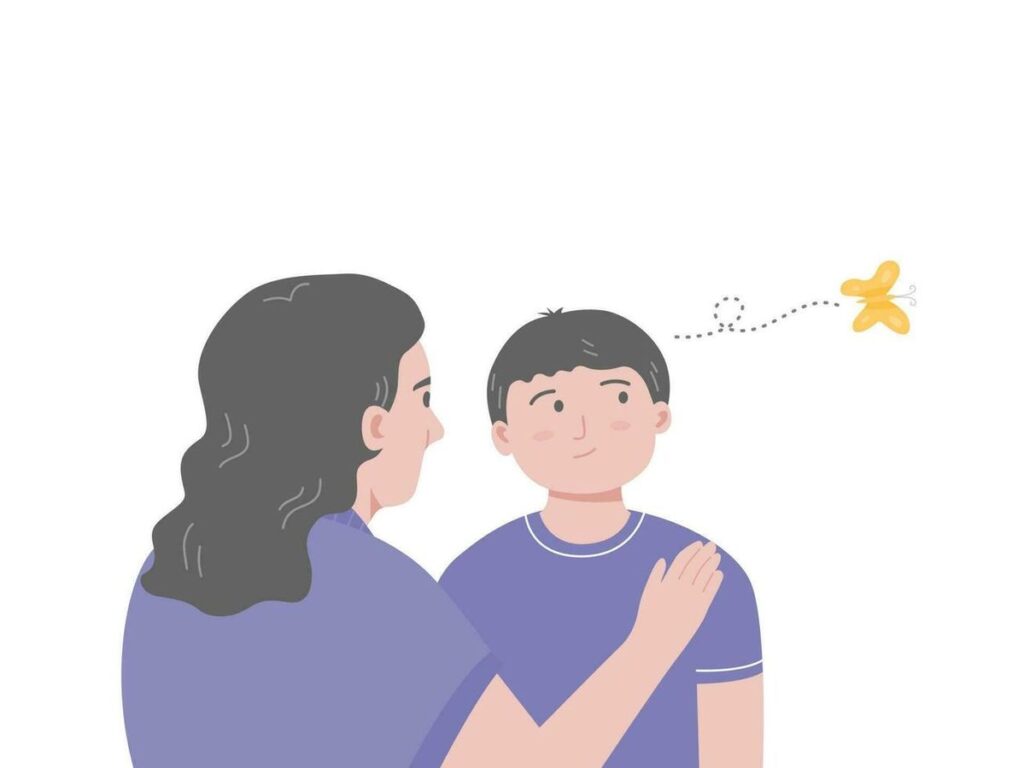
Children often struggle to stay focused, especially on technical topics like Tajweed. Long lessons can quickly lead to boredom or frustration.
Tips to Help:
- Keep sessions short (20–30 minutes) and consistent.
- Break lessons into small, interactive segments.
- Use games, songs, or storytelling to maintain interest.
Mixing Letters and Sounds
Kids may find it confusing to distinguish letters that sound similar or apply Tajweed rules inconsistently, such as Ghunnah, Idgham, or Madd. Overloading them with too many rules at once can lead to mistakes and frustration.
Tips to Help:
- Focus on mastering one rule at a time.
- Reinforce learning through repetition and practice with short Surahs.
- Reward progress to motivate continued effort.
By addressing these common challenges with patience, creative teaching methods, and consistent practice, children can gradually master Tajweed and develop confidence in their Quran recitation.
Tips for Parents Teaching Tajweed in English for Kids
Teaching Tajweed to children requires creativity, patience, and a structured approach. The following tips will help parents make learning effective, engaging, and enjoyable.
- Keep Lessons Short and Engaging: Children have limited attention spans, so focus on 20–30 minute sessions daily. Use games, flashcards, and colorful visuals to make abstract rules tangible and fun. Rotate activities to keep their interest alive and prevent boredom.
- Start with Sounds Before Rules: Prioritize correct letter pronunciation (Makharij) before introducing complex rules like Madd or Ghunnah. Use mirrors or playful exercises to help children see how their tongue, lips, and throat create each sound.
- Practice Daily with Your Child: Consistency is key. Incorporate short recitation sessions every day, using familiar short Surahs like Al-Fatiha, Al-Ikhlas, and An-Nas. Encourage your child to repeat after skilled reciters to internalize rhythm and melody.
- Use Storytelling and Visual Tools: Make Tajweed memorable with stories, characterizations, and color-coded materials. For example, “Noon loves to play hide and seek” can help teach Ikhfaa rules. Visual aids, charts, and Tajweed apps help reinforce lessons in a playful way.
- Encourage and Motivate Consistently: Positive reinforcement keeps children motivated. Praise progress, celebrate small achievements, and use sticker charts or rewards for mastering new rules. Avoid comparisons or pressure; focus on building confidence and love for the Quran.
Best Way to Learn Tajweed in English for Kids Online

Learning Tajweed online offers flexibility, expert guidance, and engaging tools to help children master the correct pronunciation and rules of Quranic recitation. The right approach combines qualified teachers, structured lessons, and interactive methods to make learning both effective and enjoyable.
- One-on-One Classes with Qualified Teachers: Individual attention ensures every mistake is corrected instantly. Certified tutors skilled in Tajweed guide children patiently, providing personalized feedback and encouraging a love for the Quran.
- Structured Tajweed Curriculum for Kids: A clear, step-by-step program starts with Arabic letter sounds, then introduces rules like Ikhfaa, Idgham, and Madd gradually. Lessons build on each other, ensuring a solid foundation before moving to advanced recitation.
- Interactive and Child-Friendly Lessons: Engaging methods such as games, flashcards, storytelling, and digital whiteboards make abstract rules tangible. Children learn through play, visual cues, and sound exercises, keeping sessions fun and memorable.
- Short, Consistent Practice Sessions: Daily 10–15 minute sessions are more effective than infrequent long classes. Consistent practice reinforces letter articulation, Makharij, and application of Tajweed in recitation, both during lessons and daily Salah.
- Use of Technology and Real-Time Feedback: Online platforms and apps provide interactive exercises, audio playback, and even AI-powered feedback. Children can practice anytime, receive corrections immediately, and track their progress, combining tradition with modern learning tools.
If you’re looking for a deeper guide, check out our article on Online Tajweed Lessons in English | Master Quran Recitation to explore structured learning methods in more detail.
Final Thought
Teaching Tajweed to children is not just about rules—it’s about nurturing a deep connection with the Quran. By combining structured lessons, qualified teachers, interactive activities, and consistent practice, young learners can develop beautiful, correct recitation while enjoying the journey.
Why Choose Areeb Academy for Tajweed in English for Kids
- Experienced Quran Teachers for Children – Tutors are trained to teach Tajweed to young learners with patience and clarity.
- Personalized Learning Plans – Lessons are tailored to each child’s pace and learning style to ensure steady progress.
- Start with a Free Trial Class Today – Parents can experience the academy’s approach firsthand and see how their child responds before committing.
Areeb Academy makes learning Tajweed in English fun, effective, and spiritually rewarding—helping children recite the Quran correctly and with confidence.
❓ FAQs
1. What is the best age to start Tajweed in English for kids?
Generally, children can start learning Tajweed between the ages of 4 and 7. At this stage, they can easily recognize sounds and imitate pronunciation. However, some kids can begin earlier through listening and repetition.
2. Why should kids learn Tajweed in English?
Learning Tajweed in English makes it easier for children to understand the rules clearly. As a result, they can apply them correctly instead of just memorizing, which improves both confidence and recitation skills.
3. How can I make Tajweed fun for my child?
To make Tajweed enjoyable, you can use games, flashcards, storytelling, and color-coded materials. In addition, short and interactive sessions help keep children engaged and motivated.
4. How long should Tajweed lessons be for kids?
Ideally, Tajweed lessons should be short and consistent—around 10 to 20 minutes daily. This approach helps children stay focused while improving steadily over time.
5. Do kids need to learn all Tajweed rules at once?
No, it’s better to start with the basics first, such as letter pronunciation and simple rules. Then, gradually introduce more advanced concepts step by step to avoid confusion.
6. Can kids learn Tajweed online effectively?
Yes, online Tajweed classes can be very effective, especially when they include live teachers, interactive tools, and structured lessons. Moreover, they offer flexibility and personalized learning for each child.