

SubhanAllah (سُبْحَانَ ٱللَّٰهِ) is more than just a word—it is a powerful declaration of Allah’s perfection and transcendence. Muslims recite it daily, whether in prayer, moments of awe, or quiet reflection, as a way to acknowledge that Allah is free from any flaw, weakness, or limitation.
This simple phrase carries profound meaning: it glorifies Allah, affirms His uniqueness, and connects the heart to its Creator. Saying SubhanAllah is not just an expression of amazement; it is a form of worship, dhikr, and spiritual mindfulness that purifies the heart, brings inner peace, and earns immense reward.
In this article, we’ll explore everything about Subhan Allah: its literal meaning, linguistic roots, significance in the Quran and Sunnah, spiritual benefits, and practical ways to say it in daily life. You’ll also learn how to teach this beautiful dhikr to children, and how combining it with phrases like Alhamdulillah and Allahu Akbar elevates your remembrance and spiritual connection.
Whether you’re a new learner of Arabic and Islamic expressions or someone seeking deeper understanding, this guide will help you truly appreciate the depth of SubhanAllah and make dhikr a meaningful part of your life.
What Does Subhanallah Mean?

Subhanallah is one of the most powerful and frequently used words in Islam. Muslims say it daily—in prayer, during moments of awe, and while reflecting on Allah’s creation. At its core, Subhanallah is a declaration of Allah’s absolute perfection and transcendence.
When a believer says it, they are affirming that Allah is far above any flaw, weakness, or limitation. It’s not just praise—it’s a statement of belief, humility, and deep awareness of who Allah truly is.
In simple terms, Subhanallah is a way of saying:
Allah is perfect in every way, and nothing compares to Him.
Literal Meaning of Subhanallah
The literal translation of Subhanallah (سُبْحَانَ ٱللَّٰهِ) is:
- “Glory be to Allah”
- “Allah is free from all imperfection”
However, no single English phrase can fully capture its depth. Subhan allah carries meanings of glorification, exaltation, and declaring Allah completely pure from anything unworthy.
It is often said:
- To glorify Allah
- To reject any false description of Him
- To express amazement at His creation
So when Muslims say Subhanallah, they are not only praising Allah—they are protecting the purity of His Oneness (Tawheed).
Linguistic Roots of Subhanallah in Arabic
The word Subhan comes from the Arabic root س ب ح (s-b-ḥ), derived from the verb sabaḥa (سَبَحَ), which means:
- To swim
- To glide smoothly
- To move freely without restriction
Linguistically, this implies distance and elevation—meaning Allah is far removed from any imperfection or resemblance to His creation.
Just as a swimmer glides above the surface of water, Allah is exalted above every limitation, fault, or human attribute. This linguistic beauty gives Subhan allah a depth that translation alone can’t convey.
Subhanallah in Simple English Explanation
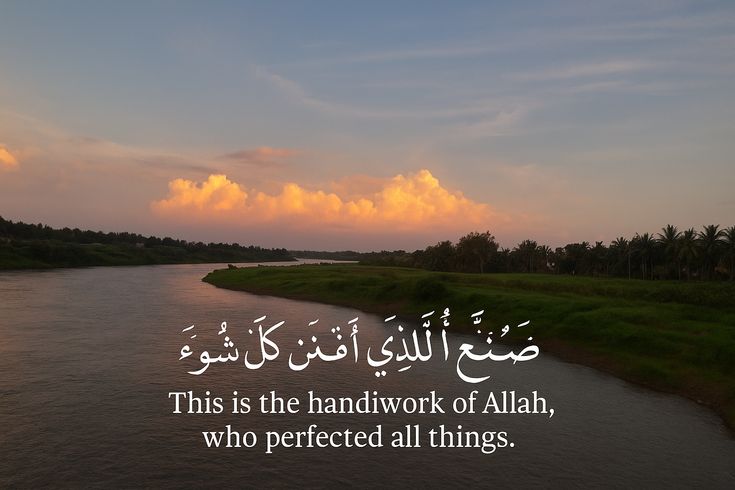
In simple English, Subhanallah means:
“Allah is perfect in every way.”
It’s what you say when:
- You see something breathtaking
- You realize how small you are compared to Allah’s power
- You want to glorify Allah without asking for anything
For example:
- Seeing a beautiful sunset
- Reflecting on the vast universe
- Witnessing a blessing in your life
It’s a gentle reminder that everything points back to Allah’s greatness, and that He alone deserves absolute praise.
Why Do Muslims Say Subhanallah?

Muslims say Subhan allah to glorify Allah and affirm His absolute perfection. It is more than a phrase—it is a spiritual declaration that reflects belief, humility, and awareness of Allah’s greatness. Whether said during prayer, moments of awe, or daily remembrance, Subhanallah keeps the heart connected to its Creator.
Declaring the Perfection of Allah
At its core, Subhanallah is a declaration that Allah is free from all imperfection. By saying it, Muslims affirm that Allah has no weakness, no deficiency, and no flaw—He is perfect in every sense.
The phrase is often used when something unbefitting is attributed to Allah, serving as a clear rejection of false beliefs. In this way, it directly reflects the essence of Tawheed—recognizing Allah as unique, incomparable, and exalted above all creation.
Clearing the Heart From Wrong Thoughts
Saying Subhanallah helps cleanse the heart from incorrect ideas about Allah and from arrogance rooted in human limitations. It reminds believers that:
- Humans are imperfect
- Allah alone is flawless
- Everything exists by His will and wisdom
This remembrance nurtures humility, strengthens faith, and realigns the heart when distractions, doubts, or worldly attachments begin to take over.
Subhanallah as an Act of Worship
Subhanallah is a powerful form of dhikr (remembrance of Allah) and an act of worship that requires no effort, time, or special condition. It can be said:
- During prayer, especially in sujood
- After Salah as part of daily tasbeeh
- In moments of amazement or surprise
- At any time, simply to glorify Allah
The Prophet Muhammad ﷺ encouraged frequent remembrance, promising immense spiritual rewards—such as forgiveness of sins, peace of heart, and rewards in the Hereafter.
In short, every time a Muslim says it, they are worshipping Allah with their tongue, heart, and belief—drawing closer to Him with just one beautiful word.
✨ Want to deepen your dhikr after Salah?
Subhanallah is just one of the powerful remembrances taught by the Prophet ﷺ. Discover the other authentic adhkar after prayer, their meanings, and their rewards in our complete guide.
👉 Read our blog post on Adhkar After Salah and enrich your daily worship: Here
When Should You Say Subhanallah?
There is no single “right moment” to say Subhanallah—and that’s part of its beauty. It’s a form of remembrance that fits every moment of life: joy, surprise, calm, and even silence. Whenever the heart feels the greatness of Allah, the tongue naturally responds with Subhanallah.

Subhanallah in Moments of Awe
When you witness something breathtaking, Subhanallah often comes out before you even think about it.
A sky full of stars.
A child’s first smile.
A sudden blessing you never expected.
In these moments, saying Subhanallah is the soul’s way of admitting: This could only come from Allah. It turns amazement into worship and transforms ordinary beauty into a reminder of the Creator’s perfection.
Saying Subhanallah During Reflection
Subhanallah isn’t only for loud moments of wonder. It’s just as powerful in quiet reflection.
When you pause to think about your life, your struggles, or how things worked out in ways you never planned—Subhanallah becomes a gentle acknowledgment of Allah’s wisdom. It clears the heart from confusion and reminds you that even what you don’t understand is part of a perfect divine plan.
In these moments, Subhanallah feels less like a word and more like comfort.
Subhanallah in Daily Conversations
Subhanallah naturally finds its way into everyday speech.
- When you hear good news
- When something surprises you
- When you witness good character or kindness
- When you want to respond without exaggeration or negativity
It keeps conversations clean, hearts mindful, and tongues engaged in remembrance instead of complaint or idle talk. Over time, it becomes more than a phrase—it becomes a mindset.
A life filled with Subhanallah is a life that constantly remembers Allah, even in the smallest details.
✨ In short:
Say Subhanallah when you’re amazed.
When you reflect.
Say it when words fall short.
Say it often—because every moment holds a reason to glorify Allah.
Subhanallah in the Quran
The Quran repeatedly uses the phrase Subhanallah to declare Allah’s absolute perfection, purity, and transcendence. In these verses, Subhanallah comes as a powerful response whenever false claims, imperfect attributes, or partners are associated with Allah. It is a clear reminder that Allah is far above everything people imagine or attribute to Him.
At its heart, Subhanallah in the Quran is a declaration of Tawhid—affirming that Allah is One, unique, and completely free from any flaw or comparison.
Quranic Verses That Mention Subhanallah
The Quran uses Subhanallah as a powerful declaration whenever Allah’s perfection, oneness, and transcendence are emphasized. These verses teach believers how to respond when Allah is described in ways that do not befit His majesty, and they train the heart to glorify Him in every circumstance.
Context and Meaning in the Quran
In the Quran, Subhanallah appears in moments where Allah’s purity must be clearly affirmed—especially when false claims or human limitations are attributed to Him. The phrase comes as a divine correction, lifting Allah far above all imperfections and associations.
Allah says:
سُبْحَـٰنَهُۥ وَتَعَـٰلَىٰ عَمَّا يَقُولُونَ عُلُوًّۭا كَبِيرًۭا ٤٣
“Glorified and Highly Exalted is He above what they claim!”
(Surah Al-Isra, 17:43)
And:
وَجَعَلُوا۟ لِلَّهِ شُرَكَآءَ ٱلْجِنَّ وَخَلَقَهُمْ ۖ وَخَرَقُوا۟ لَهُۥ بَنِينَ وَبَنَـٰتٍۭ بِغَيْرِ عِلْمٍۢ ۚ سُبْحَـٰنَهُۥ وَتَعَـٰلَىٰ عَمَّا يَصِفُونَ ١٠٠
Yet they associate the jinn1 with Allah ˹in worship˺, even though He created them, and they falsely attribute to Him sons2 and daughters3 out of ignorance. Glorified and Exalted is He above what they claim!
(Al-An’am, 6:100)
These verses show that Subhanallah is not merely praise—it is a statement of truth, declaring that Allah is incomparable, flawless, and unique.
How the Quran Teaches Tasbeeh
The Quran does not only mention Subhanallah—it actively teaches tasbeeh as a way of life. Believers are instructed to glorify Allah regularly, making remembrance part of their daily rhythm.
Allah says:
فَسُبْحَـٰنَ ٱللَّهِ حِينَ تُمْسُونَ وَحِينَ تُصْبِحُونَ ١٧
“So glorify Allah when you reach the evening and when you reach the morning.”
(Surah Ar-Rum, 30:17)
Tasbeeh in the Quran is portrayed as:
- An act of worship
- A purification of the heart
- A reminder that all creation glorifies Allah
تُسَبِّحُ لَهُ ٱلسَّمَـٰوَٰتُ ٱلسَّبْعُ وَٱلْأَرْضُ وَمَن فِيهِنَّ ۚ وَإِن مِّن شَىْءٍ إِلَّا يُسَبِّحُ بِحَمْدِهِۦ وَلَـٰكِن لَّا تَفْقَهُونَ تَسْبِيحَهُمْ ۗ إِنَّهُۥ كَانَ حَلِيمًا غَفُورًۭا ٤٤
“The seven heavens and the earth and whatever is in them glorify Him. There is nothing except that it glorifies Him with praise.”
(Surah Al-Isra, 17:44)
Through these verses, the Quran teaches that saying Subhanallah aligns the believer with the natural order of the universe—where everything exists in praise of its Creator.
✨ In essence, the Quran presents Subhanallah as a divine response, a daily practice, and a lifelong mindset. By embracing tasbeeh, the believer learns to see Allah’s perfection everywhere—and to glorify Him with both heart and tongue.
Subhanallah in the Sunnah

SubhanAllah is a central phrase in the Sunnah, emphasized by Prophet Muhammad ﷺ as a powerful act of remembrance and worship. Whether after prayers, during morning and evening dhikr, or within specific tasbih supplications, it highlights Allah’s perfection and brings immense spiritual benefits.
Hadiths About Saying Subhanallah
The Prophet ﷺ taught specific ways to incorporate SubhanAllah in daily worship. One famous practice is reciting it after obligatory prayers:
“When you go to your beds, say:
Allahu Akbar 34 times,
Alhamdulillah 33 times,
SubhanAllah 33 times.
This is better for you than what you requested.”
(Sahih Al-Bukhari, Hadith 3705)
Other hadiths highlight phrases like “SubhanAllah wa bihamdihi” and “SubhanAllah Al-‘Azim”, which carry great weight on the scales of good deeds.
Rewards Mentioned by the Prophet ﷺ
Reciting SubhanAllah brings tremendous spiritual reward, as narrated in multiple hadiths:
- Forgiveness of sins: Even if sins are as numerous as the foam of the ocean.
- Weighty on the scales: “Two statements that are light on the tongue, heavy on the scales, and beloved to the Merciful: SubhanAllah wa bihamdihi, SubhanAllah Al-‘Azim.”
- Blessings in Jannah: “For him who says SubhanAllah wa bihamdihi, a palm tree will be planted in Paradise.”
- Ease and reward in daily life: Frequent recitation softens the heart and strengthens the bond with Allah.
Subhanallah in Morning and Evening Dhikr
Prophet Muhammad ﷺ encouraged using SubhanAllah in morning and evening dhikr to maintain constant remembrance and gain forgiveness:
“Whoever says SubhanAllah wa bihamdihi 100 times a day, his sins will be obliterated even if they are as much as the foam of the sea.”
(Sahih Muslim)
This practice not only erases sins but also aligns the believer with angels, who continuously glorify Allah, emphasizing His absolute perfection and freedom from any defect.
Key Takeaways
- Meaning: Declares Allah’s perfection and freedom from all imperfection.
- Ease: Light on the tongue, simple to say, but immense in reward.
- Versatility: Can be said after prayers, during tasbih, or at any moment of reflection.
- Spiritual Impact: Brings forgiveness, rewards, and closeness to Allah.
Saying SubhanAllah isn’t just a ritual—it’s a powerful act of dhikr that softens the heart, elevates the soul, and keeps one constantly mindful of Allah’s greatness.
Spiritual Benefits of Saying Subhanallah
Saying SubhanAllah (Glory be to Allah) is a short yet profound act of dhikr (remembrance) that touches the heart, purifies the soul, and brings blessings into every aspect of life. It transforms simple words into a powerful spiritual tool that offers forgiveness, reward, inner peace, and closeness to Allah.
1. Purifying the Heart

Reciting SubhanAllah wa bihamdihi helps cleanse the heart from worldly distractions, negative thoughts, and stress. It reminds believers that Allah is perfect and above all flaws, fostering a sense of inner tranquility and purity.
ٱلَّذِينَ ءَامَنُوا۟ وَتَطْمَئِنُّ قُلُوبُهُم بِذِكْرِ ٱللَّهِ ۗ أَلَا بِذِكْرِ ٱللَّهِ تَطْمَئِنُّ ٱلْقُلُوبُ ٢٨
“Those who believe and whose hearts find rest in the remembrance of Allah, for without doubt in the remembrance of Allah do hearts find rest.”
(Surah Ar-Ra’d, 13:28)
2. Forgiveness of Sins
According to authentic narrations, reciting SubhanAllah wa bihamdihi 100 times a day can erase sins, even if they are as vast as the foam of the sea. This simple act offers a spiritual reset, allowing believers to start fresh daily.
“Is anyone of you incapable of earning one thousand Hasanah (rewards) in a day? Glorify Allah a hundred times and a thousand Hasanah will be written for you, or a thousand sins will be wiped away.”
(Sahih Muslim)
This powerful promise of forgiveness reminds us that dhikr opens doors of mercy every day.
If you want to explore another timeless phrase of forgiveness and its deep spiritual impact, don’t miss our guide on Istighfar (Astaghfirullah)—how it wipes sins, brings relief, and transforms the heart.
👉 Read our full blog post on Istighfar and its powerful benefits.
3. Strengthening Faith and Awareness
Regularly saying SubhanAllah reinforces Iman (faith) by acknowledging Allah’s majesty and perfection. It helps believers stay aware of the Creator in daily life, reminding them that every blessing, challenge, and opportunity comes from Him
4. Bringing Peace and Calm
SubhanAllah acts as a spiritual pause button in moments of anxiety, stress, or confusion. It calms the heart during workplace pressures, exam stress, or family challenges. By shifting focus from worry to trust in Allah’s plan, believers experience mental clarity and serenity.
5. Proximity to Allah
Constant remembrance through SubhanAllah fosters a deeper connection and closeness to Allah. This proximity strengthens patience, gratitude, and humility, encouraging believers to act with kindness and mindfulness in all aspects of life.
6. Reward and Blessings (Ajr)
Prophet Muhammad ﷺ emphasized the immense reward of reciting SubhanAllah:
- Weight on the scales: “Two statements that are light on the tongue but heavy on the scales: SubhanAllah wa bihamdihi, SubhanAllah Al-‘Azim.”
- Paradise rewards: “Whoever says SubhanAllah wa bihamdihi will have a date palm planted for him in Paradise.”
(At-Tirmidhi)
Even a few repetitions daily accumulate tremendous spiritual reward.
7. Practical Benefits in Daily Life
Career and Professional Life

Think of it as your invisible career coach. During interviews, workplace stress, or career crossroads, SubhanAllah grounds the heart and mind, providing calm, patience, and clarity. Many professionals report better focus and unexpected opportunities through regular remembrance.
Marriage and Relationships
Marriage can be challenging, and conflicts arise between imperfect people. Whispering SubhanAllah wa bihamdihi during tense moments acts as a spiritual reset, softening hearts, promoting patience, and fostering understanding without confrontation.
Rizq and Sustenance
Reciting SubhanAllah nurtures gratitude, which opens hearts to all forms of blessings. Believers often notice increased barakah in wealth, sustenance, and opportunities after consistent remembrance.
Exams and Studying
Students find SubhanAllah to be a stress-relief companion. Reciting it before studying or exams improves focus, calms anxiety, and enhances mental clarity, complementing hard work and preparation.
In Essence
Saying SubhanAllah is not just a ritual—it’s a spiritual powerhouse that:
- Purifies the heart
- Increases awareness of Allah
- Brings inner peace
- Strengthens faith
- Earns immense reward
- Improves everyday life, from career to relationships
It’s a simple phrase with profound impact, turning ordinary moments into opportunities for remembrance, blessing, and connection with Allah.
Subhanallah, Alhamdulillah, and Allahu Akbar

SubhanAllah, Alhamdulillah, and Allahu Akbar are three of the most profound phrases in Islam. Each is a powerful form of dhikr (remembrance), connecting believers to Allah, glorifying Him, and bringing immense spiritual rewards. When recited with understanding and mindfulness, these words elevate the soul and keep one constantly aware of the Creator.
Differences Between the Three Phrases
- SubhanAllah (سبحان الله) – “Glory be to Allah” or “Allah is free from imperfection.”
Declares Allah’s absolute purity, transcendence, and freedom from any flaw. - Alhamdulillah (الحمد لله) – “All praise is due to Allah” or “Praise be to Allah.”
Expresses gratitude for all blessings, acknowledging that all good comes from Him and fostering contentment. - Allahu Akbar (الله أكبر) – “Allah is the Greatest.”
Affirms Allah’s supreme power and magnificence, placing Him above everything else in creation. - La ilaha illallah (لَا إِلَٰهَ إِلَّا ٱللَّٰهُ) – “There is no deity but Allah.”
Declares the Oneness of Allah and is often used to complete the cycle of dhikr with the three phrases.
When to Say Each One
- SubhanAllah – When amazed by creation, reflecting on Allah’s perfection, or seeking forgiveness for human shortcomings.
- Alhamdulillah – When expressing gratitude for blessings, good events, or everyday comforts.
- Allahu Akbar – In moments of awe, during prayer, or to magnify Allah’s greatness above all else.
- La ilaha illallah – To reinforce the belief in Allah’s oneness, often as a completion of dhikr cycles.
Using Them Together in Dhikr
The Prophet Muhammad ﷺ encouraged combining these phrases after prayers and during daily dhikr for maximum spiritual benefit. A common practice:
- SubhanAllah 33 times
- Alhamdulillah 33 times
- Allahu Akbar 33 times
- Complete to 100 with:
“La ilaha illallah, wahdahu la sharika lahu, lahul-mulku wa lahul-hamdu, wa Huwa ‘ala kulli shai’in Qadir.”
“He who recites after every prayer: SubhanAllah thirty-three times; Alhamdulillah thirty-three times; Allahu Akbar thirty-three times; and completes with La ilaha illallah… will have all his sins pardoned even if they may be as large as the foam on the surface of the sea.”
(Sahih Muslim, Book 16, Hadith 12)
This simple act of remembrance is light on the tongue but heavy on the scales of good deeds, bringing forgiveness, immense reward, and Allah’s pleasure.
Spiritual Rewards and Significance
- Forgiveness of Sins – Even if sins are as vast as the foam of the sea.
- Immense Rewards – Reciting them regularly elevates your rank in the hereafter.
- Closeness to Allah – Every utterance draws you nearer to the Creator.
- Mindful Living – Keeps the heart engaged in gratitude, awe, and acknowledgment of Allah’s perfection.
Understanding the meaning behind these phrases transforms dhikr from a routine into a joyful, soul-enriching practice, especially for non-native Arabic speakers. When recited mindfully, they become a source of peace, guidance, and spiritual upliftment.
Teaching Children the Meaning of Subhanallah

Helping children understand SubhanAllah (سبحان الله) early on builds a strong foundation for faith, gratitude, and mindfulness of Allah’s greatness. Teaching it in a fun and simple way ensures they connect emotionally and spiritually to this beautiful phrase.
Explaining Subhanallah in Simple Words
For kids, keep it short and clear:
- SubhanAllah means “Allah is perfect and free from mistakes”.
- It’s like saying, “Wow! Allah made this amazing thing!” whenever they see something beautiful, like a rainbow, stars, or a cute animal.
- Emphasize that it’s a way to praise Allah and show thankfulness for everything He created.
Practical Examples for Kids
Children learn best through real-life examples:
- Seeing a butterfly flutter and saying: “SubhanAllah!”
- Watching a sunset and whispering: “SubhanAllah, Allah is amazing!”
- Eating a delicious fruit and quietly saying: “SubhanAllah, thanks to Allah!”
Make it playful: you can count the SubhanAllah on their fingers or use a small tasbeeh (prayer beads) as a fun tool.
Making Dhikr a Daily Habit at Home
Creating a routine helps dhikr become natural:
- Morning & Evening: Encourage them to say Subhan Allah after waking up or before bedtime.
- During Activities: While playing, walking, or eating, remind them to notice Allah’s creations and say SubhanAllah.
- Family Time: Make it a game to spot things around the house or garden and say SubhanAllah together.
Tip: Praise and reward them for saying SubhanAllah regularly. Positive reinforcement builds consistency and love for dhikr.
Final Thoughts
By introducing SubhanAllah in a fun, relatable, and consistent way, children grow up appreciating Allah’s perfection and developing a lifelong habit of remembrance. What begins as a simple word soon becomes a natural response of the heart—one that nurtures faith, gratitude, and awareness of Allah in everyday life.
SubhanAllah may be a small phrase, but its meaning is immense and transformative. When we understand what we are saying, dhikr stops being repetition and becomes presence. It allows us to live a life of tasbeeh every day—seeing Allah’s perfection in both the extraordinary and the ordinary moments of life.
Learning Islamic expressions with understanding gives depth to our worship and sincerity to our remembrance. Whether for children or adults, grasping the meanings behind words like SubhanAllah builds a stronger, more personal connection with Allah—one rooted in awareness, not habit.
Learn Quranic Arabic and Dhikr With Understanding
At Areeb Academy, we help learners of all ages truly understand the words they recite every day. Through one-to-one sessions, flexible scheduling, and affordable plans, our native Arabic teachers fluent in English guide you step by step with clarity, patience, and expertise.
If you’re ready to move beyond repetition and start remembering Allah with understanding and confidence, this journey starts here.
👉 Book Your FREE Trial NOW and begin learning with purpose.