
Many people around the world search for how to convert to Muslim when they begin feeling drawn to Islam and want clear, honest answers. Converting to Islam is not complicated or overwhelming—it is a sincere step of faith that starts with belief in one God (Allah) and acceptance of Prophet Muhammad ﷺ as His messenger. This guide is designed especially for beginners, explaining the process in simple terms, answering common questions, and helping you understand what to expect before and after becoming Muslim. Whether you are just curious or ready to take the step, this article will walk with you gently, one step at a time.
What Does It Mean to Convert to Muslim?
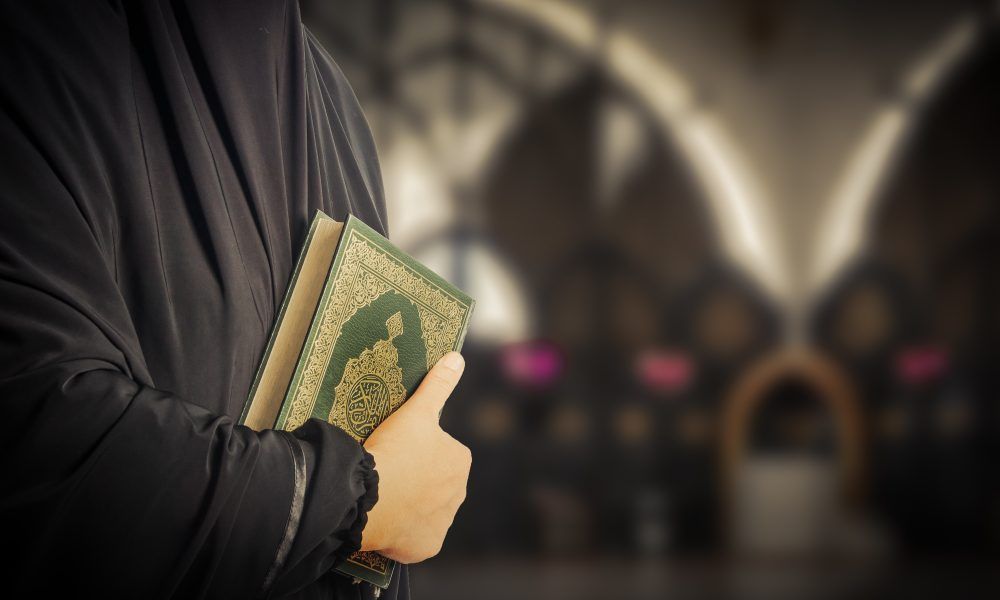
To convert to Islam means choosing to believe in one God (Allah) and accepting Islam as your way of life.
A Muslim is someone who believes that Allah alone deserves worship and that Prophet Muhammad ﷺ is His final messenger.
Many people describe converting to Islam as a deeply personal and spiritual decision. It is not about changing your culture or background, but about building a direct relationship with God and living with purpose, peace, and guidance.
Understanding Islam Simply: A Guide for Those Who Want to Convert to Muslim
Islam is based on submission to God. The word Islam itself means submission, and a Muslim is someone who submits to God’s will.
Islam teaches:
- Belief in one God
- Kindness, honesty, and justice
- Worshiping God alone, without intermediaries
- Living a balanced life guided by the Quran and the teachings of Prophet Muhammad ﷺ
Islam is not just a religion—it is a complete way of life that guides how you pray, behave, and treat others.
What Becoming Muslim Truly Means
Becoming Muslim begins with a simple declaration called the Shahada:
“Ash-hadu an la ilaha illallah, wa ash-hadu anna Muhammadan rasulullah.”
“I bear witness that there is none worthy of worship except Allah, and I bear witness that Muhammad is the messenger of Allah.”
This statement must be said with sincere belief. Once you say it and believe in it, you are considered Muslim.
After that, learning Islam happens step by step:
- Learning how to pray
- Fasting Ramadan when able
- Eating halal food
- Living with good character and morals
You are not expected to be perfect. Islam is a journey, and learning takes time.
The Spiritual Journey of Conversion
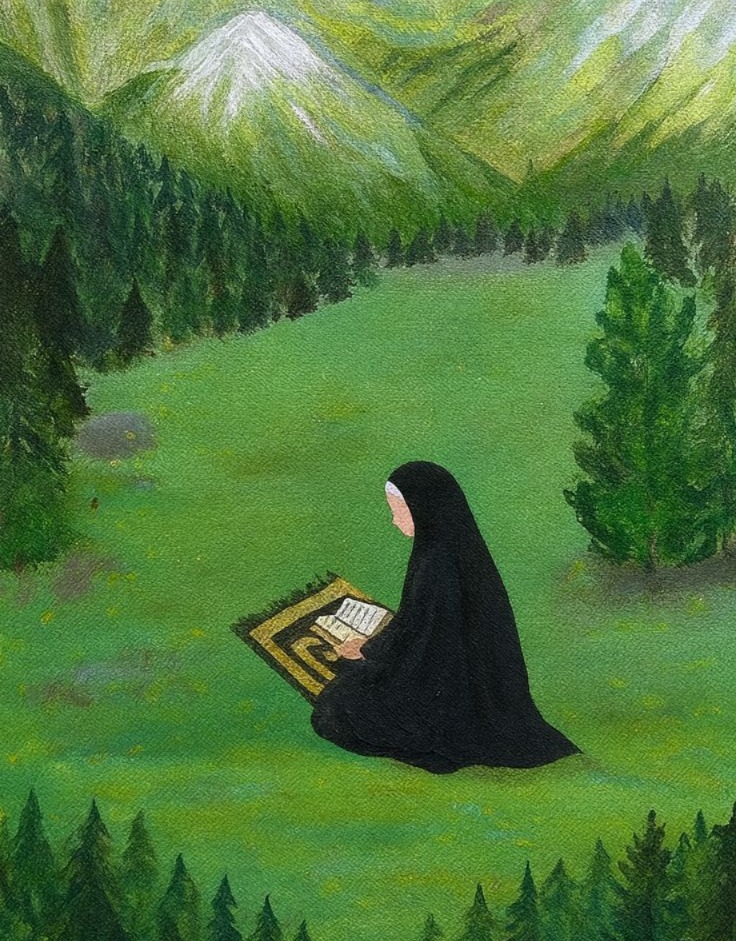
Many new Muslims describe their conversion as a feeling of peace, clarity, and a sense of “coming home.” At the same time, Islam emphasizes gradual spiritual growth rather than sudden change. For this reason, new Muslims are encouraged to be patient with themselves as they learn and practice their faith. In addition, Islam teaches believers to turn to God in all situations—during ease as well as hardship.
Over time, this consistent connection with Allah helps strengthen faith, deepen inner peace, and build emotional stability.
Converting to Islam means:
- Starting a new spiritual chapter
- Building a direct connection with God
- Finding meaning beyond daily routines
- Living with intention and purpose
It is a lifelong journey of learning, worship, and personal growth—guided by mercy, not pressure.
Why People Choose to Convert to Muslim
People choose to convert to Islam for many different reasons, and no two journeys are exactly the same.
For most, it is not a sudden decision, but a gradual journey of searching, learning, and self-reflection.
Many people are drawn to Islam because it offers clear answers to big questions about life, purpose, and God—along with a strong sense of peace and direction.
Spiritual Reasons for Converting to Islam
One of the strongest reasons people convert to Islam is its clear belief in one God (Tawhid). At its core, Islam teaches that God is One, unique, and without partners. Moreover, it emphasizes that every person can have a direct relationship with Him, without intermediaries.
As a result, believers feel a deep sense of closeness, trust, and spiritual clarity in their connection with God.
Many converts say they were searching for:
- A deeper spiritual connection
- Meaning beyond material success
- Inner peace and emotional stability
Through prayer, remembrance of God, and reading the Quran, many feel a sense of calm, clarity, and spiritual fulfillment they had not experienced before.
Intellectual and Logical Appeal of Islam
Islam also appeals to people on an intellectual level.
Many describe Islam as clear, logical, and consistent.
They are drawn to:
- The simplicity of its core belief
- The Quran’s message and preservation
- The idea that Islam continues the message of earlier prophets like Abraham, Moses, and Jesus (peace be upon them all)
For some, studying Islam answers long-standing questions about existence, morality, and life after death in a way that feels complete and convincing.
Lifestyle, Discipline, and Guidance
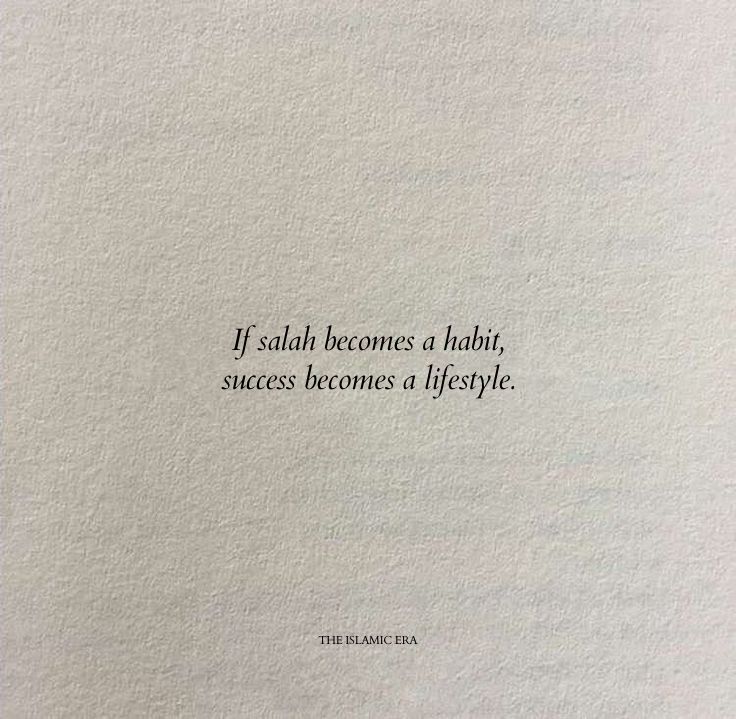
Another major reason people convert to Islam is the structured lifestyle it offers.
Islam provides guidance for daily life, including:
- Prayer and spiritual routines
- Moral behavior and personal responsibility
- Healthy habits and self-discipline
Many converts say Islam helped them:
- Move away from harmful behaviors
- Create order and balance in their lives
- Develop strong morals and self-control
Rather than feeling restrictive, they often describe Islamic practices as freeing and stabilizing.
Community, Belonging, and Identity
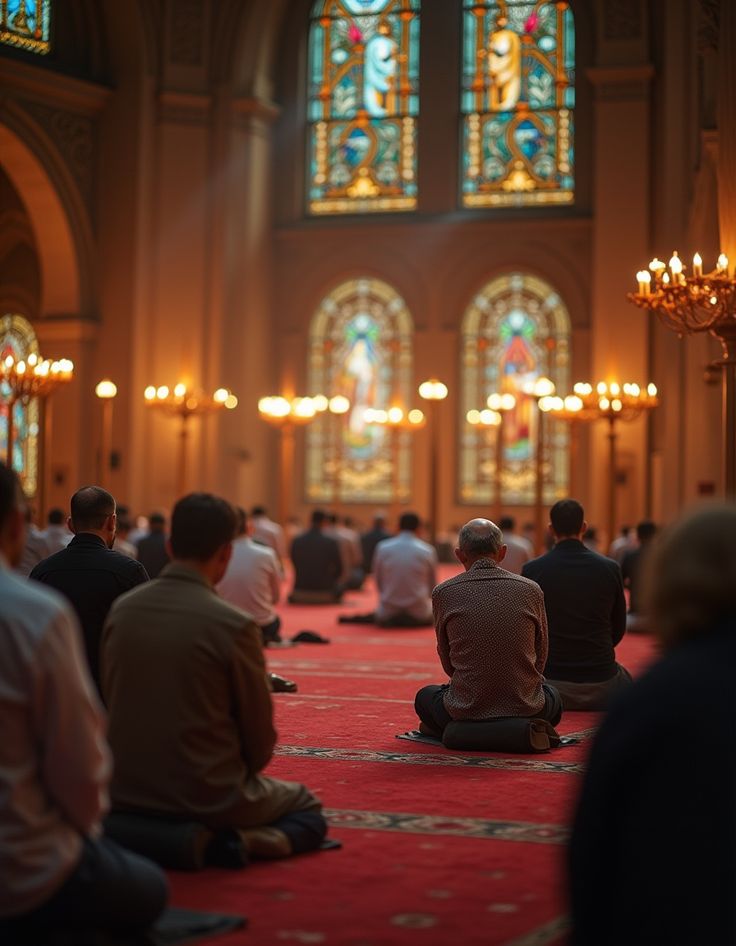
Islam also offers a strong sense of belonging.
The global Muslim community, known as the Ummah, emphasizes brotherhood, sisterhood, and mutual support.
Many new Muslims are touched by:
- The warmth of Muslim communities
- The feeling of being part of something bigger
- A clear and confident Muslim identity
They are also inspired by the character, mercy, and humility of Prophet Muhammad ﷺ, whose life example plays a powerful role in many conversion journeys.
Personal Experiences and Life Changes of Those Who Convert to Muslim
For many people, conversion comes during or after a personal crisis—such as loss, addiction, depression, or a period of feeling lost.
Islam gives them:
- Hope after hardship
- Purpose after confusion
- Peace after struggle
How to Convert to Muslim – Step by Step
Converting to Islam is a simple, sincere, and life-changing decision. First of all, you don’t need to be perfect or know everything before you begin. Instead, Islam welcomes you exactly as you are and supports you throughout your journey. Over time, it helps you grow step by step, with patience, mercy, and understanding.
First step in How to convert to Muslim: Believing in One God (Allah)
The heart of Islam is believing in one God, called Allah in Arabic. In essence, Allah is the Creator of everything. Moreover, He has no partner and no children. Above all, nothing is like Him.
This core belief is beautifully summarized in Surah Al-Ikhlas, a short chapter of the Quran that clearly defines who Allah is:
قُلْ هُوَ ٱللَّهُ أَحَدٌ ١ ٱللَّهُ ٱلصَّمَدُ ٢ لَمْ يَلِدْ وَلَمْ يُولَدْ ٣ وَلَمْ يَكُن لَّهُۥ كُفُوًا أَحَدٌۢ ٤
“Say: He is Allah, the One. Allah, the Eternal Refuge. He neither begets nor is born. And there is nothing comparable to Him.”
(Surah Al-Ikhlas112:1–4)
In other words, Allah is One, self-sufficient, and completely unique—unlike anything in creation. This clear understanding of God is what gives Islam its simplicity and depth.
As a result, this belief brings peace because:
- You worship One God only
- You speak to Him directly, without intermediaries
- You trust His wisdom and mercy in all situations
Second step in How to convert to Muslim: Belief in Prophet Muhammad ﷺ
Muslims believe that Prophet Muhammad ﷺ is the final messenger sent by Allah. He did not come with a new God, but with the same message taught by earlier prophets like Adam, Noah, Abraham, Moses, and Jesus (peace be upon them all).
The Quran clearly explains this continuity of faith:
۞ شَرَعَ لَكُم مِّنَ ٱلدِّينِ مَا وَصَّىٰ بِهِۦ نُوحًۭا وَٱلَّذِىٓ أَوْحَيْنَآ إِلَيْكَ وَمَا وَصَّيْنَا بِهِۦٓ إِبْرَٰهِيمَ وَمُوسَىٰ وَعِيسَىٰٓ ۖ أَنْ أَقِيمُوا۟ ٱلدِّينَ وَلَا تَتَفَرَّقُوا۟ فِيهِ ۚ كَبُرَ عَلَى ٱلْمُشْرِكِينَ مَا تَدْعُوهُمْ إِلَيْهِ ۚ ٱللَّهُ يَجْتَبِىٓ إِلَيْهِ مَن يَشَآءُ وَيَهْدِىٓ إِلَيْهِ مَن يُنِيبُ ١٣
“He has ordained for you the same religion which He ordained for Noah, and that which We have revealed to you, and what We ordained for Abraham, Moses, and Jesus…”
(Surah Ash-Shuraa 42:13)
This verse shows that Islam is not a new religion, but a continuation of the same divine message calling people to worship One God alone.
Prophet Muhammad ﷺ taught:
- Worship Allah alone
- Be honest, kind, and just
- Treat others with mercy and respect
His life is a practical example of how to live Islam with balance and compassion.
Third step in How to convert to Muslim: Saying the Shahada and Its Meaning
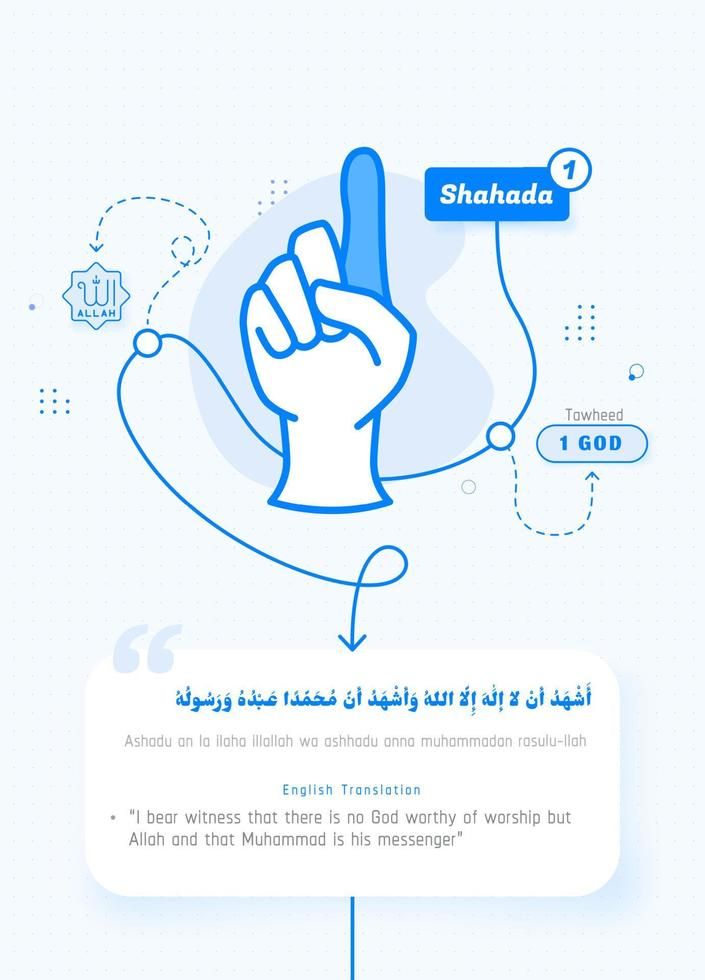
The Shahada is the declaration of faith and the only formal step to become Muslim.
The Shahada in Arabic:
“Ash-hadu an la ilaha illa Allah, wa ash-hadu anna Muhammadan Rasul Allah.”
Meaning:
“I bear witness that there is no god worthy of worship except Allah, and I bear witness that Muhammad is the Messenger of Allah.”
When you say this with understanding and sincerity, you are officially Muslim.
All previous sins are forgiven, and you begin a new chapter in your life.
You may say the Shahada:
- Alone, in private
- Or with others at a mosque for support
Both are valid.
If you’d like more guidance on how to say the Shahada and what it truly means, you can read our full step-by-step guide here: Islamic Convesion Prayer
Fourth step in How to convert to Muslim: Performing Ghusl (Optional but Recommended)

After saying the Shahada, it is recommended to perform Ghusl, a full-body purification bath.
It’s very simple:
- Make the intention to purify yourself
- Wash your entire body with clean water
This step symbolizes a fresh start, but it is not required for your Islam to be valid.
A Gentle Reminder
To convert to Islam, all you need is:
- Belief in Allah
- Belief in Prophet Muhammad ﷺ
- Sincere declaration of the Shahada
Everything else comes gradually, with patience and ease.
Do You Need a Witness to Convert to Muslim?
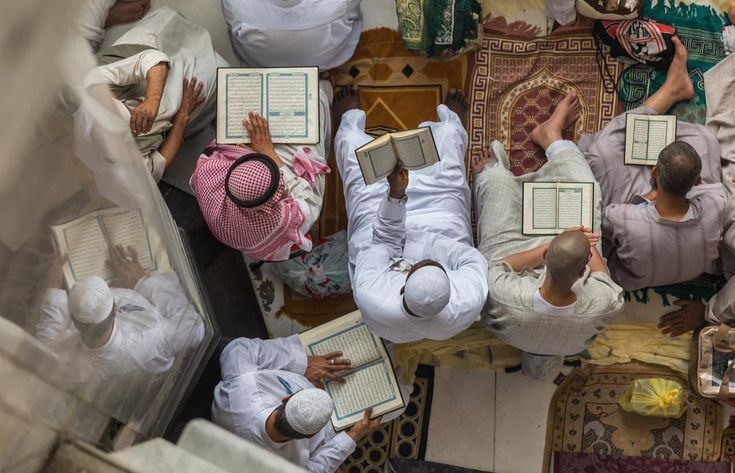
One of the most common questions people ask when learning how to convert to Muslim is whether witnesses are required.
The simple answer is: No, witnesses are not spiritually required to become Muslim.
In Islam, what truly matters is your sincerity and belief. When you say the Shahada with true conviction, you become Muslim immediately, even if no one else is present.
Allah knows what is in your heart, and no human approval is needed for your faith to be valid.
Scholarly Views on Witnesses
Islamic scholars across different schools of thought agree on one essential point:
➡️ Witnesses are not a condition for the validity of conversion.
There is no verse in the Quran and no authentic hadith that makes witnesses mandatory for entering Islam.
Scholars explain that:
- Faith is based on belief and intention
- Allah alone judges sincerity
- Public declaration is encouraged but not required
Some scholars recommend witnesses only for practical reasons, not religious obligation.
Why Do Mosques Often Use Witnesses?
Although witnesses are not spiritually required, many mosques ask for them for worldly and administrative reasons.
These include:
1. Marriage
If you plan to marry a Muslim:
- Families may ask for confirmation of your Muslim status
- A mosque certificate helps avoid disputes
- Witnesses provide clarity and trust
2. Legal or Official Documentation
In some Muslim-majority countries, proof of being Muslim may be required for:
- Marriage registration
- Hajj or Umrah permits
- Certain legal documents
In these cases, witnesses and certificates help with official recognition.
3. Community Support
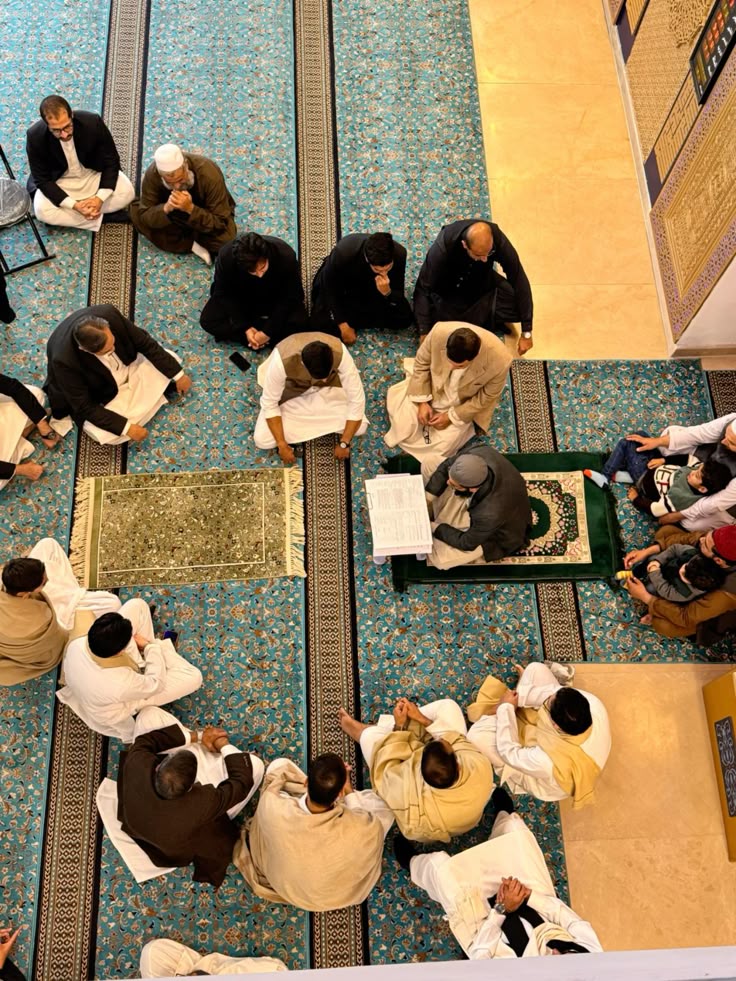
When you convert at a mosque:
- The community becomes aware of your journey
- You receive guidance and support
- You are welcomed and included more easily
This is especially helpful for new Muslims who may feel alone at the beginning.
Final Reminder for New Muslims
If you are worried about “doing it the right way,” remember:
✔️ You do not need witnesses to become Muslim
✔️ You do not need permission from anyone
✔️ You do not need to know everything
✔️ You only need sincere belief
Everything else comes with time, learning, and support.
What Happens After You Convert to Muslim?
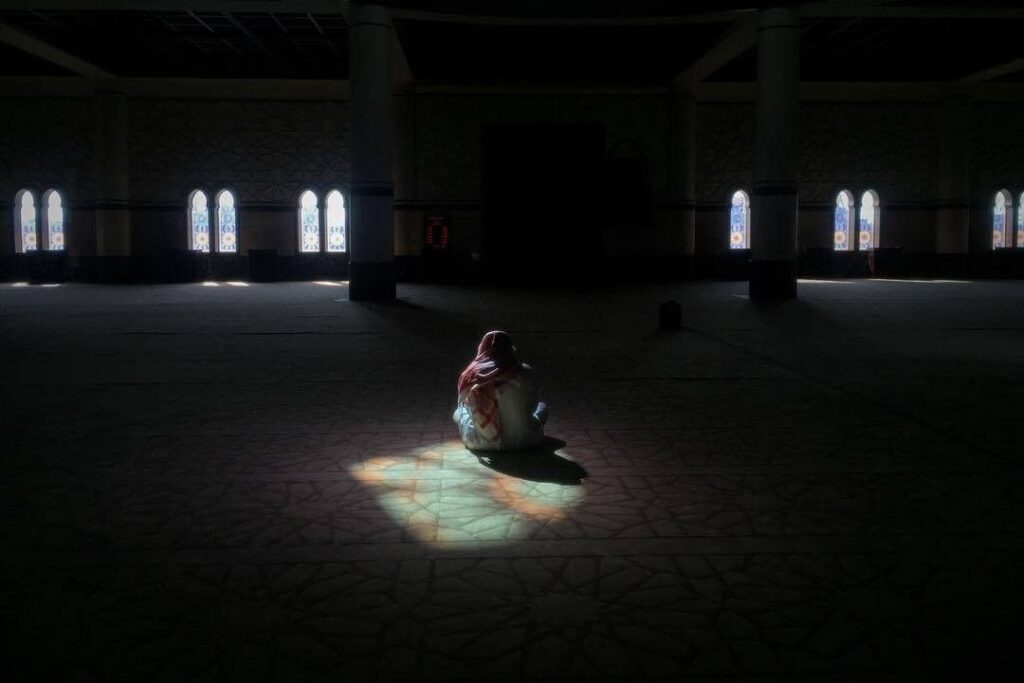
Many people wonder what actually changes after converting to Islam.
The truth is: some things change immediately in your heart, while other changes happen gradually over time.
Islam is not about pressure or sudden perfection—it’s about starting a new spiritual journey with purpose, peace, and guidance.
Your Past Sins Are Forgiven
One of the most beautiful aspects of Islam is that all past sins are completely forgiven the moment you sincerely say the Shahada.
The Prophet Muhammad ﷺ taught that:
- A new Muslim starts with a clean slate
- It is as if they are born again spiritually
- Past mistakes are not held against them
This brings immense relief and hope, especially for those who carry guilt, regret, or pain from the past.
A New Purpose in Life
After converting to Islam, life gains a clear and meaningful purpose.
A Muslim’s goal becomes:
- Worshiping Allah
- Living according to His guidance
- Seeking success in this life and the hereafter
This does not mean abandoning family, work, or ambitions—but rather aligning everything with pleasing God.
A Direct Relationship With Allah
As a Muslim, you develop a direct and personal connection with Allah.
- You speak to Him through prayer
- You ask Him directly for help and guidance
- No priests, no intermediaries—just you and your Creator
Many new Muslims say this direct connection brings deep comfort and emotional strength.
Inner Peace and Emotional Stability
Many converts describe a strong sense of inner peace after embracing Islam.
They experience:
- Calmness in the heart
- Clarity of mind
- Trust in God’s plan, even during hardship
This peace often comes from knowing why you exist and where you are going.
First Things to Learn After You Convert to Muslim
After converting to Islam, many new Muslims feel excited—but also a little overwhelmed. That’s completely normal.
Islam does not expect you to learn everything at once. The journey is about small, steady steps that build strong faith over time.
Start with the basics, and allow yourself to grow gradually.
Learning How to Pray Salah
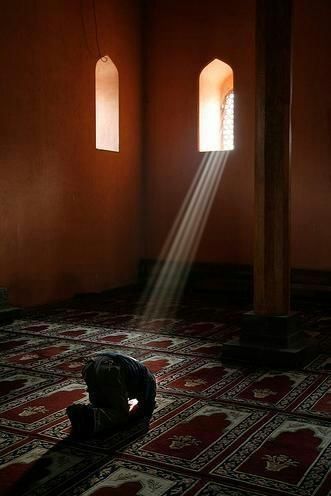
One of the first and most important things to learn after converting is Salah (daily prayer).
Prayer is your daily connection with Allah. It brings peace, structure, and spiritual strength into your life.
As a new Muslim, focus on:
- Learning the five daily prayers
- Understanding their times and purpose
- Practicing slowly, without pressure
Before prayer, Muslims perform Wudu (ablution)—a simple washing of the hands, face, arms, and feet. This physical cleanliness also prepares the heart and mind for worship.
Want to learn more about Wudu? Read our blog post: How to Do Wudu Step by Step
Don’t worry if:
- You don’t know Arabic yet
- You forget steps
- You need to use transliteration
Allah values your effort and sincerity, not perfection. With time and practice, prayer becomes natural and comforting.
Basic Islamic Beliefs and Daily Practices
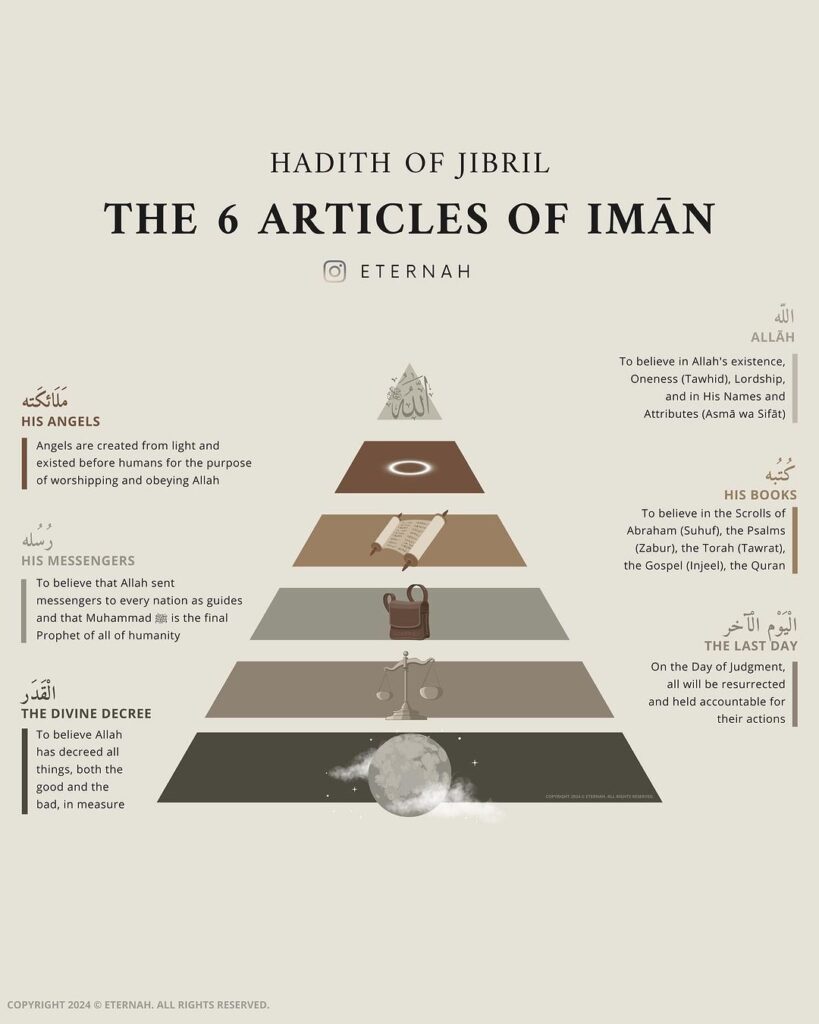
Alongside prayer, it’s important to understand the core beliefs of Islam.
Start with:
- Shahada: Knowing its meaning and living by it
- Tawhid: Belief in one God, Allah, without partners
- The Six Articles of Faith:
- Belief in Allah
- His angels
- His revealed books
- His messengers
- The Day of Judgment
- Divine destiny (Qadar)
These beliefs shape how a Muslim sees life, challenges, and purpose.
Curious about the Pillars of Iman? Unlock their meaning and discover the 6 Pillars in detail—read the full blog post here!
Learning Through the Quran and Sunnah
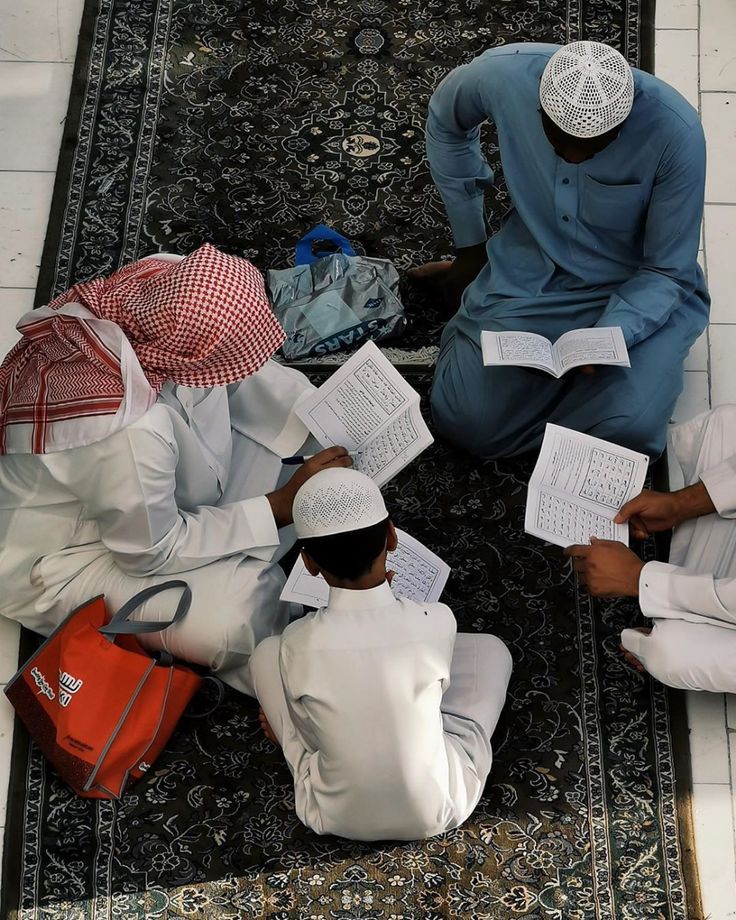
Begin by reading the Quran in a language you understand. At first, focus on understanding the message itself, rather than reading quickly or finishing large portions.
In addition, take time to learn about the life of Prophet Muhammad ﷺ (Sunnah). Through his character, patience, and mercy, new Muslims can gradually see how Islam is practiced and lived in real life.
Most importantly, you don’t need deep scholarly knowledge right away. Instead, start with simple explanations and beginner-friendly resources, and over time, your understanding will naturally grow.
Connecting With a Muslim Community
Being part of a community makes your journey much easier.
Try to:
- Visit a local mosque
- Join beginner classes or online groups
- Ask questions freely
A supportive community helps you learn, stay motivated, and feel that you truly belong.
The Right Mindset for a New Muslim
As you grow in Islam, remember:
- Be patient with yourself
- Learn step by step
- Avoid arguments and debates
- Focus on strengthening your relationship with Allah
Islam is a path of ease, mercy, and consistency.
Final Thought
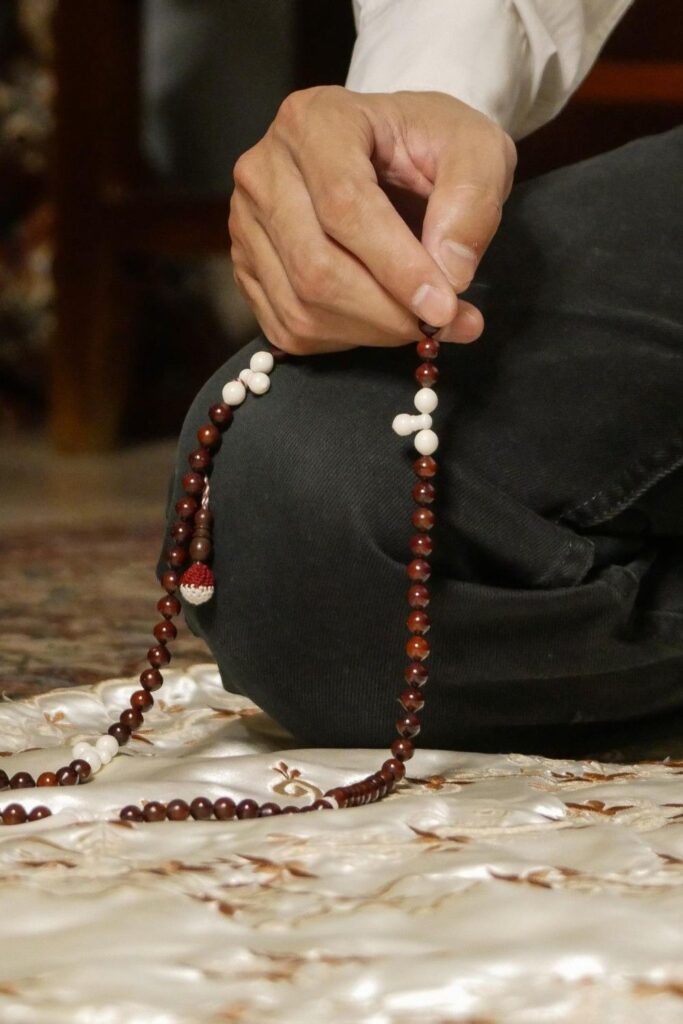
Converting to Islam is not about changing who you are; rather, it is about returning to a natural and sincere connection with your Creator. At its core, this journey begins with belief, then grows through learning and patience, and eventually unfolds gently over time.
If, at any point, you feel drawn to Islam, trust that feeling. Instead of rushing, take things step by step, ask questions freely, and always remember that Allah looks at your heart, not perfection. Because of this, every journey to faith is unique, and even the smallest step you take truly matters.
Ultimately, learning how to convert to Muslim is a path of mercy, clarity, and peace. Above all, it welcomes you exactly as you are and continues to guide you forward with compassion and care.
Start Your Journey With Guidance and Support
Beginning your journey as a new Muslim can feel overwhelming—but you don’t have to walk it alone.
At Areeb Academy, we offer beginner-friendly Islamic courses designed especially for new Muslims and those exploring Islam. Our experienced teachers guide you step by step in a warm, supportive, and judgment-free environment.
✔ Learn the basics of Islam with clarity
✔ Understand prayer, belief, and daily practice
✔ Study with qualified teachers who speak English
✔ Join a welcoming community that supports your growth
👉 Book your free trial today and take your first confident steps toward learning Islam with ease and understanding!
FAQs About Converting to Islam
Q1: What is the main difference between Islam and Christianity regarding God?
Islam emphasizes the oneness of God (Tawhid), meaning God has no partners, children, or equals. Christianity teaches the concept of the Trinity. Understanding this distinction helps clarify why Muslims focus on direct worship of Allah alone.
Q2: Do I have to change my culture or background to become Muslim?
No. Converting to Islam is about returning to a natural connection with Allah, not abandoning your cultural identity. Islam welcomes people from all backgrounds.
Q3: Are there any rules for new Muslims I should know immediately?
Start with the basics: belief in Allah, the Shahada (declaration of faith), learning Salah (prayers), and understanding core Islamic beliefs. Other practices, like fasting and charity, are learned gradually.
Q4: Will converting to Islam mean leaving my family or friends?
Not necessarily. While some relationships may face challenges, Islam encourages patience, respect, and gradual communication. Many families accept the change over time.
Q5: Can someone who converts to Islam be forgiven for past mistakes?
Yes. Islam teaches that sincerely declaring the Shahada wipes away all previous sins, giving new Muslims a fresh start spiritually.
Q6: Is Islam compatible with modern life and education?
Absolutely. Islam provides guidance for daily life, ethics, and personal growth, while also encouraging learning, balance, and engagement with the world.
Q7: What if I’m unsure or afraid to take the first step?
Islam encourages gradual learning and patience. You can start by reading, asking questions, and connecting with a supportive community. Faith grows step by step.